Make Your Own Desserts and Latte Art at a Korean Workshop Cafe
목차
Cafes in Korea have evolved beyond simple coffee-drinking spots into “hands-on spaces” where you can make and learn something yourself. With just two or three hours during your trip, you can craft a one-of-a-kind souvenir, bond with animals, or relax buried in piles of comic books. Focusing on Seoul, this guide includes only the practical information that foreign travelers can actually use to book and visit—from workshop-style cafes (cakes, latte art, perfume, pottery) to animal cafes and comic/board game cafes.
General Information for Travelers
Before visiting an experience cafe, just check four things—reservations, cost, language, and transportation—and your chances of a smooth visit go up dramatically.
How to Book
Most workshop-style experience cafes operate on a small-group reservation basis. If you show up without a booking, you may not be able to join. There are three main reservation channels.
- Naver Booking: The most common reservation system in Korea. Search the cafe’s name in the Naver Map app, then tap the “Booking” button. You can sign up for a Naver account with an overseas phone number, but some venues require Korean mobile verification, which can be a hurdle for foreigners.
- Instagram Direct Message: Many workshops and cafes run Instagram accounts. Their profile often includes booking info, and you can inquire in English with your preferred date, time, and number of people. It’s one of the fastest channels for a reply.
- Global Booking Platforms (Klook, KKday, Fever, etc.): Search in English—something like “Seoul perfume making class”—and pay in your own currency. With a clear English-language booking flow, this is the safest option for foreigners.
Cost and Payment
As of June 2026, workshop-style experiences usually run between 30,000 and 80,000 KRW per person. A typical package includes materials, instruction, and one basic drink. Choosing premium materials or add-on options raises the price.
- Workshop-style experiences (cake, perfume, pottery): Mostly in the 35,000–70,000 KRW per person range.
- Hourly cafes (comics, board games): Much cheaper, around 6,000–7,000 KRW per hour including a drink.
- Payment methods: Most accept credit cards (Visa, Mastercard). Some smaller workshops may prefer cash or bank transfer, so it’s best to confirm when booking.
Language and Communication
Not every experience cafe has staff fluent in foreign languages. That said, classes aimed at foreigners in popular areas like Hongdae, Gangnam, and Myeongdong are often conducted in English. Look for an “English-speaking” label on the booking platform, or ask in advance via Instagram DM which language the class is run in—that’s the safest approach.
Editor’s Tip
If language is a concern, choose an experience you can follow with visual cues and gestures alone. Cake decorating or candle making tend to have a relatively low language barrier. Installing the Papago or Google Translate app beforehand goes a long way toward smooth communication.
Transportation Guide
Most experience cafes in Seoul are within walking distance of a subway station. Just check the public transit route using the Naver Map or Google Maps app.
- Taking a taxi: The “Kakao T” app supports registering overseas-issued credit cards, and you can also call the same taxi network with the “k.ride” app made for foreign travelers. The Uber app works in Seoul as well. You can now hail a ride without a Korean mobile number (as of June 2026).
- Traveler helpline: Dial 1330 (no area code needed)—a 24-hour tourism information and interpretation service run by the Korea Tourism Organization (available in English, Japanese, Chinese, and more).
1. DIY Dessert Cafe
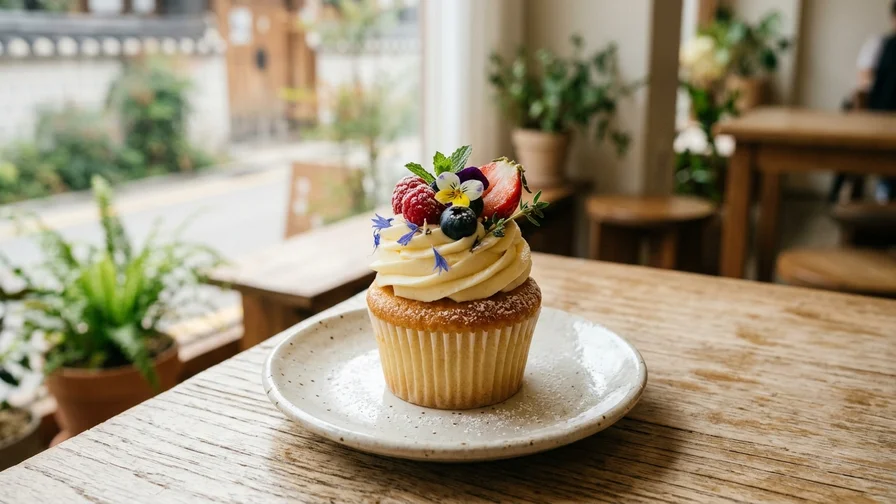
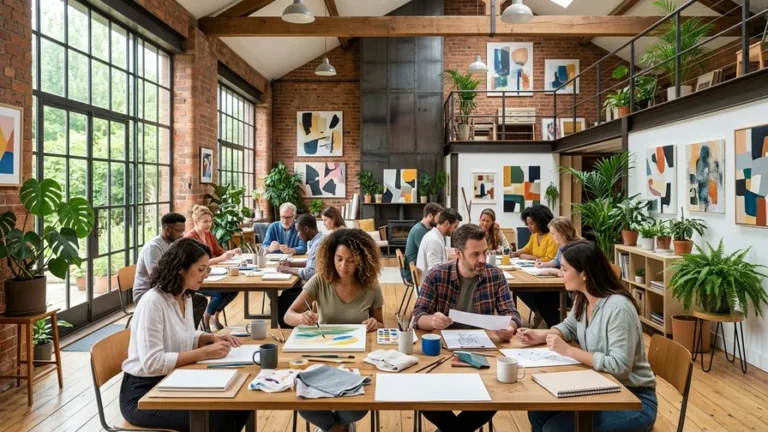
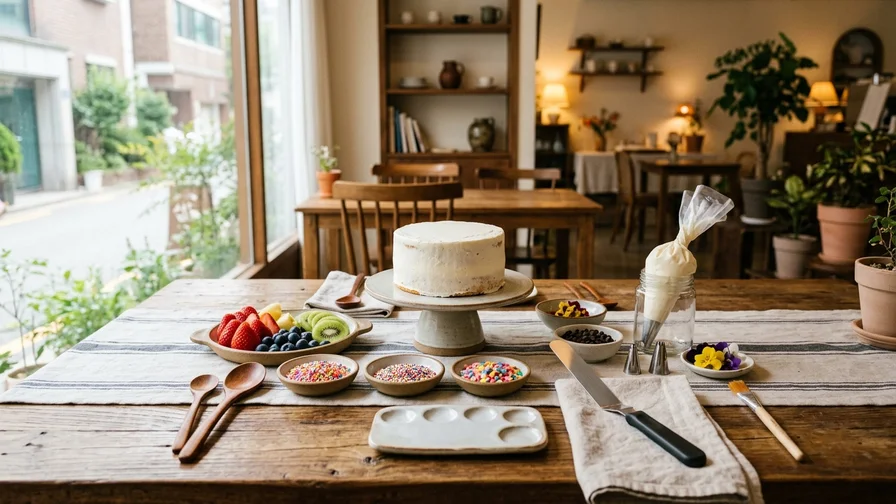
A space where you make and decorate cakes, cookies, and more yourself. You can follow a set design or create freely. It’s especially popular with couples celebrating an anniversary or families with children, and the experience usually takes 1.5 to 2 hours.
Recommended Spot: Naega Mandeun Micake (Hongdae Branch)
Naega Mandeun Micake (Hongdae Branch) 📍 is a spot where the cake layers, whipped cream, and decorative toppings (fruit, chocolate, sprinkles) are all prepared, so even beginners can easily finish a cake. It’s within walking distance of Exit 9 of Hongik University Station. They use Naver Booking, so reserving before you go is recommended—weekend walk-ins can mean long waits.
| Category | Information |
|---|---|
| Name | Naega Mandeun Micake – Hongdae Branch |
| Address | 3F, 122 Eoulmadang-ro, Mapo-gu, Seoul |
| Google Maps | Google Maps Link |
| Main Experience | Cake Decorating |
| Price | From 17,000 KRW for a whipped-cream cake base; extra charges apply for added toppings (as of June 2026) |
| Hours | 11:00–21:00 (until 19:00 on Sundays), closed Tuesdays (as of June 2026) |
| Booking | Naver Booking recommended; phone 02-332-9001 |
| Notes | You can box up and take your cake right away. If you have nut, milk, or gluten allergies, let the staff know in advance. |
2. Latte Art Experience Cafe
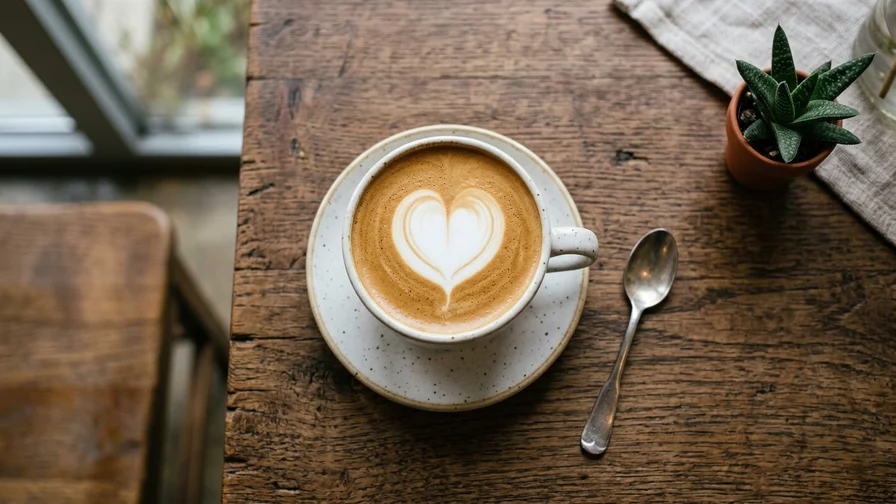
A class where a barista teaches you the basics of latte art. You’ll try everything from steaming milk to basic patterns like hearts and rosettas yourself. At 1.5 to 2 hours it’s relatively short, making it easy to pair with other plans, and you can drink the latte you make right on the spot.
Recommended Spot: Aya Coffee Latte Art Class (Gangnam)
Aya Coffee 📍 offers a one-on-one latte art one-day class. Its biggest advantage for foreigners is that the global experience platform Fever has an English booking page, so you can pick a date and time and pay right away without a Korean phone number.
| Category | Information |
|---|---|
| Name | Aya Coffee Latte Art Class |
| Address | 1F, 11 Eonju-ro 94-gil, Gangnam-gu, Seoul |
| Google Maps | Google Maps Link |
| Main Experience | One-on-one latte art class (about 90 minutes) |
| Price | Check by date on the Fever booking page (non-refundable policy, so pay only after confirming your schedule) |
| Booking | Select a date and pay on the English Fever page (feverup.com) |
| Notes | Since it’s one-on-one, you can go at your own pace. For parking, it’s best to call ahead. |
If your plans are in the Hongdae area, Kkomjak Coffee Class 📍 in Mangwon-dong is another option—a hands-on 2-hour class with a small group of 1–2 people, covering everything from pulling espresso on a commercial machine to steaming and patterns. Tuition is in the 80,000–90,000 KRW range (as of June 2026; since booking is through Korean platforms like UMM Class, an Instagram DM inquiry is easier for foreigners).
3. Perfume Making Workshop
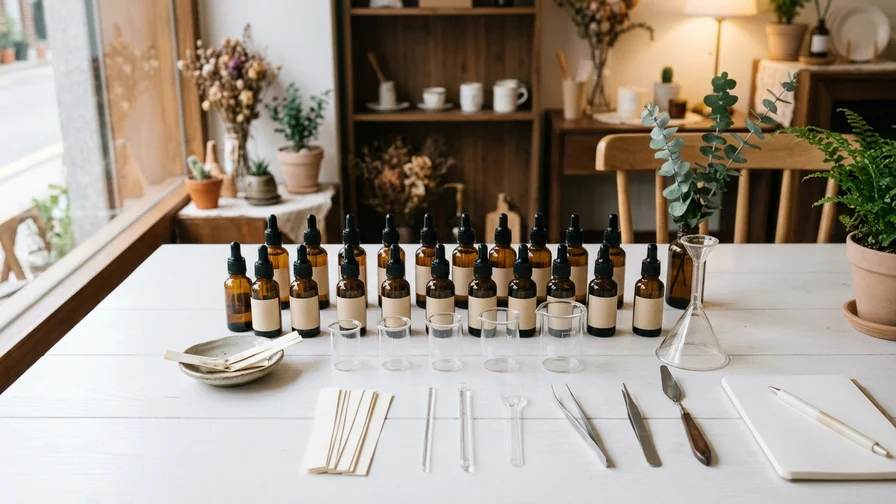
An experience where you smell and combine dozens of fragrance oils to create your own perfume. You’ll learn the concepts of top, middle, and base notes while finding a scent that suits your taste. Since the finished perfume can be bottled and labeled to take home, it’s a favorite as a compact, meaningful travel souvenir. It usually takes 1.5 to 2 hours.
Recommended Spot 1: .NOTE (Gangnam)
.NOTE 📍 is a self-blending perfume workshop near Sinnonhyeon Station. Rather than having a perfumer dictate the “right answer,” you smell 60 fragrances yourself and build your own blend, so exploring your own taste is the real fun.
| Category | Information |
|---|---|
| Name | .NOTE |
| Location | Near Sinnonhyeon Station, Gangnam-gu, Seoul (the exact suite number is shared when your booking is confirmed) |
| Google Maps | Google Maps Link |
| Main Experience | Self-blending with 60 fragrances; Custom Perfume Making |
| Price | 98,000 KRW for two people for a 50ml perfume (about 49,000 KRW per person, as of June 2026) |
| Booking | Naver Booking, or coordinate via 1:1 chat on class platforms (Somssidang, Mocha Class) |
| Notes | Held in a private space. Reservation required. |
Recommended Spot 2: Lumiere Perfume Workshop (Hongdae)
In the Hongdae area, Lumiere Perfume Workshop 📍 is the easiest for foreigners—it’s listed on Klook as “Hongdae Lumiere Perfume: Create Your Own Perfume,” so you can complete booking and payment in your own currency on the English page. The most accurate way to check pricing and available time slots is directly on the Klook product page (on sale as of June 2026).
4. Pottery & Ceramics Cafe
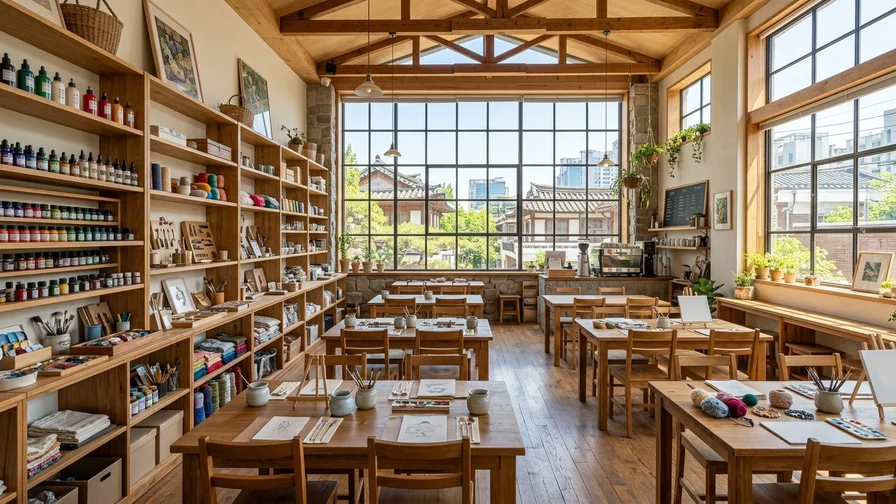
An experience where you work with clay to make cups, bowls, vases, and more. You can choose between hand-building, where you shape with your hands, and wheel throwing, where you spin the wheel. Wheel throwing is a bit harder but all the more dynamic. One-day pottery classes in Seoul typically run between 30,000 and 60,000 KRW.
Important: Receiving Your Creation
The most important point about a pottery experience—you can’t take your creation home the same day. The drying, bisque firing, glazing, and final firing process takes at least 2 to 4 weeks. You’ll either need to return to the studio to pick up the finished piece or request shipping. If you’re on a short trip, be sure to check whether international shipping is available and how much it costs before the class begins.
Recommended Spot: Bitda Pottery Studio (Hongdae)
Bitda Pottery Studio (Hongdae) 📍 is a studio offering three one-day classes: wheel throwing, hand-building, and hand-painting. It’s listed on travel platforms like MyRealTrip, so the booking flow for travelers is relatively well set up.
| Category | Information |
|---|---|
| Name | Bitda Pottery Studio – Hongdae |
| Address | 32 Wausan-ro, Mapo-gu, Seoul |
| Google Maps | Google Maps Link |
| Main Experience | Wheel Throwing, Hand-building, Hand-painting |
| Hours | Tue, Thu, Fri, Sat 10:00–19:00 / Wed 13:00–22:00 / closed Sun and Mon (as of June 2026) |
| Price | Varies by class—check on the booking platform (MyRealTrip) or by phone |
| Booking | Phone reservation required (a confirmation call is needed even after booking on a platform) |
| Notes | It takes 2–4 weeks to receive the finished piece. Ask directly when booking about whether international shipping is available and the cost. |
5. Animal Cafes: Know Before You Go
Korean animal cafes are famous among foreign travelers, but the law changed significantly at the end of 2023. If you go without knowing, you might make a wasted trip or unintentionally contribute to animal welfare problems, so we’ve covered this separately.
- Wildlife cafes are being phased out: Starting December 14, 2023, amended versions of the Wildlife Protection Act and the Zoos and Aquariums Act took effect—it’s now prohibited to display wild animals like raccoons and meerkats at cafes without a zoo license. Only existing businesses that filed in advance are allowed to operate temporarily until December 13, 2027, and even during that period, contact experiences like feeding and touching are banned.
- For this reason, we don’t recommend raccoon or meerkat cafes: Even those open now are a business type that will soon disappear, and confined indoor display itself is exactly the area the law shut down over animal stress concerns. Don’t go chasing old social media reviews.
- Dog and cat cafes are legal: Pets aren’t subject to this regulation. They typically operate via a drink order or an entry fee (around 8,000–15,000 KRW including a drink). The hygiene rules are similar everywhere—sanitize your hands on entry, drinks are served in lidded cups, no outside food, and don’t give the animals human food.
- One verified example: Bau House 📍, near Exit 4 of Hapjeong Station—one of the longest-running dog cafes in Seoul, with plenty of reviews from foreign visitors. Fees and hours do change, so check the latest info on official channels like Instagram before you go (as of June 2026).
- How to choose: Whether the animals have a space to retreat to (a free-access zone), whether staff step in to stop excessive contact, and whether there are reviews from within the past month—these three points give you a rough read on the hygiene and operation.
6. Manhwa & Board Game Cafes
If a hands-on, make-it-yourself experience feels like too much, or a rainy day leaves a gap in your plans, the answer is a Korean-style indoor cafe where you pay by the hour. The biggest difference from workshop-style cafes is that you can just walk into both without a reservation.
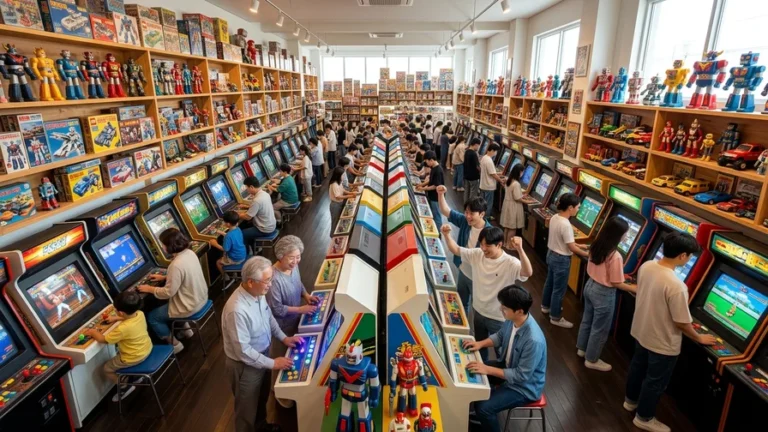
- Manhwa Cafe: An hourly space with tens of thousands of comic books and cozy spots like floor mats and lofts. At the nationwide chain Nolsoop 📍, it runs around 6,500 KRW for 1 hour plus a drink, 9,500 KRW for 2 hours, and 12,000 KRW for 3 hours, with some branches offering an overnight rate (around 18,000 KRW) (as of June 2026, varies by branch). Just know in advance that the books are almost all in Korean—for foreigners, the fun lies less in reading and more in “experiencing how young Koreans relax + snacks like ramen and waffles.”
- Board Game Cafe: A space where you rent from hundreds of board games on an hourly rate. At the nationwide chain Red Button 📍, it’s about 2,000–3,000 KRW per hour, and many branches require a drink order (as of June 2026, varies by branch). There’s a culture of staff explaining the game rules in person, and if you pick games that need almost no language—like Halli Galli or Rummikub—your group can fully enjoy them in English.
- Common tip: Branches are concentrated in busy areas like Hongdae and Gangnam, making them easy to slot in between other plans. Settling the bill at checkout (pay-on-exit) is standard, so you can step in without any pressure.
Final Checklist for Travelers
One last thing to check before you head out.
- Confirm language support: When booking, double-check whether the class can be run in English or a language you speak. Prioritize places with a clear English booking flow (businesses listed on Klook or Fever).
- Share allergy information: For dessert experiences, be sure to disclose nut, dairy, and gluten allergies in advance. For perfume experiences, also mention any sensitivity to particular scents.
- How to receive your creation: Clearly confirm when and how you’ll get it. With pottery especially, you receive it 2–4 weeks later, so checking the international shipping procedure and cost is essential.
- Check closing days: Workshops each have their own regular closing days (even just the examples in this article mix Tuesday closings and Sunday/Monday closings). It’s the number-one check to avoid a wasted trip.
- What to wear: Pottery and painting experiences can get clay or paint on you. Wear comfortable clothes you won’t worry about staining. Aprons are provided in most places.
- Be on time: Classes often start right on schedule. Arriving 10 minutes before your reserved time is recommended.
Korea’s experience cafes are a special chance to walk away with both travel memories and something you made with your own hands. We hope this guide makes your Seoul itinerary one notch richer.