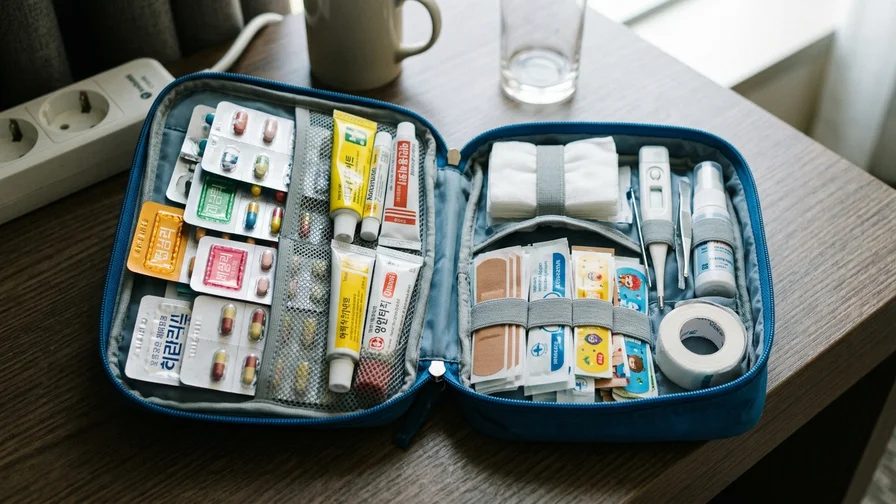
Feeling Sick in Korea? How to Find Pharmacies & Pack a Medical Kit
목차
This is a guide that pulls together everything you need to know about using pharmacies, buying over-the-counter medicine, and handling emergencies during your trip to Korea. Print it out or save it to your phone so you can follow it step by step when you actually need it—it includes specific phone numbers, systems, and application links. A solid Korea travel medical kit starts with knowing where to go.
Guide to Using Korean Pharmacies
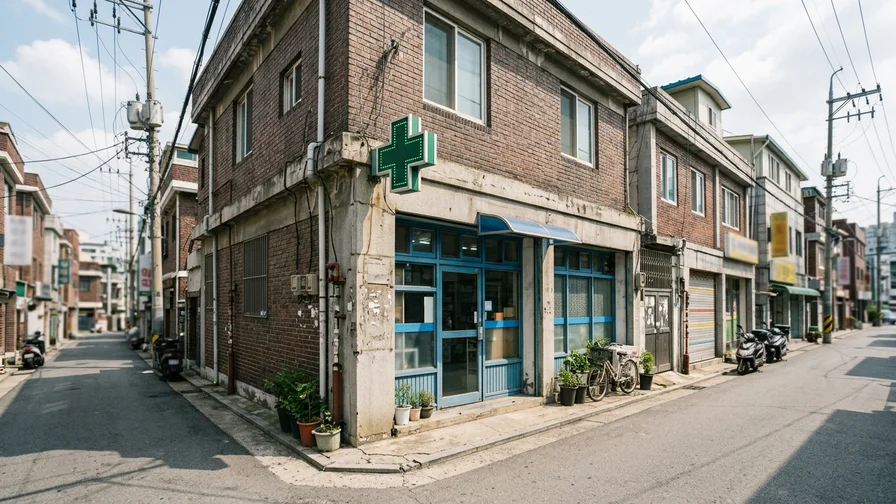
Pharmacies in Korea are easy to spot thanks to their green cross signs. Most pharmacies carry both over-the-counter (OTC) medicines you can buy without a prescription and prescription drugs that require a doctor’s order.
Pharmacy Hours & Locations
- Operating Hours: Neighborhood pharmacies are usually open Monday to Friday from around 9 a.m. to 7 p.m., with shorter hours on Saturdays. Many close on Sundays and public holidays (as of June 2026; varies by pharmacy).
- How to Find a Pharmacy:
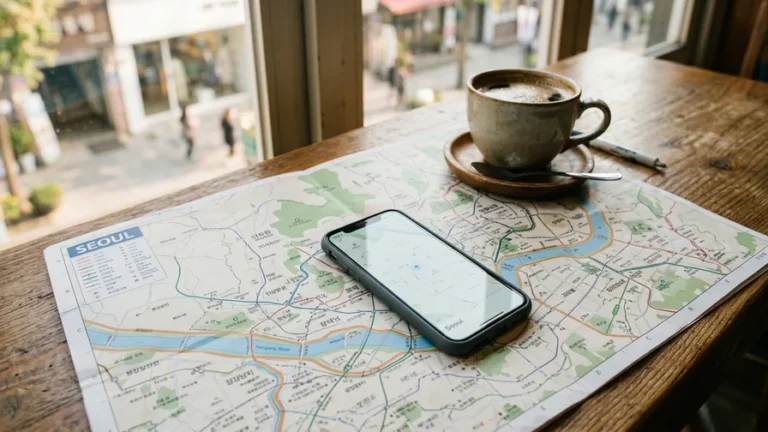
- Naver Map, Kakao Map: The most accurate map apps in Korea. Type “약국” (pharmacy) into the search bar to see nearby pharmacies and whether they’re open.
- Google Maps: You can search “Pharmacy” or “약국”. Search for nearby pharmacies on Google Maps
- Late-Night & Holiday Pharmacies: 24-hour pharmacies are rare, but you can find ones open at night or on holidays through official websites.
- Hyuil Jikimi Pharmacy (Holiday Pharmacy Finder): An official search site run by the Korean Pharmaceutical Association. You can look up pharmacies open at night or on holidays by region. pharm114.or.kr
- E-Gen Emergency Medical Portal: A government-run portal. You can search for pharmacies currently open and emergency rooms together on a map. e-gen.or.kr
- English-Speaking Pharmacies: Some large pharmacies in areas with lots of foreign visitors—like Myeong-dong, Gangnam, and Itaewon in Seoul—may have pharmacists who can communicate in English. It’s not common, though, so it’s safer to have a translation app ready.
What to Keep in Mind When Buying Medicine
Most Korean medicine packaging is labeled in Korean. The most effective approach is to show the pharmacist a photo of the medicine you usually take or the English name of its active ingredient (e.g., Ibuprofen, Cetirizine). The pharmacist can look at the ingredient and find a Korean medicine with the same or similar effect. Rather than picking a medicine for your symptoms on your own, it’s best to decide after consulting with the pharmacist.
Over-the-Counter Medications
Most medicines for minor symptoms can be bought directly at a pharmacy without a prescription. Below is a list of OTC medicines that travelers often look for—just show this table at the pharmacy and consult with the pharmacist (prices are estimated ranges as of June 2026 and vary by pharmacy).
| Category | Korean Product Name | Active Ingredient | Purpose | Estimated Price |
|---|---|---|---|---|
| Painkiller, Fever Reducer | Tylenol | Acetaminophen | Headache, toothache, menstrual pain, fever | KRW 3,000 ~ 5,000 (approx. USD 2.30 ~ 3.80) |
| Painkiller, Anti-inflammatory | Burufen, Advil | Ibuprofen | Pain with inflammation, muscle ache | KRW 4,000 ~ 8,000 (approx. USD 3.00 ~ 6.15) |
| Cold Medicine | Pancold-A, Whituben | Multiple ingredients | Relief of early cold symptoms like runny nose, cough, sore throat, fever | KRW 3,000 ~ 6,000 (approx. USD 2.30 ~ 4.60) |
| Digestive Aid | Festal, Bearse | Digestive enzymes | Indigestion from overeating | KRW 3,000 ~ 5,000 (approx. USD 2.30 ~ 3.80) |
| Liquid Digestive Aid | Gas Whal Myung Su | Herbal ingredients | Bloating, upset stomach | KRW 1,000 ~ 1,500 per bottle (approx. USD 0.77 ~ 1.15) |
| Allergy Medicine | Zyrtec, Allegra | Cetirizine, Fexofenadine | Allergic rhinitis, hives, itching | KRW 5,000 ~ 9,000 (approx. USD 3.80 ~ 6.90) |
| Antidiarrheal | Lopmin | Loperamide | Diarrhea | KRW 4,000 ~ 7,000 (approx. USD 3.00 ~ 5.40) |
| Ointment | Fucidin, Madecassol | Antibiotic, plant extract | Preventing infection in minor cuts and scrapes | KRW 5,000 ~ 10,000 (approx. USD 3.80 ~ 7.70) |
| Energy Drink | Bacchus-D | Taurine, Caffeine | Fatigue relief | KRW 800 ~ 1,200 per bottle (approx. USD 0.60 ~ 0.90) |
Two things to note. Allegra (fexofenadine 120mg) is indeed an OTC medicine, but some pharmacies don’t keep it in stock, so if it’s unavailable, you can ask the pharmacist for a same-class alternative such as Zyrtec. Self-medicating with an antidiarrheal may not be appropriate for diarrhea accompanied by fever or bloody stools, so explain your symptoms to the pharmacist and take it only after consultation.
Editor’s Tip
At night when pharmacies are closed, you can use the “safety OTC medicine” corner at convenience stores. Korea allows 24-hour convenience stores to sell 13 government-designated household medicines—fever reducers and painkillers (Tylenol 500mg tablets, children’s Burufen syrup, etc.), cold medicines (Pancold-A liquid, Panpyrin-T tablets), digestive aids (Bearse tablets, Festal Plus tablets, etc.), and pain-relief patches (Shinshin Pas Arex, etc.). Some items have been discontinued, so stores typically display around 11, and it varies by location (as of June 2026). You can only buy one package per item at a time, and they aren’t sold to children under 12. Quasi-drugs like adhesive bandages and masks are unrelated to this system and can be bought at any convenience store.
Prescription Drugs and Foreign Prescriptions
Getting a Prescription in Korea
Prescription drugs such as antibiotics, blood pressure medication, and some strong painkillers always require a doctor’s prescription. If you need medical care during your trip, follow the steps below.
- Visit a hospital or clinic: Go to a hospital or clinic that matches your symptoms and get examined. Smaller neighborhood clinics can usually be visited without an appointment.
- Get a prescription: After the consultation, the doctor will issue you a prescription.
- Visit a pharmacy: Take your prescription to any pharmacy. Prescriptions can be filled at any pharmacy nationwide, and the pharmacy right next to the hospital is the most likely to have that particular prescription drug in stock.
Foreign Prescriptions and Carrying Personal Medication
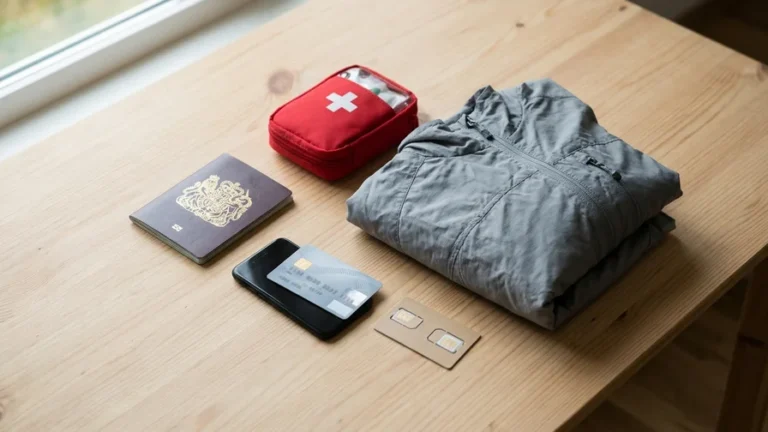
The best approach is to prepare any personal medication you’ll need during your trip ahead of time in your home country. Common medicines can be brought in without separate approval for personal use, up to a total of 6 bottles (or a 3-month supply) (per Korea Customs Service standards, as of June 2026). Just in case, it helps to prepare the following.
- Doctor’s note or prescription in English: Documentation proving the necessity of the medication.
- Original packaging: Carry the medicine in its original container so that the ingredients and name are clearly visible.
Important: Bringing Narcotics and Psychotropic Drugs
To bring in therapeutic medications containing narcotic or psychotropic ingredients—for example, fentanyl patches, ADHD medications (such as methylphenidate), zolpidem, diazepam, or alprazolam—you must obtain advance approval from Korea’s Ministry of Food and Drug Safety. You can apply through the “Carry-in of Narcotics for Self-Treatment” online application on the Drug Safety Korea portal (online applications started in December 2024). The legal processing period is 10 business days, so apply at least 10 days before entry—ideally 2 to 3 weeks in advance to be safe. The approval limit is up to a 90-day supply, and you’ll need a medical certificate (including the diagnosis and prescription details), a prescription, and a copy of your flight ticket. Bringing these in without approval can result in punishment under Korean law, so be sure to check before departure whether your medication is regulated, and carry your approval document upon entry (as of June 2026).
Popular Health Supplements in Korea
Health supplements—especially Korean red ginseng products—are very popular in Korea. They’re also a popular item to buy as travel souvenirs.
Korean Red Ginseng
Red ginseng is the health food most favored by Koreans, known to help boost immunity and reduce fatigue. It’s sold in various forms such as extracts, sticks, candies, and teas.
- Leading Brand: CheongKwanJang is the most famous and well-recognized red ginseng brand. It’s available at department stores, duty-free shops, and official CheongKwanJang stores nationwide.
- Price Range: The range is wide depending on the type and concentration. Stick products for gifts start at around KRW 30,000 (approx. USD 23), while highly concentrated products run KRW 200,000 (approx. USD 154) or more (as of June 2026).
- Where to Buy: Buying at major duty-free shops, including those at Incheon International Airport, is convenient since you skip the tax-refund process.
How to Handle an Emergency
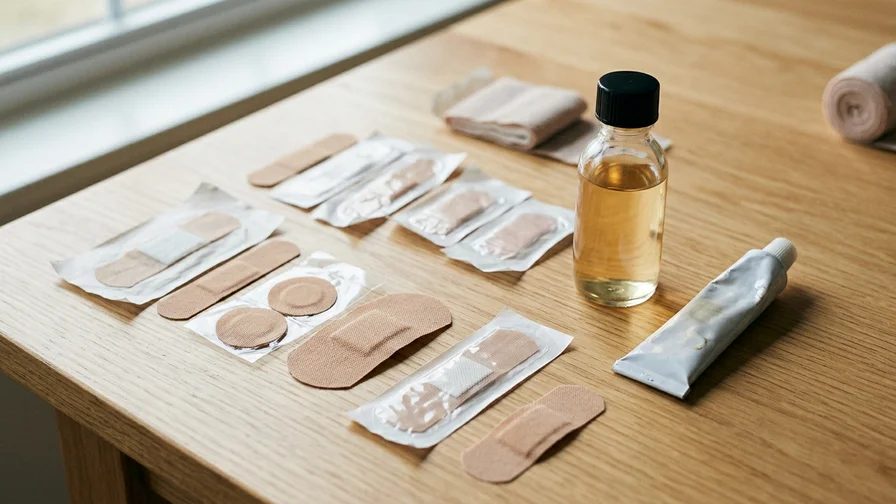
If a serious injury or illness occurs, you should use emergency services immediately. Each number serves a different role, so save the breakdown below on your phone.
- 119 – Emergency Medical, Fire, Rescue: Korea’s integrated emergency reporting number. Calling an ambulance, getting emergency medical advice, and being directed to a hospital are all handled by 119. Anyone can use it regardless of nationality, and three-way interpretation in multiple languages including English is available—just say “English, please” and wait a moment.
- 1330 – Korea Travel Helpline: A tourism interpretation and information service operated 24 hours by the Korea Tourism Organization. In emergencies, it can help connect you to 119 or a hospital, and it can also provide phone interpretation (three-way calls) when you can’t communicate at a pharmacy or hospital.
- 1339 – KDCA Call Center: A number dedicated to consultations about infectious diseases (Korea Disease Control and Prevention Agency). Its former emergency medical consultation function has been merged into 119, so in an emergency call 119, not 1339. If you need a foreign language when inquiring about infectious diseases, you can get interpretation through a three-way call with 1330.
Major Hospitals with International Clinics
Seoul’s major large hospitals operate International Health Care Centers for foreign patients. You can receive care without language barriers, and it’s best to check each hospital’s official website for how to make an appointment before visiting.
- Asan Medical Center
- Samsung Medical Center
- Seoul National University Hospital
- Severance Hospital, Sinchon
Emergency Room Costs: For foreigners without travel insurance, emergency room costs can typically run KRW 100,000 ~ 300,000 (approx. USD 77 ~ 230) or more, depending on the symptoms and tests involved (as of June 2026; the total increases significantly with more tests). We strongly recommend getting travel insurance before departure.
Additional Information for Foreign Travelers
Transportation & Communication
- Hailing a Taxi: Kakao T is the most widely used taxi-hailing app in Korea. It now supports sign-up with overseas phone numbers and registration of foreign-issued credit cards, and offers an English interface (as of June 2026). If card registration doesn’t work well, you can select “Direct Payment” as the payment method when calling and pay the driver in cash or by card when you get off. Hailing a taxi on the street or asking your hotel to book one are still valid options too.
- Using 1330: The 1330 Korea Travel Helpline is an important contact not only for transportation, interpretation, and tourism info, but also for requesting help in urgent situations. When communication is difficult at a pharmacy or hospital, call 1330 and request a three-way call to get interpretation.
Editor’s Tip
Before your trip to Korea, take photos of the English names and active ingredients of the medications you’re taking, and install translation apps like Papago or Google Translate—they’re extremely useful at pharmacies and hospitals. For emergencies it’s 119, and for interpretation and travel help it’s 1330. Saving these two numbers, along with your accommodation address and your home country’s embassy contact, ahead of time will keep you safe.
Related Reads on This Topic
- First Time in Korea? Your Pre-Departure Checklist from Visa to SIM and Payments
- Essential Korea Travel Apps, Starting with Kakao and Naver
- South Korea Travel Insurance, What to Cover and What It Costs
- Korean Travel Etiquette for Dining, Greetings, and Public Manners
- Staying Connected in Korea With a SIM, eSIM or Pocket WiFi