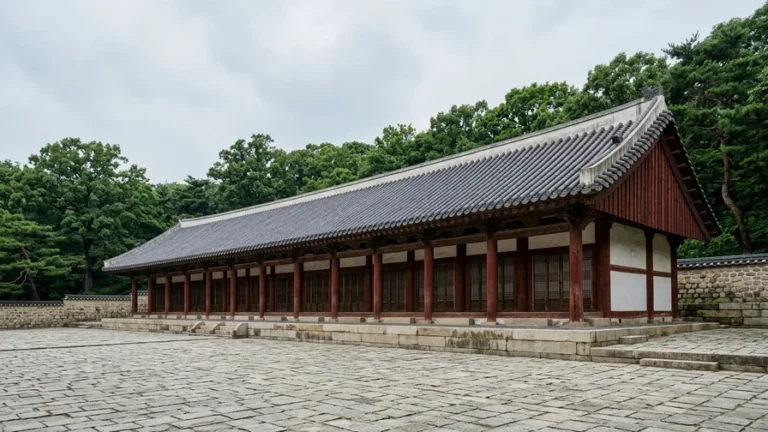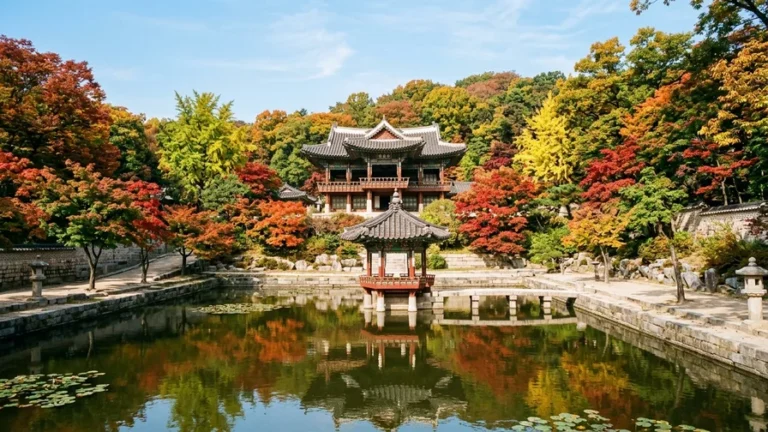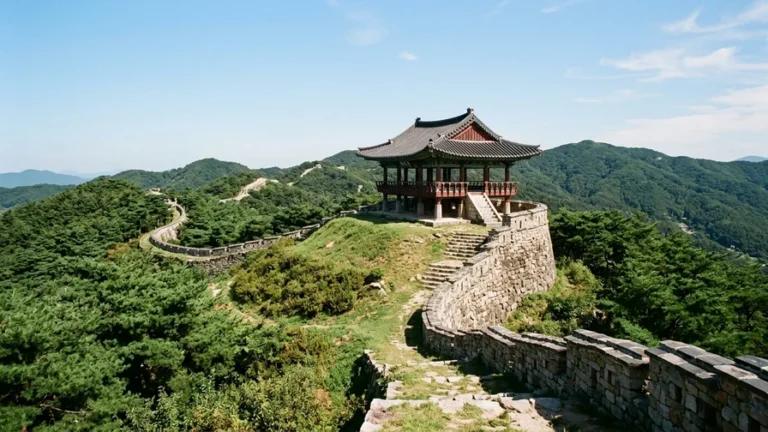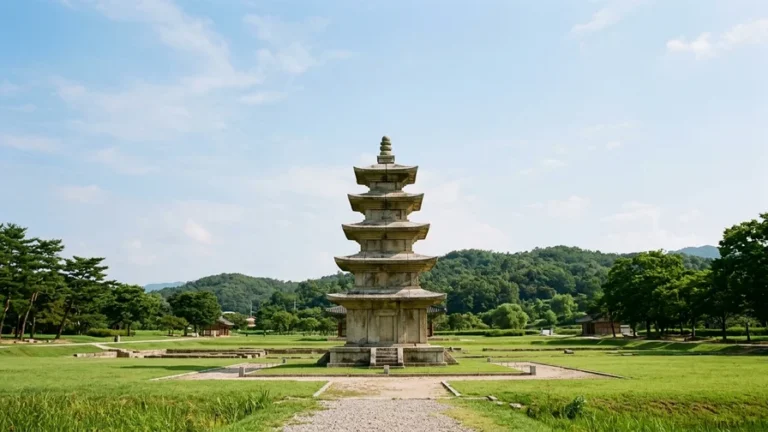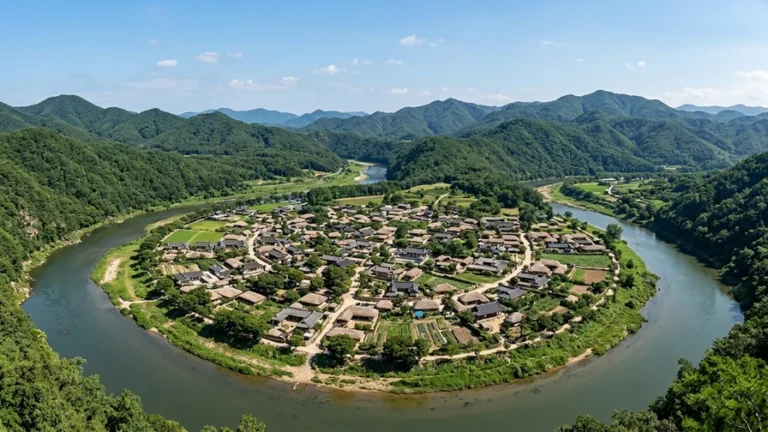
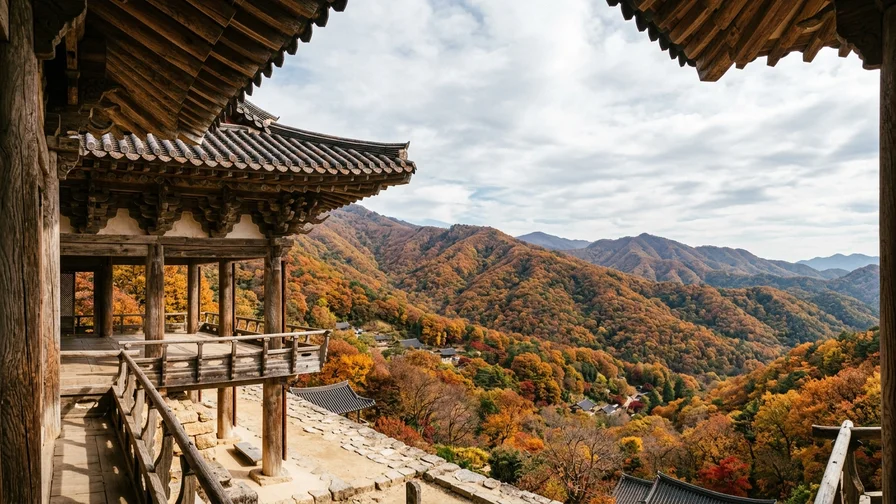
Sansa, 7 Buddhist Mountain Temples in Korea (UNESCO 2018)
Contents
- Inscribed in 2018: Living Mountain Monasteries
- Overview of All Seven Temples
- Buddha’s Birthday and the Lotus Lantern Festival (May 24, 2026)
- Top 3 Picks for Foreign Travelers: Tongdosa, Buseoksa, Bongjeongsa
- The Remaining Four Mountain Temples
- Templestay: One Night at a Temple
- Temple Cuisine and Allergy Information
- Temple Visiting Etiquette
- Practical Tips for Foreign Travelers
- Final Thoughts
The seven Korean mountain temples are monasteries built deep in the mountains between the 7th and 9th centuries. In 2018 they were inscribed on the UNESCO World Heritage List as “Sansa, Buddhist Mountain Monasteries in Korea.” These are not museums of old architecture but living communities where monks still practice and devotees still pray. As of June 2026, admission to all seven is free, since the state-designated cultural property viewing fee was abolished on May 4, 2023.
- Key point: A group of 7 mountain temples inscribed on the UNESCO World Heritage List in 2018
- Top 3 picks: Focusing on Tongdosa, Buseoksa, and Bongjeongsa, chosen for transit accessibility and architectural significance
- Practical info: Includes transit from Seoul, walking routes, vegetarian dining options, and visiting etiquette
Inscribed in 2018: Living Mountain Monasteries
UNESCO inscribed these Korean mountain temples not for the age of their buildings but for the uninterrupted tradition of faith and practice maintained since their founding. The spatial layout running from the entrance to the main halls reflects the path of practice itself. The full statement of inscription is available on the official UNESCO inscription page.
- The overall layout is designed to harmonize with the surrounding natural environment
- The progression from entrance to main hall expresses the path of practice through space, a defining feature of Korean mountain temples
- Six of the seven belong to the Jogye Order, Korea’s largest Buddhist order, while only Seonamsa belongs to the Taego Order. The ownership dispute over Seonamsa, contested for over 70 years between the two orders, was settled by the Supreme Court in favor of the Taego Order
In Korean Buddhism there are the Three Jewels Temples, each representing the Buddha (Buddha Jewel), the teachings (Dharma Jewel), and the monastic community (Sangha Jewel). Of these, only Tongdosa (Buddha Jewel) is among the seven mountain temples.
| Three Jewels Temple | Symbol | Sansa Inscription |
|---|---|---|
| Tongdosa (Buddha Jewel) | Relics of the Buddha | Included |
| Haeinsa (Dharma Jewel) | Tripitaka Koreana (UNESCO 1995) | Not included |
| Songgwangsa (Sangha Jewel) | Monastic community | Not included |
These are the main rituals you may encounter within the temple grounds.
- 108 prostrations: A bowing ritual that symbolizes cutting off the 108 worldly afflictions
- Doryangseok: A ritual around 4 a.m. that opens the temple’s day with the sound of the wooden moktak gong
Overview of All Seven Temples
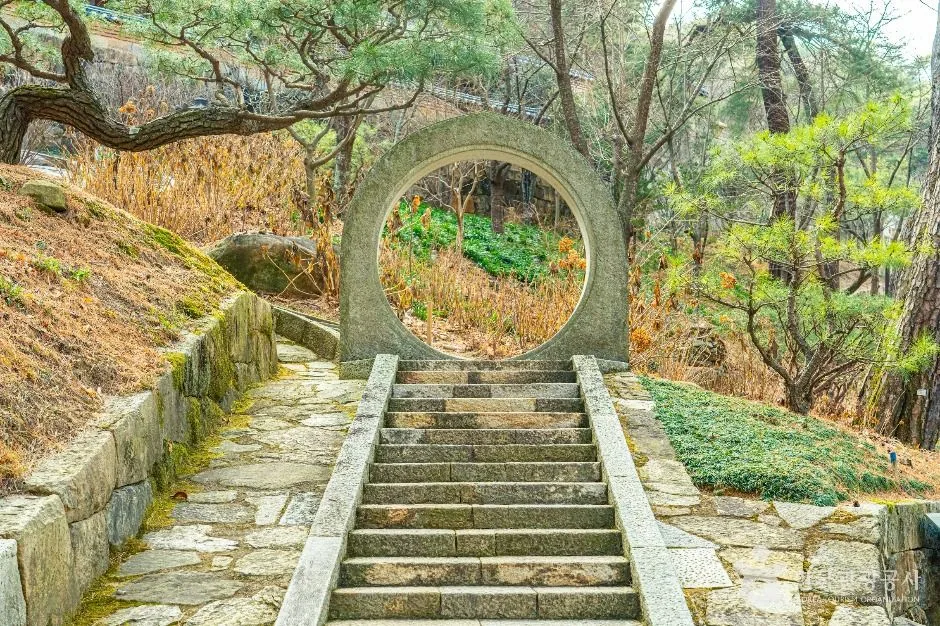
The seven inscribed temples are scattered across several provinces. Below is a table of their locations and key cultural properties.
| Temple (English name) | Location | Founded | Key Cultural Property | Transit Hub |
|---|---|---|---|---|
| Tongdosa | Yangsan, Gyeongnam | 646 | Diamond Altar (Buddha’s relics) | KTX Ulsan Station, Busan |
| Buseoksa | Yeongju, Gyeongbuk | 676 | Muryangsujeon Hall (National Treasure) | KTX Yeongju Station |
| Bongjeongsa | Andong, Gyeongbuk | 672 | Geungnakjeon Hall (National Treasure) | KTX Andong Station |
| Beopjusa | Boeun, Chungbuk | 553 | Palsangjeon Hall (National Treasure) | Cheongju, Daejeon |
| Magoksa | Gongju, Chungnam | 640 | Daegwangbojeon, Daeungbojeon halls | Gongju Intercity Bus Terminal |
| Seonamsa | Suncheon, Jeonnam | around the 9th century | Seungseongyo Bridge (Treasure) | KTX Suncheon Station |
| Daeheungsa | Haenam, Jeonnam | around the 9th century | Mt. Duryunsan temple layout | Gwangju, Mokpo |
| Temple | Grounds Open | Admission | Parking Fee |
|---|---|---|---|
| Tongdosa | 08:30–17:30 (from 04:00 if joining the dawn service) | Free | Compact car KRW 3,000, small/mid-size KRW 6,000, large KRW 15,000 |
| Buseoksa | Sunrise–sunset (varies by season) | Free | Check on site |
| Bongjeongsa | Sunrise–sunset | Free | Check on site |
| Beopjusa | Sunrise–sunset | Free | Check on site |
| Magoksa | Sunrise–sunset | Free | Check on site |
| Seonamsa | roughly 08:00–17:00 | Free | Free |
| Daeheungsa | Sunrise–sunset | Free | Check on site |
※ Fees and hours are as of June 2026. Even after admission was abolished, parking fees vary by temple, so it is best to check each temple’s official website before visiting. Tongdosa fees are based on the official Tongdosa website.
Buddha’s Birthday and the Lotus Lantern Festival (May 24, 2026)
The best time to visit a Korean temple is around Buddha’s Birthday. Falling on the 8th day of the 4th lunar month, it is a major Korean public holiday, landing on Sunday, May 24, 2026.
- 2026 Buddha’s Birthday: Sunday, May 24, with a substitute holiday the next day, Monday, May 25
- Highlight: Every temple hangs lotus lanterns across its grounds, making this the most colorful time of the year
- Yeondeunghoe (Lotus Lantern Festival): A tradition spanning more than 1,200 years since the Silla era, inscribed on UNESCO’s list of Intangible Cultural Heritage in 2020
- 2026 Seoul lantern parade: Held on the evening of Saturday, May 16, from Heunginjimun Gate through Jongno to Jogyesa Temple, and now over (verified October 2026). Check the next schedule on the official Lotus Lantern Festival website
- Avoiding crowds: During Buddha’s Birthday week, arrive an hour earlier than usual or visit in the late afternoon
- Free lunch offering: Some temples serve free bibimbap on the day
Top 3 Picks for Foreign Travelers: Tongdosa, Buseoksa, Bongjeongsa
All seven are worth visiting, but considering time and transit, we selected three that are relatively easy to reach by public transportation from KTX stations. Each has a distinct character, covering different aspects of Korean Buddhist architecture and thought.
1. Tongdosa: The Main Hall with No Buddha Statue, the Buddha Jewel Temple
Tongdosa is called the Buddha Jewel temple because it enshrines the bodily relics of the Buddha. Its most striking feature is that there is no Buddha statue inside the main hall, the Daeungjeon.
- Daeungjeon Hall: Instead of a statue, worshippers pray facing the Diamond Altar behind the hall, viewed through a window
- Geumganggyedan (Diamond Altar): It enshrines the Buddha’s relics, so the object of worship is the Buddha’s true essence rather than an image
- National Treasure designation: The Daeungjeon Hall and Diamond Altar of Tongdosa in Yangsan, National Treasure No. 290 (designated January 1, 1997)
Walking Route and Highlights
- Mupunghansong-ro: An roughly 1 km pine forest path from the entrance to the temple; the name means “a cool, windless path of dancing pines”
- Iljumun and Cheonwangmun: Temple entrance gates encountered one after another along the forest path
- Burimun (Gate of Non-Duality): “Not two,” symbolizing that the secular world and the Dharma are not different
- Daeungjeon and the Diamond Altar: The heart of Tongdosa; see the interior with no statue and the stone altar beyond the window
- Jeokmyeolbogung: Another name for the Daeungjeon, a hall enshrining the Buddha’s relics, of which there are only a few in Korea
- The Jajangmae plum tree in front of Yeonggak: A red-blossom plum tree about 370 years old that blooms in late February to early March, famous as one of the earliest plums to herald spring in Korea
Tongdosa has 19 affiliated hermitages within the mountain. Here are the main ones open to visitors.
| Hermitage | Notes |
|---|---|
| Seounam | 160,000 pieces of a Tripitaka made of Pottery (도자기, dojagi) at the Janggyeonggak hall |
| Baengnyeonam | The hermitage where the monk Seongcheol did his winter retreats in 1937 and 1938, early in his monastic life |
| Jajangam | A hermitage on a rocky cliff said to be the practice site of Master Jajang, who founded Tongdosa |
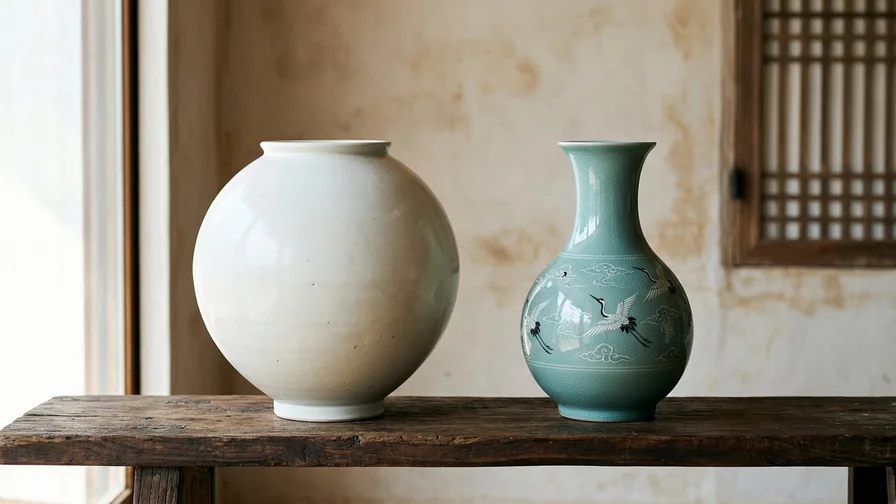
The Tongdosa Museum holds more than 10,000 artifacts, including National Treasures and Treasures.
- Admission: Free
- Hours: March–October 09:30–17:00, November–February 09:30–16:30 (as of June 2026)
- Closed every Monday and on Seollal (Lunar New Year) and Chuseok
Getting There (from Seoul)
- KTX + bus (recommended)
- Seoul Station (KTX) or Suseo Station (SRT) → Ulsan Station (about 2 hours 20 minutes). Ulsan Station’s subtitle is even “Ulsan (Tongdosa) Station,” reflecting its role as the gateway to Tongdosa
- From the stop in front of Ulsan Station, take Yangsan city bus No. 13 → the last stop, Tongdosa Sinpyeong Terminal (about 25 minutes, roughly every 30 minutes)
- From Sinpyeong Terminal, about a 10-minute walk to the Tongdosa ticket office, then about 20–30 minutes on foot along the Mupunghansong-ro forest path from there
- KTX + taxi: About 15 minutes from Ulsan Station, around KRW 15,000
- From Busan: Intercity buses to Tongdosa Sinpyeong Terminal depart from Busan Central Bus Terminal, adjacent to Nopo Station on Subway Line 1, every 20–30 minutes between 06:35 and 21:45, taking about 30 minutes (as of June 2026)
- Bus times can be checked on the Yangsan City Bus Information System
- Address: 108 Tongdosa-ro, Habuk-myeon, Yangsan-si, Gyeongnam
- Contact: 055-382-7182 (verified October 2026)
Nearby Restaurants
- Hansongjeong 📍: A Korean restaurant at the Tongdosa entrance specializing in deodeok set meals, wild-vegetable set meals, and wild-vegetable bibimbap; the deodeok set runs about KRW 13,000 per person. Deodeok is a ginseng-scented root vegetable, most commonly grilled with a gochujang glaze
- Gyeonggi Restaurant 📍: A long-running eatery of more than 40 years serving wild-vegetable set meals, wild-vegetable bibimbap, and grilled deodeok
- Tongdo Boribap 📍: A wild-vegetable specialist with 50 years of tradition; its barley-rice set, mixed with vegetables, runs about KRW 13,000 per person
- Sanchae Jeongsik: A full table set centered on wild-greens side dishes and soybean-paste stew, largely vegetarian
Visiting Tongdosa: Tongdosa’s grounds are wide and flat, making for easy walking. The Mupunghansong-ro path is itself a stroll, so it is best to walk in from the terminal. A full visit takes at least 2–3 hours.
2. Buseoksa: A Masterpiece of Korean Wooden Architecture, Muryangsujeon Hall
Buseoksa was founded in 676 by the eminent Silla monk Master Uisang. Its centerpiece is the Muryangsujeon (National Treasure No. 18), rebuilt in 1376 and one of the oldest surviving wooden buildings in Korea. It is famous for its simple, elegant Goryeo-period style and its entasis columns.
Walking Route and Highlights
- Ginkgo tree path: About 1 km from the Iljumun gate to the main hall, one of the longest temple approach paths in Korea, glowing yellow in autumn (late October to early November)
- Anyangnu Pavilion: A pavilion in front of Muryangsujeon; “Anyang” means the Pure Land (Sukhavati), and it offers views of the Sobaek mountain ridgeline and the evening glow
- Muryangsujeon: Enshrines the Clay Seated Buddha (National Treasure No. 45)
- Clay Seated Buddha: A clay-molded Buddha believed to have been made in the Goryeo period; unusually, it faces east, whereas most Korean principal Buddhas face south
- Josadang: On the hill behind Muryangsujeon, enshrining a portrait of Master Uisang (National Treasure No. 19)
- Buseok (the floating rock): A large rock west of Muryangsujeon, the origin of the temple’s name
Getting There (from Seoul)
- KTX-Eum + bus (recommended)
- Seoul Cheongnyangni Station → Yeongju Station (about 1 hour 45 minutes)
- From the stop in front of Yeongju Station, take city bus No. 27 (via Sosuseowon) or No. 55 → the last stop at Buseoksa (about 50 minutes, infrequent service)
- It is best to check bus times in advance on the Yeongju City Hall city bus route guide
- KTX-Eum + taxi: About 30–40 minutes from Yeongju Station, around KRW 30,000 (about $23)
- Address: 345 Buseoksa-ro, Buseok-myeon, Yeongju-si, Gyeongbuk
Nearby Restaurants
- Buseoksa Restaurant 📍: A local restaurant near the ticket office, in business since 1972, centered on ganggodeungeo (salted mackerel) set meals and wild-vegetable bibimbap. Salted mackerel is mackerel cured in salt and grilled, a local dish that originated as a preserved food in the inland Gyeongbuk region far from the sea
- Jongjeom Restaurant 📍: A Korean restaurant next to the bus terminus serving wild-vegetable bibimbap and salted mackerel set meals, around KRW 14,000 per person
- Cafe Muryangsu 📍: A cafe with floor-to-ceiling windows beside a pond on the way to Buseoksa, serving coffee and house-baked desserts
- Yeongju is an apple-growing area, with many roadside apple stands in autumn
Visiting Buseoksa: Buseoksa has a steep terraced layout, so comfortable shoes are essential. About 15 minutes (9 km) away by car is another UNESCO World Heritage site, Sosuseowon (inscribed 2019), making it easy to combine into a one-night itinerary. Bus service is infrequent, so check the timetable in advance.
3. Bongjeongsa: The Oldest Surviving Wooden Building, Geungnakjeon Hall
Bongjeongsa in Andong is said by legend to have been founded in 672, the 12th year of Silla’s King Munmu, by Master Neungin. It is home to Geungnakjeon (National Treasure No. 15), the oldest wooden building in Korea.
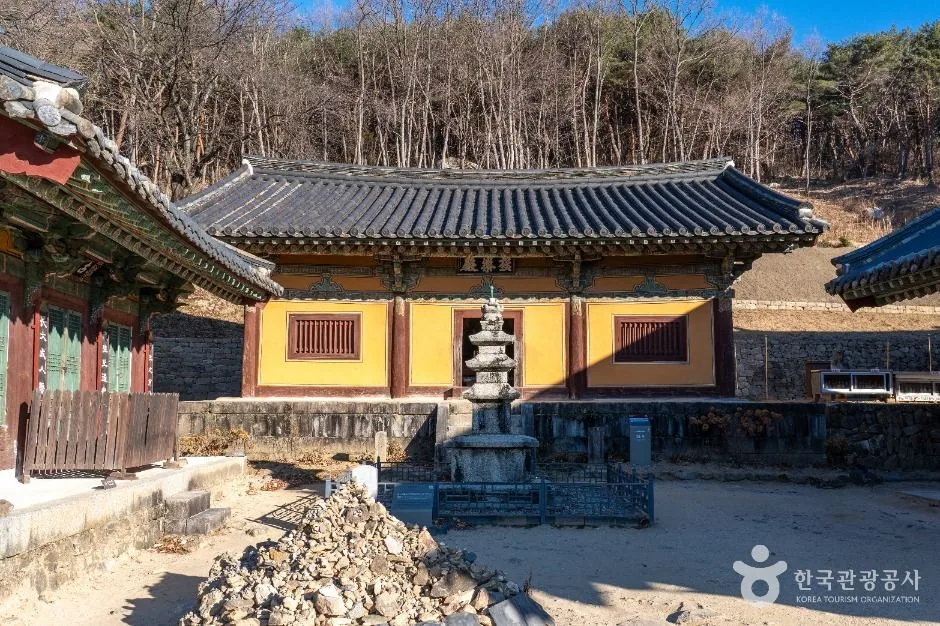
- During dismantling and repair in 1972, a ridge-beam inscription written in 1625 was found recording a major roof repair in 1363
- Traditional Korean wooden buildings typically went 100–150 years from construction to a major roof repair; working backward, the building is estimated to date to the early 1200s (late 12th to early 13th century)
- Modest in scale, but with a quiet and composed atmosphere
Walking Route and Highlights
- Manseru Pavilion: A pavilion at the entrance, plainly set atop natural-stone footings
- Daeungjeon: The central main hall straight ahead past Manseru; promoted to National Treasure No. 311 on June 30, 2009, after first being designated Treasure No. 55 in 1963
- Geungnakjeon: On the hill to the left of Daeungjeon, showing the simple, solid structural beauty of the Goryeo period without ornate decoration
- Yeongsanam Hermitage: A small hermitage beside Bongjeongsa, used as a film location
Yeongsanam was a main filming location for director Bae Yong-kyun’s 1989 film “Why Has Bodhi-Dharma Left for the East?” The film won the Golden Leopard (grand prize) at the Locarno Film Festival in Switzerland, becoming the first Korean film to win the top prize at a major Western international film festival.
Special Note: The Visit of Queen Elizabeth II
- On April 21, 1999, this was the only temple Queen Elizabeth II visited during her state visit on her 73rd birthday
- She viewed the Dharma drum, wooden fish, and cloud gong at Manseru before touring Geungnakjeon and Daeungjeon
- The blue ridge tile of the Daeungjeon, which the Queen signed, has been taken down to prevent damage and is now kept in the temple’s relic hall
- On the same day she visited Hahoe Village in Andong, where she was given a birthday table
- The city of Andong runs a “Queen’s Road” themed route connecting the sites the Queen visited, and the pine-forest path leading to Bongjeongsa goes by the same name
Getting There (from Seoul)
- KTX-Eum + bus (recommended)
- Seoul Cheongnyangni Station → Andong Station (about 2 hours)
- From the stop at Andong Terminal (in front of Andong Station), take bus No. 310 → Bongjeongsa (about 30–40 minutes, fare KRW 1,500). On weekends and holidays, express bus No. 2 also connects Hahoe Village and Bongjeongsa five times a day
- Bus No. 310 runs infrequently, so be sure to check times on the Andong City Bus Information System before setting out
- KTX-Eum + taxi: About 20 minutes from Andong Station, around KRW 15,000–20,000
- Address: 222 Bongjeongsa-gil, Seohu-myeon, Andong-si, Gyeongbuk
Nearby Restaurants and Attractions
- Hwangtojip Sondubu 📍: A tofu-specialty Korean restaurant near Bongjeongsa serving handmade tofu from home-grown soybeans, tofu hot pot, and barley rice. Open for lunch only, Tuesday–Sunday 11:30–15:00, closed every Monday (as of June 2026)
- There are almost no restaurants around the Bongjeongsa entrance. If the hours above don’t fit your schedule, it’s best to eat in central Andong before heading out
- Central Andong: Many shops on the Andong Jjimdak (braised chicken) alley and Andong Salted Mackerel specialists
Bongjeongsa pairs well with Andong’s multi-site UNESCO route. Here is a sample two-day itinerary.
| Attraction | UNESCO Inscription |
|---|---|
| Bongjeongsa | Sansa (2018) |
| Hahoe Village | Historic Villages of Korea (2010) |
| Dosanseowon | Seowon, Korean Neo-Confucian Academies (2019) |
| Byeongsanseowon | Seowon, Korean Neo-Confucian Academies (2019) |
The Remaining Four Mountain Temples
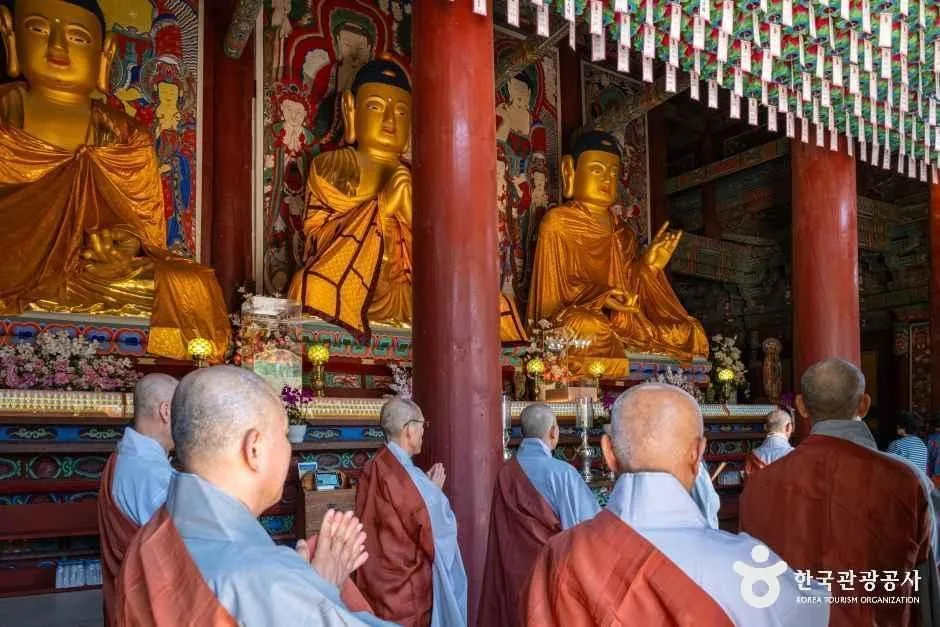
If you have extra time, the other four each show a different character.
- Beopjusa (Boeun, Chungbuk): Home to Palsangjeon Hall (National Treasure No. 55, 1626), the only surviving five-story wooden pagoda in Korea, and the 33-meter-tall Gilt-Bronze Maitreya Buddha (Geumdongmireukdaebul). The lantern-lighting on Buddha’s Birthday is impressive. It links to trekking in Songnisan National Park. From Cheongju Intercity Bus Terminal, intercity buses run to Songnisan Terminal 15 times a day (06:50–21:40, as of June 2026), and from Songnisan Terminal it is about a 20–30 minute walk to the Beopjusa ticket office. Intercity buses to Songnisan via Boeun also run from Daejeon. Nearby restaurants include Gyeonghui Restaurant 📍 (a Korean full-course meal laid out with around 40 side dishes, a traditional table centered on wild greens and pickled vegetables) and Traditional Teahouse Dahyang 📍 (traditional tea and coffee at the Beopjusa entrance, where you can try Korean traditional teas brewed from medicinal herbs)
- Magoksa (Gongju, Chungnam): Independence activist Kim Koo (1876–1949) briefly became a monk here in 1898, and there is a “Baekbeom Meditation Trail” within the temple. The layout is divided into two zones, Namwon (south) and Bugwon (north), centered on a valley stream. From Seoul, buses from Gangnam Express Bus Terminal to Gongju take about 2 hours, and from Gongju Intercity Bus Terminal, city bus No. 770 takes about 40 minutes (06:00–20:30, around 10 times a day, as of June 2026). KTX Gongju Station is on the city’s outskirts with no direct bus to Magoksa, so a taxi connection is needed. Deodeok full-course restaurants cluster in the shops at the entrance. Nearby restaurants include Taehwa Restaurant 📍 (deodeok and wild-vegetable set meals around KRW 15,000, a Gongju city-designated top restaurant) and Cheongnam Garden 📍 (eomnamu dak-baeksuk — a whole chicken simmered with medicinal herbs, a Korean restorative dish))
- Seonamsa (Suncheon, Jeonnam): The head temple of the Taego Order on the slopes of Mt. Jogyesan, symbolized by the granite rainbow bridge Seungseongyo Bridge (Treasure No. 400, 1713). A roughly 4-hour hike over Mt. Jogyesan connects it to Songgwangsa, one of the Three Jewels Temples, on the other side of the mountain. From in front of KTX Suncheon Station, city bus No. 1 takes about 50 minutes, roughly hourly. Nearby restaurants include Jangwon Restaurant 📍 (a wild-vegetable set meal with around 25 side dishes, plus free-range chicken dishes), Sujeong Restaurant 📍 (wild-vegetable bibimbap KRW 12,000, 08:00–18:00), and Jinil Gisa Restaurant 📍 (a Namdo-style baekban set with 16 side dishes — Korean home cooking with rice, soup, and side dishes served together))
- Daeheungsa (Haenam, Jeonnam): On Mt. Duryunsan at the southern tip of the Korean peninsula, the birthplace of the late-Joseon way of tea (dado). It is famous for Iljiam Hermitage, where the monk Master Choui (1786–1866) stayed for more than 40 years and wrote the tea treatise “Dongdasong.” The Duryunsan cable car offers views of the southern Dadohae archipelago. Take an intercity bus to Haenam from Gwangju (U-Square Terminal) or Mokpo, then from Haenam Intercity Bus Terminal a county bus to Daeheungsa takes about 25 minutes (06:30–19:40, roughly every 30 minutes, as of June 2026), with about a 30-minute walk from the terminus into the grounds. Nearby restaurants include Jeonju Restaurant 📍 (shiitake mushroom and wild-vegetable set meals, mukeunji-suyuk — boiled pork wrapped in long-aged kimchi) and Yuseongwan 📍 (a lodging and restaurant set in a hanok inn built in 1914, a filming location for the film “Seopyeonje”))
Templestay: One Night at a Temple
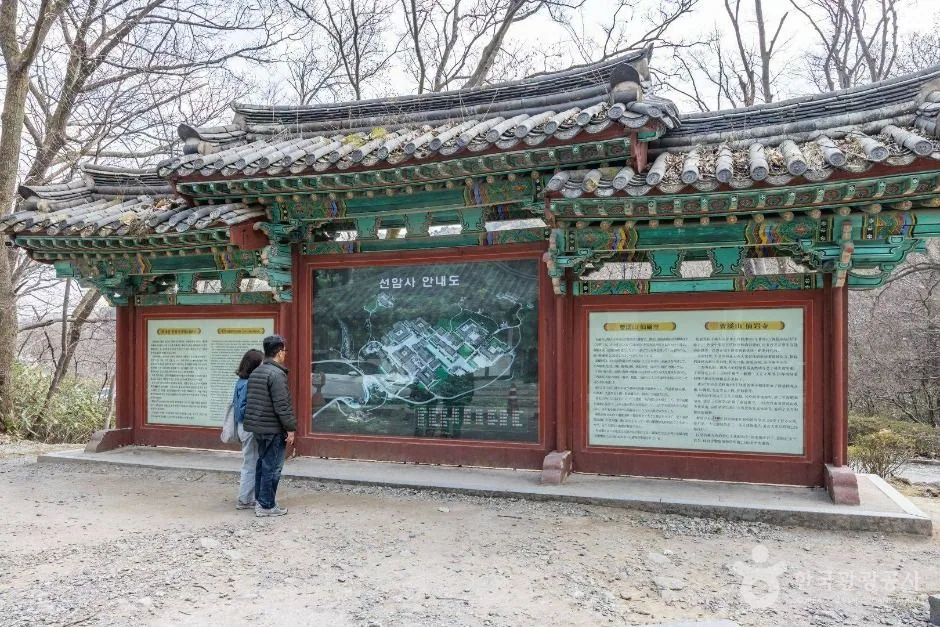
Most of the seven temples introduced here run a Templestay program. You stay at the temple for one night and two days, experiencing the daily life of monks. Tongdosa runs its own dedicated booking site, and Seonamsa, a Taego Order temple, also runs its own Templestay.
- Activities: Dawn services, meditation (Chamseon), the tea ceremony (dado), and formal monastic meals (Baru Gongyang)
- Language support: English-language programs vary by temple and season, so check each temple’s foreign-language support on the booking site
| Type | Price (as of June 2026) |
|---|---|
| Experiential (1 night, with program participation) | Roughly KRW 50,000–100,000+ per person, varies by temple |
| Rest-focused (1 night, free schedule) | Generally lower than the experiential type, varies by temple |
Booking: On the official English site https://eng.templestay.com/, you can check programs and exact prices by temple and book directly.
Temple Cuisine and Allergy Information
Restaurants near the temples mainly serve Sanchae Jeongsik. This is a full-course meal of wild greens and vegetables, well suited to vegetarians. Some temples provide a lunch offering during the midday hours (usually 11:30–12:30), either free or for a small donation (about KRW 5,000). It is essentially vegan, but allergens may be present.
| Allergen | Caution |
|---|---|
| Soy | Tofu, Soybean Paste (된장, doenjang), and soy sauce are base ingredients in nearly every dish |
| Nuts | Some wild-green dishes use pine nuts and walnuts |
| Sesame | Most side dishes use sesame oil and sesame seeds |
| Gluten | Some dishes may use barley or buckwheat |
| Halal | Halal-friendly since no meat is used, but not officially certified |
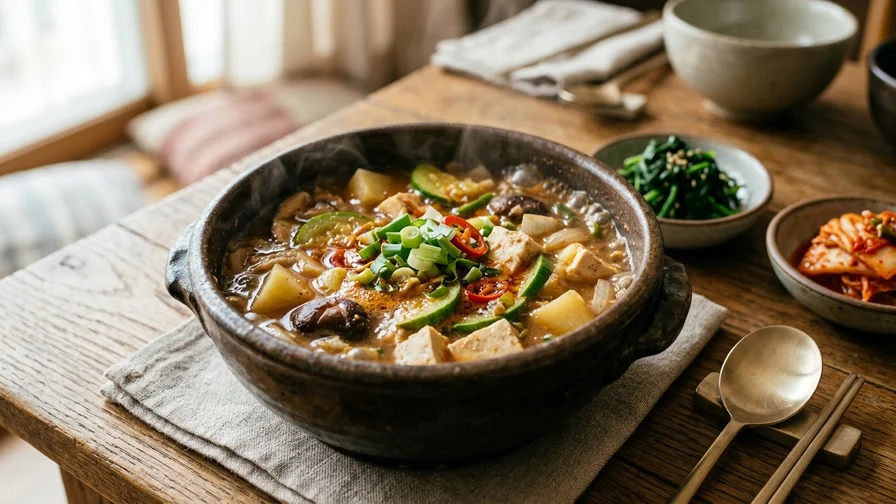
If you have strict dietary needs, clearly request before ordering: “No meat, fish, eggs, dairy, or jeotgal (salted fermented seafood).”
Temple Visiting Etiquette
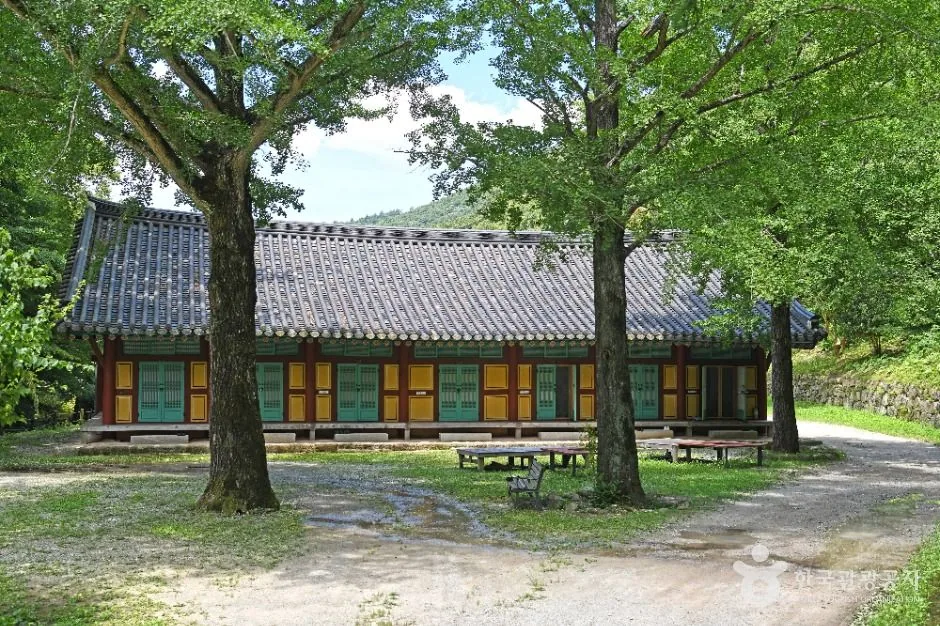
A temple is a place of religious practice, so it is good to observe basic etiquette.
- Shoes: Always remove them when entering a Buddha hall
- Dress: Avoid overly revealing clothing that exposes the shoulders or knees
- Photography: Photography is often prohibited inside Buddha halls, especially where statues are present, so check the signs; it is rude to photograph monks and praying devotees directly
- Hapjang: When you meet a monk or enter a Buddha hall, press your palms together and bow slightly at the waist; it is not required but is a sign of respect
Practical Tips for Foreign Travelers
- Transit fares: City buses around KRW 1,500 (varies by city, T-money or cash), intercity buses KRW 5,000–12,000 depending on distance
- Taxis: Metered, with possible toll surcharges; a 20–40% late-night surcharge (22:00–04:00) is standard; if a driver refuses to use the meter, report it via 1330 or 112
- Kakao T: Kakao T accepts overseas-issued cards (Visa, Mastercard, American Express, JCB), but sign-up needs SMS verification and some overseas SIMs don’t receive the code (verified October 2026)
- 1330 Tourist Hotline: 24-hour multilingual assistance (English, Japanese, Chinese, etc.); you can request help with transit and interpretation
- Weather and what to bring: As mountain temples, temperatures are lower than in the city; bring an outer layer in spring and autumn, and comfortable shoes are essential given the many slopes and stairs
- Cash: Many restaurants and stalls in the temple villages don’t accept cards or prefer cash, so carry some small bills
- Best times: The dawn service (usually around 04:00) and evening service are good times to feel the temple’s true atmosphere
Final Thoughts
The seven Korean mountain temples offer a different pace from city sightseeing. Tongdosa’s main hall with no Buddha statue, the entasis columns of Buseoksa’s Muryangsujeon, and the composed structure of Bongjeongsa’s Geungnakjeon each capture a different facet of Korean Buddhist architecture. We recommend choosing one or two based on transit access and your interests, and taking your time to walk slowly.
- Architecture first: Muryangsujeon at Buseoksa, Geungnakjeon at Bongjeongsa
- Faith-centered: The Diamond Altar at Tongdosa, Palsangjeon at Beopjusa
- Historical figures: Magoksa (Kim Koo), Daeheungsa (Master Choui)
- Hiking link: The Mt. Jogyesan traverse from Seonamsa to Songgwangsa
- UNESCO clusters: Bongjeongsa + Hahoe Village + Dosanseowon + Byeongsanseowon (Andong), Buseoksa + Sosuseowon (Yeongju)
Some photos © Korea Tourism Organization (KOGL Type 1)
Related reads in this series
- 17 UNESCO World Heritage Sites in Korea
- Haeinsa Janggyeong Panjeon & Tripitaka Koreana (UNESCO 1995)
- Gyeongju UNESCO World Heritage (1995, 2000)
- Jongmyo Shrine (UNESCO 1995)
- Changdeokgung Palace & Secret Garden (UNESCO 1997)
- Andong Hahoe & Gyeongju Yangdong Villages (UNESCO 2010)
- Namhansanseong Fortress (UNESCO 2014)
- Baekje Historic Areas (UNESCO 2015)
- Bangudae Petroglyphs (UNESCO 2025)