Aesthetic Cafes in Korea — Hanok Alleys of Ikseon-dong and Hip Seongsu-dong
목차
This guide is made for international visitors exploring Ikseon-dong and Seongsu-dong, two of Seoul’s signature districts for aesthetic cafes in Korea. It covers what makes each neighborhood unique, tried-and-tested cafe recommendations, and step-by-step routes and transport details, so you can plan an actual visit using this article alone. All operating hours and prices are current as of June 2026. Trendy cafes change often, so it’s safest to double-check on Instagram or a map app right before you go.
Ikseon-dong: A Century-Old Hanok Alley Reborn
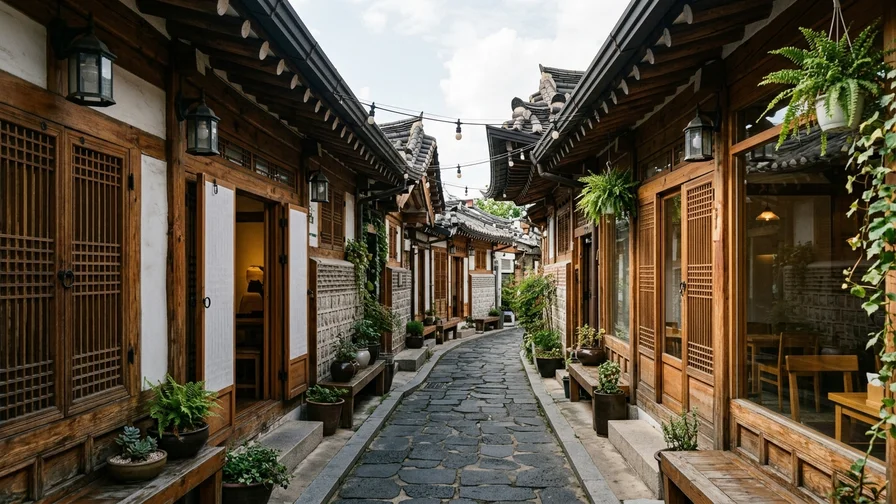
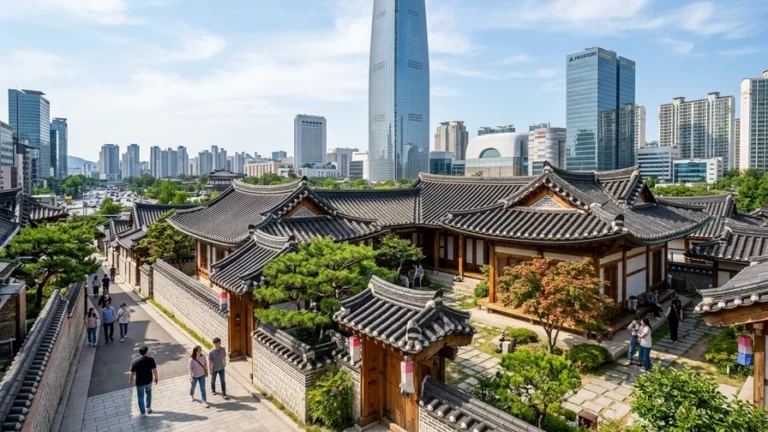
Ikseon-dong is a neighborhood in central Seoul’s Jongno-gu, home to a preserved cluster of urban hanok (traditional Korean houses) built in the 1920s. Small hanok are packed along narrow alleyways, and these spaces now operate as distinctive cafes, restaurants, and boutiques. Many keep the traditional house structure while adding modern interiors, creating a one-of-a-kind atmosphere.
Ikseon-dong Essentials
- Location: Ikseon-dong area, Jongno-gu, Seoul
- Highlights: A dense cluster of century-old hanok, narrow connected alleyways, and commercial spaces that blend tradition with the contemporary
- Getting there: About a 3 to 5 minute walk from Exit 6 of Jongno 3-ga Station (subway lines 1, 3, and 5). Step out of the exit and head into the alleys, where the Ikseon-dong Hanok Street begins
Three Recommended Cafes in Ikseon-dong
Most Ikseon-dong cafes keep the hanok’s original square (‘ㅁ’-shaped) layout or central courtyard intact. The spaces can be cozy and compact, which only adds to their intimate charm.
1. Cheongsudang
Cheongsudang 📍 is a dessert cafe designed with an oriental garden of bamboo, stone, and water. Three hanok joined together create a space that even includes a small pond with swimming koi, so the landscaping flows beautifully from the entrance through the interior. It’s known as a great photo spot, with both indoor hanok seating and seats overlooking the garden. Many note that it leans pricey, so it helps to think of it as paying for the atmosphere.
| Address | 31-9 Donhwamun-ro 11na-gil, Jongno-gu, Seoul (Google Maps) |
| Hours | Daily 10:30 – 20:00 (last order 19:30). Hours change often by season, so check before visiting (as of June 2026) |
| Prices | Drinks 6,800–7,800 KRW (approx. $4.5–$5.2), signature soufflé castella 19,800 KRW (approx. $13) |
| Signature menu | Stone drip coffee, matcha cream milk, strawberry soufflé castella (a fluffy Japanese-style sponge cake) |
2. Soha Yeomjeon
As its name (literally “salt field”) suggests, Soha Yeomjeon 📍 is a bakery cafe built around a salt-flat concept and specializing in salt bread. An installation shaped like a white mound of salt and a waterwheel decoration are the main photo points. The signature item is salt bread (shio-pan, a savory roll baked with butter) with a crisp exterior and soft interior, and there are variations like crème brûlée and blue cheese versions too. Seating is limited, so many customers take their orders to go.
| Address | 21-5 Supyo-ro 28-gil, Jongno-gu, Seoul (Google Maps) |
| Hours | Daily 09:00 – 20:30 (last order 20:00), open year-round (as of June 2026) |
| Prices | Salt bread 3,000–7,900 KRW (approx. $2–$5.3), americano 5,300 KRW (approx. $3.5) |
| Signature menu | Classic salt bread, crème brûlée salt bread, signature salted latte |
3. Nakwonjang
From basement level B1 up through the fifth floor and rooftop, Nakwonjang 📍 is a large Ikseon-dong cafe and bar with a different mood on each floor. You choose your bakery items on the first floor and order drinks on the second, while the rooftop offers views over Ikseon-dong’s hanok rooftops. It opens in the evening, making it a good spot to capture sunset glow alongside the hanok view. Along with bread and desserts, it also serves meals like pasta and alcoholic drinks.
| Address | 25 Supyo-ro 28-gil, Jongno-gu, Seoul (Google Maps) |
| Hours | Mon–Thu & Sun 17:00 – 24:00, Fri–Sat 17:00 – 01:00. Hours change often, so check before visiting (as of June 2026) |
| Signature menu | Injeolmi salt bread (a Korean-style variation coated in roasted soybean powder), tarts, pasta |
| Highlights | Rooftop with Ikseon-dong hanok views, alcoholic drinks available in the evening |
Ikseon-dong Route and Nearby Attractions
Ikseon-dong’s alleys wind like a maze, so it’s easy to get lost even with a map in hand. The area isn’t large, though, so you can explore most of the lanes in one to two hours. We recommend starting from Exit 6 of Jongno 3-ga Station, following the main alley, and dropping into whichever spots catch your eye along the way.
- Starting point: Exit 6 of Jongno 3-ga subway station
- Route: Enter the alley in front of the exit → explore the main Ikseon-dong street → visit cafes of interest such as Cheongsudang and Soha Yeomjeon → wrap up at the Nakwonjang rooftop around sunset
- Nearby attractions:
- Insa-dong: A 10-minute walk. A street lined with traditional crafts, galleries, and tea houses
- Changdeokgung Palace: A 15-minute walk. A Joseon-era royal palace designated a UNESCO World Heritage Site
- Bukchon Hanok Village: 30 minutes by bus or on foot. A large hanok village where residents actually live
Editor’s tip: Ikseon-dong gets very crowded on weekends and on weekday evenings. Popular cafes in particular can have long waiting lines. If you prefer a quieter experience, visit on a weekday morning. The alleys are narrow and awkward for umbrellas, so bring a small one on rainy days.
Seongsu-dong: From Factory District to the Heart of K-Culture
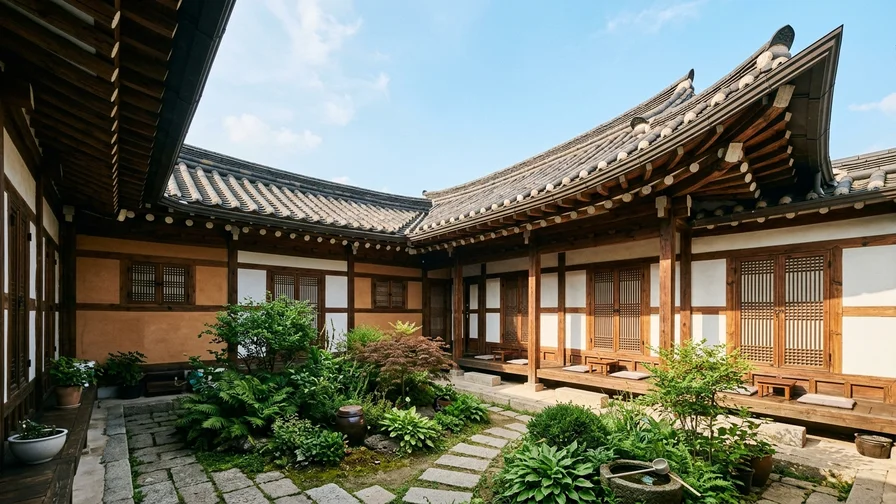
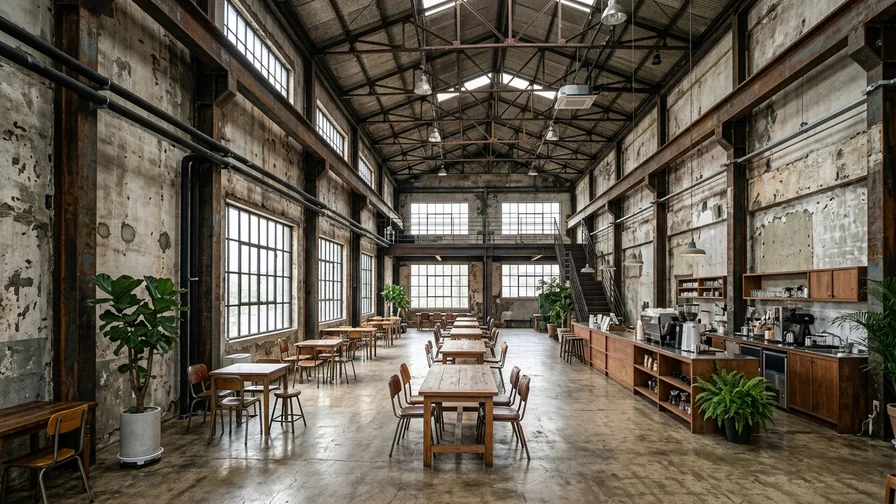
Seongsu-dong was an industrial district packed with handmade shoe factories, print shops, and small manufacturing workshops from the 1970s. Since the 2010s, large gallery cafes, concept stores, and luxury brand pop-up shops have moved into the old factories and warehouses, transforming it into one of Seoul’s most trend-conscious areas. Spacious interiors, exposed concrete, and high ceilings are the architectural hallmarks of Seongsu-dong cafes.
Seongsu-dong Essentials
- Location: Around Seongsu-dong 1-ga and Seongsu-dong 2-ga, Seongdong-gu, Seoul
- Highlights: Large cultural complexes converted from disused factories and warehouses, trendy brand pop-up stores, and open, spacious layouts
- Getting there: Seongsu Station or Ttukseom Station (subway line 2), or Seoul Forest Station (Suin-Bundang Line). The station you use depends on your destination. The cafe streets are mostly clustered around Exits 3 and 4 of Seongsu Station
Four Recommended Cafes in Seongsu-dong
Seongsu-dong cafes are large in scale, and many go beyond simply selling drinks to offer a brand philosophy or an artistic experience.
1. Onion Seongsu
Onion Seongsu 📍 is a cafe converted from a metal-parts factory built in the 1970s. The building’s worn walls, rusted iron doors, and stained floors have been preserved exactly as they were, making it a textbook example of industrial interior design. It’s famous for its bakery, and the signature item is “pandoro,” dusted with a mountain of powdered sugar. It’s close to Exit 2 of Seongsu Station.
| Address | 8 Achasan-ro 9-gil, Seongdong-gu, Seoul (Google Maps) |
| Hours | Weekdays 08:00 – 22:00, weekends 10:00 – 22:00 (last order 21:30, as of June 2026) |
| Signature menu | Pandoro (a soft Italian bread piled high with powdered sugar), espresso drinks |
| Highlights | An industrial space that keeps the factory’s structure intact, plus rooftop seating |
2. NUDAKE Seongsu
NUDAKE Seongsu 📍 is an art dessert cafe run by the eyewear brand Gentle Monster. Built on the concept of “a new experience of taste,” it presents desserts that look like works of art. The signature “Peak” is a mountain-shaped cake of squid-ink pastry filled with matcha cream, eaten by tearing off the pastry and dipping it into the flowing cream. With such unusual forms, it suits visitors who value a visual experience.
| Address | 26 Seongsui-ro 7-gil, Seongdong-gu, Seoul (Google Maps) |
| Hours | Daily 11:00 – 21:00 (last order 20:45, as of June 2026) |
| Prices | Signature Peak small 28,000 KRW (approx. $19), large 42,000 KRW (approx. $28), sized to share among a group |
| Signature menu | Peak (squid-ink pastry and matcha cream cake) |
3. Beton Seongsu Flagship
Beton 📍 is a cafe with the feel of a European backstreet bakery. The oversized salt bread sculpture at the entrance is its trademark, and its house-baked salt bread ranks among the best in Seongsu. There are variations like truffle and blueberry-chocolate too. The daily quantity is limited and often sells out before closing, so a weekday morning visit is the safest bet. It spans three floors and has a high proportion of takeout customers.
| Address | 8 Yeonmujang 7ga-gil, Seongdong-gu, Seoul (Google Maps) |
| Hours | Daily 09:00 – 18:30 (last order 18:00), open year-round. Bread may sell out early (as of June 2026) |
| Prices | Salt bread from 3,900 KRW (approx. $2.6) |
| Signature menu | Salt bread (a savory roll, crisp outside with a rich buttery interior), truffle salt bread |
4. Grandpa Factory
Grandpa Factory 📍 is a cafe and gallery converted from an old factory. Its interior of timber logs and plants suits visitors who want to feel a touch of nature in the city. The yard flows into the indoor space across a large area, so seating tends to be more available, and alongside coffee and bakery items it serves drinks like non-alcoholic mojitos. It’s also a frequent location for dramas and photo shoots.
| Address | 9 Seongsui-ro 7ga-gil, Seongdong-gu, Seoul (Google Maps) |
| Hours | Daily 11:00 – 22:00 (as of June 2026) |
| Signature menu | Coffee, bakery items, mojitos |
| Highlights | A factory-converted gallery cafe, timber-and-plant interior, and an outdoor yard |
Seongsu-dong Route and Nearby Attractions
Unlike Ikseon-dong, Seongsu-dong is spread out over a wide area. It broadly divides into the “Seongsu Station cafe street” and the “Seoul Forest cafe street,” which are about a 20-minute walk apart, so covering both in one day takes some planning.
- Starting point: Exit 3 or 4 of Seongsu Station (subway line 2)
- Route (centered on Seongsu Station): Exit at Seongsu Station → visit large cafes such as Onion, NUDAKE, and Grandpa Factory → browse Beton along with pop-up stores and concept shops around Yeonmujang-gil → continue toward Seoul Forest on foot or by subway/bus
- Things to see nearby:
- Seoul Forest: Near Ttukseom Station or Seoul Forest Station. A large park ideal for strolling and relaxing
- Musinsa Store Seongsu @ Daerim Warehouse: A 3-minute walk from Exit 3 of Seongsu Station. A large fashion concept store that opened in September 2024 inside the former Daerim Warehouse, once a rice storehouse. It occupies what was a gallery cafe that once symbolized Seongsu-dong, and the industrial exterior remains intact
- Understand Avenue: Near Seoul Forest Station. A cultural complex built from 116 container boxes
Editor’s tip: In Seongsu-dong, well-known brands often open and close pop-up stores within short windows. Searching keywords like #성수팝업 on Instagram to see which events are running during your visit can lead to unexpected discoveries. Since Seongsu-dong involves a lot of walking, comfortable shoes are a must.
Practical Information for International Travelers
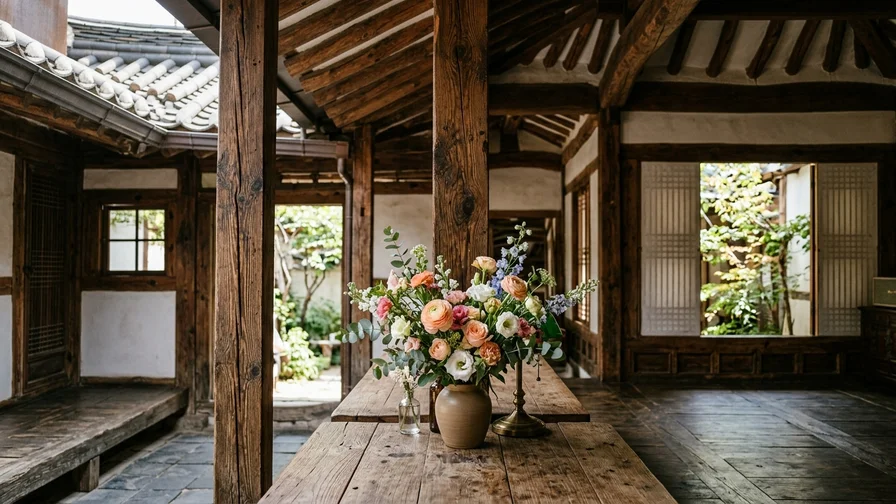
Getting Around: Transport Guide
- Subway: The most efficient way to travel in Seoul. Buy and top up a “T-money” card to get transfer discounts between buses and the subway. It can be purchased and recharged at the airport and convenience stores
- Taxi: International travelers can also hail rides via app (as of June 2026). Kakao Mobility’s app for foreigners, k.ride, lets you sign up with a Google, Apple, or email account without a Korean phone number, charges automatically to an overseas-issued card, and auto-translates destination searches and driver chats into more than 100 languages, including English. The main Kakao T app also supports registering overseas-issued cards, and the Uber app works in Seoul as well. Of course, you can still flag one down on the street or ask your hotel to call one
- Travel info: If you need help, the Dasan Call Center (phone: 120) or the Tourism Information line (phone: 1330) offer assistance in foreign languages such as English, Japanese, and Chinese
How to Use Waiting (Queue) Apps
At popular cafes and bakeries, waits of 30 minutes or more are common on weekends. Knowing Korea’s queueing system can save you a lot of time.
- CatchTable Global: A reservation and waiting app for international travelers (as of June 2026). You can sign up with a Google, Apple, or email account without a Korean phone number, and register an overseas credit card. It supports English, Japanese, and Chinese (simplified and traditional), and offers a “remote waiting” feature to join the queue before arriving plus real-time checks on the number of waiting parties. Everything from Michelin restaurants to popular cafes is listed
- On-site tablet waiting: Many cafes use a system (such as Tabling) where you enter your phone number on a tablet at the entrance to join the queue. Some require a Korean phone number, so if registration fails, ask a staff member for help
- Waiting tips: Right after opening or on weekday mornings is quietest. Bakery items often sell out in the late afternoon, so an early visit is to your advantage
Payment and Budget
- Payment: Most cafes accept overseas credit cards such as VISA and Mastercard. That said, small shops and traditional markets sometimes take cash only, so it’s a good idea to carry some Korean won (KRW)
- Estimated costs (per person, as of June 2026):
- One drink: 5,000–8,000 KRW (approx. $3.5–$5.5)
- Bread and desserts: from salt bread in the 3,000 KRW range to signature desserts approaching 20,000 KRW (approx. $2–$13)
- Visiting two cafes in a day: roughly 20,000–40,000 KRW (approx. $13–$27)
Cafe Etiquette
- One drink per person: Many popular cafes in Korea enforce a “one drink per person” policy, requiring everyone using a seat to order a drink. The more photogenic the cafe (and the more guests who pop in just for photos), the stricter the rule, so check before ordering
- Photography: Photography is generally allowed, but be careful not to capture other customers’ faces. Avoid setting up tripods or occupying a seat for long shoots, and get the cafe’s permission in advance for any commercial shoots
- Time limits: Some very busy cafes limit seating time, for example to two hours
One More Option: Yeonnam-dong
Beyond Ikseon-dong and Seongsu-dong, another cafe-dense district is Yeonnam-dong. Along the Gyeongui Line Forest Park, connected to Exit 3 of Hongik Univ. Station (subway line 2), you’ll find many charming cafes, independent bookstores, and restaurants converted from small houses. If you prefer the quiet mood of a residential backstreet over Ikseon-dong’s hanok or Seongsu-dong’s factories, it’s worth considering. That said, Yeonnam-dong is also a neighborhood where individual cafes have short lifespans, so rather than setting out for one specific cafe, you’ll have better luck strolling the park trail and stepping into whatever catches your eye that day.