Injeolmi Bingsu & More — Gyeonggi Tteokjip and Seoul’s Best Korean Dessert Cafés
Contents
This guide introduces injeolmi, a traditional Korean dessert, along with trusted places in Seoul where you can enjoy this injeolmi dessert. From a traditional rice cake shop with over 60 years of history, to the original chain that turned injeolmi shaved ice into a nationwide trend, to a half-day course through a hanok village, we’ve included addresses, transit directions, closing days, and prices (as of June 2026) so that foreign travelers can use this information to find and order on their own.
1. Injeolmi Basics
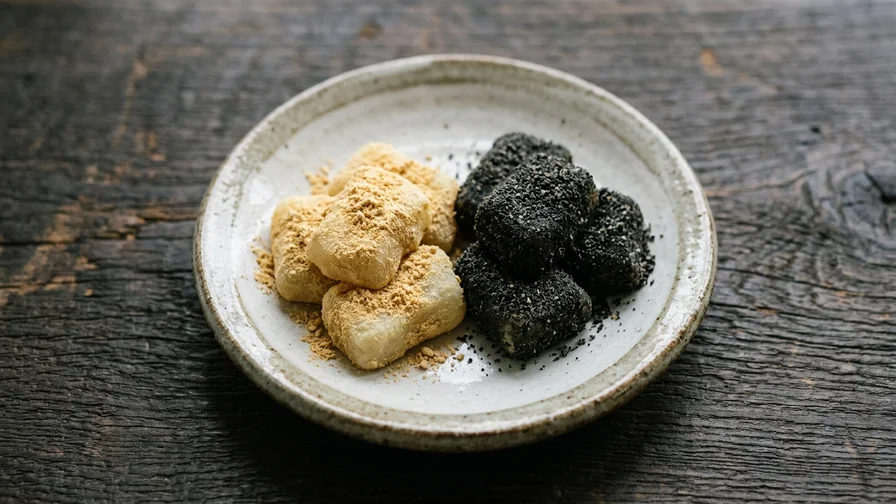
Injeolmi is one of Korea’s signature tteok (rice cakes). Glutinous rice is steamed and pounded with a mallet or in a mortar, then cut into bite-sized pieces and coated in a nutty powder. It’s similar to Japanese kinako mochi, but injeolmi is cut thicker and coated more generously with powder.
Worth knowing if it’s your first time
- Texture: Very chewy, sticky, and stretchy. If it’s your first time, cut it into small pieces and chew slowly and thoroughly. Swallowing it whole can be a choking hazard, so children and older adults should take extra care.
- Allergy — soy: The standard coating, konggomul, is roasted soybean powder, which is soy. If you have a soy allergy, avoid soybean-coated injeolmi and injeolmi shaved ice (which is heaped with soybean powder).
- Allergy — sesame: The heugimja coating is black sesame powder. If you have a sesame allergy, be cautious with heugimja menu items.
- Gluten: Despite its English name, glutinous rice contains no gluten. However, dishes that use bread, such as injeolmi toast, do contain wheat flour.
Main types of injeolmi
Here are the types you’ll commonly see at cafés and rice cake shops.
- Soybean Injeolmi (Konggaru Injeolmi): The most basic form, coated in roasted soybean powder. Nutty in flavor.
- Black Sesame Injeolmi (Heugimja Injeolmi): Coated in black sesame powder, richer and nuttier than the soybean version.
- Mugwort Injeolmi (Ssuk Injeolmi): Mugwort is added to the dough for a fragrant, herbal aroma. Usually finished with a soybean coating.
- Sweet Pumpkin Injeolmi (Danhobak Injeolmi): Steamed sweet pumpkin is added to the dough, giving it a yellow color and a subtle sweetness.
How to store and eat injeolmi
Since rice cakes are made from rice, they harden over time, so it’s best to eat them as soon as possible after buying.
- Room temperature: If you’ll eat it the same day, keep it sealed in a cool place. (1 day)
- Freezer: If you can’t finish it that day, divide it into single servings and freeze immediately. (1 month or more)
- Avoid the fridge: Rice starch hardens fastest at refrigerator temperatures, ruining the texture. For short-term storage, freezing is the better choice.
Thawing frozen rice cakes: To enjoy frozen rice cakes, let them thaw naturally at room temperature for 1 to 2 hours before eating, or microwave them for about 30 seconds to a minute to soften them again. Be careful not to heat them too long, or the rice cake may melt.
2. The Traditional Powerhouse: Gyeonggi Tteokjip
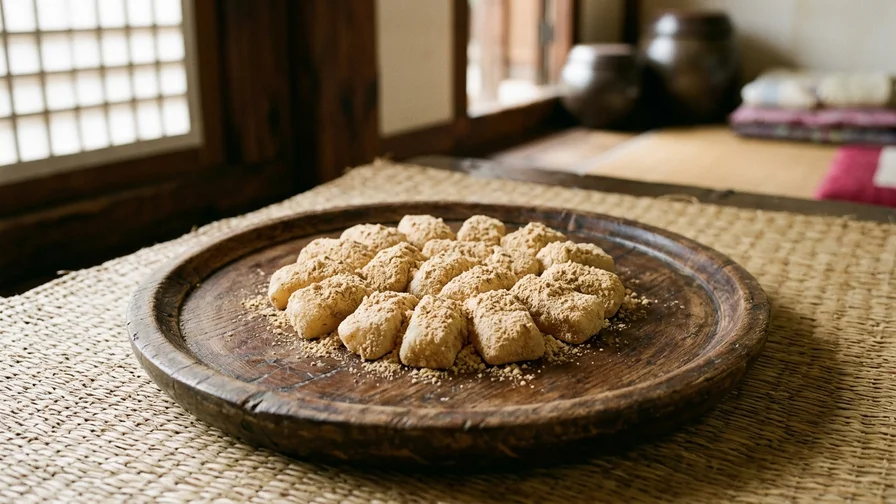
Gyeonggi Tteokjip 📍 is a rice cake shop in Mangwon-dong, Mapo-gu, Seoul. It began at the Heungin flour mill in Jongno in 1958 and is now in its third generation, run by master craftsman Choi Dae-han, winner of the grand prize at the 2011 Korean rice cake master competition. It’s also one of Seoul’s designated “Orae-gage” (long-running heritage shops). It’s near Mangwon Market, making it a great stop to combine with some market browsing.
Key information
| Item | Details |
|---|---|
| Address | 24, Donggyo-ro 9-gil, Mapo-gu, Seoul |
| Phone | 02-333-8880 |
| Hours | Mon–Sat 07:00–18:00, closed every Sunday (verified October 2026; popular rice cakes can sell out early once ingredients run out) |
| Note | Takeout only. There’s no seating to eat on-site. |
| Official site | kricecake.com (online orders available; also sold on Market Kurly) |
| Google Maps | View location on the map |
Signature menu
Items are sold in small packaged portions in store. Prices are as of June 2026 and may change.
- ET Tteok: Gyeonggi Tteokjip’s signature item. Soybean-coated injeolmi filled with red bean paste. Chewy on the outside and sweet inside. About 2,300–2,800 won per small pack in store.
- Ssuk ET Tteok: The mugwort-dough version of ET Tteok. 2,500 won.
- Black Sesame Injeolmi (Heugimja Injeolmi): Generously coated in rich black sesame powder for a strong, nutty flavor. 2,500 won.
- Siru Chaltteok: Sticky rice cake steamed in layers with red bean coating. 2,800 won.
How to get there
- Subway: Take Seoul Subway Line 6 to Mangwon Station.
- Exit: Take Exit 2.
- On foot: A 2–3 minute walk from the exit. You’ll see the “Gyeonggi Tteokjip” sign just inside the alley.
Morning visits and Mangwon Market snacks: Popular rice cakes often sell out in the afternoon, so a morning visit is recommended. After buying your rice cakes, head to the neighboring Mangwon Market to enjoy street food like dak-gangjeong (sweet crispy chicken) and croquettes.
3. A Modern Reinvention: Sulbing
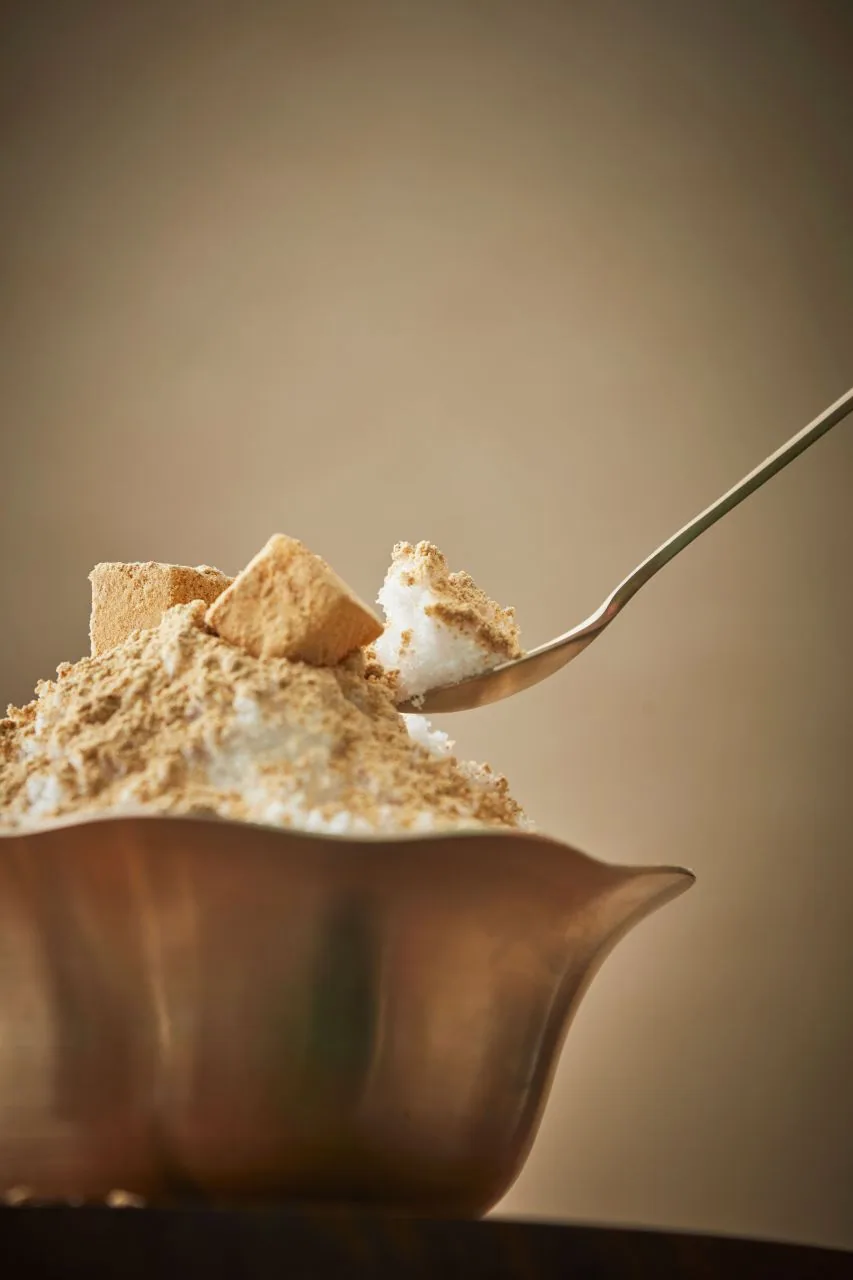
Sulbing 📍 is the original chain that made “Injeolmi Sulbing,” injeolmi turned into shaved ice, a nationwide trend. Founder Jung Seon-hee opened a rice cake café called “Siru” in Busan in 2010, where she developed the prototype, then opened the first Sulbing branch in Nampo-dong, Busan, in April 2013. Topping finely shaved milk snow with soybean powder and injeolmi, instead of ice and red beans, was groundbreaking at the time and went on to become the standard for Korean shaved ice. Today it’s a chain with hundreds of locations nationwide, so you can easily find one in tourist areas like Myeongdong, Hongdae, and Gangnam.
Key information
| Item | Details |
|---|---|
| Format | A nationwide dessert café chain. Seating available. Many branches occupy one to two floors. |
| Finding a branch | Search “Sulbing” on Google Maps, or use the store locator on the official site. Even branches in major areas like Myeongdong may relocate or close, so it’s best to check whether a location is open in your map app just before visiting. |
| Hours | Varies by branch. Most operate from late morning until night; check each branch’s hours in a map app. |
Signature menu (as of June 2026)
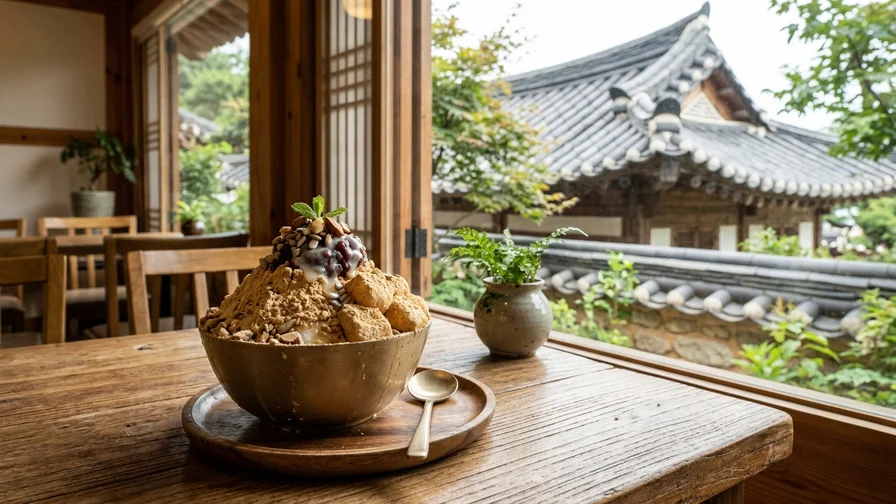
- Injeolmi Sulbing: The signature dish, milk snow shaved ice topped with soybean powder, injeolmi, and almond slices. 9,900 won. Portions are large, so it’s usually shared between 2 to 3 people, and they provide a spoon for each person.
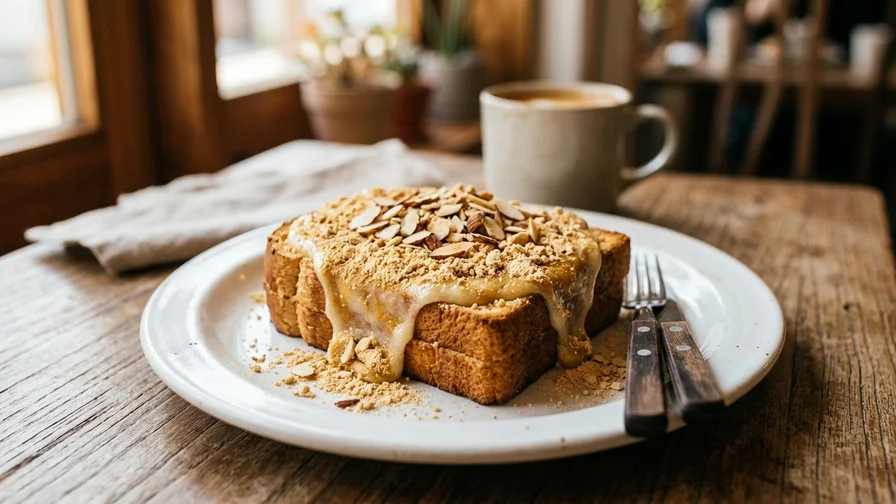
- Injeolmi Toast: A side dish of injeolmi placed between toasted bread and dusted with soybean powder. 4,800 won. It’s the most popular pairing to order alongside the shaved ice.
- Mozzarella Injeolmi Toast: A version of injeolmi toast with mozzarella cheese added. 5,800 won. Recommended if you enjoy a sweet-and-savory combination.
Price basis and soy allergy note: These prices reflect the April 2025 increase, and delivery orders add 1,000 won per item. If you have a soy (soybean powder) allergy, choose a fruit-based shaved ice instead of the injeolmi options.
4. A Recommended Day Trip: Jingwansa Temple and Eunpyeong Hanok Village
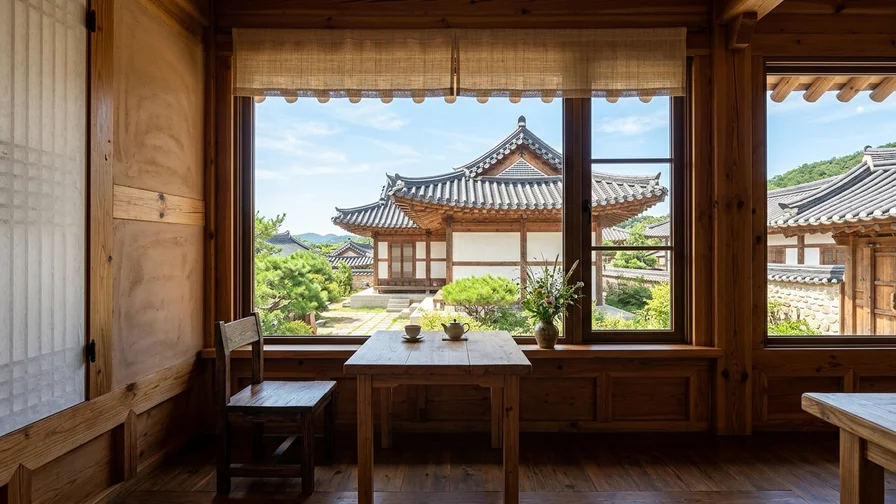
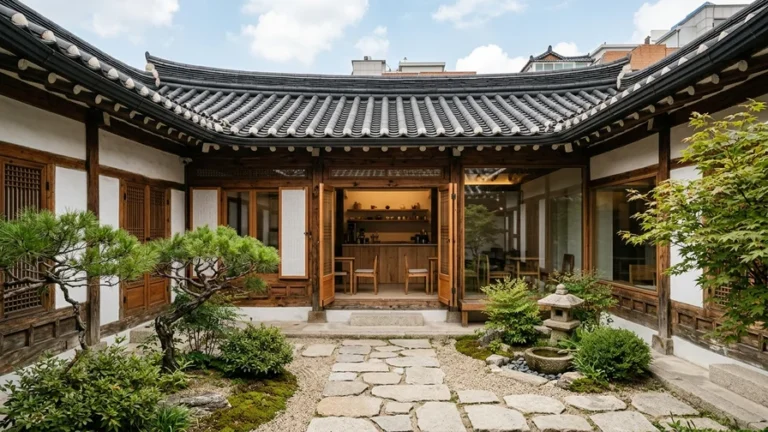
Eunpyeong Hanok Village in northwestern Seoul is a hanok complex built since 2014 on the slopes of Bukhansan. It sits right next to Jingwansa Temple, making it easy to combine into a half-day course. It’s an itinerary that lets you experience traditional architecture, temple culture, and rice cake desserts at a hanok café all at once.
Morning: Jingwansa Temple
Jingwansa is one of Seoul’s leading bhikkhuni (Buddhist nun) temples, particularly famous for its temple food. You’re free to stroll the temple grounds.
- Location: 73 Jingwan-gil, Eunpyeong-gu, Seoul (about a 15-minute walk from Eunpyeong Hanok Village)
- Phone: Temple office 02-359-8410
- Don’t miss: The approach path running alongside the valley and the serene temple grounds. Advance reservation is required if you want a temple food experience or a templestay.
- Reservations and info: Check programs and schedules on the official Jingwansa site, and the official templestay page for templestays.
Afternoon: Eunpyeong Hanok Village and 1in1jan
After coming down from Jingwansa and exploring the hanok village, we recommend resting at 1in1jan 📍, a large hanok café at the entrance to the village. From a window seat, you can take in the tiled hanok rooftops and Bukhansan in a single view.
- Address: 534 Yeonseo-ro, Eunpyeong-gu, Seoul
- Hours: 10:00–21:00, closed every Monday (open if Monday is a public holiday; verified October 2026)
- Recommended menu: Anggeum Jeolpyeon 6,000 won. A dessert of soft jeolpyeon (a flat rice cake) served with red bean paste and soybean powder, offering the same nutty soybean flavor as injeolmi. Americano 6,000 won, omija tea (a tangy traditional tea made from omija berries) 7,000 won.
- Note: The café has a separate dining space called “1in1sang” on an upper floor. There’s almost no parking, so public transit is recommended.
How to get there (subway + bus)
- Subway: Take Seoul Subway Line 3 to Gupabal Station.
- Transfer to bus: From the Gupabal Station Exit 2 stop, take bus 7211 or 7723 (bus 701 does not serve Gupabal Station). The fare is 1,500 won by transit card (verified 2026-10-20).
- Get off: Get off at the “Hanago, Samcheonsa, Jingwansa Entrance” stop. About 10 minutes by bus.
- On foot: About 5 minutes from the stop to the heart of the hanok village. There are signposts within the village.
Walk up to the top of the village: Eunpyeong Hanok Village is built on a hillside, so the higher you climb, the better the view of Bukhansan blending with the hanok rooftops. If you love photography, take your time walking up to the alleys at the top of the village.
5. Extra Tips for Foreign Travelers
Getting around
- Taxi apps: Kakao T supports registering overseas-issued credit cards, and there’s also k.ride, an app for foreign travelers. Uber works in Seoul as well. Regular taxis hailed on the street also accept card payment.
- Public transit: Seoul’s subway and buses are highly efficient. The Naver Map and Kakao Map apps offer directions in English, Chinese, and Japanese. T-money transit cards can be purchased and topped up at convenience stores.
- International Driving Permit (IDP): You’ll need one if you plan to drive, but central Seoul has heavy traffic and difficult parking, so public transit is recommended.
Payment
At most shops, including all the places introduced here, you can use international credit cards like Visa and Mastercard. However, small stalls at traditional markets like Mangwon Market sometimes accept cash only, so it’s a good idea to carry some Korean won (KRW).
Useful contacts
- 1330 Korea Travel Helpline: A helpline for foreigners run by the Korea Tourism Organization. Within Korea, dial 1330 with no area code. It provides travel information and interpretation services 24 hours a day, year-round. (Multilingual support including English, Japanese, and Chinese.)
Hours and prices are as of June 2026, so checking each shop’s official channels or a map app once more before visiting will keep you on the safe side.
Some photos © Korea Tourism Organization (KOGL Type 1)