Inside K-Indie, the Genres and Scene the World Is Watching
목차
Key Takeaways
- What K-indie music is: Music created on the artist’s own terms, free from the big-agency system. Honest lyrics and original sound are at its core.
- Key trends for 2026: Genre-blurring fusion (psychedelic rock, city pop, electronic, and more) and rapidly expanding fandoms through global platforms like YouTube and Spotify.
- How to enjoy it: Anyone can experience K-indie through Hongdae live clubs, large-scale music festivals, and global streaming. For international listeners, Spotify, Apple Music, and YouTube Music are the practical choices rather than Melon.
Behind the dazzling spotlight of K-pop, there’s another Korean Wave quietly but powerfully winning over music fans around the world. It’s Korean indie music, which steps away from commercial formulas to build its own world in its own colors. As of 2026, K-indie has moved beyond being merely an alternative scene to become a fresh driving force shaping global music trends. This article is a hub guide for everyone, from newcomers just discovering K-indie to fans who want to dig deeper.
What Is K-Indie Music: The Concept and Its Appeal
When many people hear the words “indie music,” they picture a small club in Hongdae or an acoustic guitar. That’s not wrong, but the world of K-indie is far wider and deeper than that.
The Birth and Meaning of Indie Music
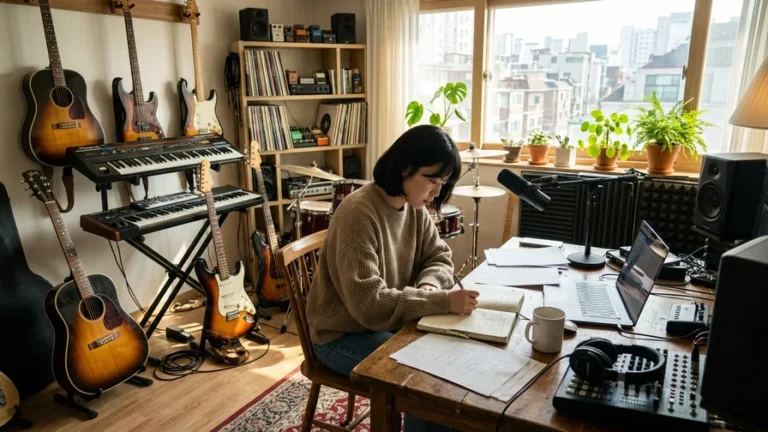
- “Indie” = “Independent” — It refers to the entire process of creating and distributing music independently from major labels backed by huge capital and management systems.
- It eases the pressure of commercial success on artists and gives them fertile ground to freely pursue the experiments and messages they care about.
- Korea’s indie scene first sprouted around PC communication (early online bulletin board) clubs in the 1990s, grew into the club culture in front of Hongik University, and is now an important pillar that sustains the diversity of Korean popular music.
For a detailed, era-by-era look at how this movement shifted from a spirit of resistance to a part of cultural mainstream, see Exploring the Genealogy of K-Indie Music.
Why K-Indie Resonates with Global Fans
- Authenticity — Lyrics filled with artists’ personal experiences and honest emotions build a sense of connection that transcends language barriers. For a deeper look at how indie musicians find their own voice, see The Creative World of Korean Indie Musicians.
- Musical diversity — Original sounds that freely blend rock, folk, jazz, electronic, and hip-hop offer a freshness distinct from mainstream K-pop.
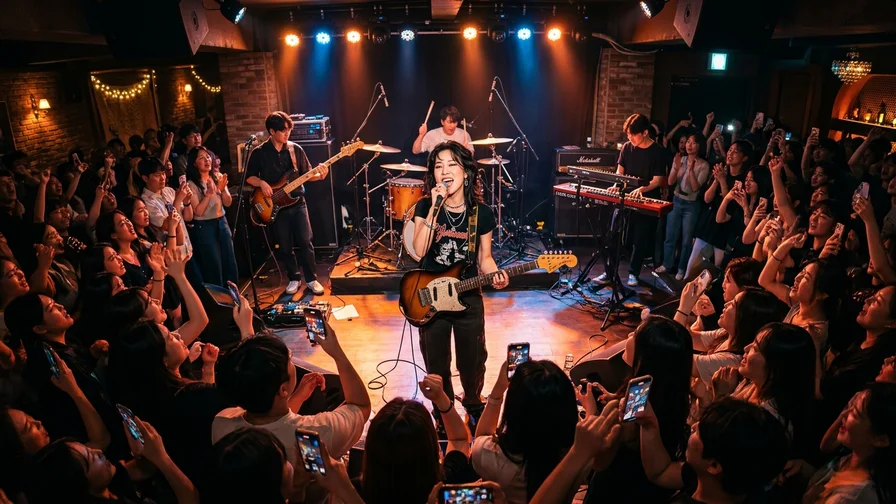
- The energy of live shows — The live atmosphere created when artists and audiences breathe together in small venues is an experience you can’t get from streaming alone.
Major Trends in the K-Indie Scene
The K-indie scene in 2026 is more dynamic than ever. Here we sum up the current movement, which is expanding its reach through new experiments rather than rehashing old conventions.
Fusion and Experimentation Across Genres
- K-indie can no longer be pinned down as a single genre.
- Artists are freely breaking down genre boundaries, like the dreamy synth-pop of ADOY, the genre-crossing psychedelic rock and pop of SILICA GEL, and the mellow indie pop of wave to earth.
- This gives listeners unpredictable joy and enriches the scene as a whole.
For a producer’s-eye view of how these genre-blurring sounds are actually made, see K-Indie Sound Design.
Spreading Through Online Platforms
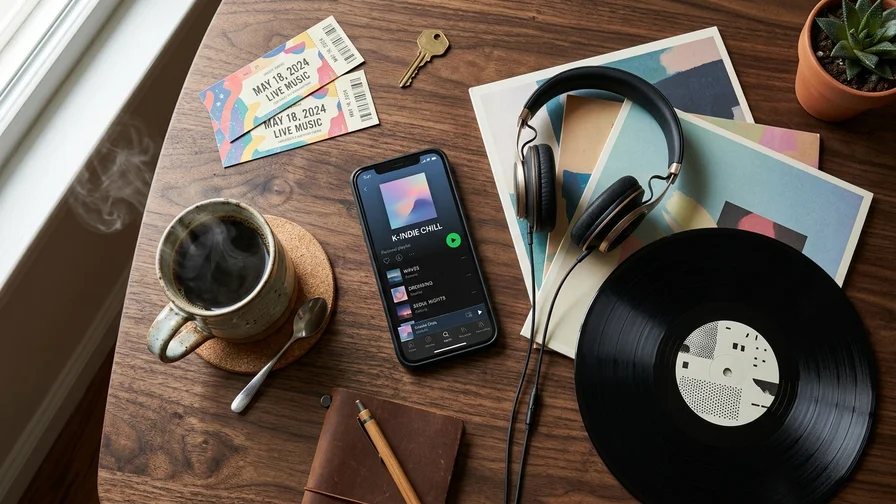
- Whereas the scene once relied on the physical space of Hongdae clubs, today YouTube, Spotify, Apple Music, and Bandcamp have become the new stage.
- “K-Indie” playlists are a key gateway for fans worldwide to discover new artists.
- It’s an era where a single track stumbled upon through an algorithm can win millions of global fans.
K-Indie Musicians and Signature Songs Worth Knowing
These are the leading musicians driving the K-indie scene as of 2026. Listening to the songs below gives you an instant sense of K-indie’s rich spectrum.
| Artist | Main Genre | Highlights | Signature Songs |
|---|---|---|---|
| SE SO NEON | Psychedelic rock, blues | Centered on the singularly charismatic vocalist Hwang So-yoon. After releasing their first full-length album “NOW” in 2025, they toured North America, Europe, and Asia. | “Long Dream,” “The Wave” |
| Jannabi | Vintage pop, rock | Reinterprets the sentiment of the ’70s–’80s in a modern way through lyrical writing. Released their fourth full-length album in 2025. | “For Lovers Who Hesitate” |
| SILICA GEL | Psychedelic rock, post-rock | Explosive live energy and unpredictable musical structures. | “NO PAIN” |
| wave to earth | Indie pop, jazz | Built an overseas fandom with English lyrics and soft melodies. A 30-city world tour in 2026. | “seasons,” “bad” |
| ADOY | Synth-pop, city pop | Pioneered a “commercial indie” space with a crisp, polished sound. | “Wonder,” “Grace” |
Editor’s Tips
If you want to discover new K-indie musicians, there are three good starting points. First, the “K-Indie” recommended playlists on Spotify or Apple Music — the algorithm keeps fetching artists with a similar vibe. Second, festival lineups — scanning the rosters for the Grand Mint Festival or Pentaport gives you an at-a-glance view of the acts getting attention right now. Third, artists’ official YouTube channels — new songs and live videos go up there first. As a side note, Naver’s “onstage,” once a treasure trove of indie live footage, ended its operations in November 2023, so no new content is being produced, but an archive of roughly 2,700 past live performances remains, making it still great for revisiting classic sets.
How to Enjoy K-Indie Music: From Venues to Online
If you’ve fallen for the charm of K-indie, now it’s time to enjoy it firsthand. There are plenty of ways, from feeling the heat of a live show on-site to listening comfortably online.
Exploring Small Live Clubs
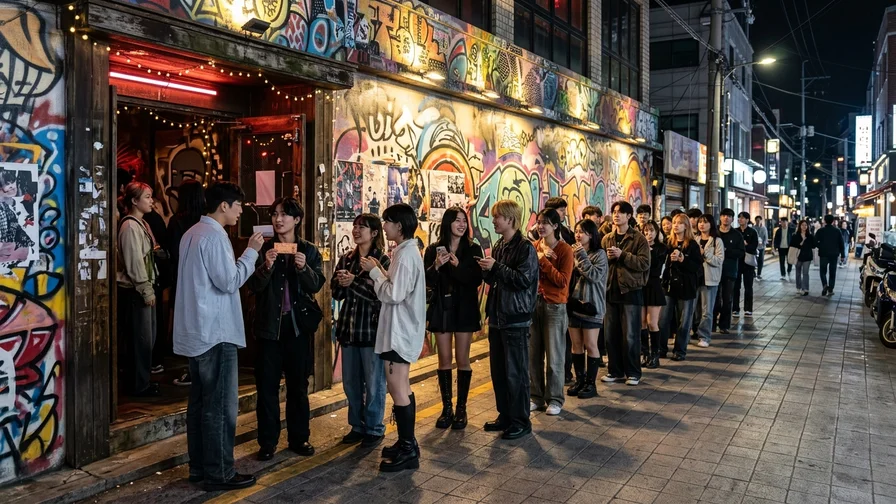
- Hongdae in Seoul, often called the heart of K-indie, is home to a cluster of live clubs.
- VELOSO — 46 Jandari-ro, Mapo-gu, Seoul. Operating as a dedicated concert venue since 2017. Check the schedule on the official site (veloso.co.kr) or Melon Ticket.
- KT&G Sangsangmadang Hongdae Live Hall — Near Hongik University Station. A standing capacity of about 400. Check the schedule at sangsangmadang.com.
- Club FF — Seogyo-dong, Mapo-gu, a long-running club combining live music and dancing. Check the show schedule on social media such as Instagram (the former modoo homepage has been discontinued).
- Watching a live show up close, near enough to hear the musicians breathe, is one of the most complete ways to enjoy K-indie. We recommend checking each club’s social media in advance for the day’s show and admission fee before you head out.
If you want to dig deeper into the stage — clubs by neighborhood, audience etiquette, and backstage culture — be sure to read Exploring the K-Indie Music Stage as well.
Indie Music Festivals (as of June 2026)
- Grand Mint Festival (GMF) — Held every October at Olympic Park in Seoul. In 2025 it ran on October 18–19. It has a strong lineup of emotive indie and band acts. Tickets via NOL Ticket and YES24.
- Beautiful Mint Life (BML) — Held every May–June. In 2026 the venue moved to the Oil Tank Culture Park, with the event running on May 30–31 (due to renovations at the Olympic Park grass field).
- Incheon Pentaport Rock Festival — Held every August in Songdo, Incheon. In 2025 it ran on August 1–3, marking its 20th edition. It has a strong rock and K-indie lineup.
- Dates and lineups change every year, so be sure to confirm the finalized schedule on each festival’s official site (mintpaper.co.kr, pentaport.co.kr) and the ticketing channels before you visit.
Streaming Services and Communities
- It’s fine even if visiting Korea is difficult. Spotify, Apple Music, and YouTube Music are well stocked with recommended playlists like “K-Indie Picks.”
- For international listeners, Spotify, Apple Music, and YouTube Music are the practical choices. Domestic apps like Melon and Genie often require Korean identity verification or a domestic card to sign up and pay, which is a barrier at the entry stage. Spotify officially operates in Korea (it launched a free ad-supported tier in 2024), so you can listen to Korean indie with your existing overseas account.
- If you want to share information with fans around the world, the Reddit community r/koreanindie is a great starting point.
The Future of K-Indie Music and Its Global Ripple Effect
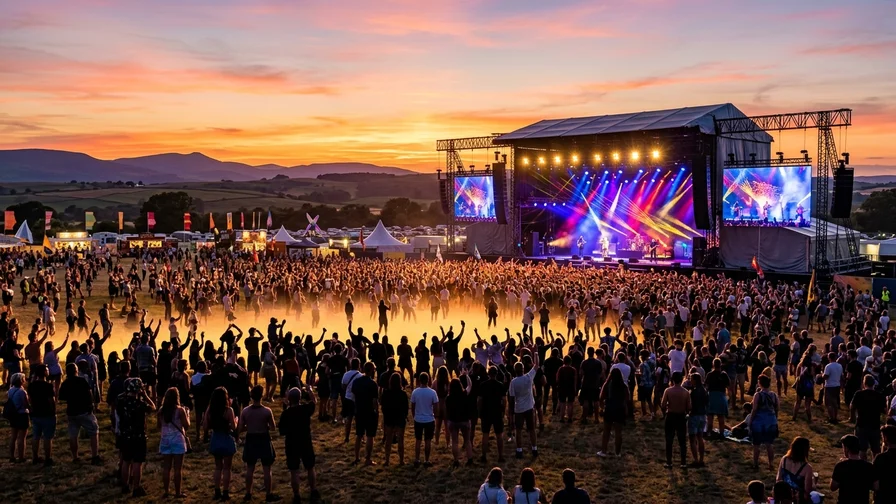
If BTS and BLACKPINK led the globalization of K-pop, K-indie has the potential to be the next act proving the diversity and depth of K-culture. Honest messages and original sounds are quenching the thirst of global listeners searching for something “real.” For a concrete look at how collaborations that cross genres and borders create new synergy, see K-Indie Collaborations. Going forward, more active participation in overseas festivals and collaborations with global artists will serve as a springboard to introduce the full spectrum of Korean music to the world.
Korean indie music is a vast world of possibility that has only just begun to bloom. If you’re tired of formulaic idol music or craving fresh musical stimulation, knock on the door of K-indie right now. You might just meet the artist of a lifetime to fill your playlist. Check out more Korean cultural trends at Come On Korea.
More Related Articles
- From Songs of Rebellion to the Mainstream — The History of Korean Indie Music
- Finding Their Own Sound — The Creative Journey of Korean Indie Musicians
- Finding K-Indie Live Music, from Hongdae Clubs to Festivals
- Breaking Down Genre Boundaries — The Sonic Experiments of K-Indie
- Beyond Genre and Borders — The Rise of K-Indie Collaborations