
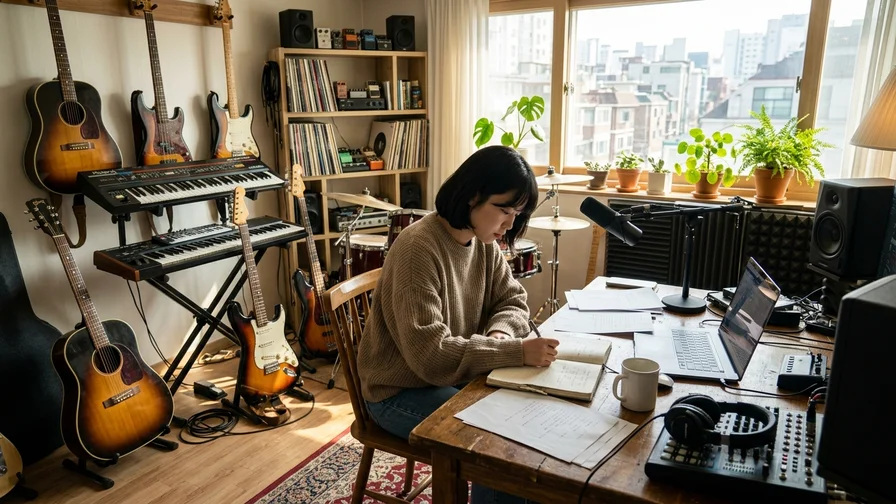
Finding Their Own Sound — The Creative Journey of Korean Indie Musicians
목차
Beyond the dazzling spotlight of K-pop, there are artists who sing about the world at their own pace and in their own language. These are the Korean indie musicians who break free from standardized systems, build their own distinctive musical worlds, and widen the horizons of Korean popular music. In this article, we look at how they find inspiration, make music, and connect with audiences, and where international listeners can actually encounter their music and live shows. If you’d first like to get the big picture of the K-indie scene, it pairs well with K-indie music.
Key Takeaways
- Everyday inspiration: The raw material for their songwriting comes not from grand themes but from personal experiences, social observations, and the small moments of daily life.
- Creative autonomy: Self-producing and the structure of independent labels provide the foundation for experimenting with music free from commercial pressure.
- Genuine connection: Small-scale shows, social media livestreams, and crowdfunding—direct exchange with fans—are what sustain the K-indie scene.
- How international fans can access it: You can connect directly through live clubs in Hongdae and Yeonnam-dong, YouTube live clips, indie label channels, and Tumblbug crowdfunding.
The Unique Creative Process of K-Indie Musicians
If the mainstream music market runs on sophisticated systems and large-scale capital, the indie scene is powered by the creativity and autonomy of each individual artist. This environment shapes the creative process that is distinctive to Korean indie musicians.
- Rather than following popular tastes, they dig deeply into their own inner worlds.
- They focus on crafting a musical “voice” that is one of a kind.
The Sources of Songwriting Inspiration
The lyrics of K-indie musicians often read like a poem or a short story. That’s because their inspiration comes not from glamorous fantasy but from the texture of ordinary daily life and personal emotion.
- The view of an alley they walk every day, a conversation with a friend, the stillness of dawn—all become the stuff of their lyrics.
- A sharp eye on social phenomena often appears as well.
- Because the stories are honest and personal, they create a deep sense of resonance with the listener.
The Role of Self-Producing and Independent Labels
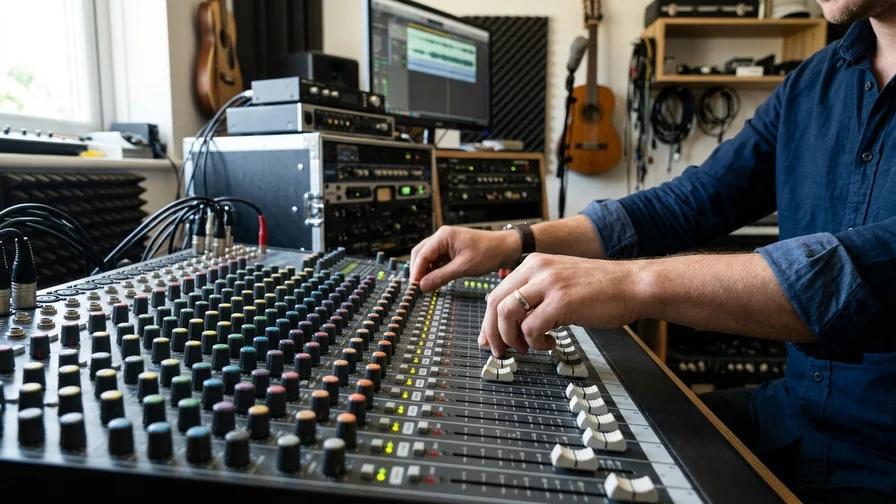
Most Korean indie musicians are singer-songwriters and producers who handle not only the writing and composing but the arranging and production themselves.
- With the advancement of home-recording setups, they realize their musical vision at minimal cost.
- This DIY (Do-It-Yourself) spirit is at the heart of what keeps K-indie original.
- Finished tracks are often released directly to platforms like Melon and Spotify through digital distributors (self-distribution services like DistroKid, or domestic distributors like Poclanos).
- Independent labels such as Magic Strawberry Sound (founded 2010, home to acts like Oksang Dalbit and SE SO NEON) and Pastel Music (founded 2002) grant artists the greatest possible autonomy, unlike major agencies.
Thanks to this structure, music of many different colors can survive even without massive capital, enriching the diversity of the K-indie scene.
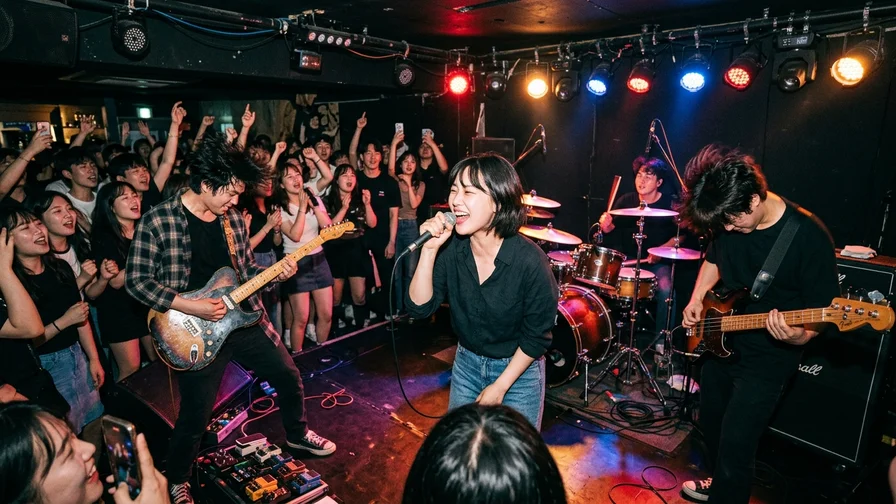
K-Indie Artists with a Distinctive Musical “Voice”
As of 2026, the K-indie scene is filled with artists of more varied colors than ever before. From experimentalists who dissolve genre boundaries to storytellers who tug at the heart, here are some leading musicians who have built their own musical worlds.
Experimentalists Who Cross Genre Lines
- The band Silica Gel is a prime example. Formed in Ansan in 2013, they roam across the boundaries of psychedelic rock, art rock, and noise pop.
- They won “Musician of the Year” at the 2024 Korean Music Awards and became the first Korean all-male band to appear on the Japanese music channel THE FIRST TAKE.
- With explosive energy and meticulous sound design, they offer more than just “songs”—they deliver an “experience.”
If you’d like to read interviews with these experimental artists and discover their new releases, the Korean indie webzine Indiepost is a great reference.
Lyrical Musicians Strong in Storytelling
- The side that delivers deep resonance through plain melodies and honest lyrics, rather than flashy soundscapes, is also an important strand of K-indie.
- Folk singer-songwriter Kim Sawol is a leading example. With a lonely, dreamlike sensibility, she sings of love, anxiety, and the facets of life.
- She won Best Folk Album and Best Folk Song at the 2019 Korean Music Awards, and released her fourth full-length album, “Default,” in 2024.
These storytellers add literary depth to the K-indie scene.
The Philosophy of Indie Musicians: Between Commerce and Art
As with every creator, Korean indie musicians, too, are constantly torn between commercial success and artistic conviction.
- Their central challenge is balancing the desire to share their music with more people against the determination not to lose their own color.
- Some musicians choose a strategy of compromising with mainstream sensibilities to broaden their recognition.
- Others walk strictly their own path, focusing on earning the deep resonance of a smaller audience.
There’s no single right answer, but the very process of grappling with this makes their music deeper and more authentic.
Editor’s Tip
The best way to discover great Korean indie musicians is to head out in person to the live clubs of Hongdae or Yeonnam-dong. Online, make use of indie labels’ official YouTube channels or the live clips that remain on YouTube. (Naver’s “onstage,” a long-running Korean live-performance video series, ended its operations in November 2023, but the roughly 650 teams’ worth of live videos accumulated over 13 years remain archived on the onstage YouTube channel and Naver TV.) You’ll be able to meet, in person, gem-like artists you’d rarely encounter through streaming recommendation lists.
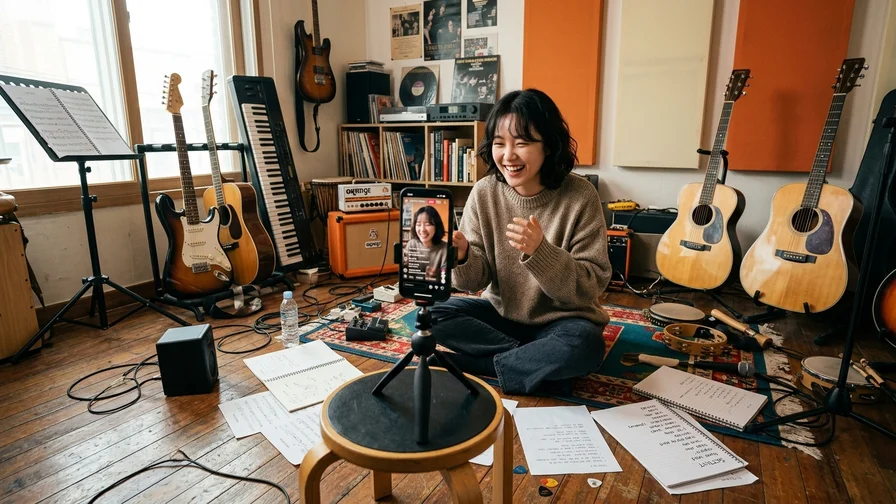
How K-Indie Musicians Connect with Their Fans
One of the greatest charms of the K-indie scene is how close the distance is between artists and fans. Rather than cultivating an air of mystery like K-pop idols, they share their lives and thoughts honestly, forging tight-knit bonds.
Small Shows and Fan Meetings
- Solo shows in small clubs or cafés seating a few hundred are a symbol of the K-indie scene.
- Within arm’s reach, they sing while making eye contact with fans, and after the show they share photos, autographs, and conversation.
- It gives fans a sense of belonging and intimacy—the feeling that they are “growing together with an artist they love.”
Social Media and Crowdfunding Activities
- Instagram, YouTube, and X (Twitter) are the most important channels of communication for Korean indie musicians.
- They share the process of working on new songs, instrument practice videos, and little slices of daily life, replying directly to comments or giving impromptu performances on Instagram Live.
- The costs of producing an album or putting on a solo show are often raised through crowdfunding platforms like Tumblbug (tumblbug.com). Since streaming royalties alone make it hard to recoup production costs, shows, merch, and crowdfunding become real sources of income.
International fans can follow these same channels exactly. Follow your favorite artist on Instagram and YouTube, and join a Tumblbug campaign to get your hands on limited-edition albums or concert tickets.

The Global Growth Potential of K-Indie Musicians
In the past, K-indie was strongly perceived as something consumed only within Korea, but the situation has changed.
- Bands like Hyukoh and SE SO NEON have built international fandoms through overseas tours and appearances at famous festivals (SE SO NEON undertook a North American, European, and Asian world tour in 2023).
- Global platforms like YouTube and Spotify have opened a pathway for fans worldwide to easily encounter K-indie.
The worldwide success of K-pop—epitomized by BTS and BLACKPINK—naturally leads to interest in other Korean music genres. Armed with originality and authenticity, Korean indie musicians have the potential to captivate global listeners with a charm distinct from K-pop.
In the end, the world of Korean indie musicians is more than just making music—it is the very journey of creation, communicating with the world through their own philosophy and methods. Why not lend an ear to their honest voices? If you’re curious about the wider world of Korean indie music, check out everything at K-indie music.