One-of-a-Kind Finds — Local Goods and Design Shops in Seoul’s Regenerated Spaces
Contents
Quick Summary
- Regenerated districts like Sewoon Sangga, Euljiro, Mullae Art Village, and Seongsu-dong offer goods and handicrafts that carry each neighborhood’s history, so the story of the place becomes the souvenir itself. These start from a completely different place than the souvenirs sold everywhere.
- Showrooms of upcycling brands such as Nukak (bags made from old banners) and CUECLYP (which turns urban waste into fabric) are easy to find in Seongsu-dong.
- If a shop is a “Tax Free” affiliate, purchases of 15,000 KRW or more qualify for VAT refunds (as of June 2026). Note that small workshops are often not affiliated.
- Many places close on Mondays, and some shops close on Sundays, so watch out for closing days and always check each shop’s Instagram before visiting.
Purchases of 15,000 KRW or more at a “Tax Free” affiliate qualify for a VAT refund, and since the threshold dropped from 30,000 KRW in 2024, one or two small items can meet the condition. In neighborhoods like Sewoon Sangga, Euljiro, Seongsu-dong, and Mullae Art Village, where old factories and arcades have become cultural spaces, you can pick Seoul urban regeneration souvenirs that carry each place’s own story.
Distinctive Local Souvenirs Born in Regenerated Spaces
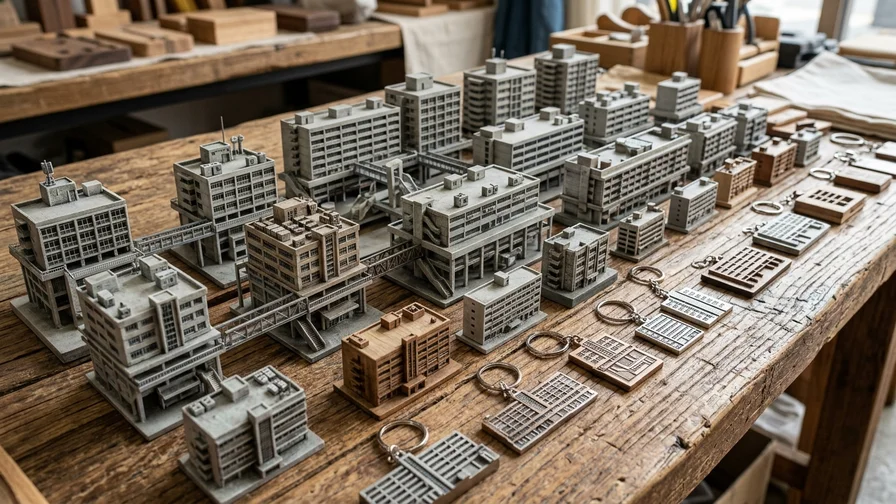
Seoul’s urban regeneration spaces each carry their own unique background. The identity of each place, like Mullae Art Village (once packed with metalworking shops) or Sewoon Sangga (once the mecca of the electronics industry), is reflected in the goods sold there. These neighborhoods are especially home to many local business products created by young entrepreneurs, where you can discover even fresher items.
Sewoon Sangga: Retro Vibes in the Electronics Alleys
- Sewoon Sangga is Korea’s first mixed-use residential-commercial electronics complex, completed in 1968. It’s about a 5-minute walk from Jongno 3-ga Station (Lines 1, 3, 5) and also walkable from Euljiro 3-ga Station (Lines 2, 3).
- Vintage audio gear, discontinued electronic parts, and decades-old signs remain just as they were, so simply wandering the alleys feels like time travel. Accessories made from parts and vintage knick-knacks tend to appear at resident studios and events rather than in permanent shops, so approach it with the joy of discovery rather than expecting set inventory.
- Most electronics and tool shops close on Sundays, so weekday or Saturday visits are recommended.
- The elevated walkway that once connected the Sewoon arcade complex is being demolished in phases due to low usage (starting with the Sampung Sangga section in July 2026, with full demolition targeted for 2035). The Sewoon, Cheonggye, and Daerim Sangga sections were still walkable as of June 2026, so take in the scenery before it disappears.
- Horangi 📍 is a small café on the 3rd floor of Daerim Sangga (Unit 351), perfect for enjoying its signature Tiger Latte while taking in the view inside the arcade. Open Tue–Sat 11:00–18:00, closed Sundays and Mondays (as of June 2026; check Instagram @horangiicoffee before visiting).
Euljiro: Boutique Shops Tucked Among Printing Alleys
- This is a neighborhood where young shops hide among alleys lined with print houses and lighting stores. The signs are small and hard to find without a map, so save the map links for the shops below.
- Mine Things 📍 is a boutique shop on the 2nd floor of 32-1 Supyo-ro, full of easy gift items like illustration goods, stickers, vintage tableware, and fabric posters. Open 12:00–19:30, until 18:00 on Sundays (as of June 2026).
- If you find something you like but there’s no price tag, don’t panic, just ask. “How much is this? (Igeo eolmayeyo?)”
Sustainable Design Products Made from Upcycled and Eco-Friendly Materials
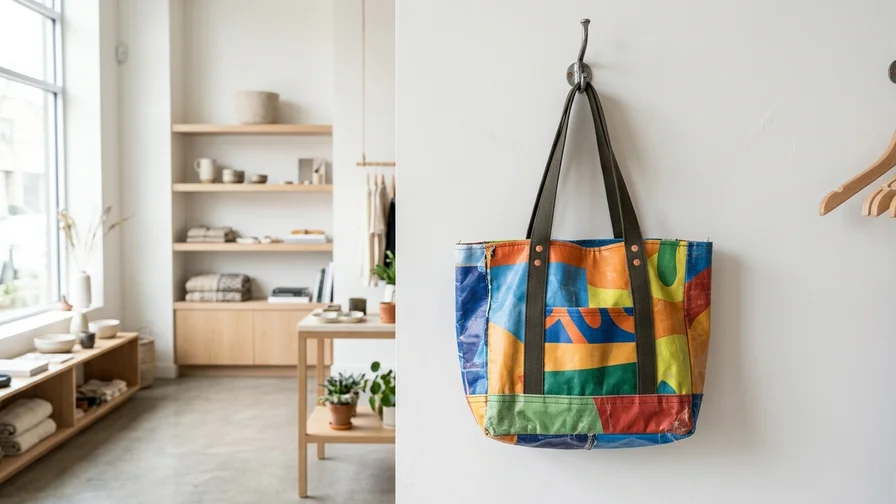
“Sustainability” is a key theme in Seoul’s regenerated spaces. Upcycling brands that breathe new life into discarded resources through design operate actual stores centered around Seongsu-dong, so the Seoul urban regeneration souvenirs you buy here can also carry the meaning of joining in on environmental protection.
Seongsu-dong Showrooms Where Old Banners and Waste Become Bags
- Nukak Casa Seoul 📍 is the flagship store of Nukak, an upcycling brand that started in Barcelona, Spain, and has been operating in Korea since 2016. It’s located in the basement (B1) of 89 Yeonmujang-gil, Seongdong-gu, open 12:00–19:00 (as of June 2026). Bags, pouches, and phone cases made from old banners have a different pattern for each banner scrap, so no two products are alike. Custom orders are also available.
- CUECLYP stockist Morestore 📍 is the Seongsu-dong retailer of CUECLYP, a Korean upcycling brand launched in 2016. CUECLYP’s official site lists no showroom of its own; its Seongsu stockist is Morestore at 1F, Heyground Seongsu Sijakjeom, 5 Ttukseom-ro 1na-gil, Seongdong-gu. It turns urban waste into fabric and recirculates it into pouches, card wallets, and bags. Open 09:00–19:00, closed Sundays, so avoid visiting on a Sunday (verified October 2026).
- MORETHAN (Continew) is a Korean brand that makes bags from the leather seats and seatbelts of scrapped cars. Its permanent stores are mostly inside department stores and shopping malls rather than in Seongsu, so it’s faster to browse ahead on the online store (wecontinew.co.kr).
- Small items like keyrings and pouches generally run around 10,000–30,000 KRW, while bags often start in the tens of thousands of won (rough prices as of June 2026). Exact prices can be confirmed on each brand’s online store.
Around 30 Upcycling Brands in One Place: Seoul Upcycling Plaza
- Seoul Upcycling Plaza is a complex dedicated to upcycling. It’s about a 10-minute walk from Exit 8 of Janghanpyeong Station (Line 5).
- The upcycling shop on the 2nd floor is a curated store gathering products from around 30 resident companies, where you can compare and buy bags, stationery, and household goods made from waste resources all in one spot.
- Open weekdays 10:00–18:00, closed Sundays. Saturdays run mainly for booked groups, so weekdays are safer for individual visits (as of June 2026; check the official website before visiting).
Closing days vary by shop, so check Instagram before visiting
The biggest trap with shops in regenerated spaces is that their closing days vary. Horangi closes Sundays and Mondays, the CUECLYP stockist Morestore closes on Sundays, and Point of View closes one day a month, so checking Instagram before visiting is the most accurate approach. One more thing: designer shops and ateliers operate on fixed prices, so haggling is not common. Instead, at shops marked “Tax Free,” present your passport for purchases of 15,000 KRW or more to claim your VAT refund. Card payment is accepted almost everywhere.
Handicraft Shops Full of Personality from Emerging Designers
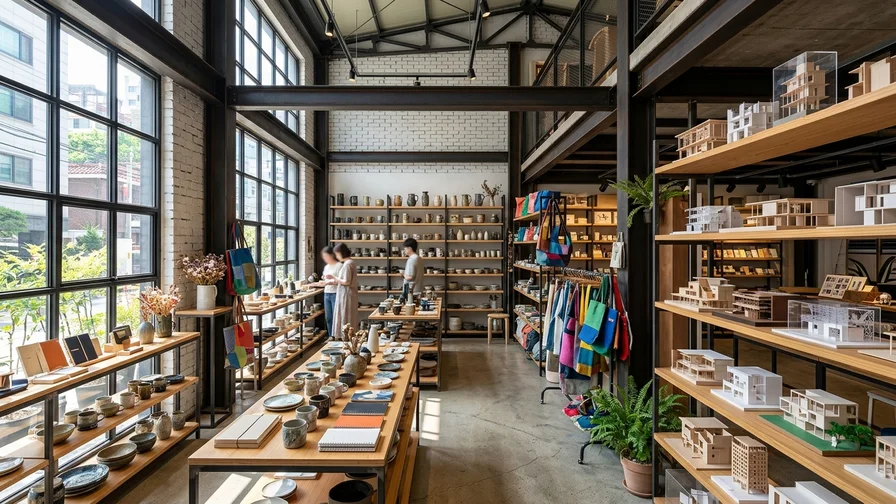
The sites of former industrial facilities have now turned into studios and showrooms for young designers and artists. You can pick out items that carry the maker’s personal touch, things you won’t find in large stores.
Mullae Art Village: Metal Crafts in the Ironworks Alleys
- Mullae Art Village is a neighborhood where artist studios have moved in above ironworks alleys dating back to the 1960s. It’s about a 5-minute walk from Exit 7 of Mullae Station (Line 2).
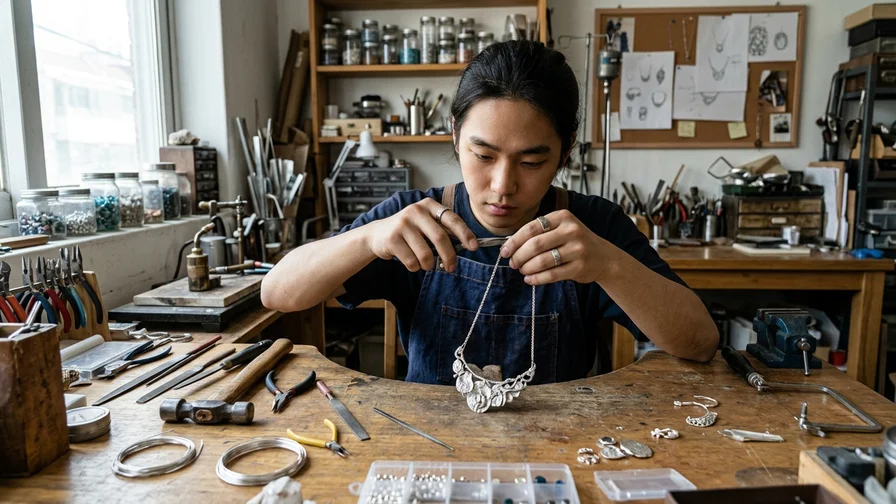
- There are several one-day class workshops where you can make your own silver ring or metal keyring, and that ability to make your souvenir rather than buy a ready-made one is part of Mullae’s unique charm. Most require reservations, so search “Mullae workshop” on Instagram and book ahead.
- Mullae Art Factory is a creative hub run by the Seoul Foundation for Arts and Culture. Gallery exhibitions are free, and it’s closed on Mondays. Exhibition schedules can be checked on the Seoul Foundation for Arts and Culture website.
- If you get tired of walking, Old Mullae 📍, a café and craft beer pub housed in a renovated wooden building from the Japanese colonial era, is a good place to rest.
- A relocation plan to move all 1,200 or so ironworks at once is under discussion (stalled as of June 2026), so the current alley scenery where ironworks and art coexist could change in a few years.
Seongsu-dong: Handmade Shoe Street and Stationery Boutiques
- Seongsu-dong is a red-brick neighborhood that was a hub of handmade shoe factories in the 1990s, regenerated into a street of cafés and showrooms. It’s around Seongsu Station (Line 2), a 5–10-minute walk to Yeonmujang-gil.
- Point of View Seoul 📍 is a stationery and tools boutique on Yeonmujang-gil. It curates “tools for recording” like paper, pens, and wax seals, making it a draw for stationery lovers. It is at 18 Yeonmujang-gil, open daily 12:00–20:00 (last entry may close at 19:55) with one regular closing day a month (verified October 2026).
- The ateliers on the handmade shoe street offer designer shoes and leather goods, making them easy to combine with the Nukak store and the CUECLYP stockist Morestore above for a half-day route.
- Some ateliers also do custom work engraving the text you want, so if you want a one-of-a-kind souvenir, talk directly with the maker.
A Shopping Guide for Taking Home Your Own Seoul Memories
Knowing each space’s features and how to get there in advance lets you get around without wasted trips. Use the table below to sketch out your own shopping map.
Signature Shopping Spots by Area
| Place | How to Get There | Recommended Spots & Items |
|---|---|---|
| Sewoon Sangga, Euljiro | 5-min walk from Jongno 3-ga Station (Lines 1, 3, 5) / near Euljiro 4-ga Station (Lines 2, 5) | Vintage electronics alleys, Horangi (café), Mine Things illustration goods |
| Mullae Art Village | 5-min walk from Exit 7 of Mullae Station (Line 2) | Metal craft one-day classes, free exhibitions at Mullae Art Factory, alley murals |
| Seongsu-dong | 5–10-min walk from Seongsu Station (Line 2, toward Yeonmujang-gil) | Nukak and CUECLYP upcycled bags, Point of View stationery |
| Seoul Upcycling Plaza | 10-min walk from Exit 8 of Janghanpyeong Station (Line 5) | 2nd-floor upcycling shop with around 30 resident brands |
Recommended Gift List
If you’re thinking about gifts for the people you care about, check the list below. All of them are Seoul urban regeneration souvenirs you can buy at the actual shops introduced above.
- For an environmentally conscious friend, a Nukak bag or pouch made from old banners is a great pick, and since the patterns are all different, each one is unique in the world.
- For a partner who loves design, we recommend a CUECLYP card wallet made from recirculated fabric.
- For stationery lovers, Point of View’s pens and wax seals or Mine Things’ illustration goods are a good match.
- For a gift for your parents, the household items at the Seoul Upcycling Plaza shop work well.
- For a special gift to yourself, we suggest a silver ring you make yourself at a Mullae workshop one-day class.
Tax Refund: Available from 15,000 KRW
- Purchases of 15,000 KRW or more at affiliated shops bearing the “Tax Free” logo qualify for a VAT (10%) refund. The minimum threshold dropped from 30,000 KRW to 15,000 KRW in 2024, making it easy to meet the condition with just one or two small items (as of June 2026).
- Present your passport at checkout and receive a refund slip. Process it at the airport’s refund kiosk or counter when departing, and to be safe in case of customs inspection, keep your purchases unused and carry them with you.
- Note that individual ateliers and small artist shops often aren’t affiliated. If a refund is your goal, confirm with a quick “Tax refund?” before paying.
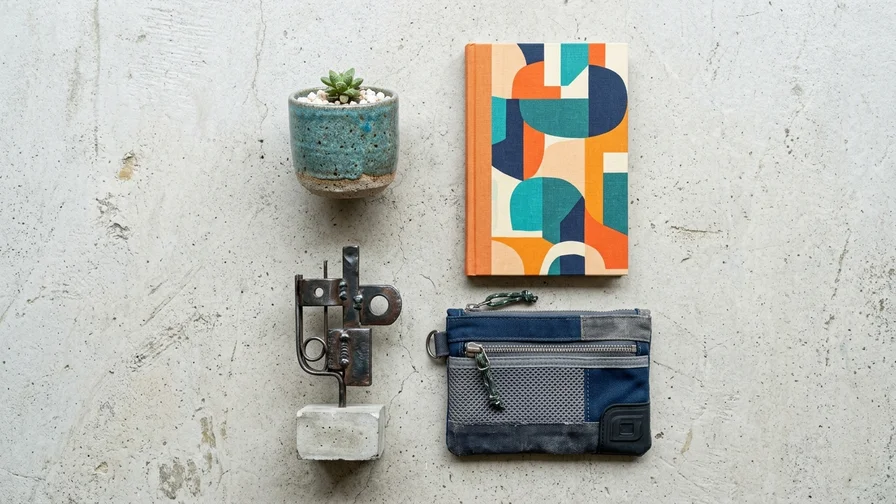
Check each shop’s Instagram for closing days before you go, and at shops marked “Tax Free,” bring your passport to get a refund slip. If you’re curious about more of Seoul’s design trends, check out the Seoul Design Foundation official website, and if you want the bigger picture of regenerated spaces, take a look at Seoul urban regeneration spaces.