Where Seoul’s Past Meets Its Future — Spaces Reborn Through Urban Regeneration
Contents
Key Takeaways
- Seoul urban regeneration spaces are old factories, warehouses, power plants, and elevated roadways that were brought back to life as cultural venues rather than torn down, creating a cityscape you won’t find anywhere else but Seoul.
- As of June 2026, the scene is changing fast: the Sewoon Sangga aerial walkway has been confirmed for phased demolition, Nodeul Island’s waterfront space opened in September 2026 while other areas remain under construction, and Donuimun Museum Village has closed.
- For each space, we’ve included the subway station and exit, whether it’s free, closing days, and the one thing you shouldn’t miss.
The Sewoon Sangga aerial walkway is scheduled for phased demolition from the second half of 2026, Donuimun Museum Village closed at the end of August 2025, and Nodeul Island’s waterfront space opened on September 18, 2026. These Seoul urban regeneration spaces, where abandoned oil tanks, ironwork alleys, and 1960s shopping arcades became cultural destinations, keep changing fast, so heading there on old information often means making the trip for nothing.
What Is Seoul Urban Regeneration: The Concept and Why It Matters
Seoul urban regeneration is fundamentally different from redevelopment, which tears down old buildings and builds anew. It respects the historical and social context a place holds, then adds new functions on top of it to recreate value.
Creating New Value from Old Spaces
- An oil reserve base becoming a cultural park, an ironwork alley becoming an artists’ haven, a thermal power plant becoming a performance venue: this is the power of urban regeneration.
- It gives visitors an atmosphere they can’t find anywhere else, and gives neighborhoods fresh economic vitality.
- You can find the policy background on the Seoul Urban Regeneration Portal. If you’re curious about the policy’s direction and history, our complete analysis of Seoul’s urban regeneration policy covers everything from the early days to future visions.
Sustainability in Seoul as a Global City
- Keeping the structural frames of old buildings reduces construction waste, and the area’s unique stories are used as content.
- That said, regeneration doesn’t always succeed. As you’ll see below, some spaces have been slated for demolition or conversion due to low usage. That’s why some of today’s scenery is temporary, and all the more worth visiting now.
Seoul’s Iconic Spaces Reborn Through Regeneration (as of June 2026)
Here are the most notable Seoul urban regeneration spaces as they stand now. Many have had their operating details change significantly in the past year or two, so be sure to check the date references.
Industrial Heritage Dressed in Culture and Art
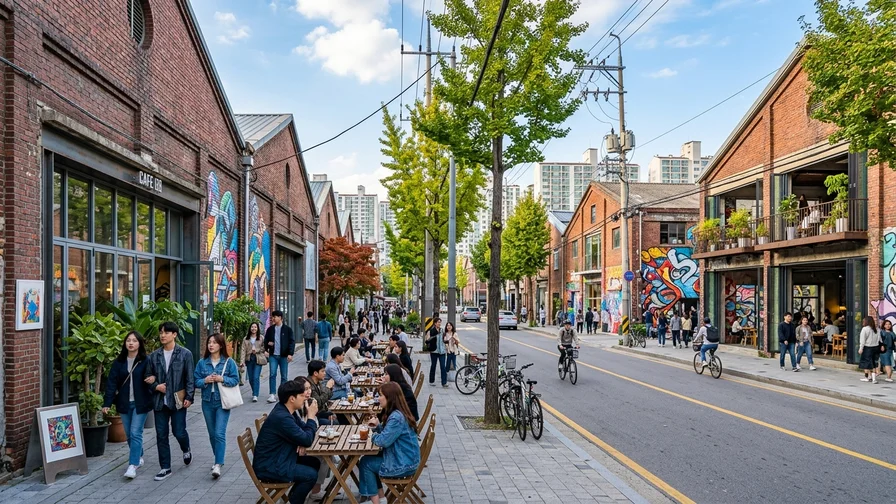
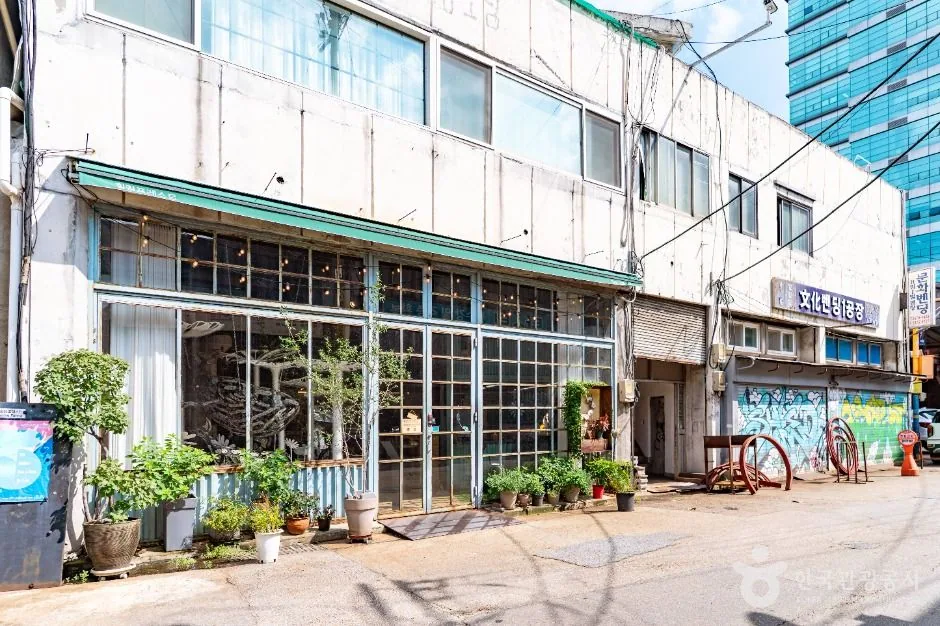
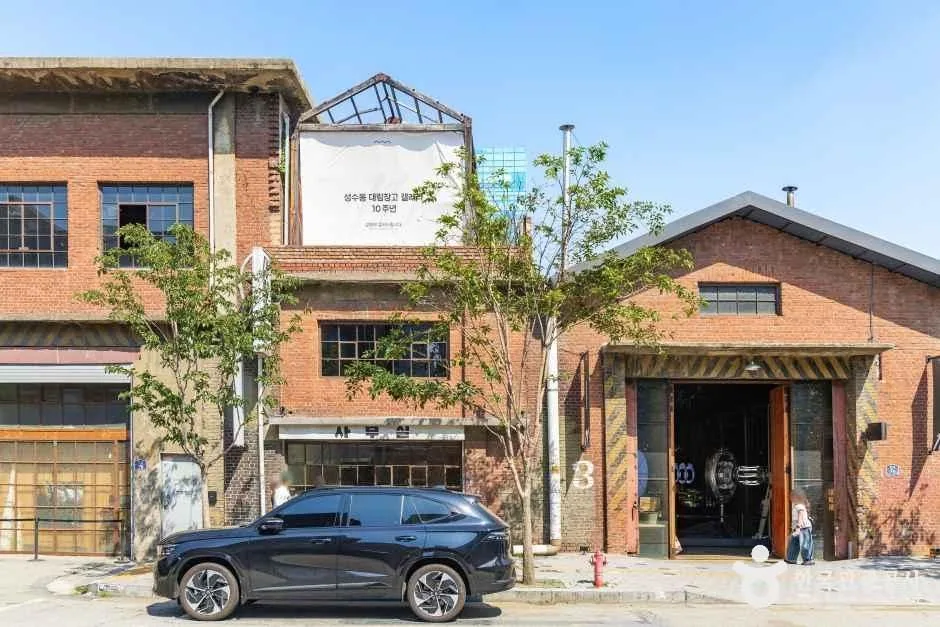
- Seongsu-dong Yeonmujang-gil is where alleys of handmade shoe factories and print shops transformed into “the Brooklyn of Seoul.” Red-brick warehouse buildings are packed with cafés, galleries, select shops, and pop-up stores. Once a landmark, the converted rice mill café Daelim Changgo still operates as a gallery café at 78 Seongsu-iro, while the offline select shop “Musinsa Store Seongsu @ Daelim Changgo” (run by the fashion platform Musinsa) opened on the same Daelim Changgo grounds at 74 Seongsu-iro in September 2024, so you’ll find both a café and a K-fashion shopping space there (verified October 2026). The bakery café Onion Seongsu 📍, which kept the old factory’s frame intact, is still open (weekdays 08:00–22:00, weekends 09:00–22:00, verified October 2026). Don’t miss: Onion’s broken concrete walls and rooftop terrace, where the deliberately preserved traces of the factory have become a symbol of Seongsu-dong’s regeneration. (Transit: Subway Line 2 Seongsu Station, Exit 3, then about a 5-minute walk along Yeonmujang-gil)
- Mullae Art Village sits in Mullae-dong, a center of the steel industry since the 1960s. Artists gathered among the ironwork alleys, and creators are now active across roughly 100 spaces. A “collective relocation” plan to move some 1,200 ironworks to the outskirts of the metropolitan area is being pushed, but as of June 2026 it remains stalled over site issues, so the current scene where ironworks and art studios coexist is expected to hold for a while. Don’t miss: the murals and steel sculptures in the alleys heading from Mullae Station Exit 7 toward the Mullae Park intersection, which appear in full once the ironwork shutters come down in the evening. If you’re interested in street art like this, we cover it separately in Seoul’s public art regeneration spots. (Transit: Subway Line 2 Mullae Station, Exit 7, 5-minute walk)
- Oil Tank Culture Park was built in 1978 as a top-tier security facility and stayed hidden for about 40 years before this former Mapo oil reserve base opened as a cultural park in 2017. The outdoor park is free, open 24 hours, year-round. However, the interiors of the tanks (T1–T6) have been closed to regular visits since April 2025, accessible only during exhibitions or events, so if interior viewing is your goal, you’ll need to check by phone (02-508-2205) or on the Seoul city parks website before visiting (as of June 2026). Don’t miss: the T6 community center newly built from recycled steel plates of dismantled tanks, and the tank exteriors lodged between cuts in the bedrock. Even just walking around the outside, the scale is overwhelming. (Transit: Subway Line 6 World Cup Stadium Station, Exit 2 or 3, 10-minute walk)
Living Spaces That Preserve Their Historical Meaning
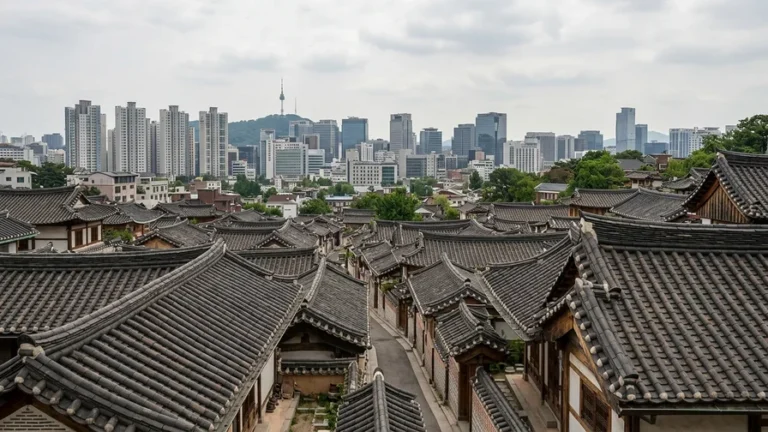
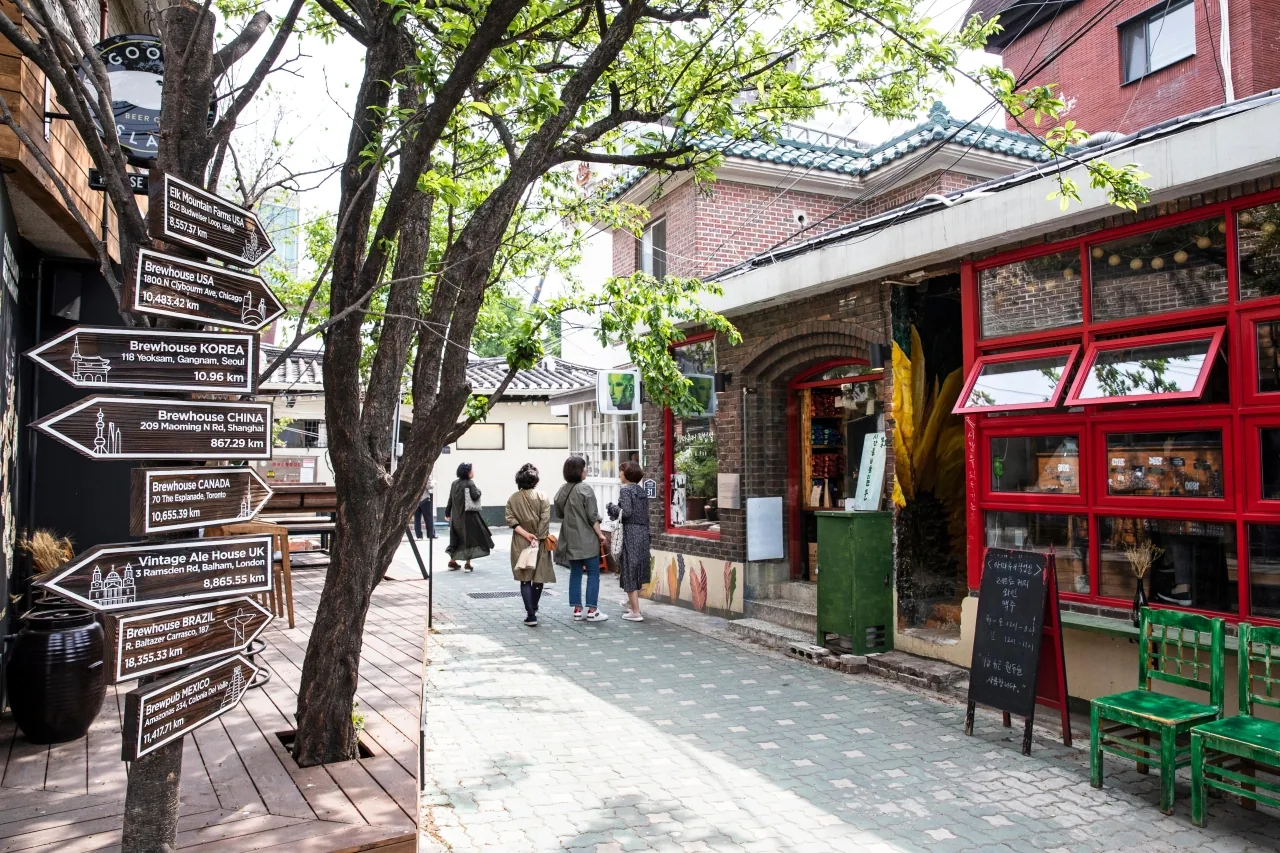
- Ikseon-dong Hanok Village is an urban hanok (traditional Korean house) residential complex laid out in the 1920s. The hanok structures are preserved while the interiors are fitted out as distinctive restaurants, cafés, and shops. Strolling slowly through the maze-like alleys is the main course in itself. Don’t miss: the continuous curves of the hanok tile roofs as you look up from the alleys, a scene you can only get in Ikseon-dong, set against the backdrop of high-rise buildings. (Transit: Subway Lines 1, 3, 5 Jongno 3-ga Station, Exit 4 or 6, 1–3 minute walk)
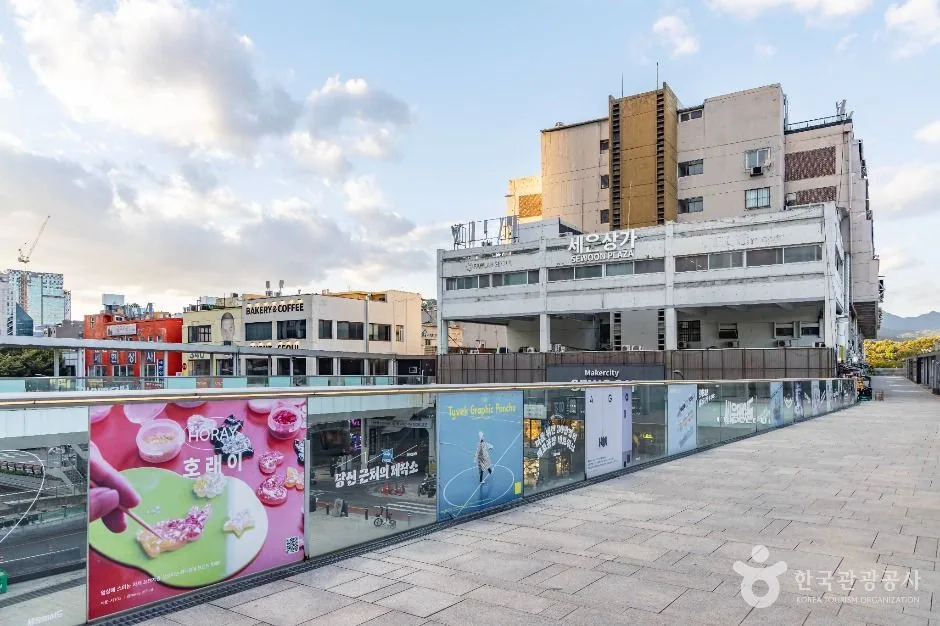
- Sewoon Sangga, completed in 1968, was Korea’s first mixed-use residential-commercial building and a mecca of the electronics industry. The “Dasi Sewoon Project” added a rooftop observatory and spaces for young startups, and from the rooftop you get an open view stretching from Jongmyo Shrine all the way to Namsan. But now may be your last chance: the city has confirmed a redevelopment plan to gradually turn the area into a park by 2031, and the aerial walkway connecting the arcades is scheduled for demolition starting with the Sampung Sangga section in the second half of 2026 (as of June 2026). Which walkway sections remain passable can change at any time, so follow the on-site guidance. Don’t miss: the view of Jongmyo’s forest from the Sewoon rooftop, a spot where a 600-year-old historic core, 1960s arcades, and a redevelopment construction site all fit into one frame, where the layers of Seoul’s time overlap before your eyes. The stories of the craftspeople and young entrepreneurs here are covered in depth in our feature on young entrepreneurs in Seoul’s regenerated spaces. (Transit: Subway Lines 1, 3, 5 Jongno 3-ga Station, Exit 12, 3-minute walk)
The Han River and Seoul Station: Regeneration Still in Progress
- Nodeul Island is an island in the middle of Hangang Bridge. The former amusement area was regenerated in 2019 into a music-focused cultural island, and it’s now being reborn as the “Nodeul Global Art Island” with a “Soundscape” design by British architect Thomas Heatherwick (being built in phases). The waterfront cultural space opened to the public on September 18, 2026, and the outdoor areas are open 24 hours (March to October hours: weekdays 10:00-21:00, weekends 10:00-22:00, closed Mondays; verified October 2026). Areas under construction may be restricted, so check the notices before visiting. Check the official site nodeul.org for the latest. (Transit: Subway Line 9 Nodeul Station, Exit 2, then 700m / 10-minute walk toward Hangang Bridge)
- Seoullo 7017 regenerated the Seoul Station overpass, built in 1970, into an elevated pedestrian garden in 2017. It’s free and open 24 hours, a walking path that connects Seoul Station and Namdaemun Market through the air. That said, with declining usage, the city is discussing a restructuring that includes demolition as part of its Seoul Station area master plan (undecided as of June 2026), so if you want to walk this symbol of the first generation of urban regeneration in person, don’t put it off. Don’t miss: the contrast at dusk between the old Seoul Station building (Culture Station Seoul 284) and the high-rises, seen from atop the overpass. (Transit: directly connected from Subway Lines 1, 4 Seoul Station or Line 4 Hoehyeon Station)
- Danginri Culture Creation Power Plant is a multipurpose cultural complex turning Units 4 and 5 of Korea’s first thermal power plant (Mapo Danginri), built in 1930, into exhibition rooms and performance halls. It’s expected to include a rooftop plaza overlooking the Han River and is touted as the next-generation cultural hub for the Hongdae area. It was originally set to open in December 2025 but has been delayed. As of June 2026, no official opening date has been announced, so search for the latest announcement before planning a visit.
Closed for Good: Donuimun Museum Village
Donuimun Museum Village (Jongno-gu), popular for recreating Seoul’s alleys of the 1960s–80s, ceased operations at the end of August 2025. The city plans to turn the area into a historical and cultural park, so if you head there based on an old guidebook or blog, you’ll end up making the trip for nothing (verified October 2026). You can get a similar retro mood instead in the Ikseon-dong or Sewoon Sangga areas above.
Practical Tips for Visiting Urban Regeneration Spaces
Here’s the key information for fully enjoying these Seoul urban regeneration spaces. They’re all reachable by subway, and most have no separate admission fee.
Getting There Easily by Public Transit
| Place | Nearest Subway Station and Exit | Notes (as of June 2026) |
|---|---|---|
| Seongsu-dong Yeonmujang-gil | Line 2 Seongsu Station, Exit 3, 5-minute walk (for the Seoul Forest side, Suin-Bundang Line Seoul Forest Station) | Free (spend at individual shops). Spots are spread out, so it works well as a 2–3 hour walking course. |
| Mullae Art Village | Line 2 Mullae Station, Exit 7, 5-minute walk | Free. There’s ironwork noise on weekday afternoons, which is the neighborhood’s genuine sound. |
| Ikseon-dong Hanok Village | Lines 1, 3, 5 Jongno 3-ga Station, Exit 4 or 6, 1–3 minute walk | Free. The alleys are narrow, so it gets very crowded on weekend afternoons. |
| Sewoon Sangga | Lines 1, 3, 5 Jongno 3-ga Station, Exit 12, 3-minute walk | Free. Good to combine with Ikseon-dong. Walkway sections may change due to phased demolition. |
| Oil Tank Culture Park | Line 6 World Cup Stadium Station, Exit 2 or 3, 10-minute walk | Outdoor area free, 24 hours. Tank interiors open only during events (check 02-508-2205). |
| Seoullo 7017 | Lines 1, 4 Seoul Station, Line 4 Hoehyeon Station, directly connected | Free, 24 hours. Good to pair with Namdaemun Market for a walking route. |
| Nodeul Island | Line 9 Nodeul Station, Exit 2, 700m toward Hangang Bridge | Waterfront space opened September 18, 2026; some areas still under construction. Check nodeul.org before visiting. |
Photography Etiquette and How to Make the Most of Hands-On Experiences
- Ikseon-dong and Mullae Art Village are spaces where actual residents live and craftspeople work. Refrain from photographing the interiors of working ironworks or private homes.
- Mullae’s art studios are not always-open galleries. Even if a door is open, if it’s a workshop, ask permission before entering.
- If you want to go a step beyond just looking, we recommend the classes held throughout the regeneration spaces. Our Seoul urban regeneration space workshops guide gathers experiences that foreigners can join too.
- For souvenirs, skip the mass-produced magnets and go for local goods from brands based in the regeneration spaces. We round up the design shops in urban regeneration space souvenirs.
Quiet hours differ by neighborhood
To avoid the crowds, weekday mornings are the answer. Onion Seongsu opens at 8 a.m. on weekdays, and it’s quietest right after opening, while the Ikseon-dong alleys are best for photos before 11 a.m. Mullae Art Village, on the other hand, is best visited in the evening or on weekends when the ironworks are closed, so the murals and sculptures show clearly. Each neighborhood has its own “good time.”
Seoul Urban Regeneration’s Vision for a Sustainable Future
Try slotting one or two of these spaces into your 2026 Seoul itinerary. Scenery that will soon disappear, like the Sewoon Sangga aerial walkway, may be a last chance right now, so follow on-site guidance for which sections are open, and check nodeul.org before visiting Nodeul Island.
Some photos © Korea Tourism Organization (KOGL Type 1)