Naejangsan Autumn Hiking by Train, Seoraebong and Sinseonbong
목차
The Quick Version
- Korea’s poster child for autumn color, Naejangsan autumn hiking is genuinely car-free friendly: you catch local bus 171 right outside Jeongeup Station, and during peak season cars are banned inside the park anyway — so public transit is the only sensible move.
- The crowd favorite is the Seoraebong loop (about 5.9km, 4 hours, intermediate), while the real prize is summiting Sinseonbong at 763m (about 7.4km, 5 hours, upper-intermediate). If a full climb sounds like a lot, the cable car gets you a foliage view with zero sweat.
- Peak color runs late October to mid-November. The ridges have steep metal staircases and rocky scrambles, so pack water and gloves — then wrap the day with Jeongeup’s mountain-vegetable set meal, and the whole route ties together neatly.
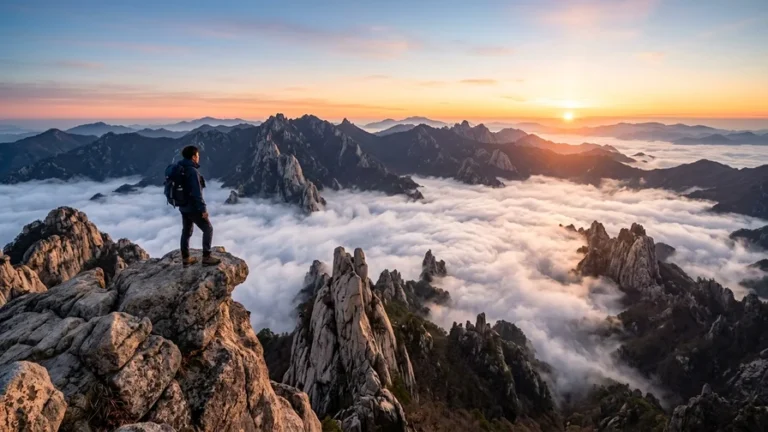
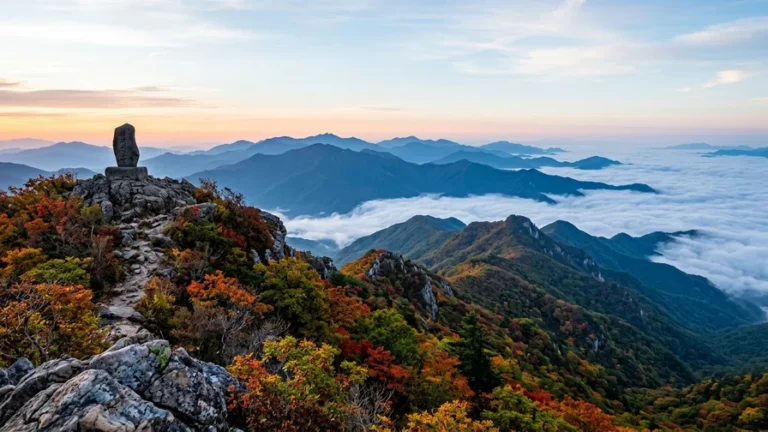
When Koreans talk about autumn foliage, the first mountain out of everyone’s mouth is Naejangsan (내장산) 📍. Sitting in Jeongeup, North Jeolla Province, this place turns its entire valley fire-red at peak season and pulls in crowds on the order of a million visitors a year. This one guide is built so that even a first-time visitor to Korea can plan Naejangsan autumn hiking end to end — starting at Jeongeup Station, climbing Seoraebong and Sinseonbong safely, and folding in the cable car plus a proper meal afterward, all on one connected route. Honestly, for a foreigner’s first Korean autumn hike, Naejangsan strikes a great balance between access and scenery.
Naejangsan at a Glance
This table is just for a fast skim. Each route and facility gets its own detailed walk-through below, so before you start navigating, tap the place names and save them to your map app first. Prices and hours shift with the season, so double-check before you go.
| Category | Details | Notes |
|---|---|---|
| Location | Naejangsan 📍, Jeongeup, North Jeolla | Bus 171 from Jeongeup Station |
| Highest peak | Sinseonbong 📍 763m | The mountain’s true highlight |
| Seoraebong route | ~5.9km, ~4 hrs, intermediate | Most popular; rocky ridge |
| Sinseonbong route | ~7.4km, ~5 hrs, upper-intermediate | Summits the highest peak |
| Cable car | Round trip 11,000 KRW (~$8) adult, 7,000 child | On-site first-come; 08:00–17:30 |
| Foliage season | Late Oct – mid-Nov | Full car ban this period |
| Entry fee | 4,000 KRW (~$3) adult, 2,000 teen, 1,000 child | Naejangsa cultural zone |
The mountain’s three stars are the highest peak Sinseonbong 📍, the knife-edge ridge of Seoraebong 📍, and the foliage hotspot Uhwajeong (우화정) 📍. Prices are as of October 2025 and can change, so confirm again before you visit.
How to Get There
Your starting point is Jeongeup Station (정읍역) 📍. Take the KTX on the Honam Line and it’s about 1 hour 40 minutes from Seoul’s Yongsan Station. When you step off at Jeongeup, head to the bus stop in the station plaza and board local bus 171 toward Naejangsan. Bus 171 starts its run from Jeongeup Station, which makes it the easiest line for foreign visitors to use. For exact intervals, last-bus times, and fares, just search “Jeongeup Station to Naejangsan” in Naver Map — it shows live bus numbers and departure times, and you can follow it straight through.
Pro tip: During peak foliage (usually late October to mid-November; in 2025 it was October 20 to November 16), cars are completely banned inside the park. Even a rental car gets stopped at the entrance during this window, so plan from the start to arrive by public transit, shuttle, and on foot, and park out on the fringe — it’s far less stressful. If you do plan to rent a car, foreigners need an International Driving Permit, and you can’t get one issued after arriving in Korea — so secure it in your home country before you fly out.
The taxi app KakaoT often requires a Korean phone number and a domestically issued card to sign up and pay, which makes it tough for short-term travelers. Grabbing a cab at the taxi stand in front of Jeongeup Station is more realistic, and for navigation you can just drop a pin on “Naejangsan” in Google Maps. For a rough budget, plan on a one-way KTX fare, the bus 171 fare (transit card accepted), and the Naejangsa adult entry of about 4,000 KRW; for any unfamiliar taxi fare, check the app estimate first.
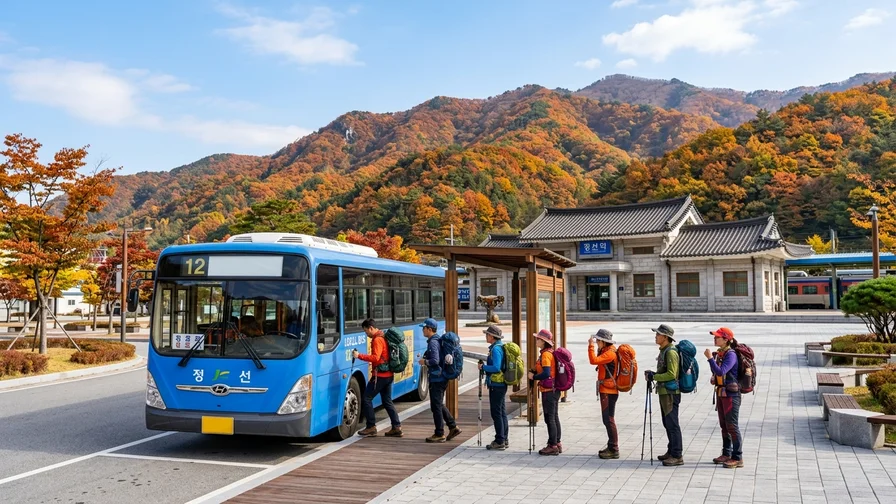
Naejangsan Autumn Hiking, Route by Route
Naejangsan splits cleanly into distinct routes. Just pick from Seoraebong, Sinseonbong, or the cable car based on your fitness and time. There are no shops or water fountains on the ridges or summits, so grab water and snacks at the trailhead — and please carry out any disposable-lunch trash with you.
The Seoraebong Route (the signature, and most popular)
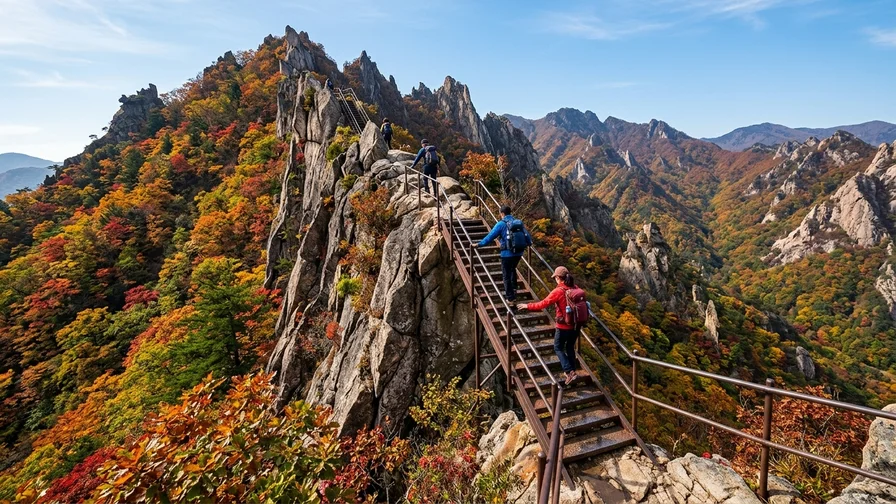
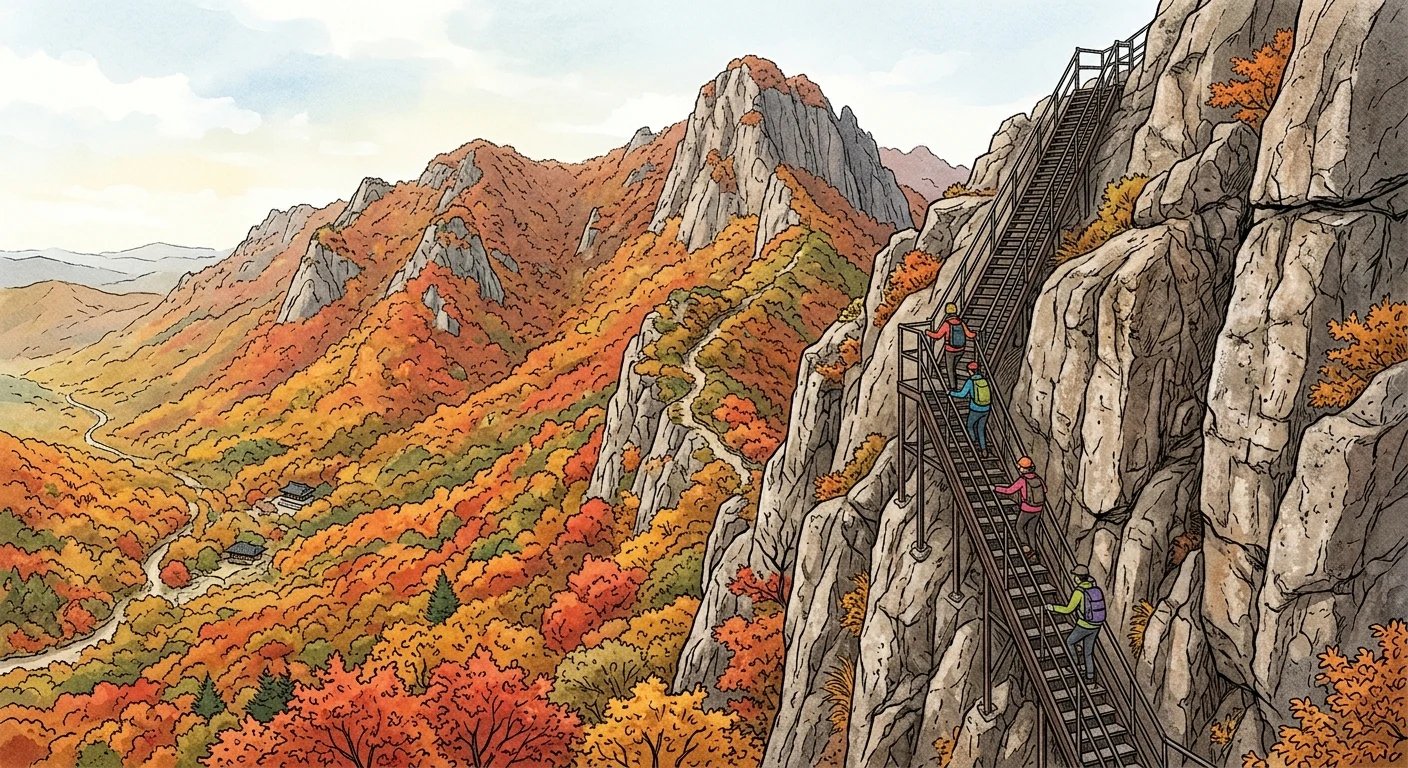
The Seoraebong (서래봉) 📍 route is the headline trail and the one most people choose. It’s a loop that starts at the Iljumun gate, runs over Seoraebong and Bulchulbong, and returns to the same gate — about 5.9km, roughly 4 hours, intermediate. Along the way you pass Byeongnyeonam and Naejangsa, so you get a temple atmosphere baked in too. The crux — the scariest stretch — is the steep metal staircases and rocky scrambles along the Seoraebong–Bulchulbong ridge. There are sections where you grip iron handrails to climb up and down, so even basic work gloves keep your hands warm and stop you from slipping. Because it’s the top pick for beginners, in foliage season you’ll move up almost in a slow queue.
The Sinseonbong Route (highest peak, the real Naejangsan)
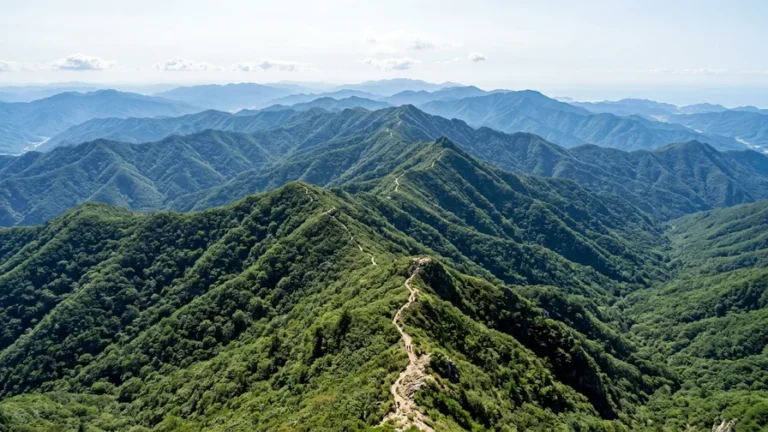
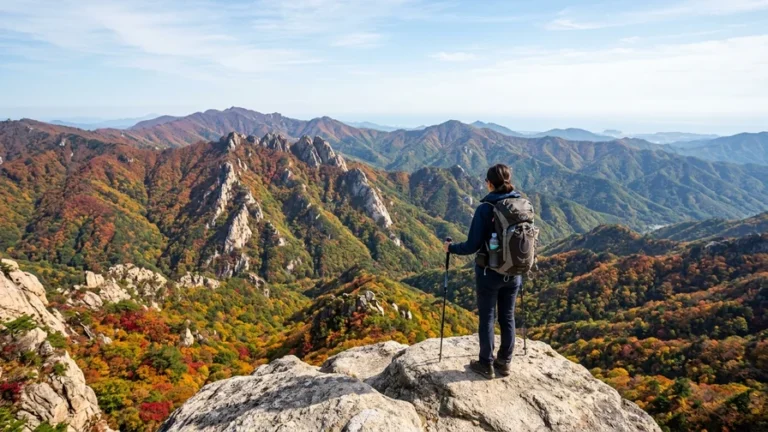
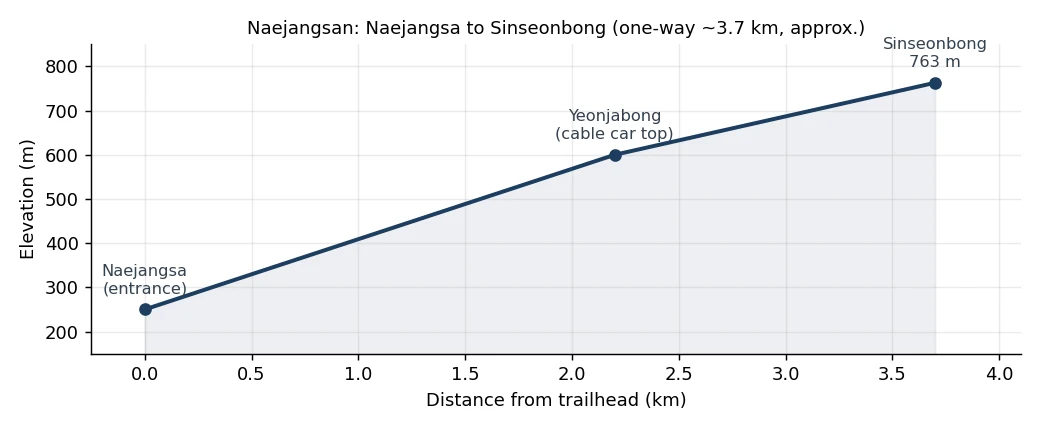
Sinseonbong (신선봉), at 763m, is Naejangsan’s highest peak. Starting from Naejangsa, the loop crosses Sinseonbong and Kkachibong before returning to Naejangsa — about 7.4km, roughly 5 hours, upper-intermediate. The view down into the foliage-filled valleys from the ridge is the mountain at its best, so we’d recommend this for anyone with time to spare and confidence in their legs. It’s a there-and-back loop, so the trailhead and exit are the same spot, which keeps your transit logistics simple. Rather than chasing a full traverse, if this is your first hike in Korea, lining up a Naejangsa start and finish on a loop means zero worry about getting lost.
The Cable Car (foliage views, no climb)
If walking feels like too much, the Naejangsan Cable Car (내장산 케이블카) 📍 is your answer. The address is 1179-11 Naejangsan-ro, Jeongeup, and from near Uhwajeong 📍 it rises to the Yeonjabong observation deck in about 5 minutes. Operating hours are 08:00 to 17:30, and round-trip fares are 11,000 KRW (~$8) for adults and 7,000 for children (as of 2025, subject to change). You buy tickets on the spot on a first-come basis without reservations, so weekend waits in foliage season get long, and operations can stop in high winds — check the weather and go up in the morning before the crowds pile in.
Editor’s tip
Ride the cable car up to the Yeonjabong deck in the morning to soak up the foliage view first, then come down and walk the Seoraebong loop — that half-day combo is clean. You can circle the Uhwajeong area in about a 10-minute walk, so the key is grabbing your cable car ticket before the noon rush hits.
What You’ll See at Naejangsan
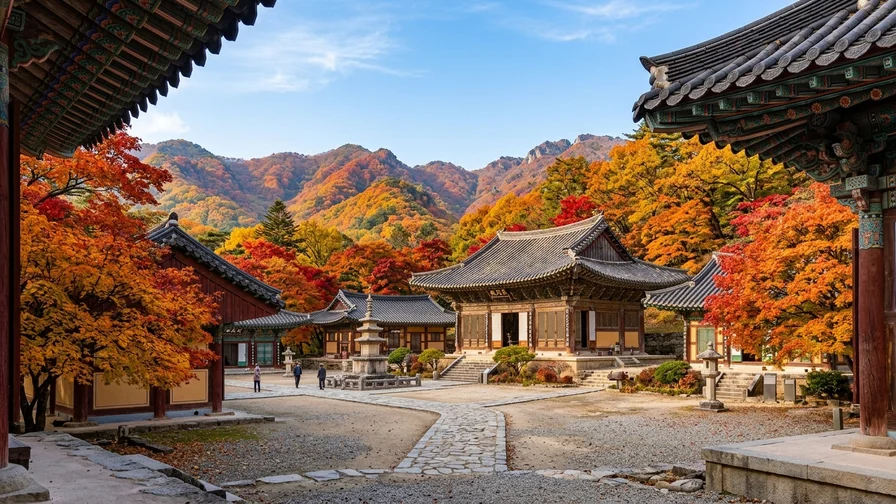
There’s too much worth seeing here to just walk a route and call it a day. The foliage, Naejangsa, Uhwajeong, and the Seoraebong ridge views are what made Naejangsan Korea’s number-one autumn destination.
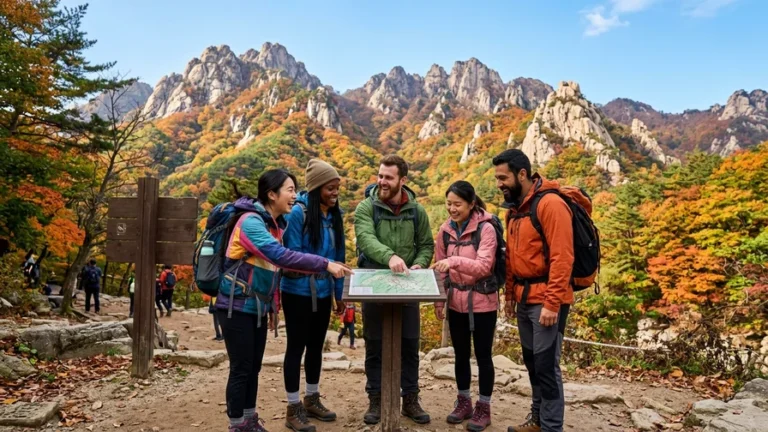
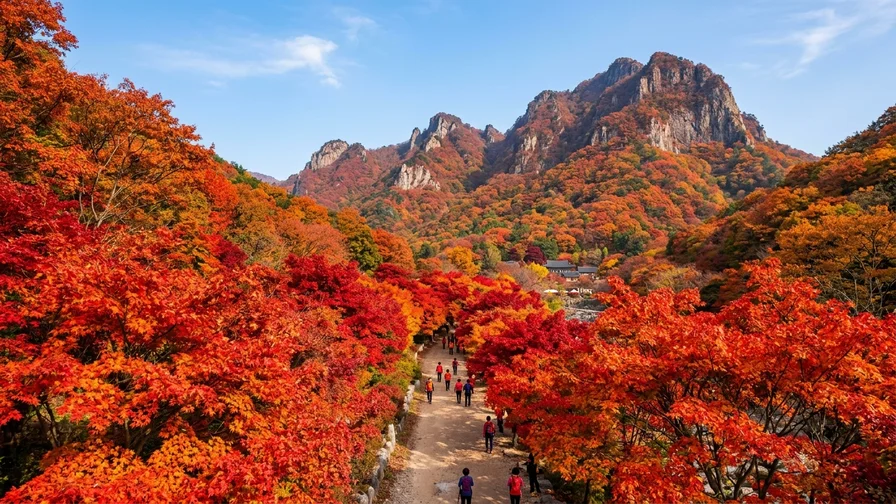
- Foliage: Peak is late October to mid-November, and the maple tunnel along the entrance road is especially famous. This is when crowds swell toward a million visitors a year, so weekday mornings are the calmest.
- Naejangsa: A temple set inside the cultural zone, included with the entry fee (4,000 KRW adult), perfect to tour alongside the foliage. It’s also the trailhead for the Sinseonbong route.
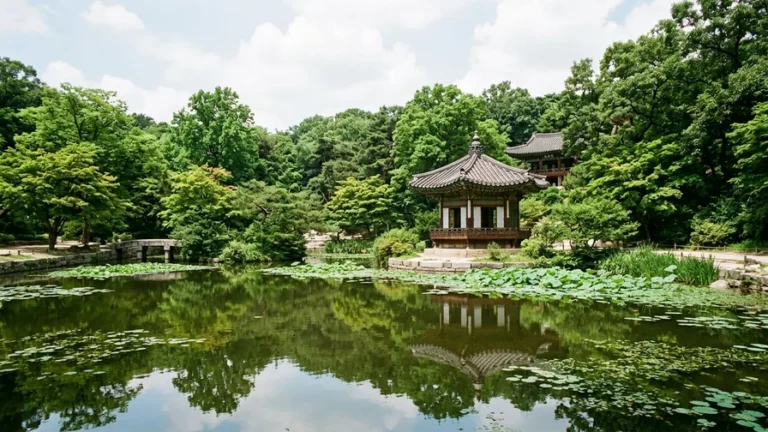
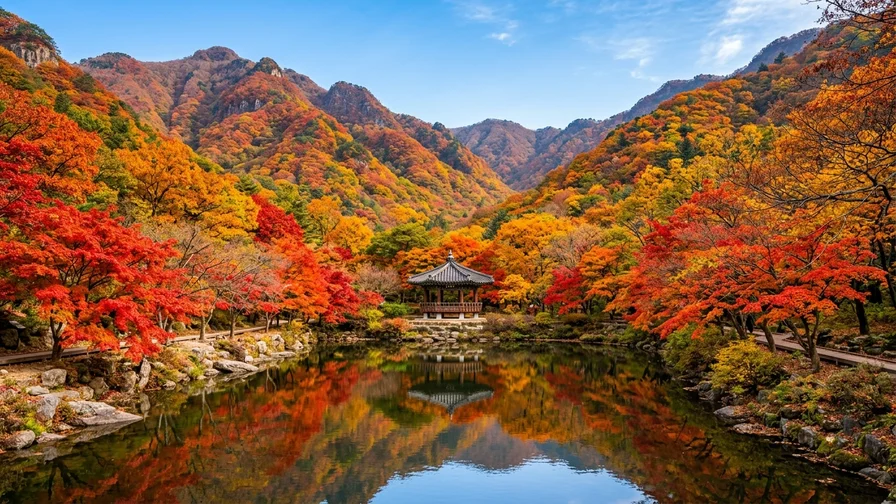
- Uhwajeong: Uhwajeong Pavilion (우화정) is a pavilion perched over a small pond, where the foliage mirrored on the water spreads out like glass — a top photo spot. It’s close to the cable car station, so it’s easy to fold into your route.
- Seoraebong ridge: The rock spires lined up like a washboard are striking, and standing on the ridge you take in a sea of red foliage and downtown Jeongeup in one sweep.
Safety, Season, and What to Pack
Naejangsan may look gentle, but the ridges have rocky scrambles that need hands-on effort, so come prepared. Here are the Korean hiking rules that foreign visitors most often miss.
- Water and drinking supply: There are no shops or water fountains on the ridges and summits. Pack at least 1 liter of water per person plus snacks at the trailhead (the Naejangsa area, trail entrances). The last flush toilets are essentially around the entrance too, with limited options on the ridge.
- Gloves and shoes: On the Seoraebong and Bulchulbong staircases and scrambles you’ll grab iron handrails, so bring at least work gloves and wear hiking shoes with good grip.
- Winter ice: In late autumn and winter the rocky ridges freeze and get slippery, so pack crampons; some sections may be closed when icy.
- Wildfire-season closures: Korea’s national parks frequently close high-elevation trails during the spring (typically March–May) and autumn (November–December) wildfire-prevention periods. Foreign visitors often don’t know about this and end up turning back, so before your hike, check closure status via the Naejangsan National Park overview and the Korea National Park Service notices.
- Crowd planning: In foliage season the place gets intensely busy, on the order of a million visitors a year. If you’re aiming for a dawn start, the safe move is staying in downtown Jeongeup the night before and catching the first bus in.
After the Hike: Jeongeup’s Mountain-Vegetable Feast
Come down off the mountain and Jeongeup’s signature sanchae jeongsik — a mountain-vegetable set meal — is waiting. It’s a mostly vegetarian spread of various wild greens with soybean-paste stew, rice, and a full table of side dishes, which makes it a welcome option for vegetarian travelers too. That said, some side dishes may use salted seafood or anchovy broth, so if you’re strictly vegetarian, ask ahead.
- Naejangsan Myeongingwan (내장산 명인관) 📍: A Korean set-meal restaurant in Naejang-dong, Jeongeup, with the sanchae jeongsik table as its signature. Great for refueling properly after a hike.
- Gwangju Daegwol Sikdang (광주대궐식당) 📍: At 46-13 Naejang-dong, in the restaurant strip near the Naejangsan entrance, so it ties directly into your descent route. They do sanchae bibimbap and set meals.
- Hanguk Gwan (한국관) 📍: A restaurant at 53-11 Naejang-dong, a Korean set-meal spot popular with groups and families.
Pricing for sanchae jeongsik typically runs 15,000 to 20,000-something KRW per person (~$11–15) and can change, so confirm before you go. Plenty of traditional eateries and old-school spots are cash-only without card acceptance, so keeping a little cash on hand is the safe call. English menus may not exist, so using the menu photos on Google Maps makes ordering much smoother. Over toward downtown Jeongeup, you can also search up Jayeonae Sanchae Village 📍 for wild-greens dining.
One note on local goods: Processed foods like wild greens and pickled side dishes keep at room temperature and make good souvenirs, but meat, vacuum-packed meat, and fresh produce are blocked from import by most countries’ quarantine rules — so if you’re thinking of taking some home, keep it to enjoying them within Korea.
Frequently Asked Questions
When is Naejangsan autumn hiking at its peak?
Usually late October to mid-November. That said, it shifts about a week earlier or later each year depending on temperatures, so check the forecast and the national park’s foliage updates before you set out. Cars are restricted during this window, so go by public transit.
A full climb is too much for me — can I just see the foliage?
The cable car is the answer. From near Uhwajeong it rises to the Yeonjabong deck in about 5 minutes, where you can look down over the foliage-filled valleys. It’s 11,000 KRW round trip for adults with on-site, first-come ticketing, so going in the morning means a short wait.
Between Seoraebong and Sinseonbong, which is better for beginners?
The roughly 4-hour, intermediate Seoraebong route is the popular entry-level pick. But there are metal staircases and rocky scrambles on the ridge, so gloves and hiking shoes are essential. If you want to bag the highest peak and feel fit, go with the Sinseonbong route (about 5 hours).
How much are entry and parking fees?
Naejangsa cultural-zone entry is 4,000 KRW for adults, 2,000 for teens, and 1,000 for children (as of October 2025). Peak-season parking is 5,000 KRW for small/midsize cars, but during the foliage car ban you can’t park inside the park, so you’ll park on the fringe and walk in.
Fold the map away for a moment, hop on bus 171 at Jeongeup Station, and just walk this route once — it flows. Before you leave, just re-confirm the cable car hours, the foliage peak window, and the road-closure dates through official notices, and your prep is solid. If you want to compare Korea’s other famous peaks and pick your first hike, get the big picture from our Hiking Mountains in Korea, How to Pick Your First Peak.
Related reads in this series
- Hiking Mountains in Korea, How to Pick Your First Peak
- Bukhansan by Subway from Seoul — Baegundae Route and How to Get There
- Seoraksan from Sokcho — Cable Car to Daecheongbong Peak
- National Park Trekking in Korea, Reservations, Closures and Shelters
- Reach Korean Mountains by Public Transport, No Car Needed
- Hot Springs After Hiking — Recovery Spots Near Korea's Peaks
- Jirisan Hiking — Trails and Access from Nogodan to Cheonwangbong
- Hallasan Hiking to Baengnokdam via Seongpanak and Gwaneumsa
- Sobaeksan Hiking — Shortest Route to Birobong Peak and the Azalea Ridge
- Baekdudaegan Mountain Range, Korea's Spine and One Hike