Jeju Volcanic Island and Lava Tubes (UNESCO 2007)
목차
- What Makes Up the World Heritage Site: Three Areas, Not Just Caves
- The Geomunoreum Lava Tube System: Eight Caves
- Visiting Manjanggul: A Detailed Guide (Based on the 2026 Reopening)
- Inside the Cave: Viewing Highlights and What to Bring
- Geomunoreum Trekking: A Reservation-Only Course
- Getting There: How to Reach Manjanggul
- Restaurants Near Manjanggul
- Practical Information for International Travelers
- Tips by Season
- Frequently Asked Questions (FAQ)
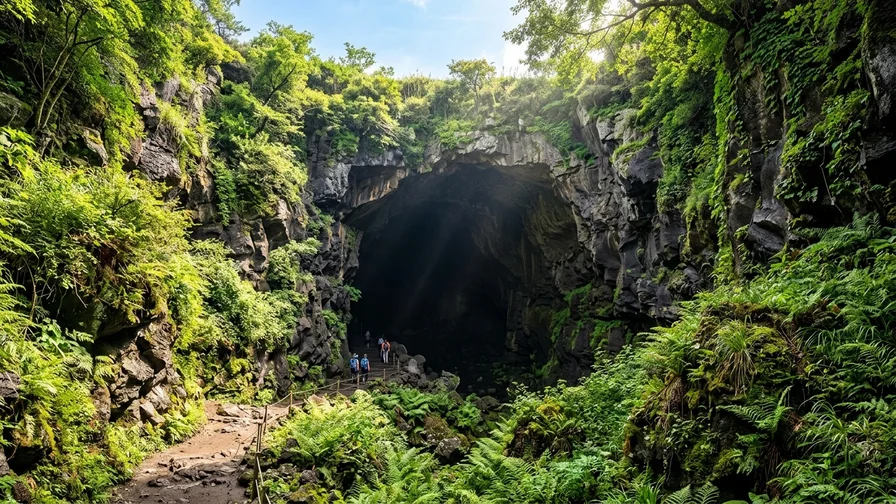
Jeju Volcanic Island and Lava Tubes was inscribed on the UNESCO World Natural Heritage list in 2007. It is Korea’s only natural World Heritage site (UNESCO official inscription page). The heritage consists of three areas: the Hallasan Natural Reserve, Seongsan Ilchulbong, and the Geomunoreum Lava Tube System. Of these, the only spot where ordinary visitors can actually walk inside a cave is the roughly 1 km open section of Manjanggul Cave. Manjanggul was closed for 2 years and 5 months following a rockfall accident in December 2023, and reopened on May 30, 2026. This guide pulls together practical information for visiting the reopened Manjanggul and the Geomunoreum trail.
- Key info: Manjanggul fully reopened on May 30, 2026. New viewing decks have been installed along the entire 1 km open section, reducing the strain of walking. Check the official site or call (+82-64-710-7903) for the latest operating details.
- Accessible area: Only Section 1 of Manjanggul (about 1 km) is open. The rest of the caves are off-limits for research and preservation.
- Essentials: The Geomunoreum trail requires 100% advance reservation (closed every Tuesday). Manjanggul’s interior stays at 11–21°C year-round. Long sleeves and shoes with good grip are recommended.
What Makes Up the World Heritage Site: Three Areas, Not Just Caves
“Jeju Volcanic Island and Lava Tubes” is not a single attraction but a cluster of three areas spanning a total of 18,846 hectares. When planning your itinerary, treat the three as separate stops.
- Geomunoreum Lava Tube System: The star of this guide. Manjanggul (viewing) and Geomunoreum (trekking) belong here, located in the Gujwa-eup and Jocheon-eup areas in the eastern part of Jeju City.
- Seongsan Ilchulbong: A hydrovolcanic cone rising out of the sea. Admission to the summit trail is KRW 5,000 (about $3.6) for adults and KRW 2,500 for youths. Open 07:30–19:00, with ticket sales closing at 18:50, and closed on the first Monday of each month (as of June 2026). It’s about a 30-minute drive from Manjanggul, making it easy to bundle into an eastern-Jeju itinerary.
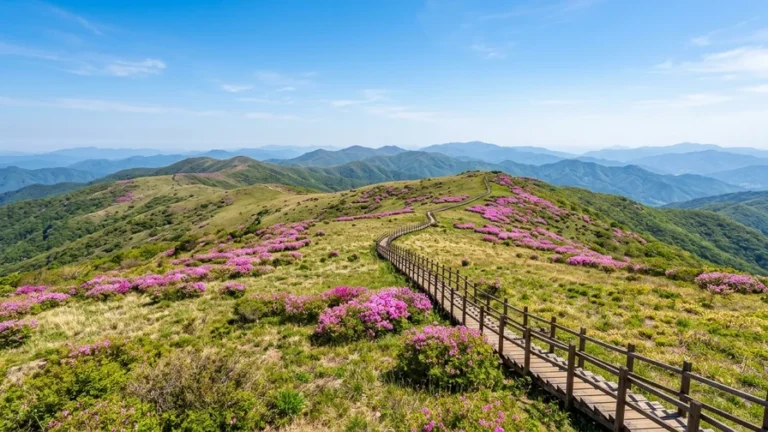
- Hallasan Natural Reserve: The Seongpanak and Gwaneumsa trails that lead to the Baengnokdam summit operate on a reservation system. Book through the Hallasan trail reservation system (visithalla.jeju.go.kr) starting at 09:00 on the 1st of the month before your hike, and enter with the issued QR code. Same-day on-site booking isn’t available, so planning a month ahead is essential.
The Geomunoreum Lava Tube System: Eight Caves
The Geomunoreum Lava Tube System is a collection of caves formed roughly 100,000 to 300,000 years ago as lava from the Geomunoreum eruption flowed and cooled. At the time of inscription in 2007 it comprised five caves; in 2018, three upstream caves (Utsanjeongul, Bukoreumgul, and Daerimgul) were added through an extension, bringing the total to eight.
- Manjanggul Cave
- Gimnyeonggul Cave
- Bengdwigul Cave
- Yongcheondonggul Cave
- Dangcheomuldonggul Cave
- Utsanjeongul Cave — extension inscription in 2018
- Bukoreumgul Cave — extension inscription in 2018
- Daerimgul Cave — extension inscription in 2018
- Their high academic value means they are strictly protected.
- Gimnyeonggul: Its winding, snake-like S-shaped passage earns it the nickname “Sagul (Snake Cave).” A lava waterfall about 2 m high remains frozen in place at the cave’s end.
- Yongcheondonggul: A unique structure where lava-tube features coexist with limestone-cave features (stalactites and stalagmites).
- Public access is strictly limited to Manjanggul alone. Visiting Jeju’s “lava tubes” effectively means walking the open 1 km section of Manjanggul.
Visiting Manjanggul: A Detailed Guide (Based on the 2026 Reopening)
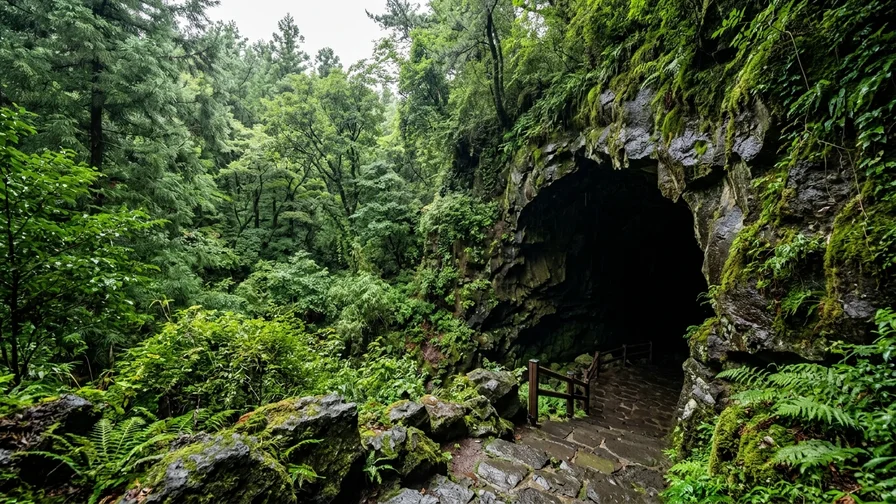
- It is a large lava tube about 7.4 km long in total.
- For safety and preservation, only a round-trip walk from the second entrance to about the 1 km point is permitted.
- The 2026 reopening renovations (a total of KRW 12.1 billion invested) added viewing decks along the entire open section and reinforced safety facilities in rockfall-prone areas.
- The lighting was switched to low-intensity LEDs to protect the cave’s ecosystem. The atmosphere is preserved, but it stays fairly dark.
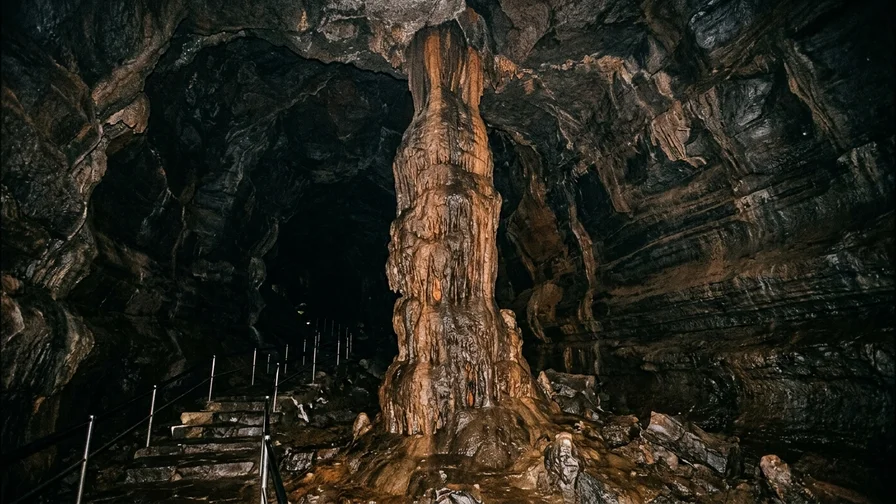
- The one thing you must see: The roughly 7.6 m lava column at the very end of the open section. Formed when lava poured down from an upper tube and hardened into a pillar connecting the ceiling and floor, it is believed to be the largest of its kind in the world. The reason you walk that 1 km lies in this final sight.
Manjanggul Basic Information (as of June 2026)
| Item | Details |
|---|---|
| Address | 182 Manjanggul-gil, Gujwa-eup, Jeju-si, Jeju-do (Google Maps) |
| Operating Hours | 09:00 – 18:00 (ticket sales close at 17:00) |
| Regular Closing Day | The first Wednesday of each month |
| Admission |
|
| Time Needed | About 50 minutes to 1 hour round trip |
| Phone | +82-64-710-7903 |
Cave Guided Programs
Before the closure, a free guided program was offered. Whether it will run after reopening, and its timing, hasn’t been consistently announced yet, so if you’d like a guided walk, it’s best to confirm with the Manjanggul management office (+82-64-710-7903) before your visit. For general Jeju tourism information, see visitjeju.net.
Inside the Cave: Viewing Highlights and What to Bring
How Lava Tubes Form
Manjanggul formed as hot lava flowed along the surface of the ground. The surface met the air and hardened quickly while the hotter lava beneath kept flowing toward the sea. After the lava inside drained away, the hardened surface remained like a shell, forming a tunnel-shaped cave. This process created a variety of geological features.
- Lava Stalactites: Formed when ceiling lava melted, dripped, and hardened, hanging like icicles.
- Lava Shelves: Shelf-shaped structures on the cave walls, marking changes in the lava level inside.
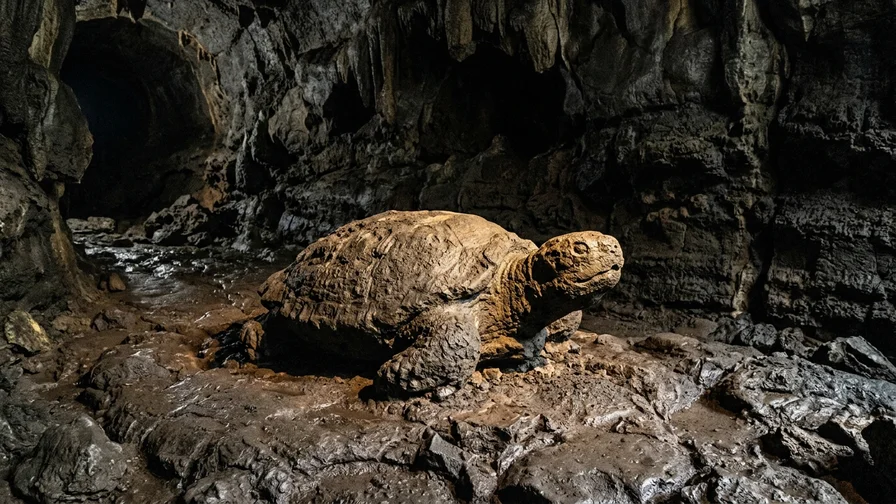
- Stone Turtle: A rock where lava hardened into a particular shape, resembling the outline of Jeju Island.
- Lava Column: The roughly 7.6 m giant pillar at the end of the open section, where ceiling and floor lava met and hardened. It is the symbolic structure of Manjanggul.
Interior Conditions and Safety Tips
The inside of Manjanggul stays almost constant regardless of the weather outside.
- Temperature: 11°C–21°C year-round. Very cool in summer, and you may feel cold during a long stay; warmer than outside in winter.
- Humidity and floor conditions: Humidity is high and water keeps dripping from the ceiling. The 2026 reopening renovations laid viewing decks that make walking easier than before, but surfaces can be wet.
- Lighting: Dim, to protect the cave’s ecosystem.
Packing tip: A light waterproof jacket or long-sleeved top is essential regardless of season. High heels, slippers, and high-heeled shoes are not recommended. Sneakers or trekking shoes with good grip are best.
Geomunoreum Trekking: A Reservation-Only Course
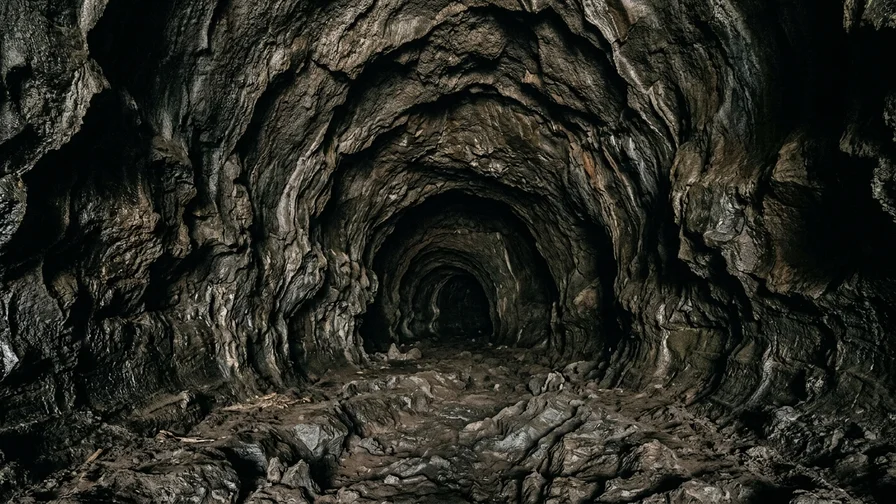
A trek up Geomunoreum (Google Maps), the volcanic cone that is the source of Manjanggul, requires an advance reservation. To protect the natural heritage, the number of visitors is capped at 450 per day and 50 per session. Departure times run at 30-minute intervals between 09:00 and 13:00 (as of June 2026).
- Reservation required: Book from 09:00 on the 1st of the month before your visit until 17:00 the day before your desired date. Weekends and public holidays fill up early. Groups of 20 or more can book by phone only (+82-64-710-8980).
- Where to book: Jeju World Natural Heritage Center trail reservation page
- Visitor center: Jeju World Natural Heritage Center (Google Maps), 569-36 Seongyo-ro, Jocheon-eup, Jeju-si. It has an exhibition hall and a 4D theater, making it a good stop before or after your trek.
- Closing day: Every Tuesday (a day of natural rest)
- Trail fee: KRW 2,000 for adults, KRW 1,000 for youths, children, and military personnel (as of June 2026)
- Trail courses:
- Summit course: About 1.8 km, takes around 1 hour. A shortened course to the summit and observatory.
- Crater course: About 5.5 km, takes around 2 hours 30 minutes. Passes through the crater interior. The most popular course, passing a lava gorge, wind holes, a charcoal kiln site, and a vertical cave.
- Full course: About 10 km, takes around 3 hours 30 minutes. A complete loop that circles the ridge.
- Guided accompaniment: A guide used to be mandatory, but self-guided walks without a guide are now allowed too. Check how each course is operated when you book.
- Notes: Arrive at the visitor center at least 20 minutes before your reserved time. Hiking shoes or comfortable sneakers are essential. No food allowed inside.
Getting There: How to Reach Manjanggul
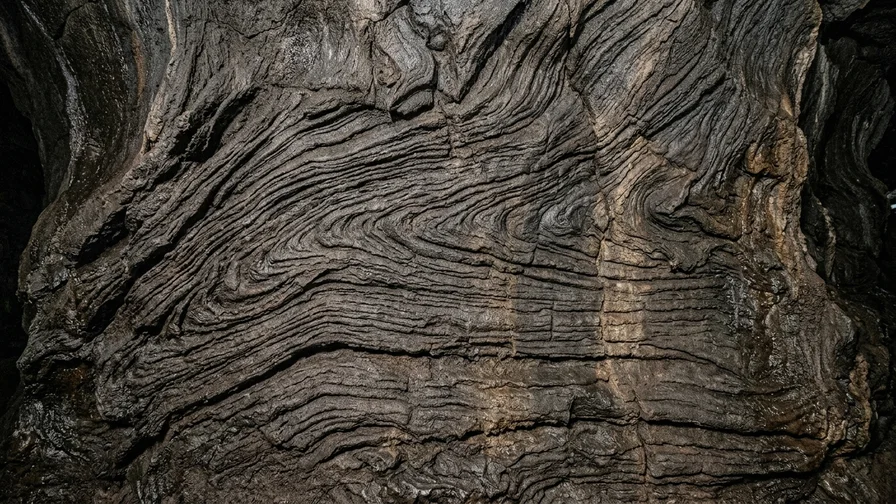
Manjanggul is located in Gujwa-eup, in the eastern part of Jeju City. It’s about 40 km from Jeju International Airport. There is no direct bus that goes straight from the airport to Manjanggul — one transfer is required.
1. By Bus (as of June 2026)
- Route A (recommended from the airport): Take the express No. 101 bus from the Jeju International Airport stop → get off at Gimnyeong Transfer Stop (about 1 hour) → transfer to the branch No. 711-1 bus → get off at the Manjanggul stop (about 10 minutes). The No. 101 doesn’t stop at Manjanggul, so a transfer is essential.
- Route B: Take the trunk No. 201 bus from Jeju Bus Terminal → get off at the Manjanggul Entrance stop → walk about 2.5 km to the Manjanggul ticket office (30–35 minutes, uphill). If you’d rather not walk, call a taxi from the stop.
- Fare: KRW 1,200 cash / KRW 1,150 with a transit card for trunk and branch buses (about $0.9). The express No. 101 is distance-based (base fare KRW 2,000). With a transit card, you get a transfer discount if you board the next bus within 40 minutes of getting off.
- Note: The No. 711-1 runs only a few times a day. Before leaving, be sure to check the timetable on the Jeju Bus Information System (bus.jeju.go.kr) or real-time arrival info on Naver Map or KakaoMap.
2. By Rental Car
The most convenient and flexible option, and easy to combine with other eastern attractions.
- Time needed: About 50 minutes to 1 hour from Jeju International Airport.
- Navigation address: 182 Manjanggul-gil, Gujwa-eup, Jeju-si
- Parking: A large free parking lot is available at the entrance.
- Important: Foreigners who drive must carry a valid International Driving Permit (IDP). You cannot rent with only your home-country license.
Restaurants Near Manjanggul
There are hardly any restaurants right in front of the Manjanggul ticket office. The reliable ones cluster in Gimnyeong village and toward Deokcheon, a 5–10 minute drive away. Here are five (as of June 2026).
- Daebok Haejangguk 📍: 132 Gimnyeong-ro. Their signature is gosari yukgaejang (KRW 11,000) — a spicy soup of Jeju bracken fern and pork simmered until the meat shreds along the grain; haejangguk is a hearty Korean breakfast soup rice. Open 07:00–15:00, perfect for breakfast before heading to Manjanggul. Closed Mondays.
- Gimnyeong Jeju Heukdwaeji Jeongyuk Sikdang 📍: 28 Gimnyeong-ro 4-gil. A charcoal-grilled black-pork spot that doubles as a butcher shop, slicing the meat to order. Jeju black-pork ogyeopsal is KRW 20,000 — ogyeopsal is pork belly with the skin left on, prized for its chewy texture. 11:00–21:00, closed Wednesdays.
- Haenyeo Maeul Swimteo 📍: 32-2 Gimnyeonghang 3-gil, near Gimnyeong Port. A raw-fish restaurant with seafood pulled fresh from the tanks. Hoedeopbap is KRW 12,000, braised live rockfish KRW 15,000 — hoedeopbap is a rice bowl topped with raw fish and vegetables, mixed with sweet-and-spicy gochujang. 11:00–21:00, closed Wednesdays.
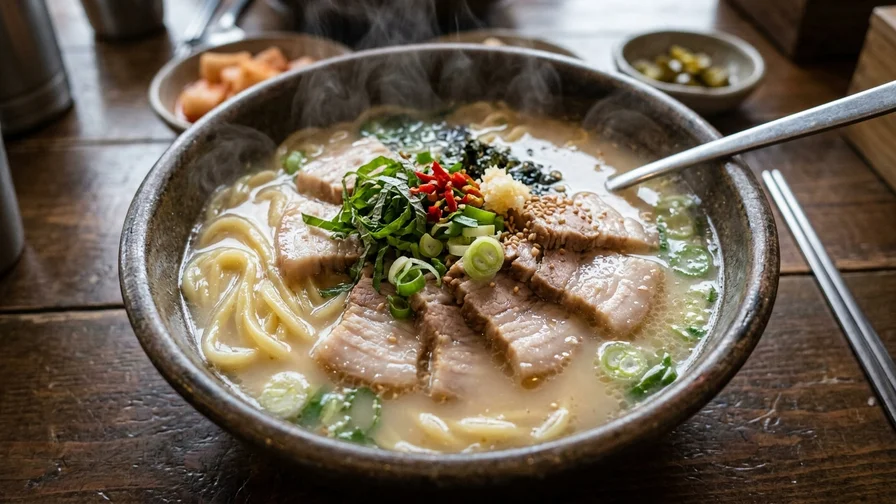
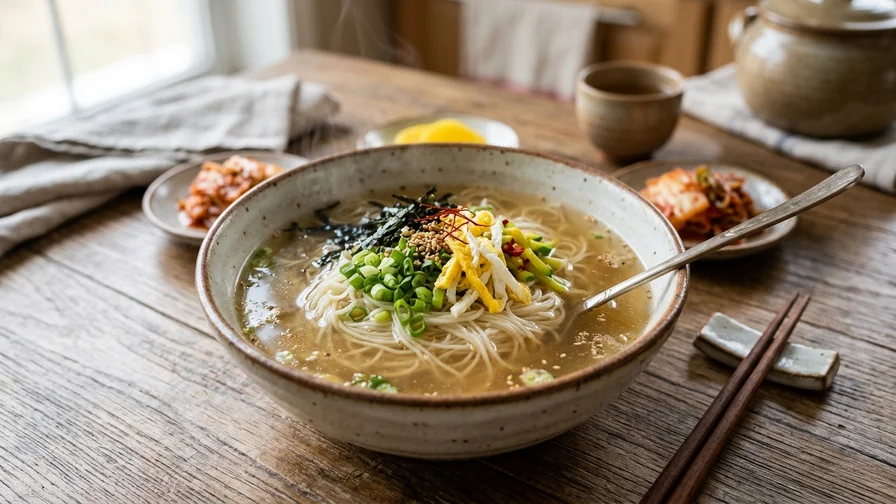
- Jeju Batdam Gogi-guksu Myeolchi-guksu 📍: 55-87 Gimnyeong-nam 8-gil. A specialist in Jeju-style Jeju Pork Noodle Soup (고기국수, gogi-guksu) (Jeju’s signature noodles in a pork-bone broth topped with boiled pork slices) and Anchovy Broth Noodles (멸치국수, myeolchi-guksu) (anchovy-broth noodles). Each is around KRW 10,000. Open 11:00–15:00 only, and may close early when ingredients run out, so visit early for lunch.
- Seul Seul Slow 📍: 207 Deokhaeng-ro, about a 10-minute drive from Manjanggul. Specializes in dombae-gogi (Jeju-style boiled pork sliced on a cutting board) rice bowls and dombae ramen (KRW 13,000). A fusion style that places Jeju black pork over a Japanese rice-bowl vibe. 11:30–19:00, closes when ingredients run out.
Practical Information for International Travelers
- Ride-hailing apps: Kakao T and Uber often require verification with a Korean mobile number and a Korean-issued card, making them hard for foreigners to use. Hailing one on the street or booking through your hotel is easier.
- International Driving Permit (IDP): To rent a car, you must carry a valid IDP issued by a country party to the Geneva or Vienna Convention.
- Travel support: If you need help, use the 1330 Korea Travel Helpline (+82-2-1330) run by the Korea Tourism Organization. It provides interpretation in English, Chinese, Japanese, and more, plus tourist information 24 hours a day.
- Payment: Most restaurants and shops accept credit cards. Topping up a transit card and small traditional markets require cash (KRW). It’s wise to keep some small bills on hand.
Tips by Season
- Summer (June–August): Even when it’s over 30°C outside, the interior stays cool at around 15°C. It’s a top spot to escape the heat, but watch out for catching a chill from the temperature gap — a light jacket is a must.
- Winter (December–February): Jeju winters bring strong winds and cold. The cave interior is warmer than outside, making it a good place to escape the cold.
- Rainy days: An indoor attraction barely affected by the weather. An ideal place to visit in rain or strong winds.
Frequently Asked Questions (FAQ)
- Can I visit Manjanggul right now?
Yes. It was closed for 2 years and 5 months after a rockfall accident in December 2023, then reopened on May 30, 2026. It is now operating normally (closed the first Wednesday of each month). It may be temporarily closed due to typhoons or other weather, so calling (+82-64-710-7903) just before your visit is recommended. - Does Manjanggul also require an advance reservation like Geomunoreum?
No. You can visit Manjanggul without a reservation by buying a ticket on-site. The Geomunoreum trail courses are what require an advance reservation. - Can I enter with a wheelchair or stroller?
Only to a limited degree. The 2026 reopening laid viewing decks along the entire open section, making walking inside much easier, but the staircase section at the entrance leading down into the cave remains unchanged. Reports suggest strollers can be used once past the stairs, but wheelchairs are still difficult. Call ahead to confirm whether you’ll need assistance. - Are there restrooms inside the cave?
No. Restrooms are located only at the ticket office and the building at the parking-lot entrance. Be sure to use them before entering. - Is photography allowed?
Yes. However, tripod use and excessive flash may be restricted to protect the ecosystem. The dark environment can make shake-free shots difficult. - Are there other places to visit near Manjanggul?
Yes. Within a 10–15 minute drive you’ll find Bijarim Forest (Google Maps), Gimnyeong Maze Park (Google Maps), and Woljeongri Beach (Google Maps), making it easy to plan a combined trip.
Related Reads on This Topic
- 17 UNESCO World Heritage Sites in Korea
- The 40 Royal Tombs of the Joseon Dynasty (UNESCO 2009)
- Haeinsa Janggyeong Panjeon & Tripitaka Koreana (UNESCO 1995)
- Gyeongju UNESCO World Heritage (1995, 2000)
- 9 Korean Seowon Confucian Academies (UNESCO 2019)
- Jongmyo Shrine (UNESCO 1995)
- Changdeokgung Palace & Secret Garden (UNESCO 1997)
- Suwon Hwaseong Fortress & Haenggung Palace (UNESCO 1997)
- Gochang, Hwasun & Ganghwa Dolmen Sites (UNESCO 2000)
- Andong Hahoe & Gyeongju Yangdong Villages (UNESCO 2010)
- Namhansanseong Fortress (UNESCO 2014)
- Baekje Historic Areas (UNESCO 2015)
- Sansa, 7 Buddhist Mountain Temples in Korea (UNESCO 2018)
- Getbol, Korea's 4 Tidal Flats (UNESCO 2021)
- Gaya Tumuli, 7 UNESCO Sites (UNESCO 2023)
- Bangudae Petroglyphs (UNESCO 2025)