The Joy of Buying Banchan — Banchan Shops at Gwangjang and Mangwon Market
Contents
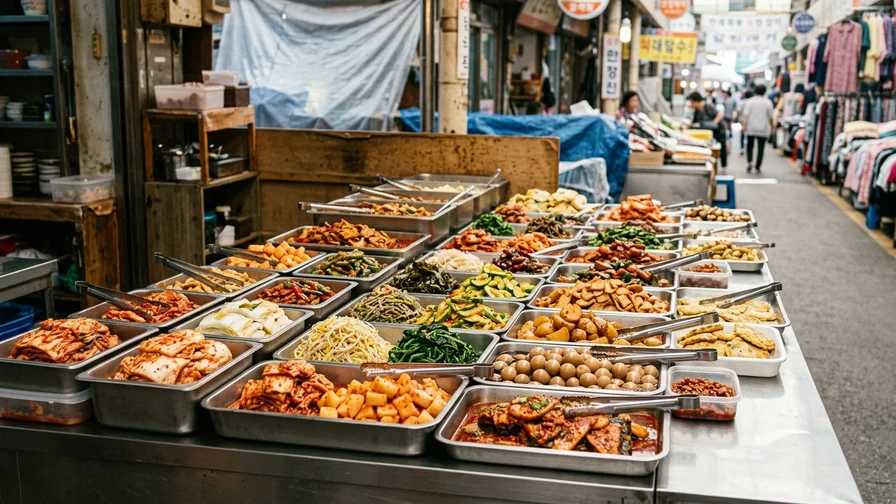
A Korean home-cooked meal is built around rice, soup, and an assortment of side dishes. Visiting local restaurants while traveling is great, but if you want to experience the meals Korean families eat every day, a banchan shop is your best bet. A Korean banchan shop sells dozens of ready-made side dishes in small portions, and it’s where locals shop to prepare a week’s worth of meals.
Quick Summary
- Banchan shop: a store selling ready-made side dishes by the pack, with dedicated clusters in most markets
- Budget: small packs run 3,000–5,000 KRW; 4–5 packs plus instant rice from a convenience store feeds a family of four for about 28,000 KRW per meal
- Recommended markets: Gwangjang Market (jeotgal and kimchi specialists), Mangwon Market (small portions and snacks), Tongin Market (the brass-coin lunchbox experience)
- Note: many shops close on Sundays or Mondays, and Tongin Market shuts down entirely on the third Sunday of each month
- Information basis: all prices and hours in this article were verified as of June 2026
Banchan Basics: What to Buy and How
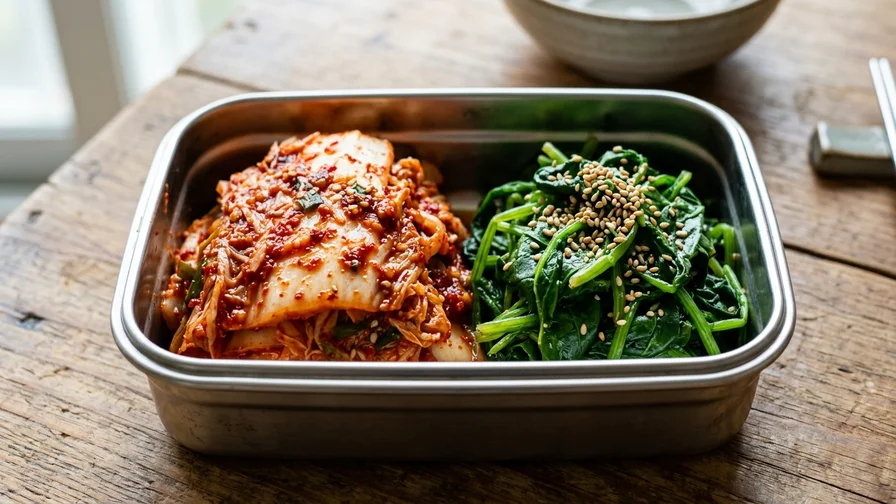
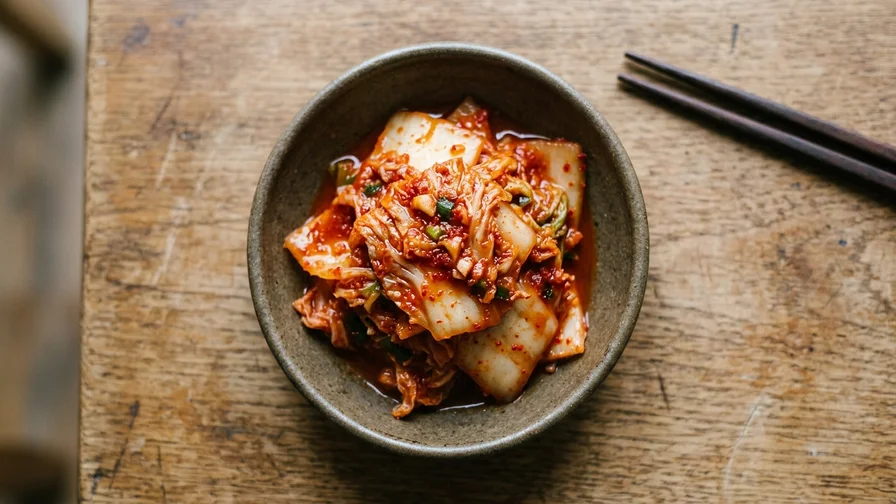
Banchan refers to any kind of side dish eaten alongside rice. From kimchi and seasoned greens to stir-fries and braised dishes, the variety is enormous, and banchan is the heart of the Korean table. At a Korean banchan shop you can buy all of these ready to eat. If you’d like to learn more about what each dish actually is, take a look at our 12 essential banchan as well.
Common Types of Banchan
Here’s a list of the side dishes you’re most likely to come across at the market. Most shops don’t have English signage, so it helps to show a photo of what you want or to know its name.
| Korean Name (Romanized) | Description | Characteristics |
|---|---|---|
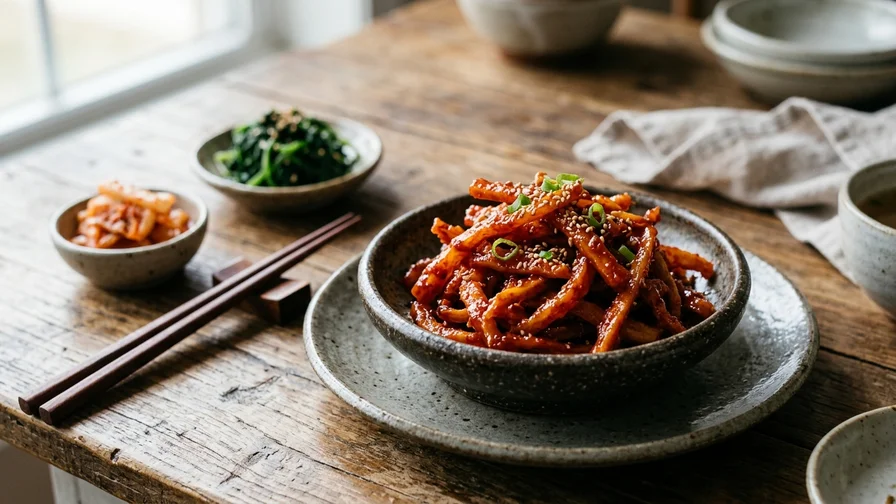
| Jinmichae Bokkeum | Dried squid, shredded thin and stir-fried in a gochujang sauce | Sweet and spicy, with a chewy texture |
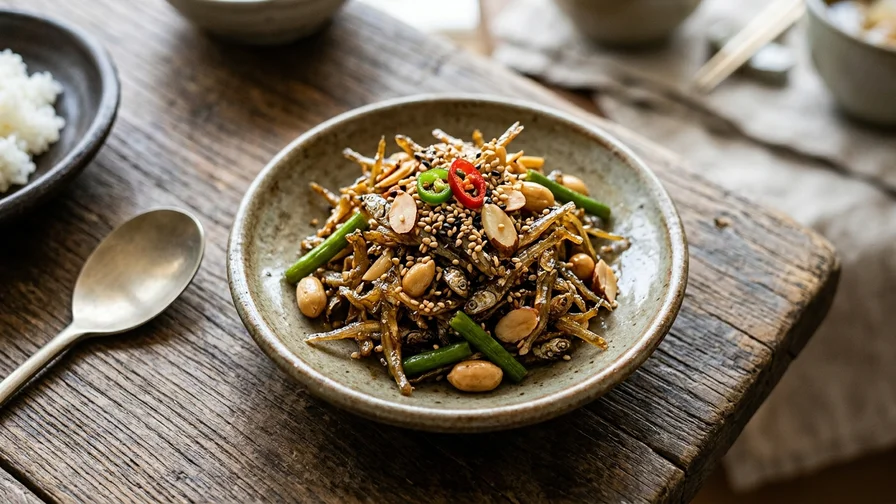
| Myeolchi Bokkeum | Small anchovies stir-fried in a soy or gochujang sauce, sometimes with nuts like peanuts or walnuts mixed in | Salty and savory with a crisp bite (note for nut allergies) |
| Kkaennip Jangajji | Perilla leaves pickled in a soy-based marinade | Distinctive aroma, salty flavor |
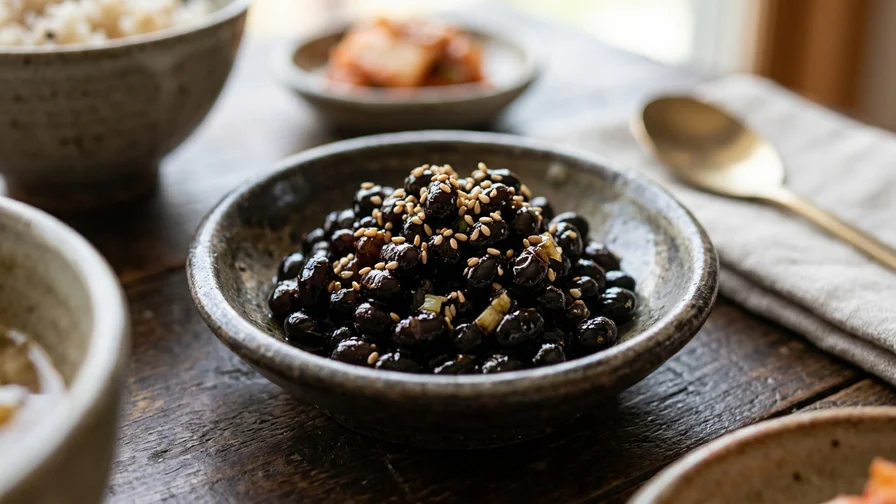
| Kongjaban | Black beans braised in soy sauce and sugar | Sweet and salty |
| Maneuljjong Muchim | Garlic scapes tossed in a gochujang sauce or pickled in soy sauce | Crunchy texture, either spicy or salty |
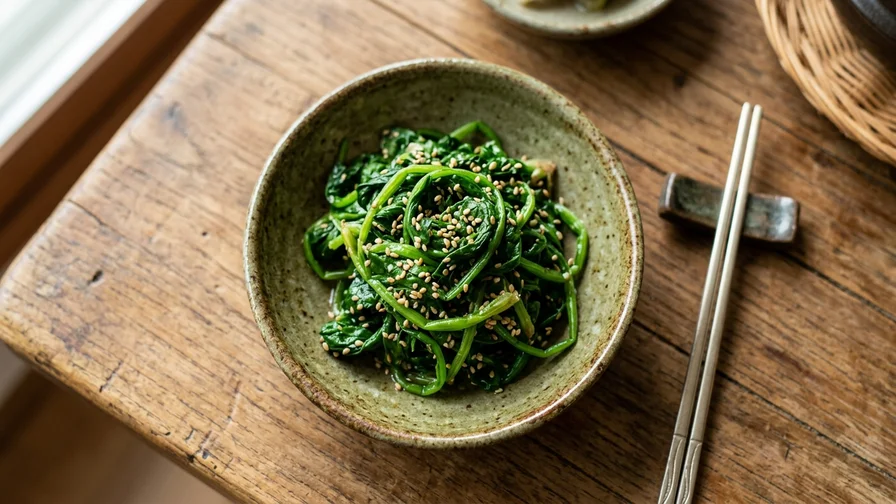
| Sigeumchi Namul | Spinach blanched and seasoned with salt, sesame oil, and sesame seeds | Light and nutty (can be vegetarian) |
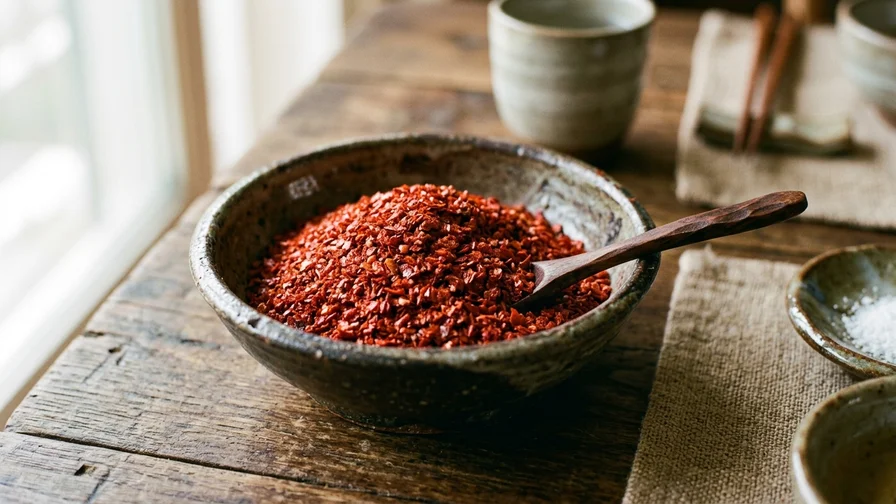
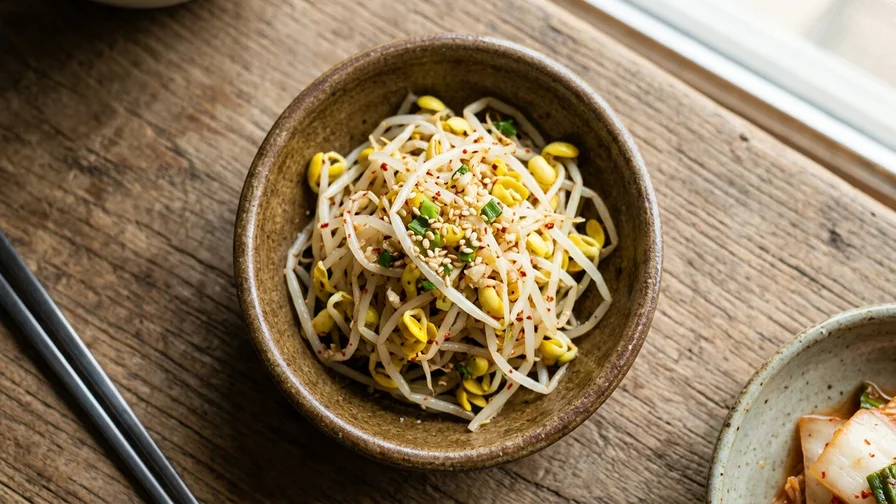
| Kongnamul Muchim | Soybean sprouts blanched and seasoned with salt or red pepper flakes | Crunchy texture, refreshing taste (can be vegetarian) |
Price Guide (as of June 2026)
Market banchan shops usually sell by the pack (container) rather than by weight (per 100g). Prices vary a bit from market to market and shop to shop, but here are the general ranges.
- Small pack (100g–200g): 3,000–5,000 KRW. Good for a single meal for one or two. Bundle deals like “4 packs for 10,000 KRW” are common.
- Large pack or bag (400g–500g): around 5,000–10,000 KRW. Enough for a family of three or four for one or two servings.
- Kimchi: usually sold by the kilogram at markets, with 1.5kg (about one head of cabbage) running 15,000–25,000 KRW. Small packs are also available.
Gwangjang Market: Home Base for Kimchi and Jeotgal
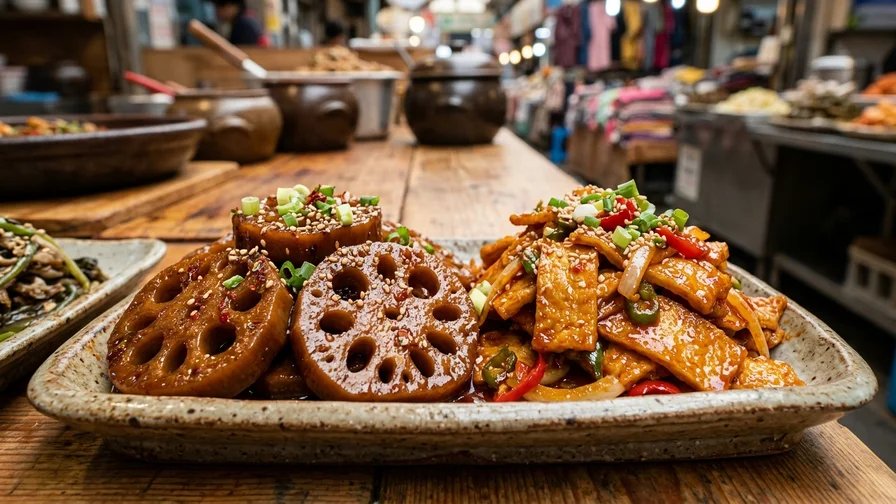
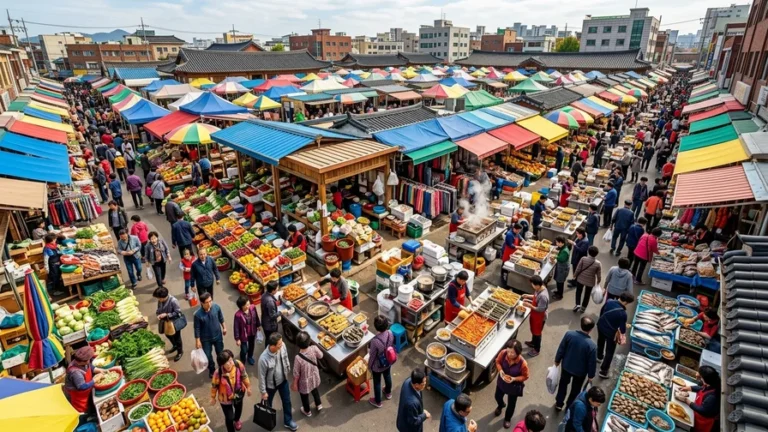
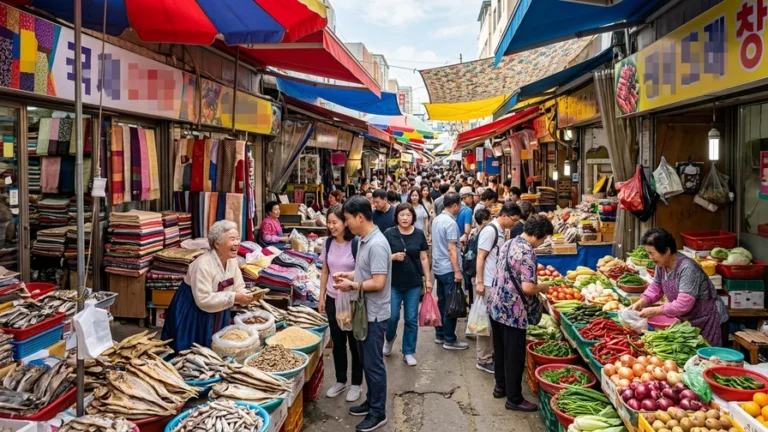
Gwangjang Market is famous as a food market for its bindaetteok and yukhoe, but beyond the food alley it’s also Korea’s first permanent market, with stalls for dried seafood, fish, meat, and produce. In particular, you’ll find shops handed down through generations that sell fermented and preserved foods like kimchi, jeotgal (salted seafood), and jangajji (pickled vegetables).
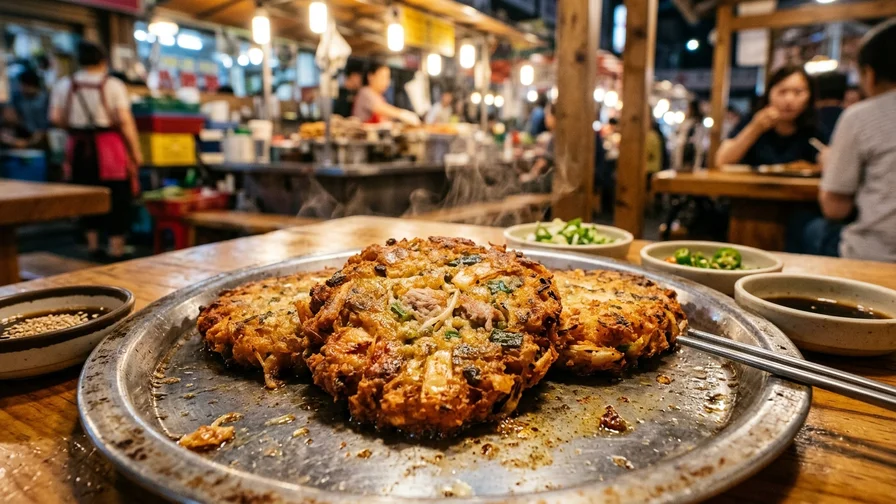
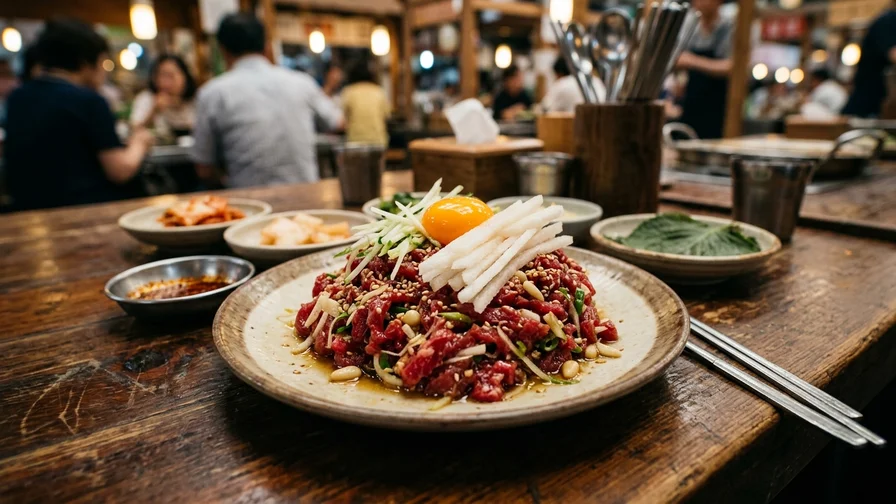
What to Expect
- Specialty: with decades-old kimchi, jeotgal, and banchan specialists packed together, this market offers the widest selection of fermented foods
- Atmosphere: a very crowded traditional market in its original form. With so many international visitors, plenty of vendors are used to communicating with gestures.
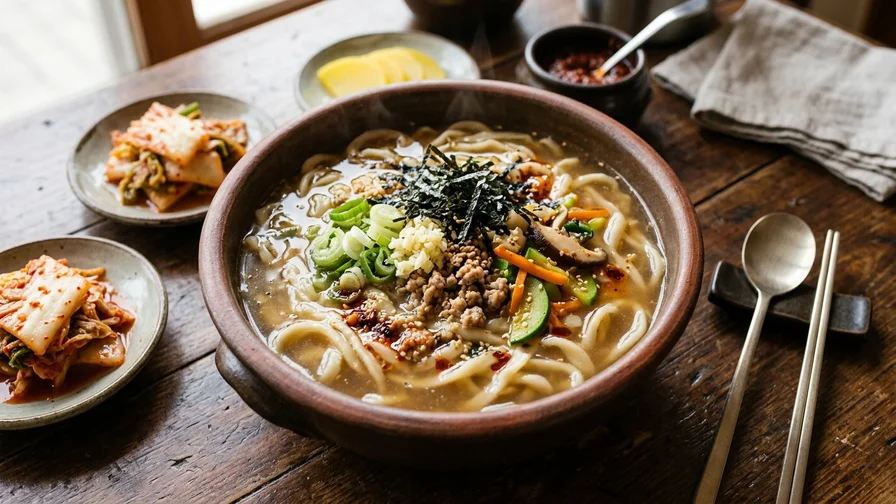
- Eat as you go: after buying your banchan, you can have a meal of bindaetteok (mung bean pancake) or kalguksu in the same market’s food alley
Recommended Shops
- Sunhuine Banchan 📍 — a banchan and jeotgal specialist that has been in business for more than 50 years. The signature items are myeongnan-jeot (salted pollack roe, about 15,000 KRW for 150g), yangnyeom-gejang, saewu-jang, and jeonbok-jang. Phone 02-2279-1885
- Hongnim 📍 — a long-established shop specializing in ganjang-gejang (soy sauce marinated crab) and jeotgal. It carries a wide range, including nakji-jeot and myeongnan-jeot, and it’s a popular spot for international visitors buying gifts. Phone 02-2267-1751
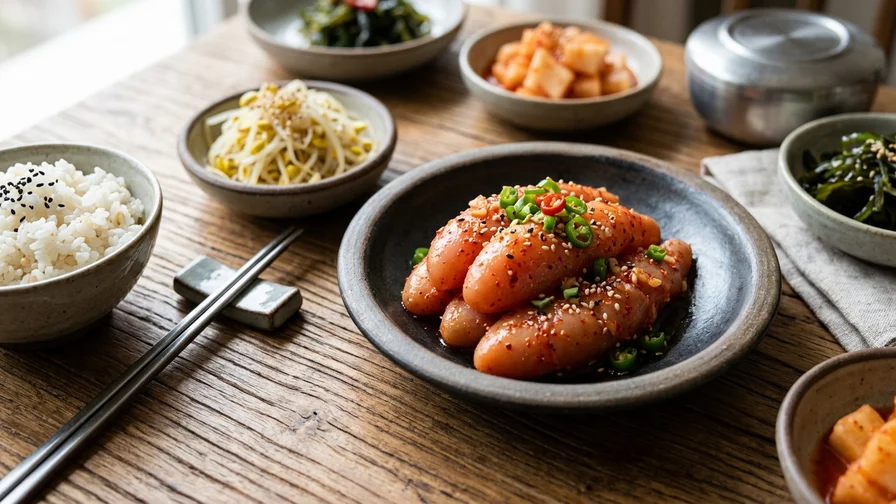
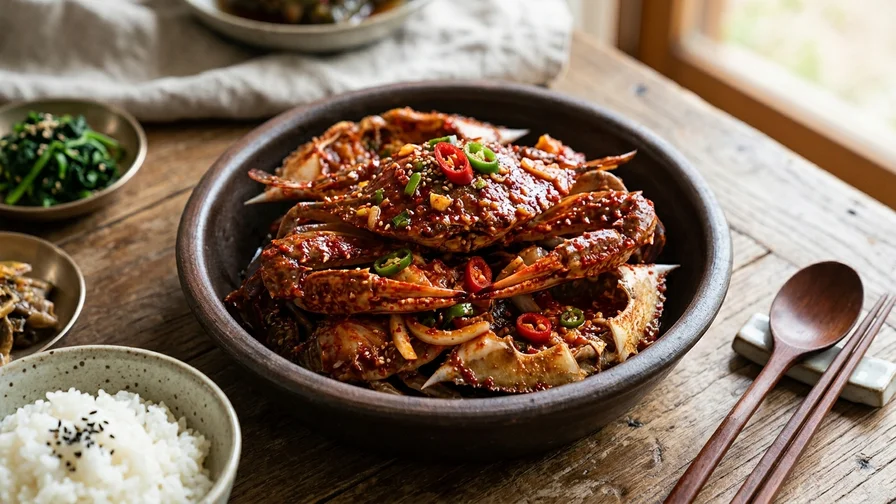
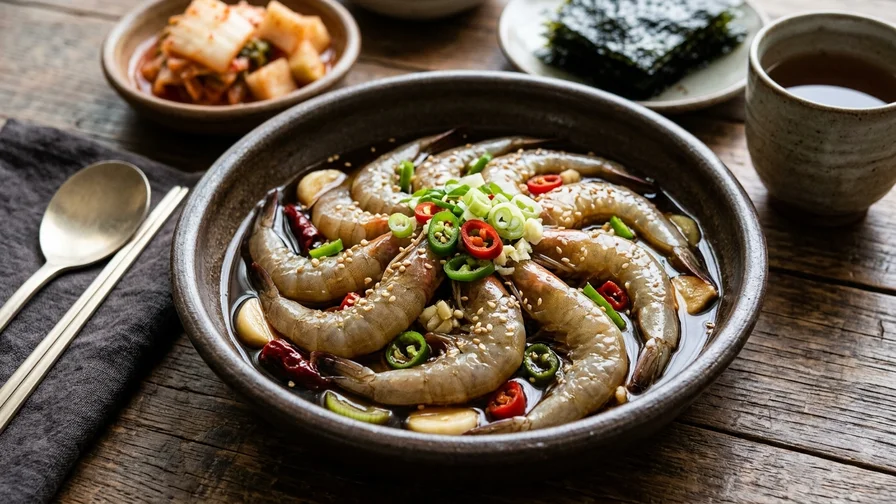
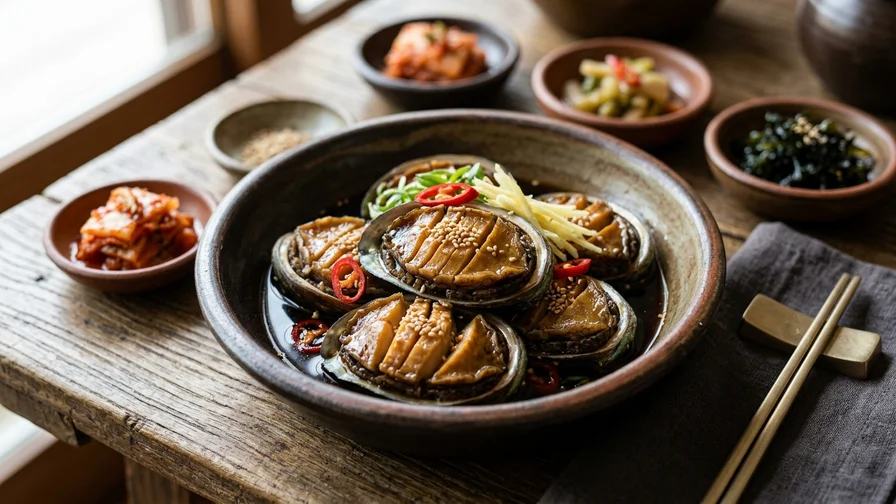
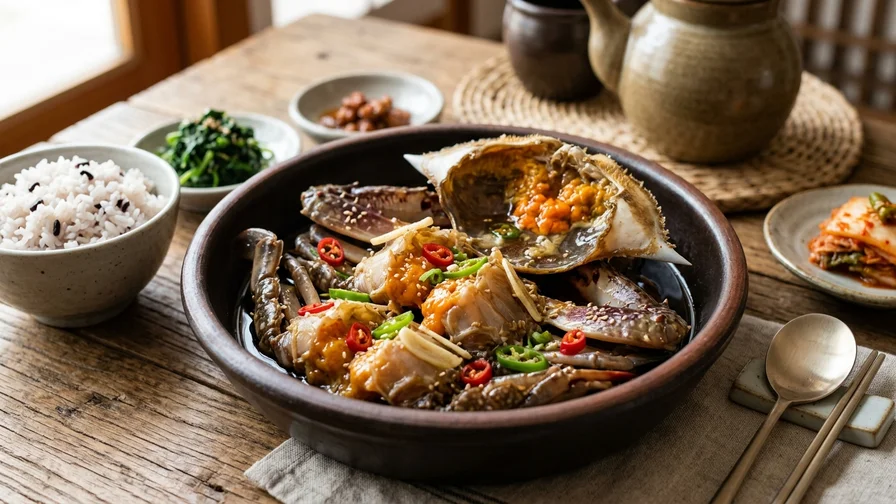
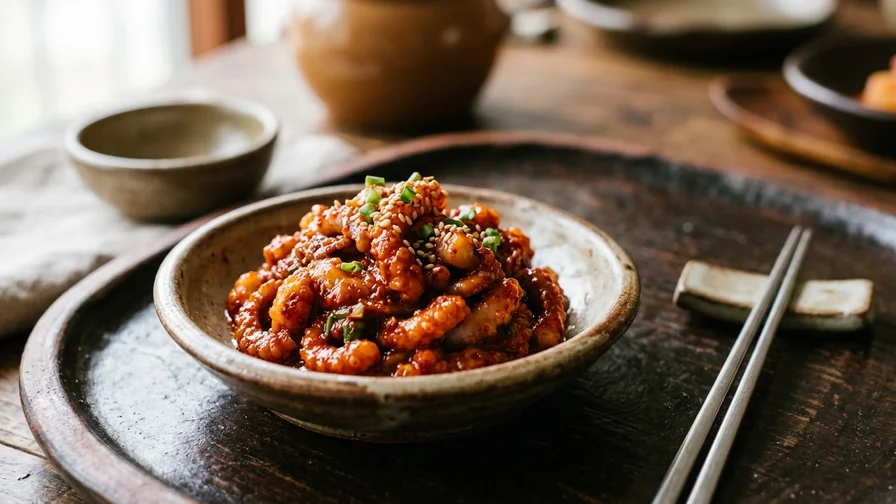
Both are real, established shops listed on the official Gwangjang Market website. The banchan stalls generally operate from morning until around 6 p.m., and many close on Sundays, so if you have a particular shop in mind it’s safest to call ahead before you go (as of June 2026).
Location and Getting There
- Subway: Line 1, Jongno 5-ga Station, Exit 8, a 2–3 minute walk; or Lines 2 and 5, Euljiro 4-ga Station, Exit 4, about a 5-minute walk
- Main areas: jeotgal, dried seafood, and banchan stalls line the area around the central food alley. It’s also within a 10-minute walk along Jongno from the Dongdaemun shopping district, making it easy to combine into one itinerary.
Making the Most of Gwangjang Market: A Hearty Dinner at Your Accommodation
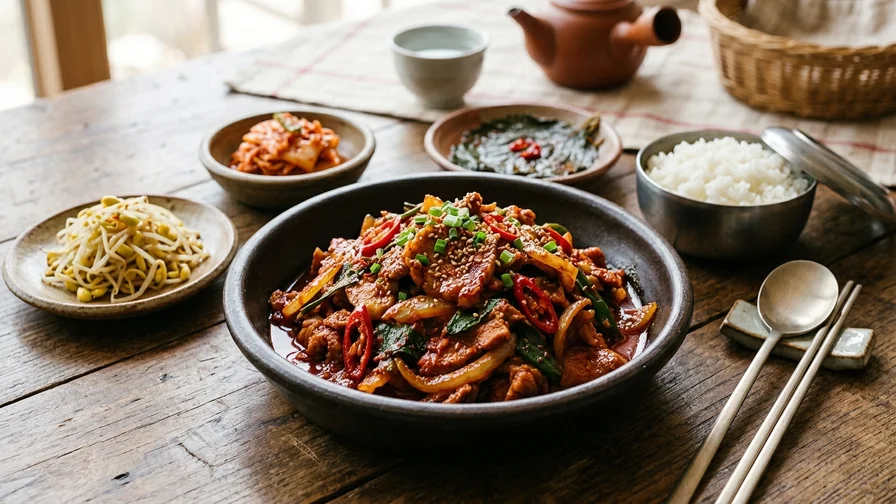
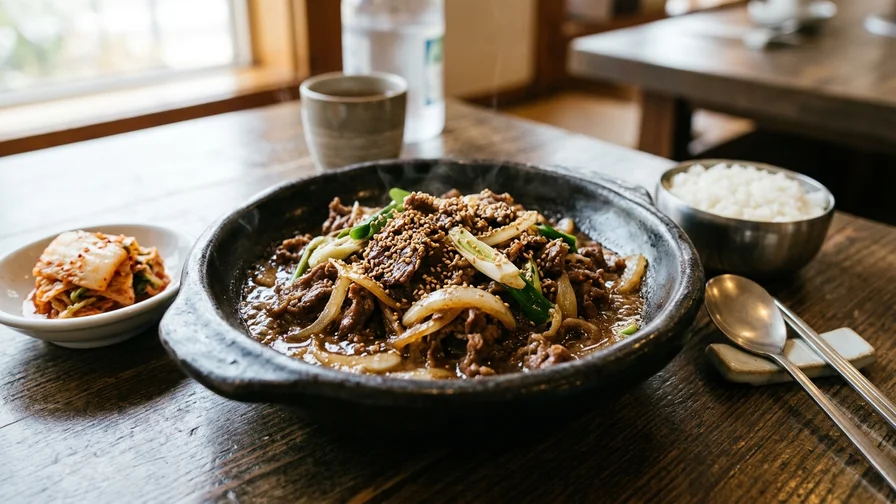
Buy three or four banchan and some kimchi at Gwangjang Market. Then pick up instant rice (Hetbahn) for everyone at a nearby convenience store (CU, GS25, 7-Eleven, etc.), at about 2,000 KRW each (as of June 2026). If your accommodation has a microwave, just heat the rice for two minutes and lay out the banchan for a generous Korean dinner. Some banchan shops also sell main dishes like jeyuk bokkeum (spicy stir-fried pork) or so-bulgogi (soy sauce marinated beef), so it’s worth grabbing one too.
Mangwon Market: A Paradise for Small Portions and Snacks
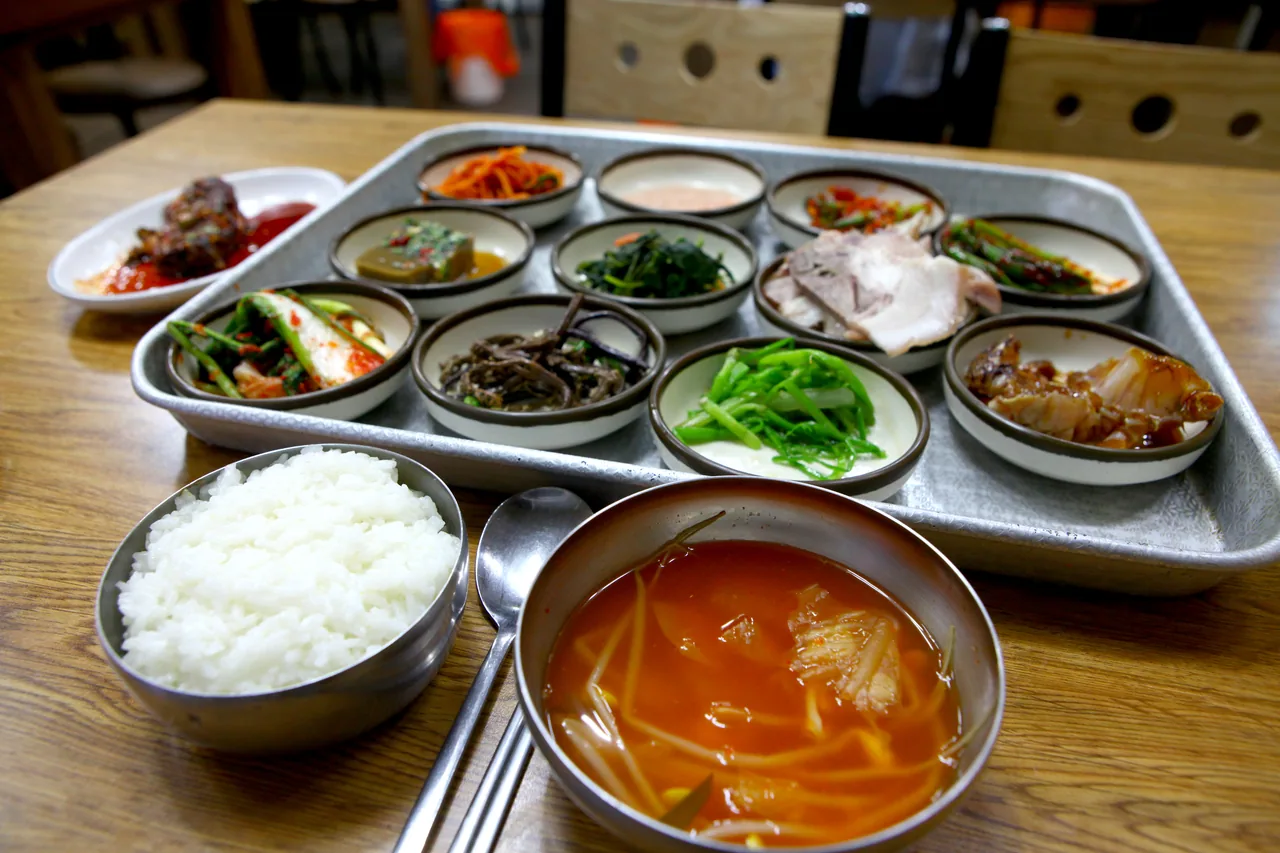
Mangwon Market is one of the most popular markets in western Seoul. It draws a young crowd along with local residents, and what sets it apart is the way traditional banchan shops coexist with trendy snack stalls. It’s a great place for families to sample a wide range of food.
What to Expect
- Variety: alongside traditional seasoned greens and braised side dishes, many shops also sell kid-friendly items like donkkaseu (pork cutlet), tteokgalbi (grilled short rib patties), and various fried foods
- Easy small portions: small-pack sales aimed at single-person households are well established here, so you can sample several kinds of banchan from as little as 3,000 KRW each
- Accessibility: the market aisles are relatively well organized, and the famous snack stalls sit right next door, making it a fun place to browse
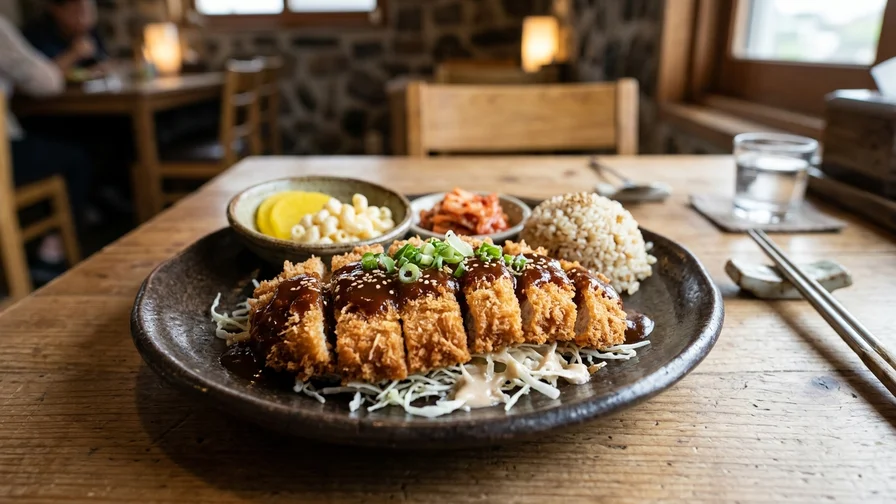
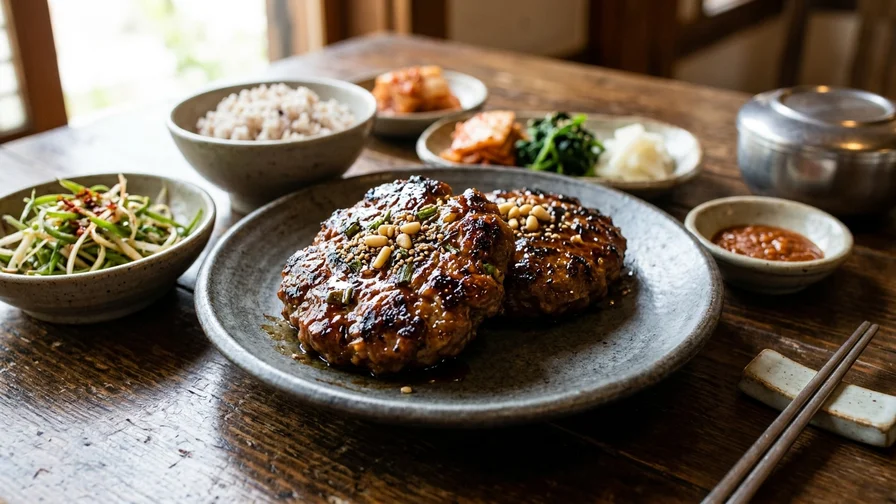
Location and Getting There
- Subway: Line 6, Mangwon Station, Exit 2, a 5-minute walk away
- Main areas: head straight out of Mangwon Station Exit 2 and you’ll see the market entrance right away. Walk along the central aisle and banchan shops appear on both sides.
- Hours: generally 10:00–20:00, varying by shop (as of June 2026)
Recommended Shops
- Eommason Banchan 📍 — a banchan shop popular both in the market and the neighborhood. Its popular items are gamja-jorim, kodari jorim (braised half-dried pollack), and modeum namul. The seasoning is on the bolder side, so it pairs well with rice.
- Mangwon Sujae Goroke 📍 — croquettes at 1,000 KRW each, in 8 to 9 flavors. Open 09:00–21:00, closed Sundays (as of June 2026).
- Q’s Dakgangjeong 📍 — Mangwon Market’s signature dak-gangjeong (sweet crispy chicken) shop. A cup is 5,000 KRW, a half order 10,000 KRW, and a full order 17,000 KRW. Open daily 09:30–20:30 (as of June 2026).
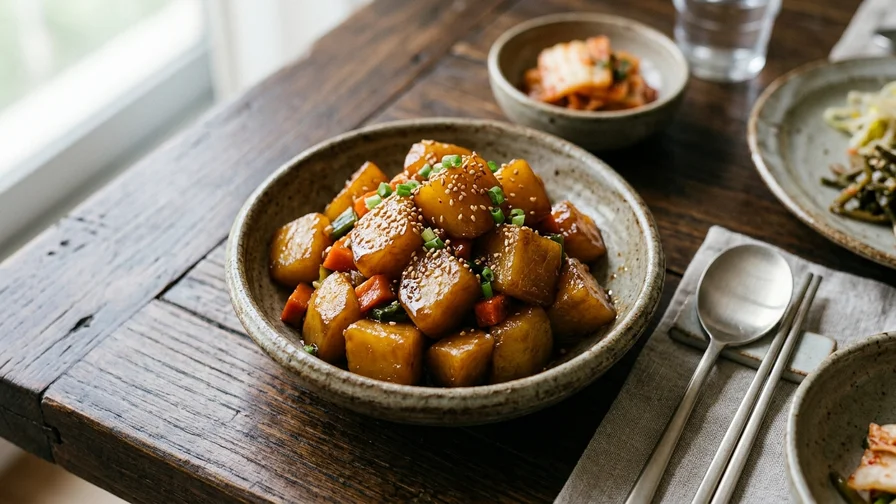
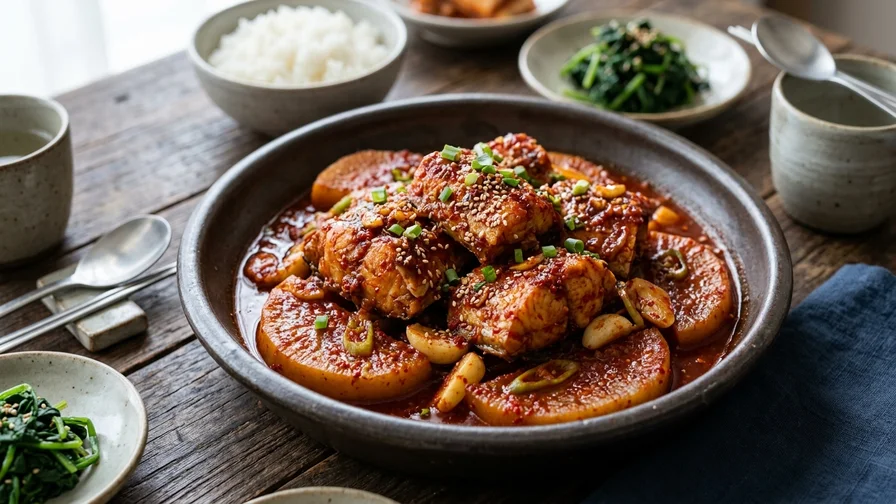
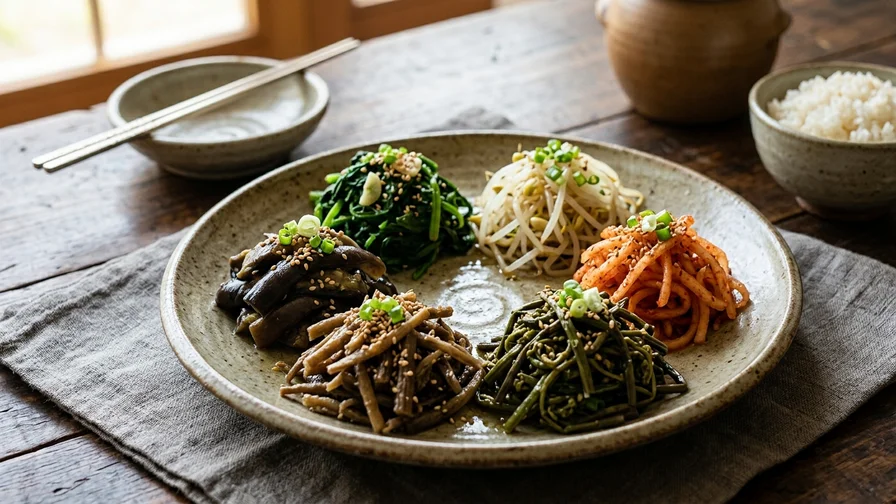
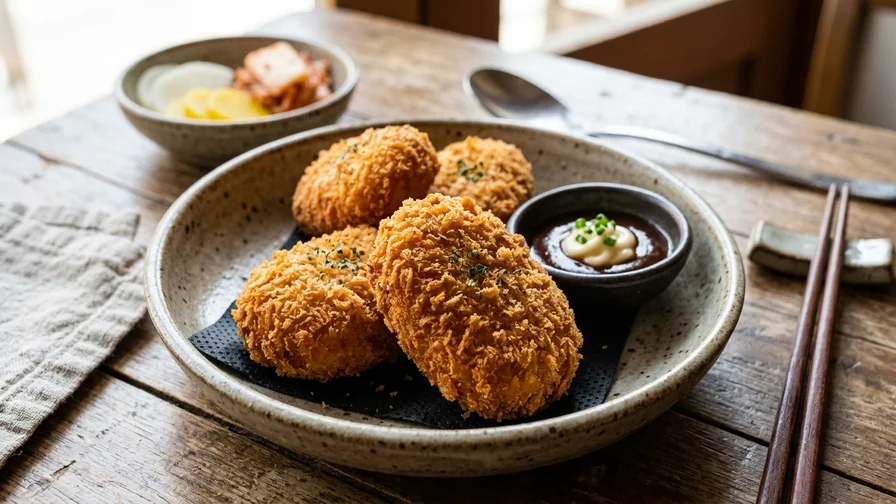
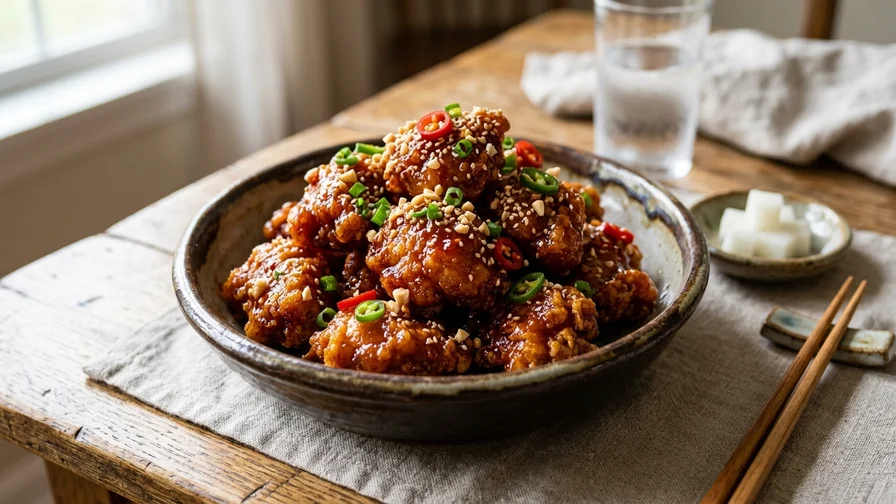
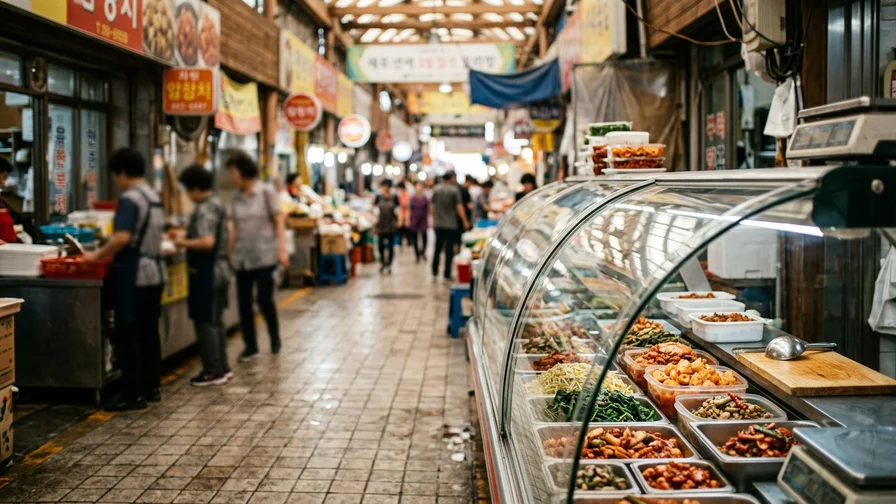
The fresher banchan tends to come from shops with fast display turnover. Even if you can’t find a specific shop, you’ll rarely go wrong choosing a showcase-display stall along the central aisle where customers are lining up. Individual shop closures can change, so it’s worth confirming before you visit.
Making the Most of Mangwon Market: A Han River Picnic with Banchan and Snacks
Mangwon Market is close to Hangang Park. Here’s how to put together your food at the market.
- Banchan shop: grab two or three basic side dishes plus some gimbap or yubuchobap (fried tofu rice balls)
- Snack stalls: pick up croquettes at Mangwon Sujae Goroke and a cup of dak-gangjeong at Q’s Dakgangjeong
- Drinks: buy fresh fruit or juice from a fruit stall in the market
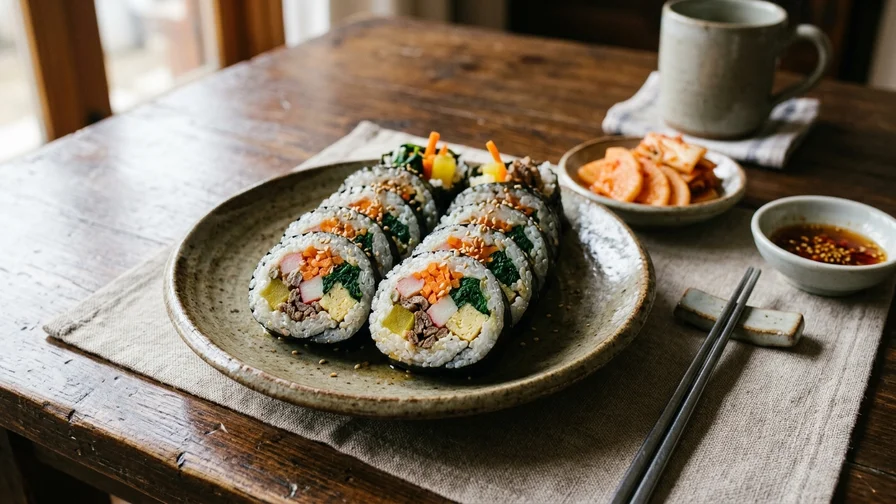
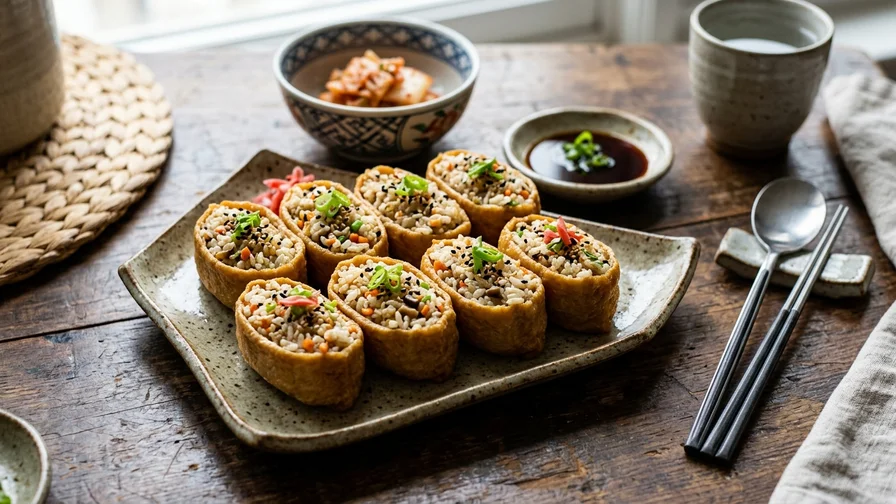
Carry your haul over to Mangwon Hangang Park, a 10–15 minute walk away, and your picnic is set. It’s one of the favorite ways young Koreans spend their weekends.
Tongin Market: Build Your Own Banchan Lunchbox with Brass Coins
West of Gyeongbokgung Palace, Tongin Market is a small neighborhood market of about 70 shops, centered on banchan stalls and eateries. It’s especially well known among international travelers thanks to the Dosirak Cafe (lunchbox café).
How the Brass-Coin Lunchbox Works (in operation as of June 2026)
- At the Dosirak Cafe in the center of the market (in the Customer Service Center building), buy yeopjeon, brass coins shaped like old-fashioned money. One coin is 500 KRW, and a bundle of ten is 5,000 KRW. About 20 coins (10,000 KRW) per person is plenty.
- Take an empty lunch tray and walk through the market, using the coins to fill it at banchan shops marked as Dosirak Cafe partners. The selection varies by shop, with options like gyeran-mari, jeon (savory pancakes), tteokgalbi, and seasoned greens.
- Return to the Dosirak Cafe dining area, add rice and soup (1,000 KRW, or 2 coins, each), and enjoy your meal. Any leftover coins can be refunded (refunds are simplest for coins bought with cash).
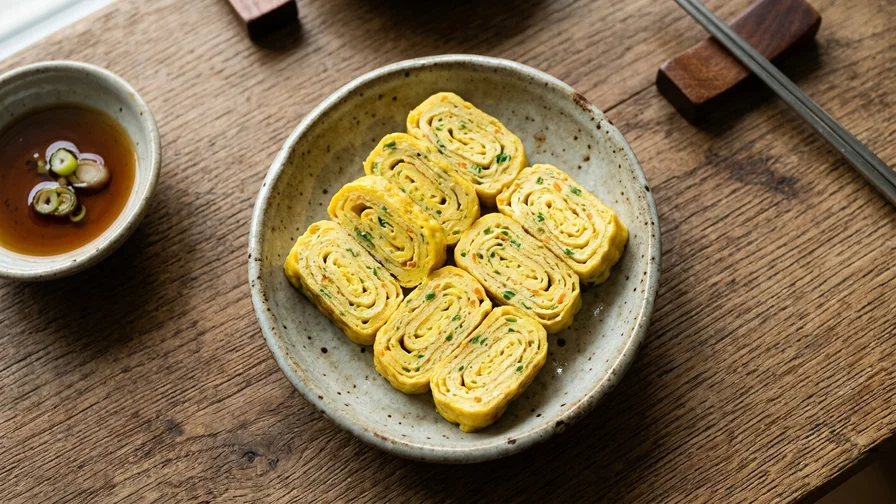
- Hours: weekdays 11:00–16:00 (coin sales until 15:00), weekends 11:00–17:00 (sales until 16:00)
- Closures: the Dosirak Cafe closes one day a week (sources differ between Monday and Tuesday, so it’s worth checking the official Instagram @tongin_official before visiting). The entire market is closed on the third Sunday of every month.
Gireum Tteokbokki: A Tongin Market Specialty
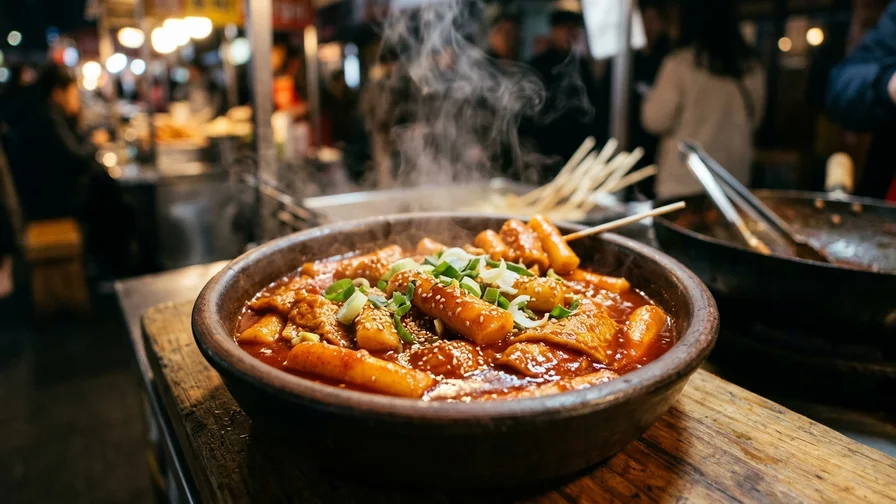
Tongin Market is known as the birthplace of gireum tteokbokki (oil-fried rice cakes), where the gochujang seasoning is stir-fried in oil.
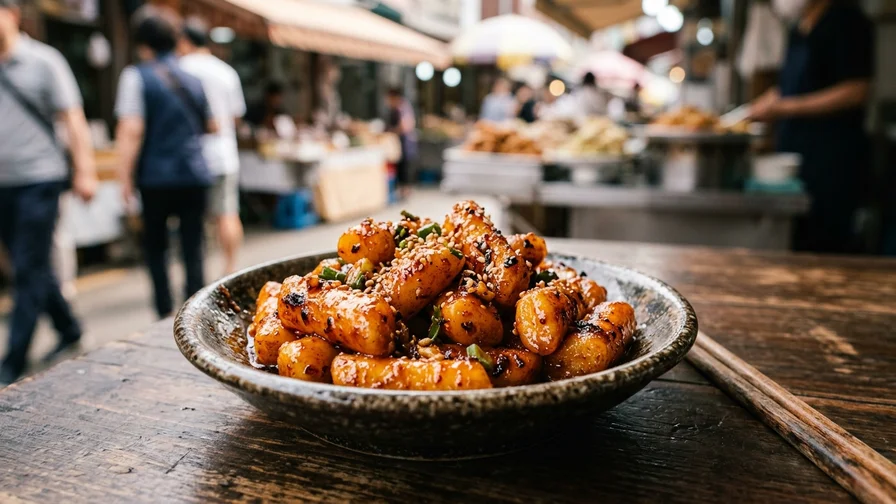
- Wonjo Jeong Halmeoni Gireum Tteokbokki 📍 — an oil tteokbokki shop in Tongin Market. Both the gochujang and soy-sauce tteokbokki are 5,000 KRW each. Open 07:00–20:30 (as of June 2026).
- Hyoja-dong Yetnal Tteokbokki 📍 — another long-established gireum tteokbokki shop inside the market. It’s fun to compare the two side by side.
Location and Getting There
- Subway: Line 3, Gyeongbokgung Station, Exit 2, about a 10-minute walk
- Combine with: it sits right next to Gyeongbokgung Palace and the hanok lanes of Seochon, making it an easy lunch stop after touring the palace
Practical Tips for International Travelers
Ordering and Tasting
Depending on the shop, market banchan stalls may offer you a taste. Just point to the side dish you’re curious about and ask “Matbwado dwaeyo? (Can I taste this?).” Usually they’ll give you a little bit on a toothpick. Your purchase will be packed into a plastic container and put in a bag. Here are some useful Korean phrases.
| Situation | Korean (Pronunciation) | Meaning |
|---|---|---|
| Asking the price | 이거 얼마예요? (Igeo eolmayeyo?) | How much is this? |
| Wanting a small amount | 조금만 주세요. (Jogeum-man juseyo.) | Just a little, please. |
| Wanting to pay by card | 카드 돼요? (Kadeu dwaeyo?) | Do you accept credit cards? |
| Looking for something not spicy | 안 매운 거 있어요? (An maeun geo isseoyo?) | Do you have something not spicy? |
| When you have a nut allergy | 땅콩이나 견과류 들어갔어요? (Ttangkong-ina gyeongwaryu deureogasseoyo?) | Does it contain peanuts or nuts? |
| When you have a seafood allergy or are vegetarian | 젓갈 들어갔어요? (Jeotgal deureogasseoyo?) | Does it contain salted seafood? |
Vegetarian and Allergy Information
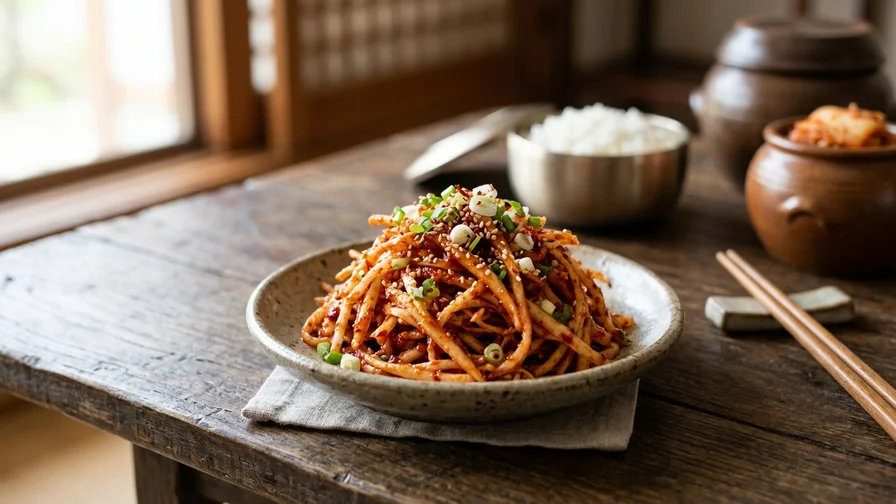
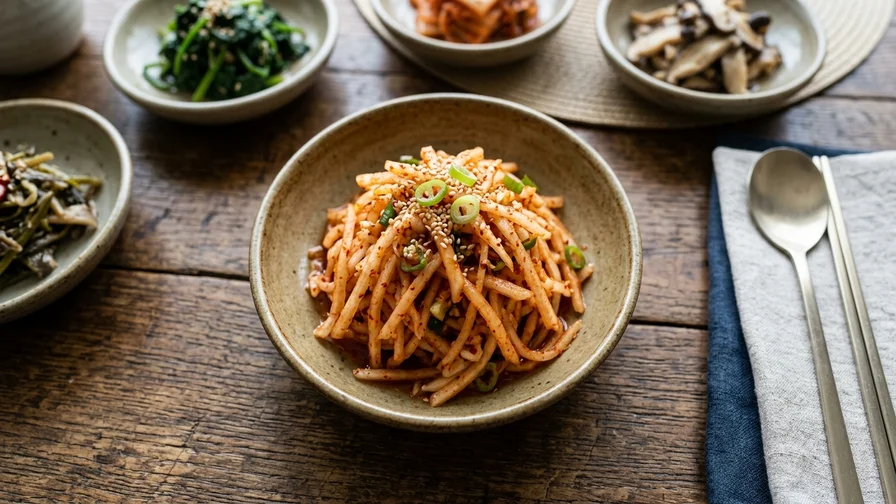
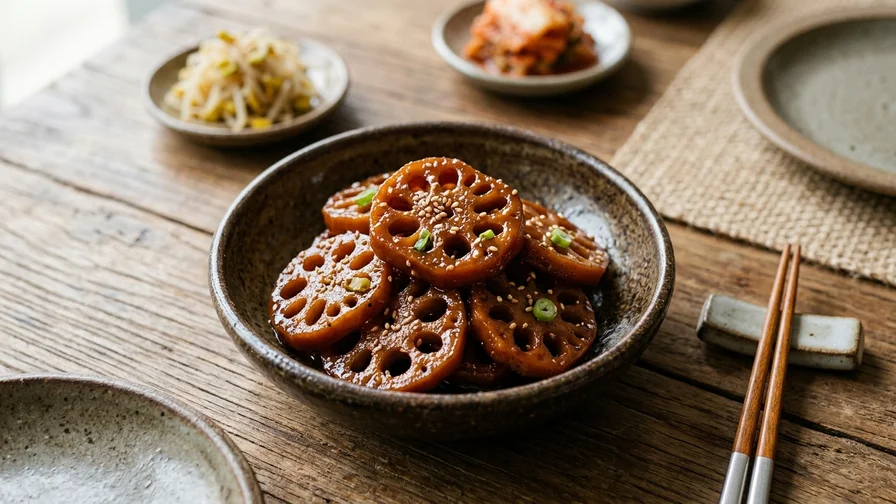
- Banchan more likely to be vegetarian: vegetable-based dishes like sigeumchi namul, kongnamul muchim, doraji muchim (bellflower root salad), musaengchae (spicy radish salad), and yeongeun jorim (braised lotus root). Note: some shops add a small amount of anchovy stock or jeotgal for umami. If you want strictly vegetarian, it’s safest to confirm before buying by asking “Gogina saengseon deureogasseoyo? (Does it contain meat or fish?)”
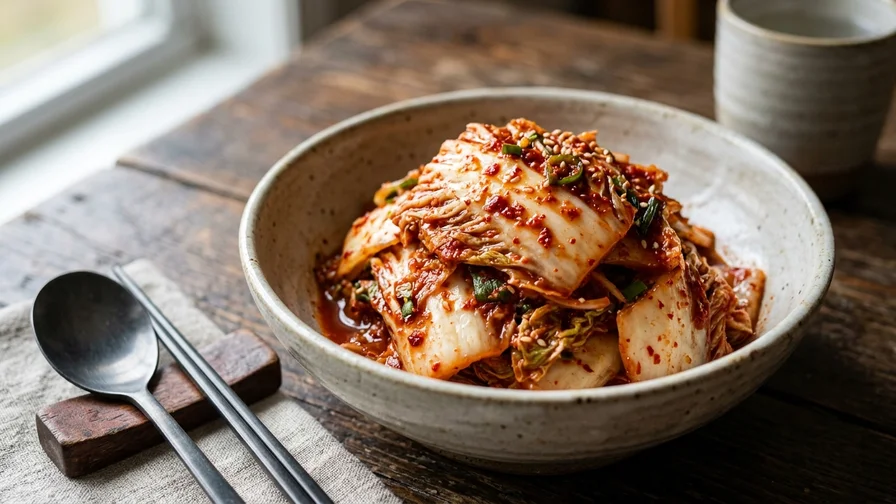
- Watch for jeotgal: baechu-kimchi and some seasoned greens often use salted shrimp or anchovy fish sauce as seasoning. If you have a shellfish or fish allergy, you’ll want to check kimchi too.
- Watch for nuts: peanuts or walnuts are often mixed into dishes like myeolchi bokkeum and kongjaban, and most seasoned greens contain sesame and sesame oil. Soy is also the base of nearly every seasoning.
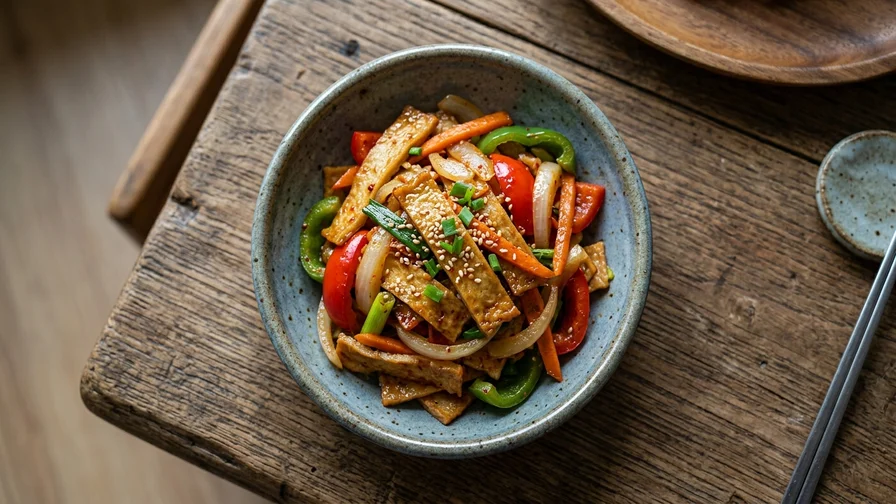
- Non-vegetarian banchan: dishes like myeolchi bokkeum, jinmichae bokkeum, and eomuk bokkeum (stir-fried fish cake) contain seafood or meat.
Eating at Your Accommodation: Reheating and Storage
- Instant rice: ready in two minutes in the microwave. If your accommodation has no microwave, heat it in a hot water bath for 10 minutes, or choose a Cupbahn product that only needs water added.
- Reheating banchan: seasoned greens and muchim are meant to be eaten cold, so there’s no need to heat them. Only main dishes like jeyuk bokkeum and tteokgalbi need 30 seconds to a minute in the microwave.
- Storage time: it’s safest to eat seasoned greens and muchim within 2–3 days in the fridge, and braised or stir-fried dishes within a week. Dry banchan like myeolchi bokkeum and kongjaban keep well for up to two weeks refrigerated.
- For your flight home: kimchi, jeotgal, and jangajji are classified as liquids and can’t go in your carry-on. To take them, seal them and check them in your hold luggage, and be sure to check your destination country’s food import rules in advance.
Transport and Getting Around
Markets have almost no parking and get crowded, so the subway is the most efficient option. For taxis, the Kakao T app supports registering overseas-issued cards, and the foreigner-focused app K.ride (launched in 2024) lets you sign up and hail a ride with just an overseas phone number plus a Google or Apple account. Uber also works normally in Korea (as of June 2026). If you have questions or need help while traveling, call the 1330 Korea Travel Helpline (+82-2-1330 from abroad) for 24-hour interpretation services in English, Japanese, Chinese, and more.
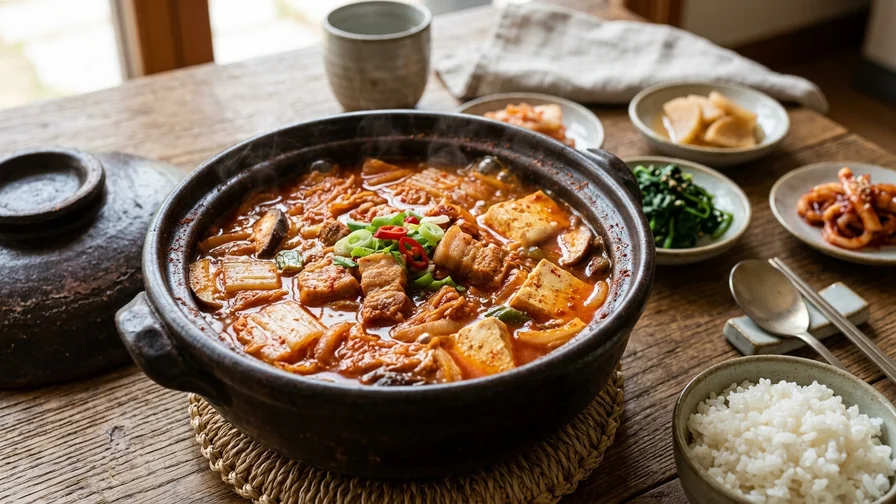
Cheaper than restaurant baekban, assembled at your accommodation
Baekban refers to a Korean home-style set meal of rice, soup, and several side dishes. Ordering baekban at a restaurant runs about 8,000 to 15,000 KRW per person (the average for a Seoul kimchi-jjigae baekban is about 8,700 KRW, per the Korea Consumer Agency in 2026). If a family of four buys 4–5 banchan at the market for around 20,000 KRW and adds four packs of instant rice from a convenience store (about 8,000 KRW), they can enjoy a meal that’s more generous and varied than a restaurant’s, in the comfort of their accommodation, for roughly 7,000 KRW per person. It’s an excellent option for travelers with young children or anyone who finds a restaurant’s set menu limiting.
Individual shop closing days and hours can change, so confirm by phone before you visit.
Some photos © Korea Tourism Organization (KOGL Type 1)