Jeju Omegisul Brewing, Tasting Foxtail-Millet Traditional Liquor
목차
- Omegisul: What Kind of Jeju Liquor Is It? The Story Behind It
- A Look at the Omegisul Brewing Experience Programs
- The Omegisul Brewing Process, Step by Step: Easy Enough for Beginners
- Flavor and Strength: How to Drink It
- Where to Experience, Where to Buy, and How to Get There
- Jeju Food Pairings to Enjoy with Omegisul
- Frequently Asked Questions
When people think of Jeju, black pork and seafood usually come to mind first, but locals say the island’s truest, deepest flavors actually mature inside liquor jars. Brewed from a handful of foxtail millet and stirred several times a day as it ferments, this liquor is called Omegi Liquor (오메기술, omegisul). This article is a single guide that walks even first-time international travelers through the Jeju Omegi Liquor brewing experience — from what this liquor actually is, to how to brew it yourself, where the breweries are, prices, and booking tips, all in one place.
At a Glance
- Omegi Liquor is Jeju’s traditional cloudy rice-style wine brewed from foxtail millet, and its distilled form is the roughly 40% ABV Gosori Distilled Liquor (고소리술, gosorisul). Both are designated Jeju intangible cultural heritage.
- The Jeju Omegi Liquor brewing experience is available at Jeju Saemju 📍 in Aewol and Jeju Island Brewery 📍 in Seongeup, with options ranging from making Fermentation Starter (누룩, nuruk) (fermentation starter) to distilling your own Gosori Distilled Liquor.
- Experiences typically run about 20,000–40,000 KRW per person (roughly USD 15–30, subject to change), and reservations are recommended. Many places accept cards, but smaller breweries may require cash. Never drive after tasting.
Omegisul: What Kind of Jeju Liquor Is It? The Story Behind It
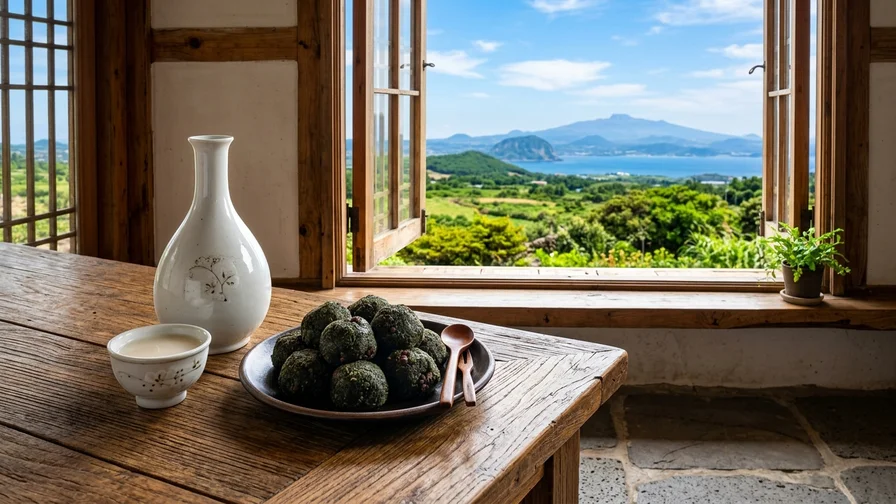
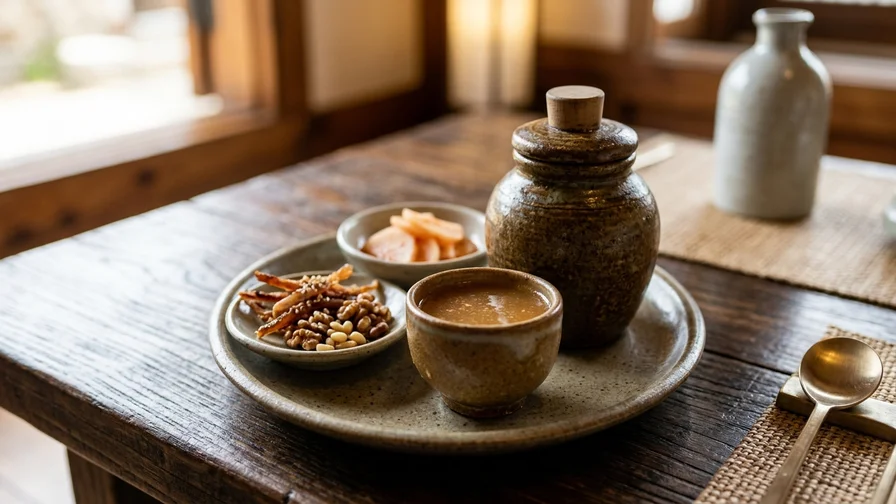
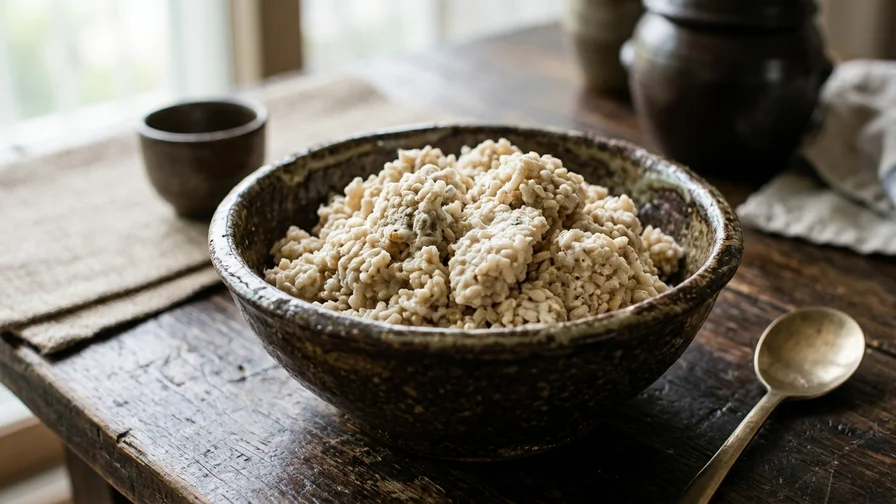
Jeju is a volcanic island where rice paddy farming is difficult, so instead of rice, locals long brewed liquor from foxtail millet (a millet-type dryland grain) that thrives in upland fields. Omegisul is exactly that — Jeju’s traditional cloudy wine brewed from foxtail millet, in other words a makgeolli-style fermented liquor. While the mainland’s rice makgeolli is clean and light, omegisul brewed from foxtail millet stands out for the nutty, rich grain aroma unique to millet. Recognizing this value, Jeju Province designated omegisul as Intangible Cultural Heritage No. 3 in 1990.
One step beyond this is Gosori Distilled Liquor. It’s a Jeju-style soju made by slowly distilling omegisul in a traditional Jeju still called a “gosori.” It clocks in at a fairly strong 40% ABV, yet its aroma is surprisingly sweet and smooth. There’s also a 29% version. Gosori-sul, too, was recognized as Jeju Intangible Cultural Heritage No. 11. In short, think of omegisul as the mother and gosori-sul as the precious daughter distilled from her — that makes the relationship easy to grasp.
These liquors are not merely alcohol but a testament to the household wisdom of Jeju’s people. They reflect the craft of turning foxtail millet — a crop of harsh land — into home-brewed liquor (gayangju), and they carry the island’s sentiment as a fixture at feasts and ancestral rites. First-timers to Jeju’s traditional liquor often assume it might be “porridge or a non-alcoholic drink,” but remember clearly from the start: omegisul is a proper fermented brew, and gosori-sul is a high-proof distilled spirit.
Good to Know
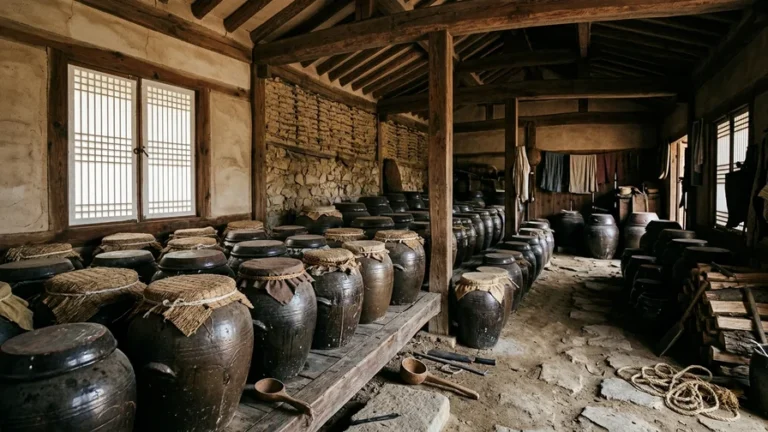
Omegisul was originally born not in a restaurant but in the kitchen, brewed at home where every household once kept its own liquor jar. That’s why a brewery experience is less about a single glass of liquor and more a window into the long-standing kitchen culture of a Jeju home.
A Look at the Omegisul Brewing Experience Programs
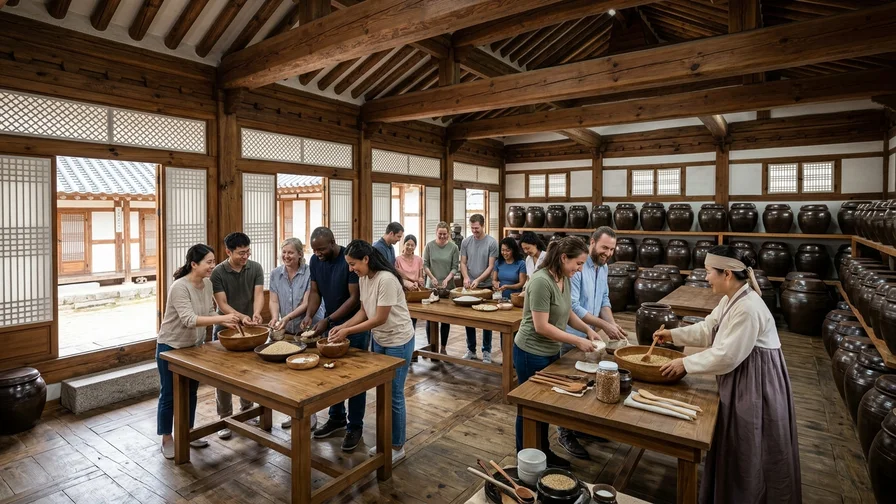
There are essentially two places in Jeju where you can do the Jeju Omegi Liquor brewing experience properly. Both sit on the outskirts, so it’s easiest to plan a rental-car route. Hours and closing days differ, so get the big picture from the table below first, then confirm the schedule through official channels before you visit.
| Category | Jeju Saemju (Aewol) | Jeju Island Brewery (Seongeup) |
|---|---|---|
| Location | Aewon-ro, Aewol-eup | Seongeup Folk Village (Pyoseon-myeon) |
| Hours | Daily 9:30–18:00 | Mon–Sat 10:30–17:00 / Closed Sun |
| Signature Experiences | Making Omegi Rice Cake (오메기떡, omegi-tteok), sindari, cocktails | Making Fermentation Starter, infused liquor, distilling Gosori Distilled Liquor |
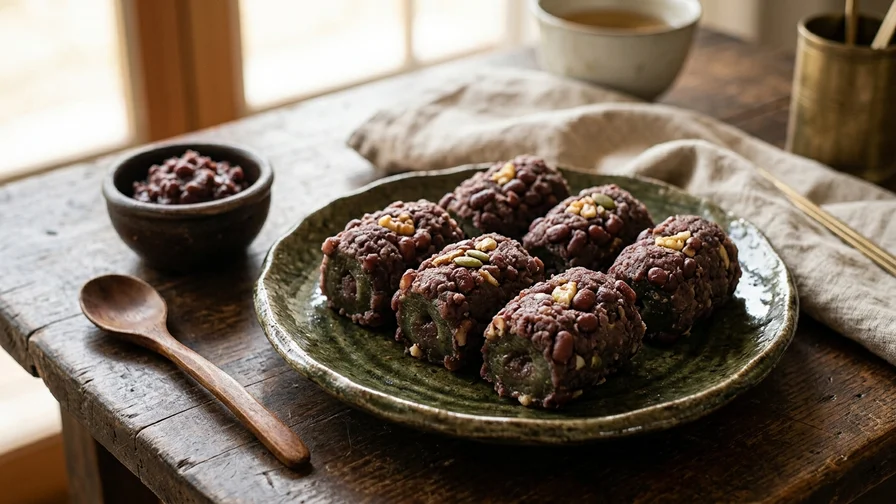
Jeju Saemju Brewery sits on Aewon-ro in Aewol-eup and is a “Visiting Brewery” designated by the Ministry of Agriculture, Food and Rural Affairs. It operates daily from 9:30 a.m. to 6:00 p.m. (subject to change; confirm before visiting), and offers fairly easygoing experiences such as making Omegi Rice Cake (rice cakes), sindari (a Jeju-style fermented drink), and cocktails using the traditional liquor. Rather than the full hands-on brewing process, it’s a lineup that families and beginners can enjoy, making it a comfortable first gateway for international travelers tasting Jeju’s traditional liquor for the first time.
Jeju Island Brewery is located inside the well-preserved Seongeup Folk Village. It runs Monday through Saturday from 10:30 a.m. to 5:00 p.m. and is closed Sundays (subject to change). Here you’ll find deeper, home-brewing-focused experiences and tastings such as making Fermentation Starter, brewing infused liquor, and distilling gosori-sul. If you want to watch up close as liquor drips out one drop at a time from a traditional still, this is the more rewarding choice. That said, guidance is mainly in Korean, so for international visitors, inquiring before your visit is practically essential.
Reservations are recommended at both, and for Jeju Island Brewery in particular it’s safer to call ahead. For exact program details and bookings, the most accurate route is to check each brewery’s official channels or the contact number listed on Google Maps.
The Omegisul Brewing Process, Step by Step: Easy Enough for Beginners
The most fascinating part of a brewing experience is following with your own hands how the liquor comes to be. The traditional method you’ll learn in the Jeju Omegi Liquor brewing experience generally follows these stages. It may look complex, but each step is simple, so once you learn the order — as if a docent were pointing the way — even beginners can keep right up.
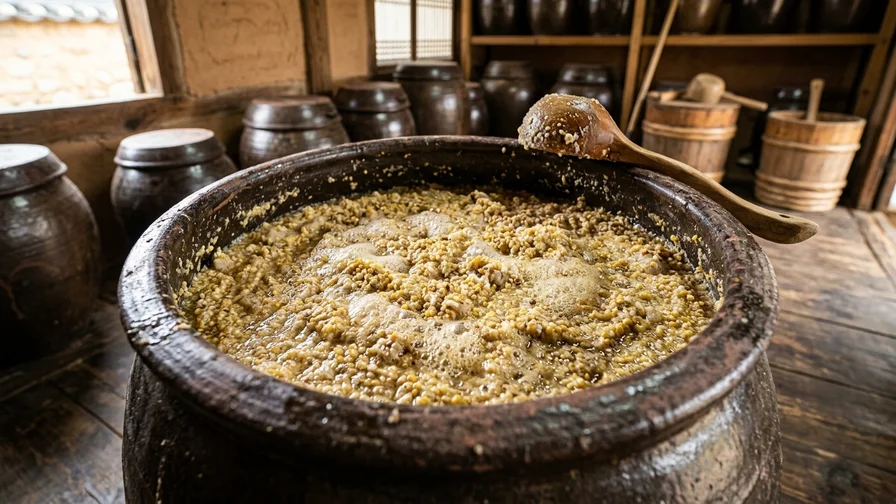
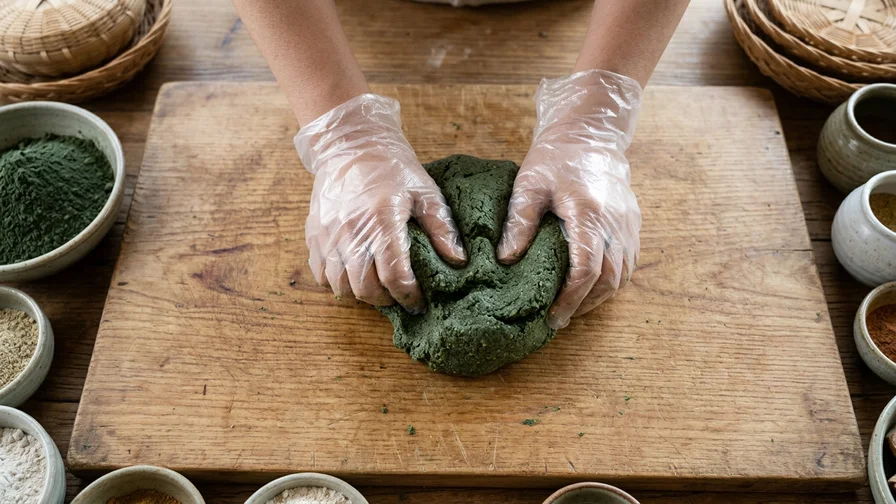
- Knead foxtail millet flour with hot water and shape it into Omegi Rice Cake, a rice cake with a dimpled center.
- Boil the cakes in a cauldron; when they float to the surface it’s a sign they’re done, so scoop them out.
- Add water to the cooked cakes, mash them smooth, then mix in nuruk powder to start fermentation.
- Place this mixture in a jar, stir 4–5 times a day, and let it mature for about 7 days to complete the omegisul.
- Load the finished omegisul into a gosori still and distill it slowly to make the high-proof gosori-sul.
The key ingredient here is nuruk. Nuruk is a traditional Korean fermentation starter made by cultivating natural microbes on grain, and it’s the key that determines a liquor’s aroma and flavor. Nuruk is often made from wheat or barley, so if you have a wheat allergy, check before tasting. In Jeju Island Brewery’s nuruk-making experience, you can press the nuruk yourself and learn the principles of how fermentation begins. Foxtail millet itself contains no gluten, but since products and processes vary, anyone sensitive to gluten should confirm the ingredients before the experience.
The moment you lift the omegi-tteok from the cauldron, or the sight of clear liquor dripping drop by drop from the end of the still — these are scenes that warm the heart even in photos. There’s good reason for the saying that this is “liquor brewed by time”: it takes a hand stirring the jar several times a day before a single bottle of omegisul finally emerges.
Insider Tip
The liquor you brew at the experience often still needs fermentation time, so it’s frequently hard to take it home the same day. If you want something in hand that day, it’s surest to grab a finished, bottled product sold at the brewery separately. When booking, ask in advance whether you can take your self-brewed liquor home the same day.
Flavor and Strength: How to Drink It
Omegisul and gosori-sul are enjoyed differently. Omegisul, like makgeolli, is served chilled. Take a sip and the nutty grain aroma of foxtail millet, a gentle sweetness, and the tangy fermented finish flow smoothly one after another. It’s not high in alcohol, so it pairs easily with a meal and makes a great starter liquor for anyone tasting Jeju’s traditional liquor for the first time.
Gosori-sul, on the other hand, is high-proof at around 40% (there’s a 29% version too), so it’s a spirit to pour a little at a time into a small cup and savor slowly. Its aroma is sweet and smooth, so it goes down surprisingly silky for its strength — but that doesn’t mean you should knock it back. The proper way is to enjoy the aroma with your nose first, then let it roll across your palate and swallow slowly.
There’s one thing international travelers must remember. Because this is alcohol, minors cannot take part in the experience or the tasting, and driving after tasting is strictly forbidden. If you arrived at the brewery by rental car, the driver should avoid tasting or strictly limit the amount, and if you want to enjoy the tasting fully, plan ahead with a designated driver or public transport routes.
A Few Phrases for Ordering and Tasting
- Omegisul = o-me-gi-sool
- Gosori-sul = go-so-ri-sool
- Can I do a tasting? = si-eum ga-neung-han-ga-yo
- I’ll buy a bottle = han byeong sal-ge-yo
Where to Experience, Where to Buy, and How to Get There
The two breweries introduced above are great spots to handle both the experience and a purchase. Both sit on the outskirts away from the city center, so plan your transport ahead.
A rental car is the most convenient choice. International visitors must obtain an International Driving Permit (IDP) in their home country before departure — it cannot be issued after arriving in Korea, so be sure to bring it. For directions, just search the brewery name in Google Maps and follow the route. Jeju Saemju is west of Jeju Airport toward Aewol, while Jeju Island Brewery in Seongeup Folk Village is southeast toward Pyoseon — opposite directions, so squeezing both into one day can be tight.
If a rental car is difficult, a taxi is another option, but taxi apps like Kakao T often require a Korean phone number and a domestically issued card to sign up and pay, which can make them hard for short-term international travelers to use. In that case, take a regular taxi from the airport or a downtown taxi stand and show the driver your Google Maps screen. To go by public transport, search “Jeju International Airport → Jeju Saemju” or “Jeju International Airport → Seongeup Folk Village” in Naver Map or Google Maps for real-time bus numbers, frequency, and transfer info, then follow it. Rural routes tend to run infrequently, so it’s safer to check the last-bus times in advance.
For souvenirs, you can buy bottled products at the breweries, such as omegisul, gosori-sul, and Nimome. Keep in mind, though, that when taking liquor back to your home country, the duty-free alcohol allowance (usually 1–2 bottles) varies by country, so be sure to check your home country’s customs rules before departure. Since liquor is a liquid, carry-on is restricted, so check it as checked baggage at the airport. Bottle prices vary by volume and strength, so checking the on-site price list is the most accurate.
Jeju Food Pairings to Enjoy with Omegisul
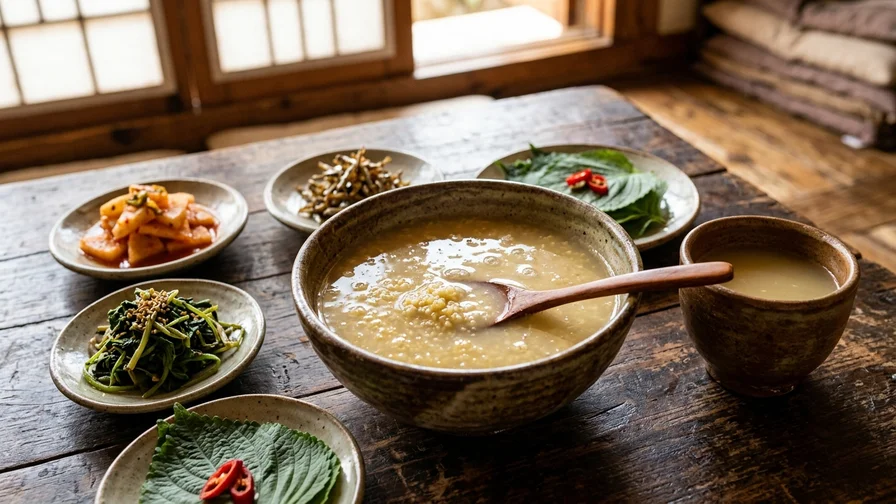
The true worth of Jeju’s traditional liquor comes alive when it meets food. The nutty omegisul and deeply aromatic gosori-sul cut through Jeju’s rich dishes and freshen the palate.
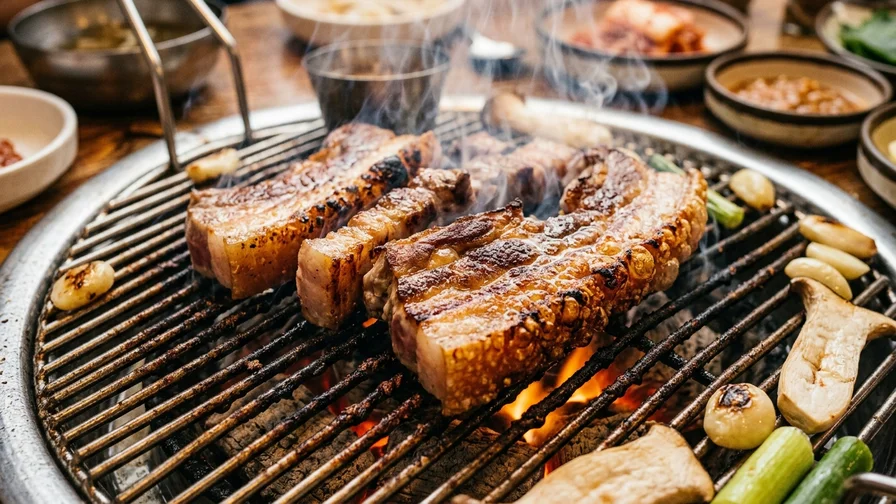
The best matches are, of course, fatty meats and fresh seafood. The rich flavor of golden-grilled Jeju black pork Five-layer Pork Belly (오겹살, ogyeopsal) (five-layer pork belly) is cleanly cut by chilled omegisul, and a sip of high-proof gosori-sul refreshes the mouth. The proper order for enjoying Jeju black pork and how to pick a good restaurant are covered in more depth in our piece on the perfect pairing with Jeju black pork dishes. It also goes well alongside seafood like sashimi or grilled clams, making it a fine drink to raise a glass with at a seaside table.
One more note for those with dietary restrictions. Omegisul and gosori-sul are grain liquors brewed from foxtail millet and nuruk, so they themselves contain no meat or seafood. However, the side dishes you eat with them may include pork or shellfish, so if you follow a halal or vegetarian diet, check the ingredients when choosing your dishes. For halal or kosher diets, alcohol is in principle prohibited, so there’s also the option of skipping the tasting and enjoying just the brewing process and culture.
The nutty foxtail millet and the deep aroma of gosori-sul you’ve learned about today — meet them firsthand on your next Jeju trip by stirring the jar yourself. Before you go, double-check the hours and reservation availability on each brewery’s official channels before setting out.
Frequently Asked Questions
How are omegisul and gosori-sul different?
Omegisul is a fermented cloudy wine (makgeolli-style) brewed from foxtail millet, and distilling it in a gosori still produces gosori-sul, a roughly 40% ABV spirit. Enjoy omegisul chilled, and gosori-sul slowly in a small cup.
Can international visitors join the brewing experience?
Yes, they can. Guidance is mostly in Korean, however, so we recommend inquiring before your visit. Since it involves alcohol, minors cannot participate or taste.
How much does the experience cost?
Depending on the program, it’s usually around 20,000–40,000 KRW per person (roughly USD 15–30), and reservations are required. Exact prices and schedules may change, so confirm before visiting.
Can I drive after tasting?
Absolutely not. If you taste, use a designated driver or public transport, and rental-car drivers should avoid tasting or strictly limit the amount.
Related Reads on This Topic
- Jeju Local Food Roadmap, 9 Flavors from Black Pork to the Haenyeo Table
- How to Eat Jeju Gogi Guksu, the Island's Soul-Food Pork Noodle Soup
- How to Enjoy Jeju Mulhoe, Jari-mulhoe and Hanchi-mulhoe
- How to Find and Savor a Jeju Haenyeo Meal Set by the Sea
- How to Pick Real Jeju Black Pork and 7 Steps to Eat It Right
- Jeju Abalone Dishes and 6 Top Spots, Eaten Like a Local
- Jeju Tangerine and Hallabong, Orchard Cafes and Tangerine Picking
- Enjoy Jeju Cutlassfish Like a Local, Galchi-jorim and Galchit-guk
- 8 Must-Try Bites at Jeju Dongmun Market's Night Market
📍 Locations verified — The 2 places featured in this guide were confirmed on Google Maps for their real location and address (Jeju Saemju Brewery, Jeju Island Brewery (Seongeup)). Hours and details can change, so check before you visit.