Brew Your Own Korean Traditional Alcohol, From Makgeolli to Soju
Contents
Brewery experiences typically cost 15,000–70,000 KRW per person and run 1 hour 30 minutes to 2 hours. Prices and operating details are current as of June 2026, so it is wise to double-check the official channels right before your visit.
Understanding Korean Traditional Alcohol
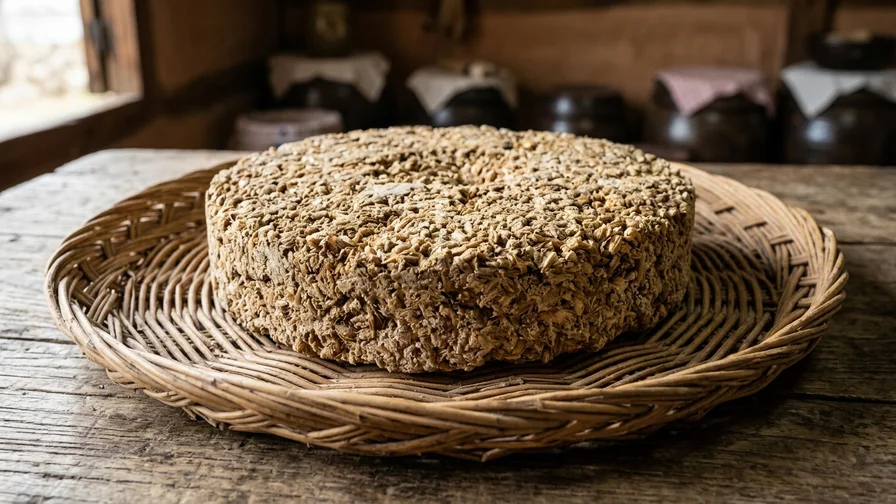
Korean traditional alcohol is made mainly by fermenting rice. Depending on the fermentation process and whether it is distilled, it falls into three broad categories. Knowing the characteristics of each type before you go makes the experience far richer.
Makgeolli
This is a cloudy alcohol made by mixing rice, nuruk (a traditional fermentation starter), and water, fermenting it, and then roughly straining it. With a low ABV of 6–8%, it is rich in lactic acid bacteria and has a slightly sweet and tangy flavor. Its color is an opaque white.
Cheongju and Yakju
Cheongju is made by letting the finished fermented liquid settle, then skimming off only the clear portion that floats on top. It is similar to Japanese sake in its production method and has a clean, refined taste, with an ABV of 13–16%. Yakju refers to alcohol fermented with the addition of medicinal plant roots or fruits.
Distilled Soju
This is made by distilling the clarified alcohol once more to raise its strength. It ranges widely from 25% to over 45% and has a deep aroma. It is completely different from the diluted soju sold in the familiar green bottles. Andong Soju and Munbaeju are the most representative examples.
| Category | Main Ingredients | ABV | Characteristics |
|---|---|---|---|
| Makgeolli | Rice, Nuruk, Water | 6-8% | Opaque white, unrefined, sweet and sour |
| Cheongju | Rice, Nuruk, Water | 13-16% | Clear color, refined taste |
| Distilled Soju | Cheongju | 25-45% | Colorless, high ABV, deep aroma |
How to Book a Brewery Experience
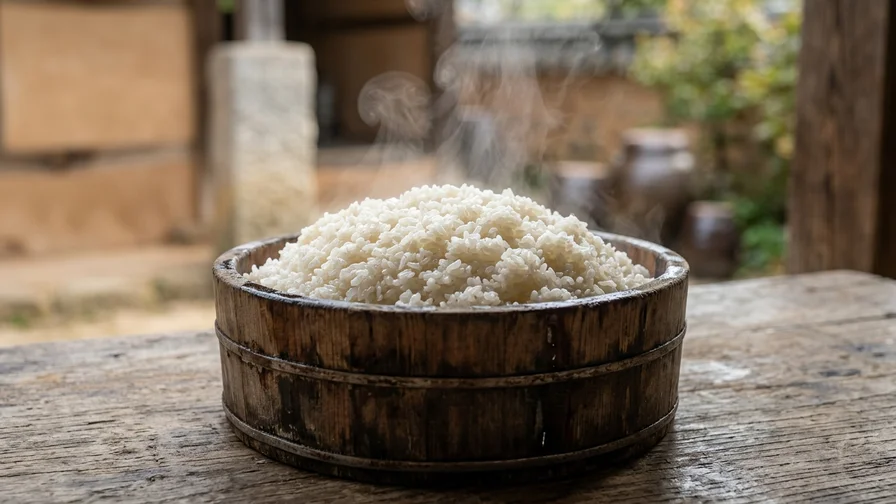
Most brewery experiences require advance reservation. International travelers should check ahead whether language support is available.
Key Steps
- Find a brewery: You can search for regional breweries and hands-on programs on The Sool (thesool.com), the official traditional liquor portal run by Korea’s Ministry of Agriculture, Food and Rural Affairs. Searching “Brewery” on Google Maps or Naver Map alongside this is also helpful.
- Check language support: Confirm whether English, Japanese, or Chinese guidance is available through the official website or social media. A phone inquiry is the most accurate way.
- Make the reservation: Book via the official website, Naver Booking, phone, or email. Clearly communicate the number of visitors, the date, the time, and your preferred program.
- Confirm the reservation: Keep the confirmation email or text message.
General Information
- Operating hours: Usually 9 a.m. to 6 p.m. Weekends and public holidays may differ.
- Experience cost: Depending on the program, around 15,000–70,000 KRW per person, typically in the 20,000–30,000 KRW range (as of June 2026). The fee often includes ingredients, tasting, and a portion of the alcohol you brewed yourself.
- Duration: Usually 1 hour 30 minutes to 2 hours, including brewing and tasting.
- Note on group size: Many small breweries only accept groups of 4 or more, or larger parties (10–15 people or more). Solo or pair travelers should always confirm the minimum group size before booking.
Recommended Breweries for Foreign Travelers
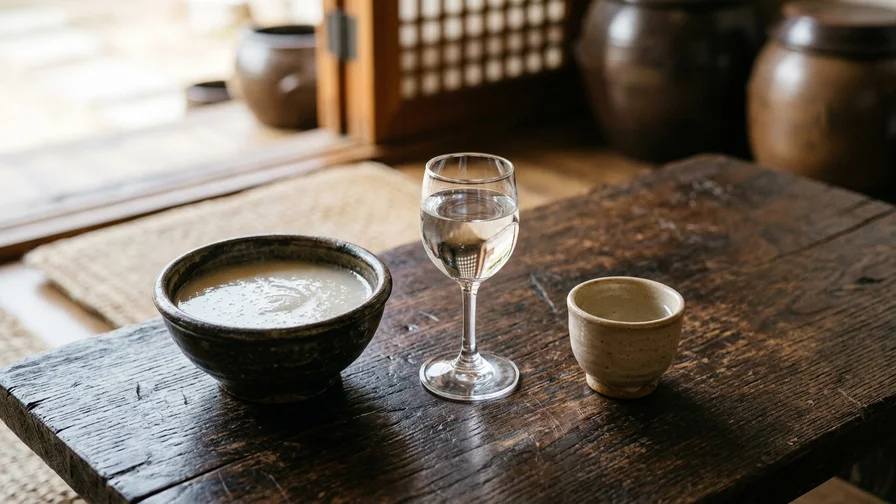
The places below have confirmed operations. Always check the official channels for the latest operating details and reservation availability before visiting.
1. Andong — The Andong Soju Museum and Master Andong Soju
Andong Soju is Korea’s signature distilled soju, with its flagship product reaching 45% ABV. Andong has two Andong Soju sites you can visit.
- Andong Soju Museum (Folk Liquor Andong Soju) — A site with a museum, hands-on workshop, and tasting room. The easiest option for independent travelers.
- Master Andong Soju Brewery (Pungsan-eup) — Tasting and exhibition hall viewing are free. Paid experiences such as traditional liquor brewing (25,000 KRW) and a cocktail class (15,000 KRW) are only for groups of 15 or more, with phone reservations required at least 5 days in advance (054-856-6903). Best suited for group trips or guided tours.
| Address | 71-1, Gangnam-ro, Andong-si, Gyeongsangbuk-do — Andong Soju Museum |
| Google Maps | Google Maps Link |
| Admission | Free entry, tasting available. Open 09:00–18:00, closed every Monday (verified October 2026; calling ahead is recommended) |
| Main Experience | Soju making (about 1 hour), distillation tour, tasting |
| Experience Cost | Inquire by phone (054-858-4541). Cancellations and refunds available up to 2 days before the experience date |
| Language Support | Inquire in advance for English tour availability |
| Reservation | Advance phone reservation required for the experience; no reservation needed for museum viewing |
Getting There
From Seoul:
- Train: Take the KTX-Eum from Cheongnyangni Station to Andong Station. About 2 hours, 25,100 KRW for standard class (as of June 2026). Some trains depart from Seoul Station.
- From Andong Station: About 10 minutes by taxi to the museum. City bus routes change frequently, so checking real-time directions on the KakaoMap or Naver Map app is the most reliable approach.
Nearby Restaurants
- Mammoth Bakery 📍: A famous bakery in downtown Andong (338, Gyeongdong-ro). Its signature item is the cream cheese bread — a beloved Andong treat with soft bread filled with cream cheese. Checking the closing days before visiting is recommended.
- Andong Jjimdak Alley 📍: An alley inside Andong Old Market lined with specialty restaurants serving jjimdak (braised chicken with vegetables and soy sauce, where chicken, vegetables, and glass noodles are simmered in a soy-based sauce). It pairs well with Andong Soju. About 10 minutes by taxi from Andong Station.
Hahoe Village is a 30-minute drive from the museum
If you are traveling to Andong, consider adding the UNESCO World Heritage Hahoe Folk Village to your itinerary. It is about a 30-minute drive from the Andong Soju Museum.
2. Sansawon — Baesangmyun Brewery’s Pocheon Traditional Liquor Museum
Sansawon is a traditional liquor museum and garden operated in Pocheon by Baesangmyun Brewery, famous for its “Slow Village Makgeolli.” Its standout feature is “Sewollang,” an outdoor walking path lined with some 400 liquor jars, and you can brew, taste, and buy liquor all in one place.
| Address | 25, Hwadong-ro 432beon-gil, Hwahyeon-myeon, Pocheon-si, Gyeonggi-do |
| Google Maps | Google Maps Link |
| Admission | 08:30–17:30, closed on major holidays. Entry fee 3,000–4,000 KRW for adults, free for minors (as of June 2026; confirming on-site pricing is recommended) |
| Main Experience | Gayangju (home-brewed liquor) making, fruit wine making, seasonal liquor making, tasting |
| Experience Cost | Gayangju making, 120 minutes, 30,000 KRW per person; fruit wine making, 120 minutes, 45,000 KRW (as of June 2026). Minimum 4 people, reservation at least 1 week in advance |
| Language Support | Conducted in Korean by default; inquire in advance for foreign language support |
| Reservation | Advance reservation via the official website or phone required for experiences; no reservation needed for viewing only |
Getting There
From Seoul:
- Bus: From Dong Seoul Bus Terminal, take an intercity bus bound for Ildong and get off at Ildong Terminal. Runs 27 times daily (first bus 06:30, last bus 20:00, as of June 2026), taking about 1 hour 30 minutes.
- From Ildong Terminal: About 4 km to Sansawon, 5–10 minutes by taxi.
Pocheon has relatively poor public transit access, so a rental car or a group tour bus may be more convenient. However, if you plan to taste, the driver must not have even a single sip (see the drunk driving notice below).
On-site and Nearby Restaurants
- Sansawon 1st floor tasting bar and market: On the first floor of the museum, you can taste and purchase Baesangmyun Brewery’s makgeolli, yakju, and distilled spirits.
- Idong Galbi Village 📍: A spot gathering specialty restaurants serving Pocheon’s renowned Idong galbi (marinated beef ribs, grilled beef short ribs marinated in seasoning). About 15 minutes by car from Sansawon.
3. Hansan Sogokju — Seocheon
Hansan Sogokju is a yakju said to have been passed down since the Baekje era in Hansan-myeon, Seocheon-gun, Chungnam. With its sweet taste, it is famously nicknamed “the sit-down liquor” — meaning you cannot get up from your seat after drinking it. The Hansan-myeon area is home to dozens of sogokju breweries, making it a rare “brewery village” in Korea.
- Hansan Sogokju Gallery: A comprehensive promotion center run by Seocheon-gun (21-1, Chungjeol-ro 1173beon-gil, Hansan-myeon). The gallery displays and sells sogokju from over 70 Hansan-myeon breweries, and free tastings rotate among five breweries each week (based on a Kyunghyang Shinmun report, September 2024).
- Sogokju brewing experience: Held every Saturday at 2 p.m., 30,000 KRW per person (as of June 2026). Groups of 10 or more can also apply for weekdays and Sundays. The liquor you brew is aged for 100 days and then shipped to a domestic address, so for short-term travelers without a delivery address in Korea, it is more practical to focus on on-site tasting and purchasing.
- Samhwa Brewery: The first brewery in Hansan-myeon to start sogokju experiences. It runs everything from short tasting-focused sessions (1 hour, around 20,000 KRW) to brewing experiences. Advance phone reservation required.
Getting There
- Train: Travel from Yongsan Station to Seocheon Station on the Janghang Line.
- From Seocheon Station: About 14 km to Hansan-myeon, roughly 20 minutes by taxi. There are also rural buses, but they run infrequently, so a taxi is recommended for international travelers. For exact bus times, check the Seocheon-gun culture and tourism website or the tourist information line 1330.
4. Enjoying It in Seoul — The Sool Gallery and Traditional Liquor Bars
If you do not have time to travel to a regional brewery, you can experience traditional liquors from across the country in one place in Seoul. Even brands whose breweries do not regularly offer public tours — such as Gwangjuyo Group’s premium distilled soju “Hwayo” — can be sampled at the venues below.
- The Sool Gallery: An official promotion center run by the Ministry of Agriculture, Food and Rural Affairs (18, Bukchon-ro, Jongno-gu, Seoul, a 2-minute walk from Anguk Station Exit 2). Open Tuesday–Sunday 10:00–19:00, closed Mondays, January 1, and on major holidays. Free tasting sessions are held on the hour from 12 p.m. to 6 p.m., and the 3 p.m. and 4 p.m. sessions are conducted in English (as of June 2026). Apply via Naver Booking or by phone (02-555-2283). The most recommended starting point for international travelers.
- Baekgom Makgeolli 📍: A traditional liquor pub in Apgujeong Rodeo. With a list of over 300 traditional liquors, you can pick anything from premium distilled soju like Hwayo to regional makgeolli. Closed Sundays.
For Enthusiasts: Master Distillers’ Hometowns
The places below are the homes of liquors protected by National Intangible Heritage holders or designated food masters. These are not regular tourist programs, so a phone inquiry before visiting is essential.
- Jeonju Igangju: One of the three great traditional liquors of the Joseon era, brewed with pear, ginger, cinnamon, and honey. Master Jo Jeong-hyeong (Food Master No. 9) brews it in Jeonju, and visits require an advance phone inquiry.
- Dangjin Myeoncheon Dugyeonju: A National Intangible Heritage liquor brewed with azalea flowers. It was used as a banquet drink at the 2018 inter-Korean summit. At the Myeoncheon Dugyeonju Training Center, you can learn its history and try the experience, and every April around the time the azaleas bloom, you can watch a free public demonstration of the brewing.
- Gimpo Munbaeju: A National Intangible Heritage distilled liquor brewed with foxtail millet and sorghum. A prior inquiry is needed for tours.
Additional Information for Foreign Travelers
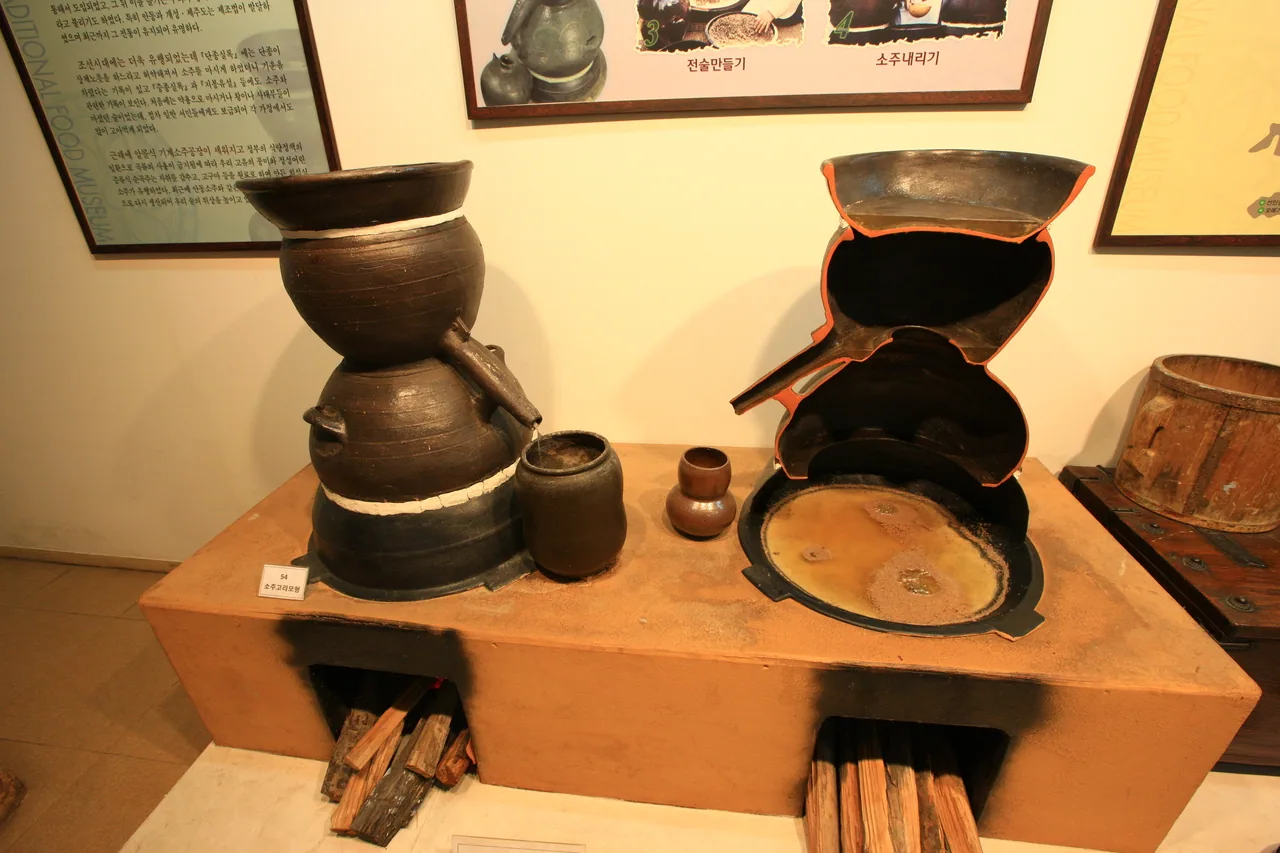
Drinking Age and Tasting Rules
- Legal drinking age: Drinking is permitted from January 1 of the year you turn 19 (based on Korea’s “year age” counting). Tasting rooms may ask for ID, so carry your passport.
- Never drive after tasting: Korea’s drunk driving threshold is a very strict blood alcohol level of 0.03%. Even a few tasting cups can exceed it. If you plan to tour breweries by rental car, the driver should give up tasting entirely, or separate tasting days from driving days.
Taking Bottles Home
- Not allowed in carry-on: Liquids exceeding 100 ml cannot be brought in carry-on luggage. Pack purchased liquor so it won’t break and place it in checked baggage. Alcohol exceeding 70% ABV is banned from air transport altogether.
- Duty-free limits: Follow the alcohol duty-free limits of the country you are entering — check your home country’s customs regulations before departure. For reference, Korea’s entry limit is a total of 2 liters and under USD 400 (as of June 2026).
Transportation
For taxis, calling one through the Kakao T app is the standard. It supports foreign-issued card payments and sign-up for foreigners, so international travelers can use it too, and the Uber app also works in Korea. In smaller regional towns, asking your hotel or a tourist information center to write your destination in Korean and showing it to the driver is a sure bet.
When you need help with transportation, tourist information, and more, you can call the Tourist Information Line 1330 for foreign language support including English, Japanese, and Chinese. (When calling within Korea, dial 1330 with no area code.)
Food Pairing
In Korea, different types of alcohol are paired with certain foods. Try the combinations below at restaurants near a brewery or at a pub in Seoul.
| Alcohol | Recommended Food | Description |
|---|---|---|
| Makgeolli | Pajeon, Kimchi-jeon | A classic pairing, especially on rainy days. The makgeolli cuts through the oiliness of the pancake. |
| Cheongju | Hoe, Grilled Fish | The clean taste of cheongju complements the delicate flavors of seafood. |
| Distilled Soju | Samgyeopsal, Bossam | The high alcohol content cleanses the palate from the rich flavor of pork dishes. |
Before you go, find a brewery on The Sool (thesool.com), book experiences in advance by phone or Naver Booking, and confirm whether foreign-language guidance is available.
Some photos © Korea Tourism Organization (KOGL Type 1)