Enjoy Jeju Cutlassfish Like a Local, Galchi-jorim and Galchit-guk
목차
Key Takeaways
- Jeju cutlassfish dishes prize eun-galchi (silver hairtail) caught one by one on a hand line so the silvery scales stay intact. Braised Hairtail (갈치조림, galchi-jorim), Grilled Hairtail (갈치구이, galchi-gui), and Hairtail Soup (갈칫국, galchitguk) are the three pillars.
- If spicy food isn’t your thing, go for the mild Hairtail Soup; for a rich, savory sauce choose Braised Hairtail; and for the fish’s pure flavor, pick the salt-grilled Grilled Hairtail.
- Autumn is peak season, when the fish is plump and rich. There’s a roughly month-long fishing ban in summer that can reduce the wild supply, so it’s worth checking before you go.
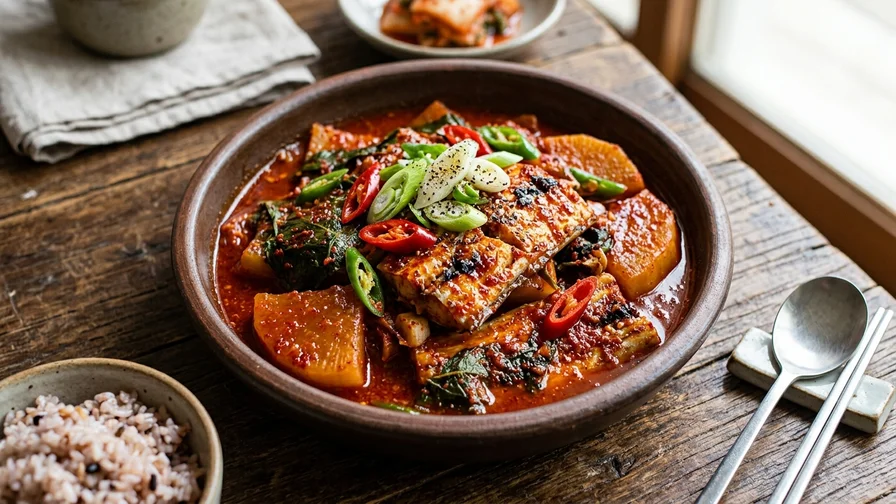
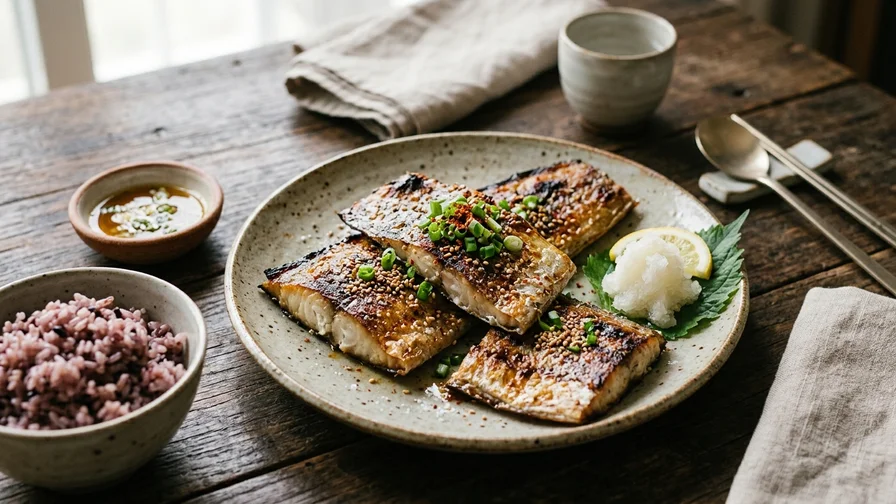
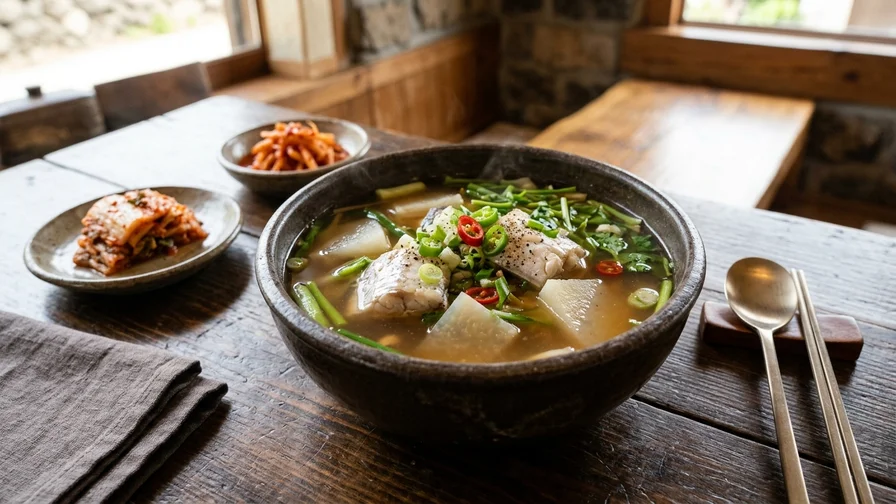
For many visitors, the first thing to seek out after landing and dropping their bags is a Jeju cutlassfish dish. When our foreign friends first see this long, flat, silvery sword-shaped fish, they ask, “What is this?” — but one bite and their faces change. With this single guide, you’ll be able to tell Braised Hairtail, Grilled Hairtail, and Hairtail Soup apart without confusion, debone the fish cleanly, and decide where to eat — from Moseulpo 📍 all the way to Seogwipo. From the first spoonful of warm broth to the last bite of rice, let’s sit down at the table and go through it together.
The Story of Jeju Cutlassfish: Silver Hairtail and Hand-line Fishing
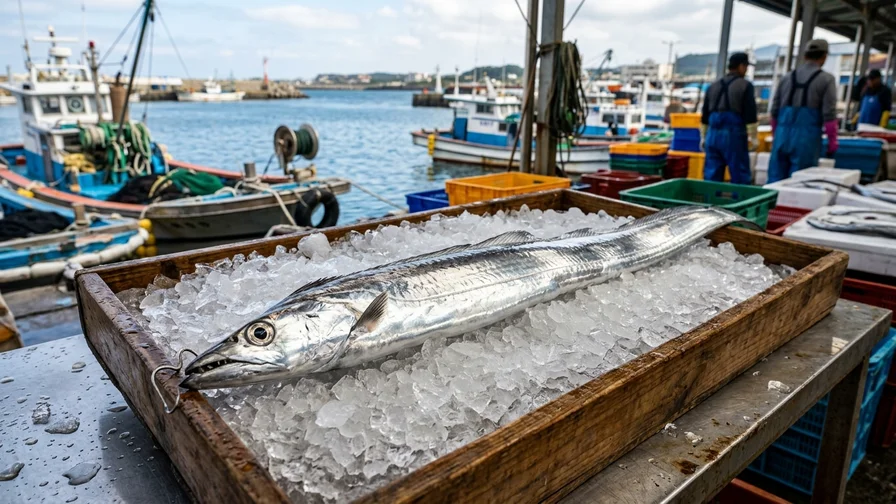
Galchi (cutlassfish or hairtail in English) is a long, flat fish shaped like a silvery sword. Jeju is one of the top cutlassfish-producing regions, so when people say “it tastes different here,” there’s a real reason behind it. Just watching the silver-flashing fish in a market alley is a treat for the eyes.
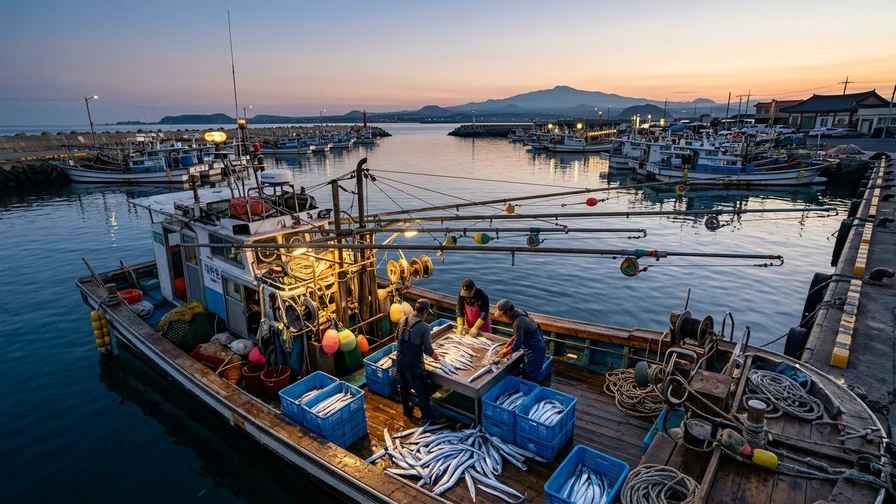
The thing foreign readers find most confusing is the difference between eun-galchi (silver cutlassfish) and meok-galchi (dark cutlassfish). They aren’t different fish — they’re the same cutlassfish caught in different ways. Eun-galchi is caught by hand line, hooked one at a time, so its silvery scales (the silver sheen) stay intact. Meok-galchi, on the other hand, is caught in large nets in places like Mokpo, so its scales rub off and it looks darker. Both are delicious, but on Jeju, eun-galchi is considered the premium grade. If the silver sheen is still bright and beautiful on the menu board or in the tank, it’s likely a hand-line eun-galchi.
Cutlassfish is rich in protein and unsaturated fat, so for the people of Jeju it has long been both a hearty meal and a restorative food. An autumn dawn at Moseulpo Harbor begins with workers cleaning the freshly landed eun-galchi. The sight of scales glinting like mirrors in the sunlight is a sign that Jeju’s autumn has truly begun. You really need to meet this fish in season, in the fall when it’s plump, to appreciate its true worth.
Which Cutlassfish Dish Should You Choose
Handy Korean phrases for the restaurant
- Galchi-jorim (gal-chi-jo-rim) — “갈치조림 2인분 주세요” (“Two servings of braised cutlassfish, please.”)
- Galchi-gui (gal-chi-gu-i) — “갈치구이 한 마리 주세요” (“One grilled cutlassfish, please.”)
- Galchit-guk (gal-chit-guk) — “갈칫국 1인분 가능해요?” (“Is one serving of cutlassfish soup possible?”)
- Not spicy — “안 맵게 해주세요” (“Please make it not spicy.”) / Hold the chili — “고추 빼주세요” (“Please leave out the chili.”)
To communicate allergies, you can say:
- “저는 [견과류] 알레르기가 있어요.” (I have a [nut] allergy.)
- “이 음식에 [새우] 빼주세요.” (Please remove [shrimp] from this dish.)
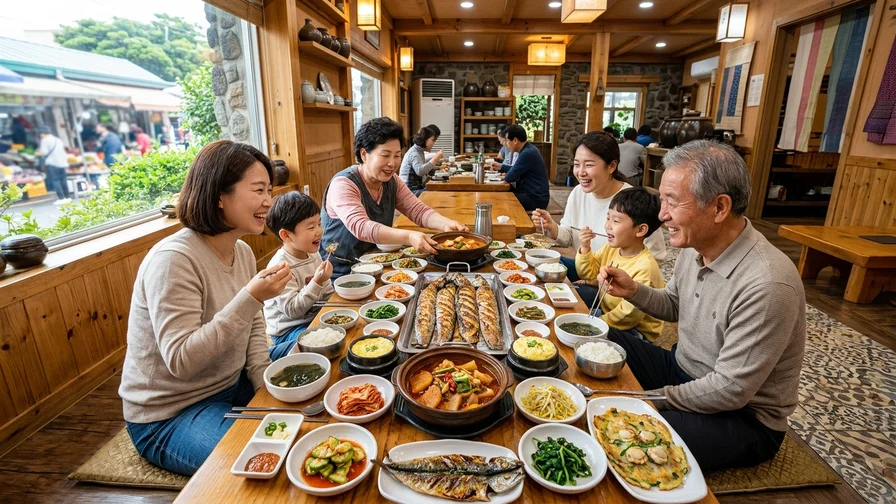
Jeju cutlassfish dishes break down into three classics (braised, grilled, soup) plus one bonus (cutlassfish sashimi). Just choose based on your taste and how much heat you can handle. With a group, it’s nice to order one braised dish along with a grilled one or a soup and share.
Galchi-jorim (Braised Cutlassfish)
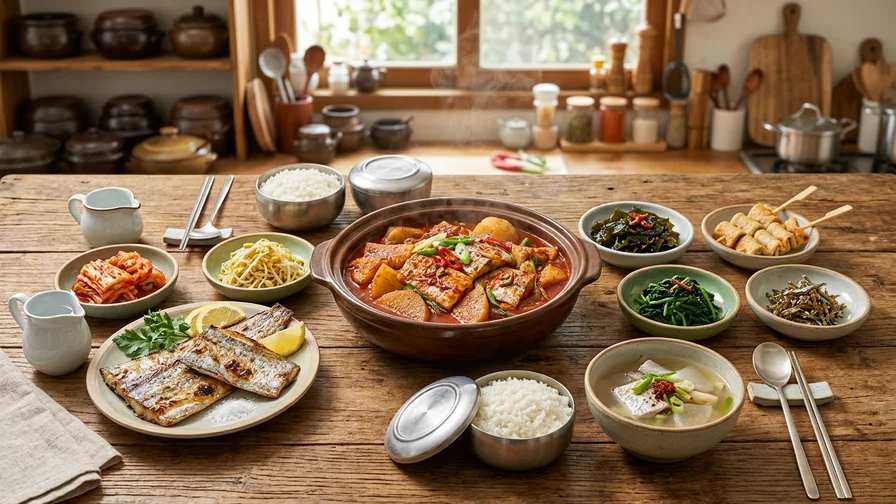
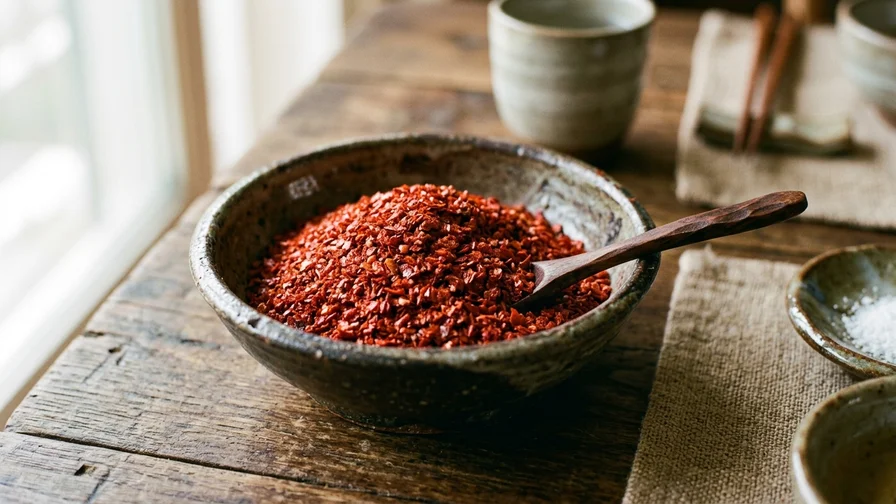
Galchi-jorim is cutlassfish simmered over a bed of radish and potato in a sweet-and-spicy sauce. Scooping up sauce-soaked radish together with the fish makes the rice disappear fast. It’s usually ordered in a medium or large size for two to three people. This is our top recommendation for anyone who loves a bit of heat. The sauce contains Chili Powder (고춧가루, gochutgaru) and soy sauce (soybean), so do check if you have a soy allergy.
Galchi-gui (Grilled Cutlassfish)
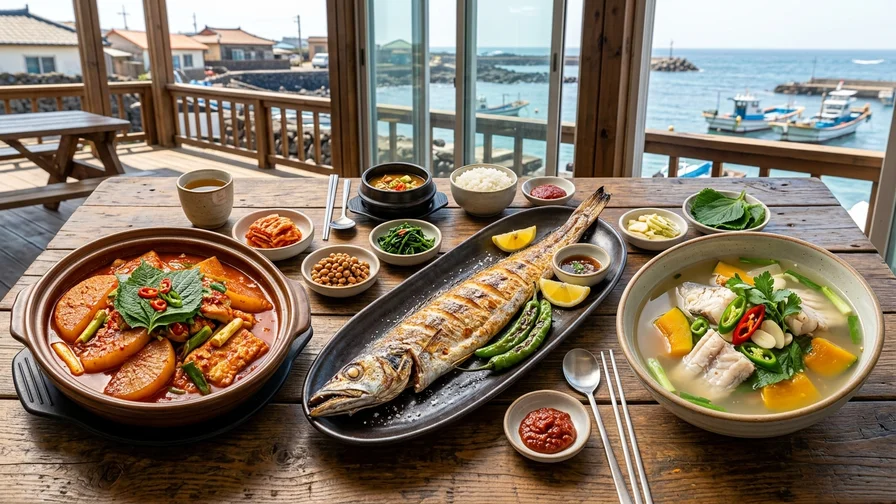
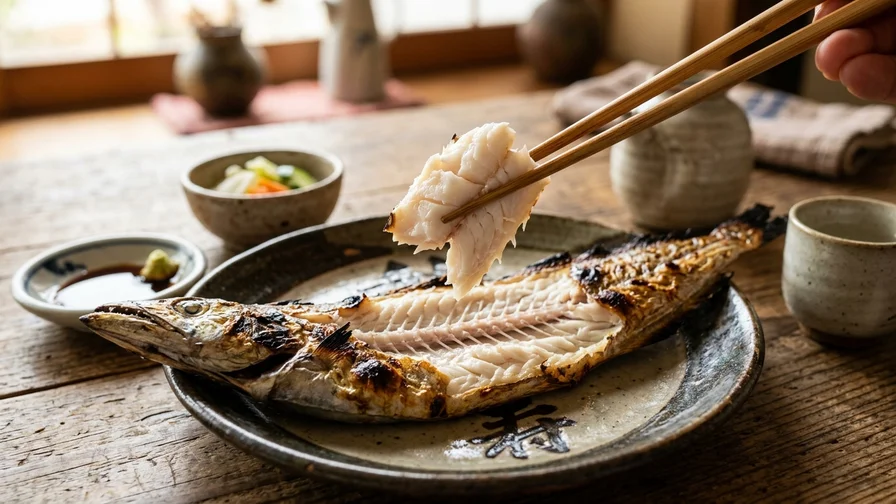
Galchi-gui is, by default, grilled with just a sprinkle of salt. There’s also a whole grilled cutlassfish version, grilled long and intact, where a single fish fills the entire plate for a striking presentation. Whole grilled cutlassfish is often a pricier dish meant for three to four people to share, so order it as something distinct from the single-serving salt-grilled version. Since it’s seasoned with nothing but salt, you can enjoy the fish’s own nutty, rich flavor — great for those who can’t handle spice. The skin is crisp while the flesh inside is soft as milk.
Galchit-guk (Cutlassfish Soup)
Galchit-guk is the most homegrown of all Jeju dishes. It’s a clear broth where Cheongyang chili tames any fishiness, simmered with old pumpkin or napa cabbage for a refreshing taste. People hearing about it for the first time are surprised — “Fish in a clear soup?” — but the pumpkin and Cheongyang chili together knock out the fishy smell, so the broth comes out clear with hardly any heat. If you’re very sensitive to spice, you can ask to leave the chili out when ordering. The English word “soup” makes it sound light, but for the people of Jeju it’s a hearty, comforting home-cooked dish that warms you from the inside.
Galchi-hoe (Cutlassfish Sashimi)
Cutlassfish has a delicate constitution and dies quickly once caught. That’s why galchi-hoe (cutlassfish sashimi) is a rare treat you can only find right at the source on Jeju, and only when the fish is truly fresh. You’re most likely to encounter it at restaurants near harbors like Moseulpo and Seogwipo, between autumn and early winter when the cutlassfish is at its plumpest. It isn’t available everywhere, so consider it a stroke of luck if you find it and give it a try. If raw fish is new to you, start with the grilled or braised version; if you’re an adventurer who loves fresh raw seafood, work your way up to the sashimi.
| Dish | Flavor | Best for |
|---|---|---|
| Braised Hairtail | Sweet and spicy | Spice lovers, pairing with rice |
| Grilled Hairtail | Nutty, clean | Those who prefer mild flavors |
| Hairtail Soup | Clear and refreshing, not spicy | Those who can’t eat spicy food |
| galchi-hoe | Fresh and raw | Sashimi adventurers |
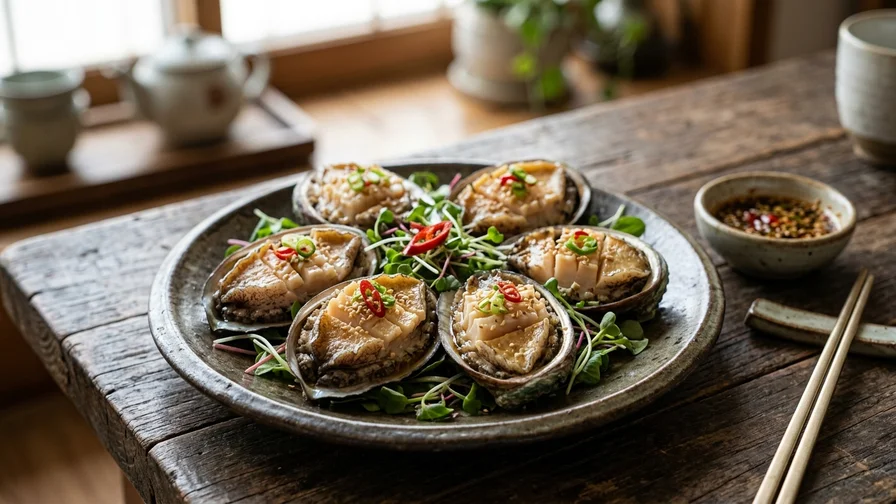
Let me add a note on allergies. Cutlassfish is a fish, so anyone with a fish allergy should be careful with all cutlassfish dishes. Cutlassfish is a scaled, fleshy vertebrate fish, so its allergens differ from those of crustaceans like shrimp and crab, or shellfish like Abalone (전복, jeonbok). Having a crustacean allergy doesn’t automatically mean you must avoid cutlassfish, but if you react to fish itself, be cautious. All cutlassfish dishes use fish as the main ingredient, so they aren’t suitable for vegetarian or vegan diets, and ordinary cutlassfish restaurants are not halal- or kosher-certified, while the braising sauce may contain cooking wine. The complimentary side dishes can also contain salted seafood (shrimp or anchovy), nuts, or sesame, so if you have related allergies or dietary restrictions, check with the staff before ordering.
How to Enjoy It
When a group is split on how much spice they can handle, ordering one medium galchi-jorim along with a separate bowl of galchit-guk works well. The spice lovers mix the braised dish into their rice, while those who can’t take heat reach for the clear cutlassfish soup. It’s a combo that keeps everyone happy at one table, which makes it a handy choice when dining out with a mixed group.
How to Bone It and Eat It Properly
The bones can make cutlassfish intimidating, but once you understand its structure it’s surprisingly easy. Cutlassfish has a thick central spine, and the flesh splits cleanly into two sides along it. Follow these steps and even first-timers won’t have any trouble.
- With your chopsticks, first find the line of the spine, then lift off the upper flesh in chunks along that line.
- Once you’ve eaten the upper flesh, lift the thick spine out in one piece and the lower flesh stays clean and intact.
- There may be small bones left, so chew slowly and thoroughly and use your tongue to pick them out.
- For galchi-jorim, the best way is to scoop up the sauce-soaked radish along with the flesh and place it on top of your rice.
One more tip: eat grilled cutlassfish while it’s hot, because the flesh comes off the bone more easily. Once it cools, the flesh firms up and deboning becomes trickier. In galchit-guk the flesh is gently cooked and soft, making it easy to scoop with a spoon, and ladling rice into the broth to eat with the pumpkin is wonderfully filling.
A key part of Korean dining culture is banchan (반찬), a variety of free side dishes served before the main course, and most are refillable. To ask for more, you can say, “이 반찬 좀 더 주세요” (I ban-chan jom deo ju-se-yo / “Please give me more of this side dish.”).
Where to Eat
Restaurants serving Jeju cutlassfish dishes are scattered all across the island. Famous spots cluster around the harbor of Moseulpo (Daejeong Hamo-ri), the cutlassfish hub; near Seogwipo Maeil Olle Market 📍; in Jeju City’s old downtown; and in Pyoseon and Aewol. Below are real restaurants confirmed on Google Maps, so use them as a reference for location and hours. Opening hours, prices, and whether a place is operating can change, so we recommend double-checking on Google Maps before you visit. Popular spots can have long waits at lunch (12–1 p.m.) and dinner (6–8 p.m.), so either avoid those times, or — if calling in Korean feels daunting — ask your accommodation staff to make a reservation.
Negeori Sikdang 📍 (Negeori Sikdang) is a 10-minute walk from Seogwipo Maeil Olle Market 📍. It’s open daily from 07:00 to 21:40, so it’s great for a hearty meal early in the morning or late at night. Galchi-jorim runs about 55,000 won (around $40, for two) for a medium and about 65,000 won (around $47, for three) for a large, making it ideal for sharing among a group. Its signature is a traditional braise with a deep, rich sauce.
Deokseung Sikdang 📍 (Deokseung Sikdang) is near Hamo Harbor in Moseulpo. It’s closed on Tuesdays and open the rest of the week from 8 a.m. to 9 p.m. Pricing is lighter on the wallet, at around 50,000 won (about $36) for galchi-jorim for two, and it’s known as a spot that serves fresh cutlassfish right by the harbor.
Moseulpo Budu Sikdang 📍 (Budu Sikdang) is a galchi-jorim specialist of more than 30 years near Moseulpo Harbor 📍. On Thursdays it’s dinner-only, from 5 p.m. to 9:30 p.m., and the rest of the week it’s open from 10 a.m. to 9:30 p.m. As you’d expect from a long-established braise specialist, the depth of its sauce is what sets it apart.
Jeong-Gae 📍 (Jeong-Gae) is in Samdo 1-dong in Jeju City’s old downtown. It’s closed on Wednesdays, so keep that in mind when planning your route. It’s conveniently located for travelers looking for cutlassfish dishes within Jeju City.
Yeongmogine 📍 (Yeongmogine) is in Tosan-ri, Pyoseon-myeon, open daily from 10 a.m. to 9 p.m. Its location fits nicely into an east-coast drive, making it a good stop when you’re exploring the Pyoseon and Seongsan direction.
Jeju Manseon Galchi 📍 (Jeju Manseon Galchi) is in Gwakji-ri, Aewol. It’s open daily from 10 a.m. to 9:30 p.m. It’s close to Aewol’s seaside café strip, making it a great route for enjoying a cutlassfish spread after taking in the ocean.
Among the long-standing eateries in Moseulpo or near the markets, some prefer cash over cards or don’t have an English menu. Bring a little cash, and if the menu has you stumped, pointing at the menu photos on Google Maps or using Google Translate makes things much easier. Most of the larger restaurants in the city center accept cards and mobile payments.
Transport and Access: A Guide for Foreign Visitors
Moseulpo is about a 50-minute to 1-hour drive from Jeju Airport. By public transport, there are trunk-line buses heading toward Moseulpo from the Jeju Intercity Bus Terminal, but since many of the best cutlassfish restaurants are by harbors or on the outskirts, getting there by bus alone takes a long time. For exact routes and real-time schedules, searching “Jeju Airport → Moseulpo Harbor” or “Jeju Airport → Seogwipo Maeil Olle Market 📍” on Naver Maps or Google Maps will show that day’s bus numbers and departure times directly, so following that is the surest way to move around.
If your itinerary involves hitting several outlying restaurants, a rental car is the most convenient option. Note, though, that foreigners need an International Driving Permit, and it can’t be issued after you arrive in Korea, so you must get it in your home country before you depart. The taxi app KakaoT often requires a Korean phone number and a domestically issued card for sign-up and payment, which can be difficult for short-term travelers, so also consider airport taxi stands or hailing a taxi on the street. For navigation, Google Maps is the most reliable, and since reservations and confirming hours default to Korean, it’s a good idea to also check the opening hours and reviews on Google Maps.
Prices and Tips
Here’s a rough overview of prices for Jeju cutlassfish dishes. Prices vary by restaurant, season, and the going rate for cutlassfish, so checking before you visit is essential.
- Galchi-jorim usually comes in servings for two to three people. A medium runs about 50,000–55,000 won (around $36–$40) and a large about 65,000–75,000 won (around $47–$54), which works out to roughly 25,000 won (around $18) per person.
- Grilled cutlassfish and cutlassfish soup can be ordered as single-serving à la carte items, so they’re light on the budget for solo travelers.
Single-serving price guide (for reference): Grilled cutlassfish for one often starts at about 20,000–30,000 won (around $15–$22), and cutlassfish soup for one at about 15,000–20,000 won (around $11–$15). A whole cutlassfish set runs about 25,000–40,000 won per person (around $19–$30) depending on the restaurant and the size of the fish, so confirm the exact price with the restaurant before you go.
- “Inbun” means “per person,” and braised dishes are often sold by the number of diners rather than à la carte, so stating how many people you are first makes ordering go smoothly.
The seasonal tip can’t be left out either. Cutlassfish is plumpest, richest, and most delicious in autumn. The cutlassfish fishing ban has been fixed by the Ministry of Oceans and Fisheries since 2016, running for one month every year from July 1 to 31. That said, there are exceptions by gear and region — such as hand-line fishing — so even in the same summer some restaurants still receive wild eun-galchi. If you’re visiting in summer, just ask the restaurant whether it’s wild-caught, or check the photo menu on Google Maps.
Jeju cutlassfish is, in itself, a taste that represents the island’s autumn.
Frequently Asked Questions
Which Jeju cutlassfish dishes are not spicy?
Galchit-guk and galchi-gui aren’t spicy. Galchit-guk is a clear broth simmered with pumpkin and napa cabbage for a refreshing taste, with hardly any heat. If you’re very sensitive, you can ask to leave out the chili. Galchi-gui is grilled with just a sprinkle of salt, so it’s even great to eat with kids.
Is eun-galchi really better than meok-galchi?
They’re the same fish and both are delicious. The difference is how they’re caught. Eun-galchi is hooked one at a time by hand line so its scales stay intact, while meok-galchi is caught in nets and looks darker because the scales rub off. On Jeju, hand-line eun-galchi is considered the premium grade, so it tends to cost more.
Can you find cutlassfish sashimi everywhere?
No. Cutlassfish dies quickly once caught, so it can only be served as sashimi at the source on Jeju, and only when it’s very fresh. Not every restaurant offers it, so if you want cutlassfish sashimi it’s best to call ahead or check on Google Maps whether it’s available that day.
Can I buy cutlassfish to take home?
Fresh cutlassfish and vacuum-packed seafood are subject to quarantine in most countries, which restrict or ban their import, so they’re commonly stopped at airport customs. If you’re looking for a gift to bring home, we recommend a shelf-stable processed souvenir that’s more likely to clear customs. Cutlassfish is best enjoyed locally, hot off the grill or stove.
Take the shimmer of the eun-galchi and the refreshing warmth of a bowl of galchit-guk that you’ve learned about today, and put them right on your own table on your next trip to Jeju.
Related reads on this topic
- Jeju Local Food Roadmap, 9 Flavors from Black Pork to the Haenyeo Table
- How to Eat Jeju Gogi Guksu, the Island's Soul-Food Pork Noodle Soup
- How to Enjoy Jeju Mulhoe, Jari-mulhoe and Hanchi-mulhoe
- How to Find and Savor a Jeju Haenyeo Meal Set by the Sea
- Jeju Omegisul Brewing, Tasting Foxtail-Millet Traditional Liquor
- How to Pick Real Jeju Black Pork and 7 Steps to Eat It Right
- Jeju Abalone Dishes and 6 Top Spots, Eaten Like a Local
- Jeju Tangerine and Hallabong, Orchard Cafes and Tangerine Picking
- 8 Must-Try Bites at Jeju Dongmun Market's Night Market
📍 Locations verified — The 9 places featured in this guide were confirmed on Google Maps for their real location and address (Negeori Restaurant, Deokseung Sikdang, Budu Sikdang, Jeong-Gae, Young Mok Yi Nea, Jeju Manseon Galchi and 3 more). Hours and details can change, so check before you visit.