Goryeong Daegaya Festival and the Gaya Tumuli (UNESCO 2023)
Contents
The Goryeong Daegaya Festival is held in spring against the backdrop of the Jisan-dong Tumuli in Goryeong, the heart of the Gaya Tumuli, inscribed on the UNESCO World Heritage List in 2023. The most recent edition ran from March 27 to 29 and drew about 110,000 visitors. This covers festival details, transport, recommended routes, and trusted restaurants. For other seasonal festivals in Korea, see four-season experience festivals.
Goryeong Daegaya Festival: The Essentials
The Goryeong Daegaya Festival is a history and culture festival held in Goryeong-gun, Gyeongsangbuk-do (it was previously known as the “Daegaya Experience Festival”). At the center of the festival are the Jisan-dong Tumuli (Jisan-dong Tumuli), which represent Daegaya among the Gaya Tumuli inscribed as a UNESCO World Heritage site in September 2023. Visitors can walk among the tumuli to see traces of the ancient kingdom and experience daily life of the era through hands-on programs.
- 2026 results: Held over three days, March 27 (Fri)–29 (Sun), under the theme “Daegaya Begins Again: RE-BORN,” with around 110,000 visitors.
- 2027 outlook: Having been selected as a 2026–2027 Culture and Tourism Festival by the Ministry of Culture, Sports and Tourism for two consecutive years, a spring 2027 edition is all but confirmed. Recent editions have fallen in late March to early April, and exact dates are announced on the official festival site (festdgy.com).
What Are the UNESCO World Heritage Gaya Tumuli?
Gaya (the Gaya Confederacy) was a league of small states that existed in the southern Korean Peninsula from the 1st to the 6th century CE. The UNESCO-listed Gaya Tumuli (reference no. 1666) refers to seven burial-mound sites that reveal Gaya’s distinctive political system and culture. The seven sites are as follows.
- Jisan-dong Tumuli, Goryeong, Gyeongbuk (the main stage of this festival)
- Daeseong-dong Tumuli, Gimhae, Gyeongnam
- Marisan Tumuli, Haman, Gyeongnam
- Gyo-dong and Songhyeon-dong Tumuli, Changnyeong, Gyeongnam
- Songhak-dong Tumuli, Goseong, Gyeongnam
- Okjeon Tumuli, Hapcheon, Gyeongnam
- Yugok-ri and Durak-ri Tumuli, Namwon, Jeonbuk
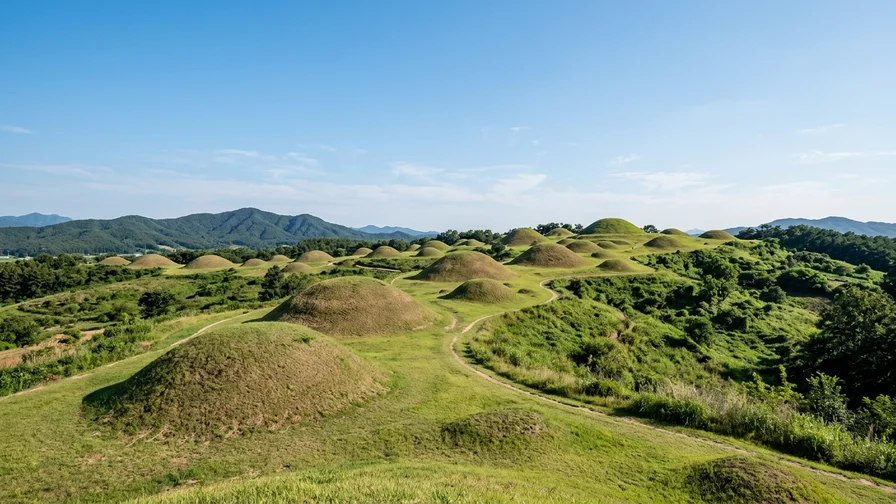
Among these, the Jisan-dong Tumuli were the center of Daegaya (Daegaya, 42–562), and with more than 700 tombs densely clustered along the ridgeline, they offer the most impressive landscape in terms of scale.
Festival Information at a Glance
The table below covers the basics to check before planning your visit (as of June 2026).
| Item | Details |
|---|---|
| Official name | Goryeong Daegaya Festival |
| When | Spring. The 2025 edition was not held because of the wildfires in northeastern Gyeongbuk, and the 2026 edition on March 27–29 was the first in two years. The 2027 dates will be announced on the official site (verified October 2026). |
| Main venues | Daegaya History Theme Park, Daegaya Museum, the Munhwanuri area + Jisan-dong Tumuli |
| Admission | Free entry to the festival grounds. Some hands-on programs charge a fee (varies by activity; check the official guide for that year). |
| Official website | festdgy.com (official Goryeong Daegaya Festival site) |
A Guide to the Festival’s Main Venues
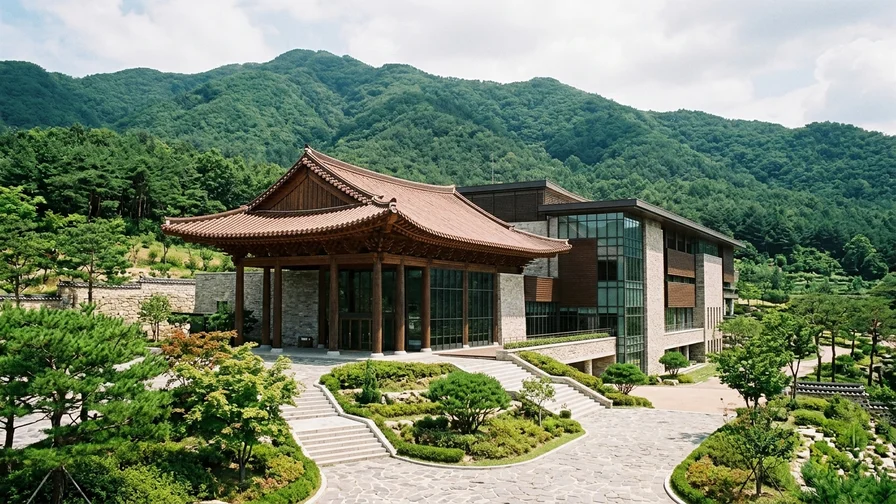
The festival is spread across three main zones, all within walking distance of one another. Even on days without the festival, all three are open to visitors year-round.
1. Jisan-dong Tumuli
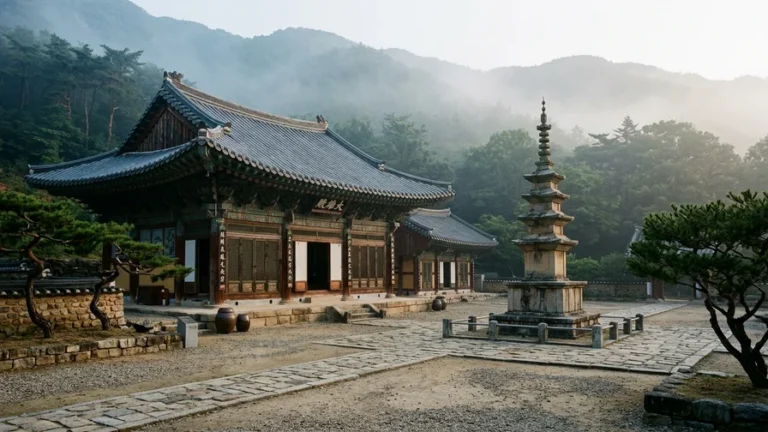
This is the backdrop of the festival and its most important site. Large tombs believed to belong to the kings and ruling class of Daegaya run along the ridge of Mount Jusan. During the festival, historical reenactment parades and performances take place here and in the area below. Even without a special program, simply walking the trail among the tombs is well worth it.
- Don’t miss: The view of the tumuli and the town below from the ridge at dusk. Dozens of burial mounds rising in a row along the ridgeline create a scale rarely seen at other tomb sites in Korea.
- Admission: Free, open year-round.
- Address: Jisan-ri, Daegaya-eup, Goryeong-gun, Gyeongbuk — view Jisan-dong Tumuli on the map
- Dress: The ridge trail is uphill. Comfortable walking shoes are a must.
2. Daegaya Museum
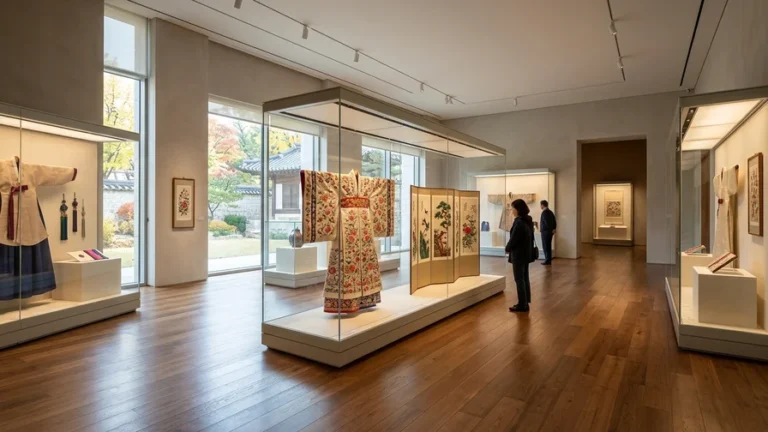
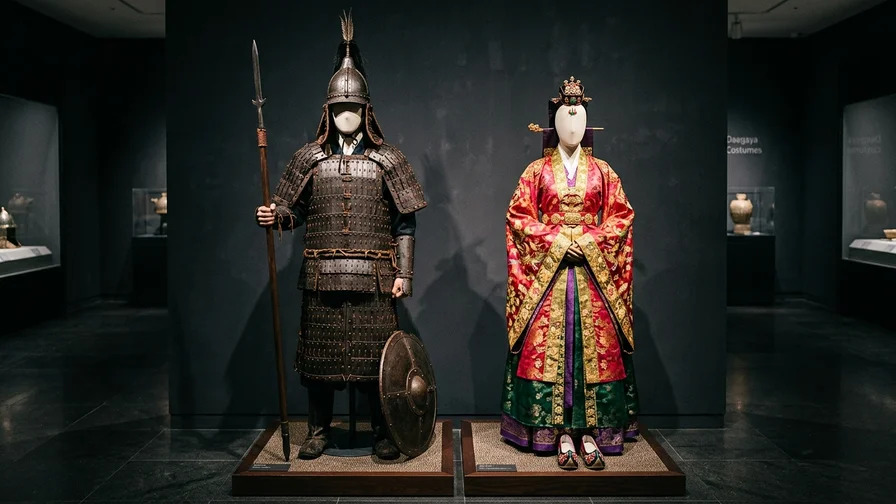
This is where relics excavated from the Jisan-dong Tumuli are exhibited—an essential stop for understanding Daegaya’s history and the custom of sunjang (the burial of attendants with the deceased). A single ticket once covered the Daegaya History Hall (main building), the Daegaya Royal Tomb Exhibition Hall, and the Ureuk Museum, but admission to all of these became free as of February 22, 2024 (previously 3,000 KRW for adults).
- Don’t miss: The Royal Tomb Exhibition Hall—a life-size recreation of the interior of Tomb No. 44 at Jisan-dong, the first large-scale sunjang tomb confirmed in Korea, lets you look right into the spaces where attendants were buried alongside the tomb’s owner.
- Hours: Summer (Mar–Oct) 09:00–18:00, winter (Nov–Feb) 09:00–17:00. Last admission is one hour before closing (as of June 2026).
- Closed: Every Monday (if Monday is a public holiday, the next weekday instead).
- Admission: Free.
- Address: 1203 Daegaya-ro, Daegaya-eup, Goryeong-gun, Gyeongbuk — view Daegaya Museum on the map
- Official info: official Daegaya Museum site (inquiries 054-950-7103)
3. Daegaya History Theme Park
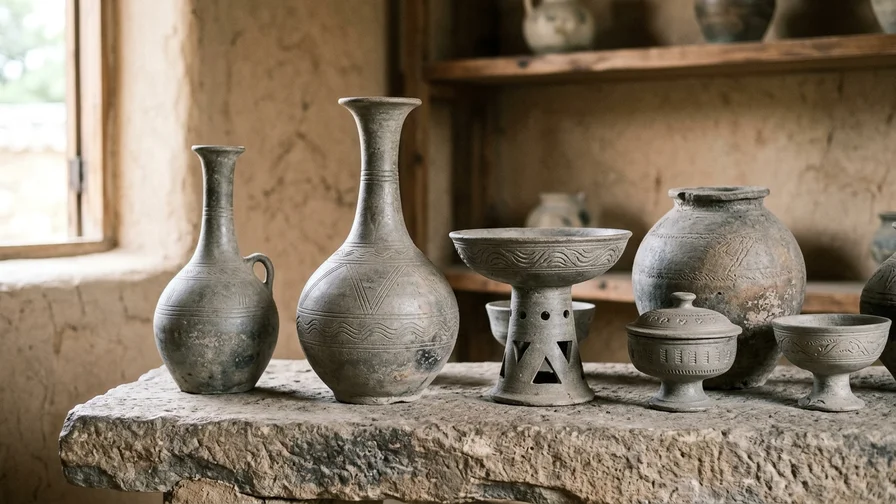
Located across the road from the museum, this hands-on attraction is the festival’s main stage. Opened in 2009, it features permanent facilities such as an ancient village, a kiln experience hall, and pottery and ironware rooms, along with the Daegaya exploration forest trail. Pottery- and ironware-related activities are available even outside the festival period.
- Address: 1216 Daegaya-ro, Daegaya-eup, Goryeong-gun, Gyeongbuk — view Daegaya History Theme Park on the map
- Nearby is the Daegaya Living Village (81 Sinnam-ro), a separate stay-over facility that recreates the everyday culture of the Daegaya era: Daegaya Living Village. As it combines lodging, hands-on activities, and education, it’s worth considering if you’re staying overnight.
Highlight Programs: What Took Place at the Most Recent Edition
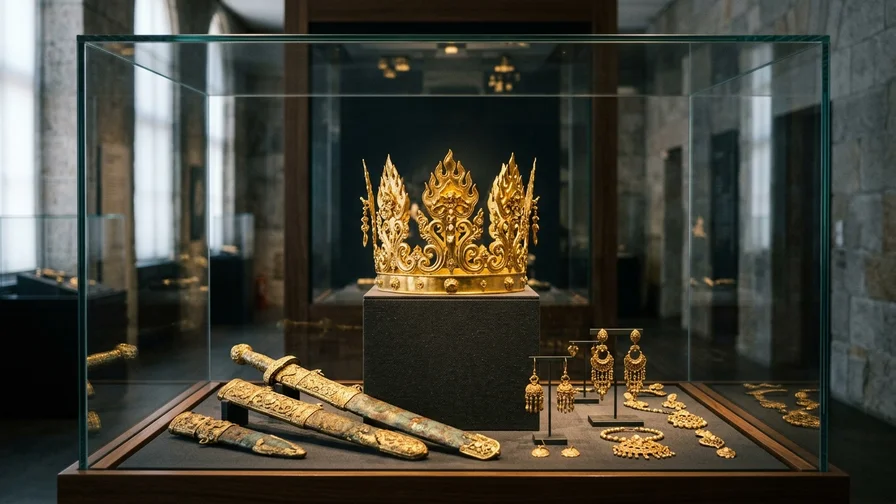
Programs change every year, so the list below reflects what actually took place at the 2026 festival. Use it as a preview of the 2027 lineup.
- Spring Daegaya Royal Ancestral Rite: A reenactment of the ancestral rite offered to the kings of Daegaya, the ceremony that opens the festival.
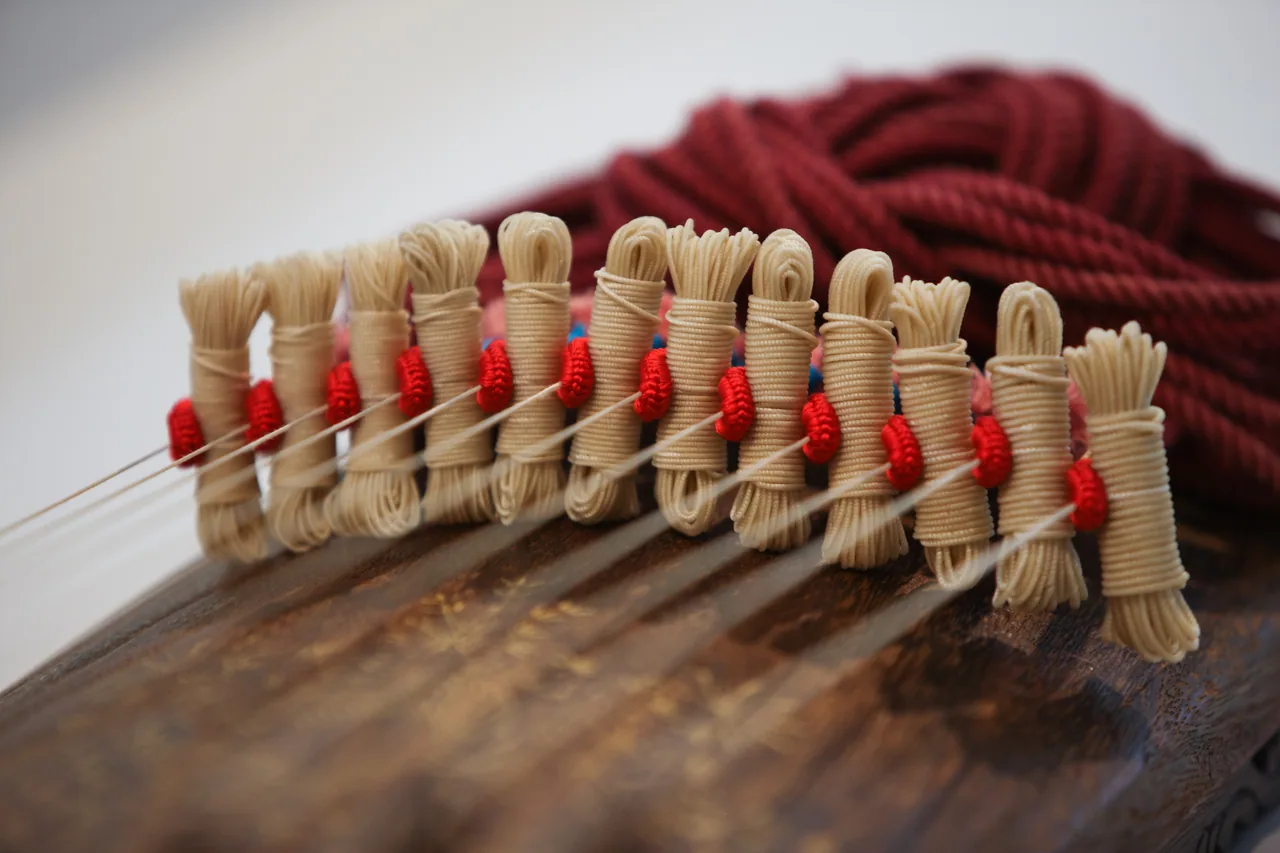
- Gayageum Concert of 100 Players: Fittingly for the hometown of Ureuk, the master musician who created the gayageum (a traditional Korean zither), this is a grand ensemble performance featuring 100 players together.
- History Talk Concert: In 2026, a Daegaya history talk concert was held with Choi Tae-seong, a well-known Korean history lecturer.
- Original Musical “The Stolen Bird” and a residents’ parade: A stage production dramatizing the story of Daegaya, plus a procession in which local residents take part themselves.
- Strawberry Table: A culinary program featuring strawberries, a Goryeong specialty. It was one of the most popular attractions among visitors at the most recent edition.
- Nighttime content: A nighttime tourism program linking the “Daegaya Forest of Light” with a musical fountain. It gives you a reason to stay after dark.
Separately, permanent activities such as making Gaya pottery run year-round in the pottery room, ironware room, and kiln experience hall of the Daegaya History Theme Park. For the most accurate fees and daily schedules, check the on-site information desk or the official festival site.
Getting There: How to Reach Goryeong
Goryeong has no train station, so using Daegu as your base is the most efficient approach. Here is a step-by-step guide for travelers without a car (as of June 2026).
1. From Seoul or Busan to Daegu
First, take a KTX or SRT high-speed train to Dongdaegu Station.
- Seoul Station → Dongdaegu Station: about 1 hour 50 minutes
- Busan Station → Dongdaegu Station: about 50 minutes
2. From Dongdaegu Station to the Seobu Terminal
Buses to Goryeong depart from the Daegu Seobu Intercity Bus Terminal (Seobu Intercity Bus Terminal). From Dongdaegu Station, the subway is the easiest way to get there.
- At Dongdaegu Station, board Daegu Subway Line 1 (toward Seolhwa-Myeonggok).
- About 20 minutes later, get off at Seobu Jeongnyujang Station. Its former name was “Seongdangmot Station,” which may still appear in older guides, but it is the same station, renamed in 2019.
- Take Exit 3, and the terminal building is about a one-minute walk away.
3. From the Seobu Terminal to Goryeong
Intercity buses to the Goryeong Intercity Bus Terminal run frequently from the Seobu Terminal.
- Frequency: 25 times a day (first bus 06:40, last bus 20:00)
- Travel time: about 40 minutes (37 minutes per the timetable, verified October 2026)
- Fare: 4,000 KRW (verified October 2026)
- Booking: Buying a ticket on-site is fine, but you can check times at Bustago (bustago.or.kr).
4. From the Goryeong Terminal to the Festival Grounds
It’s about 1.5 km from the Goryeong Terminal to the Daegaya Museum—roughly a 20–25 minute walk, or about 5 minutes by taxi at around the base fare.
Taxi tips for international travelers
Kakao T supports overseas credit-card registration and a global version (k.ride), so foreign visitors can use it too. That said, in a small county like Goryeong few cars respond to calls, so it’s more reliable to grab a taxi directly at the rank in front of the bus terminal. Just show the driver “Daegaya Museum” or “Daegaya History Theme Park” on your screen.
If You’re Driving
With a rental car, simply set your navigation destination to “Daegaya Museum” or “Daegaya History Theme Park.” Temporary parking lots operate during the festival, but weekends get very crowded, so arriving early in the morning is recommended. Whether shuttles run and how parking is arranged changes each year, so check the official site for notices. Be sure to verify in advance whether your International Driving Permit (IDP) is valid as well.
Recommended Itineraries
Here are two model itineraries to choose from depending on your travel style. They work just as well outside the festival season.
Itinerary 1: A Daegu-based public-transit day trip
- 09:00 Leave your Daegu accommodation, take Subway Line 1 to Seobu Jeongnyujang Station
- 10:00 Board the Goryeong-bound bus at the Seobu Terminal
- 10:50 Arrive at the Goryeong Terminal, take a taxi to the museum
- 11:00 – 13:00 Tour the Daegaya Museum (including the Royal Tomb Exhibition Hall) and stroll the Jisan-dong Tumuli
- 13:00 – 14:00 Lunch at a restaurant in town (see the vetted restaurants below)
- 14:00 – 16:30 Hands-on activities at the Daegaya History Theme Park (pottery, ironware, etc.)
- 16:30 – 17:00 Souvenir shopping and a final stroll
- 17:30 Board the Daegu-bound bus at the Goryeong Terminal (allow time for the last departure)
- 18:30 Arrive at Daegu’s Seobu Terminal—dinner or back to your accommodation
Itinerary 2: A two-day trip by car (combined with Haeinsa Temple in Hapcheon)
- [Day 1]
- Morning: Depart from Daegu or Busan and head to Goryeong (about 1–1.5 hours)
- 11:00 – 17:00: An in-depth tour of the museum, tumuli, and theme park
- After 17:00: Move to accommodation in Goryeong or near Hapcheon, dinner
- [Day 2]
- Morning: Head to Haeinsa Temple (about 40 minutes to an hour by car from Goryeong)
- 10:00 – 13:00: Visit Haeinsa, home to the Tripitaka Koreana, a UNESCO Memory of the World. The cultural-heritage viewing fee was abolished in May 2023, so entry is free (parking fee separate).
- 13:00 – 14:00: Lunch with sanchae bibimbap (rice topped with mountain vegetables and mixed together) at the shops by the Haeinsa entrance
- After 14:00: Move on to your next destination or return to your starting point
Where to Eat Nearby: Vetted Spots Only
There are almost no restaurants right in front of the museum and festival grounds. Eateries are clustered around Daegaya Market in downtown Goryeong, about 5 minutes by taxi or a 20-minute walk from the museum, so it’s easy to fit into a lunch plan. The market also hosts a five-day market on dates ending in 4 and 9, when it’s at its liveliest. Goryeong’s signature dish is sugure gukbap—a rice soup made by simmering the chewy, gelatinous part on the inside of a cow’s hide (sugure) together with congealed blood (seonji), a local specialty that developed at the area’s market.
1. Goryeong Halmae Guksujip
A long-standing eatery with over 70 years of history. It started as a noodle shop but is now even better known for its sugure gukbap. It’s a flagship spot at Daegaya Market that has been featured on TV programs several times.
- Recommended: sugure gukbap, janchi guksu (Korean-style noodles in an anchovy broth with thin somen noodles)
- Address: 29 Sijang 3-gil, Daegaya-eup, Goryeong-gun, Gyeongbuk (054-955-2494, verified October 2026) — Goryeong Halmae Guksujip 📍
2. Goryeong Wonjo Sogure
A sugure specialist inside Daegaya Market. It draws a high share of locals and also serves sugure stir-fried.
- Recommended: sugure gukbap, sugure bokkeum (sugure stir-fried in seasoning, eaten as a side dish or with drinks)
- Location: Inside Daegaya Market — Goryeong Wonjo Sogure 📍
3. Dure Dubu Maeul
A tofu specialist and an easy choice for travelers who find gukbap a bit much. It also serves a set meal of gondre rice cooked in a stone pot.
- Recommended: handmade tofu dishes, gondre dolsotbap (rice cooked in a stone pot with gondre—Korean thistle—greens, mixed with seasoned soy sauce)
- Hours: 10:00–20:00, closed Mondays (as of June 2026)
- Address: 45 Deogun-ro, Daegaya-eup, Goryeong-gun, Gyeongbuk — Dure Dubu Maeul 📍
Rural restaurants sometimes close early when ingredients run out or for personal reasons, so if it’s late afternoon, calling ahead before you go is the safe bet.
Final Checklist: Tips for Travelers
Make use of travel support services
If you run into language issues or an emergency while traveling, use the 1330 Korea Travel Helpline. It operates 24 hours a day, year-round, and offers interpretation in English, Japanese, Chinese, and more. You can get help with transport, attraction information, interpretation, and more. Just dial 1330 from your phone to connect.
- Watch for closing days: The Daegaya Museum is closed every Monday. If you go to Goryeong on a Monday, build your day around walking the tumuli and the theme park.
- Dress: The Jisan-dong Tumuli sit on a hill, so comfortable walking shoes are a must. Even in spring, mornings and evenings can be chilly, so a light jacket is a good idea.
- Carry cash: Cards work at most shops, but some festival stalls and market vendors take cash only. Bring some small bills.
- Comparison with the Daeseong-dong Tumuli in Gimhae: If your trip is centered on Busan, the Daeseong-dong Tumuli in Gimhae are easier to reach. Gimhae is easily accessible from Busan via the Busan–Gimhae Light Rail Transit. The Jisan-dong Tumuli in Goryeong suit travelers with a deeper interest in Daegaya history who are setting out from Daegu.
The Goryeong Daegaya Festival has taken on even greater significance since its UNESCO inscription, and with its consecutive designation as a 2026–2027 Culture and Tourism Festival it now carries government recognition too. Even if the festival dates don’t line up with your trip, the tumuli and the museum are open all year, so this guide works just as well for a visit to Goryeong in any season. Before you set off, do a final check of the schedule and any program changes on the official site.
Some photos © Korea Tourism Organization (KOGL Type 1)