Walking the Bamboo Groves at the Damyang Bamboo Festival
Contents
The Damyang Bamboo Festival is held every early May in Damyang-gun, South Jeolla Province (Jeollanam-do), one of Korea’s most famous bamboo-growing regions. The most recent edition ran from Friday, May 1 to Tuesday, May 5 around Juknokwon, Damyang Gymnasium, and Dambit Music Hall (with activities along the Gwanbangjerim forest), and it has already wrapped up. This guide recaps how the 2026 festival actually unfolded, and also covers the year-round details for Juknokwon, the Korea Bamboo Museum, and the Metasequoia Road that remain useful even outside festival season — plus how to prepare for the 2027 event. All prices and hours are accurate as of June 2026.
Damyang Bamboo Festival: Key Information
Here is a table summarizing the 2026 results and how to check the next festival.
| Item | Details |
|---|---|
| Official Name | Damyang Bamboo Festival |
| 2026 Dates | Friday, May 1 – Tuesday, May 5, 2026 — now ended. The next festival is typically held in early May, with exact dates announced on the official website early each year. |
| Main Venues | Juknokwon (119 Juknokwon-ro, Damyang-eup, Damyang-gun, Jeollanam-do), along with Damyang Gymnasium, Dambit Music Hall, Gwanbangjerim, and other spots around Damyang-eup. |
| Official Website | bamboofestival.co.kr (be sure to confirm the next festival’s dates and program before you go) |
| Admission | Entry to the festival grounds is free. Only the main venue, Juknokwon, charges admission (3,000 KRW for adults), but during the 2026 festival there was a cashback event refunding the full admission fee in Damyang Love gift vouchers. |
Why May? It’s Bamboo Shoot (Juksun) Season
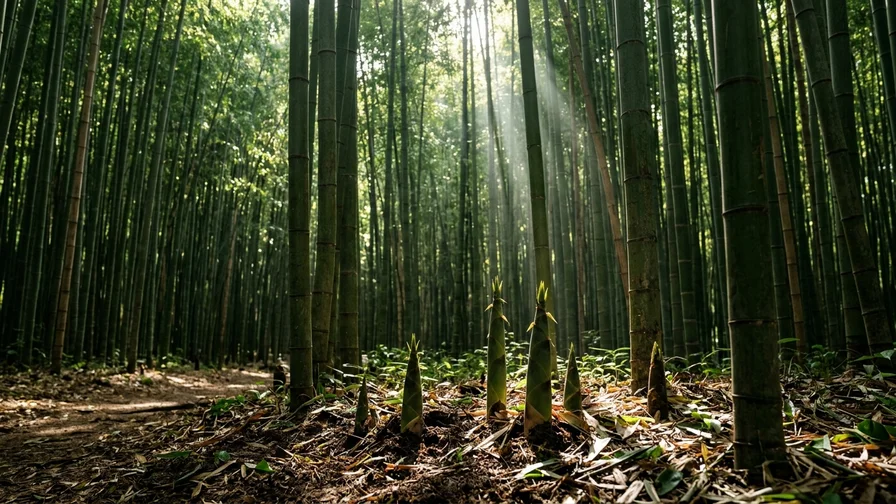
The biggest reason the festival takes place in May is the bamboo shoot (Juksun). A bamboo shoot is the young sprout of a bamboo plant, and it only pushes up through the ground between late April and May. Shoots harvested at this time are crisp and rich in nutrients, prized as a premium ingredient.
Here are the signature bamboo shoot dishes you can sample at Damyang’s restaurants and festival booths during the festival. Even outside the festival, bamboo shoot dishes commonly appear as seasonal side dishes at Damyang-eup restaurants in May and June.
- Juksun-hoe: Fresh bamboo shoots thinly sliced and dipped in spicy vinegar gochujang. This is the best way to enjoy the natural flavor and texture of the shoots.
- Juksun-namul: Boiled bamboo shoots seasoned with perilla oil and soup soy sauce.
- Juksun-buchim: A savory pancake made by mixing finely chopped bamboo shoots into flour batter and pan-frying it.
At the 2026 festival, a cooking competition called “Mat-i Juk(竹)yeojune” (a playful Korean pun meaning roughly “the taste is to die for,” with the character for bamboo) was held using traditional sauces and bamboo shoots, letting visitors compare bamboo shoot dishes side by side.
Main Venues and Programs
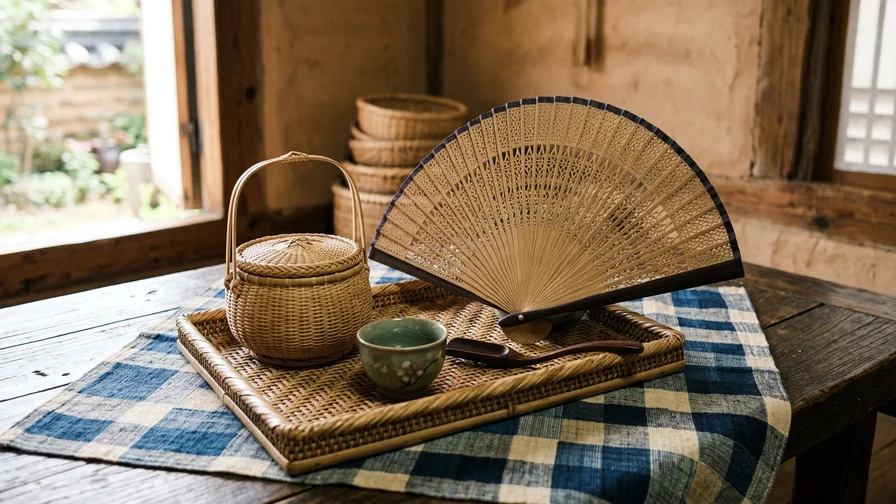
The heart of the festival is Juknokwon and its surroundings. Below, we separate the year-round information you can enjoy even outside the festival from the programs that actually ran during the 2026 festival.
1. Juknokwon — Year-Round Information
A lush bamboo forest spanning about 160,000 square meters, Juknokwon is the festival’s main stage. It is open year-round regardless of the festival. As of June 2026, the operating details are as follows.
- Admission: 3,000 KRW for adults, 1,500 KRW for middle/high school students, 1,000 KRW for children. Free for ages 7 and under and 65 and over.
- Hours: Summer season (March–October) 09:00–19:00, winter season (November–February) 09:00–18:00. No fixed regular closing day announced (check locally for holidays such as national holidays).
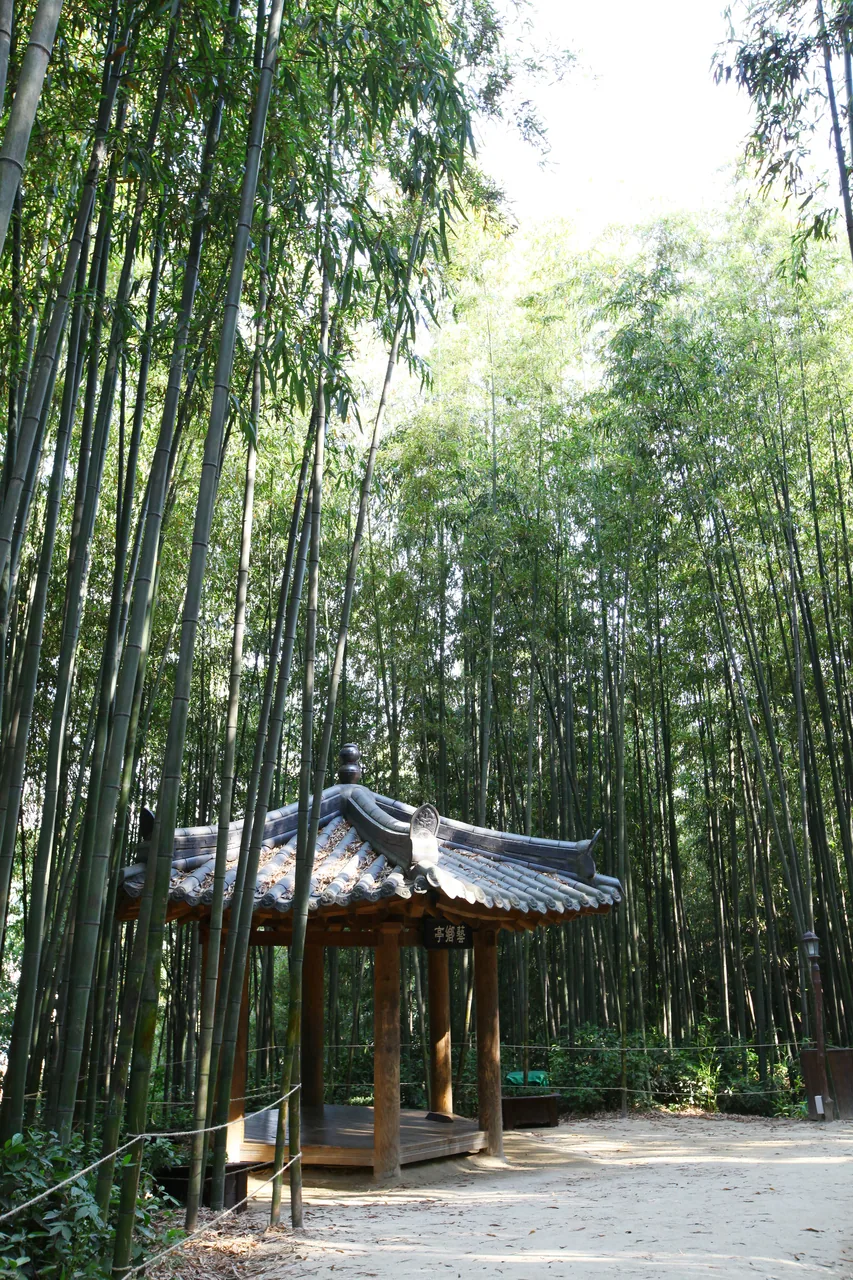
Inside, eight themed walking trails known as the “Eight Paths of Juknokwon” stretch over roughly 2.4 km.
- Unsudaetong-gil (Path of Good Fortune): The main trail that begins at the front gate. Its name carries the idea that walking it brings good luck.
- Jukmagou-gil (Childhood Friends Path): A path perfect for walking together with friends.
- Chueok-ui Saetgil (Memory Lane): A path that recreates old countryside scenery.
- Other paths include the Philosopher’s Path, the Scholar’s Path, and the Path of Unchanging Love.
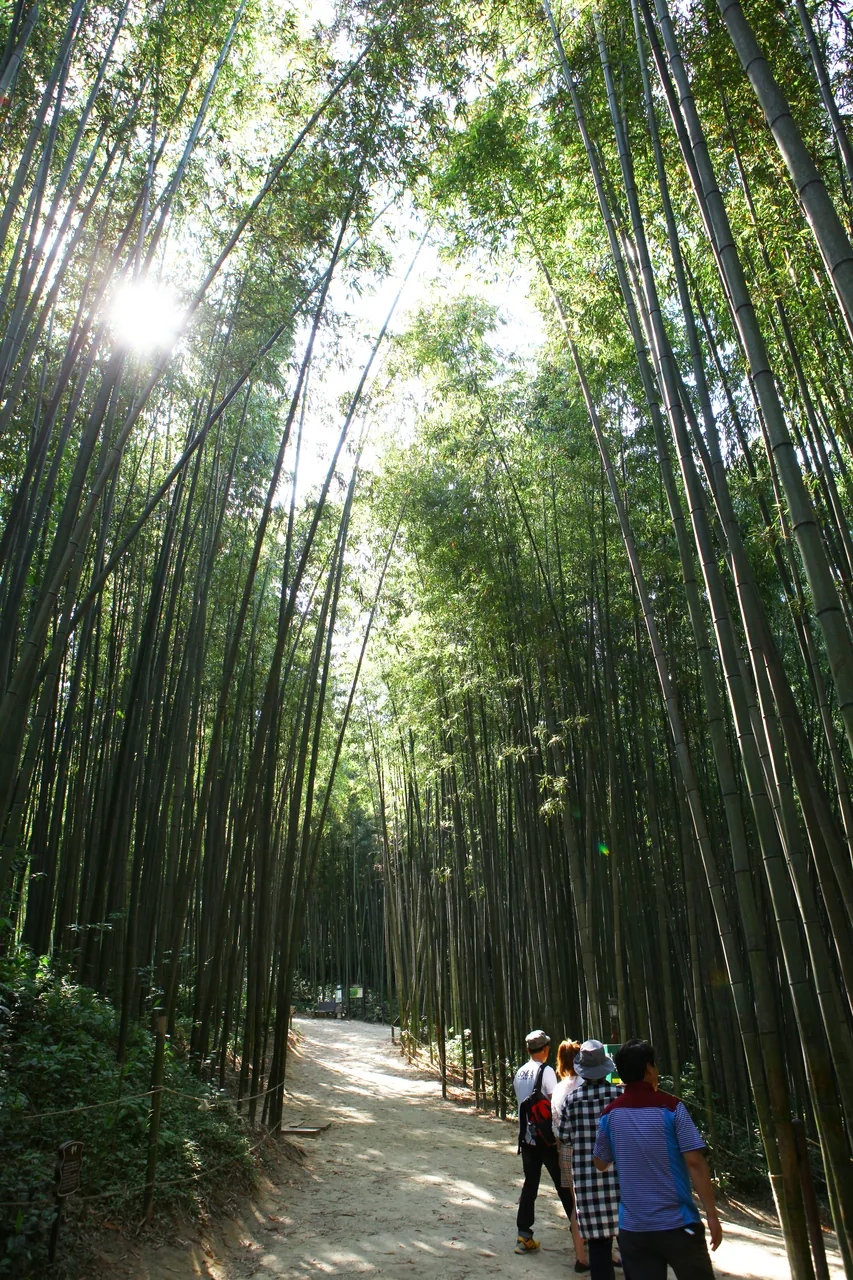
Walking the whole circuit takes about 1 to 1.5 hours. The bamboo grove is so dense that the shade runs deep even at midday, making it pleasant to walk in summer. At the entrance of Unsudaetong-gil, look up to a stretch where bamboo dozens of meters tall completely covers the sky. Within the first five minutes you’ll understand why Juknokwon is synonymous with forest bathing among bamboo in Korea.
2. Hands-On Programs Run at the 2026 Festival
The specific lineup changes each year, but what actually ran in the most recent edition is the best preview of the next festival.
- Bamboo craft experience: Traditional bamboo crafts such as making bamboo water guns and bamboo kites. These were very popular with families traveling with children.
- Bamboo water experience: Bamboo rafts and canoeing on the Damyangcheon stream beside Gwanbangjerim.
- National Speed Drone Competition: A unique drone competition held in a town famous for the traditional material of bamboo, plus drone experiences for the general public.
- Juknokwon night opening: During the festival, the illuminated bamboo trails stayed open until 9 PM; the 3,000 KRW admission fee was refunded as a local voucher (verified October 2026).
3. Performances and Ceremonies
- Juksinje: A traditional ritual praying to the bamboo deity for the festival’s safety and the region’s prosperity. In 2026 it was held on May 2 at the main stage. (verified 2026-10-20)
- Celebratory performances: In 2026, acts including the Yoon Do-hyun Band (YB), Ali, and Nam Jin (all well-known Korean musicians) took the stage, and a drone light show was held on opening day. The lineup is announced each year on the official website.
- Bamboo shoot cooking competition: A cooking competition featuring bamboo shoots was held, adding to the attractions.
How to Get to Damyang
Damyang has no train station, so the standard approach is to go via Gwangju Metropolitan City. The following is based on departing from Seoul (as of June 2026).
1. By Public Transportation (Departing from Seoul)
The most common route is to take the KTX to Gwangju-Songjeong Station, then transfer to a bus.
- Take the KTX: From Yongsan Station in Seoul, take the KTX to Gwangju-Songjeong Station.
- Travel time: about 1 hour 40 minutes to 2 hours
- Fare: 46,800 KRW for standard class (departing from Yongsan, as of June 2026)
- Booking: The official Korail website or the “Korail Talk” app. Tickets often sell out on weekends and during the festival, so booking at least 1–2 weeks in advance is recommended.
- Gwangju-Songjeong Station → U-Square (Gwangcheon Terminal): The Bus No. 311 to Damyang does not pass through Gwangju-Songjeong Station. From the stop in front of the station, take the express Bus No. Jwaseok 02 and get off at the U-Square (Gwangju Comprehensive Bus Terminal) stop. The ride takes about 30 minutes.
- U-Square → Damyang Juknokwon: From the stop near U-Square, take Bus No. 311 (including the 311-1 series and others; look for “311” displayed on the front of the bus).
- Get off at: Juknokwon or Damyang Public Bus Terminal
- Travel time: about 40–50 minutes (standing is not allowed since the route uses the expressway, so wear your seatbelt)
- Frequency: about every 10–20 minutes
- Fare: The Gwangju–Damyang segment incurs a distance-based intercity surcharge (transit cards accepted). For the exact fare and real-time arrival info, search for the “Juknokwon” stop in the KakaoMap or Naver Map app.
- Taxi alternative: A taxi from Gwangju-Songjeong Station to Damyang-eup takes about 40 minutes and costs roughly 30,000–40,000 KRW by the meter. If you’re a group of 3–4, it’s worth considering as a direct, transfer-free option.
2. By Car (Departing from Seoul)
- Travel time: about 3.5 to 4 hours (varies with traffic)
- Main route: Gyeongbu Expressway → Nonsan-Cheonan Expressway → Honam Expressway → Damyang IC
- Parking: The Juknokwon public parking lot is the default, and additional temporary lots open nearby during the festival. However, it gets very crowded during the festival, so arriving early in the morning is best.
- Note for foreign drivers: A valid International Driving Permit (IDP) is required to drive in Korea. For navigation apps, “Naver Map” or “KakaoMap” is more accurate than Google Maps.
Taxis via Kakao T, help via 1330
The “Kakao T” app is the standard for hailing taxis. Since 2024 it supports registering foreign-issued credit cards, and there’s also a separate k.ride app (run by Kakao Mobility) designed for foreign travelers, which you can use without a Korean phone number. The Uber app also works in Korea. If you run into language issues or need help, call the Travel Hotline 1330 — it offers interpretation in English, Japanese, Chinese, and more, 24 hours a day.
Damyang’s Signature Foods and Recommended Restaurants
Beyond bamboo shoot dishes, Damyang is the home of tteokgalbi and daetongbap (bamboo-tube rice). All the restaurants below are verified, real establishments around Damyang-eup (as of June 2026 — hours may change, so confirm before visiting).
1. Tteokgalbi
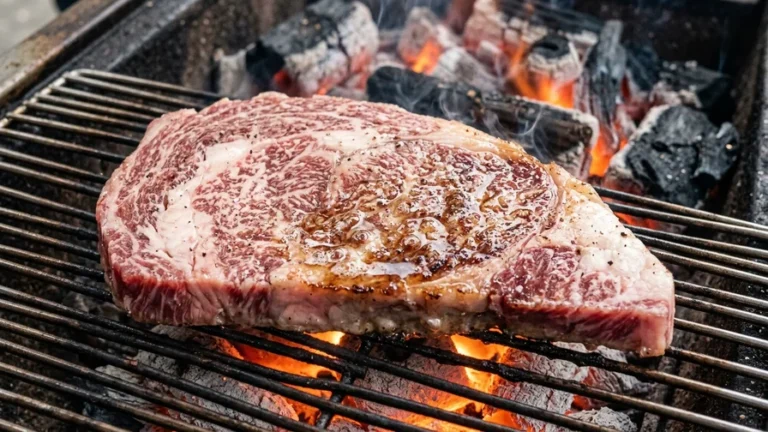
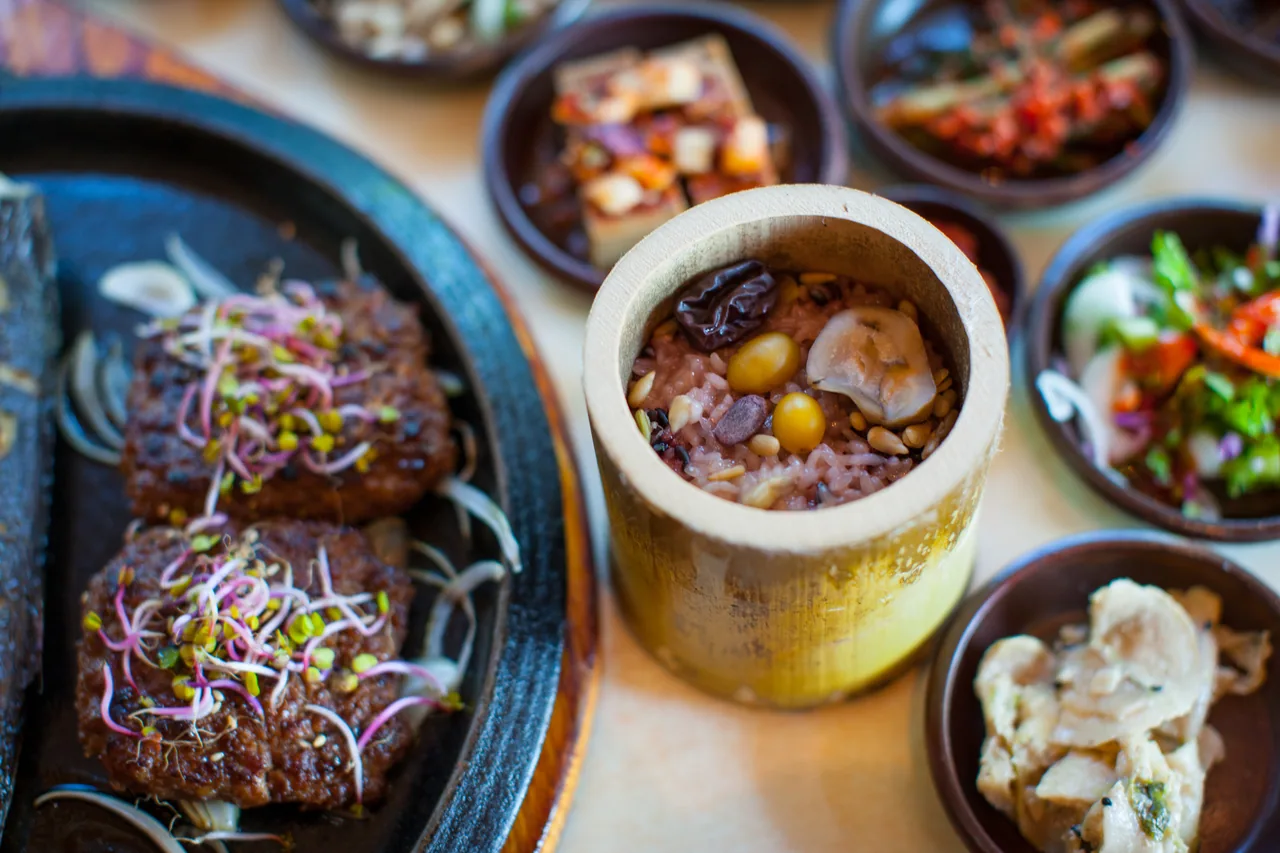
Tteokgalbi is a dish made by mincing beef short rib meat, shaping it like a rice cake (tteok), seasoning it, and grilling it. The Damyang style is known for its tender texture and sweet seasoning.
- Sin Sikdang 📍
- Highlights: Considered the founding house of Damyang tteokgalbi, run by the family for four generations over nearly 100 years. 100% Korean beef (hanwoo) tteokgalbi.
- Address: 18-13 Damju 2-gil, Damyang-eup, Damyang-gun, Jeollanam-do
- Price range: Grilled tteokgalbi 37,000 KRW per person; tteokgalbi soban (tteokgalbi + bamboo-tube rice) 31,000 KRW
- Hours: 11:30–20:00 (break time 15:00–17:00), closed Wednesdays
- Deokingwan 📍
- Highlights: A renowned tteokgalbi house with 60 years of tradition. The tteokgalbi, minced in the traditional way, is grilled once more at your table. The spacious dining room and dedicated parking lot make it convenient if you come by car.
- Address: 1121 Jukhyang-daero, Damyang-eup, Damyang-gun, Jeollanam-do
- Price range: tteokgalbi dishes run from 22,000 KRW (Hanwoo Yakseon Tteokgalbi) to 37,000 KRW (Master’s Traditional Tteokgalbi). Open 11:00–20:30 daily, year-round (verified October 2026)
- Seungil Sikdang 📍
- Highlights: This place specializes not in tteokgalbi but in charcoal-grilled pork ribs, yet its ribs—deeply infused with the aroma of charcoal briquettes—have earned it nationwide recognition as a flagship Damyang restaurant. A great choice when you want something a bit lighter than tteokgalbi.
- Address: 98-1 Jungang-ro, Damyang-eup, Damyang-gun. Hours: 09:30–20:30 (last order 19:40), closed on national holidays (verified October 2026)
2. Daetongbap (Bamboo-Tube Rice)
Daetongbap is a nutritious rice dish steamed inside a bamboo tube with rice, chestnuts, jujubes, ginkgo nuts, and more; it’s also called juktongbap. As it cooks, the bamboo aroma seeps into the rice, giving it a subtle fragrance. In Damyang it’s served alongside tteokgalbi meals or as a full table spread at specialized daetongbap restaurants.
- Hansanggeun Daetongbapjip 📍 — Known as the originator of daetongbap. A full table of rice cooked in a bamboo tube with bamboo shoot side dishes. Hours vary by day of the week, so calling to confirm before visiting is recommended.
- Bangmulgwan Apjip 📍 — A daetongbap specialist with decades of history near the Korea Bamboo Museum. Confirm prices and hours by phone (061-382-1990) before visiting.
Nearby Attractions to Explore Together
Near Juknokwon, several attractions are clustered within walking distance or a short drive. Admission fees and hours are as of June 2026.
1. Metasequoia Road (Metasequoia-gil)
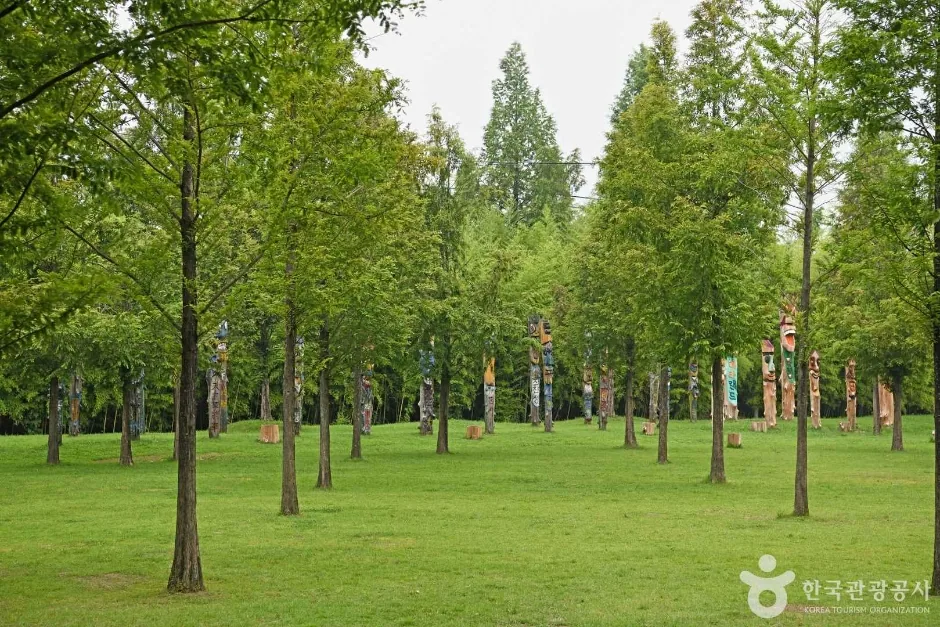
The Metasequoia Road is a tree-lined avenue where about 1,300 metasequoia trees, dozens of meters tall, form a tunnel. The full tree-lined road stretches about 8.5 km, of which a roughly 2.1 km pedestrian-only section closed to vehicles operates with paid admission. It’s beautiful in every season but especially popular in May when the fresh greenery is lush.
- Admission: 2,000 KRW for adults, 1,000 KRW for teens, 700 KRW for children
- Hours: May–August 09:00–19:00, September–April 09:00–18:00
- Getting there: About 5 minutes by car from Juknokwon. To walk, follow Gwanbangjerim (a roughly 2 km riverside forest path lined with centuries-old trees, free) across the Damyangcheon stream from Juknokwon, and it naturally leads to the entrance of the Metasequoia Road. It’s about a 30–40 minute walk, but this stretch is itself a lovely strolling course.
2. Soswaewon
Soswaewon is a place that epitomizes the aesthetics of Korean traditional gardens — a byeolseo (villa) garden built by the mid-Joseon scholar Yang San-bo. It is characterized by minimizing artificial elements so that the natural valley, trees, and pavilions form a harmony. The section beneath the wall beside Ogokmun, where the valley stream flows in unobstructed. The detail of lifting the wall to let the water pass through rather than blocking it captures the philosophy of the Korean garden in a single frame.
- Address: 17 Soswaewon-gil, Gasamunhak-myeon, Damyang-gun, Jeollanam-do
- Admission: 2,000 KRW for adults, 1,000 KRW for teens, 700 KRW for children
- Hours: March, April, September, October 09:00–18:00 / May–August 09:00–19:00 / November–February 09:00–17:00
- Getting there: About 20–25 minutes by car from Juknokwon (Damyang-eup). Bus No. 225, coming in from the Gwangju side, stops at the Soswaewon stop, but with roughly one bus per hour, a taxi from Damyang-eup is the realistic option.
3. Korea Bamboo Museum
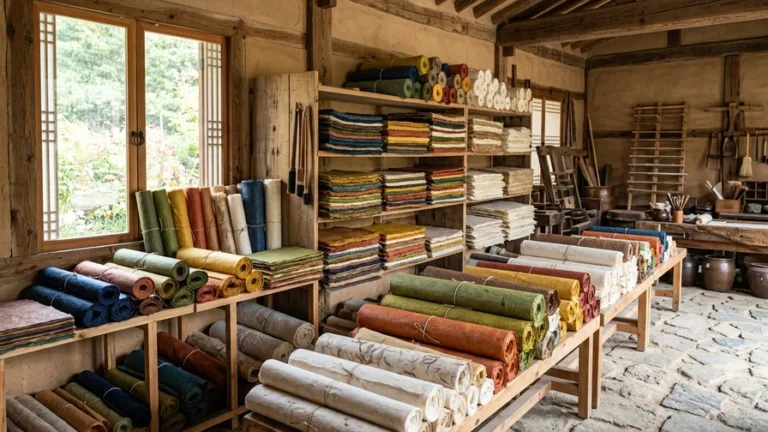
The Korea Bamboo Museum displays bamboo products that Damyang — the home of bamboo craft — has collected over more than 35 years. Across five exhibition halls, award-winning works from the National Bamboo Craft Competition are shown alongside bamboo crafts from China, Japan, Vietnam, and elsewhere, while outdoors there’s a bamboo forest walking path and a bamboo craft experience hall. It’s a great stop when you want to dig deeper into the bamboo crafts you saw at the festival.
- Address: 35 Jukhyangmunhwa-ro, Damyang-eup, Damyang-gun, Jeollanam-do
- Admission: 2,000 KRW for adults, 1,000 KRW for teens, 700 KRW for children (free for ages 6 and under and 65 and over)
- Hours: Formerly 09:00–18:00, open year-round, but the exhibition hall has been closed for renovation since August 2026, with reopening targeted for September 2027. Contact Damyang County Office (061-380-3152) to confirm before visiting (verified October 2026).
- Experiences: Bamboo craft experience classes operate by reservation — inquire with the museum about availability before an individual visit.
Recommended One-Day Itinerary
Here’s a model itinerary for day-trippers using public transportation. It works just as well outside festival season.
- 9:00 AM – Arrive at Gwangju-Songjeong Station, take Bus No. Jwaseok 02 to U-Square
- 9:40 AM – Board Bus No. 311 at U-Square
- 10:30 AM – Get off at the Juknokwon stop and stroll through the bamboo forest (about 1.5 hours)
- 12:30 PM – Lunch (tteokgalbi or daetongbap at a Damyang-eup restaurant)
- 2:00 PM – Walk the riverside forest path at Gwanbangjerim
- 3:00 PM – Arrive at the Metasequoia Road for a stroll and photos
- 4:30 PM – Head to Damyang Public Bus Terminal, take Bus No. 311 back to Gwangju
- 5:30 PM – Arrive at U-Square → transfer to Bus No. Jwaseok 02 → board the KTX to Seoul at Gwangju-Songjeong Station
Final Checklist for Travelers
- Check the official website: If you’re aiming for the 2027 festival, first check the dates and program announced on the official website (bamboofestival.co.kr) early each year.
- Book your transport: KTX tickets sell out early during the festival and the May holidays. Book in advance.
- Reserve accommodation: For an overnight stay or longer, book lodging in Damyang or downtown Gwangju in advance.
- Bring cash: Small shops and street stalls at the festival may not accept cards, so carry some cash.
- Comfortable shoes: Combining the Juknokwon trails, Gwanbangjerim, and the Metasequoia Road, you’ll walk over 5 km in a day. Comfortable footwear is a must.
Check bamboofestival.co.kr for the 2027 dates, announced early each year, and book your KTX and lodging in advance.
Some photos © Korea Tourism Organization (KOGL Type 1)