The Jeonju Bibimbap Festival in the Hanok Village
목차
This guide is written for international travelers planning to visit the Jeonju Bibimbap Festival in October 2026. It covers festival details, transportation, accommodation, restaurants, and things to enjoy at Jeonju Hanok Village, all centered on concrete facts and practical routes. One thing to know first — the festival grounds are not in the Hanok Village but in the area around the Jeonju World Cup Stadium. We’ve also built in a route that ties these two spots together.
Jeonju Bibimbap Festival: Essential Information
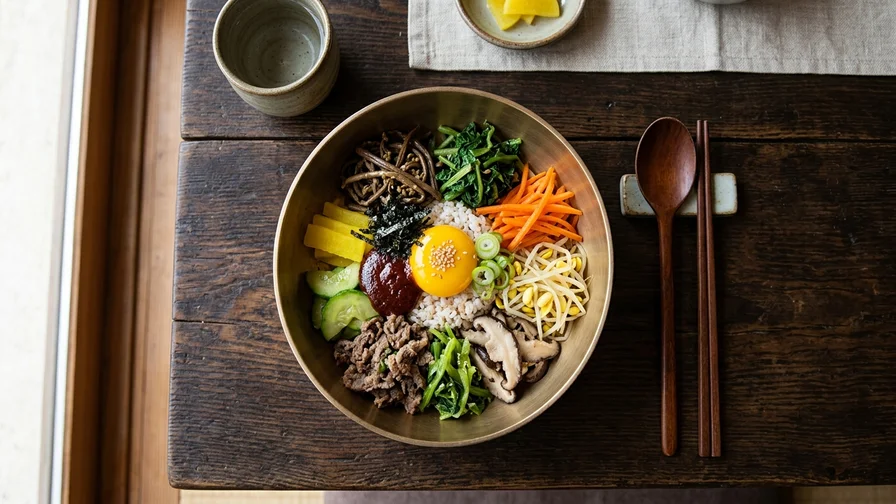
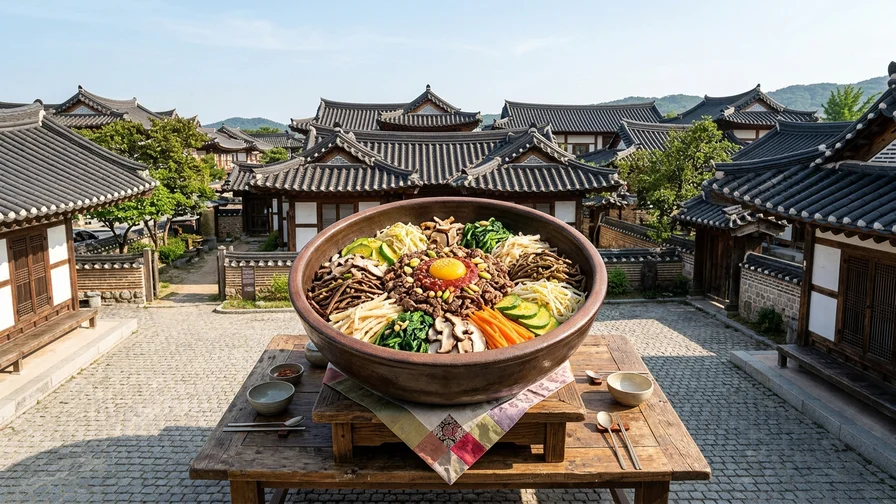
The Jeonju Bibimbap Festival is a food and culture festival held in Jeonju every autumn, centered on Korea’s iconic dish, Mixed Rice Bowl (비빔밥, bibimbap). It used to take place around the Hanok Village, but since 2024 it has moved to the stadium area — the 2025 edition was held around the Jeonju World Cup Stadium, and the 2026 edition is scheduled for the same location.
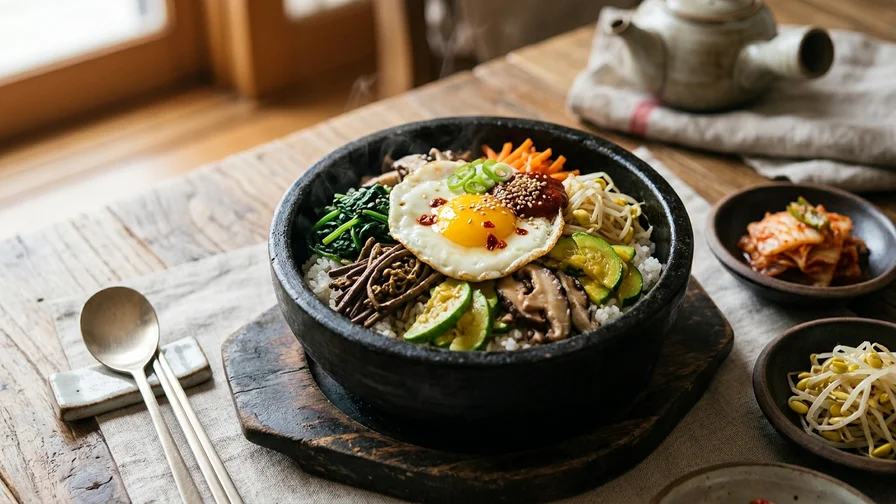
Quick Facts at a Glance
| Item | Details |
|---|---|
| Official Name | Jeonju Bibimbap Festival |
| 2026 Dates | Opens October 2, runs for 3 days (based on the Jeonju City announcement of April 2026 — be sure to confirm final dates via the official announcement) |
| Location | Around the Jeonju World Cup Stadium (not the Hanok Village — see the connecting route below) |
| Admission | Free (some hands-on programs charge a fee — check the official notice for prices) |
| Official Information | Visit Jeonju — Jeonju Bibimbap Festival page (be sure to check the latest info before visiting) |
Highlight Programs (Based on Recent Years)
The lineup changes slightly each year. Below are the signature programs that actually ran at the most recent editions (2024–2025); for 2026 details, check the official page before opening day.
- Giant Mixing Performance: The festival’s flagship event, where hundreds of servings of Mixed Rice Bowl (비빔밥, bibimbap) are mixed in an enormous bowl and shared with the crowd. It happens every single year.
- Mixed Rice Bowl (비빔밥, bibimbap) Making Experience and Cooking Class: A program where you make your own bibimbap under the guidance of a Jeonju culinary master. Open to international visitors, with on-site registration usually available.
- Bibim Parade: A street procession themed around bibimbap ingredients and chefs.
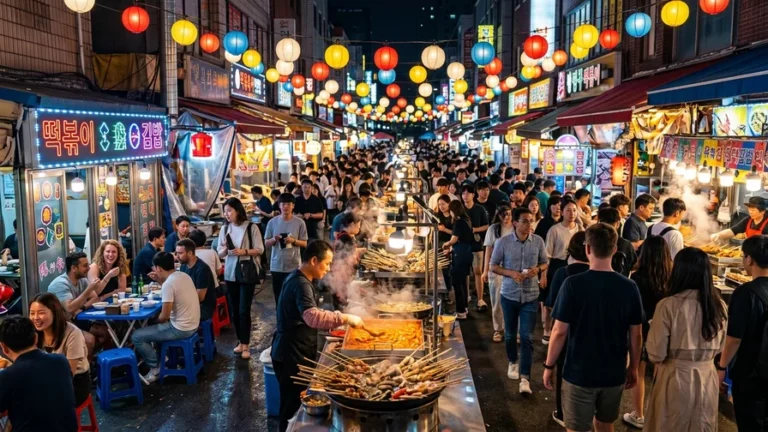
- Jeonju Food Booths: A food zone where, beyond bibimbap, you can taste Jeonju’s signature dishes such as kongnamul gukbap (bean sprout soup with rice) and moju (a sweet hangover drink with about 1.5% alcohol).
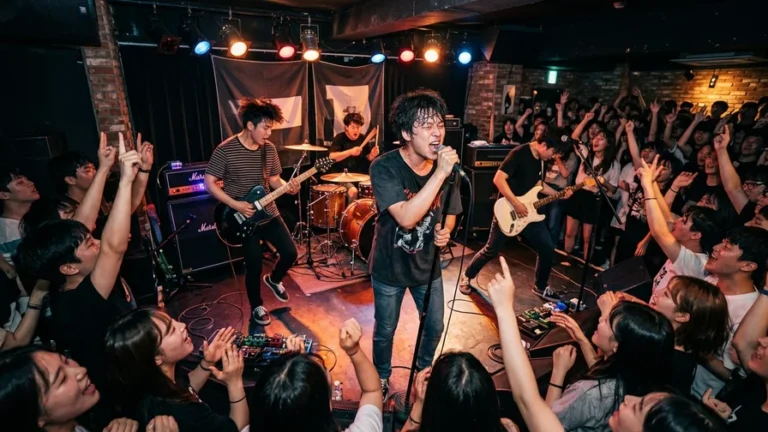
- Performances: A string of attractions including the opening celebration show, traditional Korean music (gugak) performances, and evening shows.
Connecting the Festival Grounds and the Hanok Village
The festival grounds at the Jeonju World Cup Stadium are about 8 km from the Hanok Village, the city’s tourism hub. Combining the two in a single day is the common approach.
- Entry to the Hanok Village is free. The village itself is an open street accessible 24 hours, and only certain facilities such as Gyeonggijeon charge an entrance fee.
- Taxi: About 15–20 minutes from the Hanok Village to the festival grounds. The simplest option.
- Shuttle Bus: A shuttle bus has run at past editions. For 2026, check whether it will operate and which routes it serves on the Visit Jeonju official page above before opening day.
Planning Your Jeonju Trip: Transportation and Accommodation
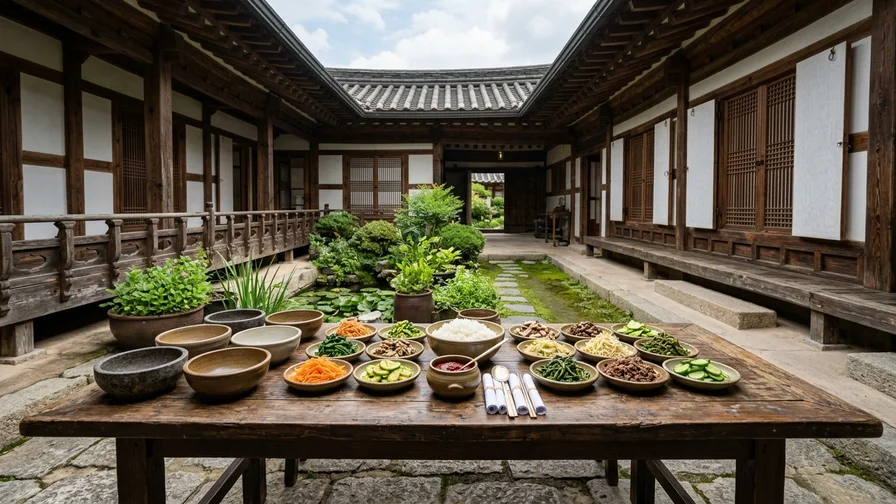
Jeonju makes a great day trip or overnight getaway from Seoul. Taking the KTX high-speed train makes the journey fast and convenient.
How to Get from Seoul to Jeonju
The most common option is to take the KTX from Yongsan Station.
- KTX (High-Speed Train):
- Departure Station: Yongsan Station, Seoul
- Arrival Station: Jeonju Station
- Travel Time: About 1 hour 50 minutes for a direct train (around 2 hours depending on the train)
- One-Way Fare: 34,600 KRW for standard class (as of June 2026)
- Booking: Available on the Korail official website or the “KorailTalk” app. International travelers can book using their passport information. Seats sell out early on weekends and during the festival period, so booking 2–3 weeks ahead is recommended.
- Express Bus:
- Departure Terminal: Seoul Central City Terminal (Honam Line)
- Arrival Terminal: Jeonju Express Bus Terminal
- Travel Time: About 2 hours 40 minutes (can take over 3 hours due to highway congestion on weekends and holidays)
- One-Way Fare: About 22,000 KRW for a premium (udeung) seat (as of June 2026)
- Booking: Available through Kobus (kobus.co.kr), “TmoneyGO,” or the “Bustago” app, but these may require a Korean credit card or phone verification. For international visitors, buying in person at the terminal counter is more reliable.
Getting from Jeonju Station to the Hanok Village
It takes about 25 minutes by bus and 15–20 minutes by taxi from Jeonju Station to the Hanok Village.
- City Bus: From the stop in front of Jeonju Station, take Bus 119 (the fastest and most frequent line linking Jeonju Station and the Hanok Village) or Bus 79, and get off at the “Jeondong Cathedral · Hanok Village” stop. The fare is 1,650 KRW with a transit card and 1,700 KRW in cash (as of June 2026, reflecting the August 2025 increase). A transit card like T-money makes it easy.
- Taxi: The base fare is 4,300 KRW (as of June 2026), and the trip to the Hanok Village runs about 7,000–8,000 KRW.
Editor’s Tip: International Travelers and Kakao T
Kakao T, Korea’s taxi-hailing app, has supported overseas-issued credit card registration and an English interface since 2024, so international visitors can use it as is. If installing the app feels like a hassle, simply catching a cab at the taxi stands at Jeonju Station and the bus terminal works fine too — Jeonju tends to have plenty of empty taxis. If you need help, you can also ask a tourist information center or hotel staff to call one for you.
Accommodation: A Hanok Stay Experience
One of the special experiences of a Jeonju trip is spending a night in a traditional Korean house, known as a hanok stay. The Hanok Village holds roughly 700 hanok houses, and a good number of them operate as accommodations.
- Price Range: Roughly 80,000–200,000 KRW per night, varying by room size and facilities.
- Features: You can experience traditional ondol (under-floor heating), and most places come with modern toilets and shower facilities. Many also serve a simple Korean breakfast.
- Booking: You can search and book under “Jeonju Hanok Village” on global platforms like Booking.com, Agoda, and Airbnb. Festival week fills up early, so booking a month ahead is recommended.
Beyond the Festival: A Guide to Jeonju’s Food and Sights
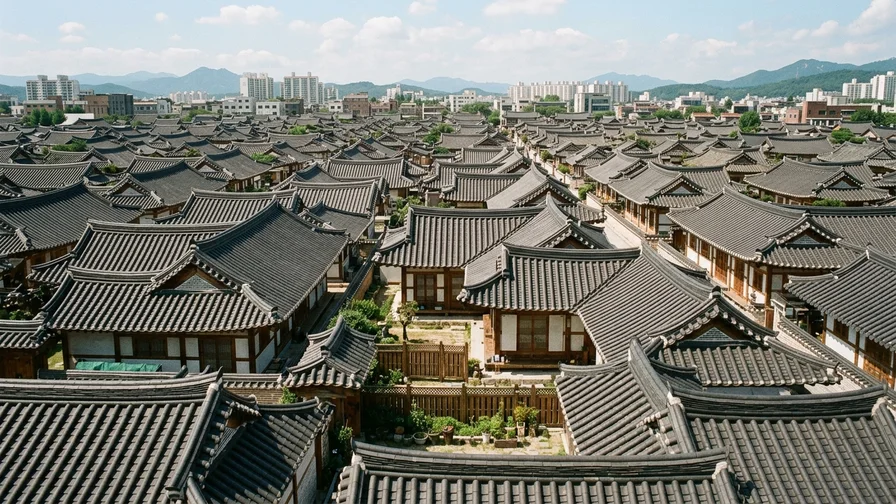
Beyond the bibimbap festival, Jeonju is a city brimming with flavor and charm. As a UNESCO City of Gastronomy, it offers plenty to savor besides bibimbap.
Tasting Jeonju’s Signature Dishes
Here’s a list of foods and food culture worth experiencing in Jeonju.
- Jeonju Mixed Rice Bowl (비빔밥, bibimbap): Jeonju’s emblem — no explanation needed.
- Kongnamul Gukbap: A refreshing rice soup simmered with bean sprouts. Popular as a breakfast and a hangover cure.
- Hanjeongsik: A traditional Korean full-course meal, with rice, soup, and stew served alongside dozens of side dishes.
- Gamaek: Short for “gage maekju” (shop beer). A uniquely Jeonju custom of pairing cheap beer at a neighborhood convenience store with grilled dried snacks like dried pollack and squid. That said, gamaek spots change hands often (even one regarded as the original closed in 2025), so the most accurate way to find one currently open is to ask your accommodation staff or a tourist information center.
- Moju: A hangover drink made by simmering makgeolli with ginger, jujube, cinnamon, and more, lowering the alcohol content to around 1.5%. Sweet and smooth.
- Makgeolli: At Samcheon-dong Makgeolli Alley, ordering a kettle of makgeolli comes with a generous spread of side dishes. Each additional kettle brings a fresh round of snacks, and a table for two runs around 40,000 KRW (as of June 2026). It’s about a 10–15 minute taxi ride from the Hanok Village.
- Baekban: A home-style meal of rice and soup served with a rotating selection of side dishes that change daily.
- Nambu Market Night Market: A night market held at Nambu Market, right next to the Hanok Village, every Friday and Saturday evening (from around 17:00 into the night, as of June 2026). Some 30 stalls offer everything from world cuisine to fusion snacks.
Editor’s Picks: 3 Standout Bibimbap Restaurants in Jeonju
Jeonju has countless bibimbap restaurants. Here are a few with proven history and reputation. Prices run around the mid-10,000 KRW range per bowl of bibimbap; check the menu when you visit.
1. Hankukjib
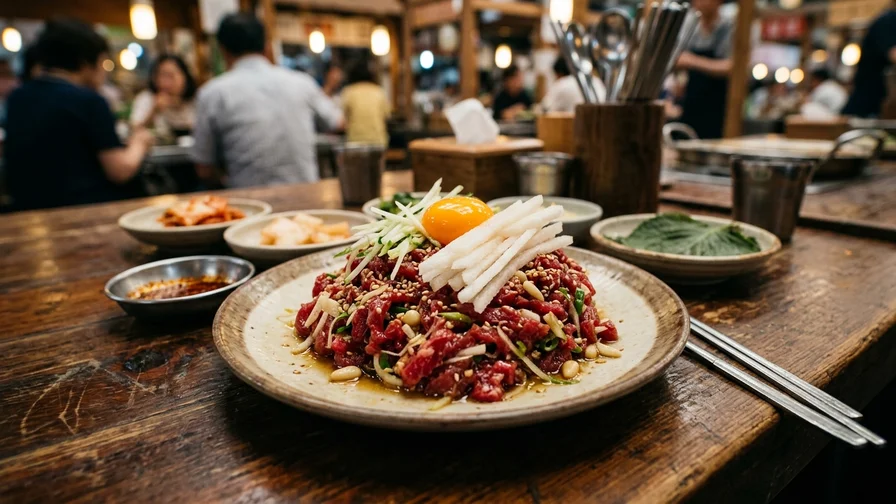
Hankukjib 📍 — Opened in 1952, this is the oldest surviving restaurant dedicated to Jeonju bibimbap. A “Century Store” now run by the third generation. Its signature dishes are yukhoe bibimbap and dolsot (hot stone pot) bibimbap, served in traditional brassware.
- Highlights: Close to Jeondong Cathedral, making it easy to fit into a Hanok Village itinerary.
- Address: 119 Eojin-gil, Wansan-gu, Jeonju-si, Jeollabuk-do
- Hours: Daily 09:50–20:50, last order 20:15 (as of June 2026)
2. Gajok Hoegwan
Gajok Hoegwan 📍 — A renowned bibimbap house that opened in 1979 and is now run by the third generation. Founder Kim Nyeon-im is a government-designated Traditional Food Master (bibimbap category). The restaurant uses house-made fermented sauces and fresh vegetables, and ordering bibimbap comes with a spread of side dishes you can enjoy almost like a hanjeongsik course.
- Highlights: Its generous array of side dishes is a strong point. Located in the old downtown, about a 15-minute walk from the Hanok Village.
- Address: 17 Jeolla-gamyeong 5-gil, Wansan-gu, Jeonju-si, Jeollabuk-do
- Hours: Daily 10:30–20:00, open every day (as of June 2026)
3. Gogung
Gogung Jeonju Main Branch 📍 — A nationally recognized name with branches even in Seoul. It serves refined bibimbap based on royal court cooking techniques.
- Highlights: Clean interior and a fine-dining-style presentation. Note that the main branch is in Deokjin-gu, not the Hanok Village, so it’s about a 15-minute taxi ride from the village — keep this in mind for your itinerary.
- Address: 33 Songcheonjungang-ro, Deokjin-gu, Jeonju-si, Jeollabuk-do
- Hours: Daily 11:00–21:00, last order 20:30, closed the day before and the day of major holidays (as of June 2026)
Editor’s Tip: A Note for Vegetarians
Jeonju bibimbap is fundamentally a vegetable-based dish, but it often comes topped with minced beef or Beef Tartare (육회, yukhoe) (raw seasoned beef). Vegetarians can simply ask “Gogi ppae-juseyo” (“Please leave out the meat”) when ordering. Most restaurants will accommodate this request, and you can enjoy a delicious bibimbap even without the meat.
Other Sights Inside the Hanok Village
Between the festival and the food, it’s worth strolling through the Hanok Village’s main attractions.
- Gyeonggijeon Shrine: The shrine enshrining the royal portrait (eojin) of King Taejo Yi Seong-gye, founder of the Joseon Dynasty. Its lush bamboo grove and serene pavilions leave a strong impression. The one must-see is the King Taejo portrait at the Royal Portrait Museum within the grounds — a key relic conveying the likeness of Joseon’s founder. Admission is 3,000 KRW for adults, 2,000 KRW for teens, and 1,000 KRW for children, with viewing hours of 09:00–19:00 from March to October (ticketing closes one hour before, as of June 2026). See the Gyeonggijeon location.
- Jeondong Cathedral: A Romanesque-style cathedral completed in 1914, one of the earliest Western-style buildings in the Honam region. Its scenery, blending with the surrounding hanok tiled roofs, is distinctive. See the Jeondong Cathedral location.
- Omokdae: A small hill offering a sweeping view over the entire Hanok Village. The scenery at sunset is especially beautiful. See the Omokdae location.
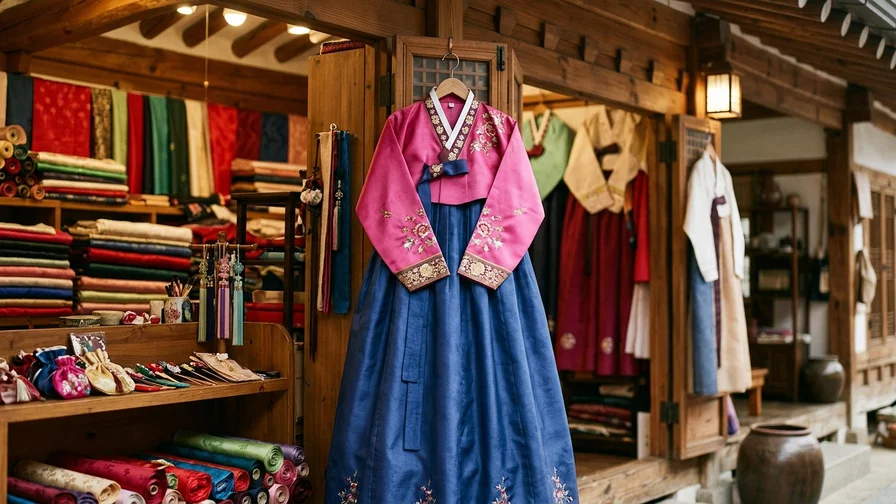
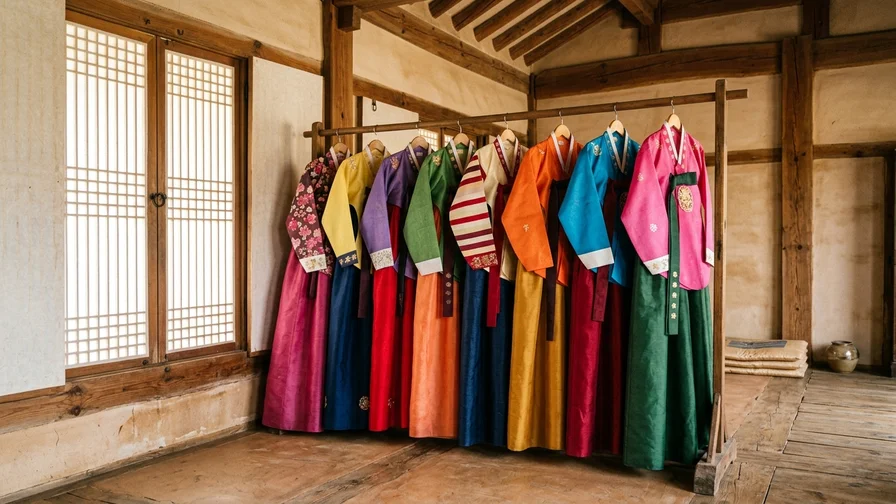
- Hanbok (한복, hanbok) Rental: There are many Hanbok (한복, hanbok) rental shops throughout the Hanok Village. Rentals run about 10,000–20,000 KRW for around two hours, and strolling through the village in a Hanbok (한복, hanbok) while taking photos is a popular experience.
Essential Information for Travelers
Here are a few extra tips to make your Jeonju trip run more smoothly.
- 1330 Tourist Information Line: A 24-hour multilingual tourist information service run by the Korea Tourism Organization. Dial 1330 from any phone to receive interpretation and travel information in English, Japanese, Chinese, and more.
- Payment Methods: Most restaurants, cafés, and shops accept international credit cards (Visa, Mastercard, etc.). That said, night market and traditional market stalls may take cash only, so it’s a good idea to keep some Korean won (KRW) on hand.
- International Driving Permit (IDP): Public transportation is plenty for sightseeing within Jeonju. If you plan to travel to the outskirts, you might consider renting a car — in which case you’ll need a valid International Driving Permit issued in your home country.
- Checking Information: Festival dates, shuttle buses, and night market operations may change depending on local circumstances. To be safe, recheck the latest information on the official Jeonju City tourism site (Visit Jeonju) just before you set off.
We hope this guide proves genuinely helpful as you prepare for your trip to the Jeonju Bibimbap Festival and the Hanok Village.
Recommended Reads on This Topic
- 6 Unique Korean Festivals Across the Seasons, with Admission
- Hwacheon Sancheoneo Ice Festival, Ice Fishing and Foreigner Zone
- Goryeong Daegaya Festival and the Gaya Tumuli (UNESCO 2023)
- Night Tours and Shuttle Buses at the Muju Firefly Festival
- Walking the Bamboo Groves at the Damyang Bamboo Festival