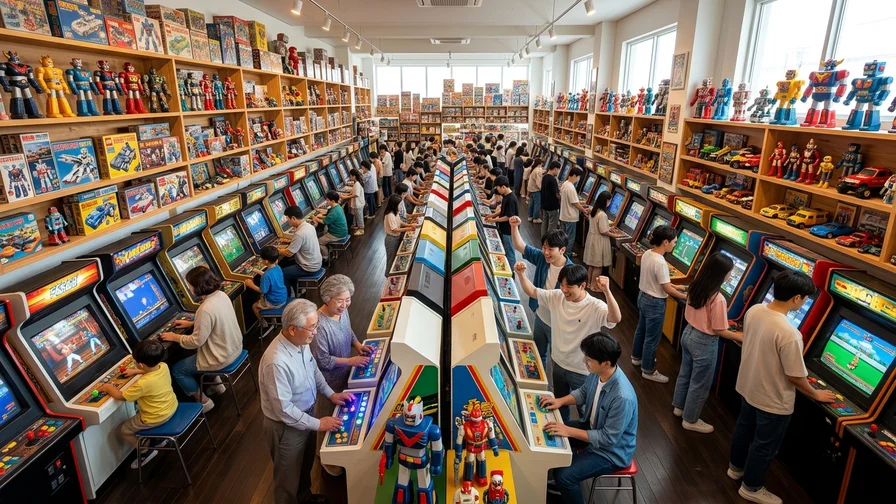
Korea Retro Game Museums, Drop a Coin for the 8-Bit Arcade
목차
- Korean Retro Game Museums at a Glance: Visiting Info
- Back to the Memories: The Revival and Cultural Meaning of Korean Retro Games
- Getting There: Transport Guide for International Visitors
- What to See: Exhibition Highlights at Korea’s Retro Game Museums
- The Aesthetics of Collecting: The World of K-Toys and Figure Collections
- The Experience Zone: Arcade Games and Board Games You Can Play Yourself
- Exploring Museums Full of Retro Charm: Nearby Spots to Visit Too
- A New Play Trend: Where Retro Culture Meets Modern Technology
- Frequently Asked Questions (FAQ)
Key Takeaways
- Korea’s retro game museums are hands-on spaces where you can actually touch and play everything — from the nostalgia of 8-bit Arcade (오락실, orakssil)
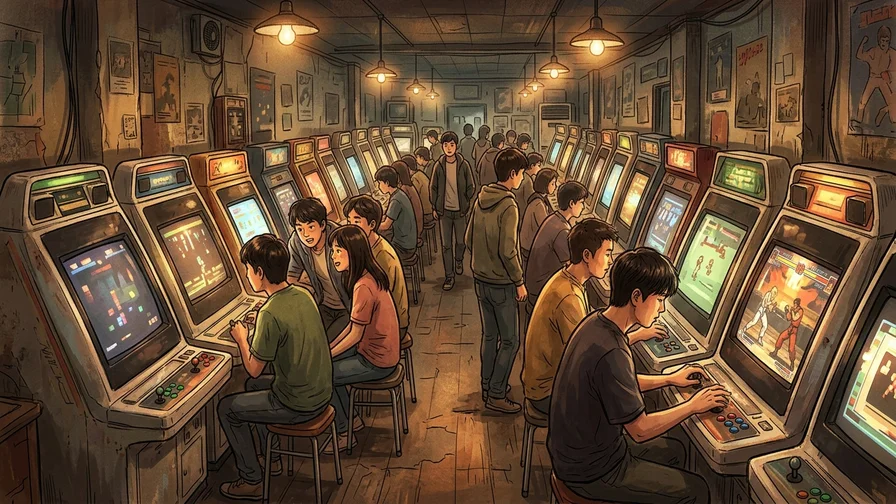 to early computers and toy collections.
 - We’ve gathered the visiting info, transport, and exhibition highlights for three venues: the Netmarble Game Museum 📍 in Guro, Seoul, the Nexon Museum (formerly Nexon Computer Museum) on Jeju, and the Asuka Game Museum 📍 in Heyri, Paju.
- As of June 2026, all three are open and operating normally — admission ranges from KRW 6,000 to 14,000, and the Seoul and Jeju venues are closed on Mondays.
- It’s a place where kids and adults can travel back in time together, making it a great fit for international travelers who want to feel the evolution of Korean play culture at their fingertips.
Latest operating status (as of June 2026):
- Nexon Computer Museum → Nexon Museum: The museum in Nohyeong-dong, Jeju, closed for renovation in January 2026 and reopened on May 12, 2026, under the new name “Nexon Museum.” The exhibits were reorganized around game IP.
- Netmarble Game Museum: Korea’s first hands-on game museum, which opened on March 4, 2025, on the 3rd floor of G Tower in Guro, Seoul. Open Tuesday through Sunday, 10:00–18:00 (last entry 17:30), closed Mondays, no reservation required.
The jingle of arcade coins, pixel characters flickering across a bulky CRT screen, and afternoons spent gripping a joystick shoulder to shoulder with a friend. These scenes are a memory that nearly every generation in Korea has brushed against at some point. The Korean retro game museums we’re introducing today don’t simply seal those memories behind glass — they keep them alive so you can drop a coin and play them yourself. If you’d like a broader overview first, take a look at Korea’s unique themed museums.
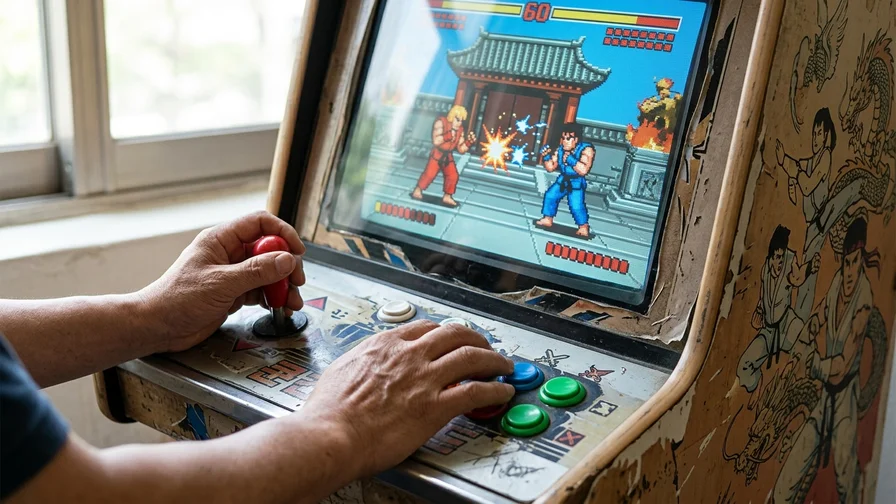
Korean Retro Game Museums at a Glance: Visiting Info
Here’s a table summarizing the basics for all three venues. Prices and hours are as of June 2026 and may change depending on special exhibition schedules, so we recommend double-checking the official website just before you visit.
| Venue | Location and Hours | Admission and Notes |
|---|---|---|
| Netmarble Game Museum 📍 | 3rd floor, G Tower, 38 Digital-ro 26-gil, Guro-gu, Seoul / Tue–Sun 10:00–18:00 (last entry 17:30), closed Mondays, January 1, and on Seollal (Lunar New Year) and Chuseok holidays and the day before | Adults KRW 10,000, teens (ages 13–18) KRW 7,000, children (48 months–12 years) KRW 5,000. Walk-in entry, advance booking available on the official website. Average 1–2 hours |
| Nexon Museum 📍 (renamed from Nexon Computer Museum as of May 2026) | 3198-8 1100-ro, Jeju-si, Jeju Special Self-Governing Province / Open Tue–Sun, last entry 17:30, closed Mondays | Adults KRW 14,000 (raised upon reopening). For teen and child rates and that day’s hours, check the official website. On-site ticketing, no reservation needed. Average 1.5–2.5 hours |
| Asuka Game Museum 📍 | 59-101 Heyrimaeul-gil, Tanhyeon-myeon, Paju-si, Gyeonggi-do / 10:00–19:00 (last entry 18:00). Closing days are not publicly posted, so we recommend calling ahead (070-4224-8385) | Admission KRW 6,000 (free for under 36 months with proof). On-site ticketing. Average 1–1.5 hours |
Editor’s Tip
The three venues are far apart and hard to combine in one trip. If you’re in Seoul, go for the Netmarble Game Museum; for a Jeju trip, the Nexon Museum; and if you’d like to pair it with a stroll through the Heyri Art Village in Paju, choose the Asuka Game Museum — picking one to match your route is the smart move.
Back to the Memories: The Revival and Cultural Meaning of Korean Retro Games
The renewed attention on retro games in Korea these days can’t be explained by nostalgia alone. There’s an underlying sentiment of revisiting the eras that a society shaped by rapid growth let slip by too quickly, paired with a shift in perception — games have moved past a period when they were viewed only negatively and have since taken their place as a legitimate culture and industry.
From Arcade Games to Console Games: A Chapter in Korean Gaming History
- 1980s — an era when neighborhood Arcade Machine (아케이드 기기, akeideu-gigi)
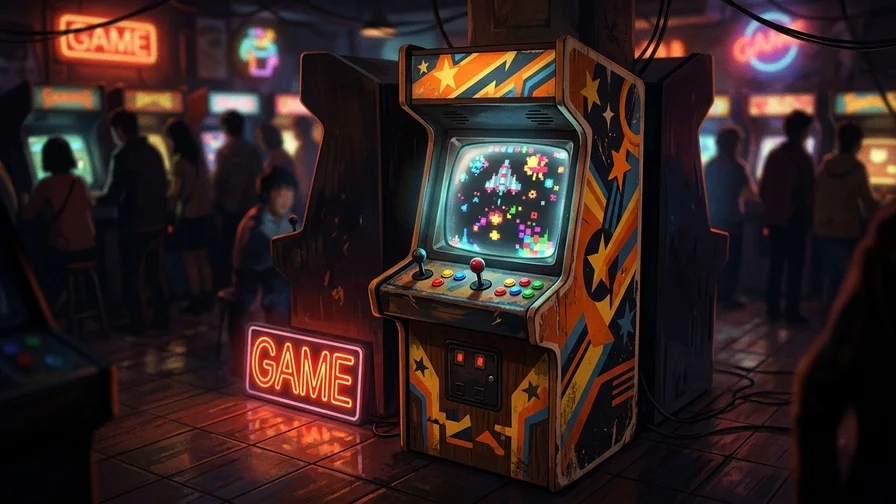 were at the center of play culture.
 - 1990s — home consoles and PC communications spread, and in 1996, graphic online games like Nexon’s “The Kingdom of the Winds” (Baram-ui Nara) began commercial service.
- 2000s — alongside high-speed internet, online games and PC bang (internet café) culture grew explosively.
The museums lay out this flow like a chronicle. Standing before an arcade cabinet with its chunky joystick and buttons, you naturally start to picture how the pixels on the screen captured the mood of an era. If you’re curious about industry statistics and trends, materials from the Korea Creative Content Agency (game industry trends) are a helpful reference.
A New Generation Enjoying Retro Games
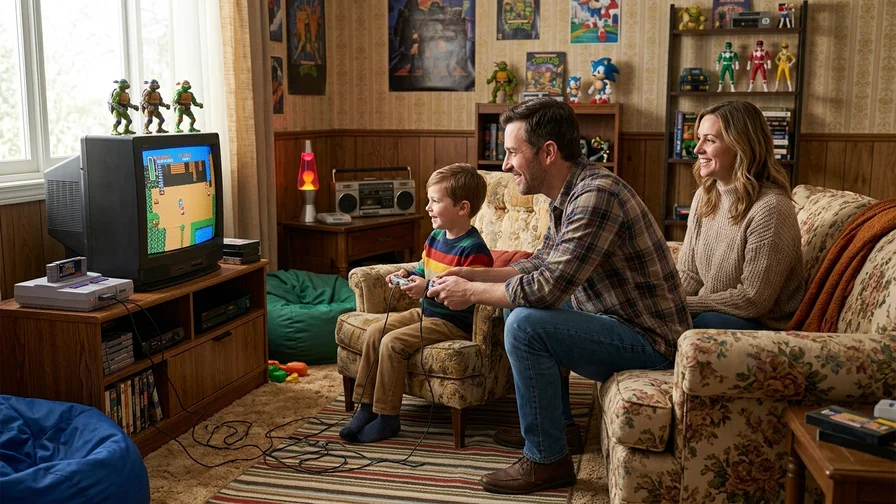
What’s interesting is that the main fans of retro games aren’t only the middle-aged folks with the memories. Teens and twentysomethings encountering 8-bit sound and simple dot graphics for the first time find that rough-edged charm refreshing. To them, pixels aren’t something old but an aesthetic, and so these museums become a rare meeting point where generations grip the joystick side by side.
Getting There: Transport Guide for International Visitors
If you’re an international traveler, it’s reassuring to check your public transport route in advance. All three venues are in different locations, so choose one based on your itinerary. Fares are as of June 2026.
- Netmarble Game Museum (Guro, Seoul) — About a 14-minute walk from Exit 2 of Guro Digital Complex Station on Subway Line 2, or about a 17-minute walk from Exit 2 of Namguro Station on Line 7 (3rd floor, G Tower). If you’d rather not walk, it’s a base-fare taxi ride from the station. From Incheon International Airport, take the Airport Railroad to Seoul Station and transfer to the subway; from Gimpo Airport, the Line 9-to-Line 7 transfer (Line 7 connects directly) is straightforward. The base fare for the Seoul subway is KRW 1,550 with a transit card.
- Nexon Museum (Nohyeong-dong, Jeju) — About a 15–20 minute taxi ride from Jeju International Airport, costing around KRW 10,000. By bus, take Bus 282 (toward Jeju Bus Terminal) from the airport stop, get off at Nohyeong Five-way Intersection, transfer at the Wonnohyeong stop to Bus 311, 312, or 415, get off at the Jeju High School stop, and walk about 250m. Jeju city bus fares are KRW 1,200 for adults (KRW 1,150 with a transit card). Real-time routes can be checked on the Jeju Bus Information System.
Jeju rental cars — an International Driving Permit (IDP) is essential: If you plan to rent a car on Jeju, be sure to obtain an International Driving Permit (IDP) in your home country before departure and carry it along with your home-country driver’s license and passport. IDPs cannot be issued to foreigners in Korea, and most rental companies require an IDP as a mandatory document. Only IDPs from countries party to the Vienna Convention (the U.S., Japan, many EU nations, etc.) are recognized.
- Asuka Game Museum (Heyri, Paju) — Board the 2200 express bus in front of Exit 1 of Hapjeong Station, where Subway Lines 2 and 6 meet; it’s about 45 minutes to Heyri Village, with buses every 10–15 minutes. The fare is KRW 3,200 with a transit card (reflecting the October 2025 increase). On weekends and holidays, the 7300 double-decker bus sometimes runs the same route. Get off at a stop inside Heyri Village (Gates 1, 4, 6, 8, etc.) and walk through the village. For detailed routes, see the Heyri official transport guide. If driving, public parking lots are available within Heyri.
Payments and taxi apps for foreigners: Kakao T supports credit cards issued overseas and sign-up with foreign phone numbers (including the k.ride app for foreigners), and Uber also works fine in Korea’s major cities — “foreigners can’t use them” is outdated advice. Ticketing and souvenirs accept credit cards, but to be safe for cash bus fares or small kiosks, it’s reassuring to keep a little cash on hand in KRW 5,000 and 10,000 notes. If you need tourist information, use the 24-hour interpretation hotline at 1330.
What to See: Exhibition Highlights at Korea’s Retro Game Museums
Now for the heart of this article. Each of the three museums has its own character, so we’ll introduce one must-see item and one hands-on experience for each.
Netmarble Game Museum
The docent’s tip — the one must-see: The actual “Magnavox Odyssey” (1972), the world’s first home game console. This museum holds some 2,100 items in its collection, of which around 700 were donated by citizens and staff. From the Odyssey to home Pong (1976), the Apple II (1977), Korea’s Zemmix (1987), and the Game Boy (1989), the family tree of gaming hardware unfolds in a single line. Following the timeline inward from the entrance makes the pace of change feel all the more vivid.
- The exhibition is organized into three themed zones: “Game History,” “Game World,” and “Game Culture.”
- Many arcade cabinets and old consoles are set up in working condition, so you can play them yourself.
- The displays of old PC game packaging boxes and manuals are a treat too — they bring back the thrill of opening those thick cardboard boxes.
- Visitors get 2 hours of free parking, and groups of 10 or more receive a 20% discount (as of June 2026).
There’s also a striking contrast in tracing those roots from the very heart of the modern Korean game industry, right in the middle of the Guro Digital Complex.
Nexon Museum
The docent’s tip — the one must-see: The early “The Kingdom of the Winds” experience set up in the “Inventory” on the 2nd floor. Commercially launched in 1996, this game is one of the longest continuously running graphic online games in the world, and through actual play it shows where Korea’s online gaming culture first sprouted.
- On May 12, 2026, it rebranded and reopened from “Nexon Computer Museum” to “Nexon Museum” — the exhibits were reorganized around game IP.
- 1st floor “Ready 4 Play” — a hands-on space to play arcade and console games yourself.
- 2nd floor “Inventory” — historical materials on Korean PC packaged games, an early online game experience, and a screening space for a Nexon 30th-anniversary documentary.
- 3rd floor — hyper-personalized exhibits linked to your game account, followed by a curved LED mirror zone.
- There’s a MapleStory-themed café inside, perfect for a rest after browsing.
If you’re a returning visitor who remembers the early computer collection from before the renovation, keep in mind that the exhibition layout has changed significantly. If you have a Jeju itinerary, slotting in an indoor museum like this rather than just natural attractions is a great choice. It also works wonderfully as an alternative course on a rainy day.
Asuka Game Museum
The docent’s tip — the one must-see: Its very identity as Korea’s first privately collected retro game museum. The charm lies in the context of a small museum you stumble upon while strolling the quiet alleys of Heyri Art Village, so the best way to see it is to enjoy the exhibition and the village walk in one breath.
- It displays retro game consoles and software from the 1980s–90s, with many available to play hands-on.
- It’s linked with “Retro Boys,” a pop-culture collection hall in the same building — where you can also see the comics, retro home appliances, and toys that were popular at the time.
- At KRW 6,000, admission is the cheapest of the three, and it stays open until 7 p.m., leaving plenty of room to drop by as a wrap-up after spending the whole afternoon wandering Heyri Village (as of June 2026).
Pick up a well-worn game pad and the feel of that era comes back to life at your fingertips, while the displayed figures and character merchandise reveal the texture of Korea’s collecting culture.
The Aesthetics of Collecting: The World of K-Toys and Figure Collections
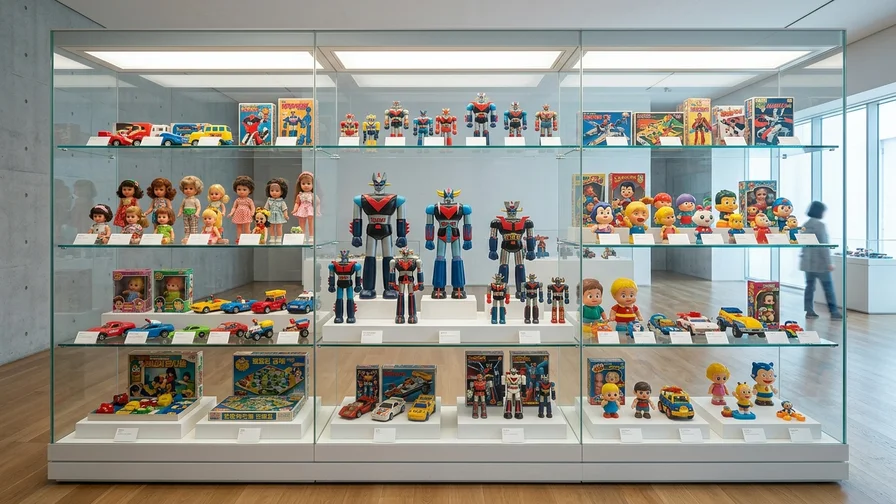
Toys have always sat right beside retro games. Korea’s collecting culture goes beyond a simple desire to own — it springs from the wish to hold a favorite character and a cherished era in your hands. Looking at the vintage figures, character merchandise, and old board game packaging on display in the museums, that sentiment reads at a glance. Such collections are also little natural histories, compressing one person’s childhood and one era’s trends.
The exhibitions at the Asuka Game Museum and Nexon Museum in particular show game consoles, toys, and character goods together, illustrating how the realm of play expanded both on and off the screen. In that each of these small objects beyond the display case holds the story of its own era, collecting becomes a way of organizing memory.
The Experience Zone: Arcade Games and Board Games You Can Play Yourself
The greatest appeal of these museums is that they don’t stop at “looking.” Many of the exhibits are set up in working condition.
- Arcade play — sit down in front of an old arcade cabinet and play games yourself with the joystick and buttons. Foreigners can dive right in without any language barrier.
- Console and handheld experiences — corners where you can pick up old home consoles and handheld devices yourself. There’s fun in comparing the feel across generations.
- Touching board games and toys — at some corners, you can handle old board games and toys to recreate the play of that era.
The specific names, prices, and durations of the experience programs may vary by museum and season, so we recommend checking each museum’s official website before visiting to confirm availability. Some experiences may be limited depending on on-site conditions.
Exploring Museums Full of Retro Charm: Nearby Spots to Visit Too
It feels like a waste to see just one museum and head home. Widening your route a little to include the surroundings makes for a fuller day.
- Netmarble Game Museum — Located within the Guro Digital Complex office district, so there’s plenty of restaurants and cafés for the working crowd around weekday lunchtime. Showing your admission ticket may get you a discount at partner cafés nearby, so check when buying your ticket.
- Asuka Game Museum — Located inside Heyri Art Village, so pairing it with the village’s galleries, cafés, and workshops naturally makes a half-day course. The village’s combined ticket office also sells discounted admission tickets for nearby museums.
- Nexon Museum — In the Nohyeong-dong area of Jeju City, it’s easy to combine with a downtown Jeju itinerary, and you can take a break at the MapleStory café inside. The Hallasoo Arboretum is in the same direction, making it a good pairing too.
A New Play Trend: Where Retro Culture Meets Modern Technology
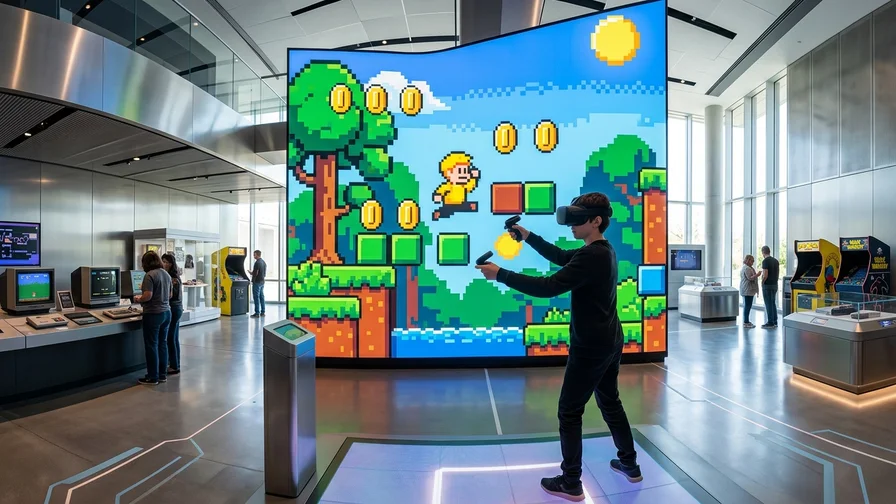
The reason retro doesn’t merely mean a return to the past is that old sentiment puts on new clothes when it meets today’s technology. Indie games that deliberately revive dot graphics, hands-on spaces that recreate the old arcade atmosphere just as it was, and nostalgia reinterpreted through digital technology like the Nexon Museum’s account-linked hyper-personalized exhibits — Korea’s play culture is constantly bridging past and present. It’s not about merely missing a lost era, but about playing all over again in new ways.
Frequently Asked Questions (FAQ)
How much is admission?
As of June 2026 — Netmarble Game Museum is KRW 10,000 for adults (KRW 7,000 for teens, KRW 5,000 for children), Nexon Museum is KRW 14,000 for adults, and Asuka Game Museum is KRW 6,000. Special exhibitions or separate experiences may carry an extra fee, and discount policies for people with disabilities, seniors, and military personnel differ by museum, so check the ticketing info on the official website.
Do I need a reservation?
All three allow walk-in entry with on-site ticketing, no reservation needed. The Netmarble Game Museum also supports advance booking on its official website, so reserving ahead for weekends or public holidays can reduce your wait to get in.
Can I take photos of the exhibits?
Photography for personal records is generally allowed, but some exhibits and special exhibitions may have restrictions. Just follow the on-site guidance.
Is there English guidance?
The game experiences themselves have almost no language barrier. That said, multilingual support for detailed exhibition commentary varies by museum, so having a translation app on hand makes things much easier.
How long does a visit take?
Allowing time to fully enjoy the hands-on experiences, plan for one to two and a half hours per venue. The longer you linger at the experience corners, the more time it takes.
Is it okay to bring children?
With many hands-on exhibits you can touch and play, it’s a great fit for kids and adults to enjoy together. At the Netmarble Game Museum, the children’s rate applies from 48 months and up.
Retro game museums aren’t simply warehouses storing old machines — they’re gateways to time travel, where one generation’s play and emotions live and breathe. Before you set off, check each museum’s official website once more for hours and closing days, and saving the subway lines and bus numbers in your map app will make things much smoother. For more unique museums, head over to Korea’s unique themed museums.
Related Reads on This Topic
- Hands-On Themed Museums in Korea, from Money to Retro Games
- The History of Money at the Korea Money Museum
- Behind the Scenes at Korea's Film Museums, Iconic Props and Posters
- The Korean Embroidery Museum and Joseon Women's Art in Colored Thread
- Make Korea's Thousand-Year Hanji Paper by Hand at the Hanji Museum