Open Only Once Every 5 Days — 6 Korean Five-Day Markets, from Jeongseon to Moran
목차
- Origins and Historical Evolution of the Five-Day Market: The Roots of Korea’s Traditional Markets
- Touring the Country’s Leading Five-Day Markets: Local Experiences Not to Miss
- How the Five-Day Market Shapes Local Communities: The Heart of the Community
- Unique Sights and Special Foods You Can Only Find at a Five-Day Market
- The Challenges and Changes Ahead for the Korean Five-Day Market: Tradition Reinterpreted for Today
Key Takeaways
- A Korean five-day market is a periodic market that sets up in the same spot once every five days. It is a uniquely Korean tradition of distribution and community that dates back to the Joseon Dynasty.
- From Jeongseon Arirang Market 📍, Bongpyeong Market, Moran Folk Five-Day Market 📍, Bukpyeong Folk Market 📍, Hwagae Market 📍, all the way to Punggi ginseng
 Market 📍, we have rounded up markets with distinct regional character, each with its market-day digits, how to get there, and signature foods.
 - How to figure out market days, the difference between a five-day market and a permanent market, verified market eateries, and transport: it is all here so that foreign travelers can time their visit and arrive on the right day.
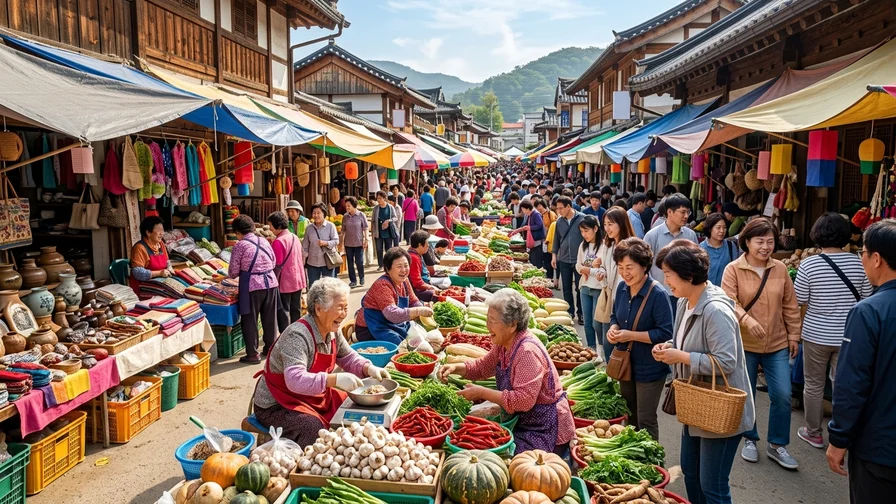
There are markets that open only six times a month. A normally quiet open lot fills with people, sounds, and smells once every five days. This is the Korean five-day market, a market that sets up every fifth day. It has a different feel from an ordinary traditional market: hidden within it is a rhythm that works almost like a centuries-old promise. In this article we take a calm look at the roots of the five-day market, six leading markets across the country, and the scenes you can only find there. You can read about Korean traditional markets as a whole here.
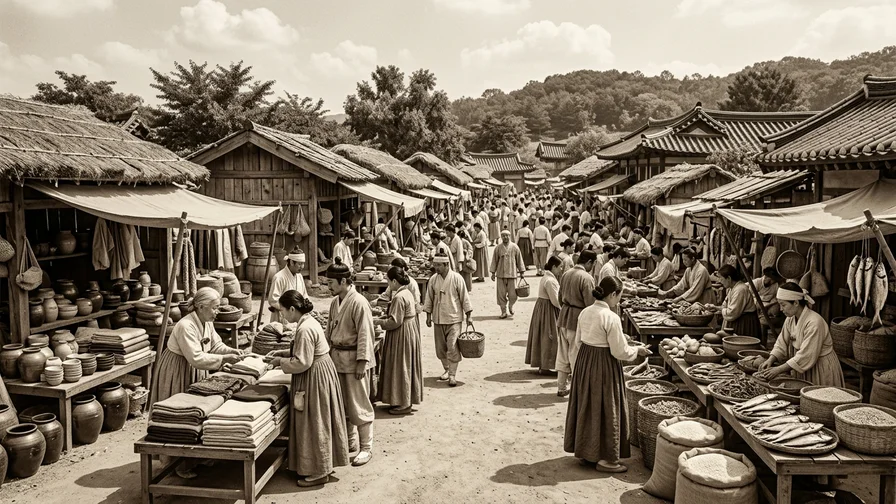
Origins and Historical Evolution of the Five-Day Market: The Roots of Korea’s Traditional Markets
To understand the five-day market, it helps to first ask why it had to be five days. The reason goes back to a time when the only ways to travel were on two legs or by ox cart. If a traveling peddler made his way through five neighboring towns, one per day, the full circuit came around once every five days. So neighboring markets staggered their digits, ensuring that someone, somewhere, always had a market open.
Traces of the Five-Day Market Since the Joseon Dynasty
The periodic market, known as jangsi, first took root in the southern regions during the early Joseon Dynasty and gradually spread nationwide. It is said that markets first opened once every fifteen days, then once every ten, before settling into a five-day cycle. For Koreans, this was far more than a place to buy and sell. It was an open square where news traveled and even marriage matches were arranged. Mountain markets like Jeongseon Arirang Market 📍 are among the places where that old current still runs strongest today.
Minho’s Context Note
There is a word, jangdolbaengi. It refers to those who made a living going around (dol-) from market (jang) to market. Kim Joo-young’s epic novel Gaekju depicts the world of these traveling peddlers, and Heo Saengwon, the protagonist of Yi Hyo-seok’s short story When the Buckwheat Blooms, was a jangdolbaengi who worked the Bongpyeong market circuit. The fact that Bongpyeong is the setting of that story is something we will return to in a moment.
The Modern Five-Day Market and the Local Economy
As railways and roads were laid and permanent markets and large supermarkets moved in, the five-day market shrank rapidly for a time. The reason it never disappeared is that the market was not simply a storefront but a primary distribution channel where local farm and fishery goods changed hands directly. Wild greens dug up by nearby farmers and fish caught that morning were spread out with no middleman, keeping both freshness and price competitive. Today, on top of that economic role, a new value has been added: experience.
Touring the Country’s Leading Five-Day Markets: Local Experiences Not to Miss
Here is a regional guide to five-day markets worth visiting. But first, how to read market days so you don’t make a wasted trip.
- How to calculate market days: A five-day market runs on two ending digits of the date. A “2-and-7 market” means the 2nd, 7th, 12th, 17th, 22nd, and 27th of each month. Just look at the last digit on the calendar. It has nothing to do with the day of the week, so market days that fall on a weekend are the busiest.
- Five-day market vs. permanent market: A permanent market opens every day, while a five-day market sets up once every five days. Some places, like Hwagae Market and Punggi Ginseng Market, started out as five-day markets but later switched to opening daily as permanent ones.
- Double-check before you go: Markets sometimes close during holiday periods or heavy rain. It is safer to confirm the market day once more by phone or on the local government’s culture and tourism website.
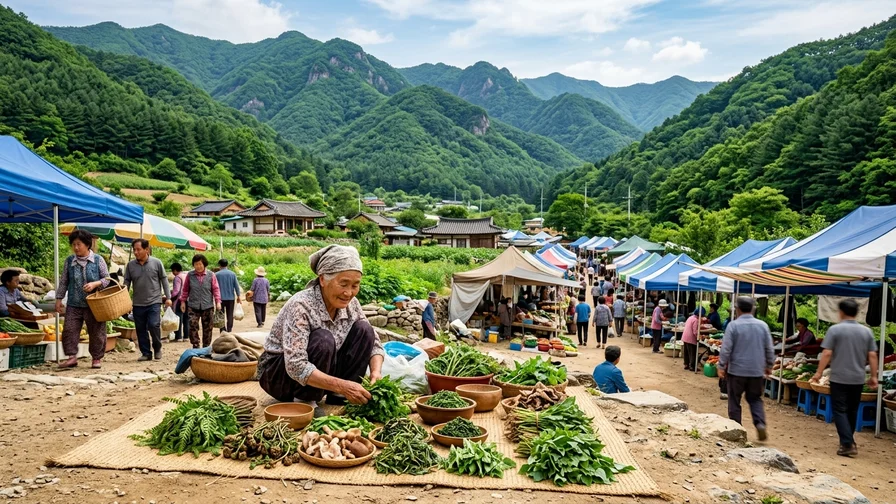
Rural Five-Day Markets Where Culture and Nature Meet
The mountains of Gangwon are the land of buckwheat and wild greens. Let’s start with Jeongseon Arirang Market 📍 (Jeongseon Five-Day Market).
- Market days: Days ending in 2 and 7 (the 2nd, 7th, 12th, 17th, 22nd, and 27th of each month). A weekend market is also held on Saturdays. The market is generally at its peak from 8 a.m. to 3 p.m.
- Location and directions: 39 Bongyang 7-gil, Jeongseon-eup, Jeongseon-gun, Gangwon. About a 15-minute walk from Jeongseon Station, and within walking distance of the Jeongseon Bus Terminal as well. The tourist train Jeongseon Arirang Train (A-train) resumed service on May 22, 2026, and currently runs the Jecheon–Auraji section on Jeongseon market days (the 2nd and 7th), Saturdays, and Sundays (stopping at Jeongseon Station, as of June 2026). From Seoul, the route is to take the KTX-Eum from Cheongnyangni Station to Jecheon and transfer. Bus times can be checked on the Jeongseon-gun bus information system (bis.jeongseon.go.kr).
- Food: gondre rice
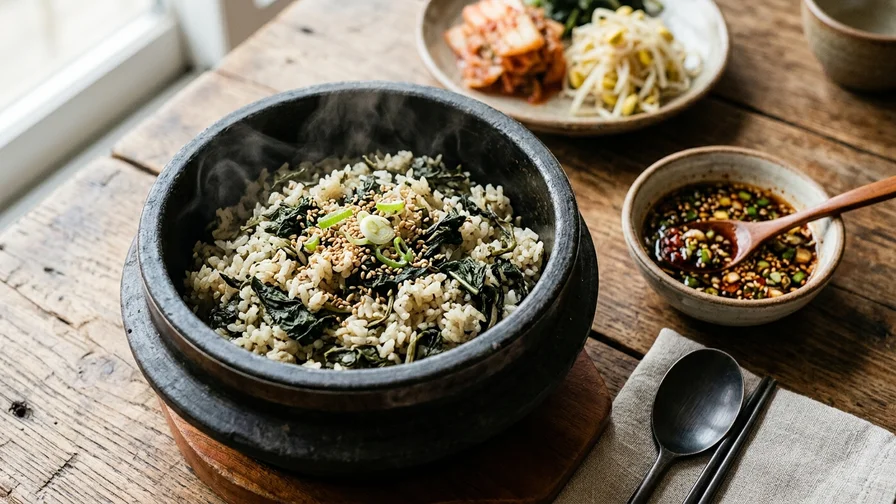 and buckwheat crepe rolls
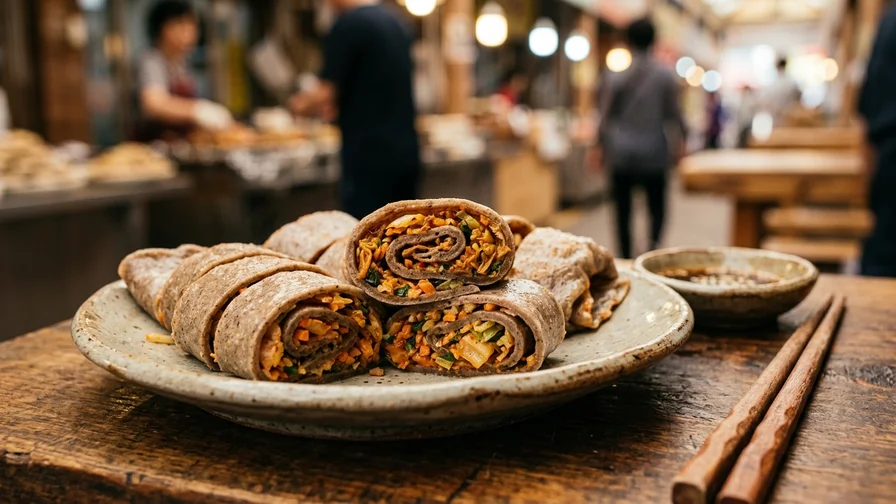 are the signature dishes. Gondre rice is a light, savory dish of rice cooked with dried gondre (a type of mountain thistle) greens, mixed with a seasoned soy sauce.
 - Verified eateries: Inside the market, Hoedong-jip 📍 (37-10 Oiljang-gil) lets you sample Jeongseon’s local fare all in one place: fresh gondre rice for 8,000 won, plus kotdeungchigi noodles and an assorted jeon platter mixing buckwheat pancakes and sweet sorghum pancakes. It closes on Wednesdays, but if a Wednesday is a market day, it closes on Thursday instead. Dongbakgol Sikdang 📍 (1314 Jeongseon-ro) is considered the originator of gondre rice cooked in a stone pot, and right next door, Ssarigol Sikdang 📍 (1312 Jeongseon-ro, closed Mondays) also specializes in gondre greens rice.
Bongpyeong Traditional Market 📍 (Bongpyeong Market) is the very Bongpyeong of When the Buckwheat Blooms. In autumn, the surrounding area turns into one vast field of buckwheat flowers.
- Market days: Days ending in 2 and 7. On market days, more than 100 stalls fill the streets. The location is 14-1 Dongijangteo-gil, Bongpyeong-myeon, Pyeongchang-gun, Gangwon.
- Directions: Intercity buses to Jangpyeong run eight times a day from East Seoul Bus Terminal (first bus 06:40, last bus 20:20, as of June 2026). From Jangpyeong Terminal, a taxi to Bongpyeong Market takes about 10 minutes and is the easiest option. Rural buses run infrequently, so check the times once you arrive, either on the Pyeongchang-gun culture and tourism website (tour.pc.go.kr) or at the terminal.
- Food: buckwheat makguksu
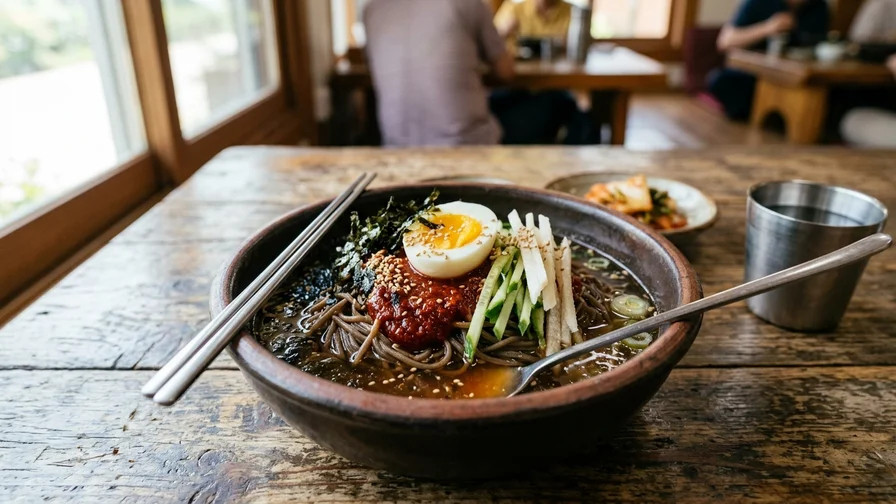 and buckwheat pancake
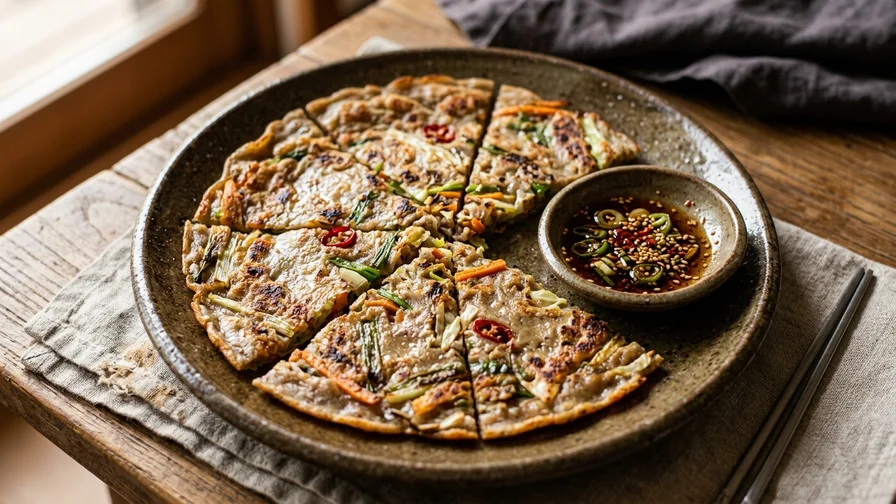 . Makguksu is a noodle dish made with buckwheat noodles, served in a cold broth or tossed in seasoning, distinctive for letting the natural aroma of the buckwheat come through.
 - Verified eateries: Right beside the market, Hyundai Makguksu 📍 (1 Dongijangteo-gil) is a makguksu restaurant featured in the comic Sikgaek (a famous Korean food manhwa), and Gohyang Makguksu 📍 (142 Yi Hyo-seok-gil, open year-round) insists on 100% pure buckwheat noodles. Migayeon 📍 (108 Gipung-ro, closed Wednesdays) is well known for its yukhoe bibim guksu, pure buckwheat makguksu topped with beef tartare.
Bukpyeong Folk Market 📍 (Bukpyeong Market) is a market held around the Bukpyeong-dong area of Donghae, Gangwon (486-2 Gumi-dong).
- Market days: Days ending in 3 and 8. Started in 1796 (the 20th year of King Jeongjo of Joseon), it has continued for over 220 years and is the largest folk market in Gangwon province. On market days, more than 600 stalls and street vendors set up.
- Directions: From Seoul, the KTX-Eum to Donghae Station takes about 2 hours and 40 minutes, and from Donghae Station a taxi to the market takes about 10 minutes (as of June 2026).
- Food: With Donghae Port only 1 km away, freshly landed fish sit side by side with semi-dried seafood. Seasonal seafood such as squid and sandfish, along with market dishes like ox-head soup with rice, seonji (blood) soup, and buckwheat jelly, are the local specialties. It has a different kind of energy from the mountain markets.
The Breath of Tradition in the Heart of the City
Moran Folk Five-Day Market 📍 (Moran Market) is the easiest five-day market for a day trip from Seoul.
- Market days: Days ending in 4 and 9, with operating hours of 09:00–19:00 (as of June 2026). It is regarded as the largest folk five-day market in the country.
- Directions: 68 Dunchon-daero, Jungwon-gu, Seongnam-si, Gyeonggi. Take Exit 5 of Moran Station, served by Subway Line 8 and the Suin-Bundang Line, and you are right there.
- Things to see and eat: From farm produce to flowers, medicinal herbs, and household goods, you can find just about anything here, making it a great place to feel the sheer scale of a five-day market in the middle of the city, even down to a hanbok
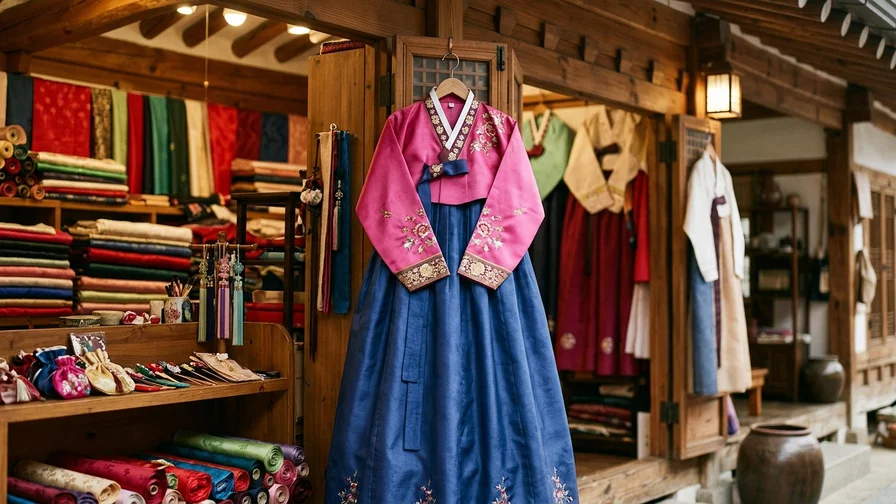 section. The specialty is hand-cut knife noodles. Most of the roughly 40 eateries packed into the food alley are knife-noodle shops. Twisted doughnuts, glutinous rice doughnuts, and blood-sausage soup with rice are also market-day staples.
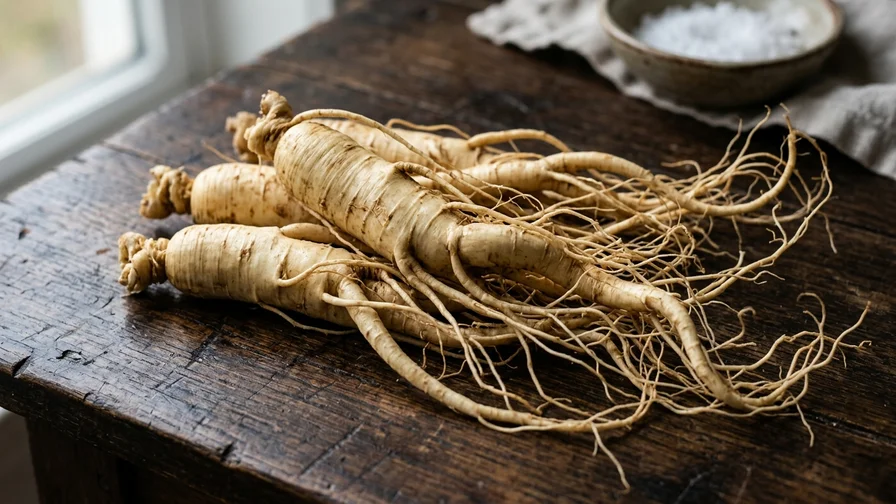
The Gyeongsang region is not to be missed either. Hwagae Market 📍 is located at 15 Ssanggye-ro, Hwagae-myeon, Hadong-gun, Gyeongnam. It was originally a five-day market but has now become a permanent market that opens daily (09:00–18:00, open year-round, as of June 2026), and it is livelier on weekends. Famous for Seomjin River freshwater clams, wild green tea from Jirisan, and spring cherry blossoms, it is a place where, in spring, you can enjoy browsing the market and strolling the cherry-blossom path at the same time. Intercity buses to Hwagae run five times a day from Busan West (Sasang) Terminal, and since the Hwagae public terminal is right next to the market, you simply step off and you are there. From the Gurye side, you can reach it by rural bus. Punggi ginseng Market 📍 (Punggi Ginseng Market) is a permanent market specializing in ginseng, located at 8 Insam-ro, Punggi-eup, Yeongju-si, Gyeongbuk, right in front of Punggi Station (09:00–18:00, closed Tuesdays from February to August). Taking the Jungang Line KTX-Eum from Cheongnyangni Station drops you right at Punggi Station, making access easy. It is a rare specialized market in Korea where you can compare the aroma and color of the ginseng for yourself before buying. If you also want to soak up the five-day market atmosphere, one option is to time your visit to the Punggi Five-Day Market, which sets up in downtown Punggi on days ending in 3 and 8.
| Market | Market days (ending digits) | Signature foods |
|---|---|---|
| Jeongseon Arirang Market | 2nd, 7th | gondre rice, buckwheat crepe rolls |
| Bongpyeong Market | 2nd, 7th | buckwheat makguksu, buckwheat pancake |
| Bukpyeong Folk Market | 3rd, 8th | East Sea seafood, dried fish, ox-head soup with rice |
| Moran Folk Five-Day Market | 4th, 9th | hand-cut knife noodles, glutinous rice doughnuts, blood-sausage soup with rice |
| Hwagae Market | Permanent (daily 09:00–18:00) | freshwater clams, wild green tea, mountain greens |
| Punggi Ginseng Market | Permanent (closed Tuesdays Feb–Aug) | fresh ginseng, red ginseng products |
Market days and operating hours are as of June 2026 and may change during holiday periods or by season. We recommend confirming once more before your visit.
How the Five-Day Market Shapes Local Communities: The Heart of the Community
A five-day market is not just a place where goods change hands. Because the same people gather in the same spot every five days, news naturally passes around and relationships build up. For Koreans, this carries a deeper meaning: it is a place where not just “where you live” but “people you know” come together.
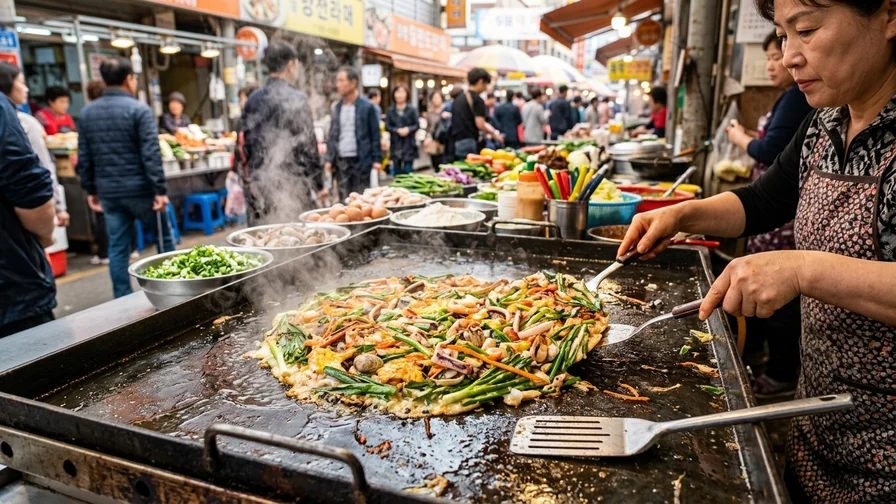
Five-Day Markets and Mutual Prosperity with Local Residents
When market day comes, elderly farmers from nearby villages bring a basket or two of crops they have grown themselves. Because it is a structure where small producers sell directly rather than through large wholesalers, it becomes a channel that keeps cash flowing even to small farms. Buyers, too, can see the face of whoever grew the produce and where, which builds trust. These small transactions add up to form the capillaries of the local economy.
The Five-Day Market as a Place for Passing On Tradition
At Jeongseon Arirang Market there are Arirang performances, and at other markets pungmul folk music is sometimes played. The market is a stage that shows the living culture of a region in its entirety, from food and dialect to the very way people haggle. Traditions that once nearly vanished have naturally survived within the vessel of the market. These days, more young merchants are carrying this on, and reading the story of young merchants connecting tradition and innovation alongside this makes that picture even clearer.
Unique Sights and Special Foods You Can Only Find at a Five-Day Market
The five-day market has things that are hard to see at permanent markets. That rarity is what creates the excitement of market day.
Rare Regional Specialties and Handicrafts
At mountain markets you find wild greens and medicinal herbs that appear only in that season, and at coastal markets, live seafood landed that very day is laid out. At markets specializing in a single product, like Punggi Ginseng Market, you encounter a level of expertise rarely found elsewhere. The fact that handicrafts such as hand-woven baskets and hand-shaped earthenware still remain is also part of the charm unique to the five-day market. Gift ideas worth buying at the market are covered in more detail under traditional market souvenirs.
Local Foods You Can Only Taste on Market Day
There are foods like buckwheat crepe rolls, gondre rice, and makguksu that send up steam only on market day. Eating a freshly griddled pancake while standing, or warming yourself with a bowl of soup and rice, has a mood all its own, different from a restaurant. You can read more about the appealing snacks of traditional markets here.
Editor’s Tip
A five-day market peaks in the morning. The time when all the fresh goods are out and the energy is best is generally between 9 a.m. and noon. From around lunchtime, vendors start packing up one by one, so arrive early in the morning if you can. Some small stalls still take cash only, so bringing a little cash makes haggling and paying much smoother.
The Challenges and Changes Ahead for the Korean Five-Day Market: Tradition Reinterpreted for Today
The Korean five-day market is not standing still. Having weathered hard times, it keeps changing in order to survive.
The Younger Generation Meets the Five-Day Market
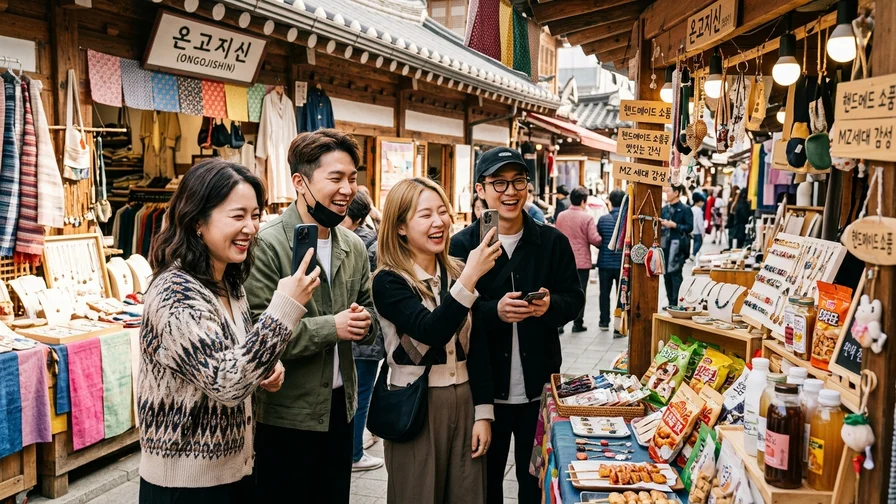
As younger merchants have come in, card payment, easy mobile transfers, and online ordering have settled in naturally. The charm of the old-school shops stays intact; only the methods of payment and promotion have moved into the present. Younger visitors are recording market-day scenes in photos and videos, enjoying the five-day market in new ways.
Promoting the Five-Day Market as a Tourism Product
More five-day markets are being built into travel itineraries. The Jeongseon Arirang Train (A-train) resumed service on May 22, 2026, running the Jecheon–Auraji section on market days and weekends (as of June 2026), and Moran Market is right in front of a subway station exit, making it easy to slot into a Seoul itinerary. If you are a foreign traveler, the easiest approach is to plan your trip around a market day and depart from a nearby station or intercity bus terminal. If you want to map out your route in advance, the traditional market tour course to enjoy like a local is worth a look.
Once every five days, people, goods, and stories gather in the same spot. The Korean five-day market has kept that simple promise for hundreds of years. The next time you see that scene again, you will notice one more layer of this context. Before you set out, check the nearest station and the market-day digits one more time, and wrap up your trip planning with more information at Come On Korea. If you are curious about the full traditional market course, you can continue on to the First Time at a Korean Traditional Market? 6 Local Routes in Seoul, Busan, and Jeonju.
Related reads in this series
- First Time at a Korean Traditional Market? 6 Local Routes in Seoul, Busan, and Jeonju
- Korean Traditional Market Souvenirs to Pack — Ginseng, Hanbok & Hahoe Masks
- Bindaetteok in One Hand, Hotteok in the Other — A Korean Traditional Market Snack Bucket List
- A New Face for Old Markets — 6 Traditional Markets Powered by Young Vendors
- Korean Traditional Market Tour by Subway — 5 Markets in One Day