The Korean Embroidery Museum and Joseon Women’s Art in Colored Thread
Contents
- Korean Embroidery Museums: Visitor Info at a Glance
- How to Get There: Transit Guide for International Visitors
- What to See: Korean Embroidery Museum Exhibition Highlights
- The Great Lineage of Korean Embroidery: Masters and Transmission Through History
- An Artistic Spirit in Every Stitch: The Symbolism and Meaning in Embroidery
- Art Blooming from a Master’s Hand: Embroidery Workshops and Experiences
- Rediscovering Modern Embroidery: K-Embroidery in Fashion and Interiors
- Strolling Through an Embroidery Museum: A Viewing Guide
- Nearby Spots and Restaurants to Visit Together
- Frequently Asked Questions (FAQ)
Key Takeaways
- There are three places in Seoul where you can properly experience traditional embroidery: the Han Sangsoo Embroidery Museum in Seongbuk-dong, the Chung Young Yang Embroidery Museum at Sookmyung Women’s University, and the Sajeonga Textile Gallery at the Seoul Museum of Craft Art in Anguk-dong. All three are free to enter (as of June 2026).
- Note on outdated info: The “Korea Embroidery Museum” in Nonhyeon-dong, Gangnam, has effectively closed. In 2018 its founders, the couple Huh Dong-hwa and Park Young-sook, donated their lifetime collection of about 5,000 pieces to the City of Seoul. That collection is now on permanent display at the Sajeonga Textile Gallery of the Seoul Museum of Craft Art, so if you follow old sources and head to Nonhyeon-dong, you’ll be making a wasted trip.
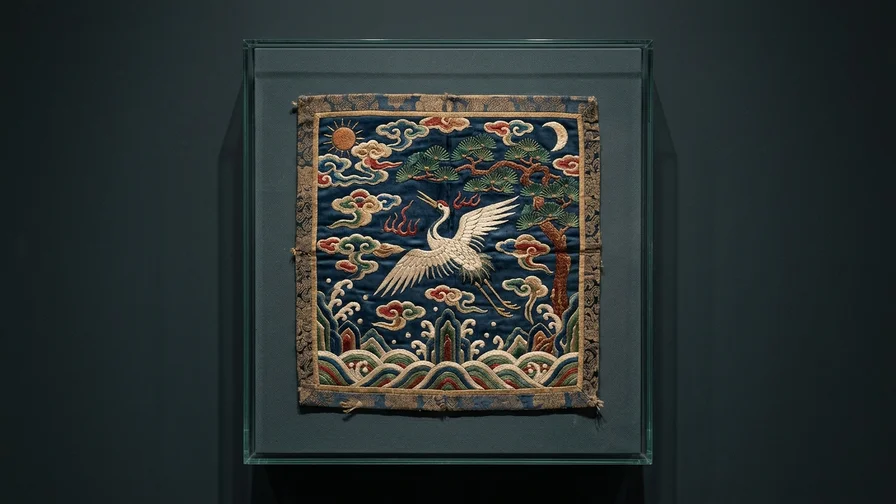
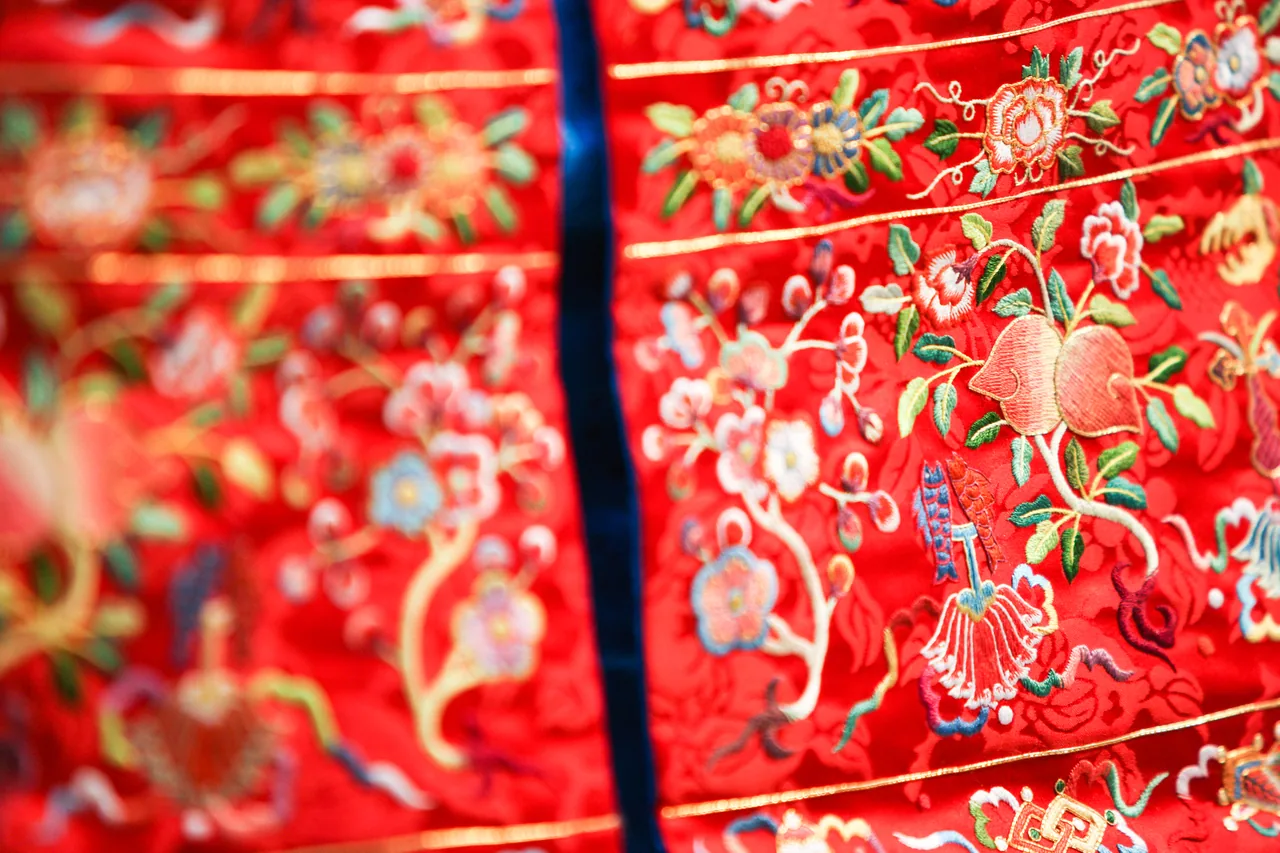
- Up close, you can appreciate the symbolism and color woven into every single stitch, from Rank Badge (흉배, hyungbae)
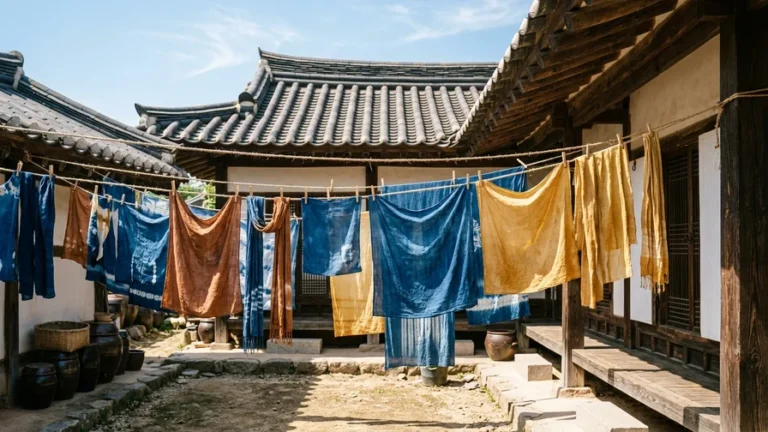
 and Wrapping Cloth (보자기, bojagi)
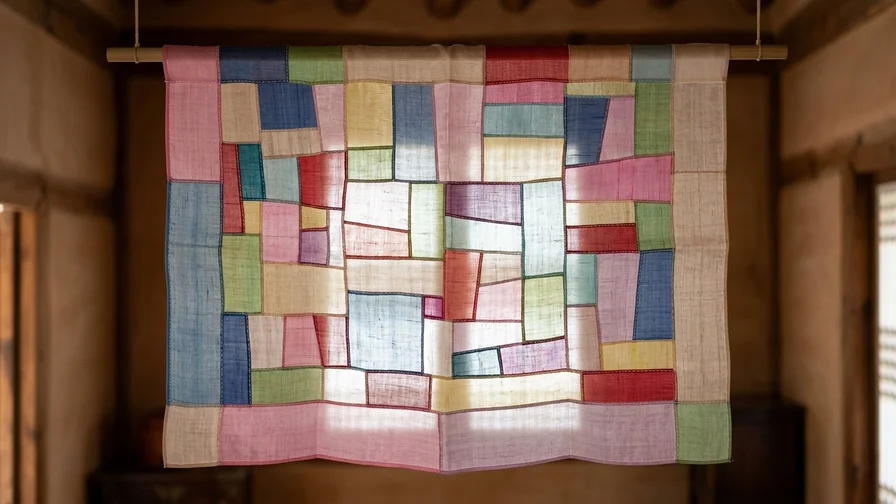 to folding-screen embroidery. Some venues also offer hands-on stitching sessions.
 - All operating details were verified against official sources as of June 2026.
Three places in Seoul let you see traditional embroidery for free: the Han Sangsoo Embroidery Museum in Seongbuk-dong, the Chung Young Yang Embroidery Museum at Sookmyung Women’s University, and the Sajeonga Textile Gallery at the Seoul Museum of Craft Art in Anguk-dong. Embroidery is not mere needlework but a record in which the women of Joseon stitched their hearts and prayers into every pass of the needle, with rank, season, wind, and wishes captured in a single strand of colored thread. If you’re curious about Korea’s distinctive museum scene, pairing this with unique themed museums in Korea helps put it all in context.
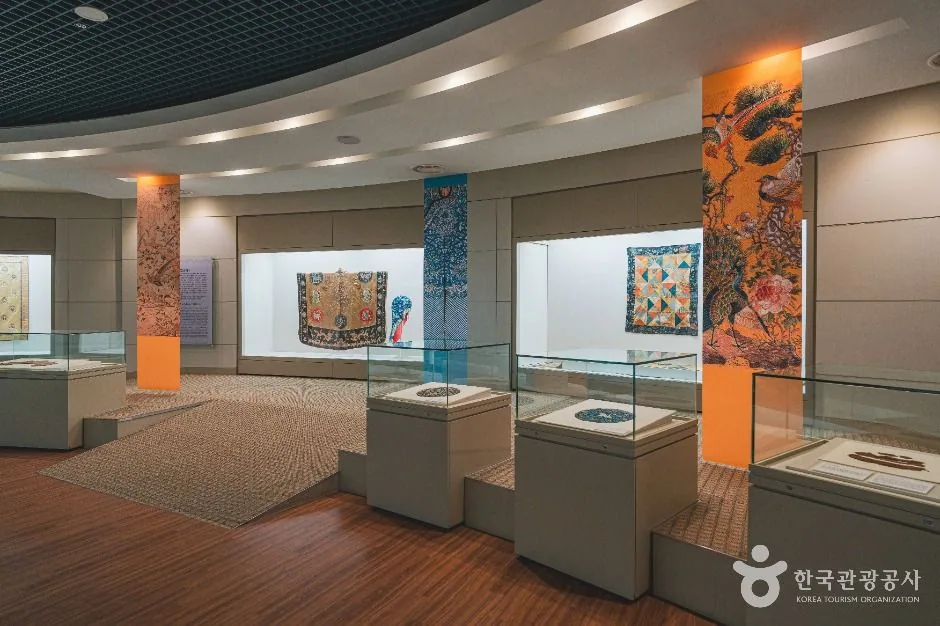
Korean Embroidery Museums: Visitor Info at a Glance
Here’s a table summarizing the three places in Seoul where you can see embroidery. All are free. Hours may change depending on the exhibition schedule, so we recommend double-checking the official channels just before your visit (the info below is current as of June 2026).
| Museum | Location | Operating Info |
|---|---|---|
| Han Sangsoo Embroidery Museum 📍 | 1F, Baekgang Building, 87-1 Seongbuk-ro, Seongbuk-gu, Seoul | Tue–Sat 10:00–17:00 (lunch break 12:00–13:00); closed Sundays, Mondays, public holidays, and May 9. Free, by online reservation. |
| Chung Young Yang Embroidery Museum 📍 (Sookmyung Women’s University) | 1F, Renaissance Plaza, Sookmyung Women’s University campus, Yongsan-gu, Seoul | Weekdays (Mon–Fri) 10:00–17:00; closed Saturdays, Sundays, public holidays, and Foundation Day (May 22). Free. |
| Seoul Museum of Craft Art 📍 — Sajeonga Textile Gallery (SeMoCA) | 4 Yulgok-ro 3-gil, Jongno-gu, Seoul (Anguk-dong) | Tue–Sun 10:00–18:00 (Fridays open late until 21:00); closed Mondays (open when a Monday is a public holiday). Free. |
All three are relatively compact, so you can take your time and see each one in about 40 minutes to an hour. Group visits and docent tours require advance reservation — booking channels are noted in each museum’s detailed section below.
Why the Gangnam Korea Embroidery Museum isn’t included: Older guidebooks and blogs often feature the Korea Embroidery Museum in Nonhyeon-dong, Gangnam. However, its founders, the couple Huh Dong-hwa (1926–2018) and Park Young-sook, donated their lifetime collection of about 5,000 pieces — including bojagi and embroidery — to the City of Seoul in 2018. That collection was moved in its entirety to the textile gallery of the Seoul Museum of Craft Art, which opened in 2021. The gallery’s very name — “Sajeonga (詞傳家) Textile Gallery” — is taken from Huh Dong-hwa’s pen name. To see the famous treasure “Embroidered Landscapes of the Four Seasons,” you now go to Anguk-dong, not Nonhyeon-dong.
How to Get There: Transit Guide for International Visitors
All three are reachable by subway. The base Seoul subway fare is 1,550 won with a transit card, and city buses (trunk and branch lines) are 1,500 won (as of June 2026).
- Han Sangsoo Embroidery Museum (Seongbuk-dong): From Exit 6 of Hansung University Station (Line 4), walk about 800 m (10–12 minutes) along Seongbuk-ro. If you’d rather not walk, take branch bus 1112 or 2112 from the stop in front of Exit 6, and get off at “Seongbuk Elementary School / Seongbuk Sericulture Museum” (verified October 2026) — the museum is in the Baekgang Building on the first floor, across the street from the Silkworm Altar park.
- Chung Young Yang Embroidery Museum (Sookmyung Women’s University): From Exit 10 of Sookmyung Women’s University Station (Line 4), walk 10–15 minutes toward the campus main gate. By bus, take trunk line 400 or village bus Yongsan 04 and get off at “Sookmyung University (main gate / back gate).” It’s on the first floor of Renaissance Plaza inside the campus.
- Seoul Museum of Craft Art (Anguk-dong): A 1-minute walk from Exit 1 of Anguk Station (Line 3). Located between Gyeongbokgung Palace and Bukchon, it’s the easiest to combine with a palace itinerary.
- From the airport: From Incheon International Airport, take the Airport Railroad to Seoul Station, then transfer to Line 4 — both Sookmyung Women’s University Station (Chung Young Yang) and Hansung University Station (Han Sangsoo) are along that single Line 4. For Anguk Station, transfer to Line 1 at Seoul Station, change to Line 3 at Jongno 3-ga, and ride one stop.
Tip for travelers: Both Kakao T and Uber are usable by foreigners in Korea — Kakao T supports sign-up with overseas-issued cards and overseas phone numbers. That said, the alleys of Seongbuk-dong and Bukchon get congested, and since all three sites are close to their stations, a subway-plus-walking combo is the fastest and most reliable option. Driving isn’t recommended (parking around Seongbuk-dong and Anguk-dong is tricky).
A Saturday morning is the safest slot
The Han Sangsoo Embroidery Museum closes for lunch (12:00–13:00) and is shut on Sundays and Mondays — a Saturday morning is the safest slot for planning your route. The Chung Young Yang Embroidery Museum is open weekdays only, so adding it to a weekend itinerary means a wasted trip. If you need English commentary, you can request an English docent at the Chung Young Yang Embroidery Museum by email ([email protected]) at least one week before your visit.
What to See: Korean Embroidery Museum Exhibition Highlights
The three venues each have their own character, so if time allows, we recommend combining two or more. For each museum, here’s the one piece you shouldn’t miss and the impression it leaves when you see it in person.
Han Sangsoo Embroidery Museum: The Master’s Hand
Han Sangsoo (1932–2016) was the first holder of National Intangible Cultural Heritage No. 80, the art of embroidery (jasujang) — a master who devoted more than 60 years to restoring and passing down traditional Korean embroidery. This museum preserves her work and records, and reopened in November 2019 in Seongbuk-dong, beside the ruins of the Silkworm Altar where the Joseon royal court once prayed for a bountiful silk harvest. The genre a docent will single out is Rank Badge (흉배, hyungbae) embroidery. These were rank badges sewn onto the chest and back of Joseon-era official robes — cranes for civil officials, tigers for military officials. Up close, the gold thread stands slightly proud of the fabric, so depending on the angle of the light, each individual feather seems to come alive.
The exhibition runs by reservation with guided commentary, which actually makes it richer for newcomers to embroidery. It’s a rare space to view a master’s work alongside its restoration records.
Details (as of June 2026)
- Address: 1F, Baekgang Building, 87-1 Seongbuk-ro, Seongbuk-gu, Seoul (Google Maps)
- Hours: Tue–Sat 10:00–12:00, 13:00–17:00 (mind the lunch break); closed Sundays, Mondays, public holidays, and May 9
- Admission: Free, by online reservation
- Official info: Han Sangsoo Embroidery Museum official site (check reservations and closure notices)
Chung Young Yang Embroidery Museum: East Asian Embroidery in One Place
The Chung Young Yang Embroidery Museum at Sookmyung Women’s University was founded by Dr. Chung Young Yang, a scholar of embroidery history. Its appeal is scholarly depth that lets you compare embroidery and textiles across East Asia, not just Korea. The viewing highlight is comparison — seeing how the same bird and animal motifs were stitched differently from country to country, side by side, makes the restrained negative space and color characteristic of Korean Rank Badge (흉배, hyungbae) embroidery stand out clearly.
Standing before a flower-and-bird folding screen embroidered on silk, you realize the phrase “a painting drawn with thread” is no exaggeration. You’ll notice that even the same shade of red shimmers in subtly different tones depending on the twist direction of the thread. As you’d expect from a university museum, its docent program is well established, making it easy even for first-time international visitors to grasp the context.
Details (as of June 2026)
- Address: 1F, Renaissance Plaza, Sookmyung Women’s University, Yongsan-gu, Seoul (Google Maps)
- Hours: Weekdays (Mon–Fri) 10:00–17:00; closed Saturdays, Sundays, public holidays, and Foundation Day (May 22) — as a university museum, hours may change during vacations and exhibition changeovers, so calling ahead (02-710-9134) is recommended
- Admission: Free. Groups of 20 or more should book one week in advance
- Docent: Request Korean 3 days ahead, English 1 week ahead, by email ([email protected])
- Official info: Chung Young Yang Embroidery Museum official site
Seoul Museum of Craft Art, Sajeonga Textile Gallery: The Huh Dong-hwa Collection and the Aesthetics of Gyubang Craft
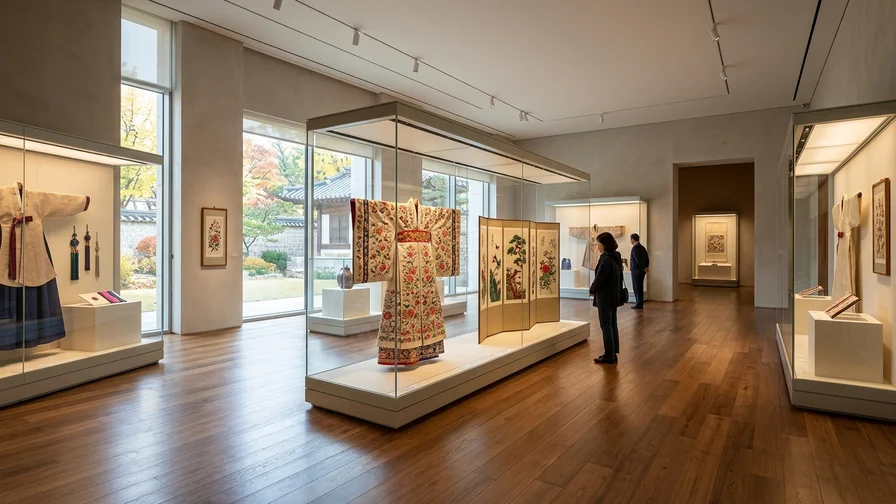
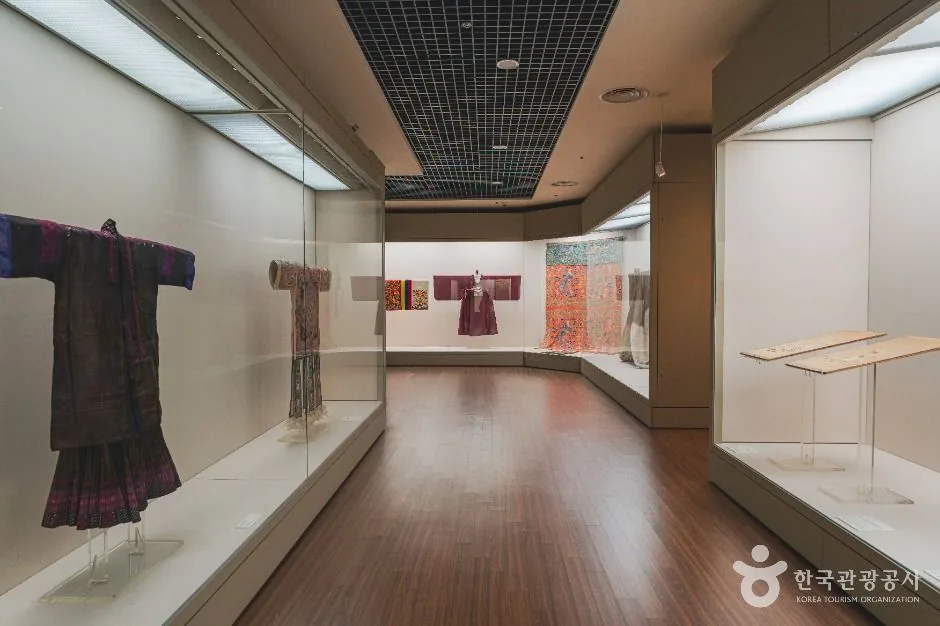
Exhibition Hall 3 of the Seoul Museum of Craft Art in Anguk-dong is devoted entirely to textiles. In the second-floor permanent exhibition “Embroidery, Drawing Wishes” and the third-floor “Bojagi, Wrapping the Everyday,” you can encounter the embroidered folding screens, Wrapping Cloth (보자기, bojagi), and everyday embroidery that the couple Huh Dong-hwa and Park Young-sook gathered over a lifetime. The one piece you must see is the treasure “Embroidered Landscapes of the Four Seasons (四季盆景圖)” — a late-Goryeo folding screen depicting the four seasons across four panels with spring blossoms, plum and camellia, lotus, and grapes. Believed to be the oldest surviving embroidered folding screen in Korea, it is the centerpiece of this collection.
A note: Gyubang refers to the private inner quarters where Joseon-era women spent their daily lives doing embroidery and needlework, as well as poetry and calligraphy. As the birthplace of women’s crafts such as Korean embroidery and bojagi, it’s helpful background for understanding the exhibition’s themes.
The third-floor bojagi exhibition lays out everything from court wrapping cloths to folk patchwork, sorted by size, material, and use. The patchwork bojagi — scraps of fabric joined together and then embroidered with flowers and birds — have stitch intervals so uniform they look measured by ruler, and it’s striking all over again to realize this was completed by hand. It’s an aesthetic of daily life, in which women of the past elevated even everyday objects into art and translated their prayers for their family’s well-being into needlework.
Details (as of June 2026)
- Address: Floors 2–3, Exhibition Hall 3, 4 Yulgok-ro 3-gil, Jongno-gu, Seoul (Google Maps)
- Hours: Tue–Sun 10:00–18:00, Fridays open late until 21:00; closed Mondays (open when a Monday is a public holiday)
- Admission: Free
- Official info: Seoul Museum of Craft Art official site (special exhibition and education program schedules)
The Great Lineage of Korean Embroidery: Masters and Transmission Through History
The roots of Korean embroidery reach back to the Three Kingdoms period. Buddhist embroidery and costume embroidery developed together, and in the court’s embroidery workshop (subang), professional artisans handled embroidery for royal ceremonies. By the Joseon era, embroidery blossomed along two branches — court and gyubang. If court embroidery embodied formality and dignity, gyubang embroidery captured the lives and wishes of ordinary women.
In the modern era, there were masters whose efforts restored and passed down traditional embroidery techniques that were fading away. Han Sangsoo, the first holder of National Intangible Cultural Heritage embroidery, stands at the start of that lineage, while collectors like Huh Dong-hwa spent their lives gathering discarded bojagi and everyday embroidery to build today’s museum collections. A tenacious transmission — of skill in every stitch, from teacher to student, from collector to a museum for the public — is what made the exhibitions we see today possible.
An Artistic Spirit in Every Stitch: The Symbolism and Meaning in Embroidery
Almost every motif in traditional Korean embroidery carries meaning. The peony stands for wealth and honor, the lotus for purity and fertility, the bat for good fortune, and the Ten Symbols of Longevity for long life. Behind it lies a long-standing system of symbols through which people sought to convey their feelings with images and colors, even in an age when many could not write. To view embroidery is, in effect, to read this language of symbols.
The techniques are just as varied. Depending on how the thread is filled, joined, or knotted — flat stitch, long-and-short stitch, knot stitch — the texture and sense of dimension change. Even the same single bird can leave an entirely different impression depending on which technique was used to render its feathers.
Take note of the verb in the common Korean phrase su-reul nota (“to lay embroidery”). In Korean, you “write” letters and “draw” pictures, but embroidery you “lay down.” That word — as if gently setting the thread down upon the fabric — perfectly captures the essence of embroidery, built up one stitch at a time. Once you grasp these small textures of language, the work looks a little different.
Art Blooming from a Master’s Hand: Embroidery Workshops and Experiences
Rather than stopping at viewing with your eyes alone, picking up a needle yourself is when the weight of a single stitch finally reaches your fingertips. The Han Sangsoo Embroidery Museum runs traditional embroidery classes through its affiliated academy and has held one-day embroidery experiences, and the Seoul Museum of Craft Art frequently offers craft education programs as well. These usually take the form of stitching a simple motif onto a small item like a handkerchief, brooch, or bookmark.
Prices, duration, and whether sessions are run in English vary by period — for confirmed details, the most accurate source is each museum’s official channel (the Han Sangsoo Embroidery Museum’s online reservation menu on its official site, and the Seoul Museum of Craft Art’s education page on its official site). Most take 1–2 hours, and advance reservation is standard, so sign up before your visit date.
Rediscovering Modern Embroidery: K-Embroidery in Fashion and Interiors
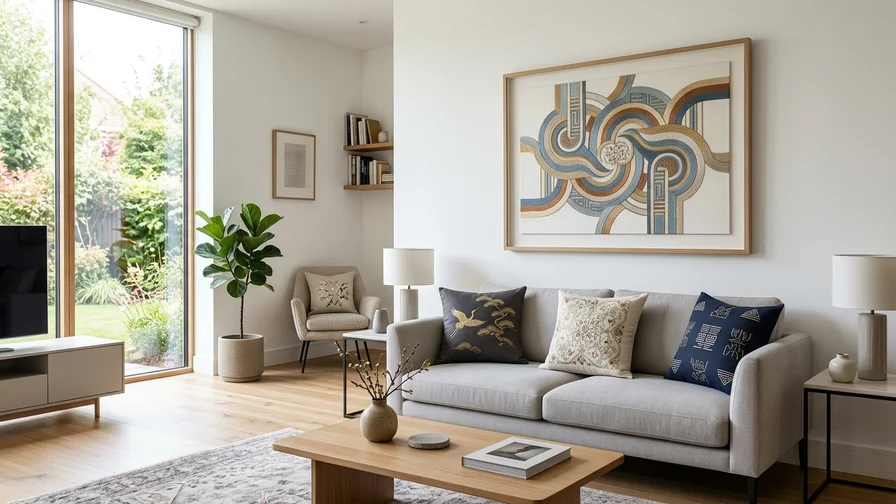
Traditional embroidery doesn’t stay locked inside museum display cases. Recently, Korean designers have been carrying hyungbae motifs and bojagi color palettes into modern clothing, bags, cushions, and framed art. Within the K-fashion movement, traditional embroidery’s restrained colors and auspicious motifs are being reinterpreted with an original sensibility.
As embroidery details appear not only in Hanbok (한복, hanbok)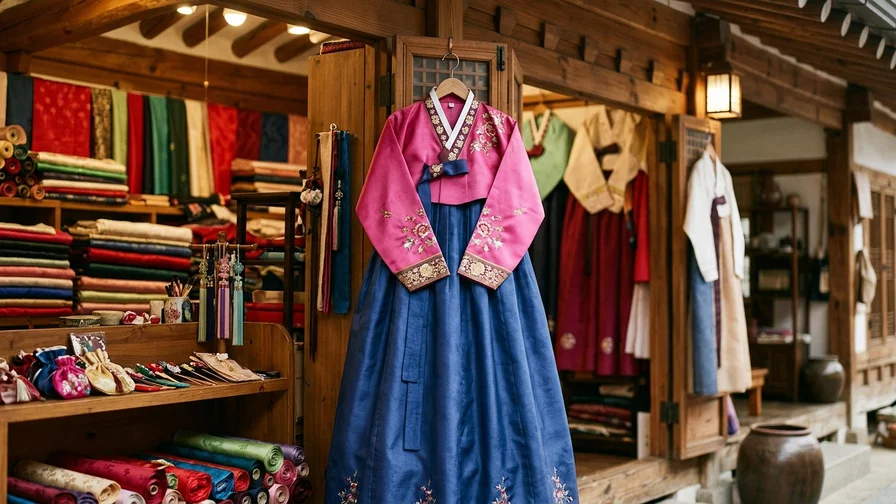 brands but in everyday clothing and accessories, it’s becoming a gateway for younger generations to embrace traditional aesthetics in an approachable way. This isn’t simple retro nostalgia but the work of rewriting old symbols in today’s language. The experience of seeing the originals in a museum and then encountering their variations out on the streets offers a multidimensional perspective on Korean design.
Strolling Through an Embroidery Museum: A Viewing Guide
The first tip for properly appreciating embroidery is to look closely and slowly. Step back and you see the overall composition; step closer and you see the grain of the thread and the knots. Moving between these two distances reveals the work’s depth in three dimensions.
The second tip is to watch the shifts in color — try to catch the moment when the same thread shimmers in a different tone depending on the angle of the light. The third is to read the symbolism of the motifs one at a time. Once you know the wish held in a single peony or a single butterfly, the time you spend lingering before a work naturally grows longer.
Nearby Spots and Restaurants to Visit Together
All three museums sit in walkable neighborhoods, making them easy to pair with a meal and a stroll. All the restaurants below were verified as open (as of June 2026).
Seongbuk-dong (Han Sangsoo Embroidery Museum): A neighborhood of hanok, art galleries, and cozy cafés. Across the street you can string together the Seongbuk Sericulture Museum and Simujang, the house where the monk-poet Han Yong-un spent his final years, all on foot.
- Geumwang Donkkaseu Main Branch 📍: An old-school Western-style cutlet shop in Seongbuk-dong. Its signature is Korean-style donkkaseu (a cutlet pounded thinner and broader than the Japanese version), with a thick crust drenched in brown sauce. Closed Mondays (138 Seongbuk-ro)
- Ssangdari Dwaeji Bulbaek Main Branch 📍: A third-generation charcoal-grilled pork eatery. Dwaeji bulbaek is a set meal of marinated pork grilled over briquette fire and served with rice — a single-serving dish that’s easy to enjoy solo (4 Seongbuk-ro 23-gil)
- Suyeon Sanbang 📍: A traditional teahouse housed in the 1930s home of novelist Yi Tae-jun, preserved as it was. Sweet pumpkin shaved ice and jujube tea are the signatures — perfect for resting on a hanok veranda after viewing the embroidery (8 Seongbuk-ro 26-gil)
Sookdae-ipgu and Namyeong (Chung Young Yang Embroidery Museum): Right in front of the museum is a university-area mix of snack bars and cafés, so for a proper meal, heading one or two stops over toward Namyeong Station or Samgakji Station is more realistic.
- Namyeongdon 📍: A pork-grilling specialist (samgyeopsal and pork jowl) where staff grill the meat for you over a charcoal brazier. Open only for dinner on weekdays, so it doesn’t fit a lunch route; signing up for the waitlist is a must (near Exit 6 of Sookmyung Women’s University Station)
- Mongtan 📍: A nationally famous spot for udae galbi (thick, bone-in aged beef short rib, grilled), known for nationwide queues. Open 12:00–22:00 — a 1-minute walk from Exit 8 of Samgakji Station, one stop from Sookmyung Women’s University Station (50 Baekbeom-ro 99-gil)
Anguk-dong (Seoul Museum of Craft Art): A bustling area between Bukchon and Insa-dong, so the choices are the most plentiful.
- Hwangsaengga Kalguksu 📍: A Bukchon kalguksu house listed in the Michelin Guide. Kalguksu is a noodle dish of hand-rolled, knife-cut noodles simmered in beef-bone broth, and the standard move is to order it alongside king-sized dumplings (78 Bukchon-ro 5-gil)
- Kkangtong Mandu 📍: A long-standing handmade-dumpling shop near Anguk Station. Its signature is a combo of clean-tasting dumpling soup and tangy cold spicy noodles. Closed Sundays; note the weekday break time (15:30–17:00)
- Onion Anguk 📍: A bakery café in a renovated hanok. You enjoy coffee and bread seated on the main wooden hall floor, making it a great spot to rest after viewing the textile gallery (at the start of Gyedong-gil)
Frequently Asked Questions (FAQ)
Q. How much is admission?
All three are free (as of June 2026). Note, however, that the Han Sangsoo Embroidery Museum is by online reservation, so book ahead on its official site.
Q. Is photography allowed?
Embroidery is sensitive to light and preservation, so flash photography is often restricted. Check whether photography is permitted at the entrance or information desk in advance.
Q. Is there English-language guidance?
The Chung Young Yang Embroidery Museum can provide an English docent if requested by email one week before your visit. The Seoul Museum of Craft Art is fairly well equipped with materials for international visitors. For the Han Sangsoo Embroidery Museum, it’s best to inquire in advance when making your reservation.
Q. How long does a visit take?
Since the exhibitions are relatively compact, 40 minutes to an hour per venue is plenty. It runs longer if you include a docent tour.
Q. Can you see all three in one day?
It’s possible in theory, but the combination of closing days is the key issue. The Chung Young Yang Embroidery Museum is open weekdays only, and the Han Sangsoo Embroidery Museum is open only Tue–Sat, so to see all three you’d need a weekday between Tuesday and Friday. A recommended route: Chung Young Yang in the morning (Sookmyung Women’s University Station) → transfer on Line 4 to Hansung University Station → Han Sangsoo in the afternoon (Seongbuk-dong, avoiding the 12–13:00 lunch break) → over to Anguk for the Seoul Museum of Craft Art (open late until 21:00 if it’s a Friday). For a more relaxed pace, it’s better to pair Seongbuk-dong and Anguk-dong on one day and see Chung Young Yang on a separate weekday.
Korean embroidery is an art that moves the heart through restraint and symbolism rather than flamboyance. The story Korea tells through its currency is fascinating, too — continuing on to the story of Korea’s money museum reveals another texture of the country. Before you set off, check each museum’s official channels once more for hours and closing days, and saving the subway routes in advance will make your itinerary feel that much lighter. If you’re curious about more unusual museum routes, continue to the Hands-On Themed Museums in Korea, from Money to Retro Games. The next time you look at a single strand of that colored thread, this context will show through one layer deeper.
Some photos © Korea Tourism Organization (KOGL Type 1)