Make Your Own Korean Banchan — K-Food Classes for Foreigners
목차
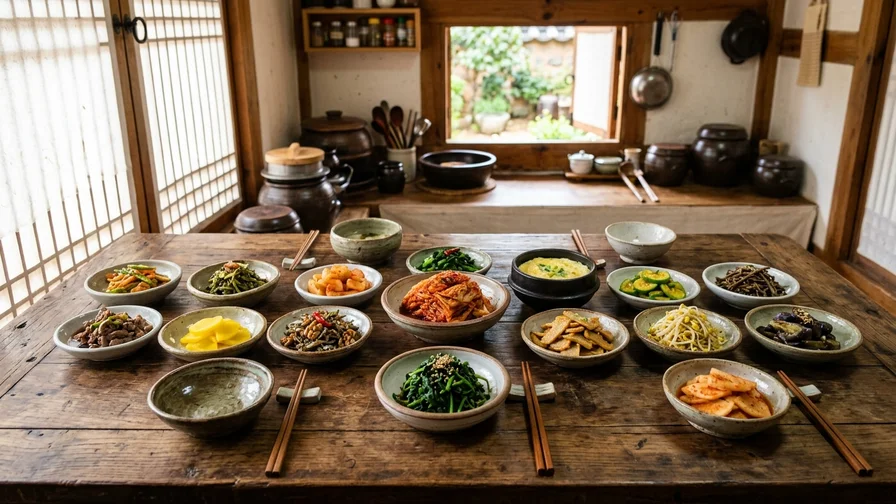
This is a practical guide for travelers who want to learn Korean cooking, especially how to make banchan (side dishes). A Korean cooking class for foreigners goes beyond just preparing food: it lets you experience local ingredients, markets, and food culture all at once. We’ve gathered only verified information, from choosing a class to booking, pricing, and handling dietary restrictions. Prices and operating details are accurate as of June 2026, so be sure to confirm them on the booking platform or official website right before you reserve.
1. Korean Cooking Class Basics
Most Korean cooking classes run for about 2 to 3 hours. You’ll usually learn one to three main dishes along with a few side dishes. Classes aimed at foreigners are conducted in English by default, and some also offer Japanese, Chinese, or Spanish. The class typically follows this order:
- Introduction & Recipe Briefing: The instructor gives a quick overview of the dishes you’ll make and a bit of Korean food culture.
- Ingredient Preparation: You’ll prep the ingredients yourself, such as chopping vegetables and measuring seasonings.
- Instructor’s Demonstration: The cooking process is shown step by step.
- Hands-on Cooking: You cook individually or in small groups.
- Tasting: You enjoy the finished dishes as a meal.
- Wrap-up: Printed recipes are provided, and there’s time for questions.
Class Fees & Inclusions
Prices vary widely depending on the type of program and the location. The ranges below are based on actual selling prices on major booking platforms (as of June 2026, with USD converted at 1,500 KRW per dollar). Always check what’s included before booking.
| Category | Price Range (KRW) | Price Range (USD, at 1,500 KRW/$) | Features |
|---|---|---|---|
| Standard Group Class | 65,000 – 130,000 KRW | approx. 43 – 87 USD | 2–3 hours, 2–3 dishes, group format (4–10 people) |
| Market Tour & Class | 90,000 – 150,000 KRW | approx. 60 – 100 USD | Traditional market tour (about 1 hour) followed by cooking (about 2 hours) |
| Private or Small-group Class | 150,000 – 250,000 KRW or more | approx. 100 – 167 USD or more | One-on-one tailored sessions, in-depth focus on a specific dish |
One exception is the official K-Food program run by the Seoul city government (see OKITCHEN STUDIO in Gangnam-gu below), an application-based, low-cost option at about 13,000 KRW per person. It’s held only once a month, so the timing has to line up.
Usually Included:
- All ingredients and cooking utensils
- Apron
- English-speaking instructor
- Printed recipe
- Food tasting
- Water or tea
2. Popular Cooking Class Menus
Classes are mostly built around the everyday dishes that Koreans eat regularly. Some cover special themes like royal court cuisine or temple food.
Kimchi Making
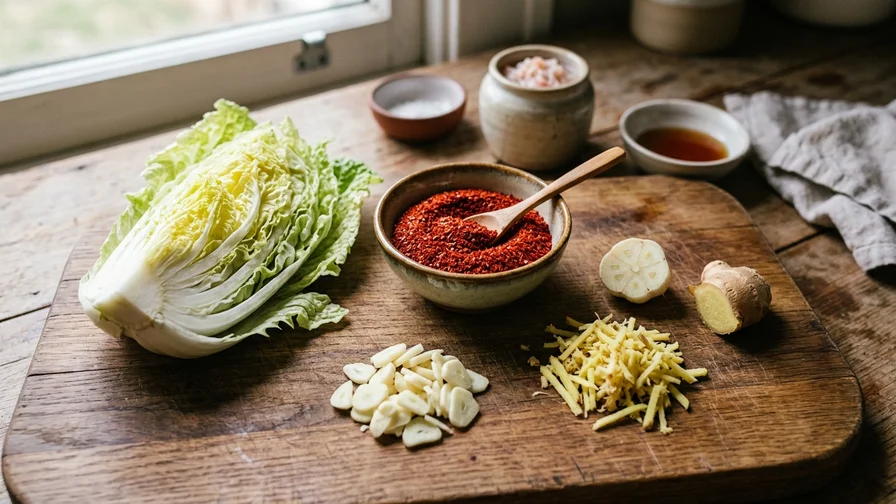
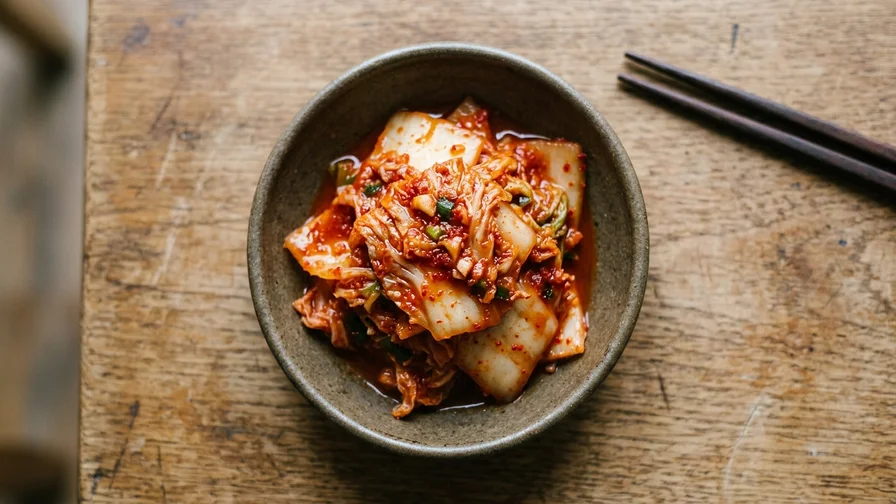
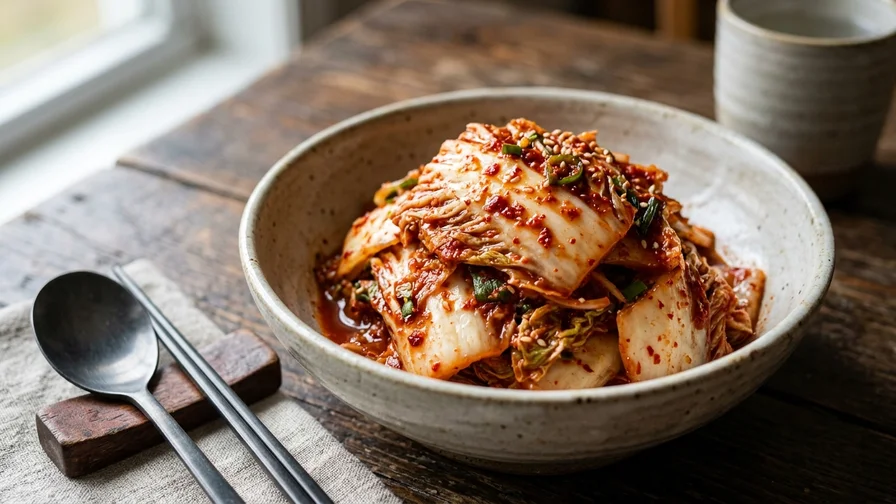
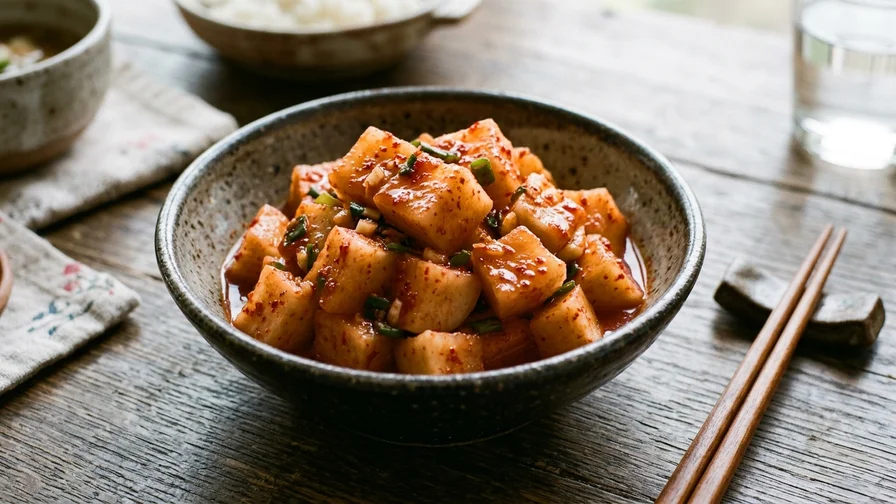
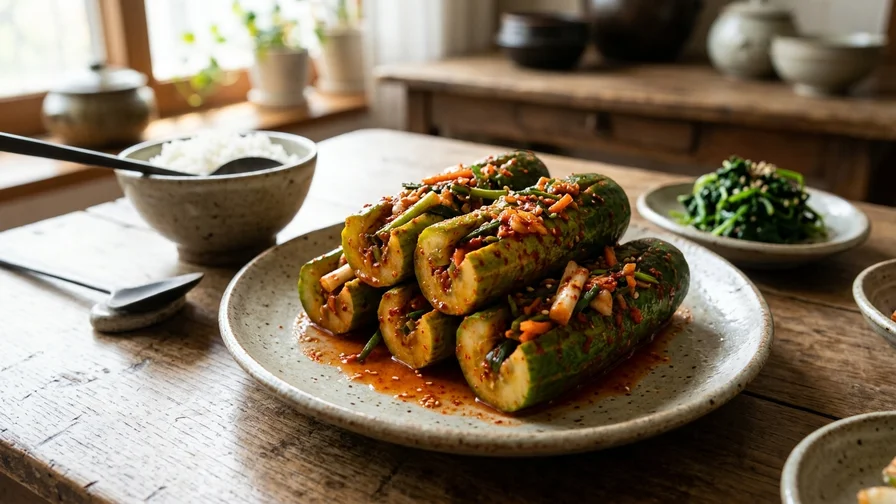
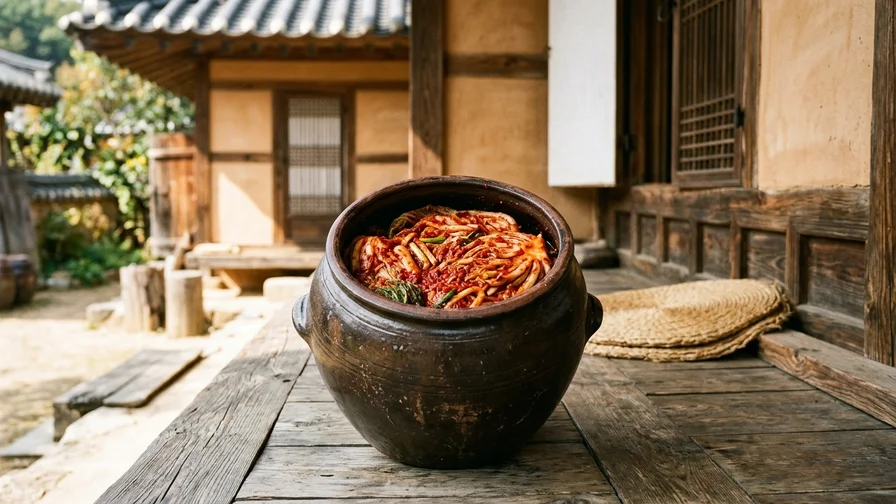
This is a hands-on experience making kimchi, Korea’s iconic fermented dish, from scratch. Depending on the season, you might make napa cabbage kimchi, kkakdugi (radish kimchi), or oi-sobagi (cucumber kimchi). You’ll learn everything from preparing the kimchi seasoning (the filling) to coating the cabbage with it. The kimchi you make can usually be packed into a small container to take home (this varies by class, so check when booking).
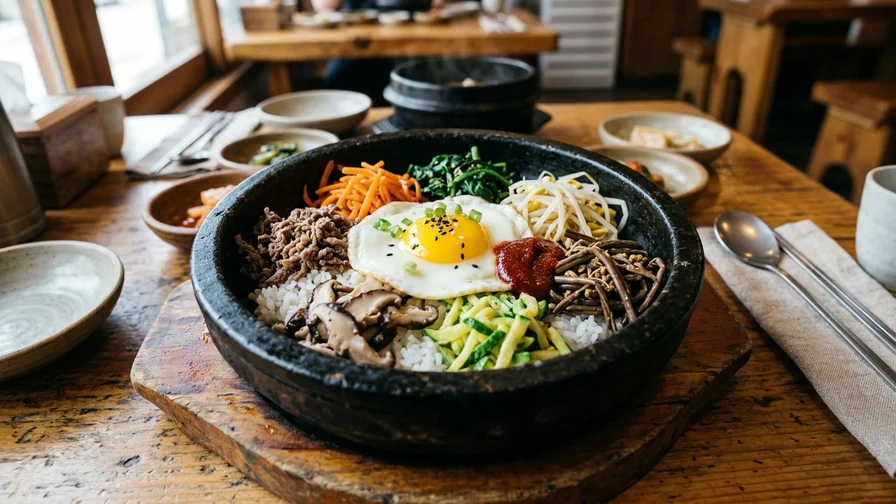
Bibimbap & Doenjang-jjigae
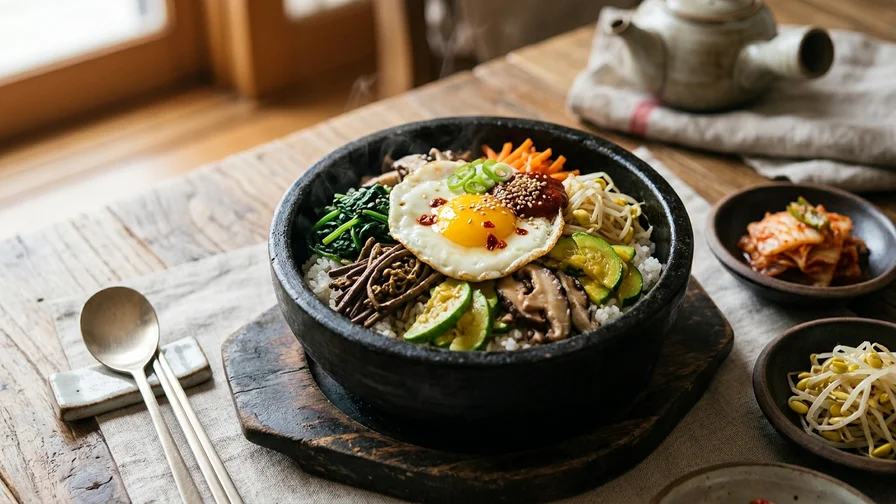
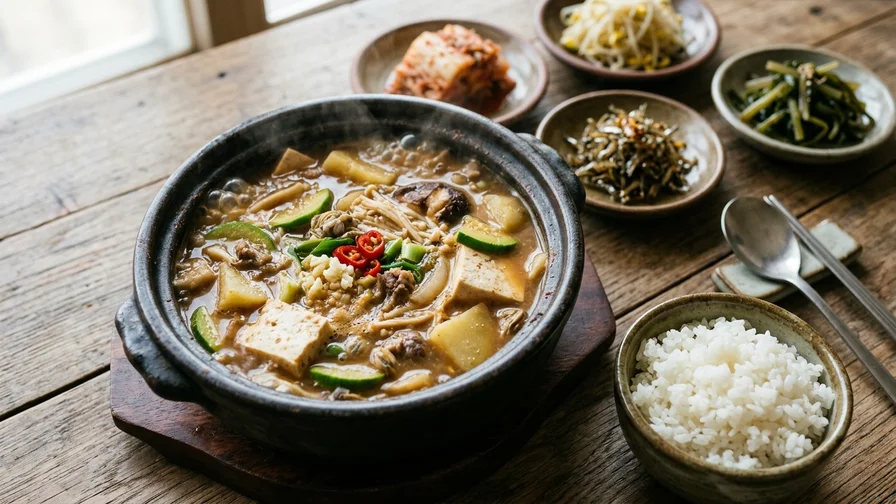
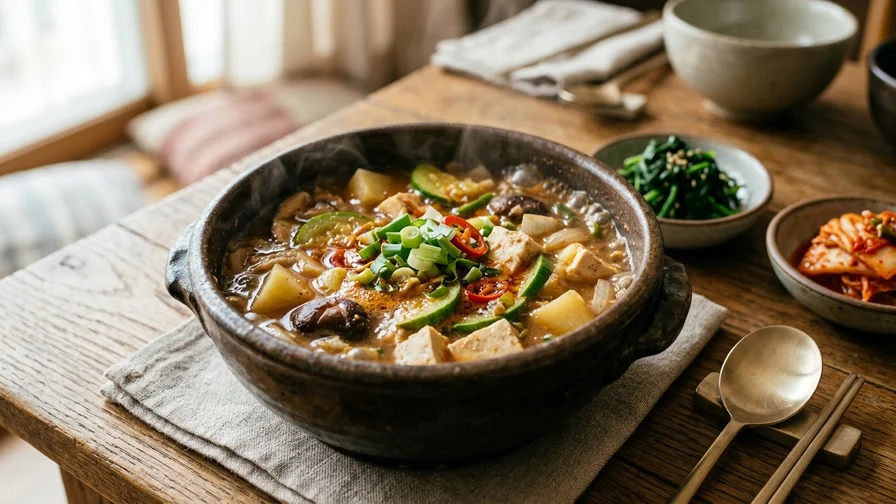
Bibimbap is a dish of rice topped with various seasoned vegetables, meat, and egg, all mixed together with gochujang (red chili paste) or soy-based sauce. In class, you’ll learn how to season and stir-fry five or more kinds of vegetables. It often comes paired with a savory doenjang-jjigae, a stew made with doenjang (soybean paste).
Bulgogi & Japchae
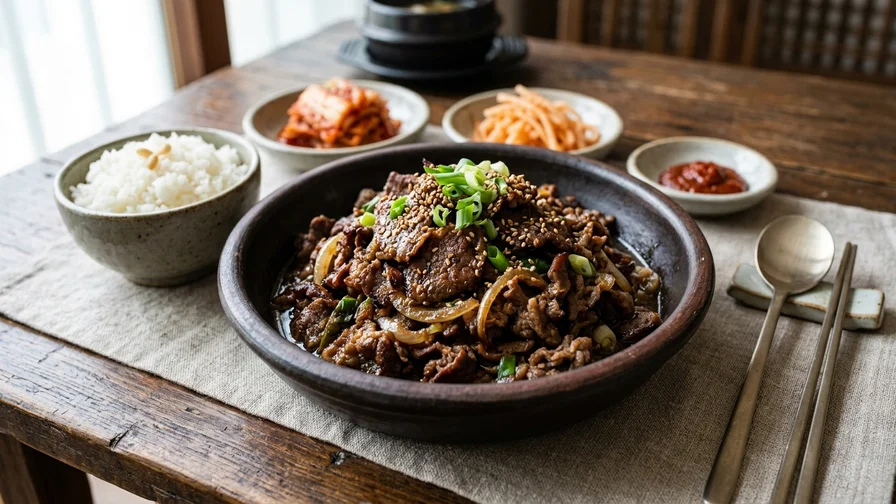
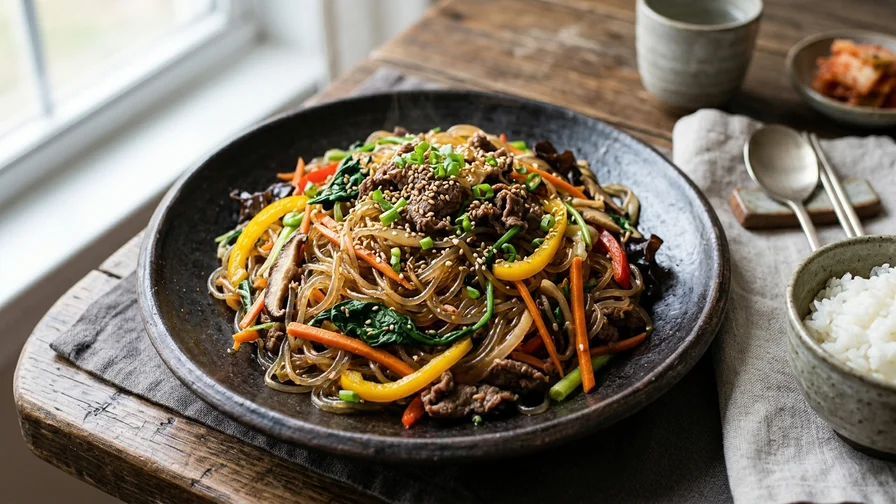
Bulgogi is thinly sliced beef marinated in a soy-based sauce and grilled, and it’s a big favorite among foreign visitors. Japchae is a festive dish made by stir-frying sweet potato starch glass noodles with vegetables, mushrooms, and meat. It’s a combination often enjoyed during holidays and on special occasions.
Haemul-pajeon & Makgeolli
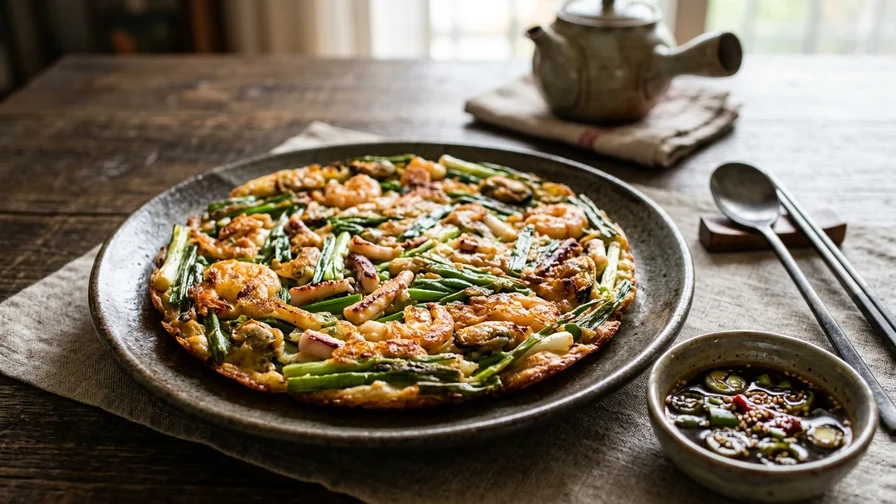
Haemul-pajeon is a Korean-style savory pancake made by pan-frying a flour batter generously filled with green onions and seafood. It’s a go-to dish for Koreans on rainy days, and tasting sessions usually include traditional makgeolli (a fermented rice wine) to go with it.
Kimbap
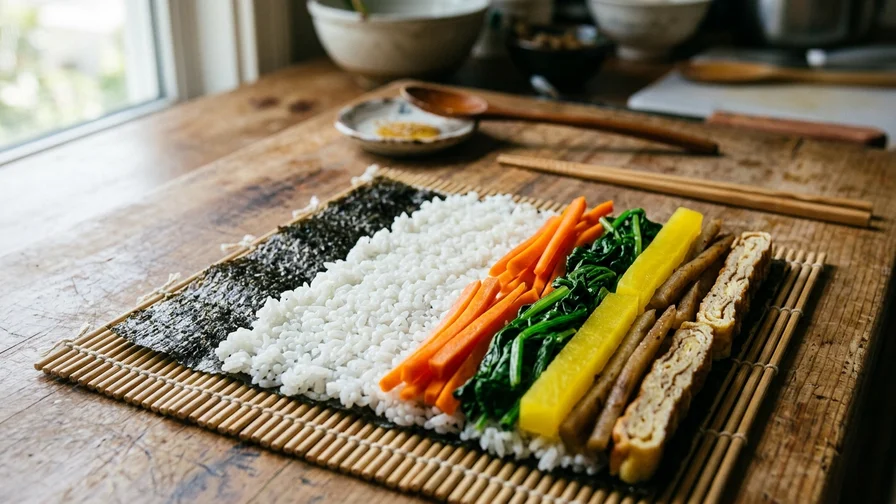
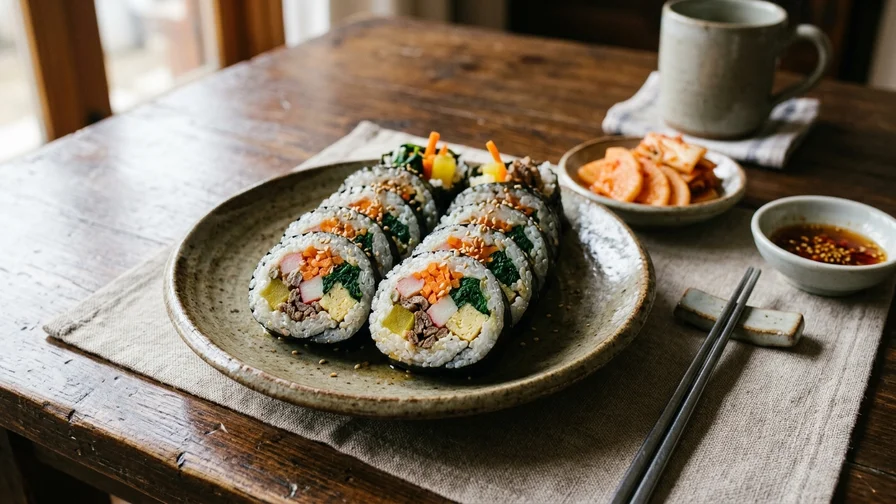
This dish is made by spreading rice and fillings over a sheet of gim (dried seaweed) and rolling it up. You’ll prep basic fillings like pickled radish, egg, spinach, carrot, and burdock root, and learn the technique to roll kimbap tightly. Some classes also let you make variations with beef or tuna kimbap.
Editor’s Tip
If you’re vegetarian or vegan, or have food allergies, be sure to mention it when you book. Most classes will prepare substitute ingredients if you request in advance. For example, a bulgogi class can swap mushrooms in for the meat, and kimchi can be made without the salted seafood. Halal accommodation varies a lot from place to place, so it’s safest to message the operator directly before booking to ask whether they can be “halal-friendly.”
3. Recommended Classes by Region
Cooking classes are most plentiful in Seoul, but you can also find programs with a local twist in Jeonju and Busan. All of the operators and products below have been confirmed to be running on official websites or multiple booking platforms (as of June 2026).
Seoul
A. Jongno-gu: Professional Cooking-School-Style Classes
The Jongno area, close to Gyeongbokgung Palace, Insadong, and Bukchon, is a hub for cooking classes aimed at foreigners. It’s a great spot to add a stroll through Gwangjang Market or Tongin Market after class.
- Featured Operator: O’ngo Food Communications 📍 — a cooking school and food-tour company in Jongno-gu that has been running since 2008.
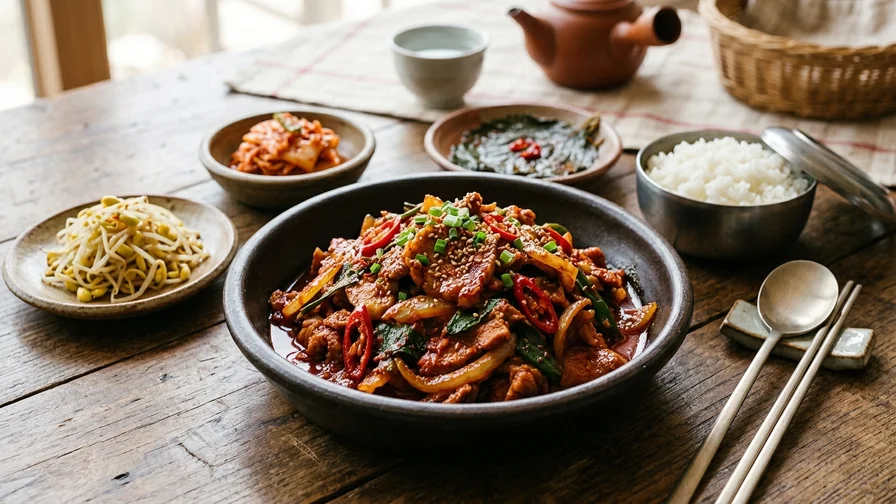
- Operating Details (as of June 2026): Regular classes start at 10:30 on weekdays, run about 2 hours, and cost 81 USD per person. Depending on the day, you’ll make two dishes such as bibimbap, bulgogi, japchae, or jeyuk-bokkeum. Conducted in English, with ingredient substitutions available for dietary restrictions.
- Cancellation Policy: Free cancellation up to 72 hours before, 50% refund up to 48 hours before, and no refund within 24 hours.
- How to Book: Search the operator’s name on the official site ongofood.com or on Klook and Viator. The current regular classes are studio-based and don’t include a market tour, so see section B below for tour-and-class combos.
B. Jegi-dong, Dongdaemun-gu: Traditional Market Tour Combo Classes
A leading example of the combo program, where you shop for ingredients at the market and then cook with them, is OME Cooking Lab. It’s also listed on the Korea Tourism Organization’s VISITKOREA.
- Featured Operator: OME Cooking Lab 📍
- Format: A roughly 1-hour walking tour of Gyeongdong Market and the Seoul Yangnyeong Herbal Medicine Market, plus a roughly 2-hour cooking class (including a lunch tasting).
- Meeting Point: In front of Exit 2 of Jegidong Station on Subway Line 1.
- Daily Menu (as of June 2026): bibimbap on Mondays and Tuesdays, Korean home-style meals on Wednesdays and Thursdays, and a kimchi class on Fridays.
- How to Book: OME Cooking Lab’s page on Klook, or search “OME Cooking Lab” (it’s also listed on Viator and Seoul PASS).
C. Gangnam-gu: Official Seoul Program + Studio Classes
Gangnam has both an ultra-low-cost official program run by the Seoul city government and commercial studio classes.
- Official Program: OKITCHEN STUDIO 📍 — the studio that runs Seoul’s K-Food program. 4th floor, Ham House, 23 Bongeunsa-ro 51-gil, Gangnam-gu. You’ll make three dishes (kimbap, bulgogi, and japchae) for 13,000 KRW per person (as of June 2026). Held once a month, up to 8 people, in English.
- How to Apply: Check the details on the official Seoul guide page (visitseoul.net), then apply via the online form on seoulhallyu.com. Spots are assigned by lottery, and a confirmation email arrives 7 days in advance. Note any dietary restrictions by email beforehand.
- Commercial Classes: A Gangnam home-style cooking class (around 85 USD, starting at 11:00 or 17:00, about 2.5 hours) is listed and running on TripAdvisor and byFood. Just search “Gangnam cooking class” on Airbnb Experiences or byFood.
D. Mangwon-dong, Mapo-gu: Market Tour + Home-Style Cooking
Mangwon-dong, one subway stop from Hongdae, is a neighborhood full of home cooking classes with a relaxed, lived-in feel. You can learn the home-cooked dishes of a real Korean household and chat closely with your instructor.
- Format: Meet at Mangwon Station on Subway Line 6 → shop at Mangwon Market → cook at a nearby home or studio. About 2 hours, weekdays, with products confirmed to support English and Spanish.
- How to Book: Trazy’s Mangwon Market cooking class page, or search “Korean Home Cooking Class Mangwon” on Airbnb Experiences. Cancellation is usually free up to 2 days before.
Jeonju
Jeonju is a UNESCO City of Gastronomy and the birthplace of bibimbap. Bibimbap-making programs run year-round inside Jeonju Hanok Village.
- Highlights: Specialized in making Jeonju-style bibimbap, set in a hanok (traditional Korean house) for a special experience.
- How to Book: Check the food experiences in the program list on the official Jeonju Hanok Village site (hanok.jeonju.go.kr), or search “Jeonju Bibimbap Cooking Class” on Klook or MyRealTrip. Operating days change often by operator, so confirming your booking before you visit is essential.
Busan & Jeju
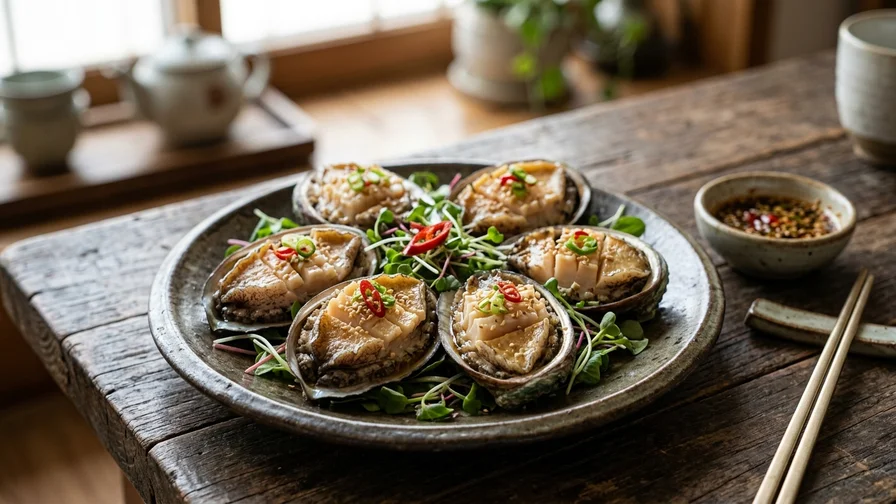
In Busan, classes combined with shopping at a fish market are actually up and running. A product where you buy fresh ingredients at Jagalchi Market and Bupyeong Kkangtong Market, then head to a studio to make four Korean dishes, is listed on Trazy (as of June 2026). On Jeju, year-round English cooking classes are relatively rare. For themed experiences around local specialties like black pork or abalone, it’s safest to search Airbnb Experiences and Klook first, confirm that bookable dates are actually open, and then plan your itinerary around them.
4. How to Book & Platforms
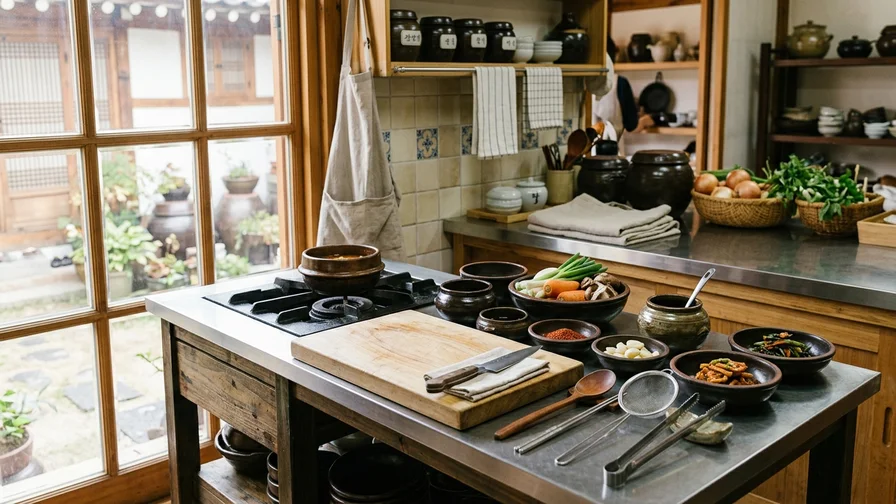
Walk-in booking is often difficult for cooking classes. Reserving online in advance to fit your travel schedule is the norm. The channels most commonly used by foreign travelers are below.
- Klook: A platform specializing in Asian travel products. It offers a wide variety of cooking classes with plenty of reviews, which makes comparing easy.
- Trazy: A platform dedicated to Korea travel products. It has a broad range of market-tour combo classes at Tongin Market, Mangwon Market, Busan’s Jagalchi Market, and more.
- Airbnb Experiences: Lots of small, personalized classes run by locals. Great for finding home cooking classes.
- Viator (by TripAdvisor): A global tour booking site with many classes from review-verified operators.
- Official Tourism Channels: It’s also a good idea to start by shortlisting verified operators from Seoul’s K-Food program list on visitseoul.net, or from the experience pages on the Korea Tourism Organization’s VISITKOREA.
Checklist Before Booking:
- Language of Instruction: English is standard, but check whether other languages like Japanese, Chinese, or Spanish are supported.
- Minimum/Maximum Participants: If you’re traveling solo, be sure to check the minimum number required for a class to run.
- Location & Transportation: Check in advance how to get from your accommodation to the class venue or meeting point (right down to the station exit number). Naver Map is more accurate than Google Maps for Korean public transit routes.
- Cancellation & Refund Policy: Free cancellation is usually allowed up to 24–72 hours before, with partial or no refund after that. It varies by product, so always confirm.
- Inclusions/Exclusions: Check whether things like the market tour, drinks, souvenirs, and a kimchi container are included.
5. Practical Information for Travelers
Transportation
Most cooking classes are located near a subway station. In Seoul, the subway is the most accurate and convenient way to get around. With the Naver Map or Kakao Map app, you can get real-time public transit directions (both apps offer an English interface).
Using a Taxi:
The Kakao T app supports registering foreign-issued credit cards, so foreign travelers can hail rides and pay automatically too (as of June 2026). The Uber app also works in Korea as is. If hailing through an app feels like a hassle, you can flag one down on the street, and showing your destination address in Korean helps with communication.
1330 Korea Travel Helpline
This is a handy service whenever you need help while traveling. Call it if you get lost, have trouble communicating, or want to ask for tourist information. It operates 24 hours a day with multilingual interpretation in Korean, English, Japanese, Chinese, and more.
- Phone Number: 1330 (no area code needed)
- How to Use: Call 1330, then follow the language selection prompts and press the number for your preferred language.
Editor’s Tip
Cooking classes start on time. With market-tour combos in particular, arriving late makes it hard to join the group. Plan to reach the meeting point 10–15 minutes ahead of the scheduled time. Since cooking involves a lot of hands-on work and standing, comfortable shoes and clothes are recommended. Tying back long hair is more hygienic.
A Korean cooking class is more than a simple cooking lesson: it’s a chance to haggle with market vendors and connect with local instructors. Use the operator and platform details in this guide as a starting point to find a class that suits your travel style. Before booking, it’s always safest to double-check the latest schedule and prices on the official website or booking platform.