Korean Temple Food and Balwoo Gongyang, a Meatless Meal
목차
Korean temple food is a plant-based cuisine steeped in the traditions and philosophy of Korean Buddhism. It goes beyond simply leaving out meat: it also excludes certain ingredients believed to hinder spiritual practice, while focusing on bringing out the natural flavors of each ingredient. This guide gathers practical information and tips for travelers who want to experience Korean temple food and Balwoo Gongyang firsthand, both in Seoul and beyond.
What Is Sachal Eumsik (Temple Food)?
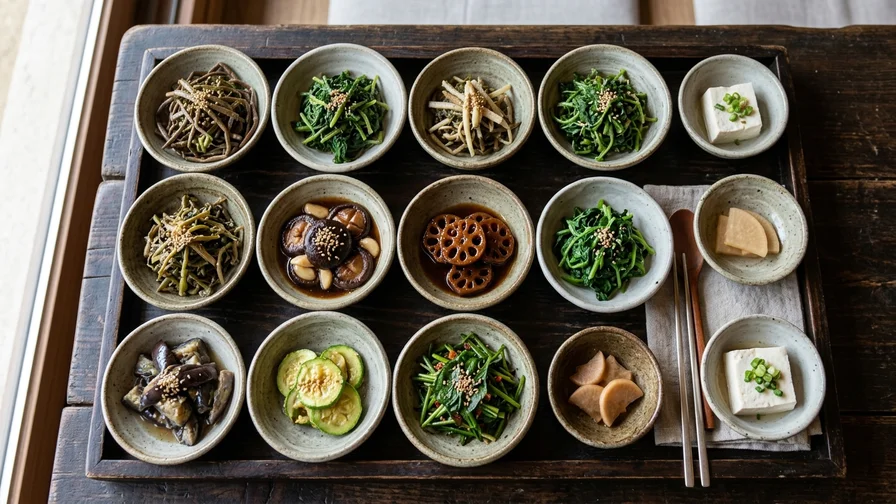
Sachal Eumsik refers to the food that monks eat in their daily life at the temple. Following the Buddhist teaching of respect for all living beings, the basic principle is to avoid all animal-based ingredients. Because the act of eating is seen as an extension of mindful practice, the goal is to keep body and mind at peace by avoiding ingredients with strong tastes and aromas.
The Core Principle: Avoiding Osinchae (The Five Pungent Vegetables)
The most defining feature of temple food is the exclusion of Osinchae. The term refers to five vegetables that are spicy and pungent, traditionally believed to unsettle the mind and interfere with spiritual practice.
- Green Onion / Scallion
- Garlic
- Chives
- Wild Chive (Korean Wild Onion)
- Heunggeo (Asafoetida) — a plant rarely used in Korea, but still part of the principle.
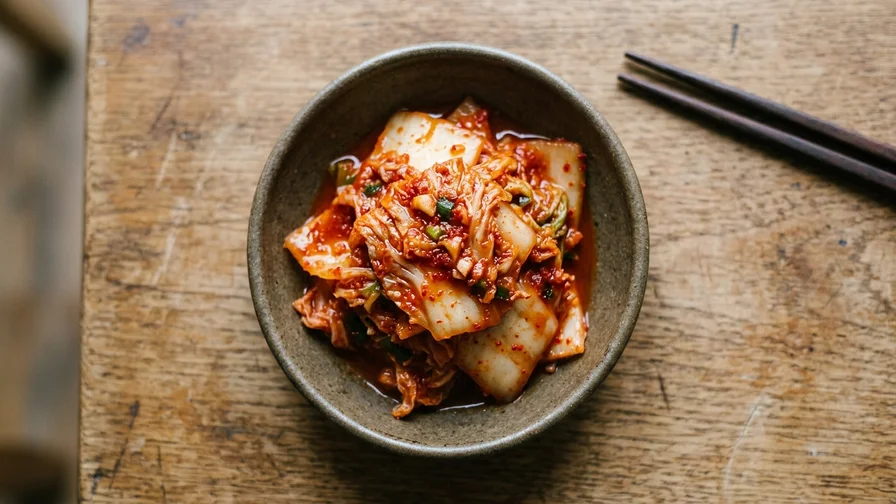
Although it does not appear on the scriptural list of five, onion—another member of the allium family—is generally avoided in actual temple cooking as well. As a result, the Kimchi (김치, kimchi), seasoned vegetables, and soups made in the temple style contain no green onion or garlic at all. Instead, depth of flavor comes from natural ingredients like kelp, shiitake mushrooms, perilla seeds, and Korean fish mint (banha leaves).
No Animal Products or Artificial Seasonings
Alongside the ban on Osinchae, the following ingredients are never used.
- Meat and seafood: All kinds of meat, fish, and shellfish included.
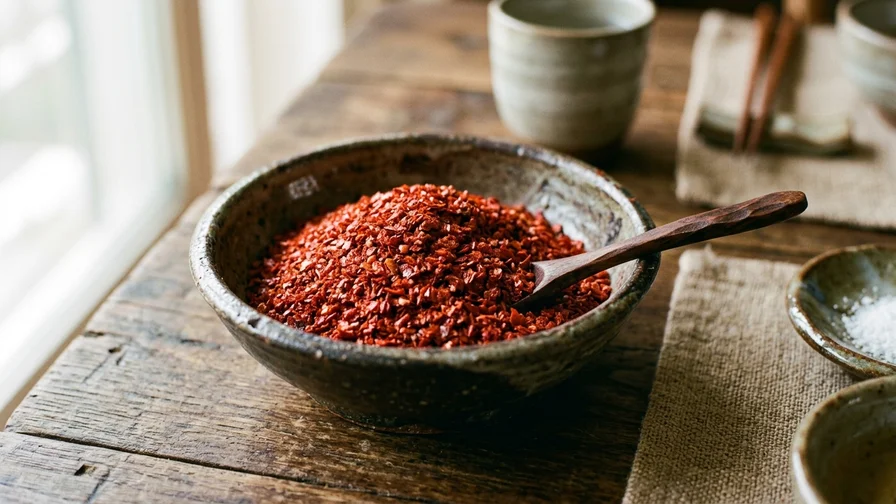
- Salted seafood (jeotgal): The fish sauce and salted shrimp commonly added to ordinary Kimchi (김치, kimchi) and side dishes are not used. Temple kimchi is made without salted seafood, garlic, or green onion—only with kelp stock, ginger, Chili Powder (고춧가루, gochutgaru), salt, and soy sauce—so it has a lighter red color and a cleaner, clearer taste than regular Kimchi (김치, kimchi).
- Anchovy stock: Instead of the anchovy-based broth widely used in Korean cooking, kelp and shiitake mushroom stock is used.
- Artificial seasoning (MSG): Avoided in order to let the natural flavor of the ingredients shine.
One thing to keep in mind: temple food is not always 100% vegan. Dairy products such as milk are not prohibited under Buddhist precepts, so some temples or modern temple-food restaurants may use dairy or honey in desserts, teas, and so on. If you are a strict vegan, it’s safest to ask in advance: “Does this contain dairy or honey?”
Signature Temple Food Dishes
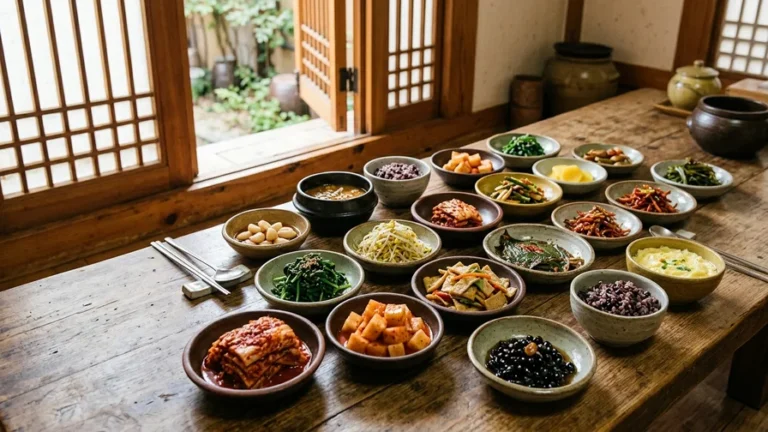
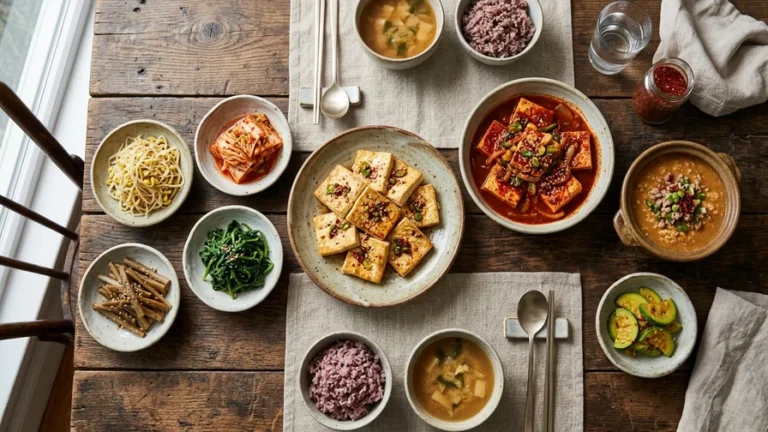
Temple food is built around seasonal vegetables, wild mountain greens, mushrooms, beans, and grains. Here are some of the most representative dishes.
- Sanchae Jeongsik: A full table setting of various seasoned seasonal wild greens, pickled vegetables, mushroom dishes, tofu, rice, and soup.
- Namul Bibimbap: A dish of assorted seasoned vegetables placed over rice and mixed with Osinchae-free chili paste or soy sauce seasoning.
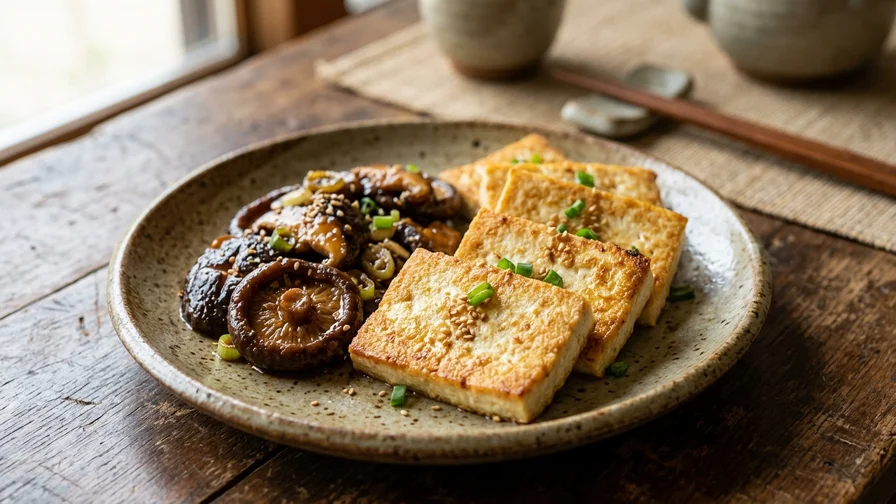
- Dubu-jeon and Beoseot-gangjeong: Pan-fried tofu or fried mushroom dishes that deliver a hearty texture without any meat.
- Dotori-muk: A side dish of acorn-starch jelly tossed in a soy sauce dressing.
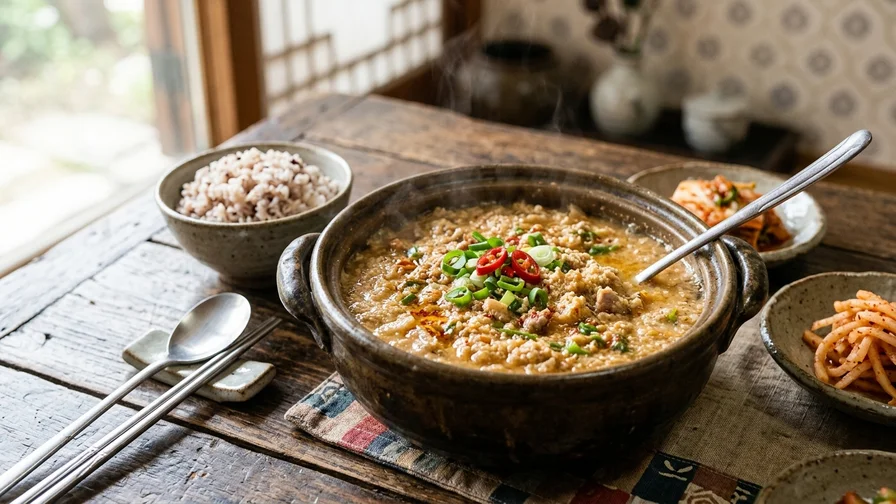
- Ground Soybean Stew (콩비지찌개, kongbiji-jjigae): A stew simmered from ground soybeans, made without green onion or garlic for a mild, nutty flavor.
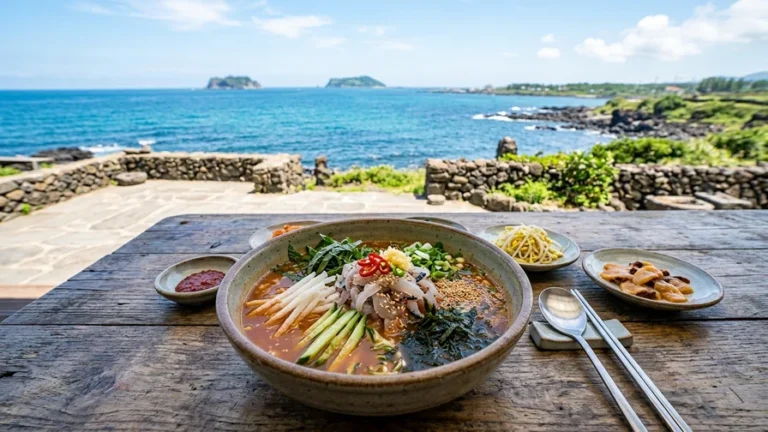
- Deulgireum Makguksu: Buckwheat noodles flavored only with perilla oil, soy sauce, and dried seaweed flakes.
- Temple Kimchi: Kimchi made without salted seafood. The more it ferments, the more refreshing and clean it tastes, and it’s one of the few kimchis a vegan traveler can eat with confidence in Korea (kimchi at ordinary restaurants almost always contains salted seafood and garlic).
Balwoo Gongyang: A Practice Beyond a Simple Meal
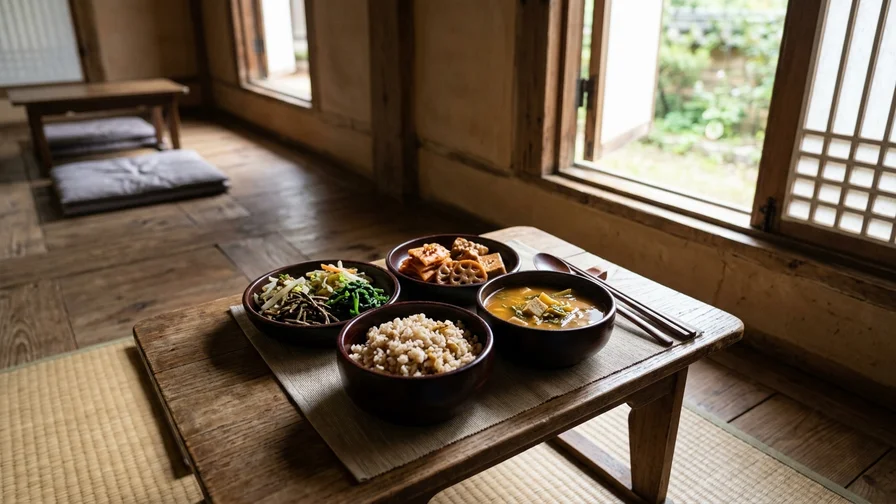
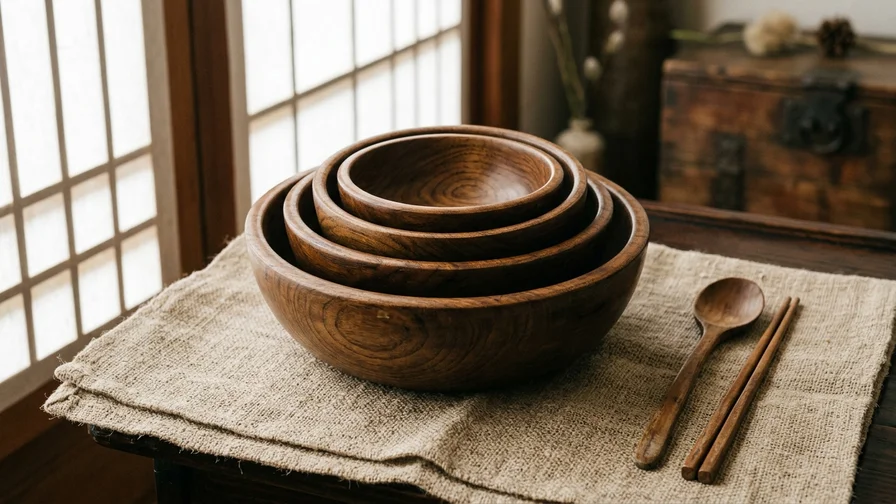
Balwoo Gongyang is the traditional temple way of eating, and a spiritual practice in itself. “Balwoo” refers to the bowls used by monks; in Korea, a set of four nested bowls of different sizes (the sahap, or “four-piece,” bowl set) is used. “Gongyang” refers to the act of eating. Balwoo Gongyang follows three principles: giving thanks for the labor of everyone behind the food, leaving nothing uneaten, and keeping silence throughout the meal.
The Balwoo: Components and Meaning
The Balwoo consists of four bowls of different sizes that nest into one, each with its own designated use.
- Eosi Balwoo (Rice Bowl): The largest bowl, used for rice.
- Guk Balwoo (Soup Bowl): The second-largest bowl, used for soup.
- Cheongsu Balwoo: The third bowl, which holds clean water (cheongsu) used to rinse the bowls after the meal.
- Chan Balwoo: The smallest bowl, used for side dishes.
These bowls are wrapped, together with the chopsticks and spoon and their holder, in a cloth called a “balwoo-bo.”
The Procedure of Balwoo Gongyang
Balwoo Gongyang proceeds according to a set order and strict rules.
- The sound of the jukbi and the start: The meal begins with the sound of the jukbi (a bamboo clapper).
- Unfolding the Balwoo: Following the prescribed order, you untie the balwoo-bo and set the four bowls in front of you.
- Receiving the food: You receive from the server only as much rice, soup, and side dishes as you intend to eat. Taking too much out of greed and leaving leftovers is forbidden.
- The pre-meal verse: You recite a gyesong (a Buddhist verse) expressing gratitude to nature and to everyone whose labor brought the food to the table.
- Eating in silence: No words are spoken during the meal. You take care not to even make scraping sounds with your bowls, focusing solely on the taste and aroma of the food.
- Cleaning the bowls: When the meal ends, you use a piece of the kimchi or pickled radish received as a side dish to wipe the bowls clean of any remaining food, then eat it.
- Rinsing and drinking: You pour the water from the Cheongsu Balwoo into the rice bowl to rinse it, then move that water from bowl to bowl, rinsing each in turn. Finally, you drink down all of that water (similar to Scorched Rice Tea (숭늉, sungnyung), scorched-rice water) without leaving a drop.
- Tidying up: You nest the used bowls back together in order, wrap them in the balwoo-bo, and return them to their place.
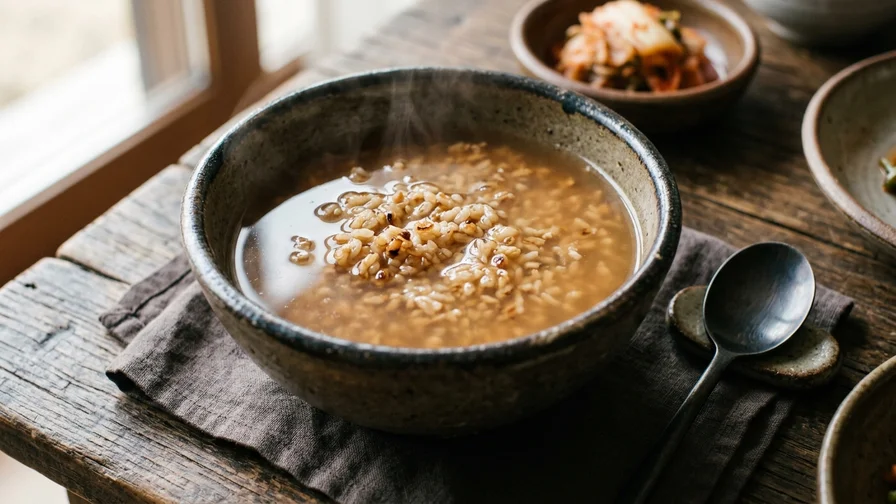
The heart of Balwoo Gongyang is “zero food waste.” By eating every last grain of rice and drop of broth without throwing anything away, you come to appreciate the preciousness of nature and food.
A Practical Temple Food Guide for International Travelers
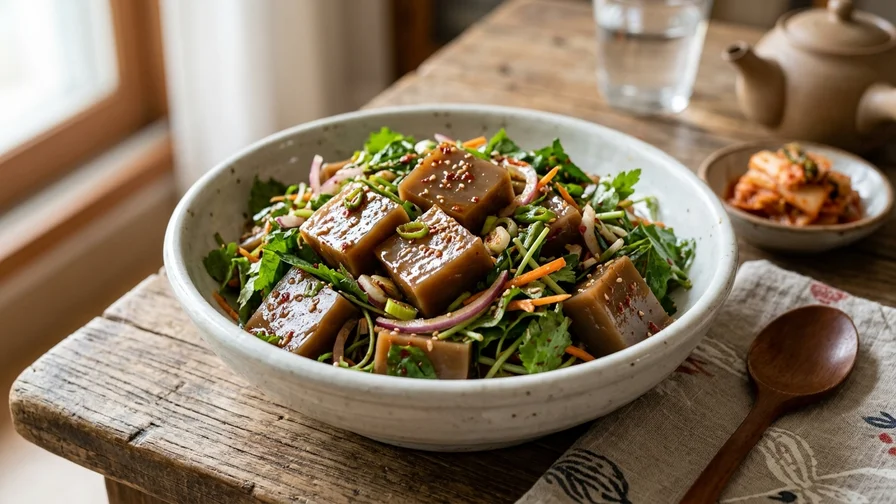
Guidance for Vegan, Vegetarian, and Halal Travelers
- Vegan: Temple food is fundamentally a plant-based diet. That said, some temple-food restaurants may use dairy or honey in desserts or teas, so strict vegans only need to check those items. The restaurant run directly by the Jogye Order (see “Balwoo Gongyang” below) is the easiest place to verify.
- Halal: Since temple food uses no pork and no alcohol, it’s also a great option for Muslim travelers seeking a halal diet. However, the use of fermented seasonings (cooking wine, vinegar, etc.) can vary by restaurant, so it’s safest to ask in advance if you are sensitive about it.
- Note of caution: “Temple-style” or “wild greens (sanchae)” menus at ordinary Korean restaurants may include salted seafood, garlic, and green onion in the kimchi and some side dishes. Be sure to confirm by asking, “Did you use Osinchae?” or “Does this contain garlic or green onion?”
- Gluten: Beyond rice, a variety of grains such as barley, buckwheat, and wheat may be used. If you are sensitive to gluten, be sure to check with the restaurant before ordering.
Where to Experience Temple Food in Seoul
Within central Seoul there are specialty restaurants where you can experience temple food in its authentic form. Many require reservations, so calling ahead before your visit is recommended.
1. Balwoo Gongyang
Balwoo Gongyang 📍 is the only dedicated temple-food restaurant operated directly by the Cultural Corps of Korean Buddhism (Jogye Order), and it serves the most authentic temple-food course available. It earned a Michelin Guide Seoul one-star rating for three consecutive years from 2017 to 2019, and has continued to be featured in the Michelin Guide and the Blue Ribbon Survey ever since.
- Highlights: The course composition changes with the seasons, centered on fresh seasonal ingredients. With all-private rooms in a refined, contemporary atmosphere, you can savor the very essence of temple cuisine.
- Address: 5F, Templestay Information Center, 56 Ujeongguk-ro, Jongno-gu, Seoul
- Phone: 02-733-2081
- Hours (as of June 2026): Mon–Sat 11:30–21:00 (break 15:00–18:00, last order 19:40), closed on Sundays.
- Getting there: A 5-minute walk from Exit 2 of Jonggak Station (Subway Line 1) or Exit 6 of Anguk Station (Line 3). It’s the building across from the main gate of Jogyesa Temple.
- Reservations: By phone or via the official site balwoo.or.kr.
| Course Menu | Price (KRW, as of June 2026) | Description |
|---|---|---|
| Seonsik | 36,000 KRW | A weekday-lunch-only course. A light way to experience temple food. |
| Wonsik | 50,000 KRW | A lunch and dinner course made up of a wider range of dishes. |
| Maeumsik | 70,000 KRW | A premium lunch and dinner course featuring special seasonal dishes. |
| Huisik | 120,000 KRW | A reservation-only special course using top-grade seasonal ingredients. |
Tip: Balwoo Gongyang is very popular, and walking in without a reservation often means no available seats. For weekends or lunchtime, it’s best to book by phone or online at least a few days in advance. Prices and menus may change by season, so check the official site before your visit.
2. Sanchon
Tucked into an alley in Insa-dong, Sanchon 📍 is a temple-food restaurant with a history of more than 30 years, popular among international travelers thanks to its distinctive interior reminiscent of a mountain forest lodge.
- Highlights: A 100% vegetarian table setting using a variety of wild mountain greens and medicinal herbs, with no MSG. On certain evenings, traditional music and dance performances are held, so if you’d like to catch a show, call ahead to confirm the schedule before visiting.
- Address: 30-13 Insadong-gil, Jongno-gu, Seoul
- Phone: 02-735-0312
- Getting there: From Exit 6 of Anguk Station (Subway Line 3), enter the main Insa-dong street, then head into the alley.
| Menu | Price (KRW, as of June 2026) | Description |
|---|---|---|
| Sanchon Jeongsik | Approx. 29,000 KRW | A full temple-food table setting centered on wild mountain greens (the makeup and price may vary; calling ahead is recommended). |
| Sanchae Bibimbap | 15,000 KRW | A single-dish option topped with greens and mixed before eating. Ideal for a light taste. |
Temple Food Cooking Class: Korean Temple Food Culture Experience Center
If you’d like to make it yourself, the Korean Temple Food Culture Experience Center, run by the Cultural Corps of Korean Buddhism (Jogye Order), is the answer. In one-day classes led by monks and professional instructors, you can prepare temple food using seasonal ingredients.
- Location: 2F, Anguk Building, 39 Yulgok-ro, Jongno-gu, Seoul — right in front of Exit 1 of Anguk Station (Subway Line 3).
- Operating hours (as of June 2026): Tue–Sun 09:00–18:00, closed on Mondays. Phone 02-733-4650.
- Programs: The one-day class menu changes each time, centered on seasonal ingredients. You can check the schedule and book on the official website, koreatemplefood.com.
Beyond Seoul: Experiencing It at the Temple Itself
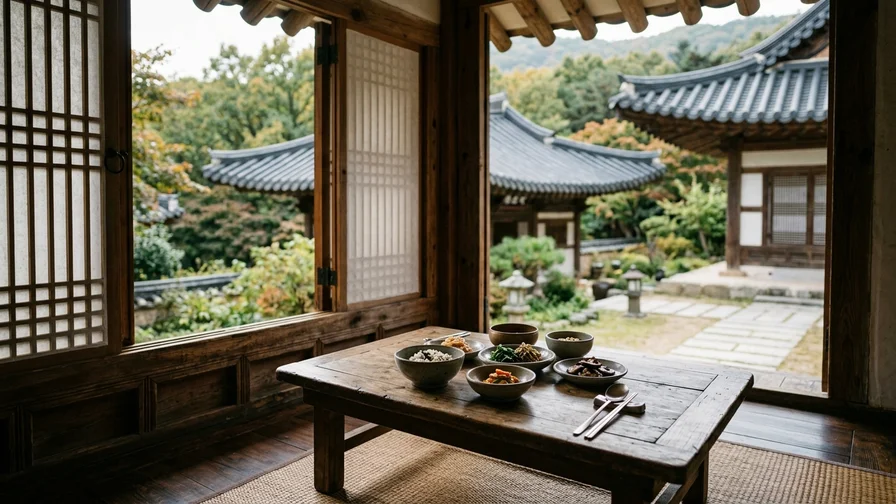
Templestay: The Most Authentic Way to Experience It
The most in-depth way to experience temple food and Balwoo Gongyang is to take part in a Templestay. It’s a program in which you stay at a temple for a night or two—or longer—and experience the daily life of the monks, and a good number of programs include Balwoo Gongyang. More than 100 temples nationwide run these programs, and many offer English guidance for international visitors.
- Official Templestay website (English supported): eng.templestay.com
On the website you can search and book by region and by program type (relaxation-focused or experience-focused). If you really want to experience Balwoo Gongyang, check whether it’s included in the program details before booking. We’ve put together a separate guide on how to book and how to choose a program over at Templestay reservations.
Jeong Kwan Seunim and Cheonjinam Hermitage at Baegyangsa
Jeong Kwan Seunim, who became known worldwide after appearing on Netflix’s documentary “Chef’s Table” Season 3 (2017), has played a major role in introducing the philosophy of temple food in a contemporary way. Jeong Kwan Seunim resides at Cheonjinam Hermitage, a hermitage within the grounds of Baegyangsa Temple in Jangseong-gun, Jeollanam-do.
Cheonjinam is not an ordinary restaurant but a space for the monk’s spiritual practice. You cannot simply show up unannounced for a meal. Instead, a Jeong Kwan Seunim temple food program is held regularly at the Baegyangsa Templestay—a two-day, one-night program in which the monk personally lectures on the philosophy of temple food and participants try their hand at making the dishes. The fee is around 180,000 KRW (as of June 2026; it varies by program). Competition is fierce enough that spots sell out right after reservations open, so it’s best to check the schedule announcements on the official Baegyangsa Templestay page in advance and apply the moment registration opens.
Essential Information for Travelers
Transportation and Navigation
- Taxi apps: Kakao T is the most widely used. It supports registration of overseas-issued credit cards, and there’s a global version for foreigners (Kakao T Global) that you can use even without a Korean phone number (as of June 2026). The Uber app also works as-is in Seoul and other major cities.
- Map apps: In Korea, Google Maps’ walking and public-transit directions can sometimes be inaccurate. Naver Map is far more precise and also offers an English interface, so we recommend that international travelers use Naver Map’s English mode as their default.
- International Driving Permit (IDP): If you plan to visit temples in the outskirts of Seoul or in the provinces by rental car, a valid International Driving Permit is essential.
Useful Contacts and Information
- 1330 KOREA TRAVEL HELPLINE: A travel information hotline run by the Korea Tourism Organization. Within Korea, just dial 1330 with no area code to access 24-hour interpretation services in English, Japanese, Chinese, and more. It’s handy for restaurant reservations and transportation inquiries.
Korean temple food is a special opportunity to experience both Korea’s spiritual culture and a nature-centered diet at the same time. We hope this guide helps make your culinary journey both healthy and meaningful.