From Kimchi Tacos to Bibimbap Bowls — Seoul’s Best Korean Fusion Food Spots and Recipes
목차
K-food has moved well beyond being the cuisine of a single country and has become a genuine part of food culture worldwide. You can now easily find kimchi in ordinary supermarkets across the US, Europe, and Southeast Asia, and bibimbap has become a standard menu item at global Korean restaurants in nearly every city. This guide on Korean fusion food takes two approaches: trusted spots in Seoul where you can taste global K-food fusion firsthand, and fusion side dish recipes you can make at home right away.
The Story Behind Global K-Food Fusion
K-food fusion began when the core elements of Korean cooking met the culinary formats of other countries. It is not simply about mixing dishes together. It is a process where ingredients and cooking methods from different cultures combine to create new flavors. Four ingredients sit at the heart of it.
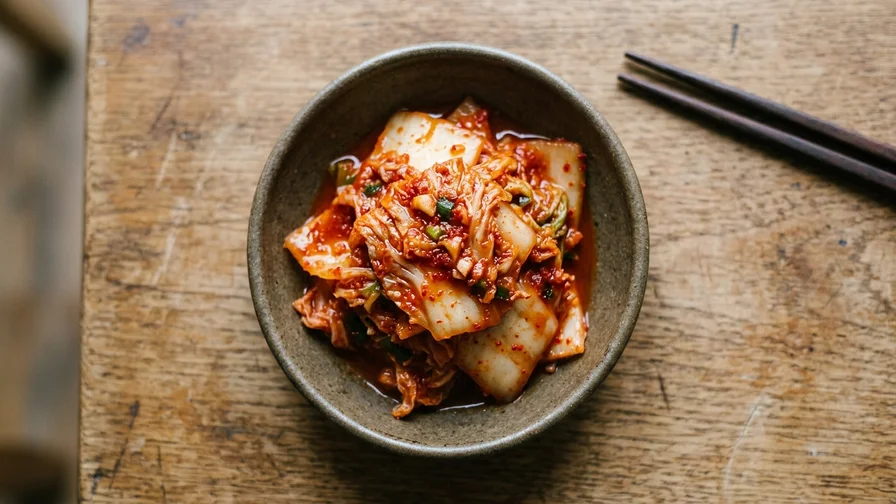
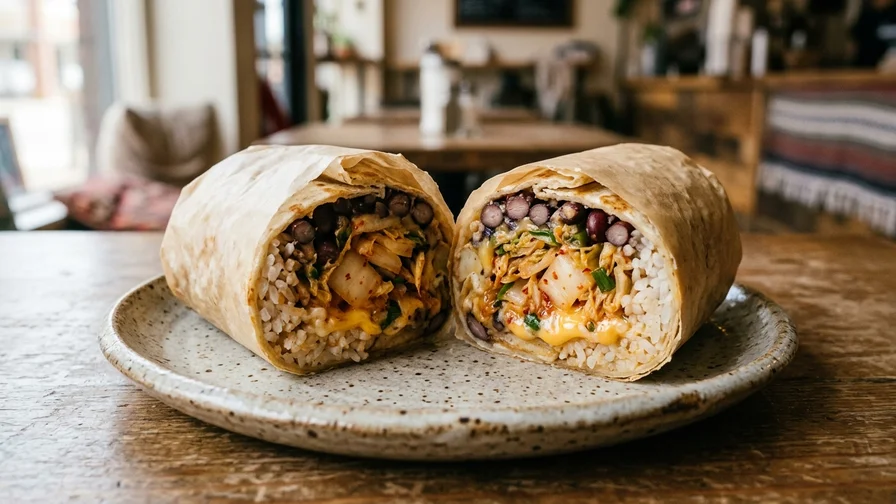
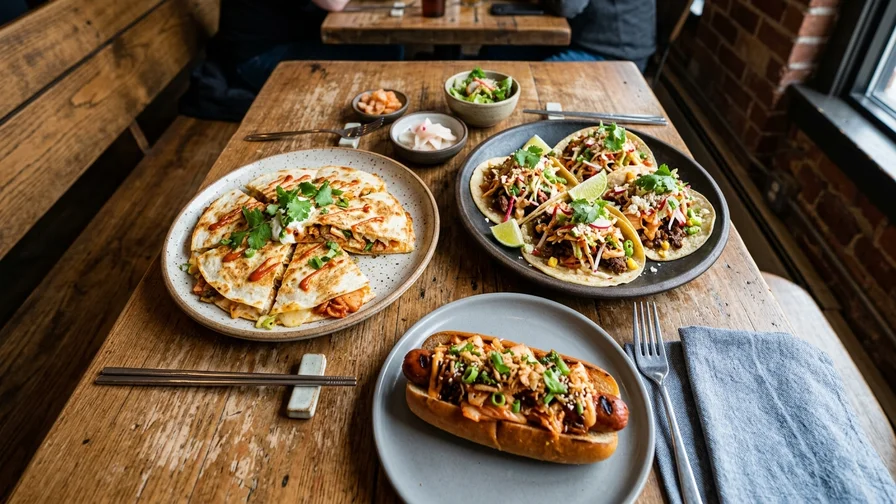
- kimchi: The umami and heat of this fermented food, along with its crunchy texture, add a distinctive accent to Mexican tacos or an American grilled cheese sandwich. The kimchi taco, which got its start in LA, is now a globally recognized fusion dish.
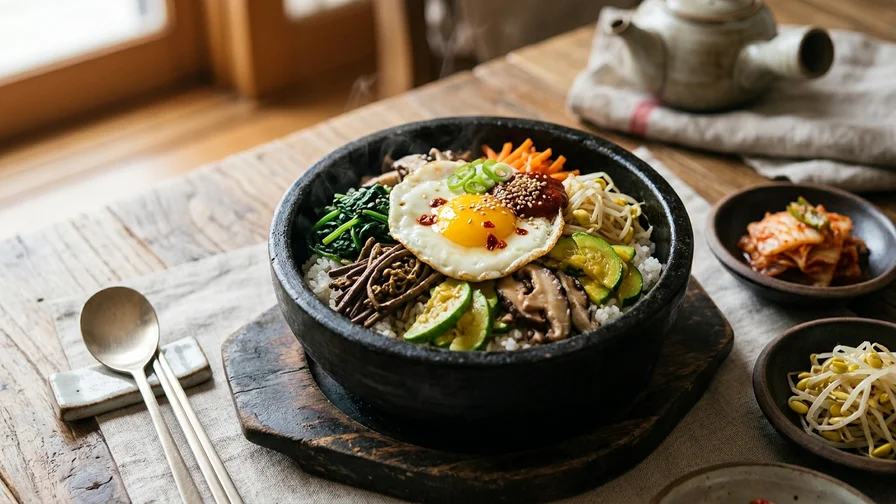
- bibimbap: Its format of piling many ingredients into one bowl and mixing them was easily embraced in Western countries, where “bowl” meals are popular. There are many variations that add local ingredients like quinoa, avocado, or vegan patties.
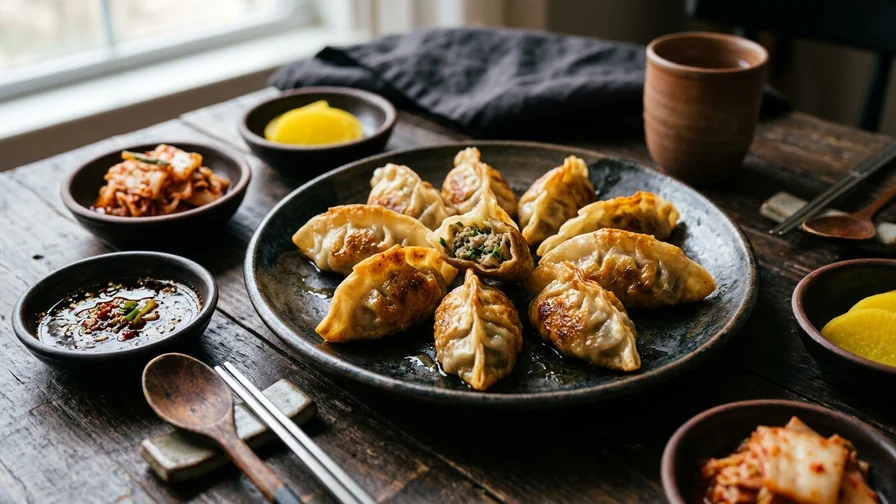
- mandu: CJ CheilJedang’s “Bibigo” dumplings hold the number one share of the US dumpling market (overtaking Japanese brands in 2016 and holding the lead since), and they are widely used as an ingredient in K-food fusion. They get reworked in ways such as being served with a sauce like ravioli or fried like an empanada.
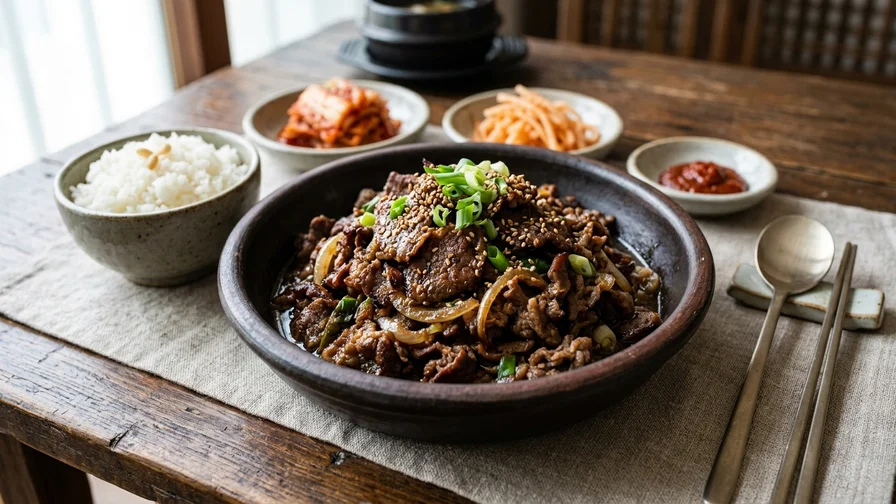
- bulgogi: Its sweet and savory flavor has won over mainstream palates as a pizza topping, a filling for a Philly cheesesteak, a hamburger patty, and more.
Below we cover which Seoul restaurants serve these fusion dishes, how to get there, and what budget to expect. All information is current as of June 2026, and prices and hours are subject to change.
A Guide to Seoul’s K-Food Fusion Restaurants, Neighborhood by Neighborhood
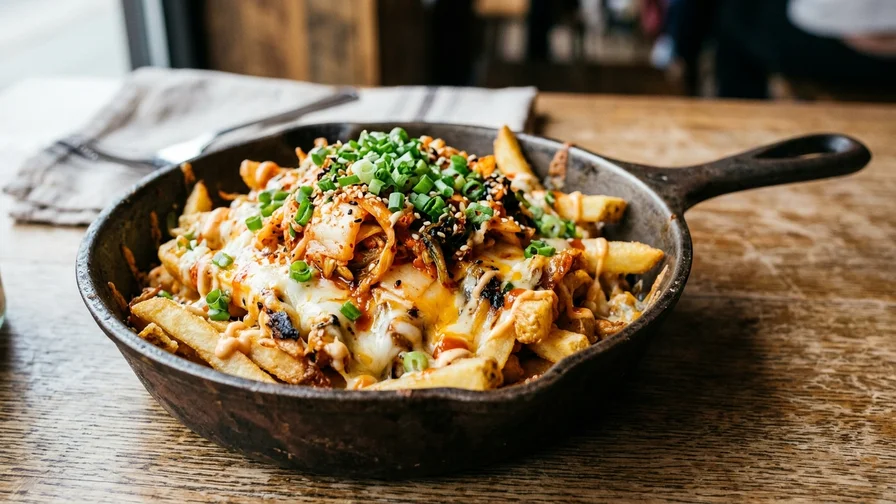
Seoul is the best city for experiencing K-food fusion at its most dynamic. Each neighborhood has its own character, so we have organized things by area with real travel routes in mind.
1. Itaewon: The Home of Kimchi Tacos and Mexican Fusion
Itaewon is Seoul’s most international neighborhood, and it is where some of the earliest restaurants experimenting with K-food fusion, especially the blend with Mexican cuisine, set up shop. It is the ideal place to try kimchi tacos, quesadillas, and burritos.
Recommended: Vatos Urban Tacos, Itaewon
Vatos Urban Tacos, Itaewon 📍 is the leading Korean-Mexican spot that successfully brought the LA-born kimchi taco trend to Seoul. The wait can be long on weekend evenings, so we recommend an early dinner or a weekday visit.
| Detail | Information (as of June 2026) |
|---|---|
| Address | 1, Itaewon-ro 15-gil, Yongsan-gu, Seoul (2F) |
| Getting there | About a 7-minute walk from Exit 1 of Itaewon Station on Subway Line 6 (toward the Itaewon Fire Station, around 450m). Also within walking distance of Noksapyeong Station. |
| Hours | Daily 11:30–22:00, with a weekday break around 15:00–17:00. It is a good idea to check official social media or CatchTable for any changes before you go. |
| Signature dishes and prices |
|
| Notes | Lively atmosphere. English menus and English-speaking staff are available, so you can request custom orders, like leaving out an ingredient, in English. |
2. Hongdae: Creative Casual Dining
The Hongdae area, centered on Hongik University, draws young artists and students, so it is full of experimental eateries. You will easily find boundary-pushing creations like cream sauce tteokbokki and bulgogi pasta.
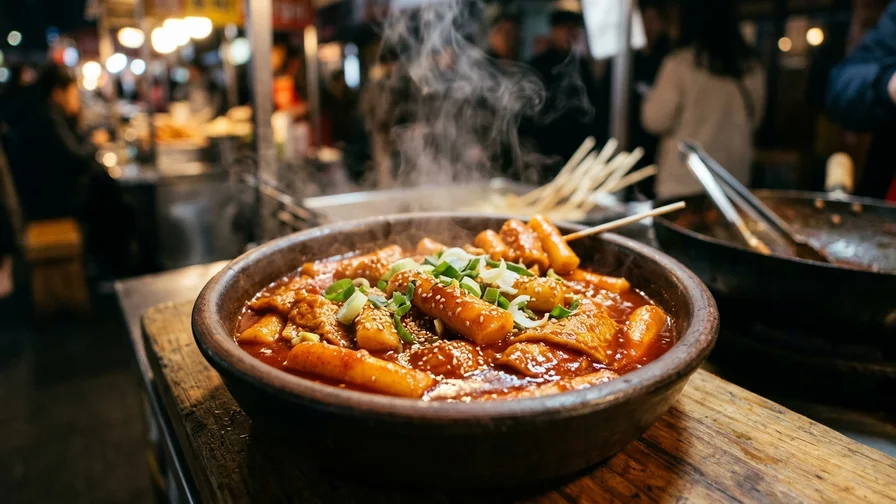
Recommended: Sonyeon Sikdang
Sonyeon Sikdang 📍 is a Japanese home-style rice bowl shop, but it has been a long-time favorite thanks to dishes like soy-marinated shrimp rice that put Korean-leaning ingredients on a Japanese format. It is a good fit when you want to see the vibe of “Korean-Japanese casual fusion” rather than Korean food in its purest form.
| Detail | Information (as of June 2026) |
|---|---|
| Address | 333-11, Seogyo-dong, Mapo-gu, Seoul |
| Getting there | About a 10-minute walk from Hongik University Station on Subway Line 2, the Gyeongui-Jungang Line, and the Airport Railroad. It is tucked down an alley, so searching “Sonyeon Sikdang” on Naver Map and following the walking directions is the most reliable option. |
| Hours | From around noon to about 9 p.m., with a break around 4 p.m. Closed Mondays (some sources list Sunday as the closing day). May close early once ingredients run out, so check that day’s opening on Instagram (@boy_kitchen7179) or Naver Map before visiting. |
| Main menu |
Rice bowls run from around 10,000 won to the mid-10,000-won range, varying by season. |
| Notes | Mostly bar seating, which suits solo dining. The space is small, so there may be a wait. Neat, careful plating. |
3. Gangnam: K-Food Fusion as Fine Dining
Gangnam is Seoul’s business and commercial hub, dense with fine dining. The K-food fusion here is not street-food style. Instead, it reinterprets the traditional cooking methods and philosophy of Korean cuisine through modern techniques and foreign ingredients. You can have this kind of experience at Michelin-listed restaurants.
For reference: Kwonsooksoo and Mingles
Kwonsooksoo 📍 (Apgujeong, two Michelin stars in 2026) and Mingles 📍 (Cheongdam, three Michelin stars in 2026, the only three-star in the country) are not about straightforward fusion like the kimchi taco. They draw out Korea’s jang (fermented sauce) culture, fermentation, and seasonal ingredients through a course format and modern cooking techniques. For example, they might use jang as the base for a Western-style sauce, or reinterpret a traditional ingredient as a dessert.
For reference, Mosu Seoul, which was once mentioned alongside Gangnam fine dining, reopened in March 2025 in Itaewon, Yongsan-gu (4, Hoenamu-ro 41-gil) and received two Michelin stars in 2026, so it belongs on an Itaewon route rather than a Gangnam one.
| Detail | Information (as of June 2026) |
|---|---|
| Category | Modern Korean Fine Dining |
| Location | Kwonsooksoo: around 37, Apgujeong-ro 80-gil, Gangnam-gu / Mingles: Cheongdam-dong, Gangnam-gu |
| Price range | Course menus run from 200,000 to over 400,000 won per person (for example, the Kwonsooksoo lunch course is 270,000 won per person as of early 2026). Wine pairings are extra. |
| Reservations | Required. Use a booking app such as CatchTable, or call. Mingles often books out months in advance, and Kwonsooksoo is regularly closed on Sundays and Mondays. |
| Notes | A good fit for travelers marking a special occasion or interested in the artistic side of K-food. There may be a dress code, so check when booking. |
Three Fusion Side Dishes to Make at Home
You can keep your K-food fusion journey going even after the trip. The three recipes below are fusion side dishes and sauces with proven flavor combinations that you can make with ingredients from any ordinary overseas supermarket. The measurements fall within typical ranges, so feel free to adjust to taste.
Gochujang Mayo Dipping Sauce
- Ingredients: 2 tbsp mayonnaise, 1 tbsp gochujang (Korean fermented red chili paste), 1 tsp honey, a splash of lemon juice
- Method: Mix everything together and you are done. To tone down the heat, raise the mayo ratio up to 3:1.
- Uses: With fries, vegetable sticks, or chicken. It works as a home version of kimchi fries.
- Substitute: If you cannot find gochujang, a 1:1 mix of sriracha and miso (doenjang) gives a flavor in a similar direction (though with less fermented umami).
- Storage: Keep in an airtight container in the fridge and use within 2–3 days.
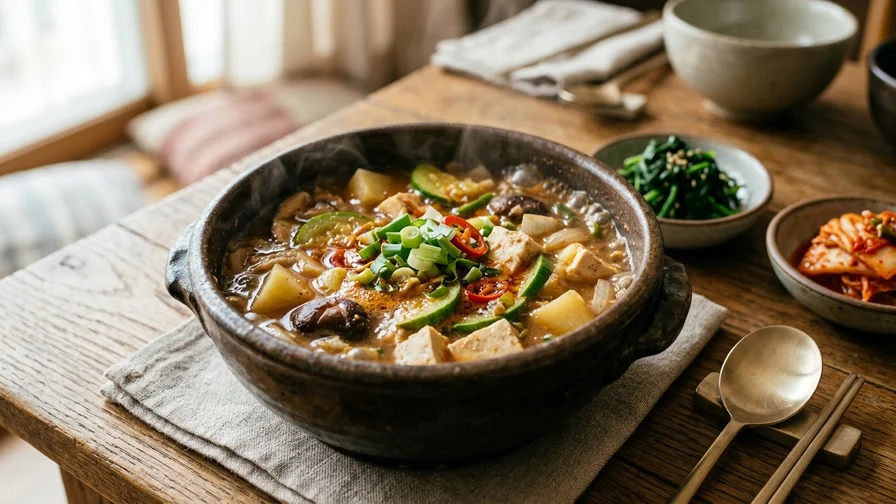
Kimchi Butter Stir-fry
- Ingredients: 1 cup well-fermented kimchi (finely chopped), 1 tbsp butter, 1 tsp sugar
- Method: Over medium heat, stir-fry the kimchi in the butter for about 5 minutes, using the sugar to round off the sourness.
- Uses: As a filling for a grilled cheese sandwich, a base for fried rice, or a pasta topping. Pairing the tang of kimchi with milk fat follows the same principle as the kimchi taco.
- Substitute: Kimchi is available in the refrigerated section of large supermarkets in the US and Europe.
- Storage: Airtight in the fridge for 3–4 days.
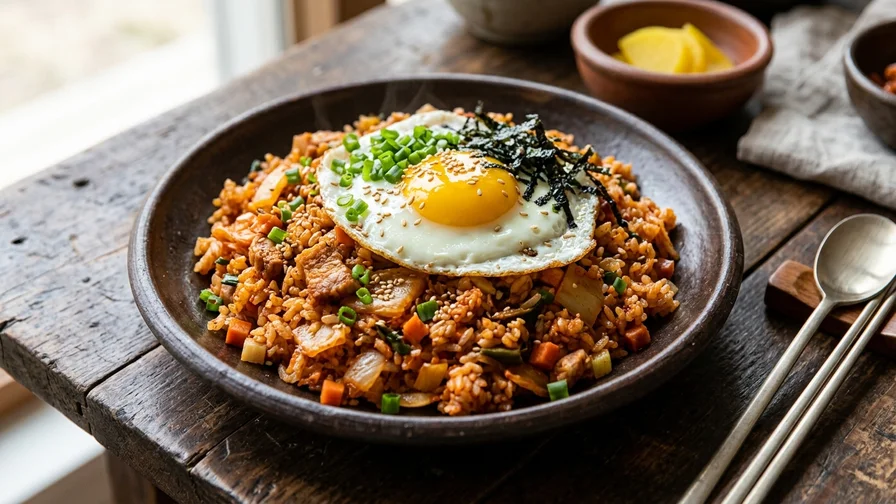
Mushroom Bulgogi (vegan-friendly)
- Ingredients: 300g button or shiitake mushrooms, 2 tbsp soy sauce, 1 tbsp sugar, 1 tsp minced garlic, 1 tsp sesame oil
- Method: Mix the marinade ahead of time, marinate the mushrooms for 10 minutes, then stir-fry over high heat until the liquid has cooked off.
- Uses: As a side dish with rice, of course, but also as a taco filling or a sandwich filling. This recipe shows why bulgogi marinade (roughly 2:1 soy sauce to sugar) works with just about any protein.
- Storage: Airtight in the fridge for 3 days. Do not leave cooked dishes at room temperature for more than 2 hours.
Extra Tips for Travelers
K-Food Fusion for Vegans and Vegetarians
Korea’s plant-based food culture is growing fast, and finding vegan or vegetarian options at fusion K-food restaurants is getting easier. The following phrases can help when ordering.
- “Gogi ppae-juseyo.” — Please remove the meat.
- “Jeoneun chaesikjuuija-yeyo.” — I am a vegetarian.
- “Myeolchi yuksu sayonghasyeonnayo?” — Did you use anchovy broth? (It is often used in soups and stews such as kimchi jjigae and doenjang jjigae.)
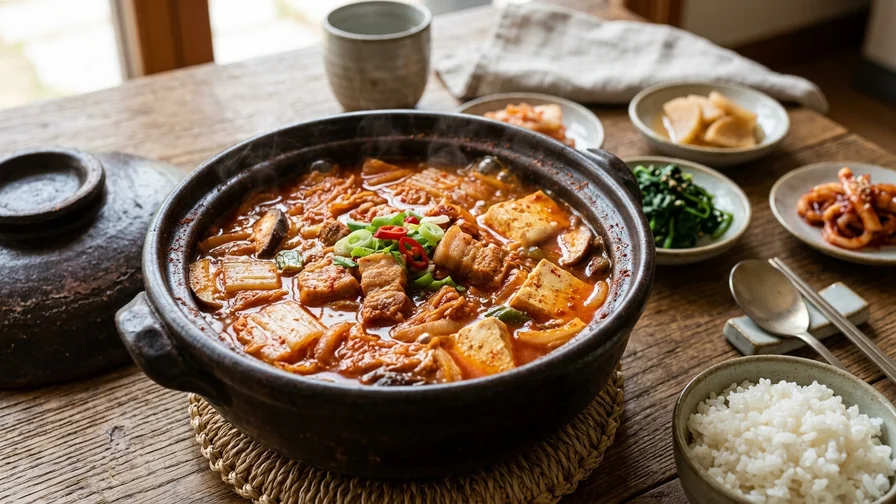
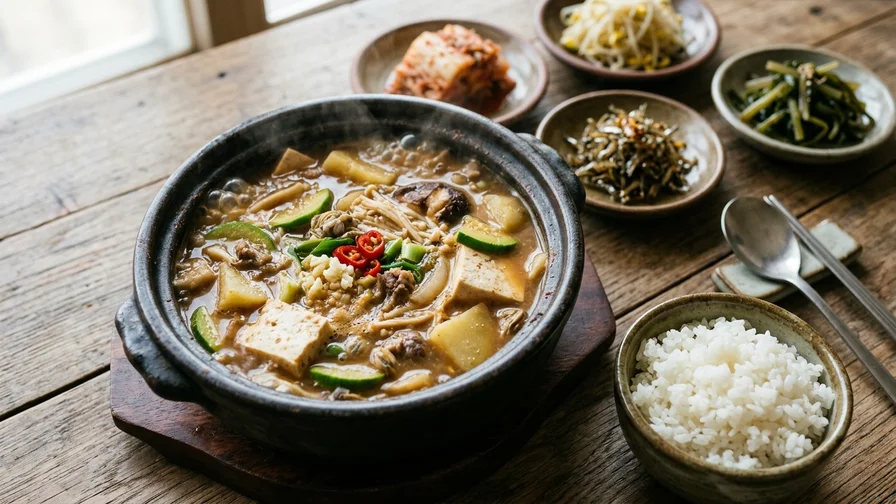
Recently, more restaurants have been specializing in dishes like “vegan bulgogi tacos” made with plant-based meat, or “vegetarian bibimbap” using tofu and mushrooms. Vegan-focused restaurants are easy to find in Haebangchon and Yeonnam-dong.
Transit and Getting Around
Seoul’s public transit, especially the subway, is highly efficient. Every restaurant in this article is within a 10-minute walk of a subway station.
- Subway: The most recommended way to get around. You can check real-time arrivals and the shortest routes with the Naver Map or Kakao Map app. Google Maps handles public transit directions well, but it is less accurate for walking and car navigation.
- Taxi: As of June 2026, the “Kakao T” app supports registering overseas-issued credit cards, and there is also “k.ride,” a streamlined app for foreigners. You can also hail a taxi in Korea through the Uber app. Flagging a regular taxi on the street is an option too.
- 1330 Korea Travel Helpline: A traveler information line run by the Korea Tourism Organization. Dial 1330 for 24-hour interpretation and tourist information in English, Japanese, Chinese, and other languages. It is useful when you need help with restaurant reservations or communicating with a taxi driver.
Editor’s tip: Solo Dining
Some Korean restaurants require a minimum order of two servings for dishes like dak-galbi or hot pots. That said, most of the fusion restaurants featured in this guide have menu items well suited to dining alone. If you are not sure, just ask the staff before going in: “Il-in siksa doenayo?” (Can I dine alone?).
Seoul’s K-food fusion scene is a fascinating gauge of how Korea’s traditional flavors evolve when they meet the world’s many food cultures. If you enjoyed a combination you tasted at a restaurant, try recreating it at home with the recipes above.