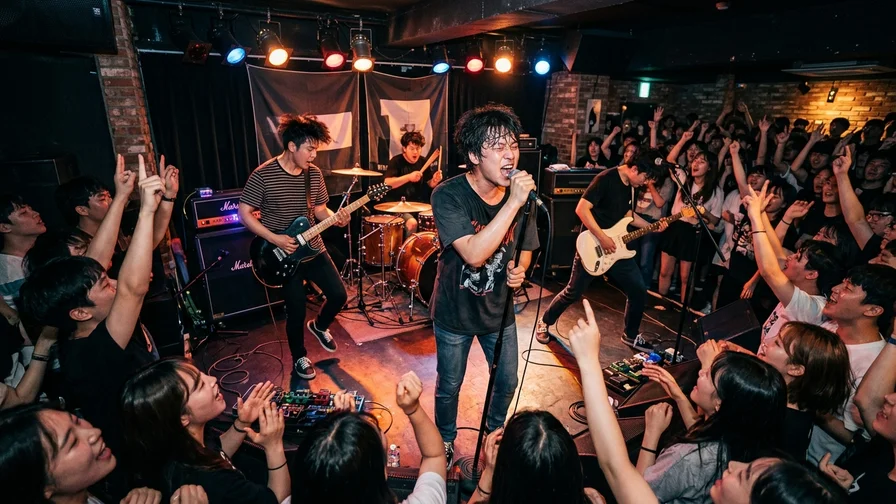
Finding K-Indie Live Music, from Hongdae Clubs to Festivals
목차
- Start by Finding the Shows: A Practical Starting Point for Foreigners
- The Heart of the K-Indie Stage: A Tour of Hongdae’s Live Clubs
- Unearthing Hidden Indie Stages Across the Country
- The Complete Guide to K-Indie Festivals
- K-Indie Beyond the Stage: Behind-the-Scenes Experiences
- K-Indie Concert Etiquette and the Culture of Connection
Quick Summary
This guide takes you into the world of Korean indie music—a scene that pulses with raw energy and heartfelt messages, a striking contrast to the glossy spectacle of K-pop. Here you’ll find everything you need to experience K-Indie live shows in person, from the live clubs of Seoul’s Hongdae district to regional indie scenes and music festivals across the country. We pay special attention to two things that tend to trip up foreign visitors: how to find show listings and how to get around the ticket-booking hurdles.
This is a space where countless artists speak to the world in their own voices, and it’s the closest you can get to feeling the sheer diversity of Korean pop culture. If our general introduction to K-Indie music already hooked you, now it’s time to experience the heat for yourself. (Time-sensitive details like cover charges and festival dates are accurate as of June 2026; please double-check official channels before you go.)
Start by Finding the Shows: A Practical Starting Point for Foreigners
The most common stumbling block is simply not knowing “who’s playing where tonight.” Korean indie shows rarely surface on the big portal sites; instead, the info is scattered across club social media and dedicated channels. Lock in the channels below first.
- Indistreet (indistreet.com): An indie show-listings site that relaunched in 2021. It gathers weekly show schedules, venues, and an artist database all in one place. It has an English page too, making it the most useful resource for foreign visitors.
- Individual venue Instagram accounts: Clubs like Club FF, Veloso, and Strange Fruit post their weekly lineups fastest on Instagram. Just following the accounts of the clubs you want to visit is enough.
- Melon Ticket / Interpark (NOL): Searching “Hongdae concert” turns up bookable headline shows. Note that there are payment hurdles (see the booking section below).
- Live Club Day: A recurring event where a single ticket lets you hop between several Hongdae clubs in one day. It runs about 40,000 KRW per session, with entry on a first-come basis. It’s a great gateway for first-time foreign visitors to sample multiple clubs at once.
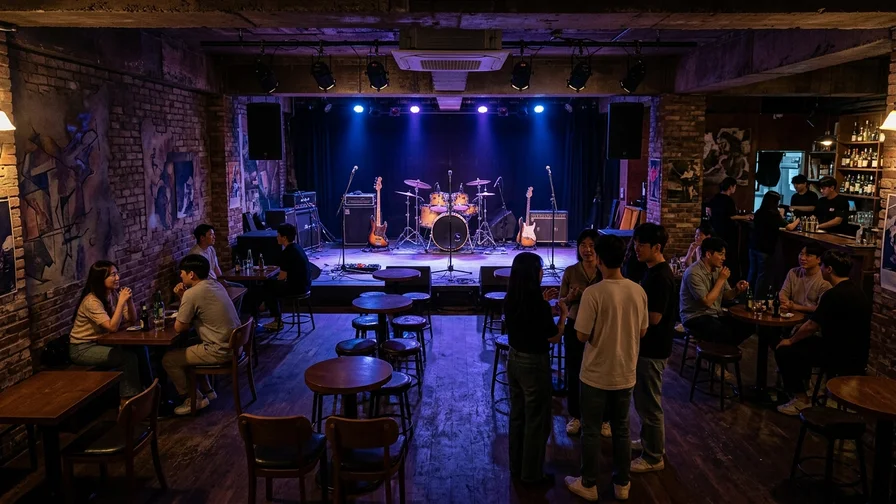
The Heart of the K-Indie Stage: A Tour of Hongdae’s Live Clubs
Seoul’s Hongdae is both the birthplace and the still-thriving sanctuary of the K-Indie scene. Live clubs are tucked into every narrow alley, and you can catch everyone from famous bands to fresh-faced newcomers right up close. All the clubs below were confirmed to be operating as of June 2026.
Notable Clubs: Their Character and What to Expect
Each Hongdae club has a distinct personality. If you’re not sure where to start, use the notes below. Following each club’s social media is the fastest way to catch show news from a wide range of K-Indie musicians.
- Club FF: Known as “the rock sanctuary of Hongdae.” If you want a powerful rock sound, this is your first choice. Its signature is the regular weekend-evening rock shows. It’s located in Seogyo-dong, Mapo-gu, near Exit 9 of Hongdae Station.
- Veloso: The perfect space for delicate, lyrical music—acoustic, folk, jazz. The sound is so good you can hear the artist’s every breath. It’s also currently written as “Vel.R.” Find it at 46 Jandari-ro, Mapo-gu, around the Seogyo-dong intersection between Hongdae Station and Hapjeong Station.
- Strange Fruit: A longtime Hongdae institution. It covers a broad range of underground genres—punk, garage, psychedelic. Recommended if you want to see distinctive, experimental sets.
- Prism Hall: A relatively large venue that frequently hosts headline shows by established indie bands. Find it at 6 Yanghwa-ro 12-gil, B1, Mapo-gu—a 100m walk from Exit 3 of Hapjeong Station. A great place to enjoy polished performances in a comfortable setting.
Beyond these, venues like Rolling Hall, West Bridge, the pay-what-you-want venue Jebi Dabang, and Channel 1969 regularly host curated shows. All are within walking distance of Hongdae Station.
Editor’s Tip
If you want to discover new bands, we recommend hitting Hongdae clubs on a weekday evening rather than the weekend. Multiple up-and-coming bands often perform together, so you can take in a variety of music at a low price. When you find a band you love, buying their album or merch at the MD booth after the show is also a great way to enjoy the K-Indie scene—and a direct way to show your support.
Cover Charges and Booking: What Foreign Visitors Need to Know
Cover charges at Hongdae live clubs vary by show, but they usually run from 20,000 to 35,000 KRW per person (as of June 2026). Whether a drink is included differs by club, so check the social media announcements. Spaces are often small, so comfortable shoes are a must, and arriving 30 minutes before showtime helps you grab a good spot.
Booking is where foreign visitors get stuck the most. Domestic ticketing sites like Melon Ticket, Interpark (NOL), and Yes24 often require Korean phone-number identity verification or a domestically issued card, so payment can fail with overseas cards or numbers. Here’s how to work around it.
- Use door entry: For most live clubs, unless it’s a popular show, you can pay in cash or by card and walk right in. If online booking won’t work, simply showing up 30 minutes before the show is the surest bet.
- For popular shows, DM or contact the club on social media: If a sellout looks likely, the fastest move is to ask about reservation availability via the club’s Instagram DMs.
- For festivals, look for the global gate: Major festivals sometimes open a separate overseas-card payment line on platforms like NOL (Interpark), so check the official notice for “global/overseas booking” guidance.
Unearthing Hidden Indie Stages Across the Country
K-Indie stages aren’t only in Seoul. All across the country, regional indie scenes thrive with their own local flavor. If you want a fresh musical experience beyond Seoul, explore these local scenes. All the venues below are confirmed to be operating.
Regional Scenes: Busan, Daegu, Gwangju, and Beyond
Busan, the country’s second city, along with Daegu and Gwangju, all boast their own solid indie scenes.
- Busan: Many bands here reflect the free-spirited vibe of a coastal city. Near Kyungsung University and Pukyong National University, venues like Club Realize and Ovantgarde are at the heart of Busan’s indie scene, steadily hosting local band shows.
- Daegu: Famous for a powerful rock and metal scene centered on Club Heavy, near Keimyung University. Opened in 1995, it’s one of the oldest live clubs in the entire country.
- Gwangju: True to its reputation as a city of the arts, Gwangju is home to many lyrical yet experimental artists. Nevermind is known to have long served as a gathering spot for Gwangju’s indie scene, but please check its current operating status on social media before visiting.
Shows in Unconventional Spaces
Lately, more shows are taking place outside the standard club format, in unconventional venues. Performances held in small bookshops, atmospheric cafés, or culture complexes converted from old factories offer a special experience where artists and audiences connect more closely. Information about these shows usually appears on the artist’s or venue’s social media, as well as on Indistreet’s listings, so keep an eye out.
The Complete Guide to K-Indie Festivals
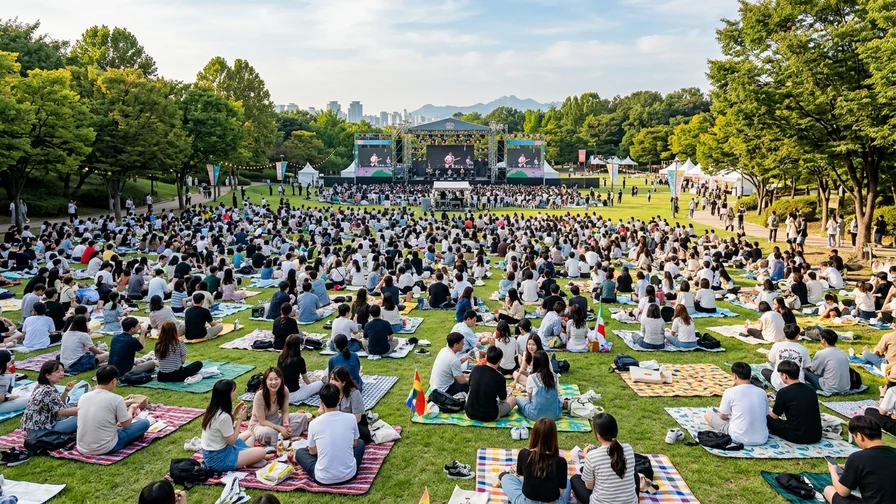
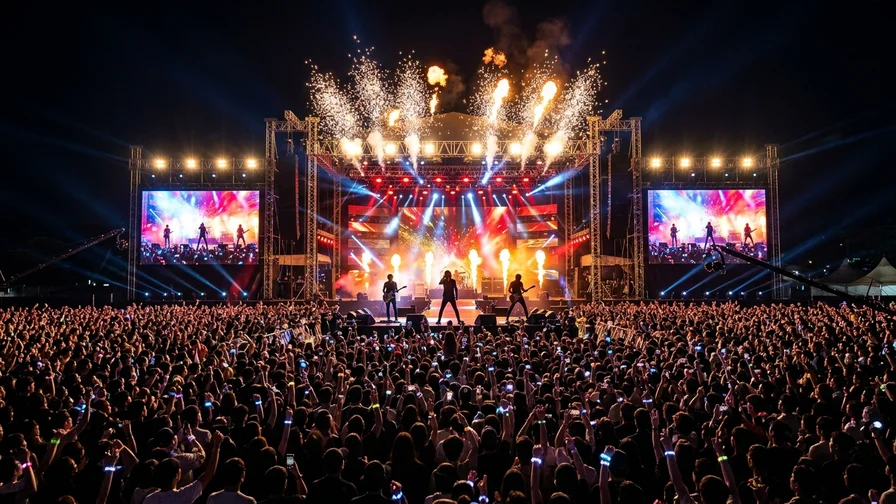
From spring through summer and into fall, Korea buzzes with indie music festivals. If you want to spend a full day immersed in music, don’t miss the major indie festivals below (schedules are as of June 2026; confirm exact dates and lineups on official channels).
Lineups and Vibes of the Major Festivals
Each festival draws audiences with its own concept and lineup. Which one suits your taste?
| Festival Name | Character, Vibe, and Location | Main Genres | Official Website |
|---|---|---|---|
| Greenplugged Seoul | An environmental-campaign festival whose motto is “good ideas and small actions for a better tomorrow.” Held in spring (May) at Nanji Hangang Park with a picnic-like atmosphere. | Indie pop, modern rock, acoustic | greenplugged.com |
| Incheon Pentaport Rock Festival | The longest-running rock festival in Korea. Famous international bands and the country’s top bands take the stage, with a fervent atmosphere full of slamming and headbanging. Held in summer (July 31–Aug 2, 2026) at Songdo Moonlight Festival Park. | Rock, metal, punk/alternative | pentaport.co.kr |
| Grand Mint Festival (GMF) | A flagship music festival held in fall (October) at Olympic Park. It’s dominated by emotive, mainstream indie pop and singer-songwriters, and is especially popular with couples. | Indie pop, ballad, singer-songwriter | mintpaper.co.kr |
A Guide to Booking and What to Pack
Tickets for popular festivals go on sale months in advance at lower “early bird” prices, so keep an eye on official announcements. Tickets are mainly sold on Interpark (NOL), Yes24, and Melon Ticket. Foreign visitors may run into the payment hurdles mentioned earlier, so check the official notice for overseas-booking guidance. Pack the essentials below to enjoy the festival to the fullest.
- Must-haves: ID (passport), booking confirmation, comfortable shoes, a picnic mat
- Recommended: sunscreen, a hat, sunglasses, a power bank, a light jacket, wet wipes, cash (for food trucks)
K-Indie Beyond the Stage: Behind-the-Scenes Experiences
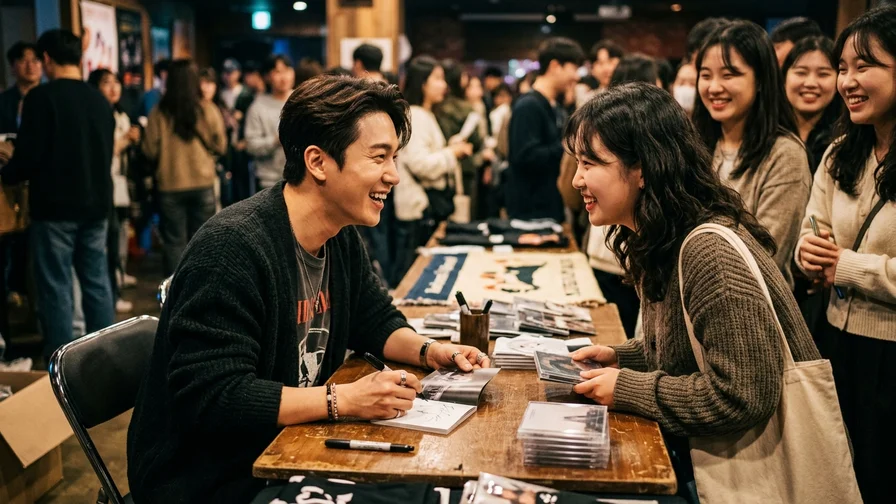
There’s far more to enjoying the K-Indie stage than just watching shows. Many artists set up various programs to connect more deeply with fans. Small post-show signing sessions, album projects you can join through crowdfunding, and instrument workshops led by the artists themselves are all chances to feel the tight-knit bonds of the K-Indie scene. These experiences help you understand a musician’s musical world more deeply, and give you a sense of belonging to the scene—beyond just being a fan.
K-Indie Concert Etiquette and the Culture of Connection
K-Indie venues have a distinctive culture and etiquette that differs from K-pop concerts. Knowing it in advance makes the experience more enjoyable. The most iconic example is the “tte-chang” culture—a mass singalong, where everyone sings the chorus of a favorite song together, which gives the artist a huge boost. It’s also basic courtesy to refrain from excessive filming or recording during the show and to focus on the music itself. After the show, buying the artist’s MD merch is the most direct way to support their next musical endeavors. This culture of mutual respect and support is the greatest force holding up the K-Indie scene.
So far, we’ve covered how to explore Korea’s hottest K-Indie live shows in 2026. From the intimacy of a small club to the vast sense of release at a festival, K-Indie will give you unforgettable musical experiences. Now check today’s lineup on Indistreet or the social media of the club you want to visit, and dive into the scene yourself. If you’d like to know everything there is about K-Indie in more depth, explore the world of K-Indie music more broadly here.