Jeju Local Food Roadmap, 9 Flavors from Black Pork to the Haenyeo Table
목차
- What Makes Jeju Local Food So Special?
- The Signature Jeju Local Foods You Have to Try
- Traditional Liquor and Special Desserts That Round Out the Jeju Flavor
- Foodie Hotspots and Hidden Gems to Enjoy Like a Local
- Practical Tips for First-Time Visitors
- How Should You Plan Your Route?
- Tips for a Sustainable Jeju Food Trip
- Wrapping Up
At a Glance
- Jeju local food was shaped by the volcanic island’s harsh land, rough seas, and the lives of the haenyeo (women divers). It rests on two pillars: a culture of using every last bit of a single pig, and wild-caught seafood.
- This article is an introductory guide and index that maps out Jeju’s 9 signature foods, grouped into 2 meat dishes, 4 seafood dishes, 1 traditional liquor, 1 dessert, and 1 market.
- So first-time visitors don’t get lost, it gathers the shared practical essentials—transportation, payment, allergies, customs, reservations, and language—in one place, and even suggests a one- to two-day route.
We think Jeju food is the best table for showing foreign visitors another face of Korea. If Seoul’s Korean cuisine is all neat side dishes and grilled meats, then Jeju local food carries the rugged yet deep flavor of a volcanic island’s land and sea. With this one article, you’ll see at a glance what to eat, where to start, and what to watch out for. From the everyday scenes of market alleys to the haenyeo’s sea, let’s unfold the map of Jeju local food together.

What Makes Jeju Local Food So Special?
Because Jeju is a volcanic island, it has plenty of basalt soil where water drains away quickly, making rice farming difficult. So instead of white rice, grains like glutinous millet, buckwheat, and barley became staples, and these grains live on today as local treats like Omegi Rice Cake (오메기떡, omegi-tteok) and bing-tteok. The harsh environment actually nurtured the wisdom of using every ingredient sparingly.
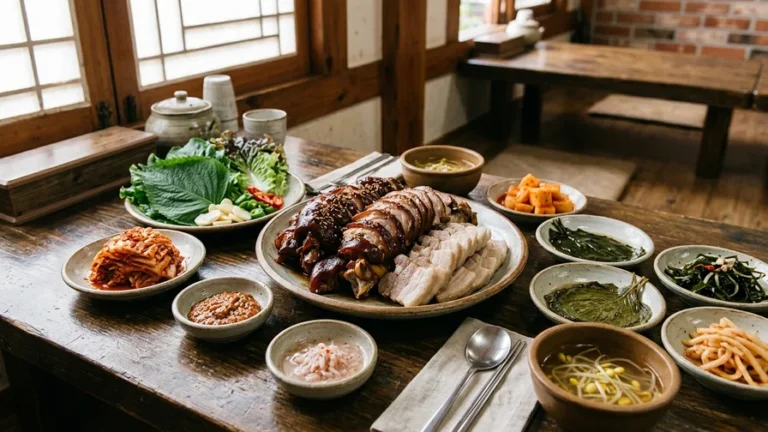
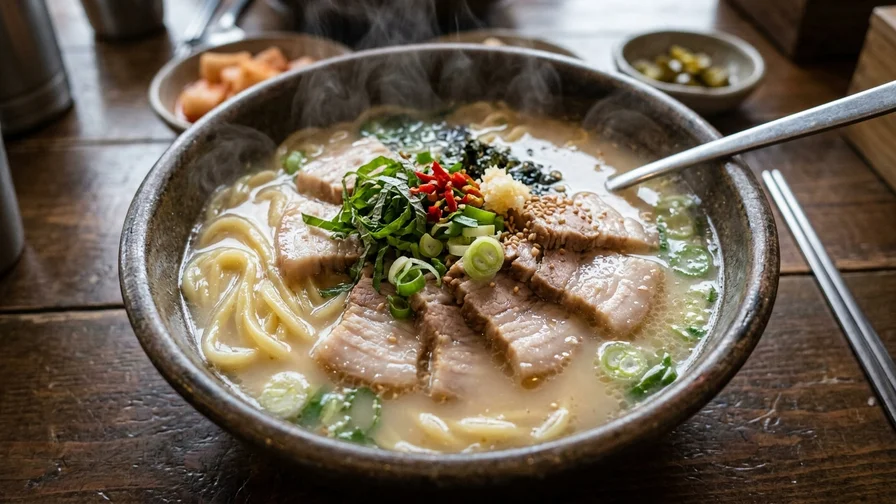
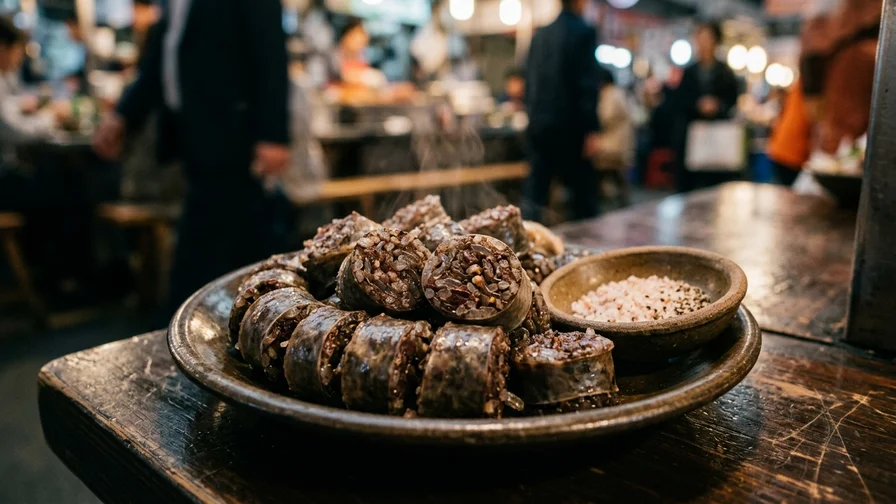
Pork is the prime example. In Jeju, when a pig was slaughtered for a feast or ancestral rite, the lean meat went to the grill, the bones were simmered into the broth for Jeju Pork Noodle Soup (고기국수, gogi-guksu), and even the innards became Korean Blood Sausage (순대, sundae)—nothing was wasted. This culture of using a single animal to the very end created the depth of Jeju local food.
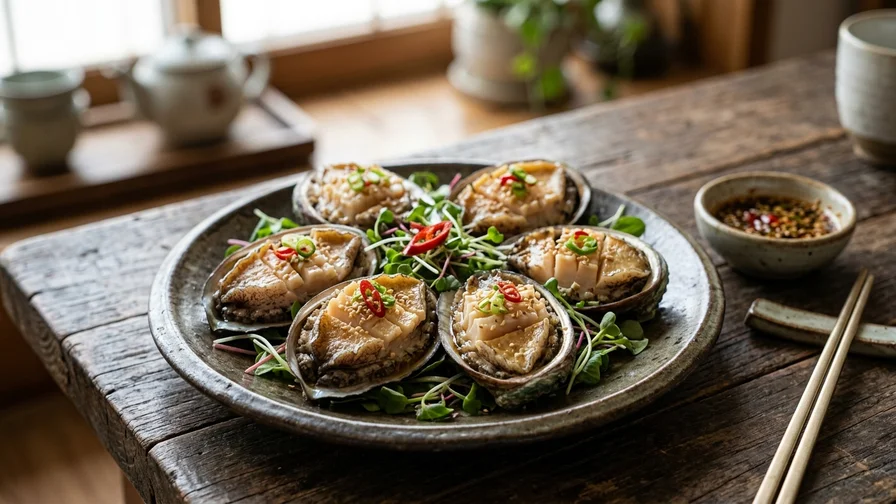
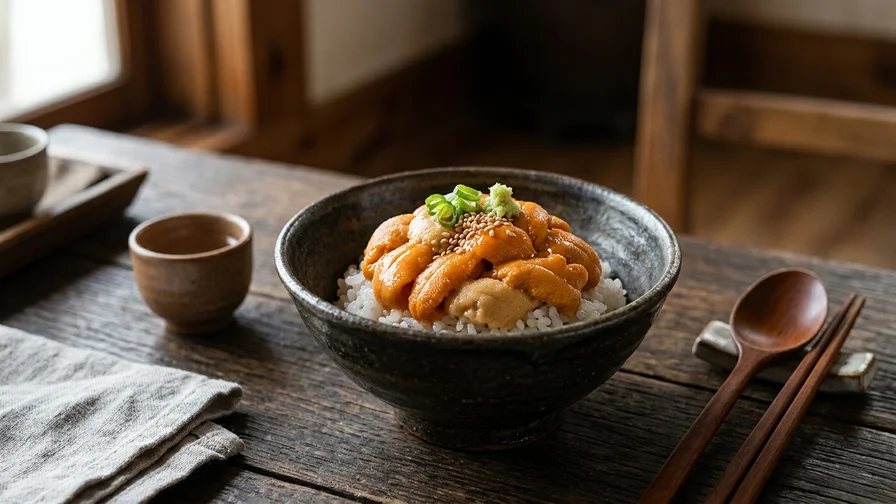
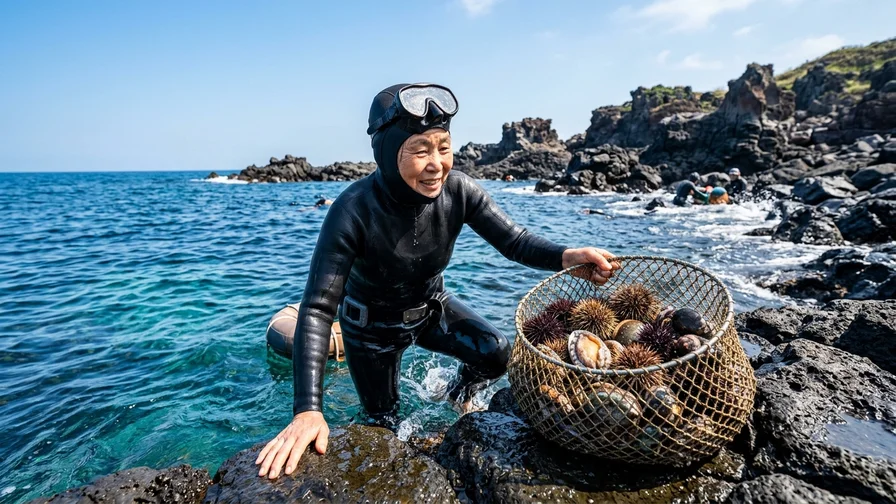
The sea side bears the touch of the haenyeo. The haenyeo culture—women who free-dive without oxygen tanks to gather Abalone (전복, jeonbok), top shells, Sea Urchin (성게, seonge), and seaweed—is inscribed on UNESCO’s list of Intangible Cultural Heritage. That’s why a Jeju seafood table also carries the labor and stories of the person who pulled it from the water. This is why Jeju local food becomes a cultural experience that goes beyond just a meal.
If you’d like to know more about the background of Jeju’s food culture, see the Jeju regional overview.
The Signature Jeju Local Foods You Have to Try
At the heart of a Jeju foodie roadmap are meat and seafood. Here we’ll touch on just the essentials of each dish, while deeper restaurant lists and the order in which to eat them are covered in detail in the individual articles for each food.
A word on pronunciation and ordering (Soyeon’s Meal)
Jeju Pork Noodle Soup go-gi-guk-su / Braised Hairtail (갈치조림, galchi-jorim) gal-chi-jo-rim / Cold Raw Fish Soup (물회, mulhoe) mul-hoe / black pork heuk-dwae-ji
When ordering, “Two servings, please” (i-geo 2-in-bun ju-se-yo), and if you’d rather not have it spicy, just say “Please make it not spicy” (an maep-ge hae-ju-se-yo)—that’s all you need.
Gogi-guksu: A Jeju Comfort Food
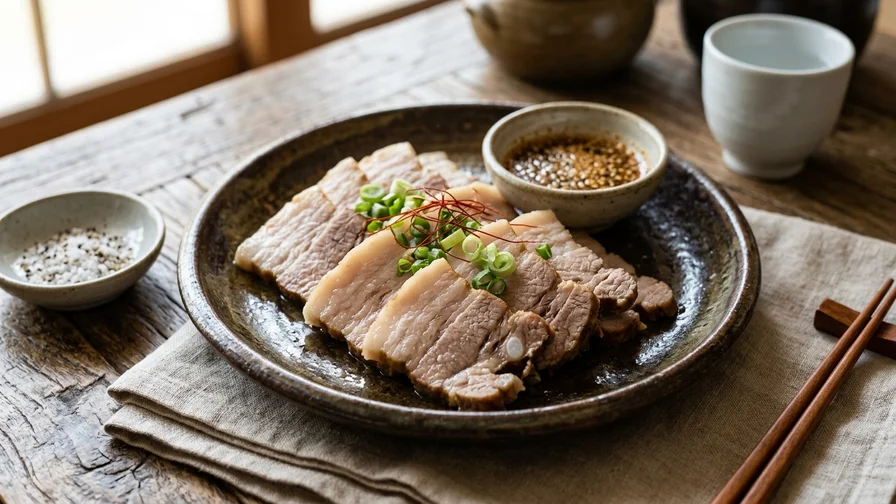
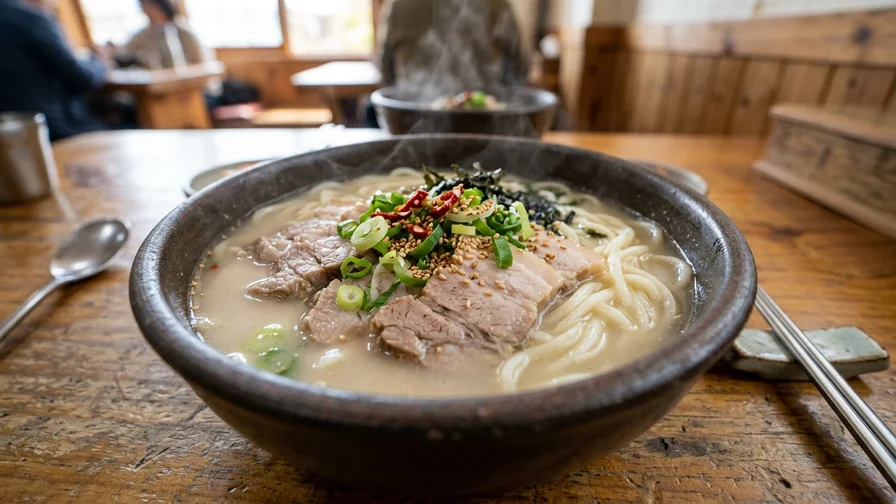
The very first bowl I’d recommend in Jeju is Jeju Pork Noodle Soup (Gogi-guksu). It’s a noodle dish where thick wheat noodles are dropped into a milky broth made by simmering pork bones for a long time, topped with a few slices of Boiled Pork Slices (수육, suyuk). It’s a rich pork broth similar to Japanese tonkotsu ramen, but the noodles are softer and the broth is on the lighter, cleaner side. Take a spoonful and the broth—hearty yet clean—hits you first, with the thick meat backing it up to keep you full.
The price is usually around 9,000–12,000 won per person (about 7–9 USD) and is subject to change, so check before you go. The local way is to taste the broth in its natural form at first, then partway through stir in a little minced seasoning (dadaegi) or Chili Powder (고춧가루, gochutgaru) to turn it more fiery. Cutting the richness with the kimchi on the side lets you finish the bowl clean to the last drop. If you ask for the noodles as Double Portion (곱빼기, gopbaegi) (Gopbaegi, an extra-large portion), you can get a bigger serving. Since it’s made with pork bones and pork, those on diets that avoid pork or with religious restrictions should be careful.
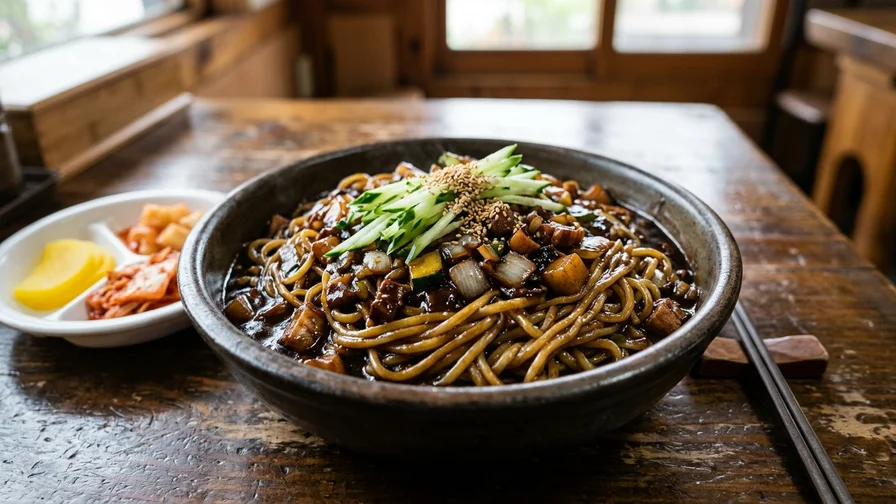
Noodle shops cluster around Dongmun Market in downtown Jeju City and near the airport, making it a great first meal upon arrival.
Jarihoe and Hairtail: Gifts from the Sea
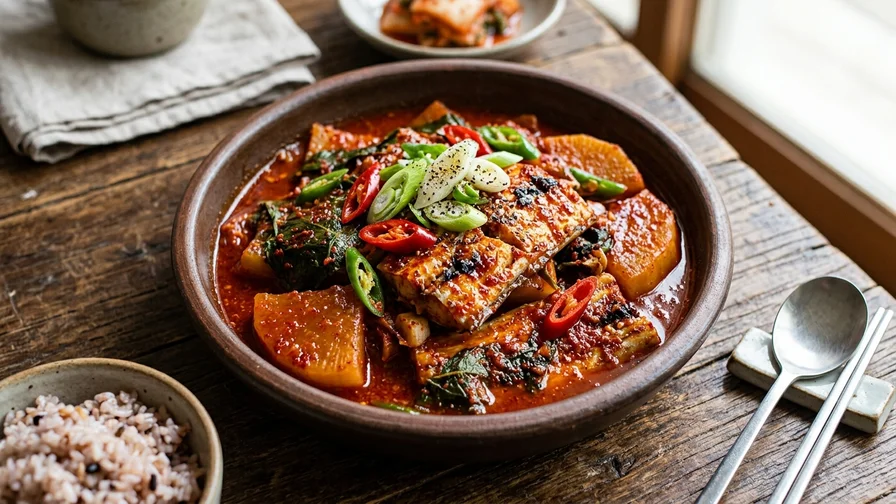
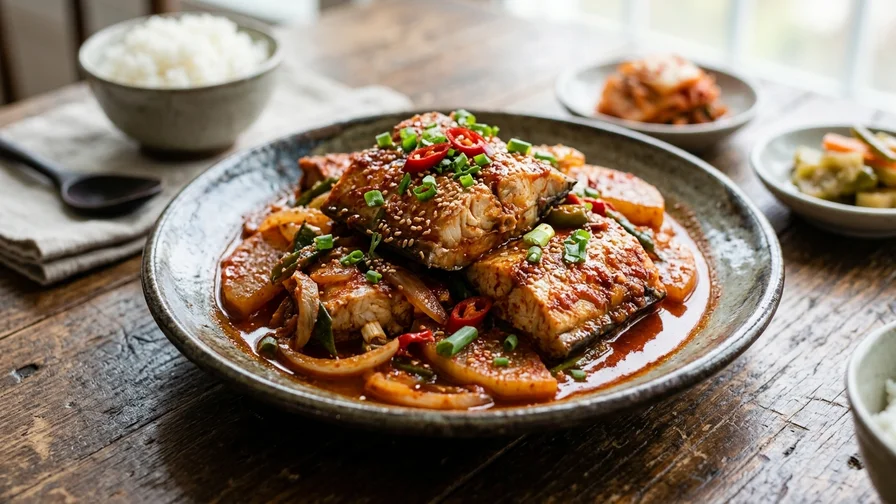
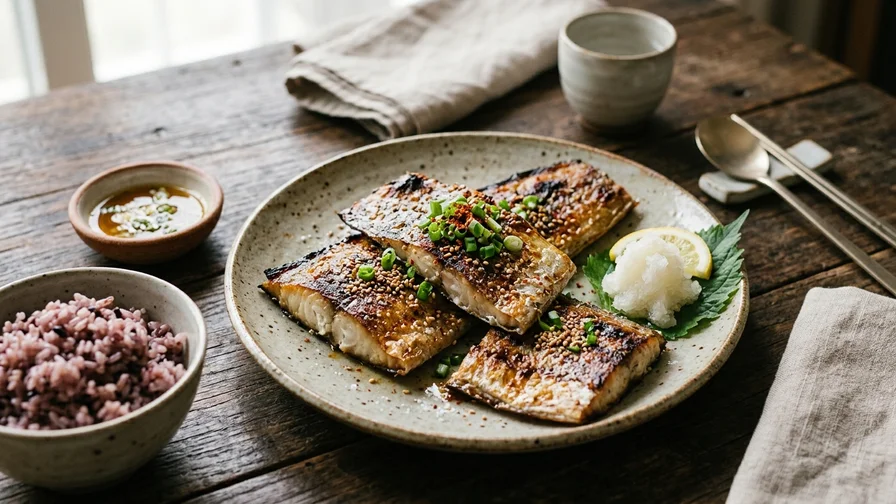
The fish that represents Jeju’s waters is, without a doubt, Hairtail Fish (갈치, galchi) (Galchi). Jeju’s silvery hairtail has thick flesh and little fishy smell. You can enjoy a single fish three ways: Braised Hairtail (gal-chi-jo-rim), spicy-braised with radish; Grilled Hairtail (갈치구이, galchi-gui) (gal-chi-gu-i), grilled golden with just a sprinkle of salt; and Hairtail Soup (갈칫국, galchitguk), a clear soup. A Hairtail Fish set meal usually runs about 15,000–30,000 won per person (about 11–22 USD) and is subject to change. The best Hairtail Fish spots cluster around Moseulpo and Seogwipo.
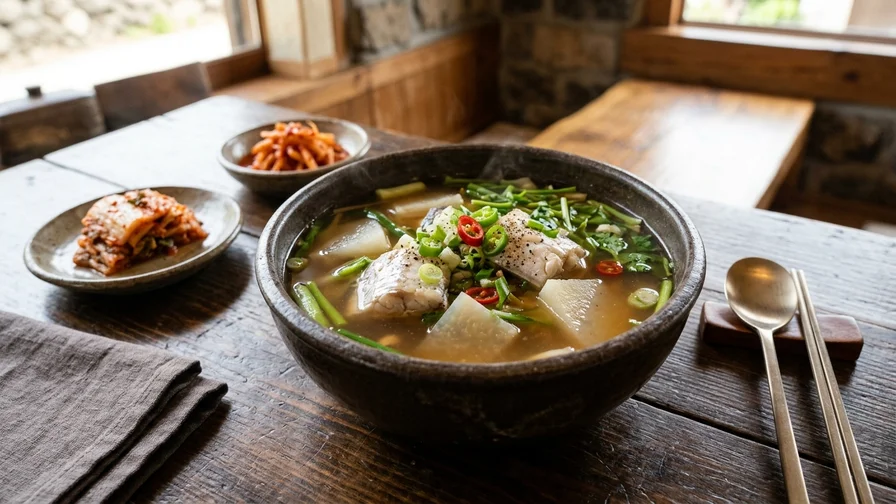
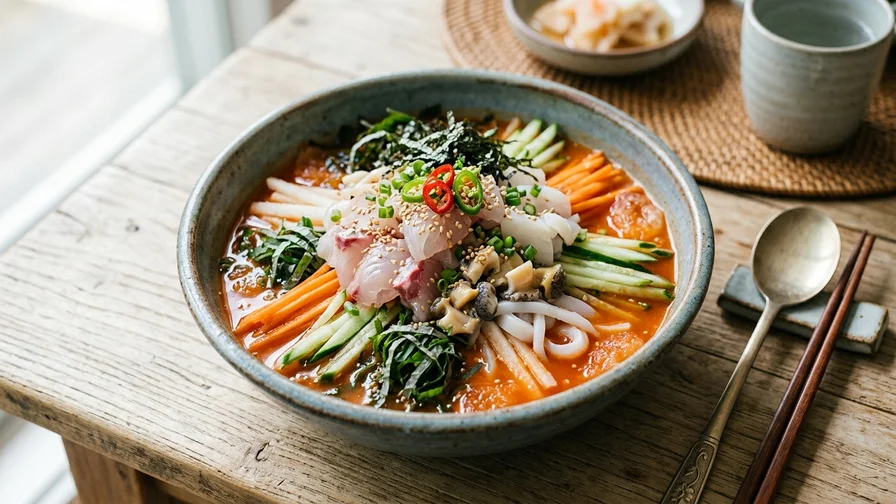
In summer, I’d recommend Cold Raw Fish Soup (Mulhoe). It’s a dish where finely sliced raw fish is mixed with vegetables and a tangy seasoning, then cold broth is poured in to slurp it down. In Jeju, the most local version is Damselfish Cold Soup (자리물회, jari-mulhoe), made with a small fish called damselfish. Sliced bones and all, it’s nutty with a satisfying chew, but there are tiny bones, so chew slowly and thoroughly. First-timers who find the bones off-putting can start with the smooth Squid Cold Soup (한치물회, hanchi-mulhoe) (hanchi squid) and can’t go wrong. Damselfish is generally in season from late spring through summer.
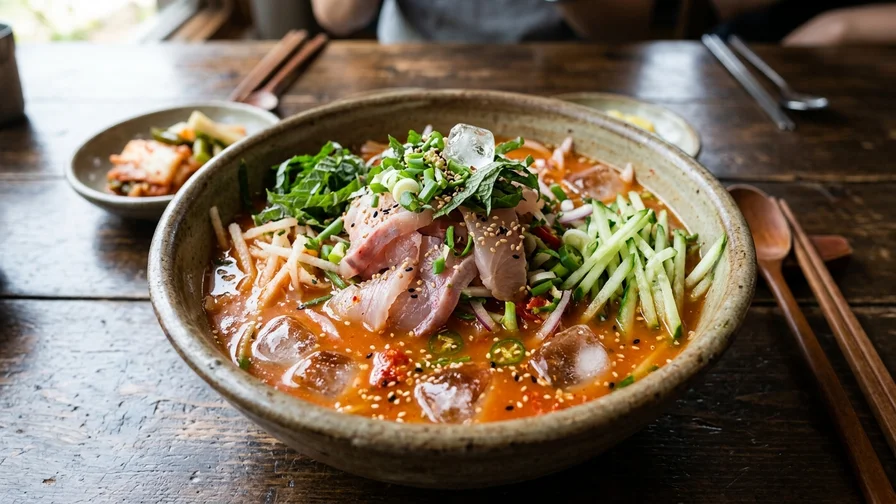
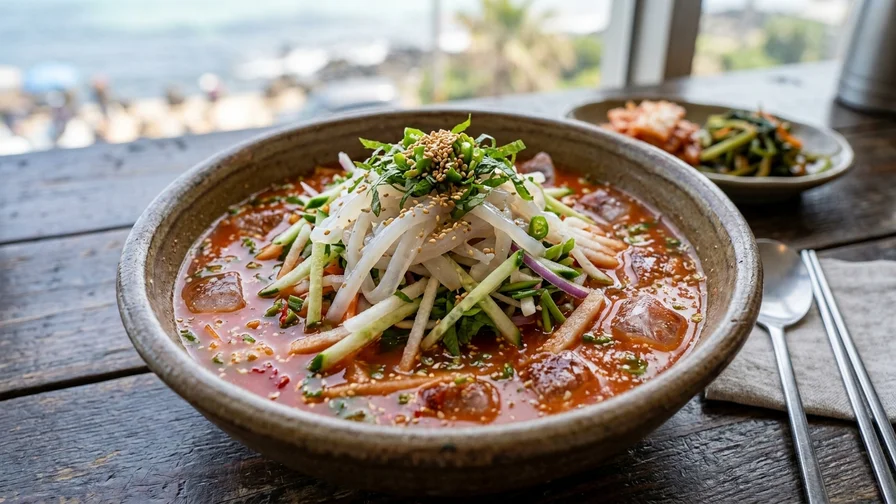
Hairtail is a fish, while hanchi is a cephalopod (a type of squid). If you have a fish allergy, watch out for hairtail; if you have a shellfish or mollusk allergy, be careful with Cold Raw Fish Soup. These have different allergens from crustaceans (shrimp, crab), so don’t confuse them.
The Haenyeo Table: A Mother’s Taste
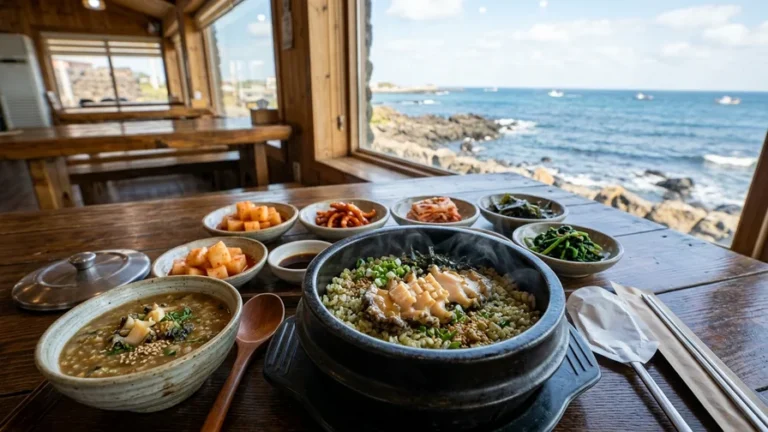
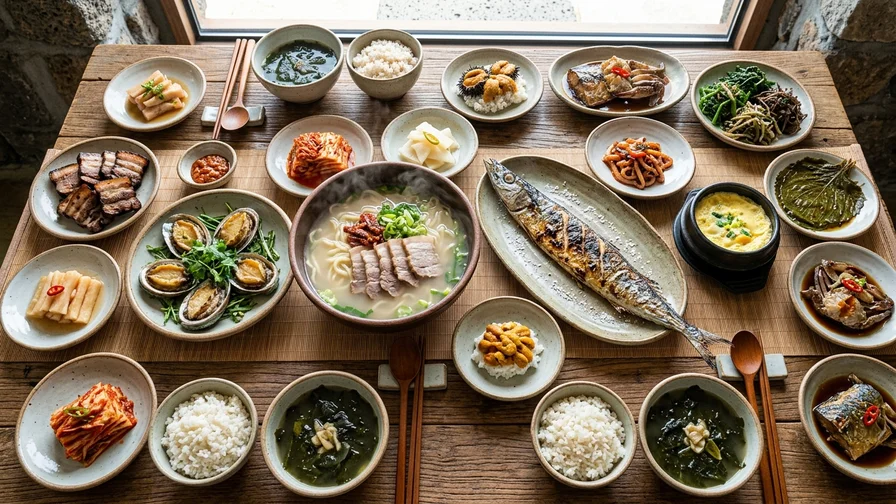
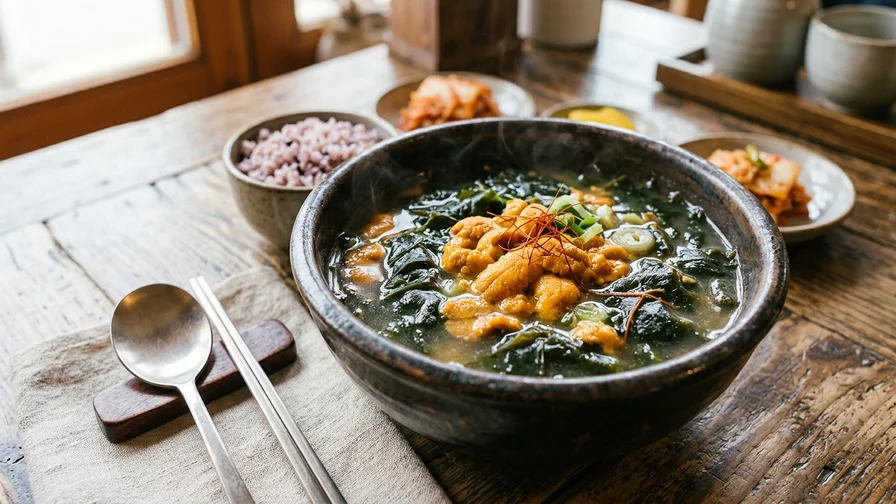
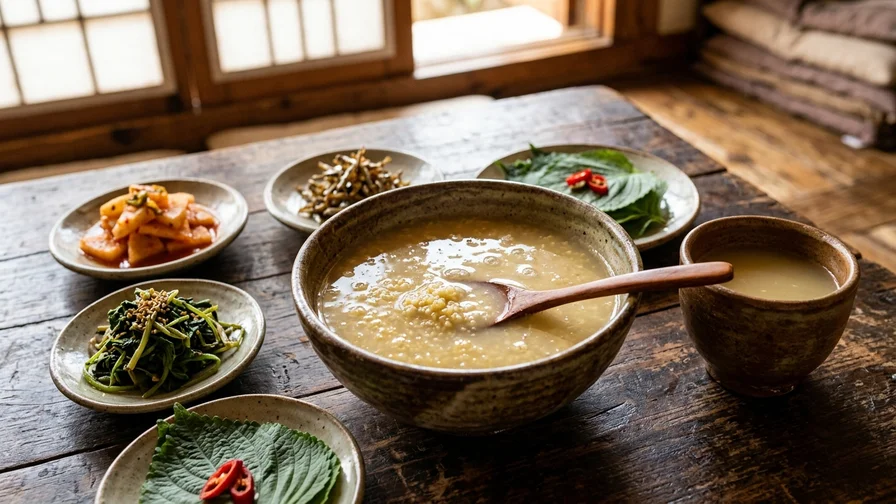
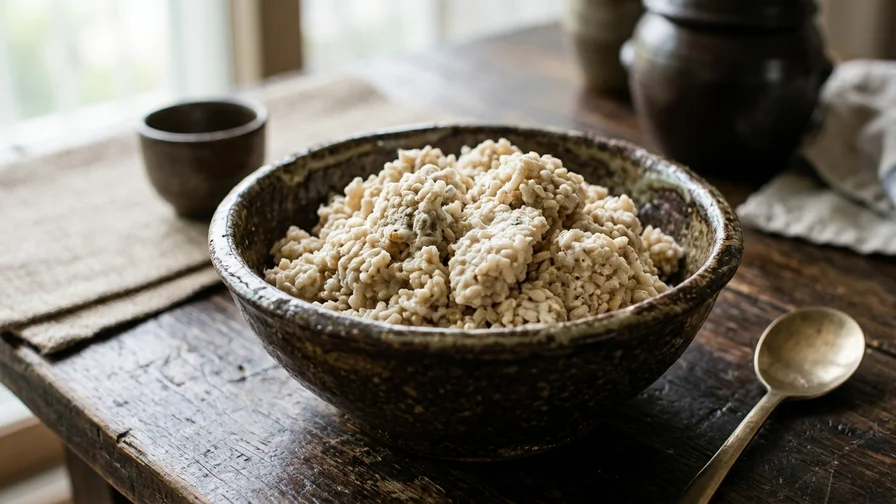
At the pinnacle of Jeju dining is the haenyeo table. Set with ingredients the haenyeo gathered themselves by diving, it’s the most quintessentially Jeju spread there is. Sea Urchin Seaweed Soup (성게미역국, seonge-miyeokguk), a seaweed soup made with sea urchin roe, is steeped in the scent of the sea, with the sweetness of the golden Sea Urchin blending into the seaweed. Sea Snail Porridge (보말죽, bomal-juk), a porridge made with small sea snails called bomal, is a rich grayish-green porridge—even if the look is unfamiliar, rest assured that color comes naturally from the fresh innards.
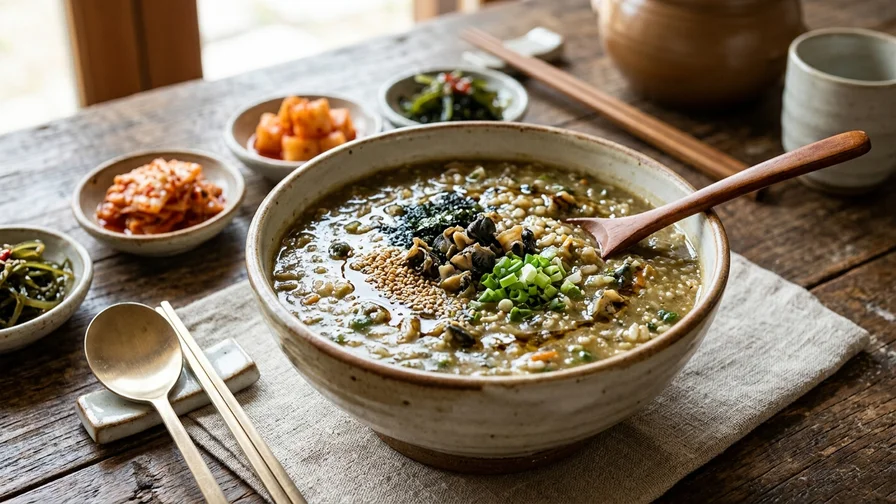
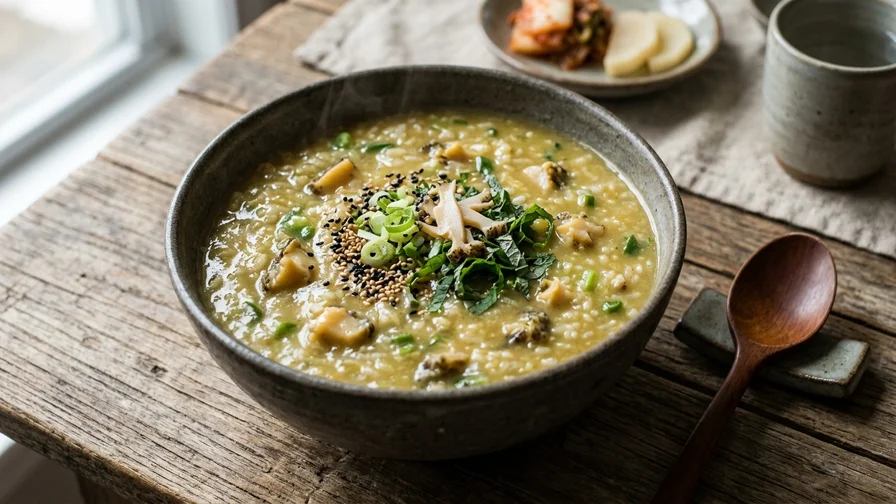
Abalone can’t be left out either. Abalone Porridge (전복죽, jeonbok-juk), a restorative dish once presented to emperors—calling it “porridge” in English may make it sound like food for the sick, but in Jeju it’s a precious, nourishing meal. Abalone is a mollusk, so its allergen differs from crustaceans—only those with a mollusk allergy need to be careful. Wild abalone and Sea Urchin are generally in season from late spring through summer, and in winter or depending on the weather, diving may decrease and the menu may change. Since haenyeo restaurants open according to the weather, it’s safer to check whether they’re open via Google Maps before visiting.
Traditional Liquor and Special Desserts That Round Out the Jeju Flavor
What completes the Jeju local food table is liquor and sweetness. Jeju’s traditional liquor is brewed not from rice but from glutinous millet. The liquor fermented by making rice cakes from glutinous millet is omegi-sul, and the strong liquor distilled from it through a traditional still is Gosori Distilled Liquor (고소리술, gosorisul). Omegi Liquor (오메기술, omegisul) is in the sweet-and-sour makgeolli family, making it easy to start with, while Gosori Distilled Liquor is a high-proof distilled spirit meant to be savored slowly. Some breweries run brewing experiences, but these require a reservation.
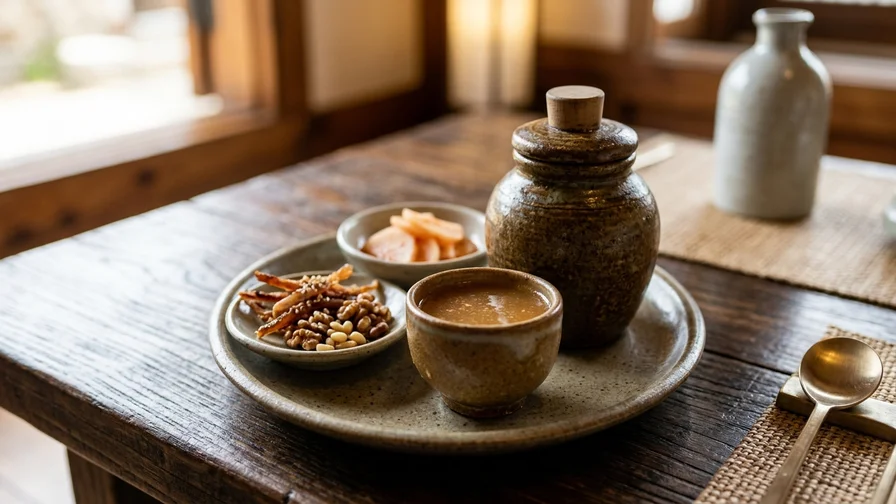
With rich grilled black pork, local Jeju drinks like Hallasan soju or Jeju Wit Ale pair beautifully. If soju feels like too much, a cold beer or makgeolli is also a great choice. Enjoy alcohol as an option, not an obligation.
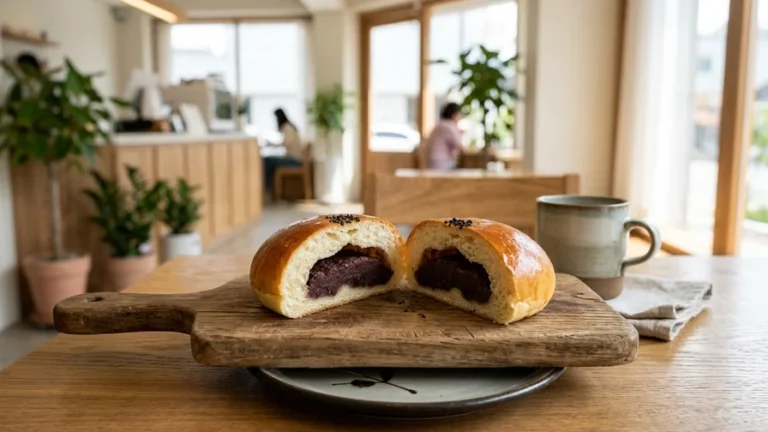
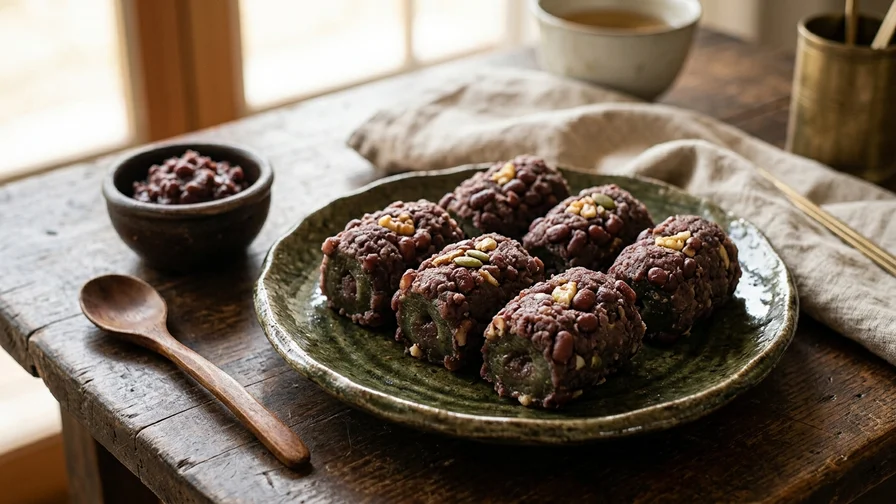
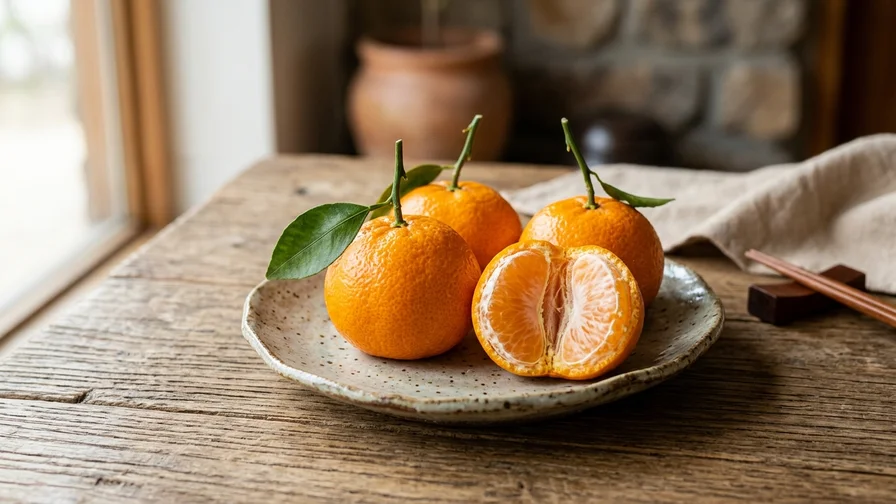
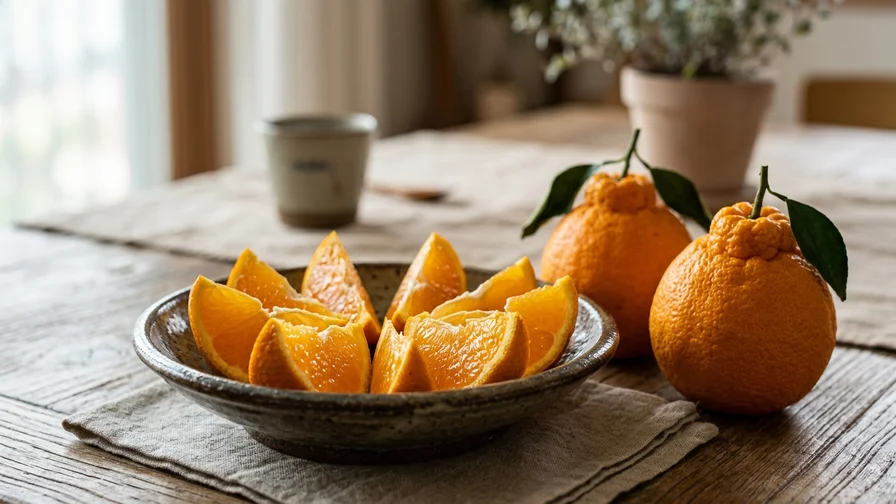
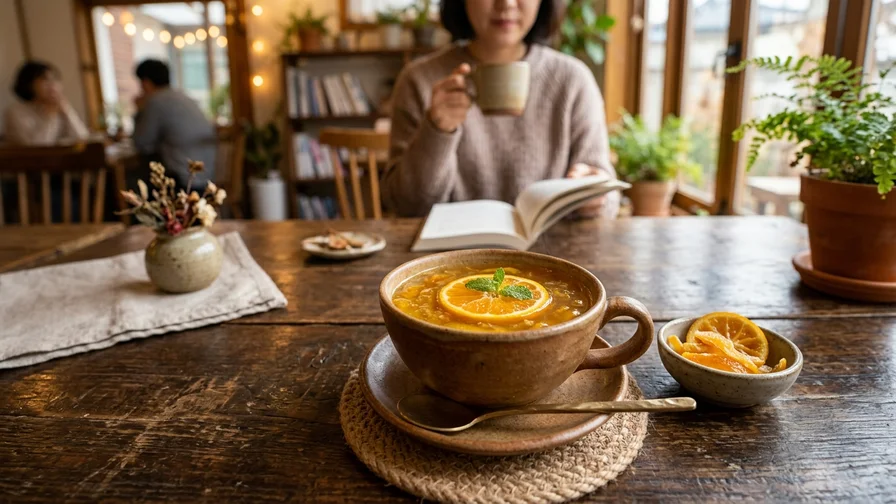
For dessert, the Jeju Tangerine (감귤, gamgyul) is the star. In winter, Jeju is covered in tangerine orchards, and at cafés you’ll easily find cakes topped with Jeju Tangerine and Hallabong Citrus (한라봉, Hallabong), plus Tangerine Tea (감귤차, gamgyul-cha) and citrus syrup. Jeju Tangerine-picking experiences usually cost around 5,000–10,000 won per person (about 4–7 USD) and are subject to change. And the Dongmun Market specialty, Omegi Rice Cake, is a chewy rice cake made of glutinous millet dough coated in red bean powder—a local dessert you can only taste in Jeju.
Insider Tip
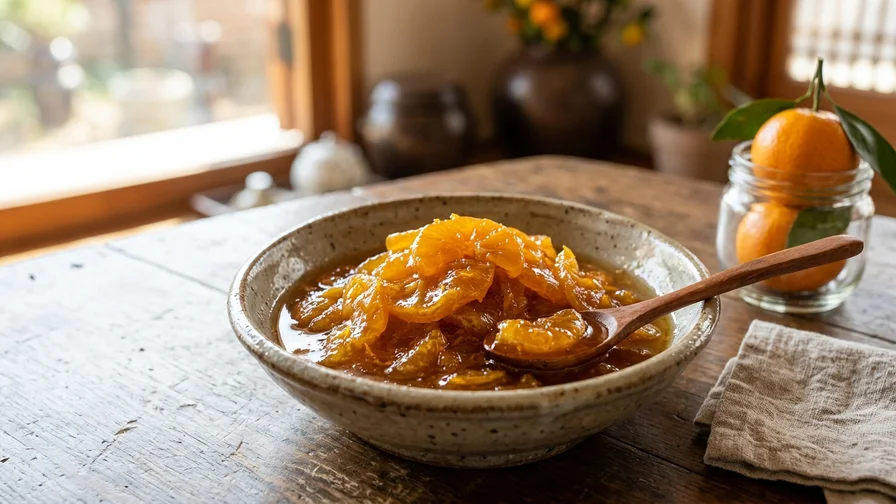
Fresh fruits like tangerines and Hallabong Citrus, as well as vacuum-packed black pork, are often blocked at quarantine at your home airport. Most countries restrict the import of fresh produce and meat. For souvenirs to take home, choose items that keep at room temperature and are more likely to clear customs, such as Tangerine Syrup (감귤청, gamgyul-cheong), chocolate, yanggaeng (sweet bean jelly), dried seafood, and bottled traditional liquor. For alcohol, it’s safest to check your duty-free allowance and checked-baggage rules in advance.
Foodie Hotspots and Hidden Gems to Enjoy Like a Local
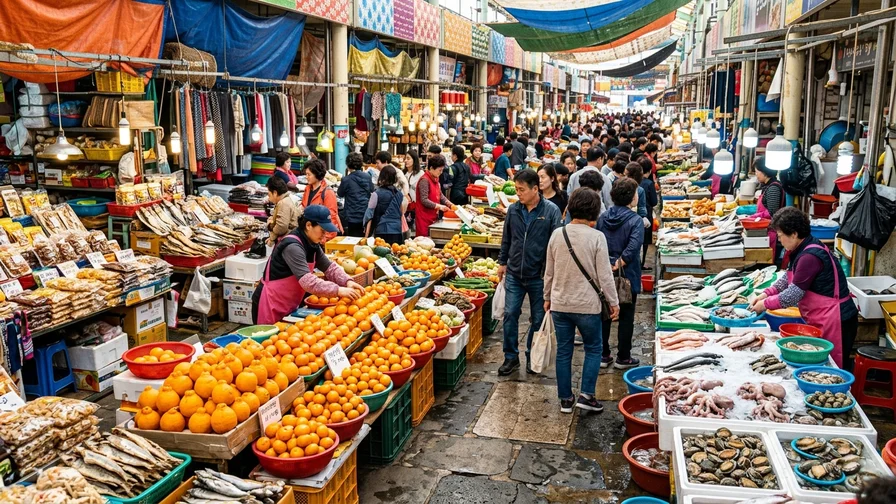
Instead of only making the rounds of tourist restaurants, slipping in the places where locals shop and grab their meals makes Jeju local food feel much closer. At the center of that is Dongmun Market 📍 (Dongmun Market) in downtown Jeju City.
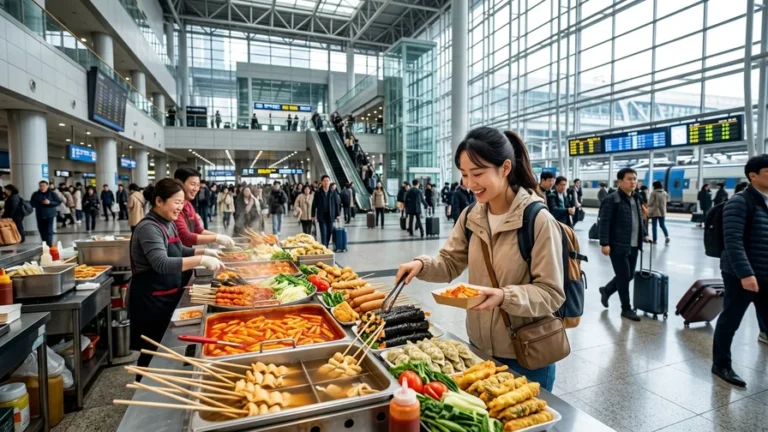
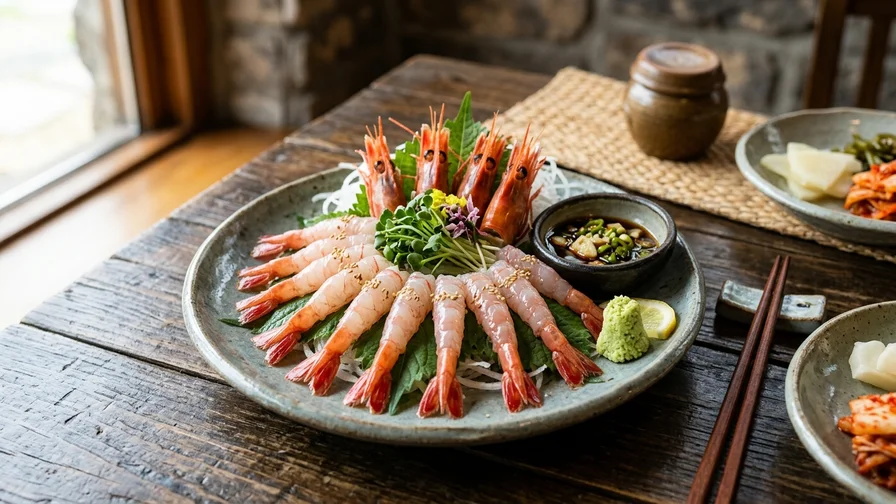
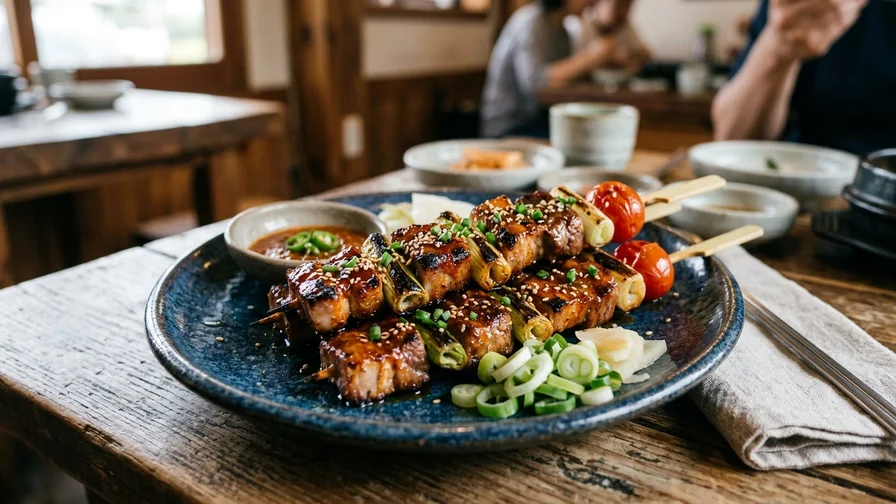
Dongmun Market 📍 is in Ildo 1-dong, Jeju City, about a 15-minute drive from Jeju International Airport. By day it’s a traditional market, and by evening it transforms into a night market. At the night market stalls, you can sample a variety of treats: Raw Sweet Shrimp (딱새우회, ttaksaeu-hoe) (a Jeju delicacy of small, sweet, chewy shrimp eaten raw), Black Pork Skewer (흑돼지 꼬치, heukdwaeji-kkochi), and Omegi Rice Cake. There’s great fun in wandering the market’s raw-fish stalls and rice-cake shops, buying a handful of each to eat as you go. Many market stalls don’t take cards and accept only cash, so bring some Korean won in cash. The night market generally opens around 6 p.m. and runs into the night, with hours subject to change.
If you’re near the airport, at the Haenyeo House in Dodu-dong you can find a haenyeo table—dishes like Sea Snail Porridge and Sea Urchin Seaweed Soup—relatively close by. The Haenyeo Houses in the eastern coastal villages change their menu depending on that day’s catch, which is actually their authentic charm. That said, Haenyeo Houses and old-school eateries often have no English menus or English-speaking staff, so pointing at a photo menu or using Google Translate along with the menu photos on Google Maps makes ordering easier. Modern restaurants and franchises take cards and mobile payments, so it helps to keep that distinction in mind.
Practical Tips for First-Time Visitors
Since Jeju’s attractions are scattered across the whole island, it’s good to know the basics before you set out to follow the food. Below is the shared info worth having no matter what you eat.
- Because Jeju’s attractions are spread out, a rental car is the most convenient option. Foreign visitors must obtain an International Driving Permit in their home country before departure—it cannot be issued after arriving in Korea.
- The taxi app Kakao T often requires a Korean phone number and a domestically issued card to sign up and pay, making it hard for short-term travelers to use, so also make use of airport taxi stands and taxis hailed on the street.
- If you travel by bus, search your origin and destination on Naver Map or Google Maps and it will show the real-time bus number, schedule, and travel time, so just follow that.
- Market stalls, Haenyeo Houses, and old-school eateries commonly accept cash only, so prepare Korean won in cash; modern restaurants take cards and mobile payments.
- Performance dining like the Haenyeo Kitchen and brewing experiences require reservations, so book ahead with the help of Google Maps or your accommodation staff.
Pay special attention to allergies. Hairtail is a fish; abalone and top shells are mollusks; shrimp and crab are crustaceans—their allergens are all different. The English word “shellfish” is a broad term covering both mollusks and crustaceans, so having a crustacean allergy doesn’t necessarily mean you must avoid abalone too. Pork, liquor brewed with Fermentation Starter (누룩, nuruk), and the salted seafood in kimchi may also need checking depending on your diet and religion. For those who keep halal, kosher, or vegetarian, Jeju food has a lot of seafood, meat, and alcohol, so it’s best to confirm in advance. Kitchens and cooking tools are shared, so if you must keep strictly, factor in cross-contamination as well.
How Should You Plan Your Route?
Let us suggest a route that comfortably ties Jeju local food together over one to two days. It starts from somewhere close to the airport and flows clockwise around the island.
- For your first meal on arrival, start light with gogi-guksu at a noodle shop near the airport, and finish the evening at the Dongmun Market 📍 night market with Raw Sweet Shrimp and omegi-tteok.
- The next morning, warm up with Sea Snail Porridge at the Dodu Haenyeo House, then follow the eastern coast to enjoy abalone and the haenyeo table.
- Head over to Aewol in the west and spend the afternoon with an Omegi Liquor brewery experience and tangerine café desserts.
- Wrap up the journey with a silver hairtail set meal in the south at Moseulpo 📍 and Seogwipo 📍.
If you have a rental car, you can tie this route together even in a single day; if you’re on foot, it’s more relaxed to fill the first day around Dongmun Market and the airport area, then focus on just one coast on the second day.
Tips for a Sustainable Jeju Food Trip
Much of Jeju local food relies on wild seafood and the haenyeo’s diving. That’s why respecting seasonality and closed-fishing seasons is itself a kind of food ethics. During spawning seasons or closed-fishing periods, the supply of wild catch drops, and rather than insisting on wild-caught only, following a restaurant’s guidance toward in-season ingredients will lead you to better flavor.
Eating a haenyeo table isn’t just consumption—it’s also an act of supporting haenyeo culture, a UNESCO Intangible Cultural Heritage. When you seek out restaurants or performance dining run by the haenyeo themselves, that one meal directly contributes to the local community and the preservation of the culture. When you shop at the market, buying from local stalls keeps that money in the community.
Finally, the mindset of not leaving food behind and small habits of reducing single-use waste protect the island’s environment. Jeju’s flavors come from clean seas and healthy land. In other words, eating well becomes the very act of protecting well.
Wrapping Up
Jeju local food is a table set together by the volcanic island’s land, its rough seas, and the hands of the haenyeo. Start with a bowl of gogi-guksu and follow it through hairtail and mulhoe, the haenyeo table, traditional liquor and tangerine desserts, all the way to the Dongmun Market night market, and the island’s flavor map naturally draws itself. Now that you’ve grasped the big picture, set out on your next trip to find the taste of one food that speaks to you. Before you go, double-check whether restaurants are open and their prices on official websites or Google Maps for extra peace of mind.
Read More Related Articles
- How to Eat Jeju Gogi Guksu, the Island's Soul-Food Pork Noodle Soup
- How to Enjoy Jeju Mulhoe, Jari-mulhoe and Hanchi-mulhoe
- How to Find and Savor a Jeju Haenyeo Meal Set by the Sea
- Jeju Omegisul Brewing, Tasting Foxtail-Millet Traditional Liquor
- How to Pick Real Jeju Black Pork and 7 Steps to Eat It Right
- Jeju Abalone Dishes and 6 Top Spots, Eaten Like a Local
- Jeju Tangerine and Hallabong, Orchard Cafes and Tangerine Picking
- Enjoy Jeju Cutlassfish Like a Local, Galchi-jorim and Galchit-guk
- 8 Must-Try Bites at Jeju Dongmun Market's Night Market