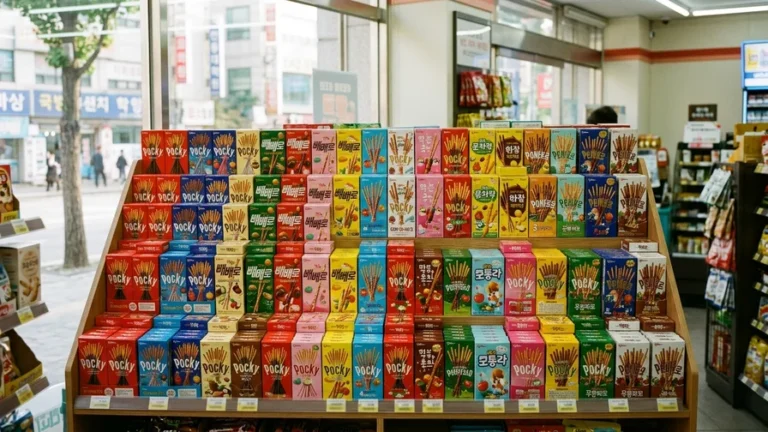
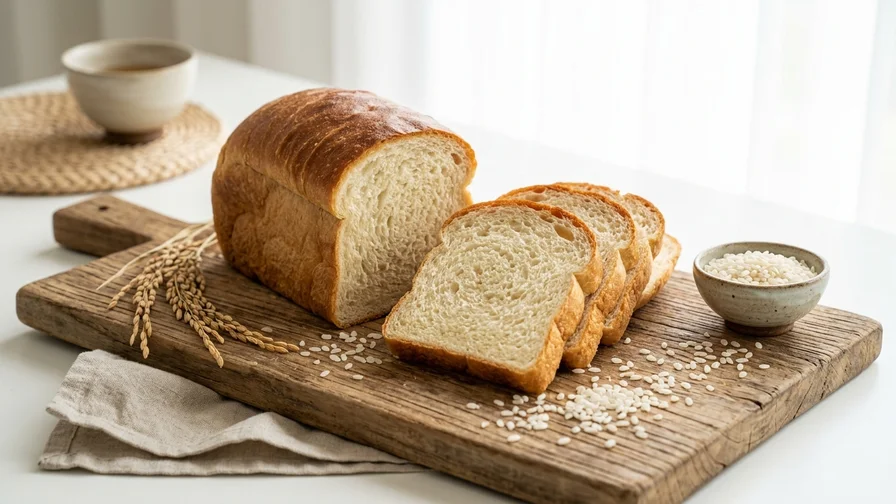
Rice Flour Bread — Korea’s Healthier Take on the K-Bakery Trend
목차
Key Takeaways
- Rice flour bread has emerged as a major K-bakery trend heading into 2026. It is spreading fast as the government’s powdered-rice policy, a response to falling rice consumption, lines up with a global wellness movement.
- It is known for its chewy texture and has evolved into many forms, including rice sandwich loaves, rice castella, and rice madeleines. Prices tend to run a bit higher than ordinary bread (around 7,000 to 10,000 won, or roughly $4.70 to $6.70, for a rice sandwich loaf).
- That said, rice bread is not automatically gluten-free. Wheat flour blends and cross-contamination are common, so if you have celiac disease, always look for labels that say “100% rice flour” or “dedicated gluten-free.”
The K-food boom is spilling over into the bakery scene, and at the center of it is “rice flour bread,” made with rice, a Korean dietary staple, instead of wheat. What makes it interesting is that this is not just a passing fad but a structural shift backed by statistics and government policy. In this article, we cover the data behind the rise of rice bread, the facts you need to know about gluten-free claims, trusted rice bread shops in Seoul, and home baking tips. A tour of Korean bakery culture
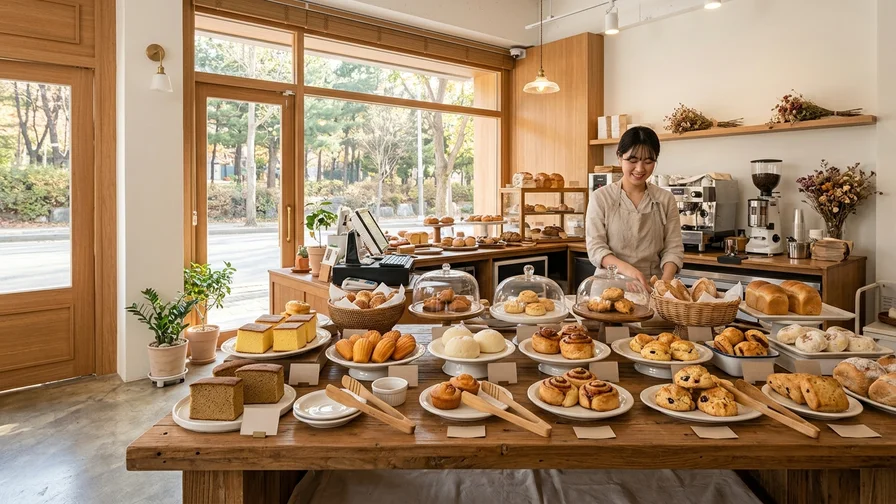
Why Rice Flour Bread Became the Frontrunner of the K-Bakery Trend
Over the past few years, a noticeable change has appeared on Korean bakery shelves. Spaces once dominated by wheat bread now make room for rice sandwich loaves, rice baguettes, and rice cakes. Clear data and policy lie behind this shift.
Less Rice on the Plate, More Rice in the Bread
- Falling rice consumption: According to Statistics Korea’s grain consumption survey, annual rice consumption per person came to 53.9 kg (for the 2025 grain year), down 3.4% from 55.8 kg the previous year and the lowest figure since the survey began in 1962. That is roughly half the level of 1995 (106.5 kg), 30 years ago.
- The government’s powdered-rice policy: In June 2022, the Ministry of Agriculture, Food and Rural Affairs introduced its “Measures to Revitalize the Rice Processing Industry Using Powdered Rice,” and through an improvement plan in December 2024 it has been growing the industry with a goal of using 200,000 tons of powdered rice by 2026.
- What is powdered rice (bunjilmi): It is a dedicated variety called “Baromi 2,” which, unlike ordinary rice, can be milled directly like wheat without soaking in water. By solving the long-standing drawback of wet milling costs, it has become well suited as an ingredient for baking and confectionery. This is the backdrop for major food companies and bakeries rolling out one powdered-rice bread or pastry product after another.
In short, this trend was created as policy aimed at converting surplus rice into bread moved in the same direction as consumer demand for new textures.
The Overlap with Gluten-Free and Wellness Demand
Rising global interest in gluten-free diets has also played a part. Gluten is a protein found in wheat, barley, and similar grains, and it causes problems for people with celiac disease or gluten sensitivity. Since rice itself contains no gluten, consumers seeking rice bread instead of wheat bread have grown naturally. Many people who feel bloated after eating bread switch over to rice bread as well. It is important to note, however, that not all commercial rice bread is gluten-free, a point covered in detail below.
A Fresh Spotlight on Korean Ingredients
The “Newtro” craze, a fresh way of enjoying the retro, has also fueled growing interest in traditional ingredients. Bread that reinterprets rice, a staple of the Korean table for thousands of years, through modern baking techniques fits the idea that the most Korean things can also be the most global. If you want a deeper understanding of the Korean baking techniques used to make rice flour bread, take a look at this article.
Rice Bread and Gluten-Free: The Facts You Need to Know
“Healthiness” is often cited as the biggest appeal of rice flour bread, but there is a distinction you need to get right.
Not Every Rice Bread Is Gluten-Free
- Wheat flour blends: Many commercial rice breads mix in some wheat flour or add vital wheat gluten for better texture and rise. You should not assume something is gluten-free just because it is called “rice bread.”
- Cross-contamination: Most bakeries make wheat products in the same kitchen and the same oven, so trace amounts of gluten can get mixed in.
- If you have celiac disease: Always check for “100% rice flour” or “dedicated gluten-free” labels and ask the staff again to be sure. If there is no label, do not assume it is safe.
How Tteok Differs from Rice Bread
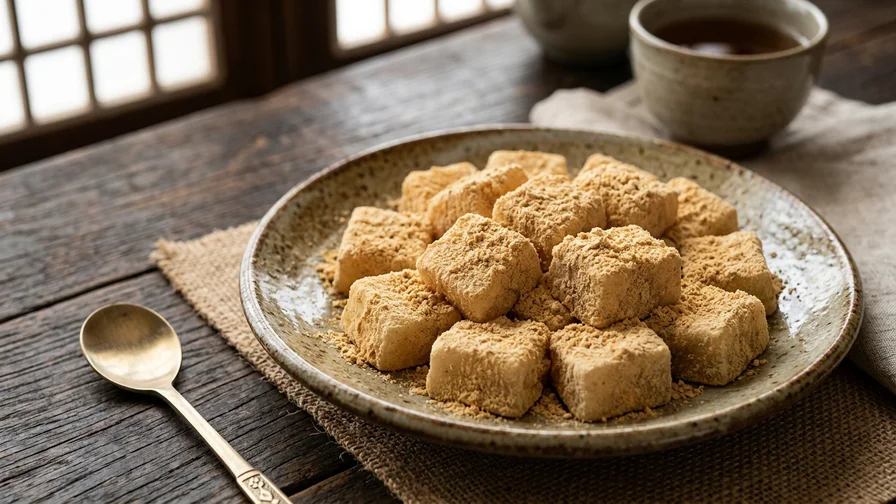
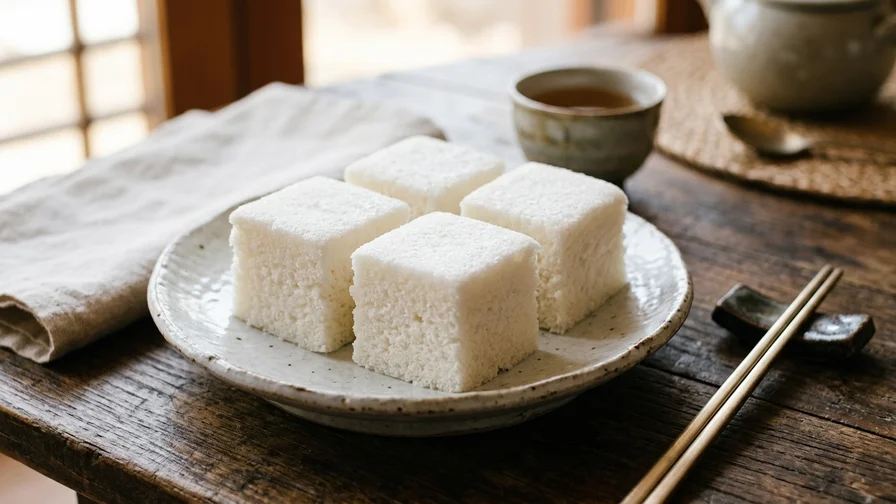
This is a point foreign readers often confuse. Tteok (rice cake) is a traditional Korean food made by steaming wet rice flour, ground from soaked rice, in a steamer, while rice bread is a modern result of applying Western baking methods (kneading, fermenting, oven baking) to dry or baking-grade rice flour. The textures differ too: tteok is dense and firmly chewy, while rice bread has the fluffiness of bread with a subtle chewiness added. Even people who found tteok unfamiliar can try rice bread without hesitation.
Synergy with Various Grains
Beyond white rice flour, it is common to boost nutrition by blending in flours from other grains such as brown rice, black rice, and barley. Brown rice flour bread is rich in dietary fiber, and black rice flour contains antioxidants like anthocyanins. There is a real pleasure in choosing according to your taste and health needs.
The Many Types of Rice Flour Bread and Trusted Specialty Shops in Seoul
The world of rice flour baking is more varied than you might expect. From chewy to soft and moist, breads that bring out the qualities of rice flour keep appearing.
Rice Sandwich Loaf, Rice Castella, and Rice Madeleine
- Rice sandwich loaf: Its distinctive chewy, sticky texture is a standout. Toast it, and the outside turns crisp while the inside stays moist for a long time. It works well for sandwiches or French toast. The price runs a bit higher than an ordinary loaf, around 7,000 to 10,000 won (about $4.70 to $6.70).
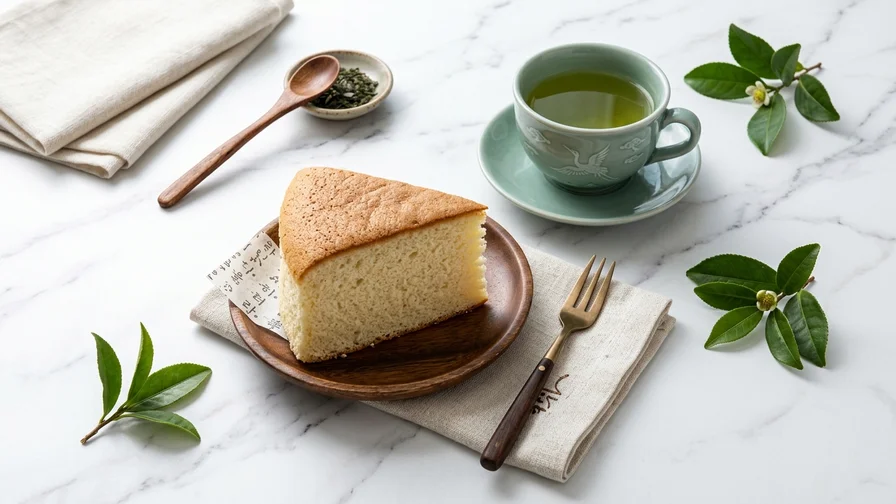
- Rice castella: Eggs and rice flour come together for a soft, fluffy texture. With its gentle sweetness and moistness, it pairs well with milk or coffee.
- Rice madeleine: A baked treat where the richness of butter meets the clean, mild character of rice flour. It is lighter and crisper than a wheat-flour madeleine.
Rice Bread Shops Worth Visiting in Seoul (as of June 2026)
- Oegyein Bangatgan 📍 (Nonhyeon-dong, Gangnam-gu main branch and several other locations): A rice bread specialty bakery that uses domestic rice flour as a base, along with black rice, brown rice, and barley. Its signature items are the pure-rice injeolmi bread and the pollack roe baguette, and it also offers egg-free and dairy-free options. The main branch is open Mon to Sat 08:00 to 20:30 and Sun 08:00 to 19:30. Check in-store for gluten-free labeling on individual products.
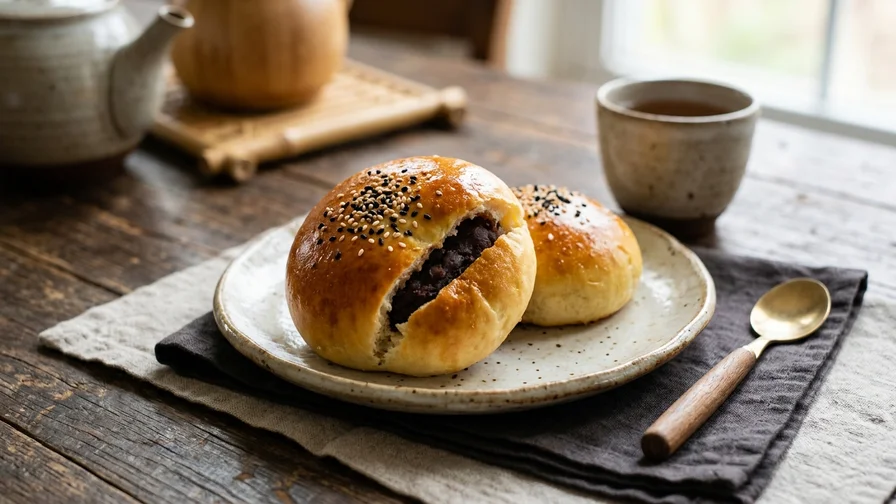
- Haetssalmaru 📍 (22 Seoun-ro, Seocho-gu, near Yangjae Station): A rice bread bakery with a technical partnership with Lee Sung Dang in Gunsan, Korea’s oldest bakery. Its signature is a rice-flour reinterpretation of Lee Sung Dang’s famous danpatppang, the rice danpatppang. This danpatppang is a Korean soboro-style bun filled with sweet red bean paste. Open 08:00 to 21:00, closed Sundays.
- Cafe Sosohage 📍 (Seongdong-gu, near Seoul Forest): A spot that makes desserts with 100% domestic rice flour and Korean ingredients like pumpkin, black sesame, and red bean. Its signature is the “kongseolgi” cake, layering bean cream over a black sesame sponge. The name seolgi comes from baekseolgi, a Korean steamed rice cake. All desserts except the rice sandwich loaf are made gluten-free. Closing days vary, so it is best to check their Instagram before visiting.
Editor’s Tip
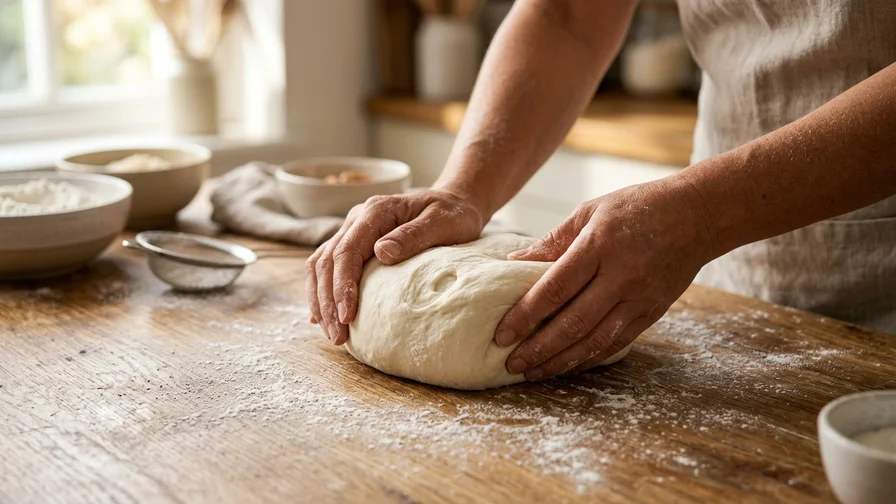
When trying rice flour baking at home, it is important to adjust the dough little by little while watching its condition, rather than following the recipe’s liquid amount exactly. Rice flour absorbs different amounts of moisture depending on the type and how finely it is milled. Start on the stiff side and add milk or water to reach the right consistency, and your chance of failure drops considerably.
Rice Flour Baking Tips for Beginners
If you want to try home baking, keep the following in mind.
- Use baking-grade rice flour: For a soft texture, use finer baking and confectionery rice flour rather than ordinary cooking rice flour.
- Provide enough moisture: Rice flour absorbs more water than wheat flour, so it helps to add a little more milk or water than the recipe calls for.
- Replace the role of gluten: Without gluten, the dough may lack viscosity, so adding a small amount of tapioca starch or xanthan gum helps stabilize the structure.
- Buy reliable ingredients: Good-quality rice flour is the key to flavor. You can find information on rice flour products made from domestic rice at the official Nonghyup online mall.
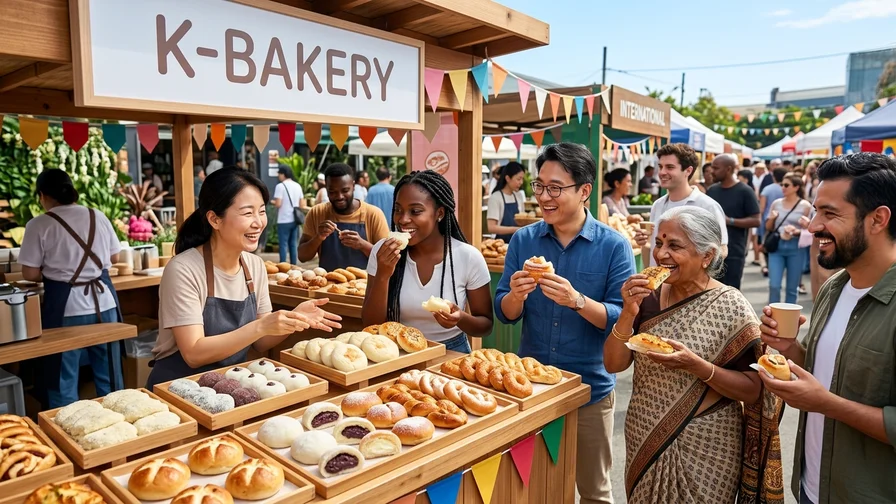
Rice Flour Bread Goes Global: Overseas Market Reception and Outlook
The popularity of rice flour bread does not stop at home. Along with the spread of K-culture, it is knocking on the door of overseas markets as the next standard-bearer of K-bakery.
Reception in Asian Markets
In countries where rice is a staple, like Korea, including China, Japan, and Vietnam, rice flour bread tends to be well received. The idea of new forms of bread and dessert made with rice, a familiar ingredient, is being welcomed as something fresh.
Targeting the Western Gluten-Free and Vegan Markets
In North America and Europe, the gluten-free and vegan markets are growing together. Rice flour itself is a plant-based ingredient, but bread usually contains eggs, butter, and milk, so not every rice bread is vegan. Instead, a growing number of shops offer egg-free, dairy-free rice bread made with substitutes such as soy milk or coconut oil, drawing attention as a category that can target gluten-free and vegan demand at the same time. On the export side, the government’s expansion of powdered-rice supply is providing support, making K-bakery a tool for reaching Western wellness markets.
In conclusion, rice flour bread is both the present and the future of K-bakery, where the structural shift of falling rice consumption, the government’s powdered-rice policy, and a global wellness trend meet at a single point. From people looking for bread that is easy on the stomach to those seeking a new culinary experience, there is clearly something to enjoy, but if you have celiac disease, just remember the principle of checking for “100% rice flour, dedicated gluten-free” labels. If you are curious about the diverse stories of Korean bakery culture, find more in-depth information here. Find more Korea travel information at Come On Korea.