17 UNESCO World Heritage Sites in Korea
Contents
- The Complete List of UNESCO World Heritage Sites in Korea
- Suggested Route 1: A Focused One-Day Tour of Seoul
- Suggested Route 2: A 2-Day History Trip to Gyeongju and Andong
- Suggested Route 3: A 2-Day Trip Through Baekje Country (Gongju, Buyeo)
- A Guide to the 7 Mountain Temples and Jeju’s Natural Heritage
- A Practical Guide for International Travelers
- Visiting Etiquette
- Frequently Asked Questions (FAQ)
As of June 2026, Korea is home to a total of 17 UNESCO World Heritage Sites in Korea—15 cultural and 2 natural. They span every era and character, from magnificent palaces and deep mountain temples to tidal-flat ecosystems.
- First inscriptions (1995): Jongmyo Shrine, Seokguram Grotto and Bulguksa Temple, and the Janggyeong Panjeon at Haeinsa Temple
- Most recent inscription (2025): Petroglyphs along the Bangucheon Stream (47th session of the World Heritage Committee)
- What’s inside: key facts on all 17 sites, routes designed for international travelers, transport tips, and nearby dining options
Key Takeaways
- Planning is essential: the 17 sites are scattered nationwide, so it’s most efficient to group them by region—Seoul, Gyeongju, Gongju, and Buyeo
- Types of sites: some are single locations like Changdeokgung, while others—such as the Royal Tombs and the mountain temples—are dispersed clusters of multiple sites
- You don’t need to visit them all: we recommend focusing on the highlights of each region
- Check transport in advance: public transit access drops off outside central Seoul, so plan ahead with KTX, intercity buses, city buses, and taxis
The Complete List of UNESCO World Heritage Sites in Korea
Organized by region and estimated time required. Click a site name for its detailed guide, or the UNESCO label to jump to the official inscription page. Use this as a reference table when designing your route.
| Site Name (English) | Year Inscribed | Location | Region | Minimum Time Needed |
|---|---|---|---|---|
| Jongmyo Shrine [UNESCO] | 1995 | Seoul | Seoul | 1.5 hours |
| Seokguram Grotto and Bulguksa Temple [UNESCO] | 1995 | Gyeongju | Gyeongju, Andong | 3-4 hours (including travel) |
| Haeinsa Temple Janggyeong Panjeon [UNESCO] | 1995 | Hapcheon | Other (near Daegu) | 2.5 hours |
| Changdeokgung Palace Complex [UNESCO] | 1997 | Seoul | Seoul | 2-3 hours (including Huwon) |
| Hwaseong Fortress [UNESCO] | 1997 | Suwon | Greater Seoul | Half a day (including the fortress wall walk) |
| Gyeongju Historic Areas [UNESCO] | 2000 | Gyeongju | Gyeongju, Andong | 1 day or more |
| Gochang, Hwasun and Ganghwa Dolmen Sites [UNESCO] | 2000 | Gochang, Hwasun, Ganghwa | Other (scattered nationwide) | 2-3 hours per area |
| Jeju Volcanic Island and Lava Tubes (natural site) [UNESCO] | 2007 | Jeju | Jeju | Half a day to 1 day (Seongsan Ilchulbong, Manjanggul, Geomunoreum) |
| Royal Tombs of the Joseon Dynasty [UNESCO] | 2009 | Seoul, Gyeonggi, Gangwon | Seoul, Greater Seoul | 1-1.5 hours (per site) |
| Andong Hahoe & Gyeongju Yangdong Villages (UNESCO 2010) [UNESCO] | 2010 | Andong, Gyeongju | Gyeongju, Andong | 3-4 hours per village |
| Namhansanseong [UNESCO] | 2014 | Gwangju, Seongnam, Hanam | Greater Seoul | Half a day |
| Baekje Historic Areas [UNESCO] | 2015 | Gongju, Buyeo, Iksan | Gongju, Buyeo | 2 days, 1 night |
| Sansa, Buddhist Mountain Monasteries in Korea [UNESCO] | 2018 | Yangsan, Yeongju, Andong, Boeun, Gongju, Suncheon, Haenam (7 sites) | Scattered nationwide | 2-3 hours per temple |
| Seowon, Korean Neo-Confucian Academies [UNESCO] | 2019 | Yeongju, Hamyang, Gyeongju, Andong, Jangseong, Dalseong, Jeongeup, Nonsan (9 sites) | Scattered nationwide | 1-1.5 hours per academy |
| Getbol, Korean Tidal Flats (natural site) [UNESCO] | 2021 | Sinan, Gochang, Seocheon, Boseong-Suncheon | Other (west and south coasts) | – (eco-tourism) |
| Gaya Tumuli [UNESCO] | 2023 | Gimhae, Haman, Changnyeong, Goryeong, Goseong, Hapcheon, Namwon (7 sites) | Other (Gyeongsang, Jeolla) | 1.5-2 hours per tumuli site |
| Petroglyphs along the Bangucheon Stream [UNESCO] | 2025 | Ulsan | Other (Ulsan) | 2 hours |
Suggested Route 1: A Focused One-Day Tour of Seoul
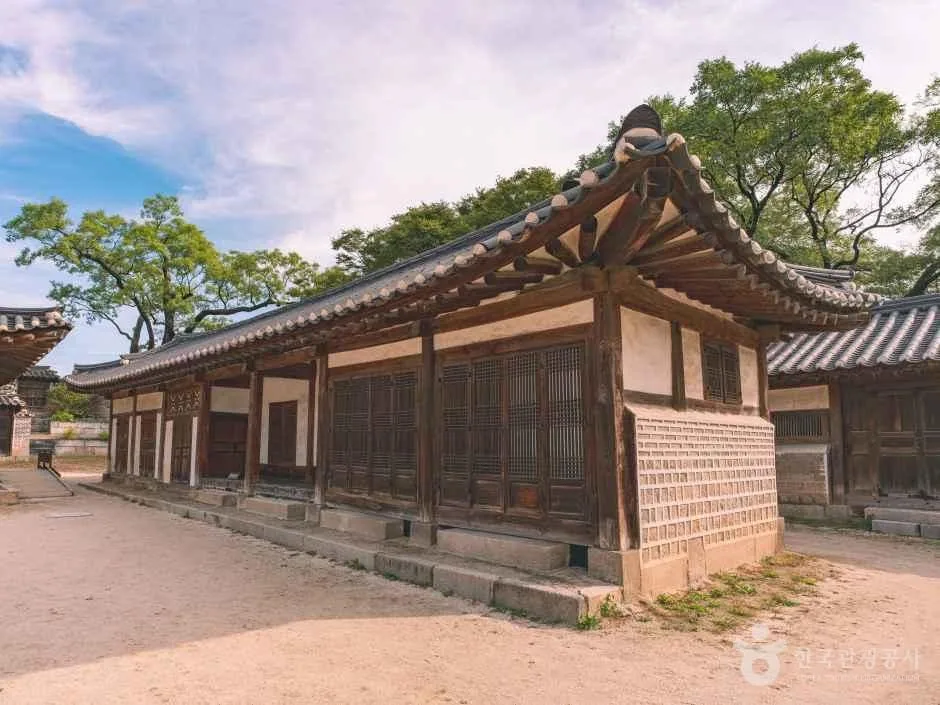
This route combines Jongmyo Shrine and Changdeokgung in central Seoul with one easily accessible Joseon royal tomb, all in a single day. Every leg is doable by public transit. Just note that Jongmyo is closed on Tuesdays and both Changdeokgung and Seonjeongneung are closed on Mondays, so steer clear of those two days when planning.
Morning (09:00–12:00): Jongmyo Shrine and Changdeokgung
- 09:00 Jongmyo Shrine
- About: A Confucian shrine enshrining the spirit tablets of Joseon kings and queens, with solemn, refined architectural beauty
- Address: 157 Jong-ro, Jongno-gu, Seoul (View on Google Maps)
- Getting there: Jongno 3-ga Station (subway lines 1, 3, 5); a 5-minute walk from Exit 11 on Line 1
- Hours: 09:00–18:00 (varies by season; closed Tuesdays)
- How to visit: On weekdays, entry is only by timed guided tour with a docent (English sessions available); free self-guided visits are allowed on weekends, public holidays, and the last Wednesday of each month—check session times on the official Royal Palaces and Tombs Center website
- Admission: 1,000 won for adults (about $0.8)
- Highlights: The horizontal lines and rhythmic columns of the Main Hall (Jeongjeon), and the Jongmyo Daeje (the royal ancestral rite with its Jongmyo Jeryeak ritual music), held on the first Sunday of May each year
- 10:30 Walk to Changdeokgung Palace
- About: The palace where Joseon kings resided the longest, laid out in harmony with the natural terrain—its Huwon (Secret Garden) is the main draw
- Address: 99 Yulgok-ro, Jongno-gu, Seoul (View on Google Maps)
- Getting there: A 10-minute walk from Jongmyo along Yulgok-ro
- Hours: 09:00–18:00 (varies by season; closed Mondays)
- Admission: 3,000 won for the palace buildings (about $2.3); the Huwon requires a separate reservation and an extra 5,000 won (about $3.8)
- Highlights: After seeing Injeongjeon Hall and Daejojeon Hall, join the guided Huwon tour (about 90 minutes) at your reserved time
Lunch (12:30–13:30): Around Anguk Station or Ikseon-dong
- Near Anguk Station: A 10-minute walk from Changdeokgung, this area is packed with Korean restaurants, tea houses, and bakeries serving dishes like dumpling soup, kalguksu (knife-cut noodles), and bossam
- Ikseon-dong Hanok Village: A cluster of restaurants and cafés in renovated hanok houses, serving curry, bibimbap, and more—popular with younger travelers
- Tip: Try searching for the dining district near Anguk Station
Afternoon (14:00–16:00): Joseon Royal Tombs (Seonjeongneung)
- 14:00 Head to Seonjeongneung
- About: Located in the heart of Gangnam, this is the most accessible of the Joseon royal tombs—home to Seonneung (the tombs of King Seongjong, the 9th monarch, and his queen consort Jeonghyeon) and Jeongneung (the tomb of King Jungjong, the 11th monarch)
- Address: 1 Seolleung-ro 100-gil, Gangnam-gu, Seoul (View on Google Maps)
- Getting there: From Anguk Station (Line 3) → transfer at Gyodae Station (Line 2) → get off at Seolleung Station, a 5-minute walk from Exit 8 (about 45 minutes total)
- Hours: 06:00–21:00 (varies by season; closed Mondays)
- Admission: 1,000 won for adults (about $0.8)
- Highlights: A stroll along the forested paths in the city center, and a close look at the tomb structures (the red-spiked gate, the T-shaped ritual house, the stele pavilion, and the burial mound)
The Royal Palace Pass: four palaces plus Jongmyo for 6,000 won
- Covers: The four grand palaces (Gyeongbokgung, Changdeokgung, Changgyeonggung, Deoksugung) and Jongmyo (Changdeokgung’s Huwon is excluded and requires a separate booking)
- Price: 6,000 won (about $4.6, as of June 2026)
- Valid for: 6 months from the date of purchase
- Details: Royal Palaces and Tombs Center admission information
Suggested Route 2: A 2-Day History Trip to Gyeongju and Andong
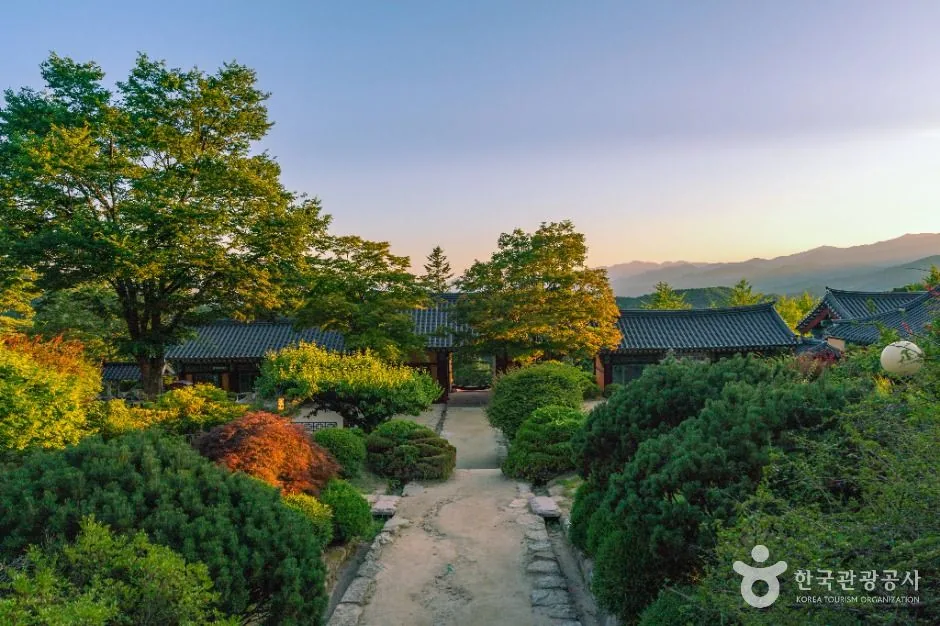
This route links Gyeongju, the Silla capital, with Andong, a center of Joseon Confucianism. You’ll start by taking the KTX from Seoul to Gyeongju. The Jungang Line KTX-Eum, which opened in December 2024, now connects Gyeongju and Andong in about 45 minutes, making this trip far more convenient.
Day 1: Gyeongju (Silla Heritage)
- Morning (Seoul → Gyeongju, Bulguksa Temple)
- 08:00 Seoul Station → Gyeongju Station by KTX (about 2 hours 10 minutes; about 44,500 won for standard class, verified October 2026)—the old Singyeongju Station was renamed Gyeongju Station in late 2023, so search for “Gyeongju” when booking
- 10:30 Arrive at Gyeongju Station and take bus 700 or 711 to Bulguksa Temple (about 1 hour)—buses run infrequently, so check departure times before you set out on the Gyeongju Bus Information System or KakaoMap; if the timing doesn’t work, a taxi takes about 30 minutes
- 11:30 Tour Bulguksa Temple
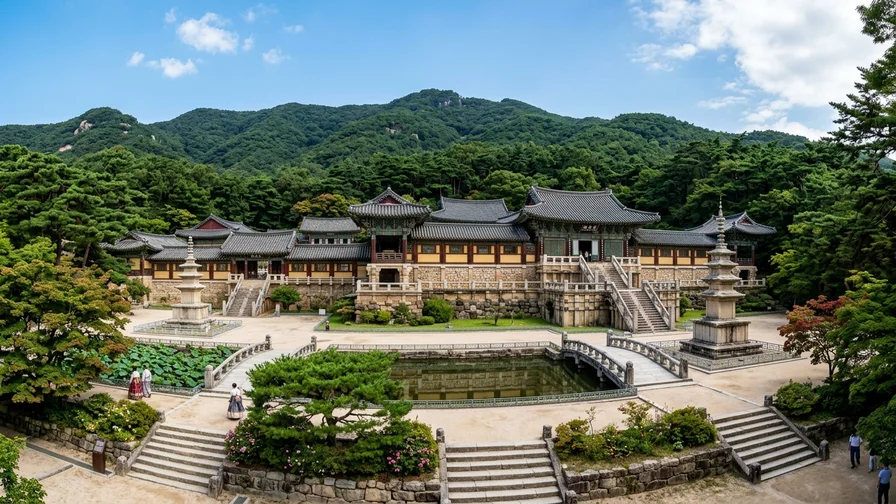
- About: The flagship temple of Silla Buddhist architecture, home to the Dabotap and Seokgatap pagodas and the Cheongun-gyo and Baegun-gyo bridges
- Address: 385 Bulguk-ro, Gyeongju-si, Gyeongsangbuk-do (View on Google Maps)
- Admission: Free (temple admission fees were waived starting May 2023)
- Lunch (near Bulguksa)
- Korean restaurants cluster around the parking lot at the Bulguksa entrance, serving ssambap (wrap-and-rice sets), set meals, and Korean course meals
- Tip: Try searching for the dining area near Bulguksa
- Afternoon (Seokguram Grotto, Daereungwon)
- 13:30 Take bus 12 from the Bulguksa parking lot → Seokguram Grotto (20 minutes)
- About: A man-made stone grotto temple on the slopes of Mt. Tohamsan, with an exquisitely carved main Buddha statue; viewed from behind a glass wall to preserve it
- Address: 873-243 Bulguk-ro, Gyeongju-si, Gyeongsangbuk-do (View on Google Maps)
- Admission: Free (temple admission fees were waived starting May 2023)
- 15:30 Take bus 12 back from Seokguram to Bulguksa, then transfer to bus 10 or 11 → Daereungwon Tomb Complex (about 1 hour including the transfer)
- About: A tomb park with 23 mounds belonging to Silla kings, queens, and nobles; the interior of Cheonmachong Tomb is open to visitors
- Address: 9 Gyerim-ro, Gyeongju-si, Gyeongsangbuk-do (View on Google Maps)
- Admission: Daereungwon is free (since May 2023); entering the interior of Cheonmachong costs 3,000 won for adults (about $2.3)
- 13:30 Take bus 12 from the Bulguksa parking lot → Seokguram Grotto (20 minutes)
- Dinner and lodging
- Hwangnidan-gil near Daereungwon is packed with restaurants and cafés
- Lodging: We recommend staying near Gyeongju Station or in the Bomun Tourist Complex—choose based on your departure train from Gyeongju Station the next morning
- Tip: Try searching for the dining area near Hwangnidan-gil
Day 2: Andong (Joseon Confucian Culture)
- Morning (Gyeongju → Andong, Hahoe Village)
- 09:17 Gyeongju Station → Andong Station by KTX-Eum (about 45 minutes; 15,200 won, verified October 2026)—intercity buses between Gyeongju and Andong run only twice a day, so the train is effectively your only option; seats are limited, so book in advance
- 10:00 Arrive at Andong Station and catch bus 210 from the Andong Terminal stop right next door → Hahoe Folk Village (about 50 minutes)
- About: An ancestral village of the Pungsan Ryu clan that preserves its original tiled and thatched houses—a living village where people still reside
- Address: 40 Hahoejongga-gil, Pungcheon-myeon, Andong-si, Gyeongsangbuk-do (View on Google Maps)
- Admission: 5,000 won for adults (about $3.8)
- Highlights: A panoramic view of the village from Buyongdae Cliff, and the Hahoe Byeolsingut Talnori mask dance performance—held Tuesday to Sunday at 14:00 from March to December, and only on Saturdays and Sundays in January and February; free admission
- Lunch (Hahoe Village market)
- At the market by the village entrance, try local specialties like Andong jjimdak (braised chicken) and grilled Andong salted mackerel
- Tip: Try searching for restaurants at the Hahoe Village market
- Afternoon (Byeongsan Seowon, return to Seoul)
- 15:00 Taxi from Hahoe Village → Byeongsan Seowon (15 minutes)
- About: One of the 9 Korean seowon academies, laid out in harmony with the surrounding scenery; the views from Mandaeru Pavilion are outstanding
- Address: 386 Byeongsan-gil, Pungcheon-myeon, Andong-si, Gyeongsangbuk-do (View on Google Maps)
- Admission: Free
- 17:00 Taxi from Byeongsan Seowon → Andong Station (about 30 minutes) → return to Seoul by KTX-Eum bound for Cheongnyangni Station (about 2 hours; 27,700 won, verified October 2026)—note that high-speed trains from Andong terminate at Cheongnyangni Station, not Seoul Station (transfer to subway Line 1 or the Gyeongui-Jungang Line)
- 15:00 Taxi from Hahoe Village → Byeongsan Seowon (15 minutes)
Suggested Route 3: A 2-Day Trip Through Baekje Country (Gongju, Buyeo)
This route covers the relics of Gongju and Buyeo, the old capitals of Baekje. Day 1 is Gongju and Day 2 is Buyeo.
Day 1: Gongju (Ungjin-era Baekje)
- Morning: KTX from Seoul’s Yongsan Station or SRT from Suseo Station → Gongju Station (about 1 hour 10–25 minutes); a taxi from Gongju Station into the city center takes about 20 minutes—city buses run infrequently, so unless you’ve checked for a bus that matches your arrival time, a taxi is recommended
- Lunch: Enjoy ssambap and other dishes in the dining area near Gongsanseong
- Afternoon
- Tomb of King Muryeong and Royal Tombs in Gongju (formerly known as the Songsan-ri Tomb Cluster): The tomb of King Muryeong, discovered intact and unlooted; you can tour the exhibition hall of excavated artifacts, though the actual tomb interiors are closed (admission 3,000 won for adults, about $2.3, as of June 2026)
- Gongsanseong Fortress: A defensive stronghold for the Baekje royal palace, with a fortress wall trail running along the Geumgang River (admission 1,200 won for adults, about $0.9)
- Note: A combined ticket covering both sites is sold at the ticket office of whichever you visit first; closed on the day of major holidays
- Dinner and lodging: Stay in central Gongju or in the hanok village
Day 2: Buyeo (Sabi-era Baekje)
- Morning: Gongju Intercity Bus Terminal → Buyeo Intercity Bus Terminal (about 50 minutes)
- Morning to afternoon
- Busosanseong Fortress and Nakhwaam Rock: Baekje’s last royal fortress, with the cliff steeped in the legend of the court ladies who leapt to their deaths at Nakhwaam (admission 2,000 won for adults, about $1.5)
- Five-Story Stone Pagoda at the Jeongnimsa Temple Site: A masterclass in the refined elegance of Baekje stone pagodas (admission 1,500 won for adults, about $1.2)
- Buyeo National Museum: A must-see for the actual Gilt-bronze Incense Burner of Baekje
- Late afternoon: Buyeo Intercity Bus Terminal → Seoul (Nambu Terminal) by bus (about 2 hours 10 minutes)
A Guide to the 7 Mountain Temples and Jeju’s Natural Heritage
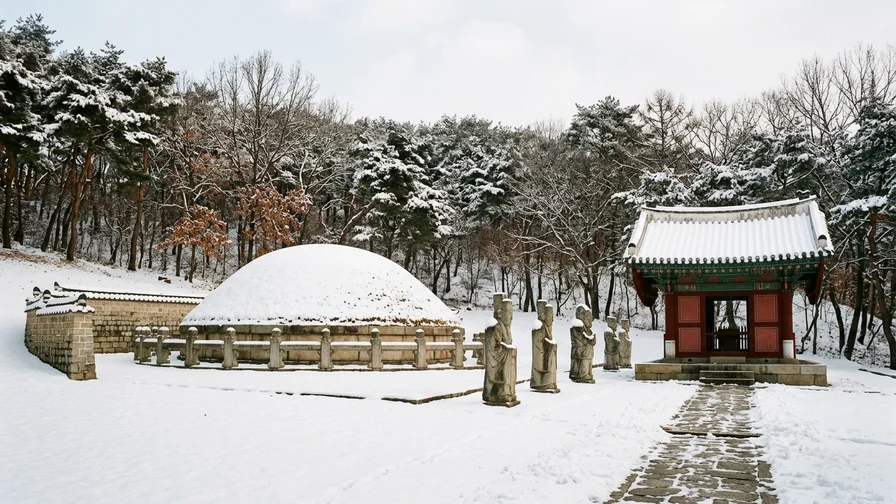
Sansa, Buddhist Mountain Monasteries in Korea
The 7 inscribed temples are Tongdosa (Yangsan), Buseoksa (Yeongju), Bongjeongsa (Andong), Beopjusa (Boeun), Magoksa (Gongju), Seonamsa (Suncheon), and Daeheungsa (Haenam). All sit deep in the mountains and are difficult to reach by public transit. If you’re not renting a car, we recommend prioritizing the three below. Temple admission fees have been fully waived since May 2023.
- Tongdosa Temple (Yangsan): The head temple of the Buddha-jewel, enshrining the Buddha’s true relics; its main hall has no Buddha statue. From KTX Ulsan Station (so close it has the secondary name “Tongdosa”), it’s about a 15-minute taxi ride, or take city bus 13 to Tongdosa Sinpyeong Bus Terminal and walk about 20 minutes—the most accessible of the seven
- Buseoksa Temple (Yeongju): Home to Muryangsujeon Hall (Goryeo era), one of the oldest wooden buildings in Korea. From Yeongju Station / Yeongju Bus Terminal, take bus 27 (via Sosu Seowon, about 50 minutes)
- Bongjeongsa Temple (Andong): Home to Geungnakjeon Hall, regarded as the oldest surviving wooden structure. From Andong Station, take the express bus 2 or a taxi (about 20 minutes)—easy to pair with Route 2 (Andong); check bus schedules on the Andong City Bus Information System
- Note: Haeinsa (Hapcheon) is not among the 7 mountain monasteries but is a separate World Heritage Site (the Janggyeong Panjeon was inscribed in 1995), though it has the same mountain-monastery atmosphere—the main draw is the Janggyeong Panjeon depository housing the Tripitaka Koreana woodblocks; about 1 hour 30 minutes by direct bus from Daegu’s Seobu Bus Terminal
Jeju Volcanic Island and Lava Tubes
Jeju Island requires a separate flight or ferry, and renting a car is strongly recommended. Fees and closures are as of June 2026.
- Seongsan Ilchulbong Peak: A tuff cone rising from the sea; the round trip to the summit takes about 1 hour. Admission 5,000 won for adults (about $3.8); closed the first Monday of each month
- Manjanggul Cave: A world-class lava tube with about 1 km open to visitors; the interior stays a cool 11–21°C year-round, so bring something warm—after a 2-year-and-5-month closure for rockfall repairs, it reopened its full length on May 30, 2026, with new viewing decks throughout
- Geomunoreum: The source of the lava tube system; reservations are required—bookings open at 09:00 on the 1st of the month before your visit on the Jeju World Natural Heritage Center reservation page; no entry without a reservation, and it’s closed for trail rest every Tuesday (tour fee 2,000 won for adults, about $1.5)
A Practical Guide for International Travelers
Admission Fees and Payment
- Range of fees: From free (Bulguksa, Seokguram, Haeinsa, Daereungwon, and others, after fees were waived in May 2023) up to about 5,000 won for adults (Seongsan Ilchulbong, Hahoe Village)—as of June 2026
- Ticket offices: Most accept foreign credit cards (Visa, Mastercard)
- Cash needed: At small restaurants and markets
Getting Around
- T-money card: A travel essential—buy and top up at airport convenience stores; works on subways and buses nationwide and on some taxis
- Rental car: The best option outside Seoul; a valid International Driving Permit (IDP) is required—you cannot rent with only your home-country license
- Taxi apps: Kakao T accepts overseas-issued cards (Visa, Mastercard, American Express, JCB), but sign-up needs SMS verification and some overseas SIMs do not receive the code (verified October 2026); Uber operates in a few major cities but mostly just hails regular taxis, with little difference in fare, so flagging one down on the street may be faster
- Regional city buses: In places like Gyeongju, Andong, and Gongju, many routes run only every 30 minutes to over an hour—make it a habit to check each city’s bus information system (Gyeongju: its.gyeongju.go.kr, Andong: bus.andong.go.kr) or KakaoMap before setting out
- 1330 Korea Travel Helpline: The Korea Tourism Organization’s 24-hour tourist info service—just dial 1330 from your phone—offering transport interpretation and tourist guidance in English, Chinese, and Japanese
Visiting Etiquette
- Temples: Remove your shoes before entering the main halls, avoid revealing clothing (sleeveless tops, short shorts), and keep quiet within the grounds
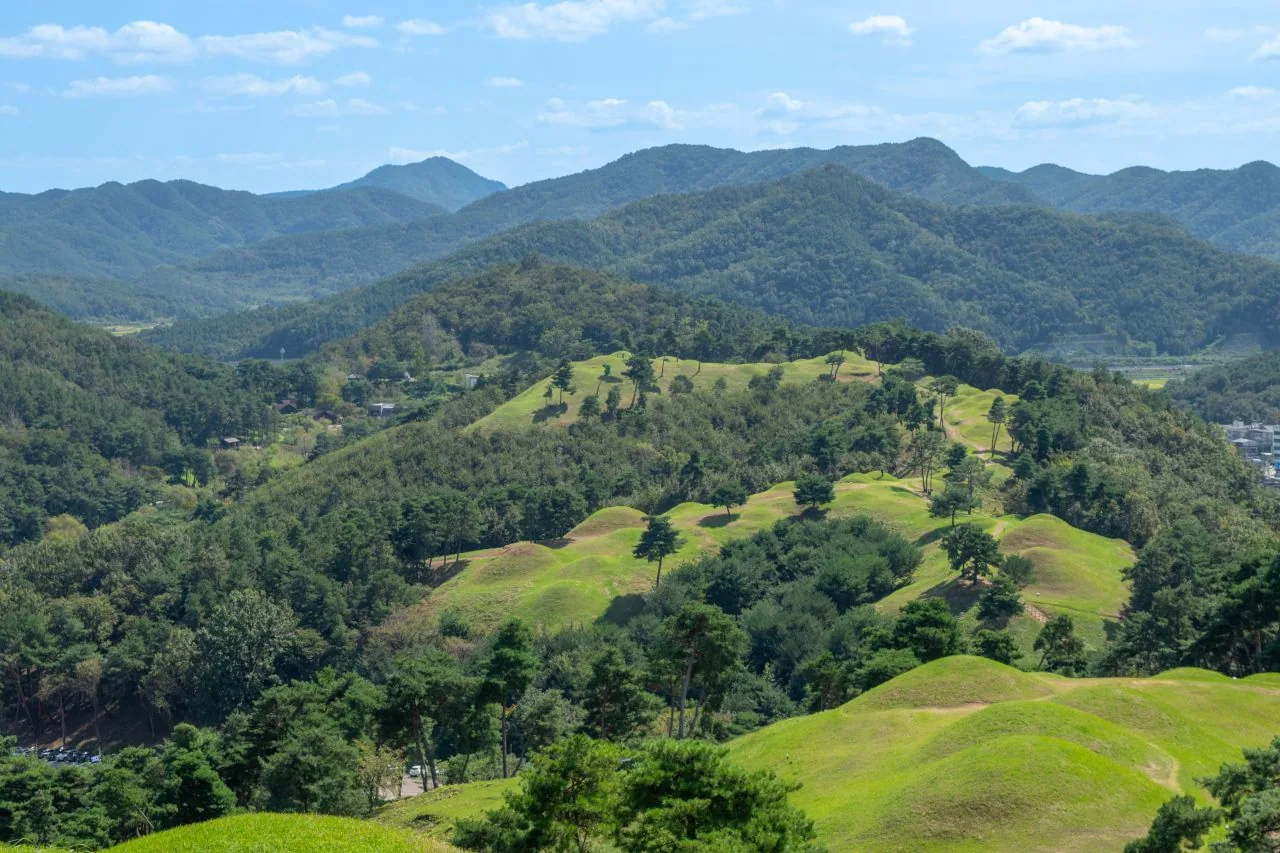
- Royal tombs: Climbing onto the burial mounds is strictly prohibited; stay on the designated visitor paths
- Caves: Do not touch the rock formations, and flash photography is often prohibited
Frequently Asked Questions (FAQ)
- How long does it take to see all the sites?
Since they’re scattered nationwide, seeing all 17 takes at least two weeks; for a 5–7 day trip, a realistic plan focuses on the highlights of the Seoul and Gyeongju regions - Is there a single all-inclusive pass?
There’s no pass covering all 17 sites—only region-specific passes for certain clusters, such as the Royal Palace Pass for Seoul’s palaces - Are the sites suitable for visitors with disabilities or limited mobility?
Seoul’s palaces and flat sites have good wheelchair access, but mountain sites like Namhansanseong, the mountain temples, and Seokguram have many slopes and stairs that make getting around difficult—check accessibility on the official websites before you go - What’s the best season to visit?
Spring (April–May) and autumn (September–October) are mild and pleasant; summer (July–August) is hot and humid; winter (December–February) is cold with possible snowfall - Can I fly a drone at the heritage sites?
Flying a drone without prior permission is strictly forbidden at most cultural heritage sites and national parks, and unauthorized flights can result in legal penalties - Are there English-guided tours?
Major attractions like Changdeokgung and Bulguksa offer guided tours in English, Japanese, and Chinese at set times—check the schedules on the official websites in advance
Some photos © Korea Tourism Organization (KOGL Type 1)
More articles in this topic
- Haeinsa Janggyeong Panjeon & Tripitaka Koreana (UNESCO 1995)
- Gyeongju UNESCO World Heritage (1995, 2000)
- Jongmyo Shrine (UNESCO 1995)
- Changdeokgung Palace & Secret Garden (UNESCO 1997)
- Andong Hahoe & Gyeongju Yangdong Villages (UNESCO 2010)
- Namhansanseong Fortress (UNESCO 2014)
- Baekje Historic Areas (UNESCO 2015)
- Sansa, 7 Buddhist Mountain Temples in Korea (UNESCO 2018)
- Bangudae Petroglyphs (UNESCO 2025)