The History of Money at the Korea Money Museum
목차
Key Takeaways
- Korea’s money museums trace the country’s history and values through its currency, from old square-holed coins to Commemorative Coin (기념주화, ginyeomjuhwa)
 , all in one place. All four sites in this article are completely free to enter (as of June 2026).
 - This guide covers four distinct sites: the Bank of Korea Money Museum (run by the central bank) and the Korea Museum of Financial History (run by a commercial bank) in Seoul, the Currency Museum in Daejeon (run by the mint that actually makes the money), and the Korea Exchange Capital Market History Museum (run by the stock exchange) in Busan.
- All four are reachable by subway or city bus, and the Bank of Korea Money Museum in Seoul even offers English-language gallery tours at 2 p.m. on weekdays, making it an easy half-day outing for foreign travelers.
If you have ever idly glanced at the coins in your wallet while traveling in Korea, that moment is the tail end of a story spanning more than a thousand years. From old coins with a square hole in the middle to today’s commemorative coins, Korea’s money museums unfold the history of an entire nation engraved into small pieces of metal and paper. This single article rounds up four currency and finance museums scattered across Seoul, Daejeon, and Busan, covering hours, closing days, transport, and the must-see exhibits at each. For even more unusual museums, check out Korea’s Unique Themed Museums.
Visitor Information at a Glance
Here’s the basic information for all four sites. The hours and closing days below are values confirmed on each institution’s official website as of June 2026, and they may change depending on national holidays or special exhibition schedules, so we recommend double-checking just before your visit.
| Museum | Location | Hours and Closing Days | Admission |
|---|---|---|---|
| Bank of Korea Money Museum | 39 Namdaemun-ro, Jung-gu, Seoul | Tuesday–Sunday 10:00–17:00 (last entry 16:40). Closed Mondays, Lunar New Year and Chuseok holidays, Labor Day, election days, and December 29–January 2 | Free |
| Currency Museum (run by KOMSCO, the Korea Minting Corporation) | 80-67 Gwahak-ro, Yuseong-gu, Daejeon | Tuesday–Sunday 10:00–17:00. Closed Mondays, January 1, Lunar New Year and Chuseok holidays, and government-designated temporary holidays | Free (parking is free too) |
| Korea Museum of Financial History | 3rd and 4th floors, Shinhan Bank Gwanghwamun Branch, 135-5 Sejong-daero, Jung-gu, Seoul | Monday–Saturday 10:00–18:00 (last entry one hour before closing). Closed Sundays, public holidays, and Labor Day | Free |
| Korea Exchange Capital Market History Museum | 51st floor, Busan International Finance Center (BIFC), 40 Munhyeon-geumyung-ro, Nam-gu, Busan | Monday–Friday 9:30–17:30 (closed for viewing during lunch, 12:00–13:00; last entry 11:30 a.m. and 17:00). Closed Saturdays, Sundays, and national holidays | Free |
Official channels (for reservations and the latest notices):
- Bank of Korea Money Museum: bok.or.kr/museum — Individuals can visit freely without a reservation; groups (10 or more, up to 40 people) must book online at least one day before the visit.
- Daejeon Currency Museum: museum.komsco.com — Individuals and families can visit freely; only groups (10 or more) need to reserve. Inquiries: 042-870-1200.
- Korea Museum of Financial History: beautifulshinhan.co.kr — Inquiries: 02-738-6806.
- Korea Exchange Capital Market History Museum: main.krxverse.co.kr/busan — No reservation needed for individuals; docent tours for groups (10–30 people) require advance online booking. Inquiries: 051-662-2559.
Allow about one to one and a half hours per site and you’ll have plenty of time. The two Seoul museums are within walking distance of each other, so they pair nicely into a half-day itinerary.
How to Get There: Transport Guide
Here are the routes and even the exit numbers, laid out so foreign travelers can follow them step by step (as of June 2026).
- Bank of Korea Money Museum (Seoul): Walkable from Exit 7 of Euljiro 1-ga Station (Line 2, toward Lotte Department Store) or Exit 7 of Hoehyeon Station (Line 4). You can also walk from Exit 7 of City Hall Station (Lines 1 and 2). It’s right next to the Myeongdong shopping district, so they’re easy to combine.
- Korea Museum of Financial History (Seoul): In the Shinhan Bank Gwanghwamun Branch building along Sejong-daero, between City Hall Station (Lines 1 and 2) and Gwanghwamun Station (Line 5). Both Deoksugung Palace and Gwanghwamun Square are within walking distance. It’s about a 20-minute walk from the Bank of Korea Money Museum, so it’s ideal for seeing both sites in a single day.
- From the airport: From Incheon International Airport, take the Airport Railroad to Seoul Station, then transfer to Line 1 or Line 4. From Gimpo Airport, Line 5 is convenient for heading toward Gwanghwamun.
- Daejeon Currency Museum: About a 20-minute taxi ride from Daejeon KTX Station (roughly 11,000–15,000 won, varying by time of day). For public transport, take the Daejeon subway Line 1 to Government Complex Station, leave from Exit 3, board Bus 604, get off at the Korea Institute of Nuclear Safety stop, and walk 10 minutes — this is the route on KOMSCO’s official guide. Bus 301 or 318 lets you get off at Expo Science Park and walk 10 minutes. The museum is across from KAIST’s east gate, next to the National Science Museum.
- Busan Capital Market History Museum: Get off at International Finance Center (Busan Bank) Station on Busan subway Line 2 — until 2014 this was called Munjeon Station, so the “Munjeon Station” you see on old maps or in older posts refers to the same station. Take the elevator up to the 51st floor of the Busan International Finance Center (BIFC).
- Taxi apps: Kakao T supports foreign-issued cards and the k.ride app for foreigners, and Uber also works in Korea. If apps are a hassle, you can simply use the taxi stands at major stations such as Daejeon Station.
- The downtown museums have almost no dedicated parking (only Daejeon offers free parking), so public transport is recommended.
What to See: Korea Money Museum Exhibition Highlights
Each of the four museums tells a story with its own character. One traces the history of money itself, another the technology of making money, and the other two follow the paths of finance and capital markets along which money flows.
A Journey Through Currency Across Time: Bank of Korea Money Museum
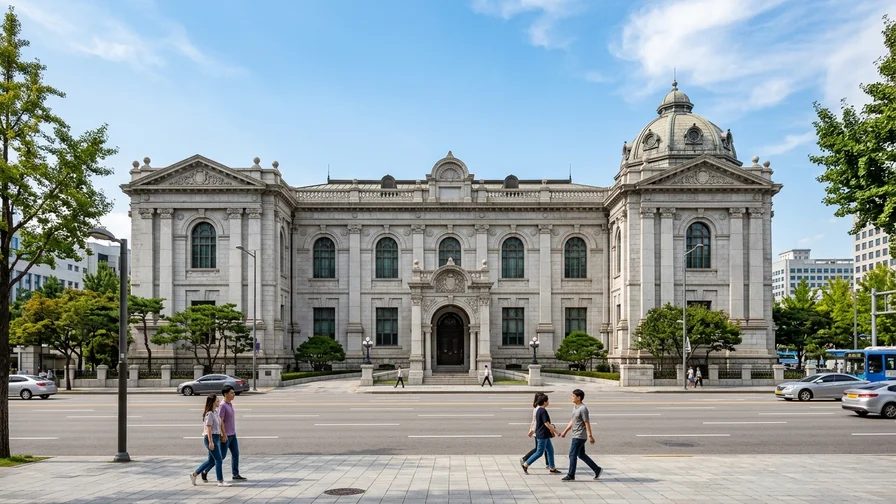
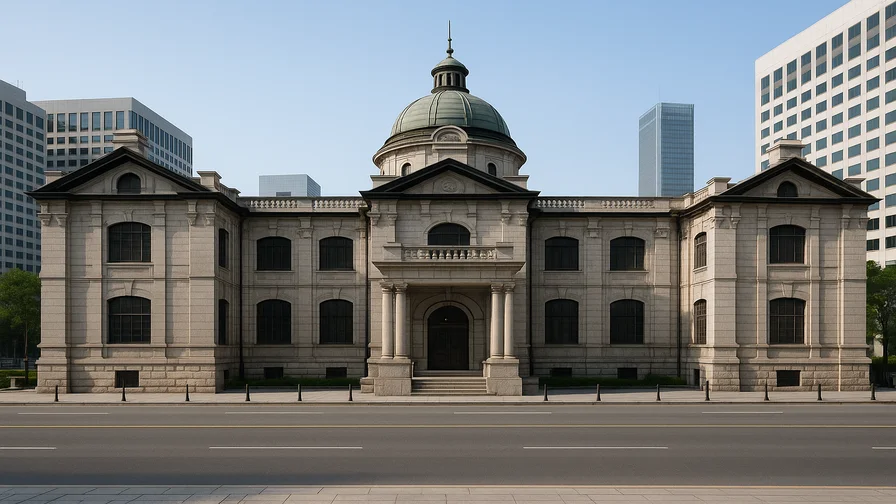
The Bank of Korea Money Museum in Jung-gu, Seoul, is a relic in itself. It occupies the former Bank of Korea Head Office building, completed in 1912 as the headquarters of the Bank of Joseon — a Renaissance-style stone-clad structure designated as Historic Site No. 280. Step inside and the currency unfolds in chronological order, from the Geonwon Jungbo coin of the Goryeo era to the Joseon-era Sangpyeong Tongbo Coin (상평통보, Sangpyeong-tongbo)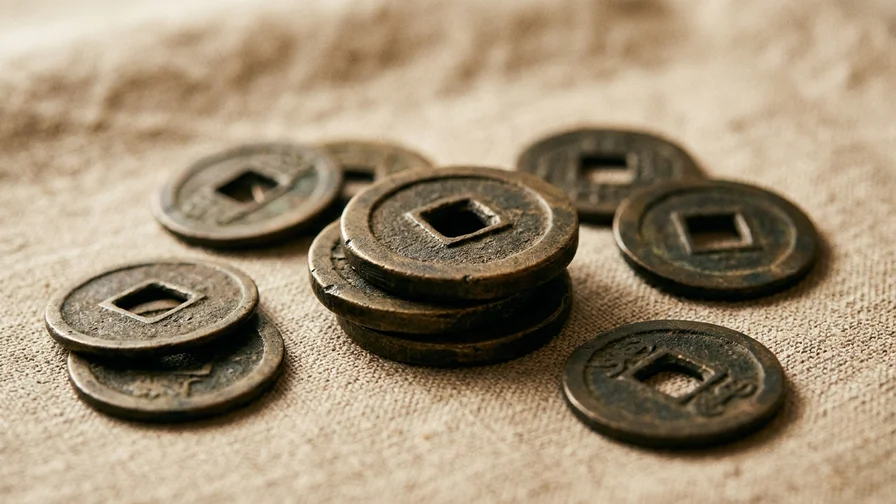 coin and on to modern banknotes.
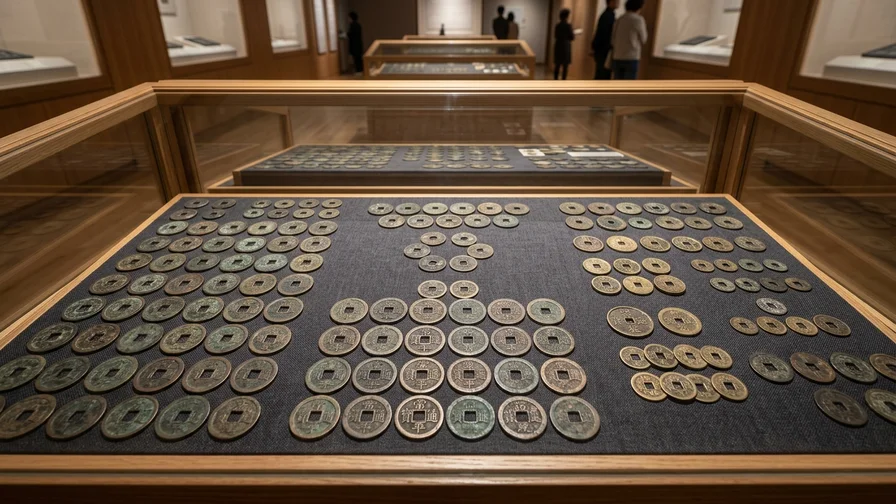
The one thing you must see is the Sangpyeong Tongbo Gallery, which has its own dedicated exhibition space. With a round body and a square hole punched through the middle, this coin was the most widely used money of the late Joseon period. Look closely at the coins in the glass cases and the Chinese characters on their surfaces are crisp and clear. To Koreans, this is no mere old coin but an object that distills the daily life of markets, traveling peddlers, and roadside taverns. The hole in the middle was a practical device, allowing the coins to be threaded onto a string and carried around in bundles.
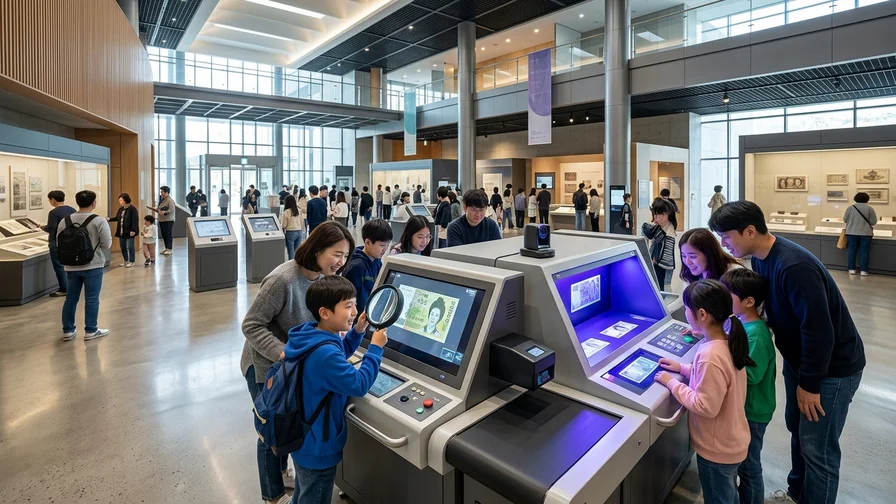
Beyond that, you’ll find the World Currency Room, gathering actual currency from more than 170 countries; the Gold and Currency Room, exploring the history of gold; a model bank vault you can peer into; and a hands-on learning room that’s great for visiting with children. Gallery talks run in Korean daily at 11 a.m. and 3 p.m., with English-language tours at 2 p.m. on weekdays, so if you’re traveling with foreign companions, it’s worth timing your visit accordingly (confirm whether they’re running on the official website).
Context note — The “Sangpyeong” in “Sangpyeong Tongbo (常平通寶)” means “to keep prices ever level.” The very name of the currency already carried a pledge to stabilize the lives of the common people. Behind it lay the reality of Joseon’s ordinary folk, who struggled with frequent bad harvests and price swings.
The Technology of Making Money: Daejeon Currency Museum
Daejeon’s Currency Museum, opened in 1988, is Korea’s first museum dedicated to currency, run by the Korea Minting and Security Printing Corporation (KOMSCO), which actually makes the country’s banknotes and coins. That’s why it excels at showing the manufacturing process — its four permanent exhibition halls walk you step by step through how banknotes and coins are designed and what materials they are pressed from. Looking at the figures and symbols that appear in currency designs reveals what a nation takes pride in.
The one thing you must see is the Anti-Counterfeiting Hall, one of the permanent exhibition halls. Here you can compare anti-counterfeiting technologies side by side — hidden images that appear when you hold a banknote up to the light, ink that changes color depending on the viewing angle — and the money you’ve casually used every day suddenly looks entirely new. It’s also where you’ll learn that the slightly raised, textured surface of a banknote is a marking for the visually impaired.
With well-presented panels explaining the meaning of the great figures and cultural artifacts in the designs, this is the place that most kindly answers the question, “Why was this person put on the money?” Other products made by KOMSCO, such as stamps, passports, and commemorative medals, are on display as well.
The Path Money Travels: Korea Museum of Financial History
The Korea Museum of Financial History on Sejong-daero in Seoul is the country’s first museum devoted to financial history, established by Shinhan Bank in 1997. Located on the 3rd and 4th floors of the Shinhan Bank Gwanghwamun Branch, it reopened after a renovation into a modern exhibition space and holds a collection of about 6,500 artifacts. It is made up of three halls: the Korean Financial History Hall, the Shinhan Bank History Hall, and the Currency Exhibition Hall.
The one thing you must see is old financial documents such as Joseon-era promissory notes. Looking at transaction records written in brush calligraphy, you can grasp how the abstract concept of credit actually worked on a single sheet of paper. Everyday artifacts such as bankbooks and piggy banks from early modern banks offer a heartwarming glimpse into Korea’s savings culture. There’s also a financial and economic hands-on space for children, making it well suited to family visits.
The Flow of Capital Markets: Busan Capital Market History Museum
On the 51st floor of the Busan International Finance Center, the Korea Exchange Capital Market History Museum is introduced under the nickname “the highest museum under the sky.” A specialized finance museum dealing with the history of stocks and securities, it holds a collection of over 6,000 artifacts and traces some 120 years of Korea’s capital markets, stretching back to the opening of the country’s ports.
What you must see are the materials from the early days of the securities market and the view of Busan through the floor-to-ceiling windows on the 51st floor. Now that every transaction is electronic, the traces of a market once kept running by hand-written records feel vividly alive. There’s also a corner where you can experience the structure of stock and bond trading through interactive media. It’s open only on weekdays and pauses viewing during lunch (12:00–13:00), so plan your timing accordingly.
Tours and Reservations: How to Make the Most of Them
All four sites are free, but their guided programs have rules on timing and group size (as of June 2026).
- Bank of Korea Money Museum: Gallery talks in Korean daily at 11 a.m. and 3 p.m.; in English on weekdays at 2 p.m. Individuals can join without a reservation. Groups (10 or more) must book online one day in advance.
- Daejeon Currency Museum: Individuals and families visit freely. Only groups (10 or more) need to reserve in advance (042-870-1200).
- Korea Exchange Capital Market History Museum: Docent tours are offered to pre-booked groups (10–30 people). Individuals visit freely.
- Groups needing tours in a foreign language should contact each institution in advance to be safe.
Korea’s Currency in the World, and the Story of Commemorative Coins
Money museums don’t hold only Korean currency. The World Currency Room at the Bank of Korea Money Museum gathers actual currency from more than 170 countries, and it’s fascinating to see how a single small coin can capture each country’s nature, figures, and myths.
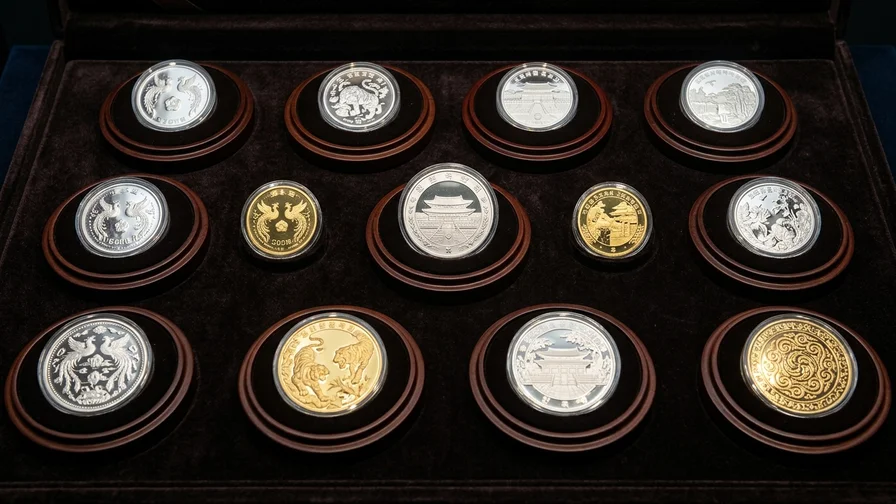
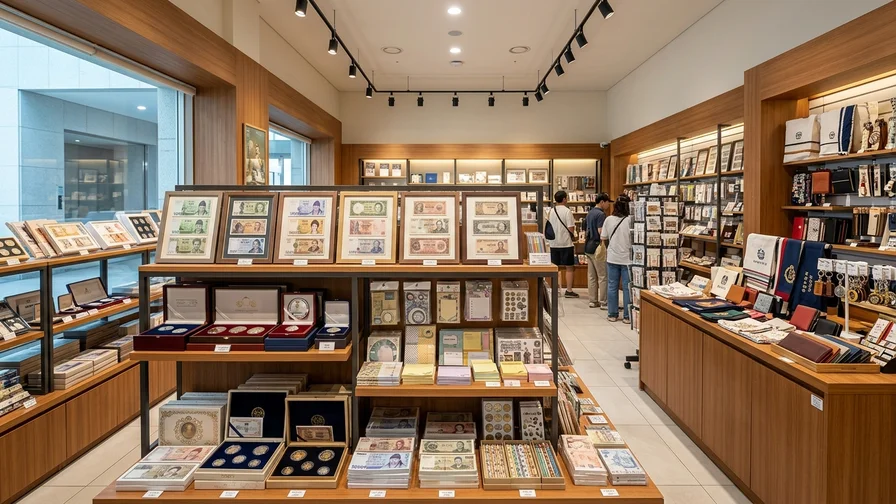
Commemorative coins issued in limited quantities to mark events like the Olympics or national occasions are popular items among collectors. Carrying more meaning as keepsakes and mementos than as everyday currency, these coins are like small medals that condense what Korea wanted to show the world in a given era.
Places to Visit Nearby
The two Seoul museums are all within walking distance of Myeongdong, Gwanghwamun, and Deoksugung Palace, making it easy to plan your route. Walk from the Bank of Korea Money Museum toward Myeongdong and you’ll find food everywhere; near the Korea Museum of Financial History, a stroll along the Deoksugung stone-wall path is lovely. Here are some meal options, focusing on well-established, time-tested eateries.
- Myeongdong Gyoja Main Branch 📍 — A landmark Myeongdong institution famous for its kalguksu (hand-cut noodles simmered in a rich chicken broth) and dumplings. About a 10-minute walk from the Bank of Korea Money Museum.
- Hadongkwan 📍 — A gomtang (a clear soup-and-rice dish of beef and beef bones, simmered until clear) specialist running since 1939. It’s famous for closing early once it runs out of ingredients in the afternoon, so going for lunch is the safe bet.
- Mijin 📍 — A Gwanghwamun institution serving memil-guksu (cold buckwheat noodles dipped in a savory broth) since it opened in 1954. Within walking distance toward Gwanghwamun from the Korea Museum of Financial History.
The area around the Daejeon Currency Museum is a research complex, with almost no restaurants right out front. It’s better to pair it with the National Science Museum a 10-minute walk away (which has free-admission permanent exhibition halls) for a half-day outing and then head into town for a meal. The classic choice is Sungsimdang Main Branch 📍 in Eunhaeng-dong near Daejeon Station (Daejeon’s signature bakery, famous for its twigim soboro — a fried streusel bun). At the Busan Capital Market History Museum, you can eat right there in the BIFC Mall dining area within the same building, the Busan International Finance Center.
Frequently Asked Questions (FAQ)
Is there an admission fee? All four sites in this article are free (as of June 2026, confirmed on each institution’s official website). Special exhibitions follow their own separate notices.
Is photography allowed? Most places allow personal photography without flash, but some exhibits may be restricted, so follow the on-site guidance.
Is there English-language information? Major exhibits have English explanatory panels, and the Bank of Korea Money Museum runs English gallery tours at 2 p.m. on weekdays. Foreign-language tours for groups require advance application.
How long does a visit take? One to one and a half hours per site is plenty, and the two Seoul museums work well combined into a half-day itinerary.
When are the closing days? The Bank of Korea Money Museum in Seoul and the Daejeon Currency Museum close on Mondays; the Korea Museum of Financial History closes on Sundays and public holidays; the Busan Capital Market History Museum closes on Saturdays, Sundays, and national holidays. All four tend to close during major holiday periods, so be sure to check your schedule.
Money is not merely a means of buying and selling goods, but the smallest historical record of what a society believed in and what it sought to protect. Once you’ve seen for yourself everything from the square hole of an old coin to the shine of a commemorative coin, the next time you look at the coins in your wallet you’ll see one more layer of context. Confirm the hours on the official website one more time before you go and save the subway routes in advance, and your trip will feel that much lighter. If you’re curious about Korea’s many unusual museums, we recommend browsing all of Korea’s unique themed museums, and it’s worth taking a look at more on Come On Korea too.
Related Reads on This Topic
- Hands-On Themed Museums in Korea, from Money to Retro Games
- Behind the Scenes at Korea's Film Museums, Iconic Props and Posters
- The Korean Embroidery Museum and Joseon Women's Art in Colored Thread
- Make Korea's Thousand-Year Hanji Paper by Hand at the Hanji Museum
- Korea Retro Game Museums, Drop a Coin for the 8-Bit Arcade