Young Entrepreneurs Transforming Abandoned Spaces — Seoul’s Local Startup Story
Contents
Old factory districts, alleys lined with faded signs, traditional markets where the foot traffic has long disappeared. These very scenes are now turning into some of the most crowded neighborhoods in Seoul. At the center of this change stand the Seoul urban regeneration young entrepreneurs. This covers the converted factories and hanok cafes and cultural complexes in Seongsu-dong, Euljiro, and Ikseon-dong, along with routes foreign travelers can actually follow.
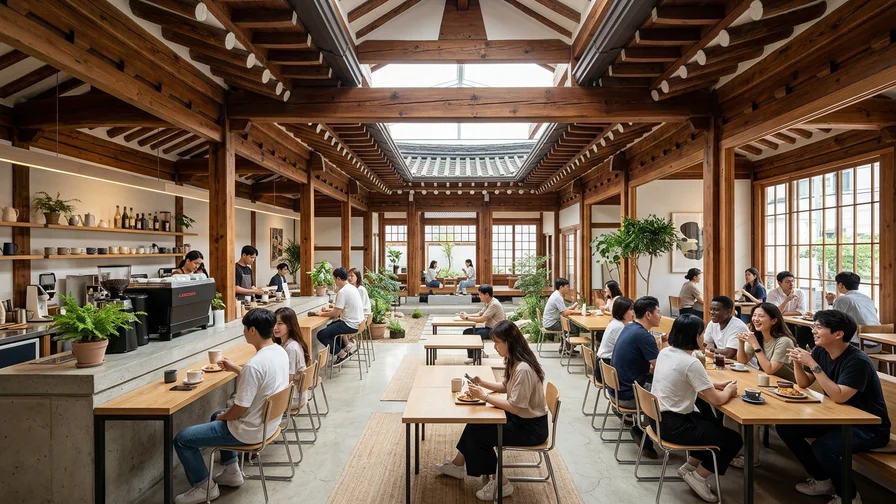
Young Founders Who Turned Old Spaces Into Their Stage
Rather than tearing down the legacy of the past, they rediscover its value and reinterpret it for the present. That is exactly why Seoul’s young entrepreneurs choose old spaces.
- Abandoned warehouses, aged hanok houses, and declining printing-shop alleys are blank canvases of possibility to them.
- Relatively low rent combined with a space’s unique history and story creates a competitive edge that franchises cannot match.
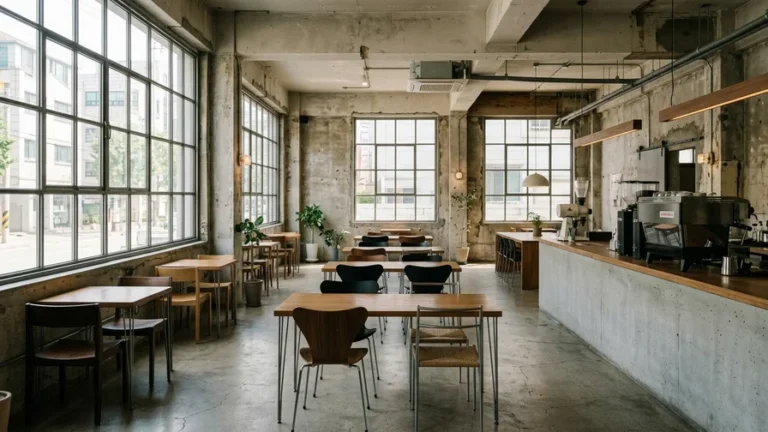
- A common thread is preserving the original features of a space, such as red brick, high ceilings, and hanok rafters, while layering only fresh content on top.
The Rise of Youth Malls and Shared Kitchens
- “Youth malls” (cheongnyeon mall), which gather young vendors into the unused areas of traditional markets, have been set up in markets nationwide through a development support program by the Small Enterprise and Market Service. Individual shops cluster together to create synergy, often becoming new attractions in their own right.
- “Shared kitchens” serve as testbeds that dramatically lower initial investment costs, acting as a springboard where founders experiment with menus, gauge market reactions, and then move on to their own independent stores.
- For aspiring entrepreneurs, this is the most practical route to enter the market while minimizing risk.
The Ideas Behind the Rebirth of Abandoned Spaces
The rebirth of an abandoned space begins with a clever idea. Two flagship examples can still be visited in person today.
- Daelim Changgo 📍 is a red-brick building in Seongsu-dong that was once a rice mill and warehouse in the 1970s, now a gallery cafe that keeps its soaring ceilings intact. It sits about a 4-minute walk along Yeonmujang-gil from Seongsu Station (Line 2). It operates daily 11:00–22:00 and closes on Lunar New Year’s Day and Chuseok Day (as of June 2026; checking their Instagram before visiting is recommended).
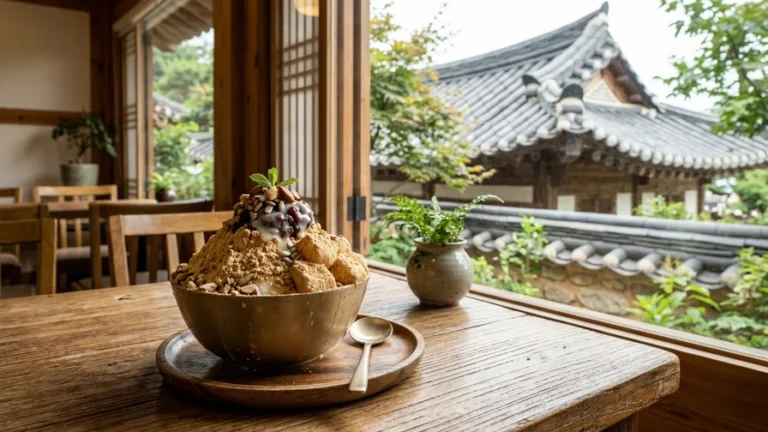
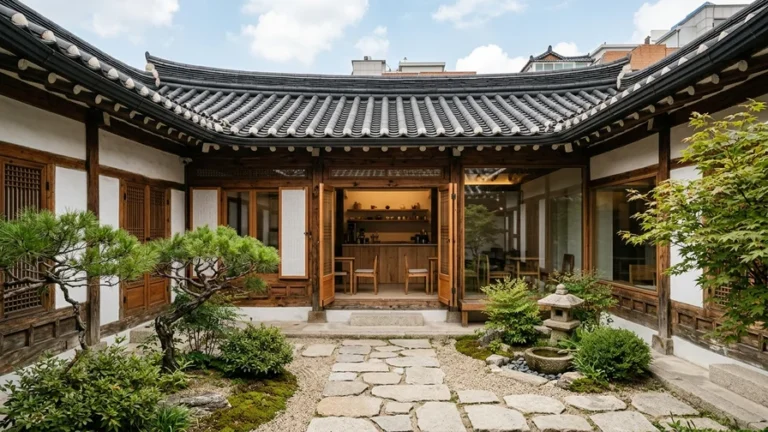
- Onion Anguk 📍 is a bakery cafe converted from an old hanok, with its signature being a layout where you sit on the wooden veranda (toenmaru) in the courtyard to enjoy bread and coffee. It is a 1-minute walk from Exit 3 of Anguk Station (Line 3), open 07:00–22:00 on weekdays and 09:00–22:00 on weekends (last order 21:30, as of June 2026).
This approach of respecting a space’s original form while adding creative content gives visitors an experience where past and present coexist.
A Half-Day Seongsu-dong Regeneration Route: From Factory to Container
If you want to see the stages of these young entrepreneurs all in one trip, Seongsu-dong is the answer. The stretch between Seongsu Station (Line 2) and Seoul Forest Station (Suin-Bundang Line) becomes a fully walkable course. The brands and pop-ups inside turn over quickly, so it is better to remember spaces rather than specific stores.
- LCDC SEOUL is a cultural complex built on the site of a former auto repair factory. The first-floor cafe Ephemera (10:00–20:00), the second-floor select shop “Shop LCDC” (11:00–20:00), and the third floor “Doors,” where each small room houses a different emerging brand (generally 12:00–19:00, with many shops closed on Mondays. As of June 2026, the resident brands change frequently, so check the official site). About a 5-minute walk from Seongsu Station.
- S-Factory is one of the largest event spaces in Seongsu-dong, built on a former maintenance and factory district, where large exhibitions, brand pop-ups, and festivals are held regularly. Since it is an event venue rather than a permanent store, check the ongoing events on the official site or Instagram before you go.
- Understand Avenue is a public-interest platform built by stacking 116 shipping containers. Since it opened in 2016 through a public-private-corporate partnership, it has provided youth startup training and sales support, and as many of its early resident stores have changed, it now runs mainly around pop-ups and events. Operating hours vary by store and event, so checking their Instagram (@understand_social) before visiting is the safest bet. It sits right in front of Exit 3 of Seoul Forest Station (Suin-Bundang Line).
- Seoul Forest is an example of a former horse-racing track and golf course regenerated into a public park. It is adjacent to Understand Avenue, making it a great finishing point for the route, and you can also enter via Exit 8 of Ttukseom Station (Line 2).
- We recommend walking from Seongsu Station past Daelim Changgo, along Yeonmujang-gil (LCDC SEOUL, S-Factory), and toward Seoul Forest (about a 15-minute walk), then touring Understand Avenue and Seoul Forest before finishing at Seoul Forest Station. It is all flat walking terrain and easily covered in half a day.
- The base subway fare is 1,550 won with a transit card (as of June 2026), and T-money cards can be purchased at convenience stores.
Local Brands and Success Stories Built on Neighborhood Character
Successful Seoul urban regeneration young entrepreneurs all share a deep understanding of the value of “local.” Instead of chasing trends, they make the history and stories of the neighborhood they settled in the core identity of their brand.
Cafes and Restaurants That Capture a Neighborhood’s Value
- Coffee Hanyakbang 📍 is a cafe tucked inside a narrow Euljiro alley packed with printing shops and ironworks, near the former site of Hyeminseo (a public medical office for commoners during the Joseon Dynasty). Its interior, decorated with mother-of-pearl cabinets and an old typewriter, captures the timeworn feel of Euljiro. Filter coffee starts at 4,500 won (as of June 2026), open weekdays 10:00–22:00, Saturdays 11:00–22:00, and Sundays and public holidays 11:00–20:00.
- For dessert, head to its sister shop Hyemindang 📍 in the same alley, which sells house-baked cakes and pastries and is run together with Coffee Hanyakbang.
- It is a 2–3 minute walk from Euljiro 3-ga Station (Lines 2, 3), but since it is deep inside the alley with a hard-to-spot sign, a map app is essential.
- The original hanok commercial district, Ikseon-dong Hanok Street, follows the same idea: a neighborhood where young entrepreneurs transformed a 1920s hanok village into cafes and restaurants. It is a 2–3 minute walk from Exit 6 of Jongno 3-ga Station (Lines 1, 3, 5), and since individual shops turn over quickly, it is better to treat the alley itself as the destination and browse as you stroll.
Developing Handicrafts and Cultural Products
Many young entrepreneurs go beyond the F&B (food and beverage) business, creating handicrafts and cultural products that reflect local character to generate added value. Postcards, eco-bags, and mugs that capture a shop’s concept become special souvenirs for visitors. These concept-driven products fit the same context as public art that uses the city as its canvas.
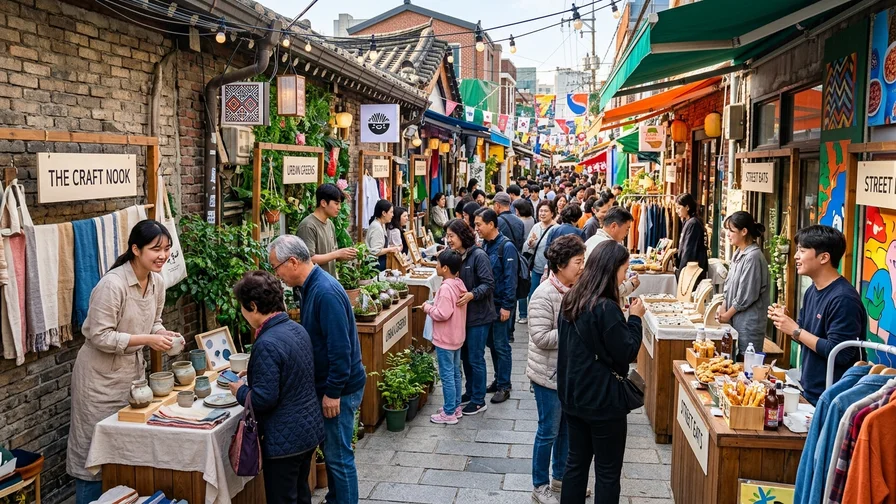
A Community Culture Blossoming Through Cooperative Coexistence
As urban regeneration spaces come alive, the shadow of “gentrification” cannot be ignored. Faced with the problem of existing merchants and residents being pushed out by rising rents, many young entrepreneurs treat “coexistence” as a core value in how they operate.
Efforts by Seoul Urban Regeneration Young Entrepreneurs to Prevent Gentrification
- They sign long-term lease contracts with building owners to reduce the risk of sudden rent hikes.
- They contribute directly to the local economy by giving hiring priority to area residents and sourcing ingredients from nearby traditional markets.
- Several shops form cooperatives to jointly respond to rent increases and raise their voice to protect the commercial district.
These efforts show that they are more than just business owners; they carry a sense of responsibility as members of the local community.
Taking Part in Local Festivals and Events
- They join neighborhood festivals and flea markets to promote their shops, and sometimes collaborate with local artists to host exhibitions and performances.
- This offers things to see for outside visitors and a fresh cultural boost for local residents.
Menu backstories and off-menu recommendations
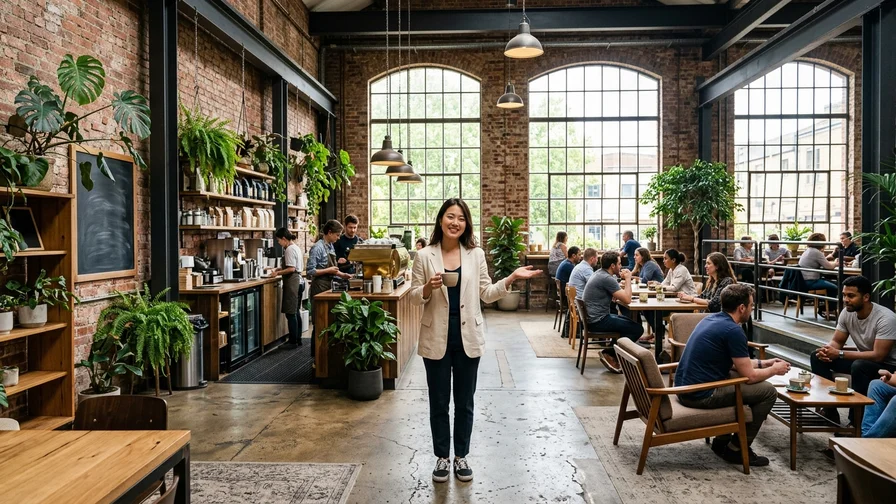
To enjoy it like a local, ask the cafe or restaurant owner directly about the history or concept of their shop. Most young entrepreneurs love sharing their story, and hearing the behind-the-scenes tales behind a menu is half the fun. If you are lucky, you might even get a special off-menu recommendation!
How Visitors Can Support Young Entrepreneurs
Visitors to these spaces can also help support their sustainable growth.
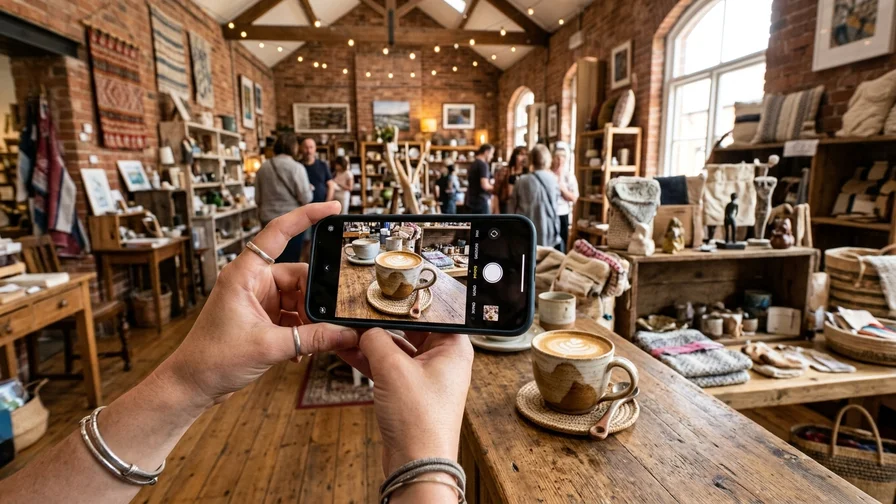
Buying Local Brand Products
- The most direct form of support is “spending”: going beyond a cup of coffee to buy a shop’s goods or local specialty products.
- The act of buying something becomes an expression of support for their vision and story.
Feedback and Social Media Promotion
- Leaving a thoughtful review on Google Maps or Naver Place is a great move, and an English review from a foreign traveler is an especially valuable asset.
- Share the shop on Instagram by tagging it with hashtags like #SeongsudongCafe or #EuljiroEats.
- A single post becomes the most effective way to introduce that shop to potential customers.
In conclusion, the young entrepreneurs active in Seoul’s regeneration spaces are urban innovators who create new value in old and abandoned places. The government is also supporting their growth through programs such as the Small Enterprise and Market Service support programs. If you are curious for a deeper story about Seoul’s urban regeneration spaces, check out our piece on Seoul urban regeneration spaces.