
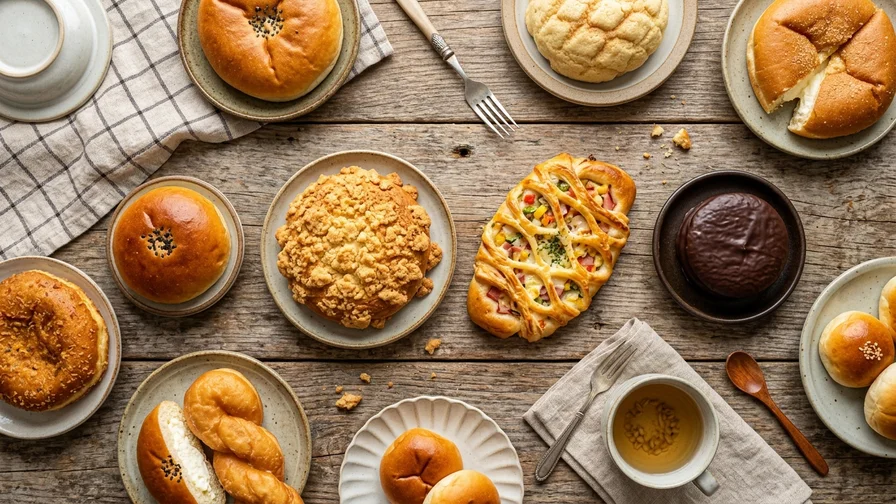
A Nationwide Tour of Korea’s Most Famous Bakeries
Contents
- What Is a “Bakery Pilgrimage”? A New Trend in K-Bakery Travel
- Seoul Bakery Tour: From the Oldest Bakery to the Trendiest
- Sungsimdang in Daejeon: The Pinnacle of the Korean Bakery Tour
- Bakery Tour Spots by Regional City: Bread That Captures Each Area’s Character
- Tips for a Successful Bakery Tour: From Picking Spots to Planning Your Route
The Korean term “bbangji sunrye” combines the words for “bread” and “pilgrimage,” describing a foodie journey across the country in search of famous bakeries, where a single slice of bread lets you experience each region’s history and culture. Decades-old establishments from Taegeukdang in Seoul (1946) to Hwangnam-bbang in Gyeongju (1939) anchor the route, and operating hours and prices are as of June 2026. (You can find more in our broader look at Korean bakery culture.)
Key Takeaways
- A Korean bakery tour is a foodie travel trend in which people visit famous bakeries across the country as if on a pilgrimage, with decades-old establishments at the heart of the route.
- The five-city classic course features Taegeukdang in Seoul (1946), Sungsimdang in Daejeon (1956), Lee Sung Dang in Gunsan (1945), Coromban Bakery in Mokpo (1949), and Hwangnam-bbang in Gyeongju (1939), with Lee Heung-yong Bakery in Busan and PNB Pungnyeon Bakery in Jeonju also highly recommended.
- Signature breads often sell out in the morning, so plan your KTX schedule around each bakery’s baking times.
What Is a “Bakery Pilgrimage”? A New Trend in K-Bakery Travel
The Korean word “bbangji sunrye” is a blend of “bbang” (bread) and “seongji sunrye” (pilgrimage). It has become a cultural activity that goes beyond simply eating delicious bread, letting you experience each bakery’s history, philosophy, and unique atmosphere. The passion of standing in line for hours just to buy a single loaf shows what this trend is about.
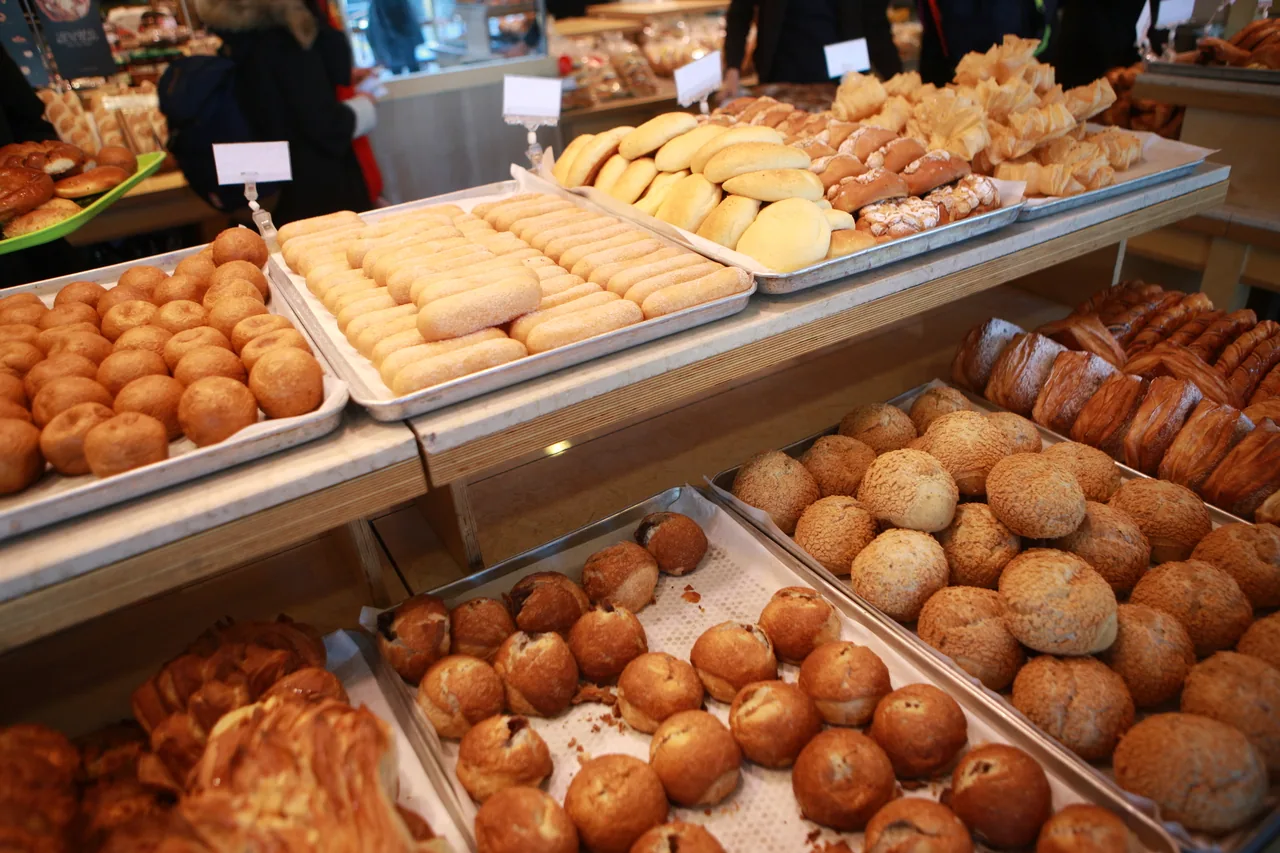
- The Instagram hashtag #빵지순례 has hundreds of thousands of posts, turning a shopping bag from a long-established regional bakery into a travel badge of honor.
- The spots often cited as Korea’s “five great bakeries” mostly opened around the time of liberation (the 1940s and 50s), so each slice carries a piece of the city’s modern history.
- Bread is a food with almost no language barrier, which makes it great for foreign visitors. Just pick what you want from the display with tongs, head to the register, and you’re done. Most places accept cards.
Seoul Bakery Tour: From the Oldest Bakery to the Trendiest
Seoul is a city where you can link a 1940s institution and the latest trendy bakery into a single day by subway.
Taegeukdang (1946): Seoul’s Oldest Bakery
Taegeukdang 📍 is Seoul’s oldest bakery, founded in 1946, and its Jangchung-dong flagship still keeps its vintage signage and retro interior.
- The address is 7 Dongho-ro 24-gil, Jung-gu, Seoul, right in front of Exit 2 of Dongguk University Station on subway Line 3.
- It is open daily from 08:00 to 21:00, year-round (as of June 2026).
- The monaka ice cream (3,300 won) is a crisp monaka wafer filled with milk ice cream and a steady seller since its 1947 launch. There’s also red bean bread (3,000 won) and butter bread (3,100 won).
- There’s no on-site parking, so public transit is recommended. The official site is taegeukdang.com.
Seongsu-dong and Yeonnam-dong: The Trend Axis
If the old establishments form the historical axis, Seongsu-dong and Yeonnam-dong are the trend axis, home to bakery cafés set in converted old factories and houses.
- Onion Seongsu 📍 is a landmark bakery café in a renovated former factory, about a 2-minute walk from Exit 2 of Seongsu Station. It opens at 08:00 on weekdays and 09:00 on weekends, closing at 22:00 (as of June 2026). Its signature is the “Pandoro,” dusted with a mountain of powdered sugar.
- Café Layered Yeonnam 📍 is an English-style scone specialist tucked into a Yeonnam-dong alley near Exit 3 of Hongik University Station, open daily from 11:00 to 22:00 (as of June 2026; check a map app before visiting).
- To get around, use Seongsu or Ttukseom Station on subway Line 2. For Yeonnam-dong, get off at Hongik University Station on Line 2, the Gyeongui-Jungang Line, or the Airport Railroad.
- Quieter weekday mornings are recommended, as weekend afternoons mean long waits.
Incheon Chinatown: Chinese-Style Bakeries
About 1 hour 10 minutes from Seoul Station via subway Line 1 to Incheon Station (verified October 2026), Incheon Chinatown offers a different kind of bakery tour.
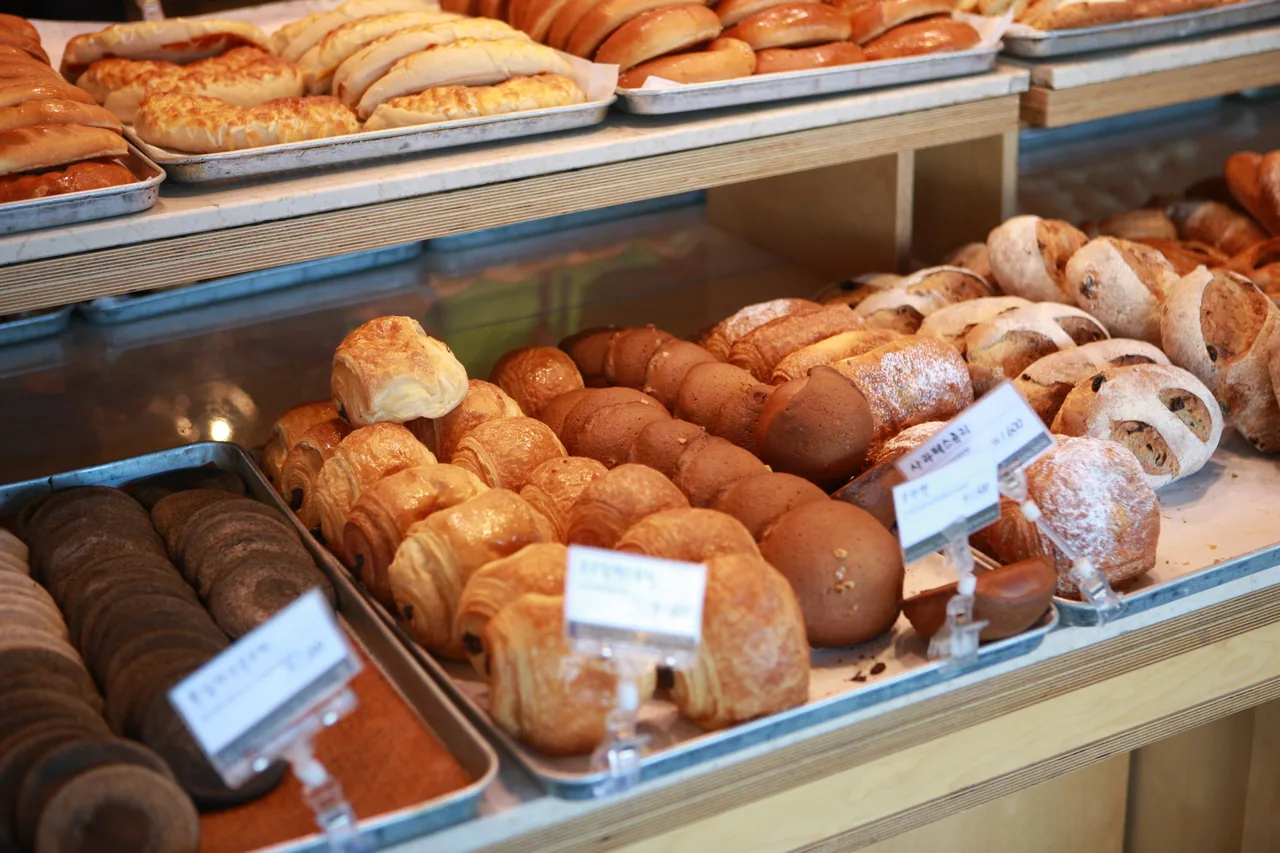
- Bongnaechun 📍 is a traditional Chinese pastry shop that opened in 1951 and is now run by the fourth generation of an ethnic Chinese family. It’s said to be the place that first named the “gonggal-bbang,” a hollow bread brushed with honey on the inside, and it also sells mooncakes and traditional Chinese pastries.
- The classic course is to have jjajangmyeon for a meal in Chinatown and then enjoy gonggal-bbang for dessert. The Chinatown paeru (main gate) is right in front of Exit 1 of Incheon Station.
Sungsimdang in Daejeon: The Pinnacle of the Korean Bakery Tour
If you had to name the number-one destination of a Korean bakery tour, most people would point to Sungsimdang 📍 in Daejeon. It started in 1956 as a steamed-bun shop in front of Daejeon Station and is famous for having operated only in Daejeon for 70 years. The saying “I go to Daejeon because of Sungsimdang” is no exaggeration, as it has become the center of the city’s tourism.
- The flagship is in Eunhaeng-dong (the Jungang-ro area), Jung-gu, Daejeon, open daily from 08:00 to 22:00, year-round (as of June 2026).
- The Twigim Soboro (1,700 won) is Sungsimdang’s own invention, a streusel bun deep-fried whole and filled with red bean paste. The Myeongnan Baguette (3,800 won) became a co-star of the double-line phenomenon alongside the Twigim Soboro after appearing on a TV variety show, and the chive bread (filled with a chive and egg salad) is another long-time favorite.
- The Daejeon Station branch is in the waiting hall on the second floor of Daejeon Station, so you can buy on your KTX transfer route. It opens an hour earlier than the flagship, at 07:00, and stays open until 22:30 (as of June 2026), though the station branch also gets long lines on weekends.
- The flagship often has waits of around an hour even on weekdays, and up to two hours at weekend peaks. To avoid the line, visiting between 9 and 11 a.m. on a weekday is your best bet.
Two Recent Stories Surrounding Sungsimdang
- The Daejeon Station rent dispute (2024, resolved): Korail Retail proposed a monthly fee of 440 million won for the Daejeon Station branch’s lease renewal bid, more than four times the previous amount, which became a nationwide controversy. After five failed bids and a consultation by the Board of Audit and Inspection, it was adjusted to 133 million won per month. Sungsimdang was re-selected in September 2024, securing its Daejeon Station operations through October 2029, and the station branch is still operating normally today.
- The winter-only “Ttalgi Siru” sensation began with a winter-limited cake that stacks fresh strawberries like a traditional steamed rice cake. While hotel cakes climbed to hundreds of thousands of won, Sungsimdang released its large size (2.3 kg) for 49,000 won (as of December 2025), making headlines for “running prices in reverse.” On release day, there were five-hour waits, 200-meter lines, and even resales at two to three times the list price. Sungsimdang has officially banned proxy buying and third-party reselling, and cakes are sold at the Cake Boutique, a separate building next to the flagship.
How to Get to Daejeon
- The KTX takes about an hour from Seoul Station to Daejeon Station, with standard-class fares at 23,700 won as of June 2026; KTX fares were cut by about 10% on September 1, 2026, so today’s fare is lower; check the exact fare and book on korail.com (verified October 2026). With more than 100 runs a day, you can essentially catch a train anytime.
- From Daejeon Station, the flagship is about a 20-minute walk, or you can take Daejeon subway Line 1 one stop to Jungang-ro Station and walk a few minutes through the underground shopping arcade. The underground route is convenient on both hot and cold days.
Bakery Tour Spots by Regional City: Bread That Captures Each Area’s Character
Long-established regional shops are the core of a bakery tour. Every bakery in the table below has been confirmed open as of June 2026.
| City | Notable Bakery | Signature Menu | Getting There from Seoul |
|---|---|---|---|
| Daejeon | Sungsimdang (1956) | Twigim Soboro, Myeongnan Baguette | KTX, about 1 hour |
| Gunsan | Lee Sung Dang (1945) | Red bean bread, vegetable bread | Saemaeul/Mugunghwa train from Yongsan Station, about 3 hours 10 min |
| Jeonju | PNB Pungnyeon Bakery (1951) | Handmade choco pie | KTX from Yongsan Station, about 2 hours |
| Mokpo | Coromban Bakery (1949) | Cream cheese baguette, shrimp baguette | KTX from Yongsan Station, about 2 hours 30 min |
| Busan | Lee Heung-yong Bakery (1995) | Jagalchi myeongnan baguette, salt bread | KTX from Seoul Station, about 2 hours 40 min |
| Gyeongju | Hwangnam-bbang flagship (1939) | Hwangnam-bbang | KTX from Seoul Station, about 2 hours 10 min |
Lee Sung Dang in Gunsan: The Oldest Surviving Bakery in Korea
Lee Sung Dang 📍 opened in 1945 and is the oldest surviving bakery in Korea. Its signatures are the red bean bread made with rice-flour dough packed with paste and the warm vegetable bread.
- The address is 177 Jungang-ro, Gunsan, Jeollabuk-do, open daily from 08:00 to 22:00 (as of June 2026; phone 063-445-2772).
- The red bean bread is 2,000 won (per piece on the official online store), while the vegetable bread is sold mainly in-store, so check on-site.
- There are separate lines for buying the red bean bread and the vegetable bread. If you only want other breads and drinks, you can enter right away without lining up, so keep this in mind, as many foreign visitors join the line without realizing it.
- The KTX doesn’t reach Gunsan, so take a Saemaeul/Mugunghwa train on the Janghang Line from Yongsan Station to Gunsan Station (about 3 hours 10–30 min, roughly 14 runs a day). From Gunsan Station, it’s about 15 minutes by taxi to Lee Sung Dang downtown. There are also frequent express buses from Seoul’s Central City Terminal to Gunsan Express Bus Terminal, from which Lee Sung Dang is about a 5-minute taxi ride.
PNB Pungnyeon Bakery in Jeonju: The Original Handmade Choco Pie
PNB Pungnyeon Bakery 📍 is a Jeonju bakery that has been run by three generations since 1951. Its hefty handmade choco pie, layered with jam and cream between chocolate sponge sheets and coated in chocolate, has become an essential souvenir of a trip to the Jeonju Hanok Village.
- The flagship is at 180 Paldal-ro, Wansan-gu, Jeonju, Jeollabuk-do, open daily from 08:00 to 22:00 (as of June 2026).
- The original choco pie is 2,300 won and the white choco pie is 2,500 won, with a 10-piece gift set at 23,000 won.
- The flagship is in the old town within walking distance of the Hanok Village, and there’s also an outlet inside the Hanok Village, so you can drop by to suit your route.
For more, read about the culture in which Korea’s neighborhood bakeries become community hubs.
Coromban Bakery in Mokpo: A City of Two Baguettes, and Two Bakeries
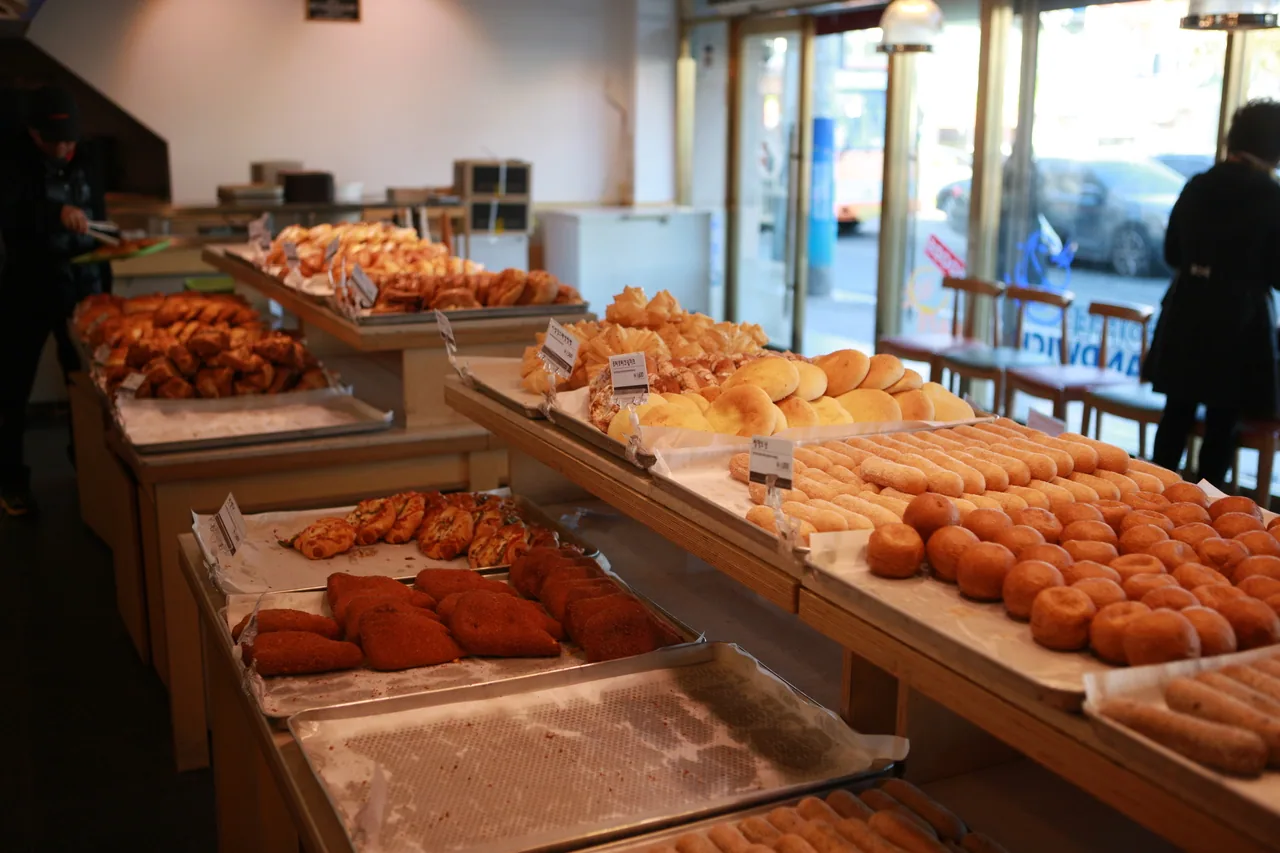
Coromban Bakery 📍 is a long-established Mokpo shop that opened in 1949, with the sweet cream cheese baguette and savory shrimp baguette as its signatures. What’s interesting is that two famous bakeries in Mokpo now sell these two baguettes. The operator who ran Coromban from 2005 and grew it into a nationwide name moved out in 2019 after a dispute with the building owner, opening CLB Bakery 📍 nearby in 2020, and the two shops now both claim to be the original. For travelers, the two are just a one-minute walk apart, so a side-by-side tasting becomes part of the fun.
- Coromban Bakery is at 7 Yeongsan-ro 75-beon-gil, Mokpo, Jeollanam-do, open 08:00 to 22:00 and closed on the second Tuesday of each month (as of June 2026).
- CLB Bakery is on the same street at 14 Yeongsan-ro 75-beon-gil, open 08:00 to 21:00 (as of June 2026).
- The KTX takes about 2 hours 30–50 min from Yongsan Station to Mokpo Station, with standard-class fares around 53,000 won as of June 2026; KTX fares were cut by about 10% on September 1, 2026, so today’s fare is lower; check the exact fare on korail.com (verified October 2026). Both bakeries are about a 5-minute walk from Mokpo Station, making it the ideal city for a same-day KTX bakery tour.
Lee Heung-yong Bakery in Busan: A Master Baker’s Myeongnan Baguette
Lee Heung-yong Bakery 📍 has been run since 1995 by Lee Heung-yong, the first person in Busan to be named a Korean master baker (the 13th to receive the title). The “Jagalchi myeongnan baguette,” a crisp baguette filled with Busan’s famous seasoned pollock roe, is a patented signature.
- The Munhyeon flagship is at 2-1 Suyeong-ro 39-beon-gil, Nam-gu, Busan, open daily from 08:30 to 21:00, closed only on major holidays (as of June 2026).
- Recommended items are the Jagalchi myeongnan baguette, salt bread, and the “Master 30” loaf.
- The KTX takes about 2 hours 40 min from Seoul Station to Busan Station, with standard-class fares at 54,400 won (after the September 2026 fare cut; verified October 2026). From Busan Station, take subway Line 1, transfer to Line 2 at Seomyeon Station, get off at Jigegol Station, and it’s about a 3-minute walk from Exit 4 (about 30 minutes total). There are also directly operated branches in the city, such as at Busan Shinsegae Centum City.
Hwangnam-bbang in Gyeongju: A Bite of Red Bean in a Thousand-Year-Old Capital
The Hwangnam-bbang flagship 📍 is a Gyeongju-style variation of red bean bread that began in Gyeongju in 1939. It’s a bite-sized bread with a thin wheat skin packed with red bean paste and stamped with a comb pattern before baking. Eating freshly baked Hwangnam-bbang while gazing at the tombs of Daereungwon is both a cliché and the definitive way to enjoy a Gyeongju trip.
- The flagship is at 783 Taejong-ro, Gyeongju, Gyeongsangbuk-do (near Daereungwon), open daily from 08:00 to 22:00, year-round (as of June 2026; phone 054-749-7000).
- A pack of 20 is 24,000 won, and there may be a per-person purchase limit (two boxes).
- The KTX takes about 2 hours 10 min from Seoul Station to Gyeongju Station, with standard-class fares at 49,300 won as of June 2026; KTX fares were cut by about 10% on September 1, 2026, so today’s fare is lower; check the exact fare on korail.com (verified October 2026). The KTX station’s name changed from “Singyeongju Station” to “Gyeongju Station” in December 2023, so don’t confuse it with older information. From in front of Gyeongju Station, city buses 50, 51, and 70 (every 15–40 min) or express buses 700 and 711 reach the Daereungwon/Hwangnidan-gil area in about 30 minutes (verified October 2026), with a flat fare of 1,500 won as of July 2025. A taxi runs about 15,000–17,000 won.
Distinctive Bakeries on Jeju Island
On Jeju Island, you can find bread made with ingredients grown on the island. Cakes and tarts using Gujwa-eup carrots, Jeju tangerines, and Hallabong are typical, and ocean-view bakery cafés line the coastal roads.
- Driving along Jeju’s eastern coastal road (toward Gujwa) and stopping at bakeries you like along the way works well. Since trends change quickly here, it’s safer to check whether a place is open via a map app right before visiting.
- A photo of bread against the emerald sea is a shot you can only capture on Jeju.
Tips for a Successful Bakery Tour: From Picking Spots to Planning Your Route
A rewarding bakery tour requires a plan. Use the tips below to draw up your own bread roadmap.
Making the Most of Public Transit
- Of the cities above, Daejeon, Mokpo, Busan, Gyeongju, and Jeonju are all doable as same-day KTX trips, with bookings through the official Korail site or the Korail Talk app (English supported). Only Gunsan requires a combination of regular trains and express buses.
- A single T-money transit card lets you ride buses and subways in most cities nationwide, and you can buy and recharge it at convenience stores.
- Naver Map and KakaoMap support real-time bus arrival info and English directions, while Google Maps offers limited walking and transit guidance in Korea, so use it only as a backup.
Check baking times ahead and arrive at opening
Signature items at popular bakeries often sell out in the morning. Some items, like Sungsimdang’s Twigim Soboro, are baked throughout the day, but limited cakes draw lines before opening. The surest way to avoid a wasted trip is to check the bakery’s Instagram account or call to confirm baking times, then arrive right at opening.
A Reality Check on Waits (as of June 2026)
- The Sungsimdang flagship sees waits of around an hour on weekdays and up to two hours on weekends, with 9 to 11 a.m. on weekdays being the quietest. If you’re in a hurry, head to the Daejeon Station branch (opens at 07:00).
- At Lee Sung Dang, the red bean bread/vegetable bread line is separate from general entry, so if you only want the signatures, right after opening is the answer.
- Seasonal limited cakes like Sungsimdang’s Ttalgi Siru (winter only) typically mean waits of several hours, and since the company officially bans resale purchases for hygiene reasons, you’ll have to line up yourself.
Know-How for Storing and Gifting Bread
- Breads with cream, like the cream cheese baguette, should be eaten the same day if possible. Bring an insulated bag for long journeys.
- Firm, packaged breads like Hwangnam-bbang, PNB choco pies, and Lee Sung Dang red bean bread make good souvenirs, and most come with gift-box packaging.
- Breads containing processed seafood, like the myeongnan baguette, may be restricted from entry depending on the country, so check your home country’s quarantine rules before departure.
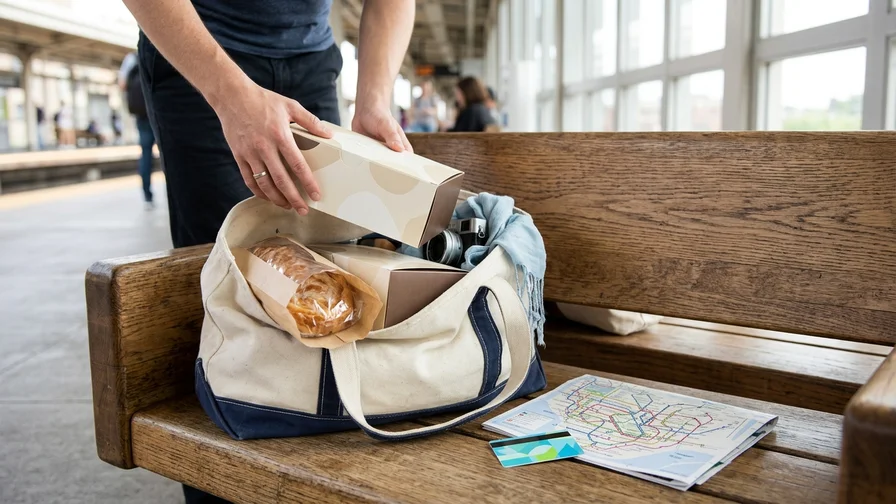
Now you’re ready to set off in search of Korea’s bread havens. With one KTX ticket and an empty eco bag, you can travel 80 years of baking history with your taste buds, from a 1945 red bean bread to a Twigim Soboro fresh out of the oven this morning. If you’d like a deeper look at Korean bakery culture, continue over at our overview of bakery culture.
Some photos © Korea Tourism Organization (KOGL Type 1)