Korean Camping Food Cooked by the Fire with Local Ingredients
목차
- Korean Camping Food Trends: Simple Yet Delicious K-Food
- Shopping at Local Marts and Campsite Shops: Smart Tips for Buying Camping Ingredients
- K-BBQ Recipes by the Campfire: Becoming a Grill Master
- Simple but Special Camping Treats: Easy Recipe Ideas
- Camping Desserts and Drinks: A Sweet Finish & Cool Beverages
- Food Waste and Dishwashing: Campsite Etiquette
Key Takeaways
- Master K-BBQ: Learn how to properly grill Grilled Pork Belly (삼겹살, samgyeopsal) and Pork Shoulder (목살, moksal), the stars of Korean camping, plus the ideal ssamjang ratio and how to pair them with Kimchi (김치, kimchi).
- Make the Most of Local Marts: Tips for shopping for camping ingredients like a local at big-box stores such as E-Mart and Lotte Mart, plus how to use small-portion packs and meal kits.
- Super-Easy Camp Dishes: Recipes for enjoying favorites like Korean Instant Noodles (라면, ramyeon) and Kimchi Stew (김치찌개, kimchi-jjigae) at the campsite, along with dessert and drink pairings.
- Safety First: Never light a fire inside your tent. Carbon monoxide poisoning is a leading cause of camping accidents in Korea, so be sure to read the safety warning below before you begin.
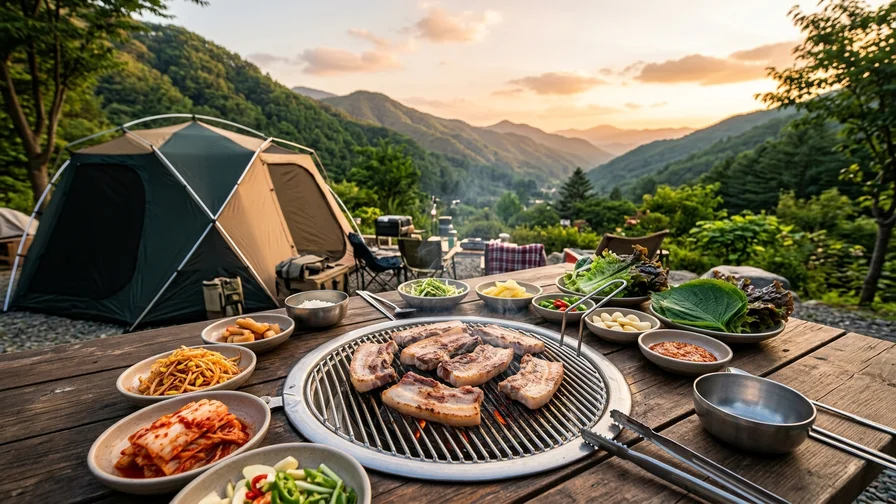
If you’re planning a camping trip in Korea, the food matters just as much as the scenery. Grilled Pork Belly (삼겹살, samgyeopsal) over charcoal, a steaming pot of soup, and dessert under the night sky are all at the heart of K-camping. This guide pulls together everything in one place: from shopping at local marts and the essentials of K-BBQ, to crowd-pleasing dishes anyone can make and the safety rules that foreign campers often overlook. For a deeper dive into the overall culture and joys of Korean camping food and camping in Korea, Camping in Korea, Top Spots by Type for an Unforgettable Night.
⚠️ Read This First — Carbon Monoxide (CO) Safety Warning
In Korea, roughly 1 in 4 carbon monoxide poisoning incidents happens while camping. CO is colorless and odorless, making it hard to detect, and it can cause headaches, dizziness, loss of consciousness, and in severe cases, death. Here are the rules every foreign camper must follow.
- Never use any heat source inside an enclosed space such as a tent, tarp, or vehicle — this includes charcoal, firewood, fire starters, butane burners, and gas heaters. Always cook and enjoy the fire outdoors in the open air.
- Don’t keep used charcoal or firewood near your tent. Even smoldering charcoal continues to release carbon monoxide.
- No matter how cold it gets, don’t try to heat the inside of your tent — keep warm with a sleeping bag and insulating gear instead. Bringing a portable CO alarm (mounted near the top of the tent) adds an extra layer of safety.
- If you feel a headache, nausea, or drowsiness coming on, get out of the tent immediately and breathe fresh air, and call 119 in an emergency (Korea’s combined fire and ambulance number).
Korean Camping Food Trends: Simple Yet Delicious K-Food
In keeping with the spirit of enjoying nature, Korean camping food has trended toward “convenience-premium” — combining ease with quality. Convenient meals that deliver restaurant-level flavor without complicated cooking are hugely popular, and they’re great for foreign campers because the barrier to entry is so low.
Using Meal Kits
Meal kits have been a game-changer for Korean camping food culture. Pre-prepped ingredients and pre-measured sauces come packed together, so all you have to do is follow the recipe card.
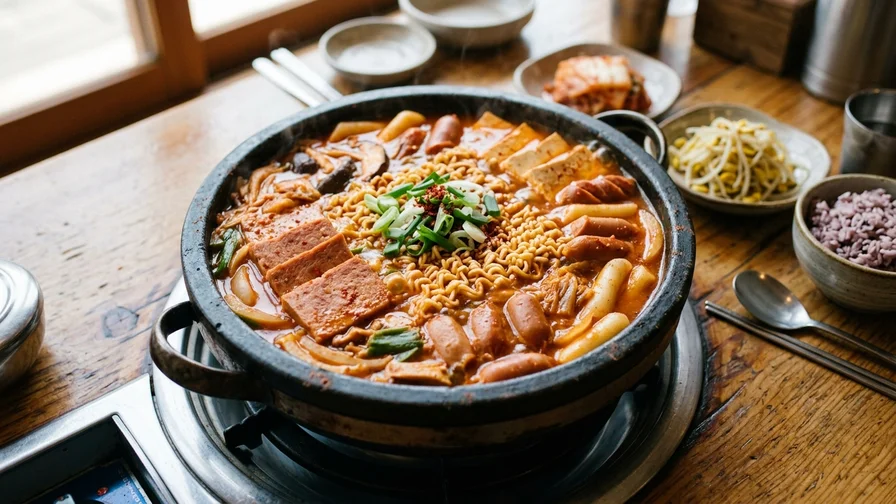
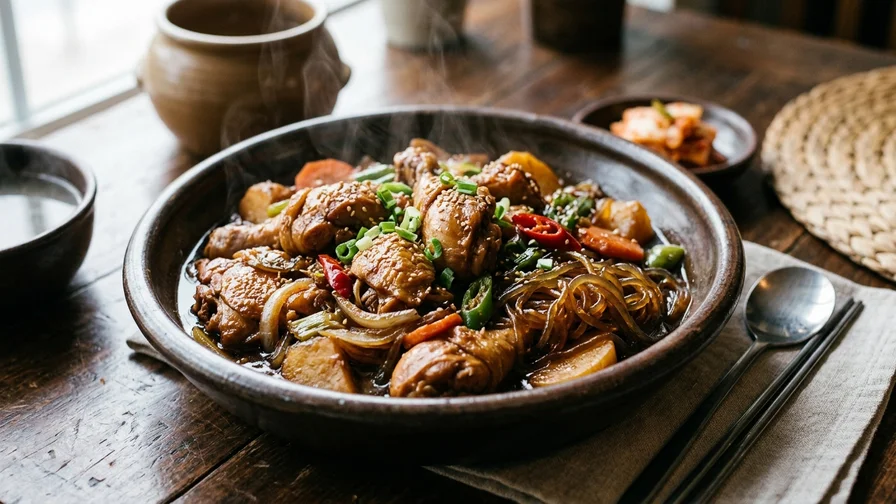
- There’s huge variety — you can mix and match dishes like Army Base Stew (부대찌개, budae-jjigae), gambas al ajillo, and Braised Soy Chicken (찜닭, jjimdak).
- There’s almost no need to wash and prep ingredients at the campsite, which cuts down on dishes and food waste.
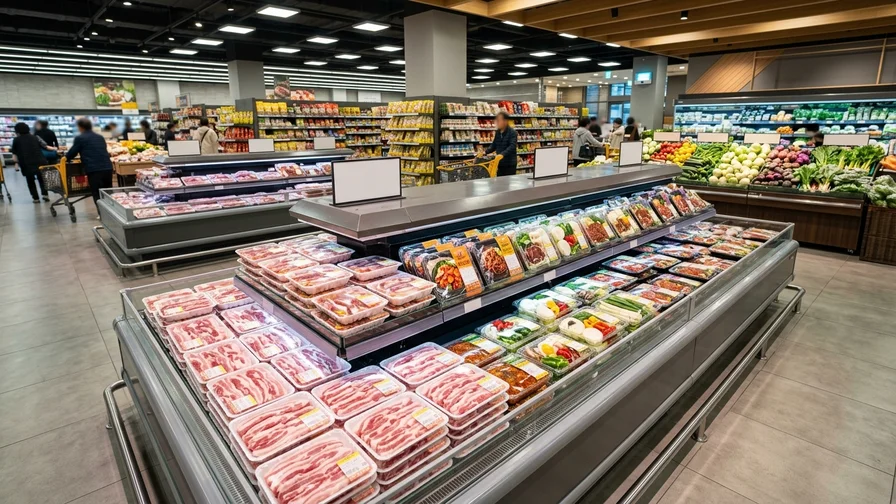
- You can easily find them in the fresh-food section or refrigerated aisles of big-box marts.
The Popularity of Ready-to-Eat Foods
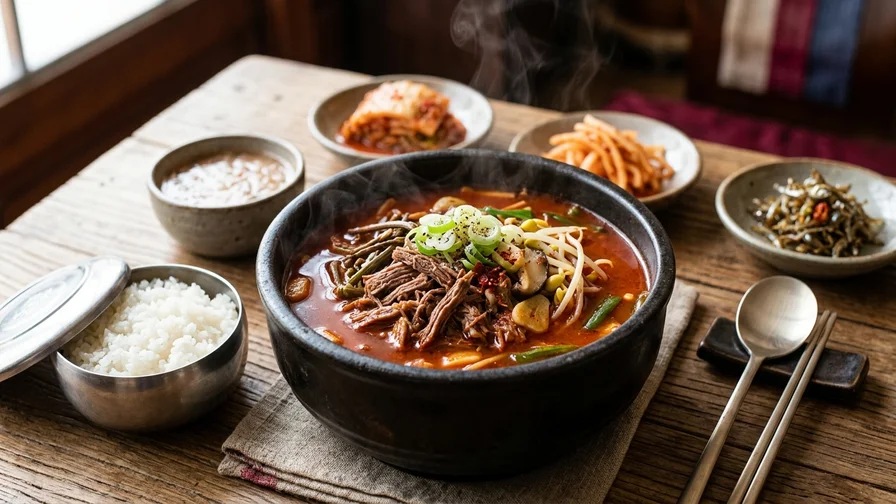
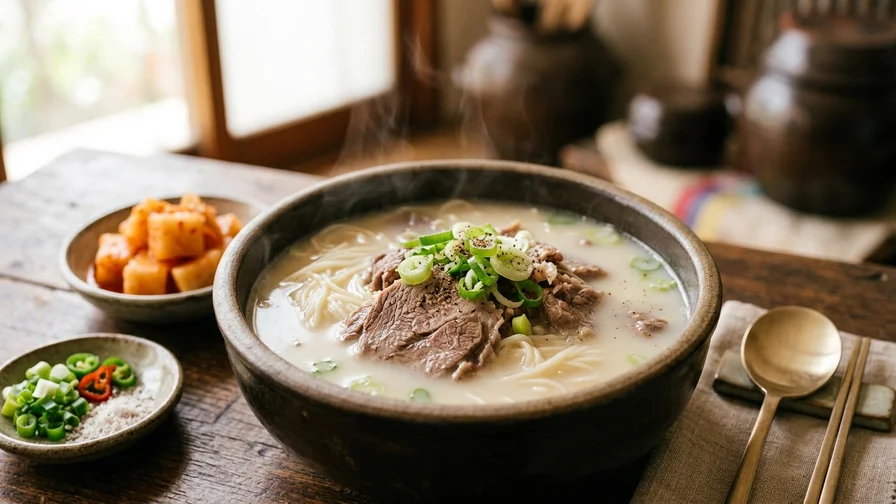
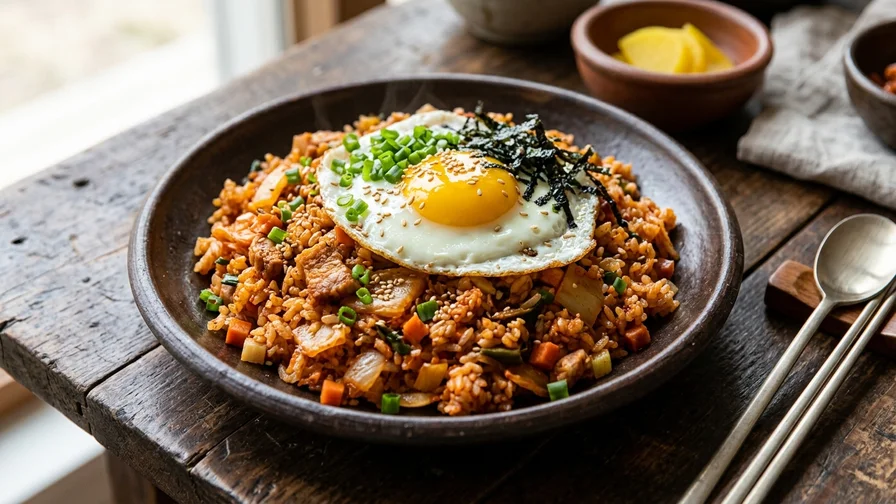
HMR (Home Meal Replacement) products that just need reheating are also popular campsite picks. Premium soups developed in collaboration with famous restaurants (such as Spicy Beef Soup (육개장, yukgaejang) and Ox Bone Soup (설렁탕, seolleongtang)) or frozen Fried Rice (볶음밥, bokkeumbap) are perfect for a camping breakfast or a quick lunch. They’re a practical choice that cuts cooking time and gives you more time to relax.
Shopping at Local Marts and Campsite Shops: Smart Tips for Buying Camping Ingredients
The flavor of Korean camping starts with fresh ingredients sourced locally. Big-box marts like E-Mart, Lotte Mart, and Homeplus are one-stop shops for nearly everything you need for camping. You can find out about camping gear preparation here.
Stock Up at a Big-Box Mart in Advance
Many campsites have a shop at the entrance or nearby, but their prices tend to be higher than usual and their selection is limited. So for foreign campers, we recommend doing all your shopping at a nearby big-box mart before heading into the campsite.
- It’s smart to think of the campsite shop only as a backup for emergency supplies like Korean Instant Noodles (라면, ramyeon), bottled water, ice, and butane gas.
- Buying meat and fresh vegetables at the mart wins out on both flavor and price.
Using Regional Specialties
Making use of the local specialties of the region where you’re camping makes the experience even more special. In Gangwon-do, that might mean adding mountain greens or potatoes to your BBQ; on the coast, it could be clams or shrimp. Keep an eye on the local-produce section of the mart.
Small-Portion Packaged Products
Korean marts offer plenty of single- and two-person small-portion packs of vegetables, meat, and seasonings. Buying just what you need cuts food waste and saves money too. Products like “camping mixed vegetables” or “500g of domestic Korean-pork Grilled Pork Belly (삼겹살, samgyeopsal)” are especially handy.
Editor’s Tip
Big-box marts are convenient, but it’s also worth stopping by a “5-day market” (a traditional market held every five days) near your campsite. There’s something fun about discovering freshly grown vegetables and foods sold only in that region. Shopping while soaking up the buzz of the locals is a great travel experience in itself.
K-BBQ Recipes by the Campfire: Becoming a Grill Master
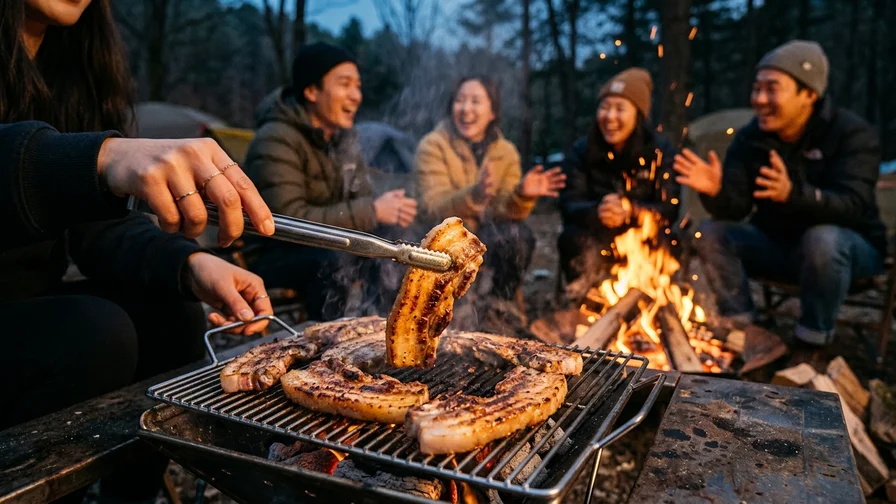
The undisputed highlight of Korean camping is charcoal BBQ. Gazing into the flames (“bulmeong,” the meditative act of staring at a fire) and the aroma of sizzling meat complete a perfect camping night. That said, all the recipes below assume you’re grilling out in the open air, away from your tent.
Butane Gas Safety
A portable gas burner is a camping-cooking staple, but accidents are common. Placing a grill plate or stone slab larger than the burner can overheat the butane canister and cause an explosion, so only use cookware within the recommended size, and keep the canister away from direct sunlight and the heat of the fire. Always cook outdoors in a well-ventilated area.
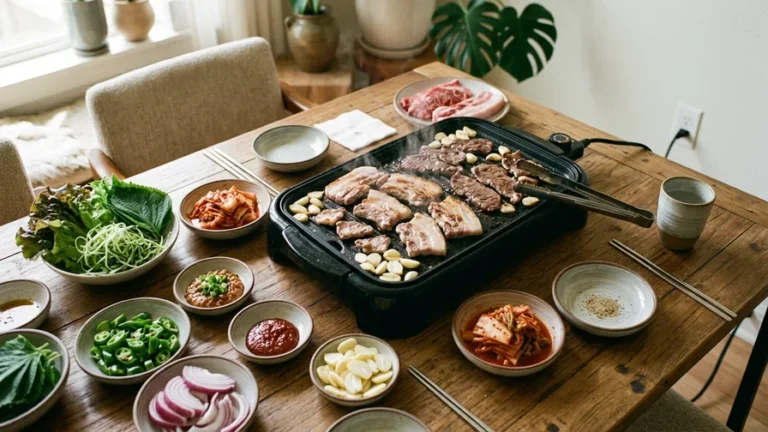
How to Grill Samgyeopsal and Moksal
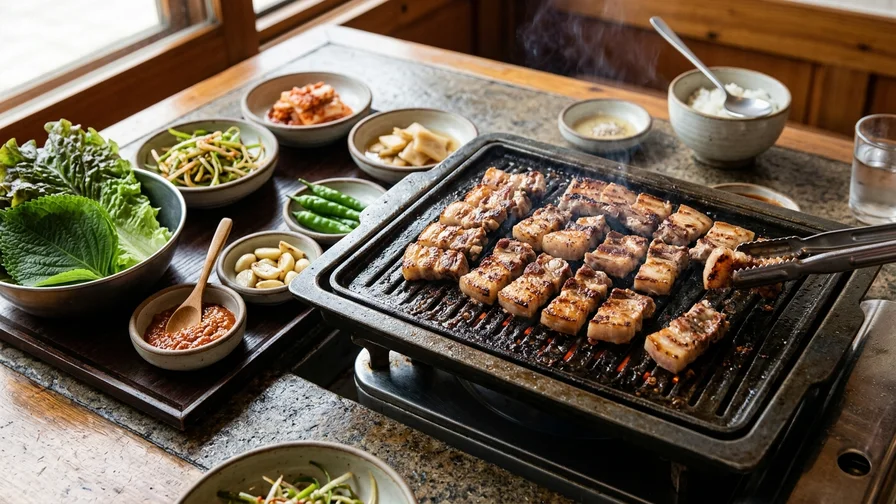
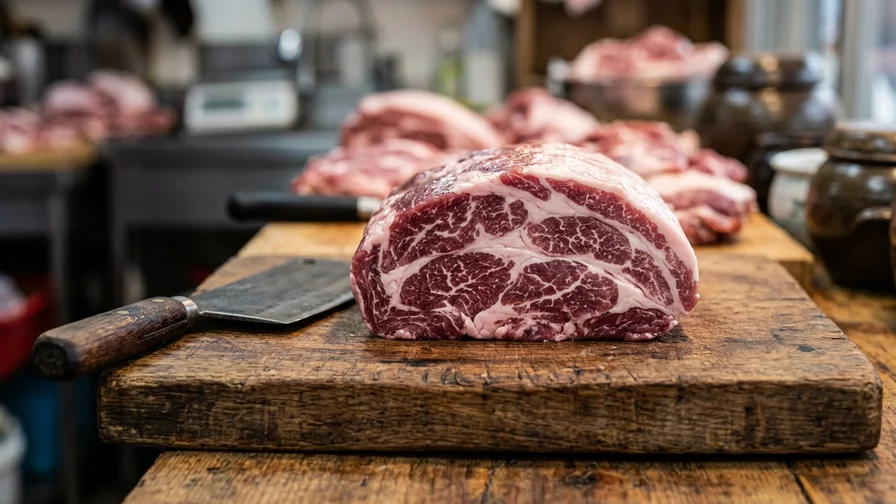
The two pillars of K-BBQ are samgyeopsal (pork belly) and Pork Shoulder (목살, moksal). At the mart, just ask them to cut it thick for BBQ (at least 1.5 cm). It’s a good idea to lightly season the meat with salt and pepper about 30 minutes before grilling.
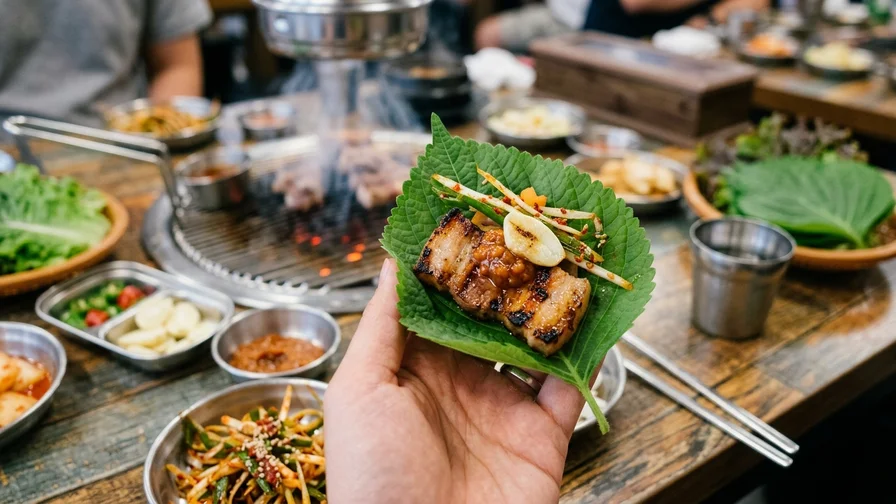
- Grilled Pork Belly (삼겹살, samgyeopsal): Rich and savory thanks to its high fat content. Sear it quickly on both sides over high heat to lock in the juices, then cook it through slowly over medium-low heat — crispy outside, juicy inside is the goal. Domestic (Korean) pork belly runs about 15,000–20,000 won (roughly $10–13, as of June 2026) for 600g (about two servings).
- Pork Shoulder (목살, moksal): Lean and light with less fat and more meat. Grilling it too long makes it dry, so the key is not to flip it too often so the juices don’t escape. One perfectly cooked piece of pork neck delivers the best Korean camping food experience.
Side Vegetables and Sauces
K-BBQ tastes even better with the right accompaniments. Use the list below to prepare to your taste.
- Vegetables: Whole garlic cloves, onions, and king oyster mushrooms develop wonderful flavor when grilled in the meat’s fat. Wrap vegetables like lettuce, perilla leaves, and chili peppers for Lettuce Wraps (쌈, ssam) are a must.
- Ssamjang: The soul of K-BBQ. The basic ratio is 3 parts Soybean Paste (된장, doenjang) to 1 part gochujang, mixed with minced garlic, sesame oil, and a little corn syrup (or sugar). For more heat, adjust with cheongyang chili peppers or extra gochujang.
- Sesame Oil Dip: Sesame oil with a touch of salt makes a dip that enhances the nutty richness of the meat.
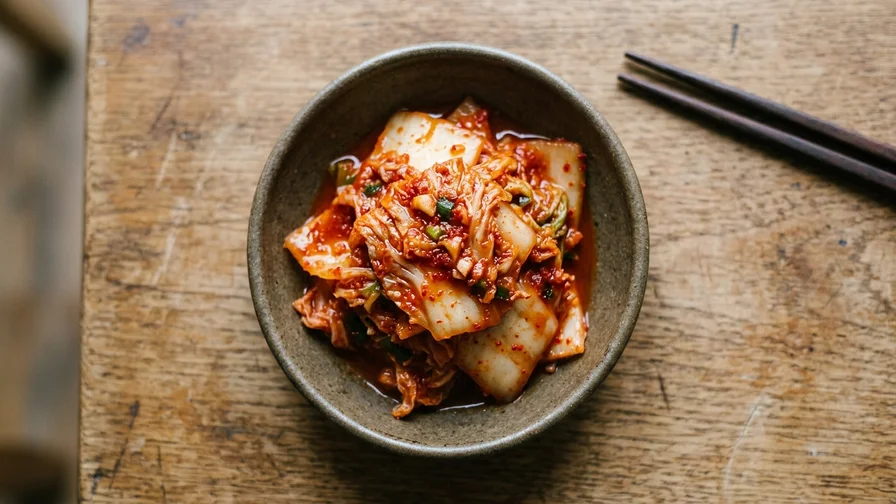
- Kimchi (김치, kimchi): Grilling well-fermented Kimchi (김치, kimchi) in the meat’s fat is one of Koreans’ all-time favorite combos. Be sure to give it a try.
Simple but Special Camping Treats: Easy Recipe Ideas
Beyond BBQ, there are special dishes that add to the joy of camping. Here are recipes that deliver maximum satisfaction with minimal ingredients and time.
Kimchi Jjigae / Doenjang Jjigae
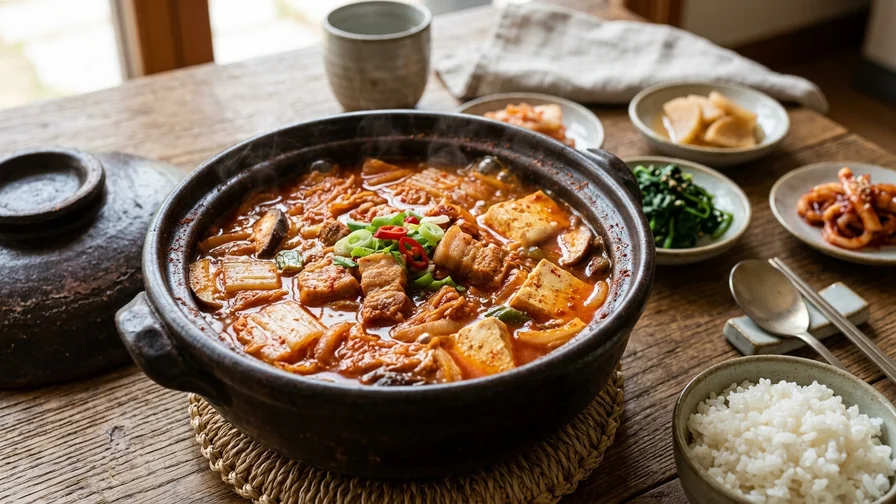
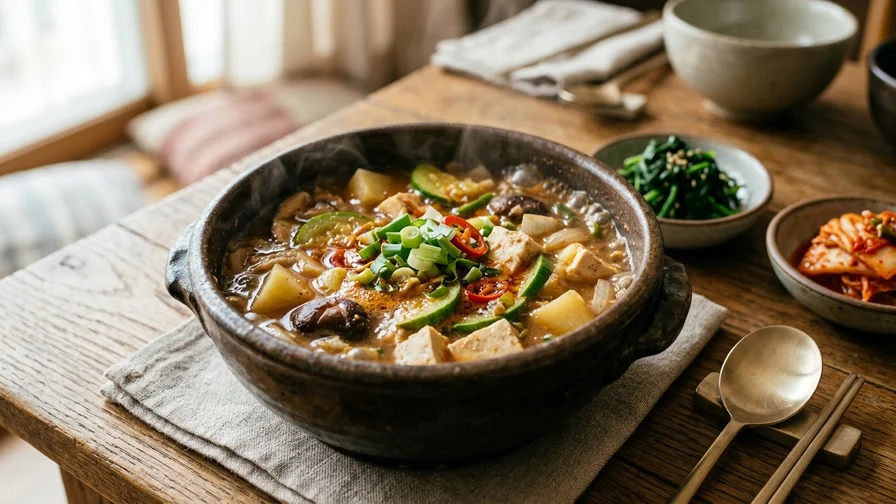
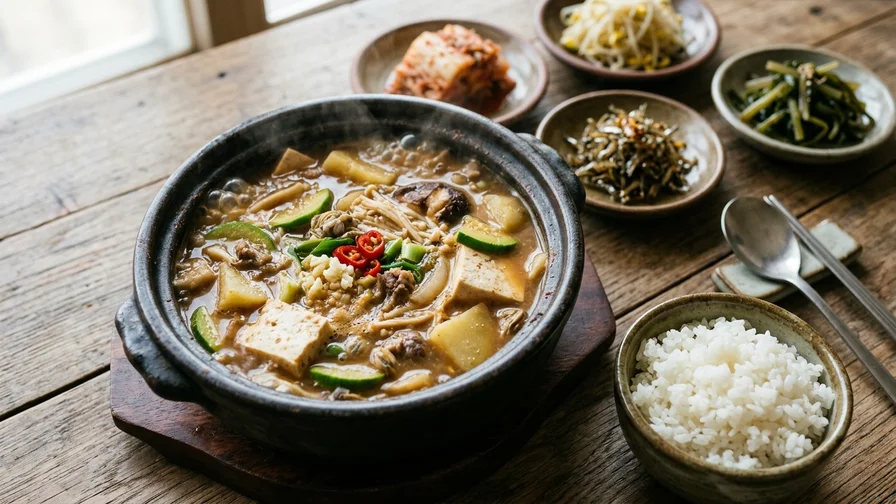
A stew warms up a chilly camping evening. A spicy Kimchi Stew (김치찌개, kimchi-jjigae) with pork or a savory Soybean Paste Stew (된장찌개, doenjang-jjigae) — one pot, and you won’t need any other side dishes. These days there are great stew meal kits with everything included (around 8,000–12,000 won, roughly $5–8, as of June 2026) that come together in just 15 minutes.
Dishes Made with Ramyeon
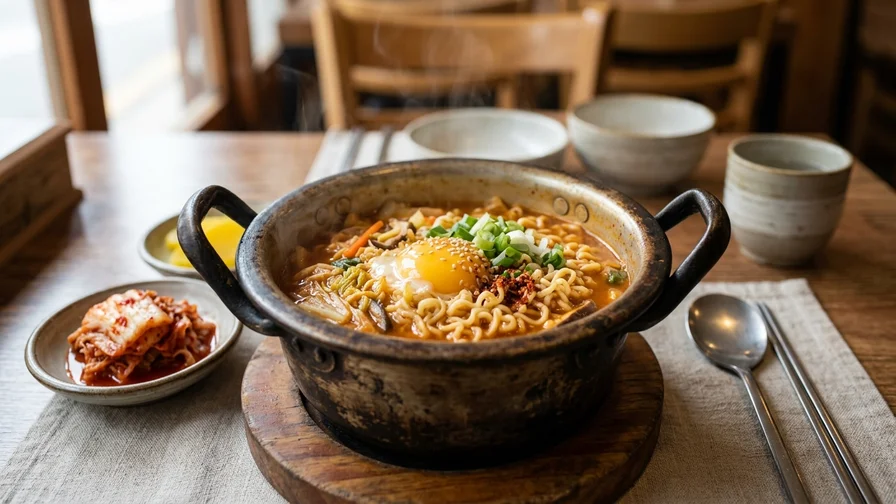
No camping trip is complete without Korean Instant Noodles (라면, ramyeon). It’s delicious cooked plain, but a few add-ins make it special.
- Add leftover BBQ meat, sausage, kimchi, cheese, and an egg to make “budae ramyeon.”
- Stir in gochujang and sugar for sweet-and-spicy “Ramen and Rice Cake Mix (라볶이, rabokki).”
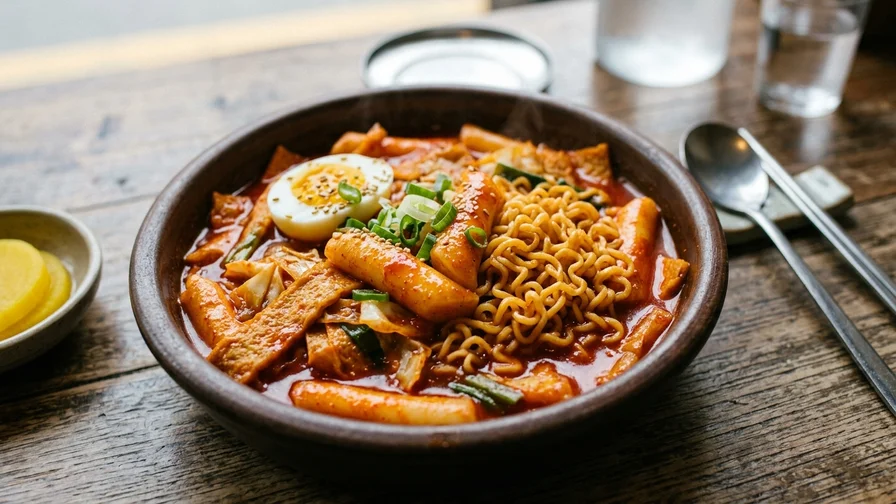
The ways to reinvent Korean ramyeon are endless.
Seafood Ramyeon
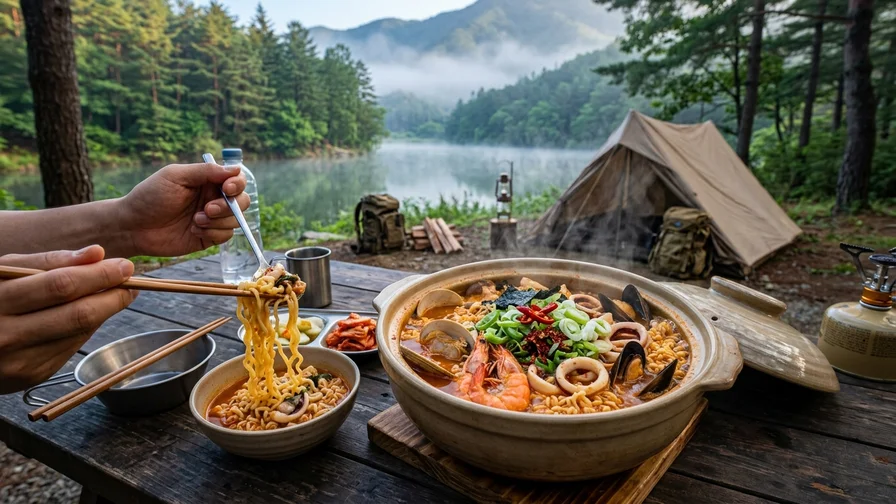
If you’re camping by the beach, try “seafood ramyeon.” Boil fresh clams, shrimp, and squid bought at a nearby market, and you get a premium bowl with a refreshing, deep broth. Since the seafood flavors the broth, the ramyeon seasoning packet alone is plenty.
Camping Desserts and Drinks: A Sweet Finish & Cool Beverages
Once the meal is done, it’s time for desserts and drinks to make the camping night even more romantic. The sweetness shared around the campfire makes for lasting memories.
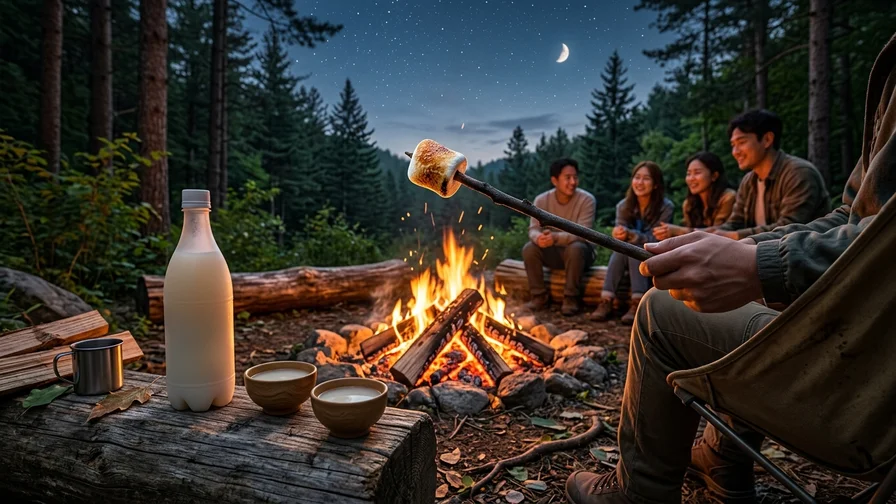
Roasted Marshmallows
A camping dessert beloved worldwide, and Korea is no exception. Skewer a marshmallow on a long stick and gently turn it over the campfire — the outside turns crisp like caramel while the inside melts like cream.
Watermelon Punch (Hwachae)
For summer camping, we recommend a refreshing “watermelon hwachae” (fruit punch). Scoop out the watermelon flesh with a spoon, then mix in cider (lemon-lime soda), milk, and other fruit (canned fruit cocktail is the easy route). It’s wonderfully cool and sweet — perfect for beating the heat.
Alcoholic Drinks: Makgeolli, Soju, and More
Korean liquor pairs beautifully with K-BBQ. With savory jeon (Korean pancakes) or stews, “makgeolli” (a milky rice wine) hits the spot, while clear “soju” goes great with samgyeopsal and spicy dishes. These days there are plenty of fruit-flavored sojus and regional craft makgeollis too, so pick whatever suits your taste. That said, if you’re driving, never drink — no exceptions.
Food Waste and Dishwashing: Campsite Etiquette
The part that confuses foreigners most is the cleanup rules. Korean campsites have different rules from place to place, so it’s safest to check in advance.
- Dishwashing: Most paid campsites have communal sinks where you can wash dishes. You can sort waste into food scraps, paper, plastic, vinyl, and glass for recycling.
- Food Waste: Food scraps like vegetable peels go into the campsite’s food-waste bin. However, open (free) campsites often have no bins at all, so you must carry out all of your trash (the Leave No Trace principle).
- Watch for Fines: Dumping trash just anywhere can result in a fine of up to 100,000 won (about $67, as of June 2026). Portioning out your ingredients ahead of time and using reusable containers greatly reduces waste.
Now you’re ready to become the top chef at a Korean campsite. Follow the safety rules and make special memories in nature with delicious Korean camping food made from local ingredients. If you’re curious about the wider world of Korean camping, check out Korean camping culture. You can find more Korea travel information at Come On Korea. You can also plan your shopping list in advance with online shopping info for Korean marts.