Camping in Korea, Top Spots by Type for an Unforgettable Night
목차
- What Makes K-Camping So Special?
- Types and Trends of Camping in Korea
- Notable Campsites by Type
- Where Foreigners Get Stuck Most — The Reservation System
- Open Flames, Cooking, and Wild-Camping Rules — Break Them and You’ll Be Fined
- Camping Etiquette and Protecting the Environment
- Wrapping Up — Decide Your Style First, Then Set Off
Beyond Seoul’s skyline and K-pop, there’s another side of Korea created by the people who load up their tents and head for the mountains and the sea every weekend. That’s Korean camping culture. Camping has now become one of Korea’s signature weekend lifestyles, and as of 2025 the number of campers in the country has surpassed 6 million (with a market size of roughly 10 trillion won, according to estimates from the Korea Tourism Organization and the industry).
This article is the pillar guide for our camping cluster. In one place, it covers why camping in Korea is so special, which styles are trending, where to enjoy them, and even the booking, open-flame, and wild-camping rules that trip up foreigners most often. More specific topics like glamping, gear, camping food, pets, and car camping are linked to their own dedicated articles throughout.
What Makes K-Camping So Special?
More than just spending a night in a tent, camping in Korea has become a lifestyle and a trend in its own right. Let’s look at why K-camping—a blend of beautiful nature and Korea’s distinctive aesthetic—is getting so much attention.
The Natural Environment — Mountains and Sea, Rivers and Lakes
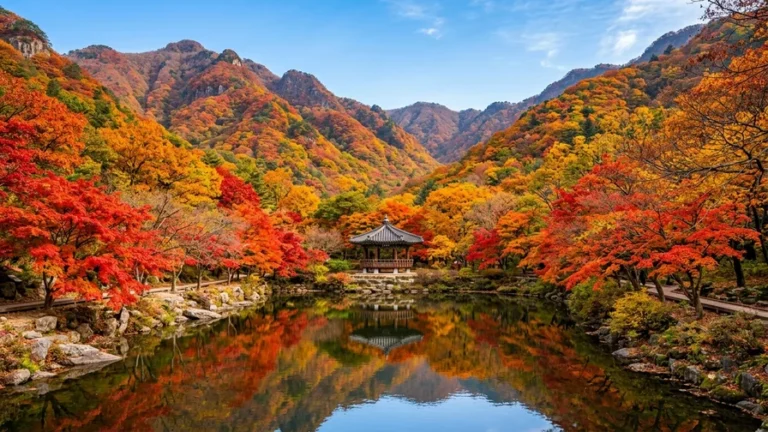
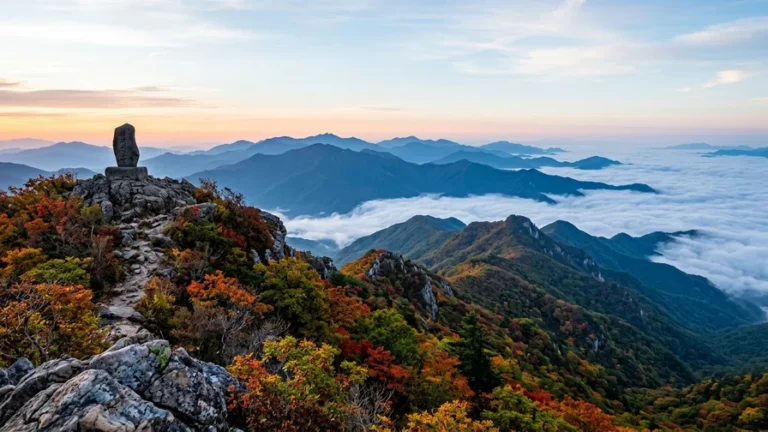
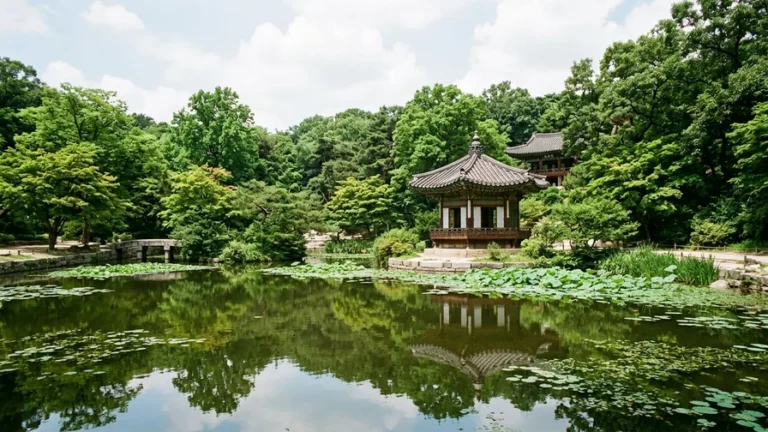
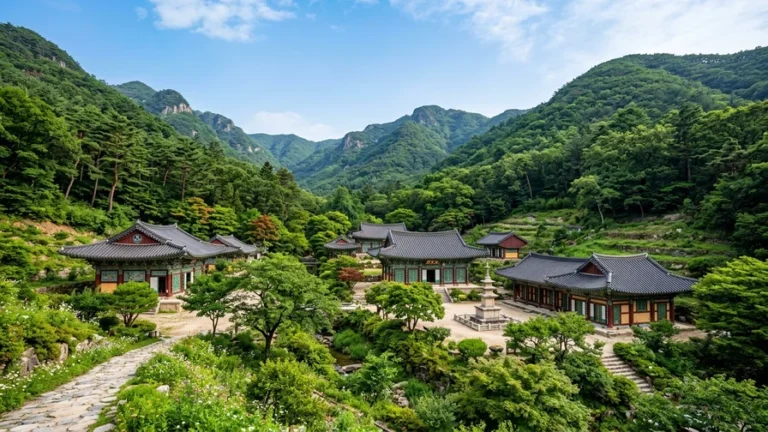
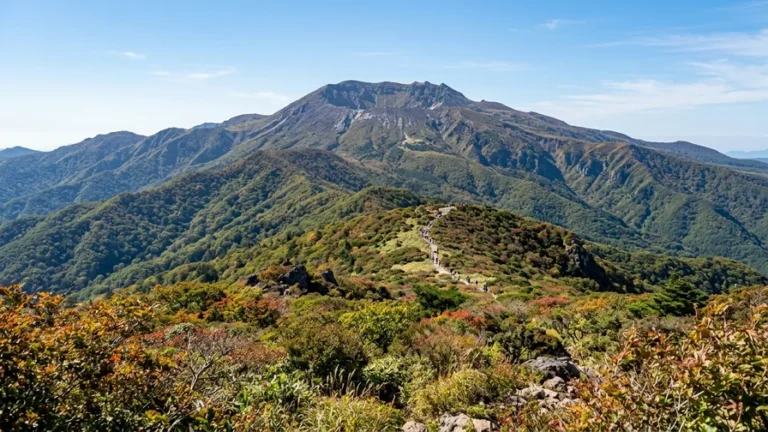
- About 70% of the country is mountainous, and it’s bordered by sea on three sides → you can enjoy forest, beach, and riverside-and-lake camping all within a single country.
- From the phytoncides of dense forests to the sound of waves to the calm of a quiet lakeshore, the range of settings is wide.
- The four seasons are distinct, so the scenery changes with each one → the same campsite looks completely different in spring versus autumn.
K-Aesthetics and Food Culture
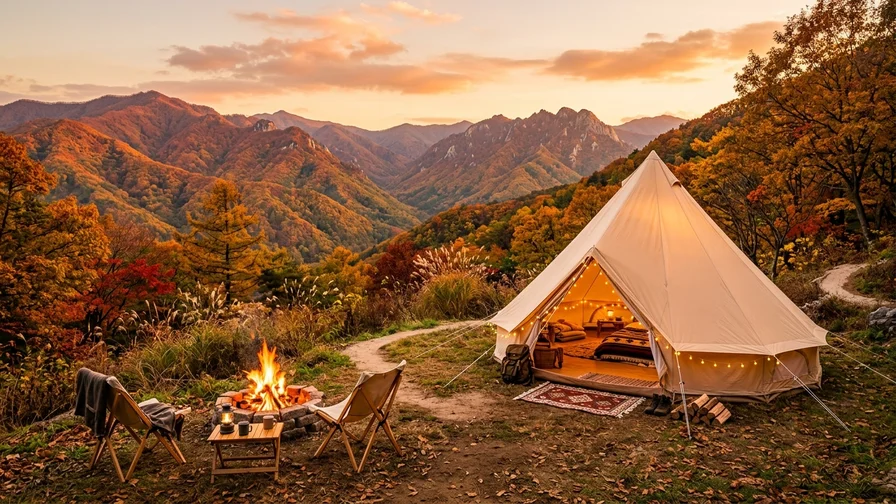
- Aesthetic camping (gamseong camping): a style of decorating your tent beautifully with lighting and props. It spread quickly through social media.
- Bul-meong: the act of relaxing while staring blankly into a campfire. It’s one of the signature healing keywords of Korean camping, so you’ll come across it often in content.
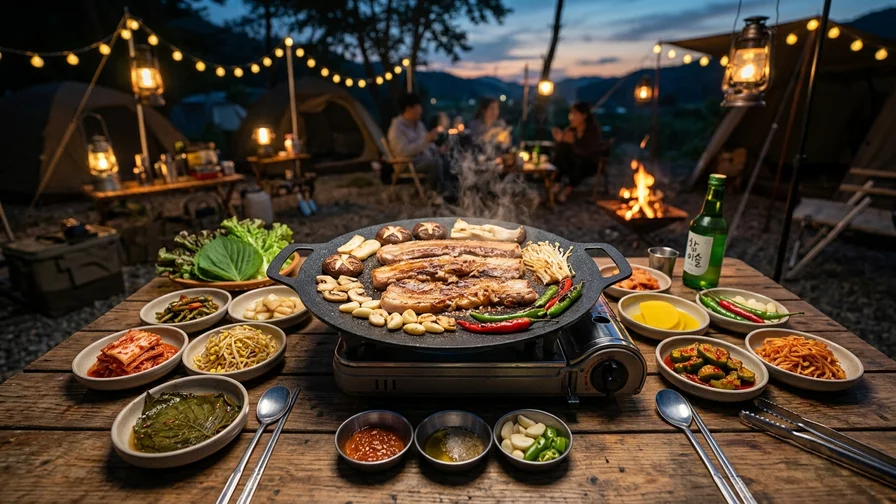
- Food is the highlight of camping. K-barbecue grilled over charcoal (samgyeopsal, pork shoulder) and dishes made with regional specialties become more than just a meal—they become an experience. (Camping dishes made with local ingredients are covered separately in Korean Camping Food Recipes.)
Types and Trends of Camping in Korea
Korean camping branches out into a surprising variety of styles tailored to personal taste. Once you figure out your own style, choosing a campsite and gear becomes much easier.
From Minimalist Camping to Luxury Glamping
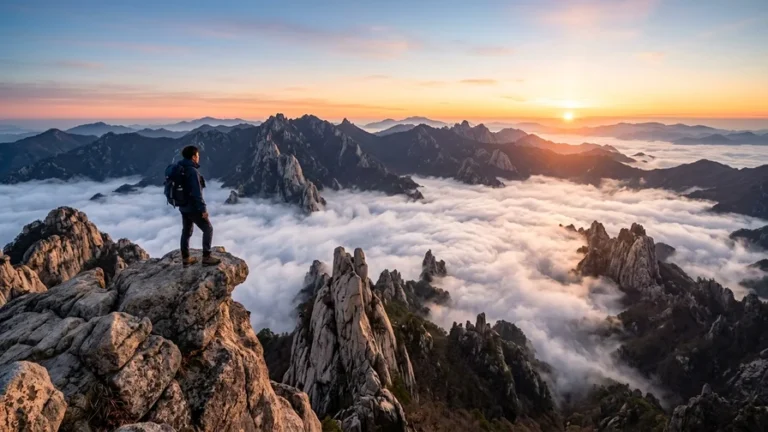
- Backpacking and minimalist camping: a style that uses the bare minimum of gear to fully enjoy nature. You carry all your equipment in on foot.
- Glamping: “Glamorous” + “Camping.” These are tents or cabins fully equipped with beds, bathrooms, and even kitchens, so you don’t need any gear of your own. It’s the most accessible option for beginners, families, and foreign travelers. (For recommended spots, see Korean Glamping Spots.)
- Jang-bak: a style where you leave your gear set up at one campsite and stay for a whole season. It’s a term you’ll often hear in the Korean camping community.
Latest Trends Like Car Camping and Pet Camping
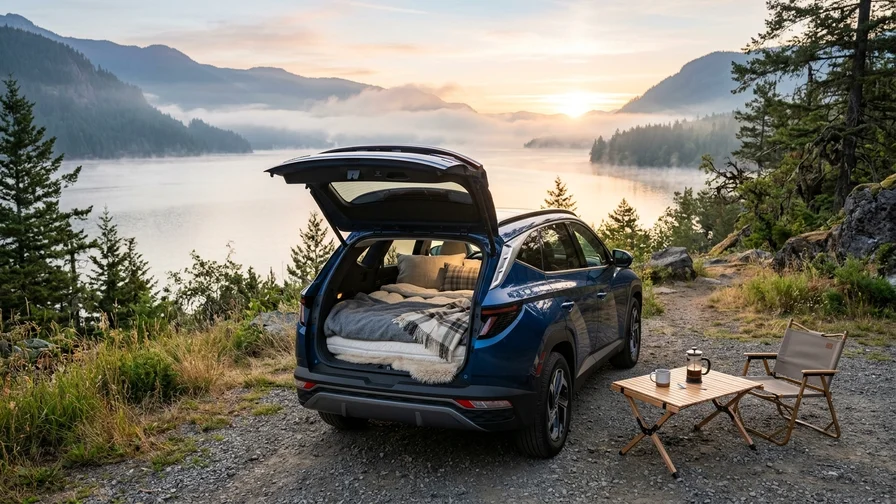
- Cha-bak (car camping): camping where you sleep in your car. Its appeal is the freedom to head wherever you like, but it isn’t allowed just anywhere (see “Wild Camping Rules” below). The full details are covered in Korean Car Camping Culture.
- Pet-friendly camping: campsites that welcome dogs are steadily increasing. Pet-friendly campsites and etiquette are covered in Pet-Friendly Camping.
Notable Campsites by Type
To help you find a place that matches your style, here are some proven, representative campsites by type (operation confirmed as of June 2026).
Forest Campsites
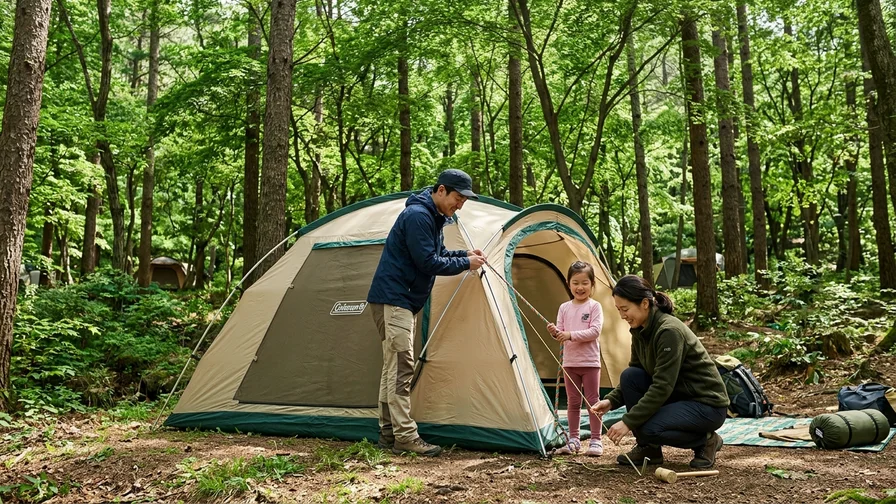
- Gapyeong, Gyeonggi — Yumyeongsan Natural Recreation Forest Campground: a well-managed forest campground with great access from the metropolitan area. You pitch your tent on a wooden deck in the woods. Since it’s operated by the Korea Forest Service, you book through Foresttrip (foresttrip.go.kr) — first-come-first-served slots open every Wednesday at 9 a.m., while weekends and holidays use a lottery system at the start of each month.
National natural recreation forests are located all across the country. You can search for one near you on Foresttrip. That said, there’s a booking pitfall for foreigners (be sure to read the booking section below).
Beach Campsites
- Donghae, Gangwon — Mangsang Auto Camping Resort: an auto campsite right in front of the beach. With a variety of accommodations like caravans and cabins, you can stay even without your own gear. Operated directly by the city of Donghae, so you book through its own dedicated reservation site (separate from the national park and recreation forest systems).
- Taean, Chungnam — Hakampo Auto Camping Site: famous for West Sea mudflat experiences and sunsets. Because it belongs to Taeanhaean National Park, you book through the national park reservation system (reservation.knps.or.kr) — note that this is a different route from the recreation forests (Foresttrip).
River and Lake Campsites
- Gapyeong, Gyeonggi — Jaraseom Auto Camping Site: located along the Bukhangang River, with some of the largest facilities in the metropolitan area. The Jarasum International Jazz Festival is held nearby every October. Bookings can be made through the private platform ThankQ Camping (thankqcamping.com).
There are also several scenic campsites clustered around Chungju Lake, perfect for combining fishing and kayaking.
Where Foreigners Get Stuck Most — The Reservation System
The biggest pitfall of camping in Korea is the booking stage. Popular campsites see fierce competition on weekends and during peak season, but the bigger problem is that most reservation sites require Korean mobile-phone identity verification. Here’s a breakdown by route (as of June 2026).
National Park Campgrounds — There’s an English Portal for Foreigners (Doable)
- Where to book: National Park Reservation System (reservation.knps.or.kr). This is where you book national-park campsites like Hakampo and mountain shelters.
- There’s a separate English portal exclusively for foreigners: KNPS Foreigner Reservation (EN/KR toggle). If you have an Alien Registration Card you can sign up with your registration number; if not, you can use the passport-number verification tab.
- English inquiries: helpline +82-1670-9201 (weekdays 9 a.m.–6 p.m.), email [email protected]. It’s safest to check availability and call ahead first.
National Natural Recreation Forests — Korean Only (High Barrier)
- Where to book: Foresttrip (foresttrip.go.kr). Korea Forest Service recreation-forest campgrounds like Yumyeongsan fall under this.
- It’s Korean-only with no English portal. Sign-up requires Korean identity verification (carrier-based PASS, KakaoTalk, etc.), so foreigners without a Korean phone essentially find it hard to book directly.
- Alternatives: have a Korean friend or guide book on your behalf, or use the private campsites below. Recreation forest office inquiries: 1588-3250.
Private Campsites — App Booking (Convenient but Mostly in Korean)
- Platform: ThankQ Camping (thankqcamping.com, app) and others let you book private campsites, glamping, and caravans nationwide in real time. Jaraseom is booked here too.
- Since the app is mostly in Korean, you may get stuck at the payment and verification steps. For private businesses with full facilities like glamping, you can also inquire directly by phone or email.
Editor’s Tip — Snagging Cancellations
Booking a Korean campsite is a race against the clock. For popular campgrounds, you need to log on the moment reservations open. Even if you miss your preferred date, don’t give up—check the site often, as sudden cancellations pop up from time to time. In Korea, snagging these cancellation slots is called “jupjup.”
Open Flames, Cooking, and Wild-Camping Rules — Break Them and You’ll Be Fined
This is safety and legal information that foreign travelers can easily break without realizing it. To enjoy K-barbecue, you first need to know where you’re actually allowed to light a fire (as of June 2026).
Inside National Parks, Cooking and Open Flames Are Prohibited as a Rule
- Under the Natural Parks Act, in national parks cooking and the use of open flames are prohibited except in permitted cooking areas at designated campgrounds. This applies to burners, charcoal, fire pits, and firewood—and even heat-pack cooking is restricted.
- In winter, even within campgrounds there are rules on combustion-based heating devices like kerosene heaters, wood stoves, and gas heaters, so be sure to check in advance.
- → If you want to do a charcoal barbecue, you should choose a campground with a proper cooking area or a private campsite.
Wild Camping and Car Camping — Romantic, but the Legal Range Is Narrow
- Camping along rivers is prohibited (River Act, Article 46), and open flames in forests and forest-adjacent areas are prohibited (Forest Protection Act, Article 34). Pitching a tent and lighting a fire in an unauthorized place is illegal.
- Sleeping in your car or having a simple meal inside it is generally fine, but setting up a tent outside your car and lighting a fire becomes subject to enforcement. The Korea Tourism Organization is cracking down on illegal wild-camping and car-camping spots nationwide.
- → If you’re a foreigner, using a designated campsite is the safest option. You can’t just set up anywhere because it’s a “scenic empty lot.”
Camping Etiquette and Protecting the Environment
These are good manners to know for a fun, safe camping trip.
- Manner Time: usually after 10 p.m., you keep noise down and stay quiet out of consideration for other campers.
- Leave your spot clean: sort and dispose of trash in designated areas, and minimize food waste.
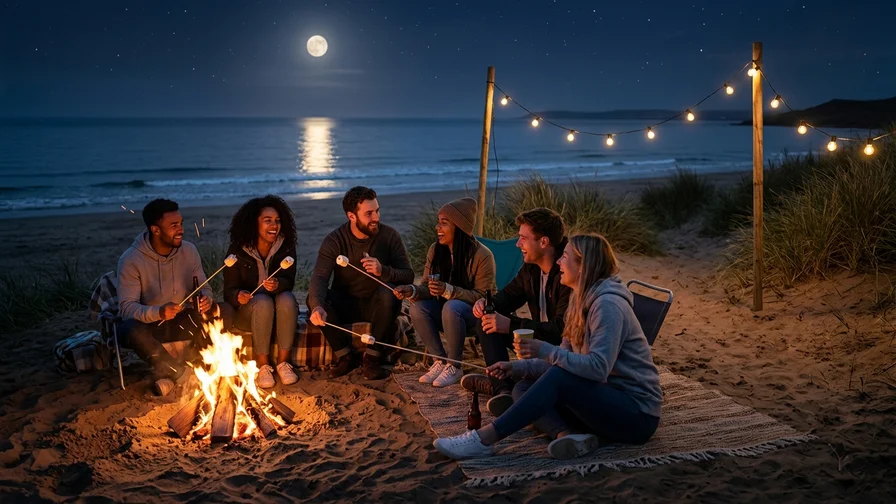
- LNT (Leave No Trace): use eco-friendly gear, cut down on disposables, and minimize your impact on nature. As the number of campers has surged rapidly, environmental damage and litter have become an issue, making this principle even more important.
Wrapping Up — Decide Your Style First, Then Set Off
Camping in Korea has the appeal of letting you enjoy forests, beaches, and rivers and lakes all within a single country. That said, if you’re a foreigner, just remember two things before you head out. First, for bookings, national parks have an English portal (reservation.knps.or.kr/foreigner), while recreation forests are Korean-only. Second, light fires only in permitted cooking areas.
If you don’t have gear, the easiest way to start is with glamping or a fully equipped private campsite. Specific topics like gear, food, pets, and car camping are explored in greater depth in the linked articles below. Pick the camping style that suits you and make some great memories in Korea’s nature. Find more Korea travel information at Come On Korea.