Best Korean BBQ in Seoul — Gangnam, Itaewon & Jongno Picks
목차
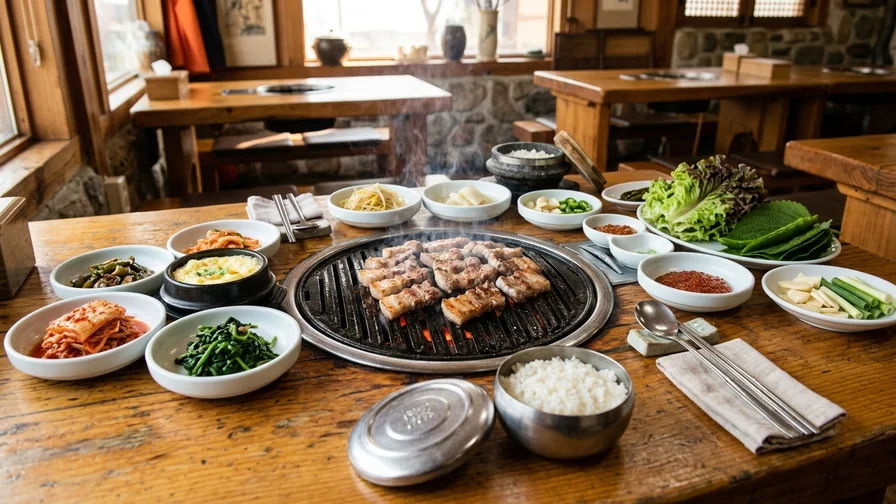
This guide is for first-time international travelers heading to a Korean BBQ restaurant, or “gogijip,” in Seoul. Along with vetted spots across three districts (Gangnam, Itaewon, and Jongno), it walks you step by step through exactly what happens from the moment you step through the door until you pay: the culture of staff grilling your meat for you, how to wrap and eat ssam, soju pairings, and the two-serving minimum order rule. Bring this article along and you’ll be set right through ordering.
Key Information at a Glance
- Budget sense: At a regular Korean BBQ restaurant, KRW 25,000–45,000 per person (meat + drinks + a closing meal); premium Hanwoo runs KRW 100,000 and up per person
- Ordering rule: Meat is ordered by the “inbun” (serving), and the first order is usually 2 servings or more. See the main text for solo-traveler alternatives
- Meal flow: Meat first, then finish with doenjang-jjigae or naengmyeon; side dishes are refilled for free
- No need to worry: At many restaurants the staff grill the meat for you, there’s no tipping, and ordinary restaurants have no table-setting charge
- Information basis: Prices and hours in this article are as of June 2026, with currency conversions at roughly USD 1 = KRW 1,500
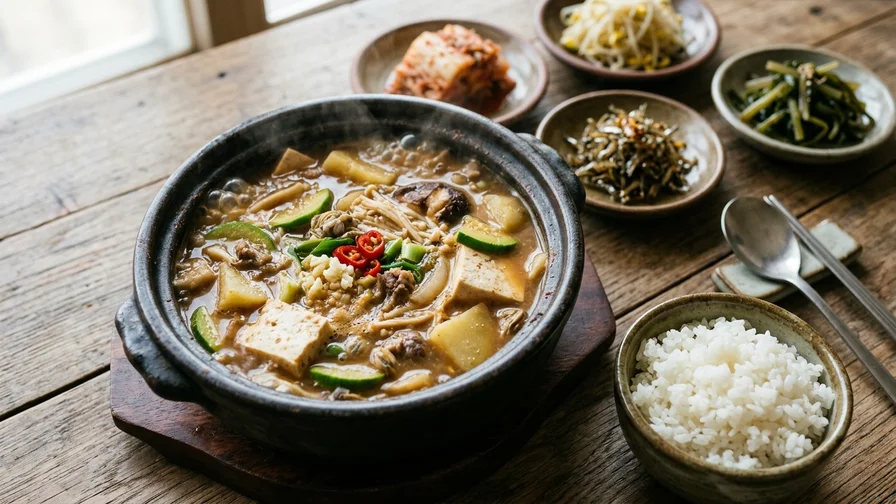
The Basics for Travelers: What to Know Before Visiting a Korean BBQ Restaurant
Most Korean BBQ restaurants run in much the same way. Know these eight things and you won’t be caught off guard at any spot you walk into.
1. Budget: The Cost of a Meal
At a typical Korean BBQ restaurant, a meal for one adult comes to between KRW 25,000 and 45,000, including meat, drinks, and a meal item (rice, naengmyeon, and so on). Premium Hanwoo specialty restaurants start at KRW 100,000 and up per person. The average price of samgyeopsal when dining out in Seoul has climbed to about KRW 21,000 per serving (200g) as of early 2026, based on Korea Consumer Agency reference prices. You can check real-time average prices at price.go.kr.
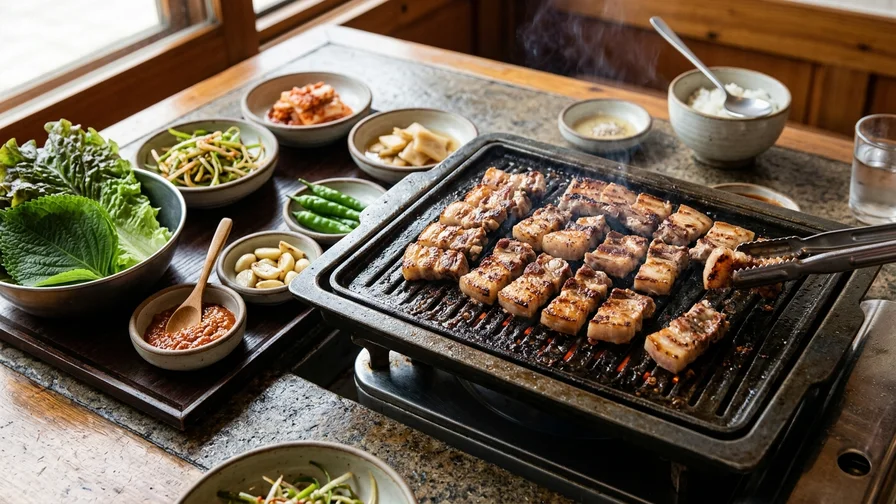
- Pork: KRW 14,000–22,000 per serving (150g–200g) (approx. $9–$15)
- Beef (imported): KRW 20,000–35,000 per serving (150g) (approx. $13–$23)
- Hanwoo (Korean Beef): KRW 40,000–90,000 per serving (150g) (approx. $27–$60); varies widely by grade and cut
- Alcohol: A bottle of soju or beer at a restaurant runs KRW 5,000–8,000 (approx. $3.30–$5.30)
- Side Meals: doenjang-jjigae (soybean-paste stew), a bowl of rice, and the like run KRW 3,000–10,000, while naengmyeon (cold noodles) runs KRW 10,000–15,000
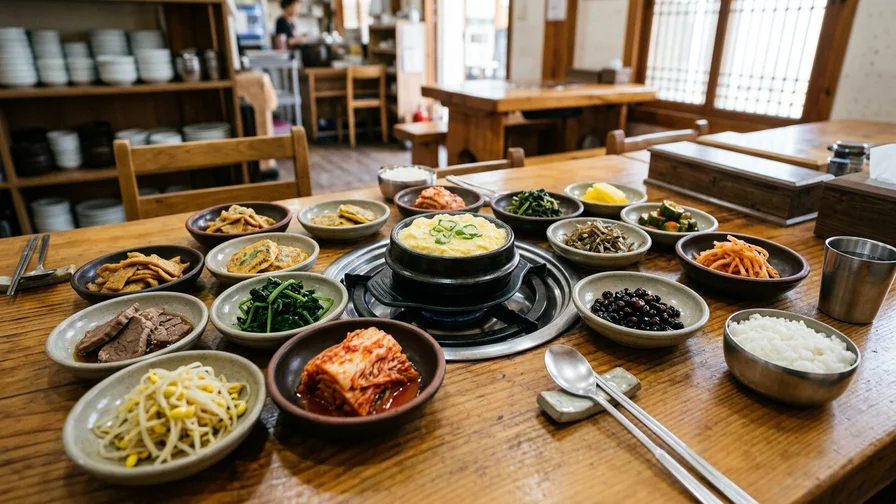
The basic side dishes (banchan) are free and refillable. Tax is already included in the menu prices.
2. Reservations: Whether You Need Them and How to Book
Many places will seat you without a reservation before 6 p.m. on weekdays or for weekend lunch. On Friday and weekend evenings (18:00–20:00), waits can get long, so a reservation is recommended.
- Catchtable: Korea’s leading restaurant-reservation app. International travelers can use the global version, Catchtable Global. You can sign up with a Google or Apple account without a Korean phone number and pay with a foreign-issued credit card, with English, Japanese, and Chinese support (as of June 2026).
- Naver Booking: The most common reservation system in Korea, but the interface is in Korean by default. Search for the restaurant in the Naver Map app and tap the “Reserve” button to proceed.
- Phone reservations: Asking your hotel concierge is the surest route.
3. Ordering: The “Inbun” Unit, the Two-Serving Minimum, and Solo-Traveler Options
Meat is ordered by the “inbun” (serving). One serving is usually 150g–200g. At most restaurants the first order must be at least 2 servings. This custom grew out of the cost structure of firing up the grill and lighting the charcoal, so if there are two of you, order 2 servings of samgyeopsal, or mix it up with 1 serving of samgyeopsal plus 1 serving of moksal (pork shoulder).
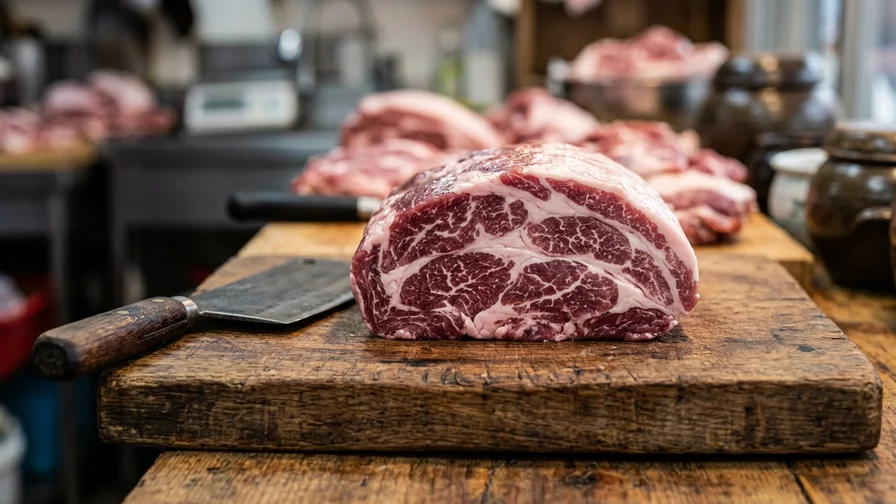
If you’re traveling alone, you have three options.
- Hon-gogi restaurants: Single-grill spots with solo seats, each with its own brazier. Search “hon-gogi” (solo grilling) in a map app and you’ll find them in Seoul’s major commercial areas.
- Butcher restaurants (jeongyuk sikdang): Buy as much as you want from the butcher (small portions of 200–300g are fine), pay only a seating fee, and grill it yourself. See the Majang Meat Market section below.
- Single-plate meat dishes: You can also enjoy meat as a single-serving meal, like the yukhoe bibimbap at a Hanwoo restaurant. See Saebyukjip below.
The meal flow is set too: finish all your meat first, then order doenjang-jjigae with a bowl of rice, or naengmyeon, to close out the meal; that’s the Korean way. There’s no need to order the meal items all at once from the start.
4. Staff Grill It for You: The Grilling-Service Culture
At Korean BBQ restaurants, it’s common for the staff to come to your table and grill the meat for you. At Hanwoo specialty restaurants, a dedicated staff member grilling everything to its best from start to finish is standard service, and even ordinary samgyeopsal places often help with the first round and the scissor-cutting before stepping away. There’s no extra charge or tip, so don’t feel self-conscious about it. If you think you might miss the timing, it’s perfectly fine to call a staff member over for help.
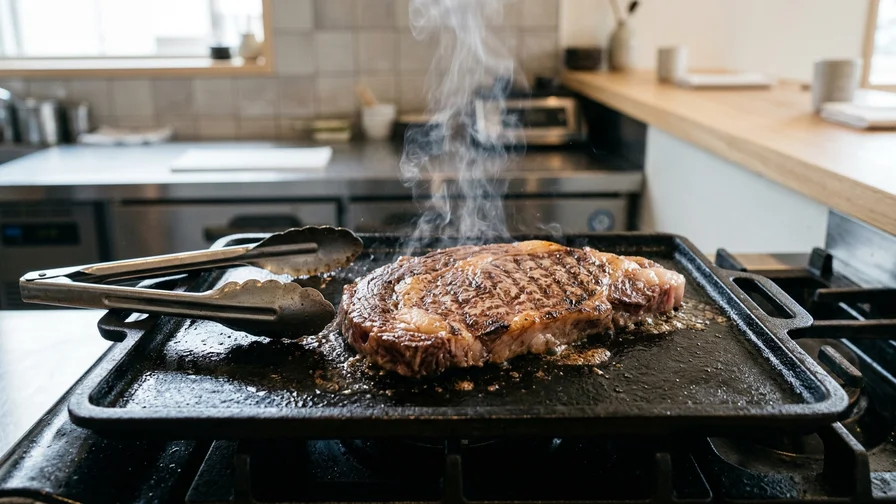
The scissors and tongs on the table are standard tools at a Korean BBQ restaurant. You grill the meat in a whole piece, then once it’s done you grab it with the tongs and snip it into bite-size pieces with the scissors. It’s faster than a knife and cutting board, and you can cut it right on the grill. When the side dishes run out, press the call button at your table or hold up the plate to a staff member, and they’ll refill it for free.
5. How to Wrap and Eat Ssam: Step by Step
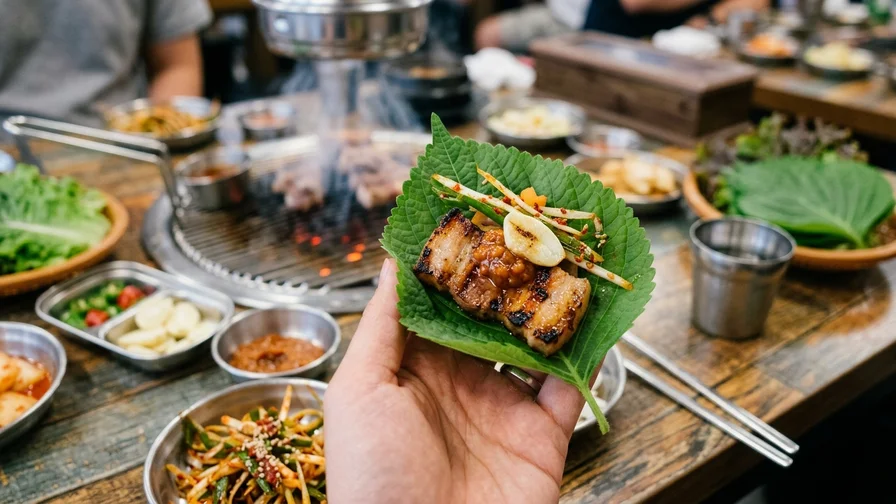
Wrapping grilled meat in vegetables and eating it in one bite, known as “ssam,” is what completes Korean barbecue.
- Place one or two lettuce leaves on your palm, and if you like, a perilla leaf on top.
- Dip a piece of meat lightly in ssamjang (a dipping sauce based on doenjang) and set it on top.
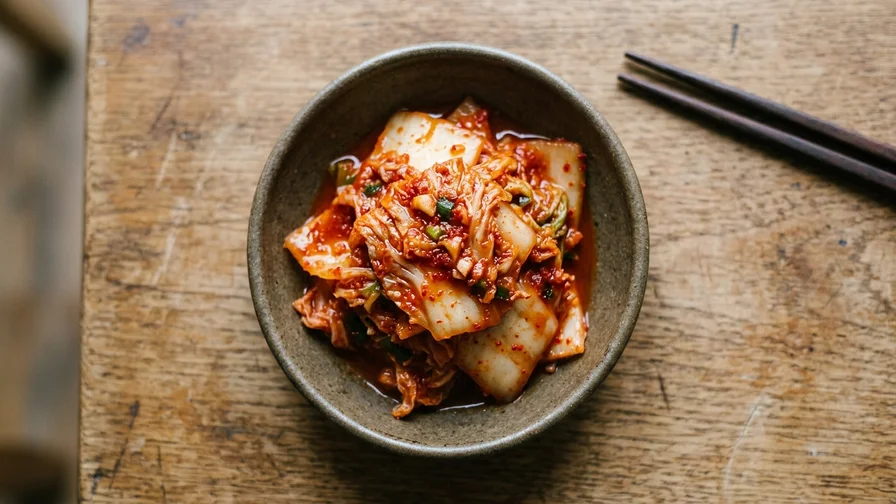
- Add as much as you like from the table’s accompaniments: grilled garlic, sliced scallions, grilled kimchi, and more.
- Wrap it up so nothing falls out and eat it in one bite. In the Korean style, you don’t take a bite out of ssam; you eat it whole.
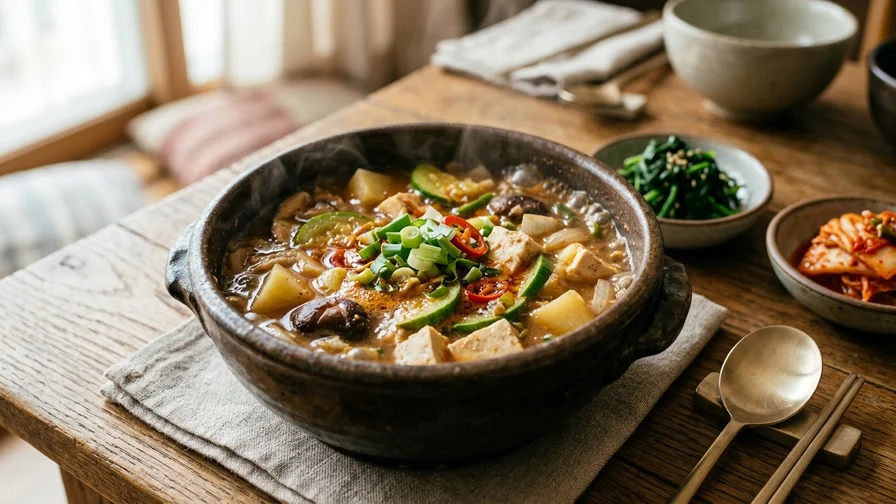
6. Drink Pairings: Soju, Beer, and Somaek
- Soju: The nation’s partner to samgyeopsal. A distilled spirit of 16–20% ABV that cleanly cuts through the richness of the fat. About KRW 5,000 a bottle at a restaurant.
- Maekju (Beer): A safe choice. Cass and Terra are the most common domestic lagers.
- Somaek: A mix of soju and beer, a classic of Korean group dinners. The standard ratio is roughly 1 part soju to 3 parts beer in a beer glass. You’ll see neighboring tables mixing up glasses and passing them around.
- For non-drinkers: Cider (a Sprite-style soda in Korea) or sparkling water makes a non-alcoholic alternative that cuts through the richness.
Ordering Phrase Box (Show This to the Staff)
“삼겹살 2인분 주세요” — Samgyeopsal i-inbun juseyo = Two servings of pork belly, please.
“이거 더 주세요” — Igeo deo juseyo = More of this (side dish), please.
“지금 구워 주실 수 있나요?” — Jigeum guwo jusil su innayo? = Could you grill this for us now?
“된장찌개 하나랑 공기밥 두 개 주세요” — Doenjang-jjigae hanarang gonggibap du gae juseyo = One soybean-paste stew and two bowls of rice, please.
7. Payment: No Tip, No Table-Setting Charge
There’s no tipping culture at Korean restaurants. The menu price is the final amount you pay, with no separate service charge or seating fee. Ordinary Korean BBQ restaurants have no “table-setting charge.” That charge applies only in special cases, like at Majang Meat Market, where you bring in meat bought elsewhere (see the section below). You usually pay at the counter by the entrance, and foreign credit cards such as Visa and Mastercard are accepted.
8. Getting Around, the Smell, and Dietary Restrictions
Taxis: You can sign up for the Kakao T app with a foreign phone number, but you can’t register a foreign card for in-app auto-payment. After hailing a ride, choose the “Pay to driver” option and you can pay with a foreign credit card or cash on arrival. There’s also k.ride, KakaoMobility’s app for foreigners that lets you sign up and set up auto-payment with a foreign number and a foreign card (as of June 2026). If you get stuck with directions or communication, the Korea Tourism Organization’s foreign-language travel hotline, 1330 (from overseas, +82-2-1330), offers 24-hour interpretation help.
The smell on your clothes: At charcoal grill restaurants, the smell soaking into your clothes is just the reality. Many places provide plastic covers or storage for your outerwear and fabric deodorizer near the exit, so look for them as you come in. The better the ventilation (a duct hood at every table), the less of an issue it is.
Diet and religion: Most of the restaurants in this article are pork-centered, and halal-certified BBQ restaurants are rare in ordinary commercial areas. For Muslim travelers, the cluster of halal restaurants around the Seoul Central Mosque in Itaewon is the practical alternative. Even at beef specialty restaurants, cross-contamination from sharing the same grill and tongs is hard to avoid, so use your own judgment. Be aware of hidden ingredients too: doenjang-jjigae broth often contains anchovy or beef, and kimchi usually contains fermented seafood, so if you have a seafood allergy or are vegetarian, check before ordering.
A District-by-District Guide to Recommended Korean BBQ Restaurants
Here’s a list of vetted restaurants in three districts of Seoul with distinct characters: Gangnam, Itaewon, and Jongno. They were chosen for accessibility for international travelers and how easy the menus are to understand. Addresses, hours, and prices are as of June 2026.
1. Gangnam: Modern and Lively
Gangnam is Seoul’s commercial hub, with a wide range of dining choices and relatively easy access to places with English menus. From budget-friendly franchises to Michelin Guide-listed Hanwoo specialty restaurants, it has the broadest spectrum of any neighborhood.
Saemaul Sikdang — A Value-Friendly Pork Franchise
Saemaul Sikdang 📍 is a large franchise known for affordable grilled pork. Its signature dishes are “Yeoltan Bulgogi” (thinly sliced pork tossed in a spicy sauce and grilled) and “7-minute Pork Kimchi-jjigae,” boiled for a full seven minutes. With a lively atmosphere and plenty of international visitors, it’s an easy choice for your first Korean BBQ restaurant experience. Because franchise locations change often, check the store finder on the official site (newmaul.com) for the nearest branch and its hours before you go; there are branches around Gangnam as well.
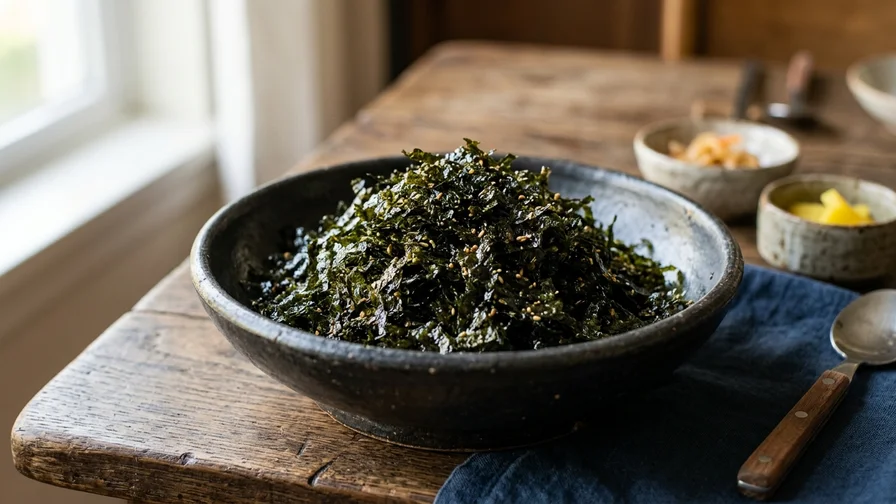
Editor’s Tip: Order the “7-minute Pork Kimchi-jjigae” and it comes with rice and gim-garu (seaweed flakes). Pour the stew over the rice and mix it with the gim-garu. It’s perfect as a closing meal after you’ve finished the meat.
| Menu | Price in KRW | Price (USD, approx.) |
|---|---|---|
| Yeoltan Bulgogi – 1 serving | KRW 10,900–11,900 (varies by flavor) | $7–$8 |
| 7-minute Pork Kimchi-jjigae | KRW 8,000 | $5.30 |
| Korean Pork Belly – 1 serving | KRW 15,000 | $10 |
Prices are based on the official June 2026 menu and may vary by branch.
Hanwoo Restaurants in Cheongdam-dong and Apgujeong
If you want to experience top-grade Hanwoo, head to the Cheongdam-dong and Apgujeong area. At the Hanwoo specialty restaurants in this neighborhood, grilling service is standard, with a dedicated staff member grilling the meat to its best from start to finish, so all you have to do is sit back with your glass and wait. Here are two vetted standouts.
- Samwon Garden 📍: Opened in 1976, it’s synonymous with Hanwoo galbi and is listed in the Michelin Guide Seoul. Fresh Hanwoo galbi runs around KRW 120,000, fresh Hanwoo sirloin around KRW 85,000, and marinated galbi around KRW 110,000. Address: 835 Eonju-ro, Gangnam-gu, Seoul. Weekdays 11:30–21:30 (break 14:30–17:30), weekends 11:00–21:00. Reservation recommended.
- Saebyukjip 📍: A 24-hour, year-round Hanwoo restaurant in Cheongdam-dong. 1++ Hanwoo flower sirloin (150g) is KRW 85,000. If you’re on your own, yukhoe bibimbap (bibimbap topped with fresh raw beef) at KRW 16,000 works as a single-serving meal, making it useful for solo travelers too. Address: 6 Dosan-daero 101-gil, Gangnam-gu, Seoul.
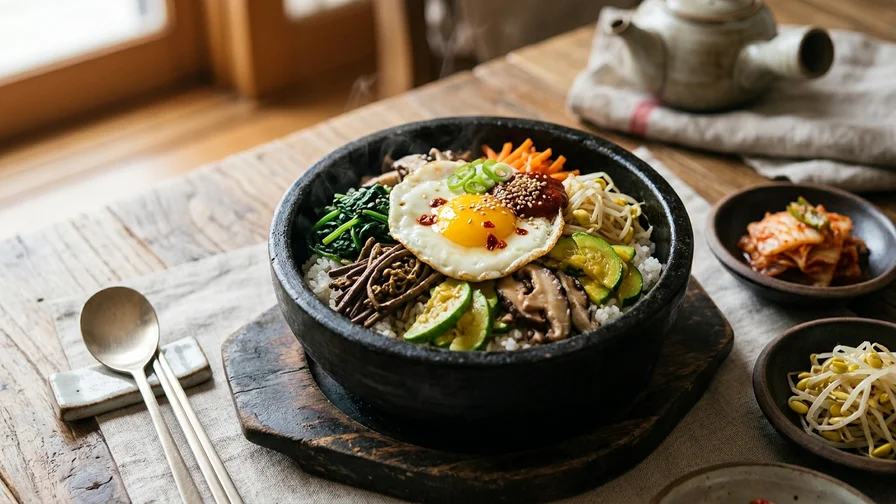
For a course-based high-end Hanwoo dining experience, budget KRW 150,000 and up per person, and the simplest way to book is to search “Cheongdam” or “Hanwoo” in the Catchtable Global app.
2. Itaewon: Foreigner-Friendly and International
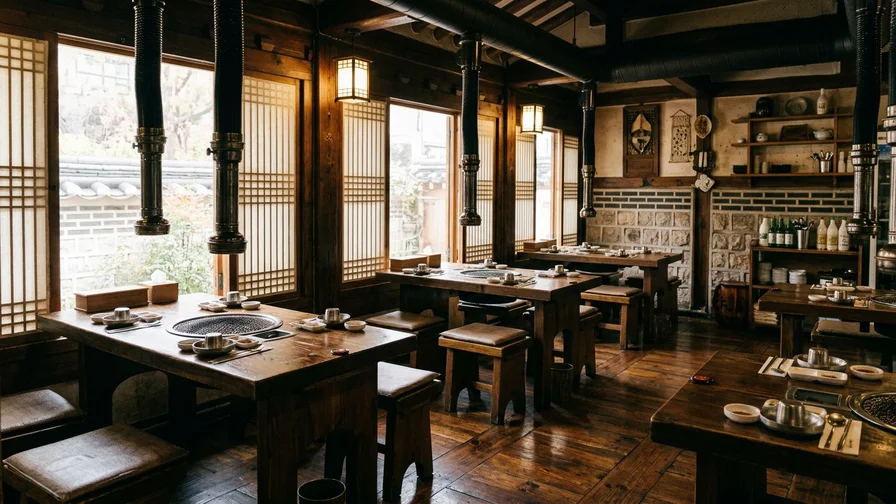
Itaewon is the most international district in Seoul, with most restaurants offering English menus and plenty of English-speaking staff. It’s the neighborhood with the lowest barrier to entry for Korean BBQ beginners.
Maple Tree House Itaewon
Maple Tree House Itaewon 📍 is a charcoal grill restaurant thoughtfully designed for international visitors. It’s on the second floor of the Hamilton Hotel annex, and thanks to a service where staff grill the meat for you over the brazier and per-table ventilation, there’s little worry about the smell soaking into your clothes. It offers both Hanwoo and Jeju black pork on the menu, along with a wine list. Prices run above average, but it stays consistently popular for its comfortable setting and easy communication.
| Menu | Price in KRW | Price (USD, approx.) |
|---|---|---|
| Aged Hanwoo Sirloin (150g) | KRW 62,500 | $42 |
| Maple Galbi (Marinated Beef Rib, 350g) | KRW 64,500 | $43 |
| Jeju Black ogyeopsal (Jeju Black Pork Belly, 150g) | KRW 23,900 | $16 |
| Thin-Sliced Beef Brisket (180g) | KRW 21,900 | $14.60 |
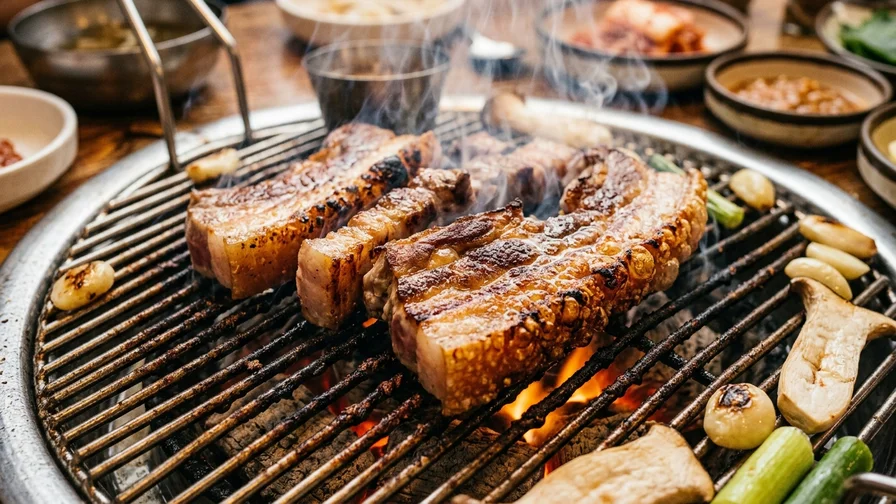
- Address: 26, Itaewon-ro 27ga-gil, Yongsan-gu, Seoul (2nd floor, Hamilton Hotel annex)
- Hours: Daily 11:30–22:00, weekday break 15:00–17:00, last order 21:30 (as of June 2026)
- Getting there: About a 3-minute walk from Exit 1 of Itaewon Station, Subway Line 6
3. Jongno: Tradition and History
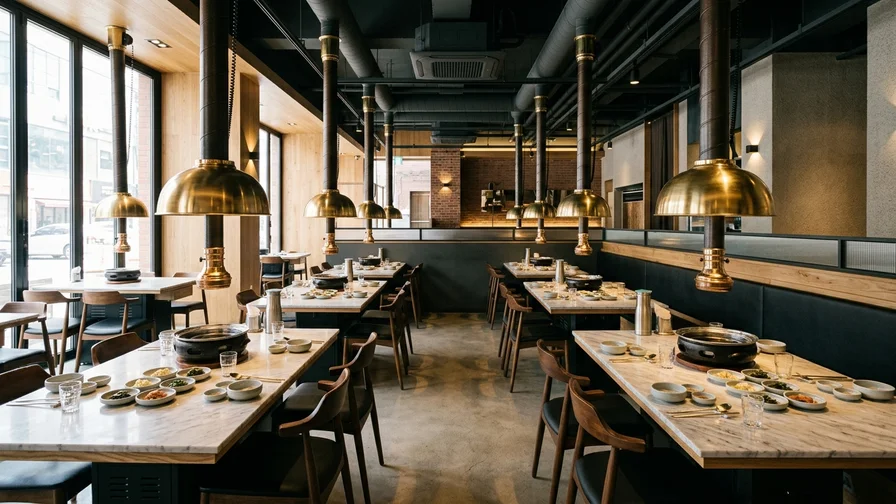
Jongno is a district where old palaces like Gyeongbokgung and Changdeokgung and aged alleyways coexist. There are many long-established eateries filled with office workers off the clock, and beyond grilled meat, it’s a great neighborhood to try two more of Korea’s popular pork dishes: bossam (boiled pork suyuk) and jokbal (pig’s trotters braised in a soy-based sauce).
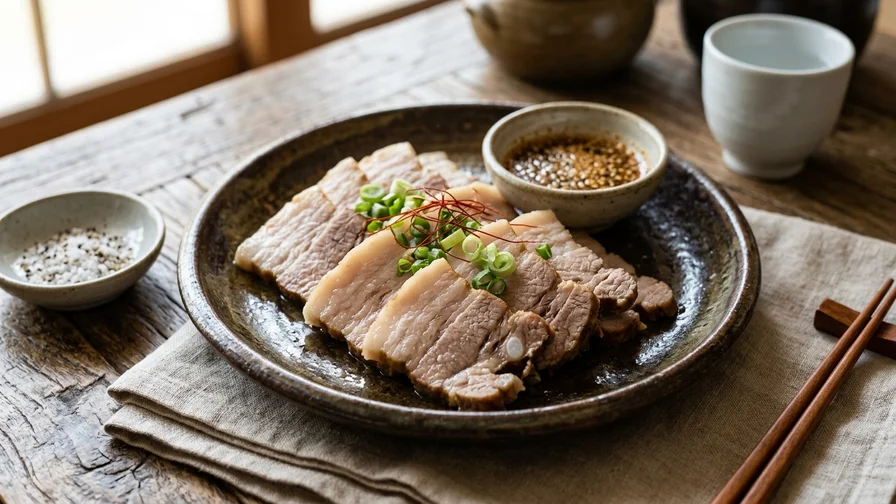
Janggun Gul Bossam
Near Jongno 3-ga Station there’s a “Bossam Alley” where bossam restaurants cluster together, and among them Janggun Gul Bossam 📍 is one of the most famous long-standing eateries, holding its spot for over 30 years. Bossam is boiled pork sliced thin, wrapped in napa cabbage or lettuce with kimchi and garlic. Since it isn’t grilled meat, it’s low in fat and tender, making it a good fit even for those who find grilling a bit much. This place is known for serving gamjatang (pork backbone hangover stew) and stir-fried squid on the house when you order bossam.
Editor’s Tip: Bossam is ordered by size (small/medium/large). “Small” suits two people, while “Medium” works for three to four. Gul-bossam, which adds oyster, is in season from fall through winter at a price similar to regular bossam. If you’re not used to seafood, regular bossam is the safe choice.
| Menu | Price in KRW | Price (USD, approx.) |
|---|---|---|
| Bossam – Small | KRW 29,000 | $19 |
| Bossam – Medium | KRW 38,000 | $25 |
| Bossam – Large | KRW 45,000 | $30 |
- Address: 22, Supyo-ro 20-gil, Jongno-gu, Seoul
- Hours: Daily 11:30–23:00, open year-round (as of June 2026)
- Getting there: About a 3-minute walk from Exit 15 of Jongno 3-ga Station, Subway Lines 1, 3, and 5
Special Recommendation: Majang Meat Market
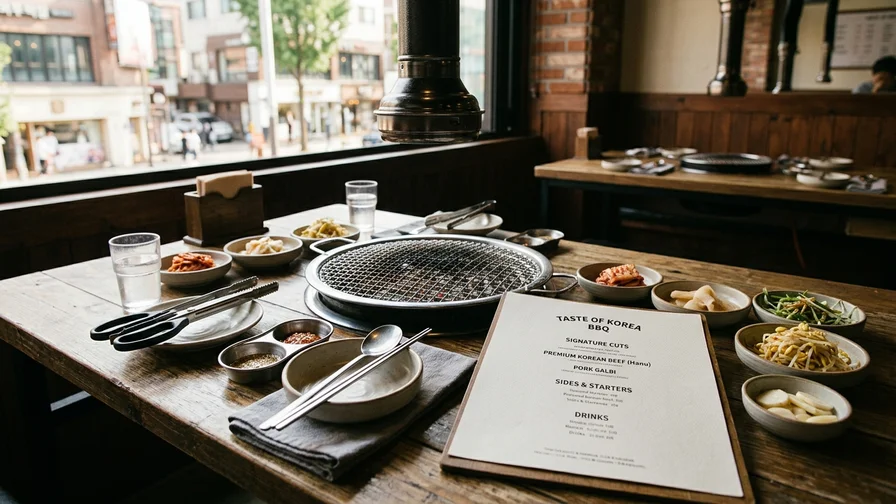
The cheapest way to eat quality Hanwoo is at Majang Meat Market. It’s the largest livestock market in Seoul, with a unique system where you pick out your meat at a butcher shop and then grill it at a restaurant inside the market (a “chojang-jip”). Because you buy the meat at butcher retail prices with no restaurant markup and pay only a table-setting charge, you can enjoy the same grade of Hanwoo for far less than at an upscale restaurant.
How It Works
- Buy the meat: Pick one of the butcher shops in the market and choose your cut of Hanwoo, whether sirloin, tenderloin, or striploin. You can ask for small portions (200–300g) by word, which is handy for solo travelers.
- Move to the restaurant: The butcher you bought from will direct you to its affiliated chojang-jip, usually on the second floor of the market building.
- Pay the table-setting charge: The restaurant charges a per-person “sangcharim-bi” (table-setting charge). It’s usually around KRW 5,000–8,000 (approx. $3.30–$5.30) and varies by restaurant, so check before you sit down (as of June 2026). This covers the charcoal and the basic side dishes (kimchi, wrapping greens, sauces).
- Eat: Grill the meat you bought yourself, and order rice, stew, and drinks separately from the restaurant, paying the restaurant for those.
The lively market atmosphere is a bonus. For meat-loving travelers, it can be the most memorable meal in Seoul.
- Location: Around 53, Majang-ro 33-gil, Seongdong-gu, Seoul
- Hours: The market runs from around 4 a.m. to around 7 p.m. (varies by shop), while the chojang-jip restaurants usually stay open into the night. Hours vary by shop, so checking before a late visit is recommended (as of June 2026)
- Getting there: About a 7-minute walk from Exit 2 of Majang Station, Subway Line 5