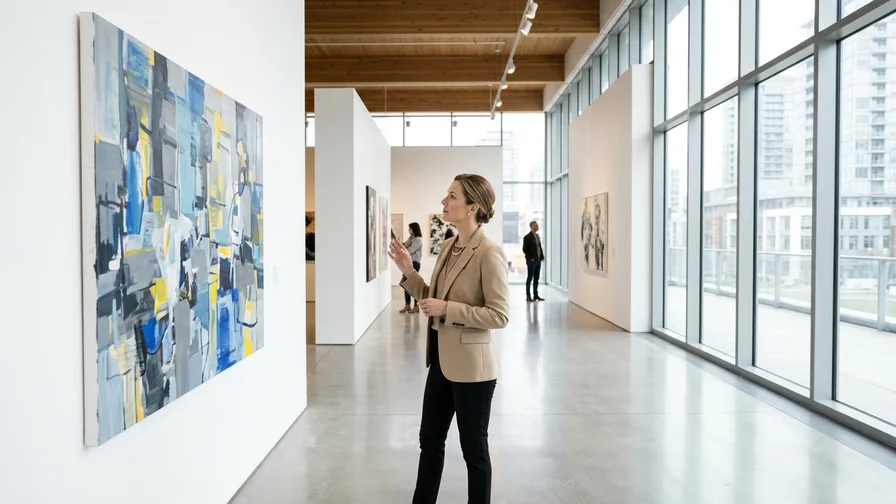
Art in K-Dramas, Where Beauty Meets Big Money
목차
- Art in K-Dramas: A Story Beyond Mere Props
- The Role of Appraisers and Curators: Balancing Artistic Value and the Market
- Art Trends Created by K-Dramas: Art Rediscovered by the Public
- Buying and Using Art from Dramas: From Collecting to Interior Design
- The Dynamism of Korea’s Art Market: The Reality and Future That Dramas Reflect
Key Takeaways
- Art completes a drama’s narrative: In K-dramas, art is more than a backdrop—it mirrors a character’s inner world, foreshadows plot twists, and adds depth to the story. Every drama cited in this article is real, with its broadcaster and year noted.
- A world of specialists: Curators, art appraisers, and gallerists are portrayed as figures balancing artistic value against market logic—and in Korea, a national certification system for curators (haksaesa) genuinely exists.
- From the screen to the scene: From real venues like the Leeum Museum of Art, MMCA Seoul, and Gana Art Center to the auction previews at Seoul Auction and K-Auction, all the way to Kiaf SEOUL in September—we’ve mapped out an itinerary international travelers can actually follow, complete with operating details (as of June 2026).
The lush visuals of K-dramas aren’t built on acting and stylish directing alone. Sometimes a single painting drifting across the screen, or a lone sculpture, becomes a symbol that runs through the entire story. As characters who straddle the line between art and business—curators, gallerists, art appraisers—take the lead, the world of art in K-dramas has grown deeper and richer. In this article, we’ll guide you through Korea’s art scene as seen through these dramas, along with the museums and auction venues that fans can actually visit. For a full map of the many professions featured in K-dramas, check out “Exploring Jobs in K-Dramas.”
Art in K-Dramas: A Story Beyond Mere Props
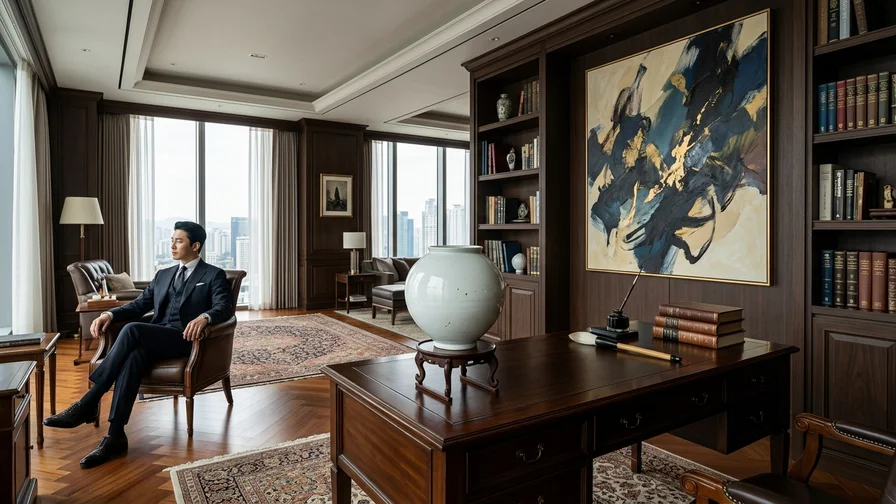
In K-dramas, artworks are no longer painted purely as luxuries of the wealthy. They function as powerful narrative devices—serving as a medium that hints at a protagonist’s painful past, or as the spark that ignites conflict between characters. The colors and composition of a painting, even the artist’s background, intertwine with a character’s psychology to heighten immersion.
Korean Contemporary and Classical Art, Rediscovered Through Drama
By featuring works by real Korean artists on screen, many K-dramas have acted as a gateway, introducing foreign viewers to Korean art that was once unfamiliar to them.
- The artistic worlds of Korean abstract masters like Kim Whanki and Park Seo-bo are talked about anew alongside these dramas, and a steady stream of emerging artists have gained attention thanks to on-screen exposure.
- This interest naturally leads to museum and gallery visits, broadening the base of K-art—where to go is covered in the practical guide later in this article.
- If you’re curious about another world of creativity, be sure to also read “The Birth of a Webtoon Artist in K-Dramas.”
How Art Reveals a Character’s Identity
The art a character owns or prefers is the most effective visual language for revealing their social status, taste, and values. A refined conglomerate chairman’s office might be hung with classical art or Dansaekhwa (Korean monochrome painting), while the studio of a free-spirited artist is filled with experimental installations and bold pop art. From these visual cues alone, viewers can intuitively read a character’s identity without a single line of dialogue.
The Role of Appraisers and Curators: Balancing Artistic Value and the Market
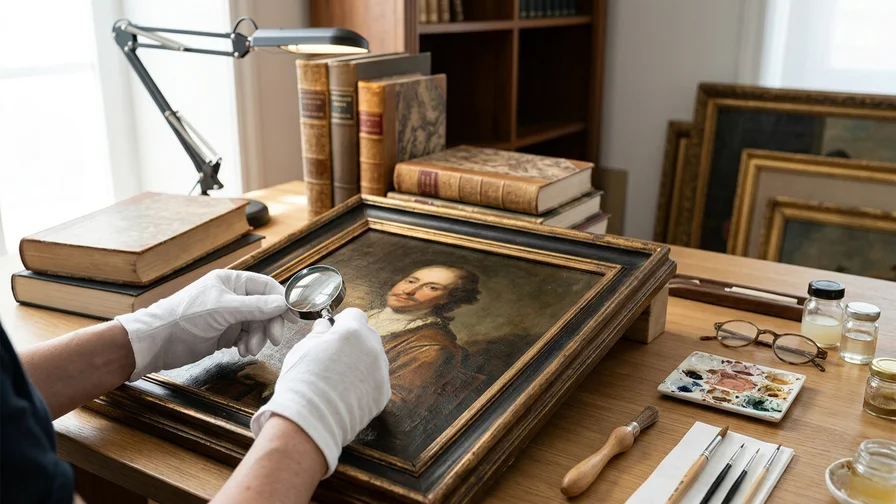
Stories surrounding art in K-dramas often shine a light on the world of experts who authenticate high-value works or plan exhibitions. With sharp eyes and deep knowledge, they protect the value of art while operating at the center of an art market governed by business logic.
From Forgery Scandals to Auctions: The World of Art Appraisal
In mystery dramas, art forgery scandals and the intrigue surrounding genuine works are perennial subjects. Appraisers determine authenticity through a complex process that combines scientific analysis, study of an artist’s style, and tracing a work’s ownership history (provenance). The way a work’s fate and price hinge on their judgment offers viewers intellectual thrills while revealing the underbelly of the art market.
Korea’s real-world auction scene, off the screen, is dramatic enough in its own right (as of June 2026):
- Seoul Auction: Holds regular auctions at its headquarters in Pyeongchang-dong, Jongno-gu, and at its Gangnam Center. At a March 2026 special auction, Yoshitomo Nara’s painting “Nothing about it” (2016) sold for 15 billion won, setting a new record for the highest price for an artwork at a domestic auction. Check the auction schedule on the official site.
- K-Auction: One of the two major auction houses, based at its headquarters in Sinsa-dong, Gangnam-gu. Its May 2026 auction featured 83 works—including pieces by Park Soo-keun, Kim Whanki, and Do Ho Suh—worth roughly 10.4 billion won. See the schedule on the official site.
- Both houses display their consigned works in the exhibition hall during the preview period before each auction—a rare chance to see works worth tens of billions of won up close at little to no cost. Before visiting, check the preview schedule and viewing conditions on the official sites.
Exhibition Planning and Public Engagement: A Curator’s Mission
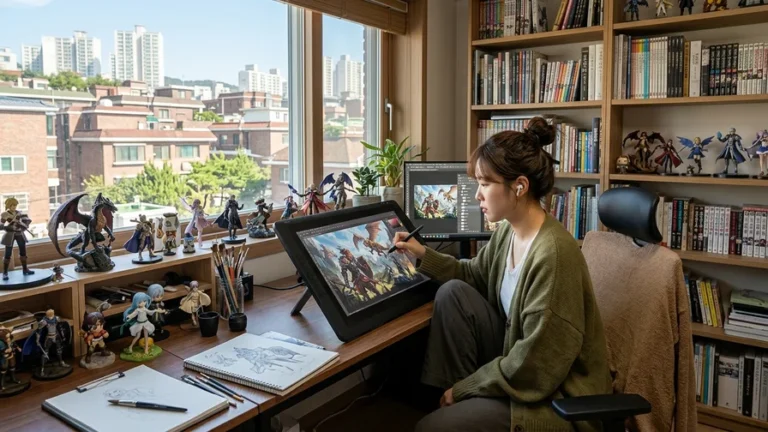
In “Her Private Life” (tvN, 2019), Sung Deok-mi (played by Park Min-young) is a senior curator at an art museum. As the drama shows, a curator is not someone who hangs works on a wall but a “translator of art”—someone who deeply researches themes and artists to craft an exhibition’s concept and story, helping audiences connect with the work. “Dali and the Cocky Prince” (KBS2, 2021) turns the realities of running a museum—financial trouble, securing sponsorship, planning exhibitions—into a romantic comedy, as art elite Kim Dal-li (played by Park Gyu-young) takes over a museum. The production team put real effort into authenticity, even consulting actual curators to build the museum set.
In Korea, curator is genuinely a profession with a national certification system:
- Certifications are divided into associate curator and full curator (grades 1, 2, and 3), and the system is overseen by the National Museum of Korea (official information page).
- To become an associate curator, you must pass a written exam administered by the Human Resources Development Service of Korea and accumulate practical experience at an accredited institution (at least one year of employment and 1,000 hours).
- From grade 3 full curator and up, a degree and even longer practical experience are required—there’s a reason the senior curators in dramas are portrayed as such serious professionals.
Art Trends Created by K-Dramas: Art Rediscovered by the Public
Where art was once the domain of a select few, K-dramas have now become a powerful medium for lowering the barrier to entry. A single painting featured in a memorable scene becomes a hot topic on social media and goes on to fuel new consumer trends.
The Popularity of Paintings, Sculptures, and Installations in Dramas
- Works featured in dramas, or art prints in a similar style, often see a surge in sales at online art shops.
- A painting hung in a protagonist’s home inspires the DIY interior crowd and drives growth in the market for edition prints and art posters for those who can’t afford the originals.
- Art in K-dramas is a trend that moves beyond simple viewing into actual purchasing.
The Drama’s Role in Democratizing Art
K-dramas have made museums and galleries feel approachable to people who once found them intimidating. Watching characters appreciate works and discuss their meaning naturally sparks curiosity about art in viewers, which translates into rising exhibition attendance and creates a virtuous cycle that energizes the entire art market.
Buying and Using Art from Dramas: From Collecting to Interior Design
If a drama has opened your eyes to art, you can start a collection of your own. Here are some practical tips for beginner collectors who feel overwhelmed.
An Art-Buying Guide for Beginner Collectors
You don’t need to buy a pricey original from the start. Try beginning with the approaches below.
- Art prints and editions: The easiest way to own a famous artist’s work at a reasonable price. Prints with the artist’s signature and an edition number even hold collectible value.
- Discovering emerging artists: Buying works by promising up-and-coming artists at art fairs, graduation exhibitions, and online gallery platforms is a way to secure future value at a reasonable price.
- Art rental: If you’d like to try hanging various originals before buying, an art rental service is handy. Korea’s largest platform, Open Gallery, rents originals starting from around 30,000 won a month depending on the work’s size, swaps them out every three months, and lets you buy a piece you fall for with the rental fees deducted from the price (as of June 2026).
Editor’s Tip
If you want to see Korea’s entire art market in one go, September in Seoul is the answer. Kiaf SEOUL 2026 runs from September 2 to 6 at COEX (with 175 galleries from 18 countries), and during the same period, the global art fair Frieze Seoul takes place simultaneously. Check schedules and tickets on the official Kiaf site. If you’re traveling to Busan in May, Art Busan—held annually at BEXCO—is another great option. Simply chatting directly with gallerists and hearing them explain the works will broaden your eye.
Art Interior Tips Inspired by Dramas
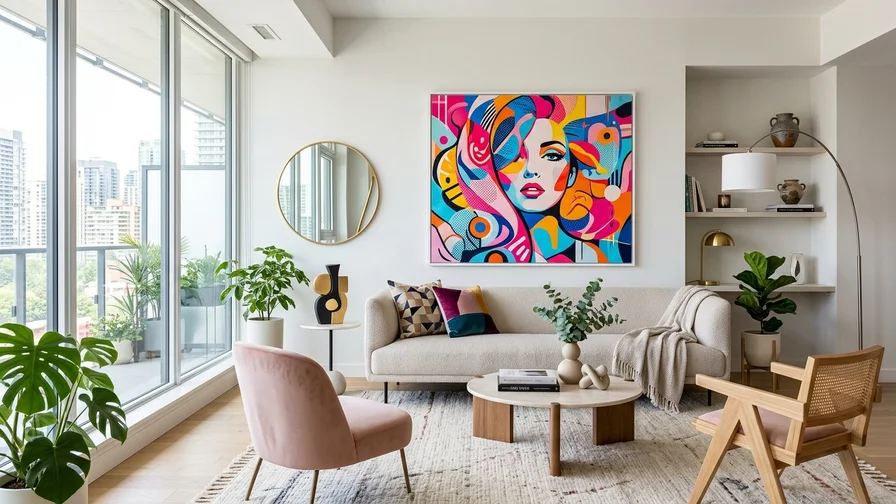
You don’t need elaborate preparation to fill your space with art like a drama protagonist’s home. Hanging a single boldly colored abstract poster on the empty wall above your sofa changes the whole mood, and even a small objet in an entryway corner paired with an art book on the living room table is enough to feel stylish.
If you’d like to encounter Korean art in person rather than on screen, start with these three places in Seoul (as of June 2026):
- Leeum Museum of Art (Hannam-dong, Yongsan-gu): A private museum run by the Samsung Foundation of Culture, spanning everything from classical to contemporary art. Permanent exhibitions are free; special exhibitions are ticketed. Open 10:00–18:00, closed every Monday and on January 1, Lunar New Year, and the Chuseok holiday. Online reservations are available on the official site starting 14 days before your visit—popular special exhibitions sell out fast, so book early.
- MMCA Seoul (National Museum of Modern and Contemporary Art) (Samcheong-ro, Jongno-gu, next to Gyeongbokgung Palace): The heart of Korean contemporary art. Open 10:00–18:00, with extended hours until 21:00 on Wednesdays and Saturdays, and free admission from 18:00 to 21:00. An integrated ticket costs 10,000 won (when three or more ticketed exhibitions are running), and admission is free for those 24 and under and 65 and over. Closed on January 1, Lunar New Year, Chuseok, and the first Tuesday of June, September, and December—see the official site for details.
- Gana Art Center (Pyeongchang-dong, Jongno-gu): The flagship commercial gallery of Pyeongchang-dong, a gallery district at the foot of Bugaksan. Open 10:00–19:00, with closures during exhibition changeovers, so check the current show on the official site before visiting. It’s in the same neighborhood as Seoul Auction’s headquarters, making it easy to pair into a gallery-walk route.
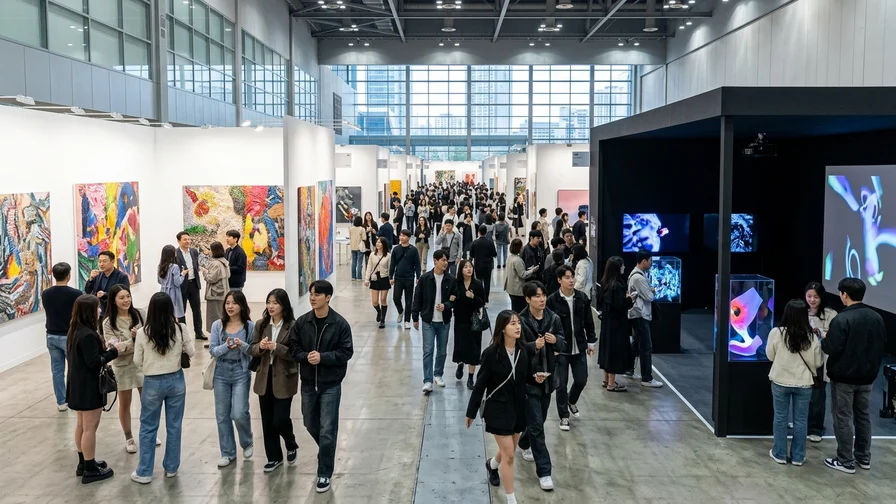
The Dynamism of Korea’s Art Market: The Reality and Future That Dramas Reflect
K-dramas are more than fiction—they’re also a mirror reflecting the reality and potential of Korea’s art market as of 2026. As K-art draws global attention in the wake of K-pop and K-cinema, the art market is moving more dynamically than ever before.
The K-Art Boom and the Rise of MZ-Generation Collectors
The most striking feature of Korea’s recent art market is the emergence of the MZ generation as a major collector base. Unlike older generations, they prize their own taste and individuality, and they’ve come early to recognize the value of art as an investment. Young gallery directors and emerging collector characters appear frequently in dramas, too—a realistic reflection of the generational shift in the art market.
The Growth of Online Art Platforms and the Role of Dramas
Where art transactions were once centered on offline galleries, online platforms and social media now play an important role. Viewing and buying works online has become commonplace, and even after the bubble burst on the once-overheated NFT digital art market, some artists and platforms continue to pursue new experiments. There’s every chance that future K-dramas will tap into these tech trends to depict new forms of art crime or virtual galleries.
In conclusion, the world of art in K-dramas has become more than a spectacle—it’s a text for reading Korea’s cultural and economic currents. If a drama has drawn you into the charm of art, now is the time to open a gallery door yourself and experience the K-art scene firsthand, right down to September’s art fairs and auction previews. If you’re curious about the more diverse worlds of the professionals in K-dramas, you can find out more in Exploring Jobs in K-Dramas.