The Truth That Evidence Tells — Forensic Science in K-Crime Dramas
목차
Key Takeaways
One pillar of K-crime dramas’ popularity is ‘forensic science.’ Here’s what this article covers:
- How autopsies, DNA analysis, toxicology, and profiling are portrayed in dramas — illustrated with real titles like Sign (SBS 2011), Partners for Justice (MBC 2018), Signal (tvN 2016), Voice (OCN 2017), and Through the Darkness (SBS 2022)
- The real institution behind the dramas — what the National Forensic Service (NFS) actually is
- The line between scientific accuracy and dramatic license — what’s real and what’s been compressed
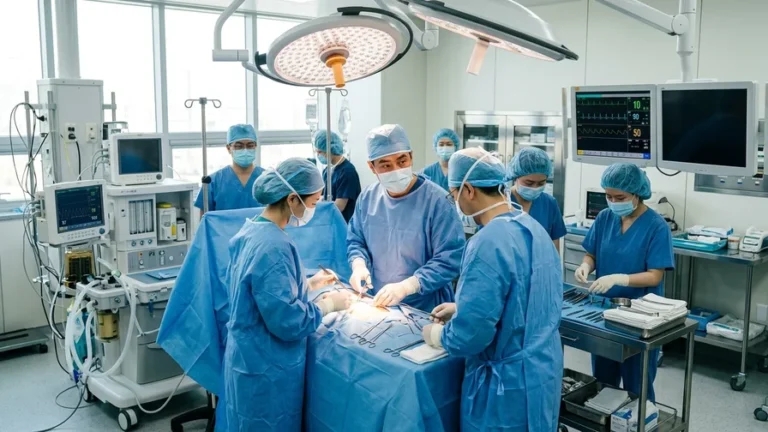
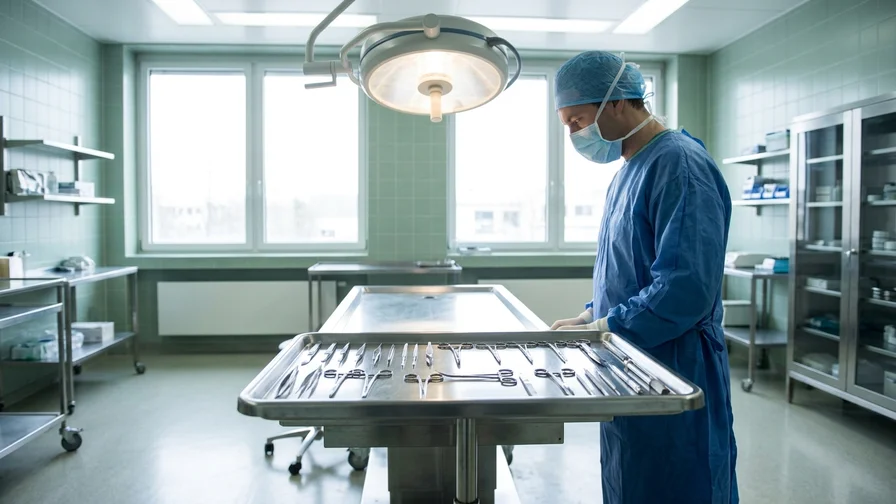
An autopsy room bathed in cold light, hidden truths revealed beyond the edge of a sharp scalpel. When you watch a K-crime drama, it isn’t only the actors’ performances that make your heart race. It’s the power of forensic science, the discipline that completes the reconstruction of a case through ‘silent evidence.’ The multifaceted appeal of this genre is explored in depth in K-legal/crime dramas, and today we dig into its most scientific and meticulous world: forensic science.
Why Forensic Science Matters in K-Crime Dramas
In modern crimes that can’t be solved by deduction or intuition alone, forensic science provides objective and decisive evidence. K-crime dramas portray this process dramatically, delivering both intellectual satisfaction and the catharsis of justice served.
The Truth the Dead Tell
The victim says nothing, but their body still holds a story. Forensic science is the discipline of reading that story.
- Small wounds on the body, defensive marks, reactions to poison → clues that reconstruct the victim’s final moments
- The moment a forensic specialist in a drama looks up from a microscope and says, “The victim left one last clue” = a scene that distills the core philosophy of forensic science: protecting the dignity of the dead while uncovering the truth
Scientific Analysis Beyond the Five Senses
A veteran detective’s ‘gut feeling’ matters too, but in modern investigations the weight of scientific evidence is absolute. Reading the movements at a scene through bloodstain pattern analysis, or narrowing down a suspect by extracting DNA from a single strand of hair — that is the essence of scientific investigation.
The real institution that fills this role in Korea is the National Forensic Service (NFS). Here’s the basic information as of June 2026:
- A national agency under the Ministry of the Interior and Safety. Established in 1955 as the National Scientific Investigation Laboratory, it was elevated to a research service in 2010
- Its headquarters is not in Seoul but in Wonju, Gangwon Special Self-Governing Province (an innovation city) — having relocated there in 2013. It also operates regional labs in Seoul, Busan, Daegu, Gwangju, Daejeon, and elsewhere
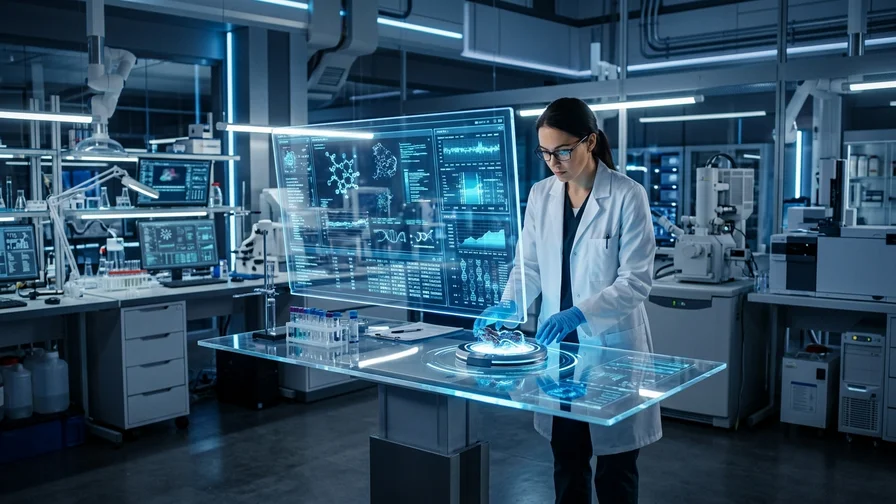
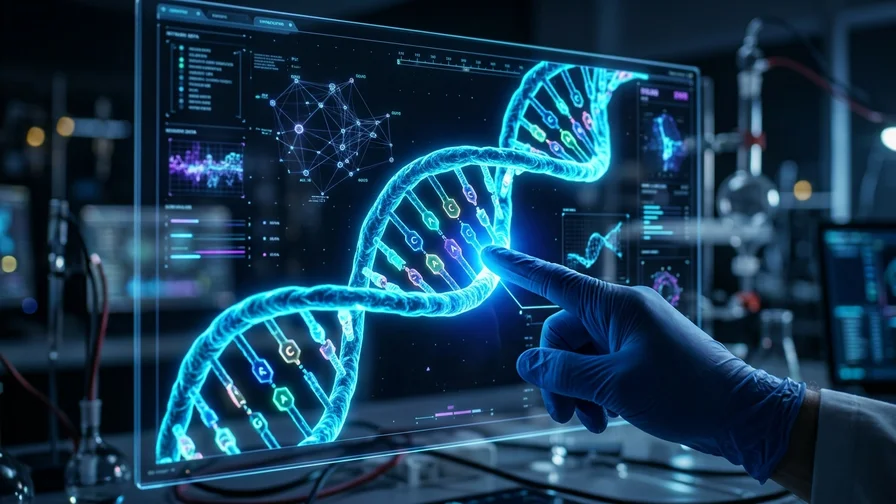
- It carries out forensic medicine, DNA analysis, toxicology, digital forensics, and other examination work — the real-world model for those high-tech analysis scenes in dramas
Key Forensic Techniques and How Dramas Portray Them
K-crime dramas draw on various fields of forensic science to heighten immersion. Let’s look at how each technique is portrayed through real works.
Autopsy: The Secrets of Cause and Time of Death
The autopsy is often called the crown jewel of forensic science.
- Sign (SBS, 2011) — the pioneering Korean forensic drama, centered on NFS medical examiners. It tackles head-on the process of determining cause of death through autopsy
- Partners for Justice (MBC, 2018; Season 2 in 2019) — a cooperative investigation series pairing an eccentric forensic specialist with a prosecutor. Depictions of autopsy procedures play a major part
- A recurring scene in both works: estimating the time of the last meal through stomach-content analysis, or narrowing down the estimated time of death through postmortem bodily changes to break an alibi — these are areas real forensic science deals with
DNA Analysis: Traces of the Culprit in a Cold Case
“All that was left at the scene was a single strand of hair.” In Signal (tvN, 2016) and Tunnel (OCN, 2017), DNA appears as the decisive key to cracking long-unsolved cold cases. The plot device of re-extracting DNA from old evidence to reveal a buried truth is central to both.
This device isn’t fiction. The Hwaseong serial murders that inspired both dramas saw their true culprit identified after 33 years in 2019, when forensic results showed the DNA of Lee Chun-jae — already imprisoned for another crime — matched DNA preserved on evidence. Three years after Signal aired its finale, reality followed the drama’s plot almost exactly, a case that deeply shocked Korean audiences too.
Toxicology: The Hidden Truth of Murder
This is the field that comes into play in suspicious deaths with no external injuries.
- The discipline of detecting trace toxic substances remaining in the body to uncover hidden crimes
- A frequent K-crime drama subject: rare plant toxins, synthetic chemicals, and other poisons that standard tests fail to catch
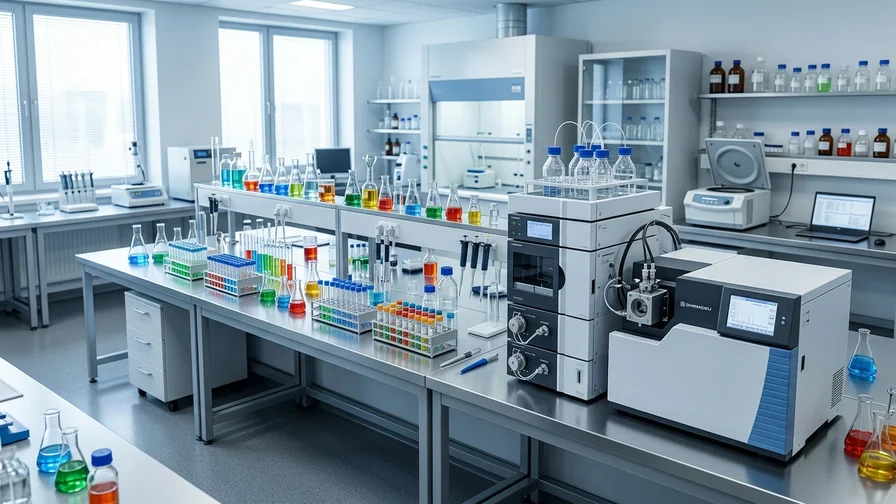
- In dramas, the forensic specialist pinpoints the type of poison and route of administration through precise analysis of blood and tissue samples — the real domain of NFS toxicology examination
Profiling and Voice Analysis: The Science of Reading People
Fields that analyze not the body but the culprit’s behavior and voice form another major pillar of K-crime dramas.
- Through the Darkness (SBS, 2022) — based on the nonfiction account of Kwon Il-yong, South Korea’s first criminal profiler. Kwon is a real-life figure who pioneered profiling work from 2000 and analyzed serial killers such as Yoo Young-chul, Jeong Nam-gyu, and Kang Ho-sun
- Voice (OCN, 2017–) — a series built around the 112 emergency-call center’s ‘Golden Time Team,’ who deduce a caller’s location and situation from sound alone. It draws inspiration from voice examination and voiceprint analysis techniques used in real investigations
- A point that separates fact from fiction: profiling is not ‘evidence’ that proves guilt in court but a supplementary tool to narrow the direction of an investigation. A profiler’s single remark identifying the culprit, as seen in dramas, doesn’t happen in reality
Editor’s Tip
Here’s how to enjoy K-crime dramas even more — pay attention to ‘time’ in the forensic scenes. Real DNA analysis or toxicology testing often takes anywhere from a few days to several weeks, yet in dramas the results come back in just a few hours. This ‘time compression’ is dramatic license for the sake of tension. Spotting the gaps between reality and drama is another way to savor K-crime dramas.
The Line Between Scientific Accuracy and Dramatic License
Forensic science in K-crime dramas helps showcase the appeal of scientific investigation, but not every depiction matches reality. Balancing entertainment and authenticity is the genre’s core challenge.
Real Constraints and Dramatic Effect
The gap between reality and drama:
- Real forensic specialists spend far more time on paperwork and long, repetitive analysis. ‘Eureka’ moments where a single piece of evidence solves everything are rare; synthesizing multiple pieces of evidence and collaborating with investigators is essential
- Dramas compress this process to highlight the protagonist’s genius and create twists within a short span — a device for immersion, but one that hides the painstaking reality of scientific investigation
- The side effect this gap creates is the so-called ‘CSI effect.’ It’s the phenomenon where audiences accustomed to crime shows come to expect decisive scientific evidence like DNA to appear quickly in every case. In reality, many cases leave no evidence worth analyzing, and even scientific evidence must go through interpretation and cross-verification
Harmonizing Expert Consultation and Direction
Recent K-crime dramas actively seek the advice of working forensic specialists, police officers, and profilers to boost realism. As a result, depictions of surgical instrument names, autopsy procedures, and how analysis equipment operates have become far more precise than before. As with Through the Darkness mentioned above, the genre has even reached the stage of basing works directly on the records of real-life experts. If you’re curious about how scientific investigation has evolved throughout the genre’s history, you can explore it more deeply in the related article. In the end, a great K-crime drama is a work built on a skeleton of authenticity established through expert consultation, then fleshed out with the writer’s and director’s craft.
Where Forensic Science in K-Crime Dramas Is Headed
As technology advances, the scope of forensic science keeps expanding. Subjects that future K-crime dramas could bring to the screen:
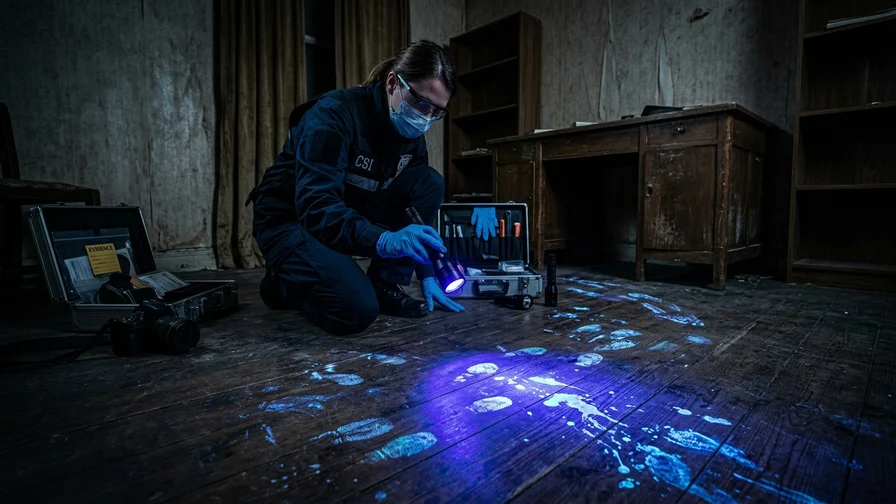
- Areas already being researched and partly used in reality — image-based postmortem examination using imaging equipment like CT to inspect a body before incision, AI analysis tools that aid investigations by processing vast crime data, and the advancement of digital forensics
- Still in the realm of imagination — forensic specialists working alongside AI partners, or investigations that analyze memory or brainwave data. These are subjects dramas can envision first
Ultimately, forensic science in K-crime dramas goes beyond mere spectacle to become the key device that delivers justice through the great scientific principle that ‘every contact leaves a trace.’ This world, which tracks the burning truth behind cold evidence, will remain one of the most powerful draws of K-crime dramas for years to come. If you’re curious about the overall flow and social messages of the genre, find deeper insight in K-legal/crime dramas. Check out Come On Korea for more K-culture content.