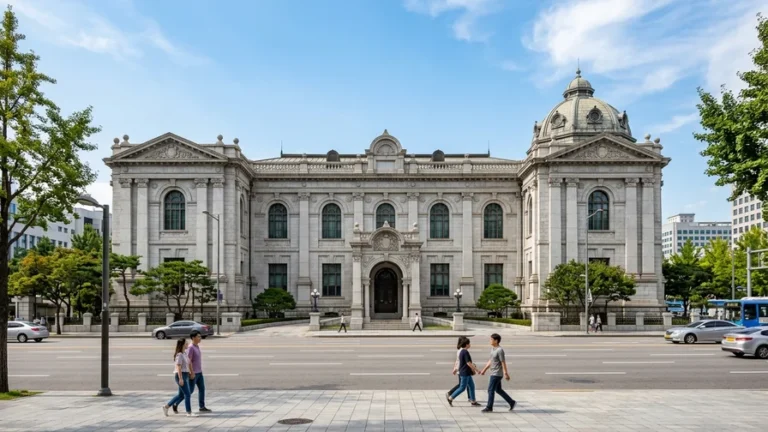
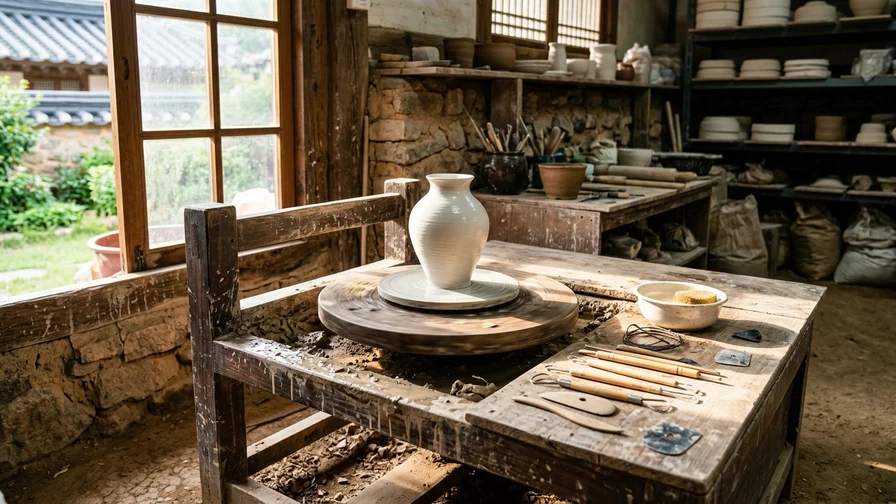
A Day Shaping Clay at the Pottery Villages of Icheon and Gwangju
목차
This guide brings together the practical details you need to travel through Icheon and Gwangju in Gyeonggi Province, two of Korea’s most famous ceramics-producing regions and the heart of any visit to a Korean traditional pottery village. You can plan it as a day trip from Seoul or an overnight getaway, and the routes here are built around learning ceramic history, joining a workshop, and shopping for pieces. Volatile details like opening hours and fees are accurate as of June 2026, so it’s safest to double-check the official websites just before you go.
The Basics of Korean Ceramics
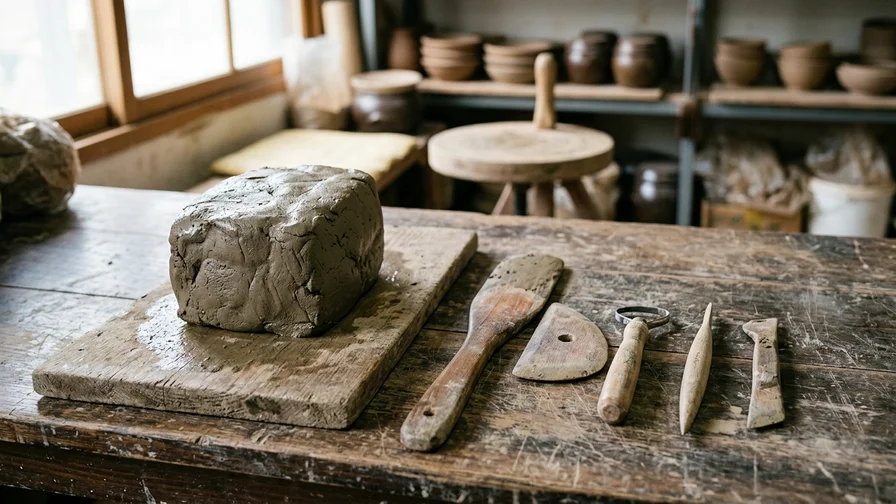
Korean ceramics fall broadly into three traditions. Knowing the basic characteristics before you travel makes appreciating the work far richer.
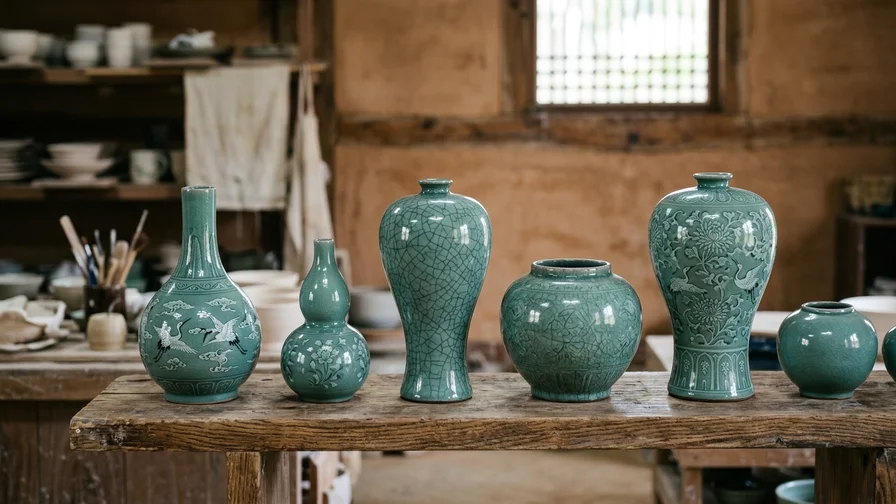
- Celadon: Mainly produced during the Goryeo period (918–1392). Known for its clear jade-green glaze, it saw the rise of the inlay (sanggam) technique, in which patterns are carved out and filled with different clay. Gangjin in South Jeolla and Buan in North Jeolla were the leading production centers.
- Buncheong ware: Popular in the 15th–16th centuries during the transition from Goryeo to Joseon. Made by coating a celadon clay body with white slip and then carving patterns, it is known for its free, lively designs.
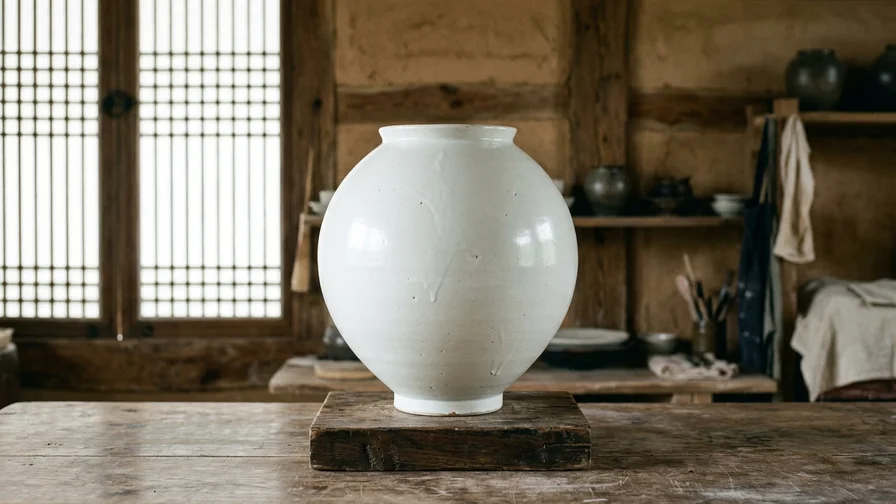
- White porcelain: The signature ceramic of the Joseon period (1392–1910), produced throughout the era. It pursues a restrained beauty of pure white. Gwangju in Gyeonggi Province was the center of the royal kilns (gwanyo) that fired white porcelain for the Joseon court, and from the mid-18th century the kilns settled at Bunwon-ri along the Namhan River, giving rise to the name “Bunwon.”
In this guide, Icheon matters as the hub of modern ceramics, while Gwangju is significant as the historic home of Joseon white porcelain.
1. Icheon: UNESCO Creative City, Hub of Modern Ceramics
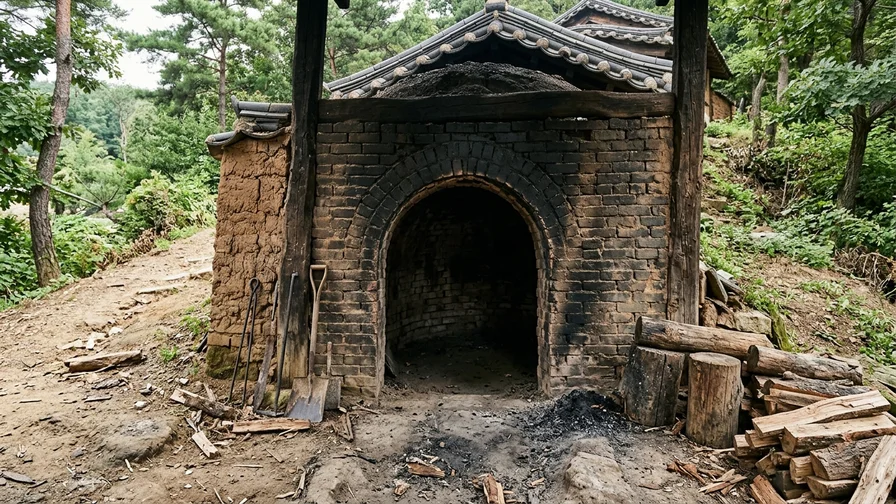
Icheon is a city full of workshops that carry on traditional techniques while creating contemporary, design-forward tableware. A large, well-developed cluster centered on ceramics makes it easy to combine workshops, viewing, and shopping in one place. In July 2010 it became Korea’s first city designated a UNESCO Creative City in the field of crafts and folk art.
Getting from Seoul to Icheon
As of June 2026, the train (Gyeonggang Line) is the most reliable option for international travelers.
- Train (recommended):
- Route: Take the Shinbundang Line (or similar) to Pangyo Station → transfer to the Gyeonggang Line → get off at Icheon Station or Sindun Doyechon Station
- Travel time: About 40 minutes from Pangyo to Icheon Station, arriving on schedule with no traffic delays
- Choosing your station: Sindun Doyechon Station is closer to Ye’s Park and Sagimakgol, while Icheon Station is closer to the city center and the terminal. Board with a transit card such as T-money
- Intercity bus:
- Route: East Seoul Bus Terminal (Gangbyeon Station on Subway Line 2) → Icheon Bus Terminal
- Travel time: About 1 hour 10 minutes to 1 hour 30 minutes (varies with traffic)
- Note: Service has been cut back significantly from the past, so departure times are limited. Before you leave, be sure to check schedules and fares on the intercity bus booking site (txbus.t-money.co.kr)
Key Destinations in Icheon
Icheon’s ceramics attractions are concentrated in three main spots. Pick the one that suits your goal, or combine them. Local bus routes and times change often, so check on the day using Gyeonggi Bus Information (gbis.go.kr) or the Naver Map app—and if it gets confusing, a taxi is the simplest option.
1) Icheon Cerapia & Gyeonggi Museum of Contemporary Ceramic Art
A ceramics theme park and dedicated art museum. It’s ideal if you want to see the trends in contemporary ceramic art or spend time in the outdoor sculpture park.
- Main facilities: The Icheon Cerapia complex brings together the Gyeonggi Museum of Contemporary Ceramic Art (formerly the World Ceramic Center), Toyazium, and an outdoor sculpture park
- Don’t miss: The museum’s special exhibitions, drawn from a collection of more than 2,000 works of contemporary world ceramics. It’s a rare space in Korea that focuses on contemporary global ceramic art rather than traditional Korean ware
- Address: 263, Gyeongchung-daero 2697beon-gil, Icheon-si, Gyeonggi-do
- Hours: Tuesday to Sunday, 10:00–18:00 (last entry 17:00). Closed every Monday, January 1, Seollal (Lunar New Year), and Chuseok (Korean Thanksgiving) (as of June 2026)
- Admission: Varies by exhibition (typically around 3,000 won for adults, with some free-admission days). Check the Korea Ceramic Foundation official site (gmocca.org) before you visit
- Getting there: About 10 minutes by taxi from Icheon Bus Terminal or Icheon Station
2) Icheon Ye’s Park
Korea’s largest artists’ village, home to some 300 workshops and around 500 artists. It’s the best place for ceramics workshops and shopping.
- Highlights: The park is made up of four themed villages—Hoerang, Gama, Byeol, and Sabujak—plus a café street. Beyond ceramics, you’ll also find glass, lacquerware, and woodcraft workshops mixed in. You can see and buy everything from everyday tableware to fine art pieces, and hands-on programs are most active here
- Address: Around Doja Yesul-ro 5beon-gil, Sindun-myeon, Icheon-si, Gyeonggi-do (Ye’s Park)
- Hours: The village itself is always open. Workshops generally run 10:00–18:00, and many close on Monday or Tuesday. If there’s a specific workshop you want to visit, check ahead
- Getting there: About a 20-minute walk or a 5-minute taxi ride from Sindun Doyechon Station on the Gyeonggang Line. From Icheon Bus Terminal it’s about 20 minutes by taxi. Transport near the station is sparse, so it’s a good idea to map out your route before you arrive
Editor’s tip: Planning your Ye’s Park visit
Ye’s Park is very large, so rather than wandering aimlessly, it’s far more efficient to pick out a few workshops you’d like to visit in advance. You can find a list of resident artists and workshop locations on the Ye’s Park official website (2000yespark.or.kr). Some workshops have English-speaking staff, but for bookings and running the workshop itself you’ll usually need a translation app such as Papago.
3) Sagimakgol Ceramics Village
This was Icheon’s flagship pottery village even before Ye’s Park existed, and it’s Korea’s only traditional ceramics market. Around 50 shops line both sides of the street, mostly selling everyday tableware. It has a more commercial feel than Ye’s Park and makes it easier to find relatively affordable pieces.
- Highlights: With many large warehouse-style shops, it’s great for comparing a wide range of dishes in one place. It’s focused on buying rather than hands-on experiences
- Address: Saeum-dong, Icheon-si, Gyeonggi-do (Sagimakgol Ceramics Village)
- Hours: 10:00–18:00, regularly closed on the last Monday of each month (varies by shop, as of June 2026). Official site: sagimakgol.com
- Getting there: About 10 minutes by taxi from Icheon Bus Terminal
Pottery Workshop Information
Many workshops in Icheon, especially at Ye’s Park, run hands-on programs. Even when the content is similar, the results vary with each artist’s style. Reservations are essential on weekends. The prices below are rough averages that differ from workshop to workshop (as of June 2026).
| Program Type | Description | Estimated Cost (per person) | Duration & Notes |
|---|---|---|---|
| Ceramic Painting | Paint designs onto pre-made bisque-fired ceramics (cups, plates, etc.) with special paints. | 20,000–40,000 won | About 1 hour. The simplest option, and you can often take your piece home the same day. |
| Pottery Wheel | Shape a clay vessel on an electric wheel, with an expert helping at your side. | 30,000–50,000 won | About 30 minutes–1 hour. To have it fired and delivered, expect an extra fee and around 4–6 weeks. |
| Hand-building | Mold the clay by hand into any shape you like, allowing free-form creations. | 30,000–60,000 won | About 1.5–2 hours. To have it fired and delivered, expect an extra fee and around 4–6 weeks. |
*Shipping your piece: Wheel-thrown and hand-built pieces must go through drying, a bisque firing, and a final firing before they’re finished, which takes about 4–6 weeks. The finished item is sent by courier, and international shipping adds EMS charges. Be sure to confirm whether international shipping is available and at what cost with the workshop before your session.
Restaurants and Cafés in Icheon
Icheon has long been famous for its rice, so Icheon Ssalbap Jeongsik (a rice set meal) is the signature local dish. Served as a hanjeongsik (Korean table d’hôte) with freshly cooked rice in a stone pot and around 20 side dishes, it’s the easiest way for visitors to sample a whole spread of Korean home-style banchan at once. All three spots below sit between downtown Icheon and Ye’s Park (business hours confirmed as of June 2026).
- Naratnim Icheon Ssalbap 📍: One of the most famous rice set-meal restaurants. The Icheon rice set meal starts at 17,000 won. It’s large with a spacious parking lot, so waits are relatively short. Open daily 10:00–21:00
- Gomijeong 📍: Located in Sindun-myeon, this is something of the original Icheon rice restaurant. Locals rate it highly for its neatly composed side dishes and excellent rice. It’s close to Ye’s Park by car
- Imgeumnim Ssalbapjip 📍: Set along Gyeongchung-daero in Sindun-myeon in a building made of logs and red clay, this restaurant serves its food on buncheong ware. Tteokgalbi (grilled short rib patties) and ganjang-gejang (soy-marinated raw crab) courses are the signature menus. Open daily 10:30–21:00 (last order 20:00)
- Cafés inside Ye’s Park: There are distinctive cafés run by the artists themselves scattered throughout. Many double as ceramic galleries, and it’s common to be served coffee in a cup the owner made by hand
Icheon’s Ceramics Festival and Biennale
If your dates line up, two events can completely transform the depth of your trip.
- Icheon Ceramic Festival: Icheon’s biggest festival, held each spring at Ye’s Park. In 2026 the 40th edition ran from April 24 to May 5, with the next festival expected in spring 2027. It focuses on discounted ceramics sales, wheel-throwing experiences, and performances. Check schedules on the official site (icheondoja.kr)
- Gyeonggi Ceramic Biennale: An international ceramic art festival held every two years. In 2026 it runs from September 18 to November 1 under the theme “Made by the Earth,” held simultaneously at the Gyeonggi Museum of Contemporary Ceramic Art in Icheon, the Gyeonggi Ceramic Museum in Gwangju, and the Gyeonggi Museum of Ceramic Design in Yeoju (as announced as of June 2026). If you’re visiting in autumn, aiming for this period is your best bet
2. Gwangju: Home of the Joseon Royal White Porcelain
Gwangju in Gyeonggi Province (not to be confused with Gwangju Metropolitan City in the Jeolla region) was home to the royal kilns (gwanyo, also known as Bunwon) that fired ceramics for the court and government offices for 500 years during the Joseon period. It mainly produced white porcelain in graceful, pure forms rather than ornate work. Today, the focus is on the museums and parks that honor that history.
Getting from Seoul to Gonjiam Ceramic Park in Gwangju
- Train + bus (recommended):
- Take the Gyeonggang Line from Pangyo Station → get off at Gonjiam Station (about 30 minutes)
- Leave through Exit 2 of Gonjiam Station, walk about 100m to the right to the bus stop, transfer to bus 300 → get off at the “Doja Museum” stop and walk 5 minutes
- Alternatively, take a taxi from the rank at Exit 1 of Gonjiam Station, about 5–10 minutes for 6,000–8,000 won (as of June 2026)
- Metropolitan bus: From Gangbyeon Station (in front of Techno Mart), take the express seat bus 1113-1 → get off at Gonjiam and take a taxi. With frequent departures, it’s an easy alternative to time
Key Destinations in Gwangju
Gonjiam Ceramic Park & Gyeonggi Ceramic Museum
The heart of a ceramics trip in Gwangju. Within a large park you’ll find a museum, a traditional kiln, and a sculpture park, where you can systematically learn the history and production process of Joseon white porcelain.
- Main facilities:
- Gyeonggi Ceramic Museum: Exhibits artifacts from the birth to the development of Joseon white porcelain through permanent and special exhibitions
- Traditional kiln: A recreation of the wood-fired climbing kiln (oreum-gama) used to fire ceramics in the Joseon period
- Outdoor park: With ceramic sculptures, the Spanish Sculpture Park, and wide lawns, it’s lovely for a stroll. The park itself is free to enter
- Don’t miss: The permanent exhibition’s collection of Joseon white porcelain. Through pieces excavated from Gwangju’s royal kilns, it traces what kind of clay and kiln gave rise to the pure-white aesthetic epitomized by the moon jar
- Address: 727, Gyeongchung-daero, Gonjiam-eup, Gwangju-si, Gyeonggi-do (Gonjiam Ceramic Park)
- Hours: Tuesday to Sunday, 10:00–18:00 (last entry 17:00). Closed every Monday, January 1, Seollal, and Chuseok (as of June 2026)
- Admission: Museum 3,000 won for adults, 2,000 won for youth; free for children under 7 and visitors aged 65 and over. Free admission on the last Wednesday of each month. For the latest details, see the official site (ggcm.or.kr)
Dining in Gonjiam: Someori-gukbap Street
Gonjiam is famous nationwide for someori-gukbap (ox-head soup with rice). Made by simmering cuts of ox head into a rich bone broth and serving it with rice, it’s clean and hearty with no gaminess, making it an approachable first Korean gukbap. The soup restaurants cluster in central Gonjiam-eup.
- Wonjo Choemija Someori-gukbap 📍: The original Gonjiam someori-gukbap restaurant, open since 1981. Its deep, rich broth serves as the benchmark
- Bae Yeon-jeong Someori-gukbap 📍: Started by comedian Bae Yeon-jeong. It opened later than the original but has greater nationwide recognition
- Golmokjip Someori-gukbap 📍: Another fixture of the soup street, with many loyal local regulars
Gwangju Royal Ceramic Festival
Held each spring in and around Gonjiam Ceramic Park. With a strong theme drawn from the history of presenting ceramics to the Joseon royal court, the festival features ceramics sales and hands-on booths. The 2026 event ran from April 24 to May 5 with free admission. For the next schedule, check announcements from Gwangju City Hall or the festival official site (royalfestival.kr).
Practical Information for International Travelers
Language and Communication
Museums and large information centers offer some English signage, but most workshops and restaurants operate in Korean only. Install a translation app (Papago recommended) ahead of time. The surest way to book a workshop is by phone with help from your accommodation staff or a Korean acquaintance, and some workshops also take bookings via Instagram DM or Naver reservations.
Getting Around
Taxi apps: international travelers can use them as of 2026
Kakao Mobility runs k.ride, an app for international visitors. You can register an overseas-issued card for automatic payment, and it supports English, Chinese, and Japanese. The regular Kakao T app now also accepts some overseas cards. That said, in provincial areas like Icheon and Gwangju there are fewer taxis to respond to calls, so use the backup tips below as well.
- When you head out to outlying spots (Ye’s Park, Gonjiam Ceramic Park), think ahead about how you’ll get a taxi back—there are times of day when app calls won’t connect
- Ask restaurant or café staff to call a taxi for you (most are happy to help)
- Get help from a tourist information center
If you need help with transport, interpretation, or anything else during your trip, call the Travel Hotline 1330. It offers 24-hour service in English, Japanese, Chinese, and other languages.
Want to Go Deeper: Yeoju and Mungyeong
Two more spots for those who want to extend their ceramics journey. Yeoju is the city right next to Icheon, toward the end of the Gyeonggang Line, and is home to the Gyeonggi Museum of Ceramic Design, making it a co-host of the 2026 Gyeonggi Ceramic Biennale. Mungyeong in North Gyeongsang is the home of potters who fire tea bowls in traditional wood-burning kilns (mangdaengi kilns), and each year in early May the Mungyeong Tea Bowl Festival is held around Mungyeong Saejae (the 28th edition in 2026 ran from May 1 to 10).
Recommended Icheon Day-Trip Itinerary (Workshop-Focused, by Train)
- 09:00: Board the Gyeonggang Line at Pangyo Station
- 09:40: Arrive at Sindun Doyechon Station, then head to Ye’s Park on foot or by taxi
- 10:00–12:30: Explore Ye’s Park and choose a workshop you like
- 12:30–14:00: Lunch at a restaurant inside Ye’s Park or a nearby rice set-meal restaurant (Gomijeong, Imgeumnim Ssalbapjip)
- 14:00–16:00: Pottery experience at your booked workshop (wheel-throwing or hand-building)
- 16:00–17:30: Relax at a Ye’s Park café, or take a taxi to Sagimakgol to shop for dishes
- 17:30: Head to Sindun Doyechon Station or Icheon Station
- 18:00: Return to Seoul via Pangyo on the Gyeonggang Line
The information in this guide is accurate as of June 2026 and is subject to change, so it’s safest to reconfirm the latest hours and fees on each institution’s official website before you visit.
Related Reads on This Topic
- 7 Korean Traditional Villages Where Hanok and Crafts Live On
- Spending a Night in a Hanok in Bukchon, Jeonju and Andong
- Strolling Korea's Gardens, the Beauty of Biwon, Anapji and Soswaewon
- Dye Your Own with Korean Natural Dyeing, from Indigo to Persimmon
- Brew Your Own Korean Traditional Alcohol, From Makgeolli to Soju