Dye Your Own with Korean Natural Dyeing, from Indigo to Persimmon
Contents
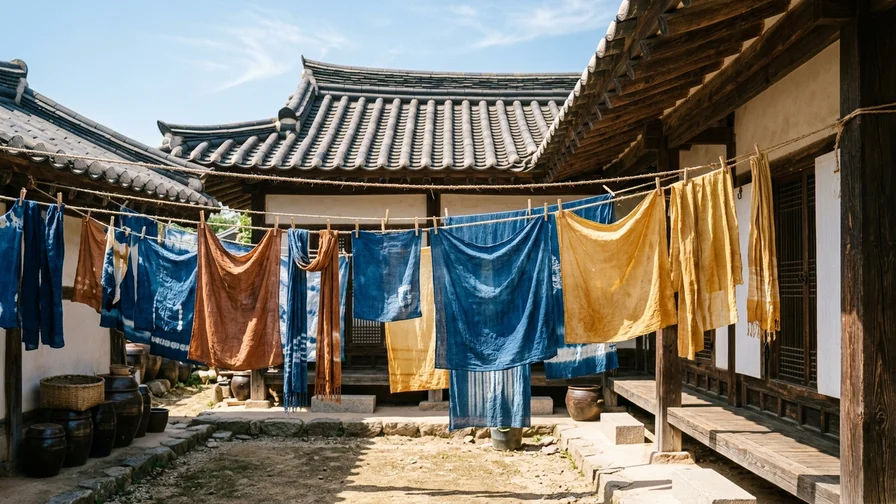
Korean natural dyeing is a traditional craft that colors fabric using natural materials like plants and soil. Unlike chemical dyes, it places far less burden on the environment, and the colors deepen naturally over time.
Major Types of Korean Natural Dyes
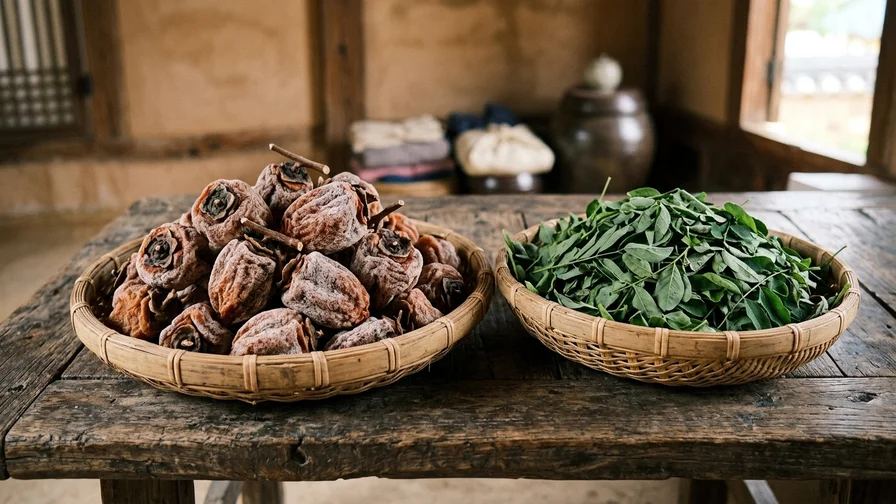
Korea uses a wide range of natural dyeing materials, but the three you’ll most often encounter in traveler programs are indigo (blue), persimmon (brown), and gardenia (yellow).
Jjok (Indigo) — Korea’s Blue
- Material: The leaves of jjok, an annual plant in the knotweed family. Most of Korea’s traditional blues come from indigo dyeing.
- Making the dye: Indigo leaves cut before flowering are steeped in water, then lime (made by firing oyster shells) is added to produce a blue sediment dye called niram. This is fermented in lye to create the dye liquid.
- The dyeing process: Fabric is dipped in the dye, taken out, and exposed to the air, over and over — each time it oxidizes, the color shifts to an ever-deeper indigo, which is the highlight of the experience.
- The heartland: Naju in Jeollanam-do. Indigo was cultivated along the Yeongsan River basin, and the nearby sea made it easy to source oyster-shell lime — a perfect geographic match.
Gam (Persimmon) — The Brown of Sun and Wind
- Material: The juice of unripe, astringent green persimmons. The persimmon’s tannin is the key.
- The dyeing process: Fabric soaked in persimmon juice is repeatedly dried in the sun, and the tannin reacts with light and air to gradually turn a deep brown.
- Characteristics: The fabric stiffens and gains water-resistant and antiseptic properties. On Jeju Island, work clothes made this way are called Garot and were worn as everyday work wear by farmers and fishers — Jeju is the home of persimmon dyeing.
- Production area: Cheongdo in Gyeongsangbuk-do is the largest producer of seedless bansi persimmons, and the persimmon-dyeing industry grew alongside it.
Chija (Gardenia) — A Yellow That Reaches the Dinner Table
- Material: The fruit of the gardenia tree. It releases a vivid yellow simply by steeping in water, making it the easiest dye for beginners.
- Characteristics: A safe dye that’s also used in cooking — in Korea, gardenia is used to give a yellow tint to savory pancakes (jeon) and pickled radish (danmuji).
Other Dyes
- Onion Skin: Yellow or orange tones
- Chestnut Husk: Brown or gray tones
- Gromwell Root: Red or purple tones
- Ot (Lacquer): Lacquer-tree sap produces a deep black sheen, but because of the risk of skin allergies it rarely appears in traveler programs and is handled mainly in professional crafts.
Naju, the Center of Indigo Dyeing
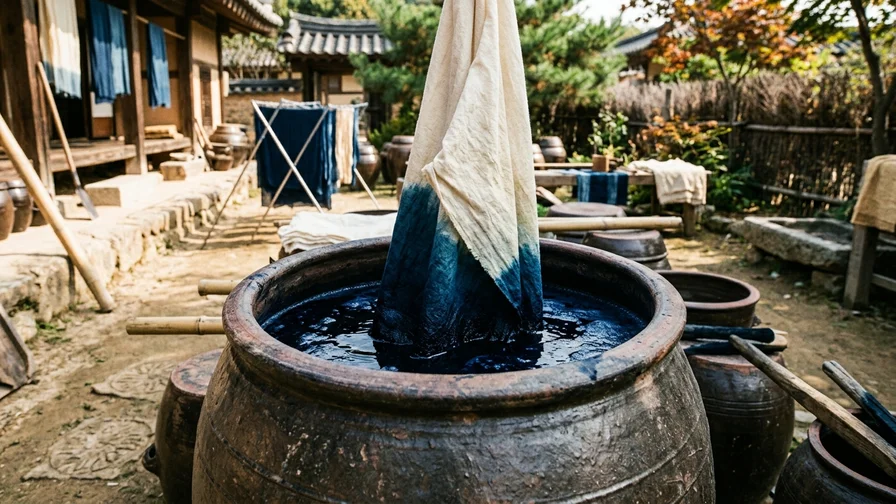
If you want a proper indigo dyeing experience in Korea, head to Naju in Jeollanam-do. The Saetgol area of Dasi-myeon in Naju has produced indigo dye since the Joseon Dynasty, and it’s the village where master Jeong Gwan-chae — recognized in 2001 as a holder of the National Intangible Heritage for dyeing — carries on indigo dyeing as a fourth-generation family tradition. The place where travelers can meet this tradition in an organized way is the Korea Natural Dyeing Museum.
Korea Natural Dyeing Museum, Naju
A complex cultural space run by the Naju Natural Dyeing Culture Foundation — formerly known as the Naju Natural Dyeing Culture Center. You can view exhibitions, take part in hands-on activities, and buy natural-dyed products all in one spot. Touring the permanent exhibition of traditional dyeing tools and indigo works first makes the process much easier to follow once you reach the workshop.
- Address: 379 Baekho-ro, Dasi-myeon, Naju-si, Jeollanam-do — view the Korea Natural Dyeing Museum on the map
- Phone: Main +82-61-335-0091, experience inquiries +82-61-335-0160
- Hours: 09:00–18:00, open year-round (lunch break 11:30–13:00) — as of June 2026
- Closed: Only on January 1 and the days of Seollal (Lunar New Year) and Chuseok (Korean Thanksgiving). The main building opens on Mondays too, but the museum shop selling souvenirs is closed on Mondays.
- Admission: Exhibitions free; experiences are paid
- Website: www.naturaldyeing.or.kr (English page available)
Individual sessions run mostly on weekends; weekdays are for groups
Experiences are by reservation. Individual sessions run mostly on weekends, while weekdays focus on group bookings, so be sure to confirm availability by phone (061-335-0160) or on the official website before you go. If you need guidance in English, request it in advance when you book.
Experience Program Information
This program lets you dye small items like handkerchiefs and scarves yourself with indigo and other natural dyes. As of June 2026, it runs as follows.
| Item | Details |
|---|---|
| Format | By reservation. Morning session 10:00–12:00, afternoon session 13:00–15:00 |
| Who | Individual experiences on weekends + group experiences on weekdays (minimum 2 people) |
| Duration | About 1 hour 30 minutes to 2 hours |
| Price | Varies by item (handkerchief, scarf, etc.) and materials — check the latest rates per item at the booking line (061-335-0160) |
| Booking | By phone at 061-335-0160 or via the official website |
* Programs and prices are subject to change. Confirm the latest information on the official site or by phone before visiting.
How to Get to Naju
The key point: the KTX stops directly at Naju Station — you can get there from Seoul in one go, with no need to transfer in Gwangju.
- Option 1: Direct KTX to Naju Station
- Take a Mokpo-bound KTX from Yongsan Station → get off at Naju Station. The SRT departing from Suseo Station also stops in Naju.
- Travel time: About 2 hours to 2 hours 20 minutes
- Fare: KTX standard class 48,200 KRW (Yongsan–Naju, as of June 2026); KTX fares were cut by about 10% on September 1, 2026, so today’s fare is lower; check the exact fare on korail.com (verified October 2026)
- Naju Station → museum: About 15 minutes by taxi (roughly 11 km to Dasi-myeon, fare around 10,000–15,000 KRW). Since it’s a rural area, for the return trip it’s safest to ask the museum to call you a taxi or hail one with an app.
- Check seats and book tickets on the official KORAIL site, korail.com.
- Option 2: Via Gwangju Songjeong Station
- If the timings for Naju-stopping trains don’t work out, get off at Gwangju Songjeong Station → from in front of the station, take bus No. 160 to Naju Terminal, about 30–40 minutes (Gwangju-area city buses are being overhauled from October 31, 2026, so route numbers and frequencies may change; verified October 2026).
- From Naju Terminal, it’s about 10 minutes by taxi to the museum.
- Check real-time bus info on the Naju Bus Information System, bis.naju.go.kr.
Recommended Restaurants in Naju
While you’re in Naju, be sure to try the region’s signature dish, Naju Gomtang. It’s a rice soup served by adding rice to a clear beef broth, prized for its light yet deep flavor. Old-school eateries cluster in the gomtang alley in front of Geumseonggwan, a Joseon-era guesthouse building in Naju’s old town — about 15 minutes by taxi from the museum, which makes it a convenient stop for a meal before or after your experience.
- Naju Gomtang Hayanjip 📍
- The original-style Naju gomtang eatery, run by the fourth generation over more than 100 years. The clear, clean broth is exceptional.
- Address: 6-1 Geumseonggwan-gil, Naju-si, Jeollanam-do / Gomtang 13,000 KRW, beef-slice gomtang 15,000 KRW, suyuk 40,000 KRW (verified 2026-10-20)
- 08:00–20:00, closed every Wednesday (next day if a holiday) (verified 2026-10-20)
- Naju Gomtang Noanjip 📍
- An old establishment that started in 1963 as a market rice-soup shop. The meat is sliced fresh straight from the broth, so its flavor really shines. Gomtang is around 10,000 KRW.
- Address: 1-3 Geumseonggwan-gil, Naju-si, Jeollanam-do / 07:00–20:00, closed Mondays
- Nampyeong Halmaejip 📍
- Opened in 1975. Along with Hayanjip and Noanjip, it’s known as one of “Naju’s three great gomtang” spots. The bowls tend to come generously loaded.
- Address: 2 Geumseonggwan-gil, Naju-si, Jeollanam-do (verified October 2026) / Gomtang 11,000 KRW, beef-slice gomtang 13,000 KRW (as of June 2026)
- 08:00–21:00, closed on public holidays and the days of major Korean holidays
Natural Dyeing in Other Regions
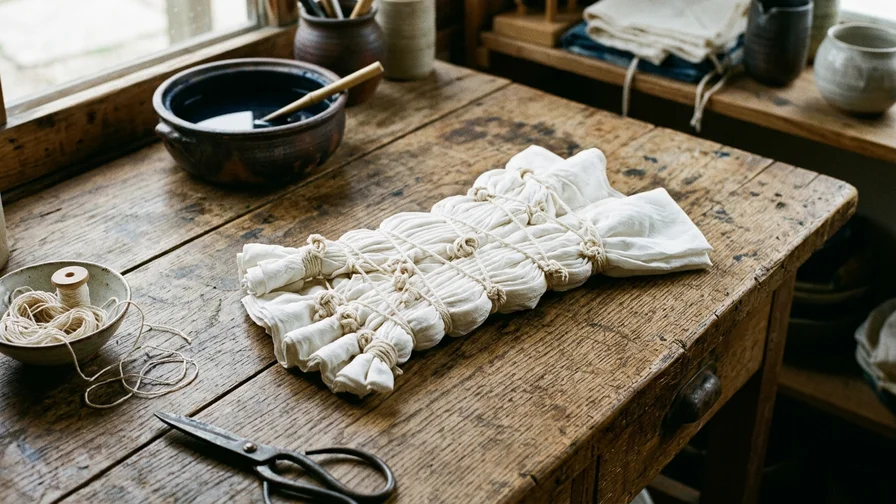
Beyond Naju, you can encounter distinctive natural dyeing in many parts of Korea.
Cheongdo Persimmon Dyeing
- Cheongdo in Gyeongsangbuk-do is the largest producer of seedless bansi persimmons and a hub of the persimmon-dyeing industry, with around 30 persimmon-dyeing businesses operating there.
- That said, the permanent workshops where foreigners can drop in without a reservation are small and their operations change often — the Cheongdo Bansi Festival held each autumn runs persimmon-dyeing experience programs, so if you’re visiting in fall, check the festival schedule first.
- For currently operating experience venues, it’s most accurate to check the Cheongdo tourism site, cheongdo.go.kr, or call the travel interpretation line at 1330.
Jeju Garot Persimmon Dyeing
- The home of persimmon-dyed clothing is Jeju — the place where farmers and fishers wore Garot (also called galjungi), traditional work clothes dyed with green persimmon juice, as everyday wear.
- Near Sanbangsan in Sagye-ri, Seogwipo, Galjungi Natural Dyeing Experience makes Garot across three generations and runs a persimmon-dyeing workshop alongside it — bookings are required in advance for groups of 5 or more, so if you’re traveling in a small group, calling ahead to confirm is essential.
Quick Classes in Seoul
- If you don’t have time to travel to the provinces, studios around Jongno and Bukchon in Seoul offer 1-hour to 1.5-hour indigo scarf-dyeing classes.
- Searching “natural dyeing Seoul” on booking platforms like MyRealTrip or Waug lets you immediately check whether the class is run in English, along with prices and schedules, and book right away — for small studios, booking through a platform is more reliable than just showing up.
Essential Information for Foreign Travelers
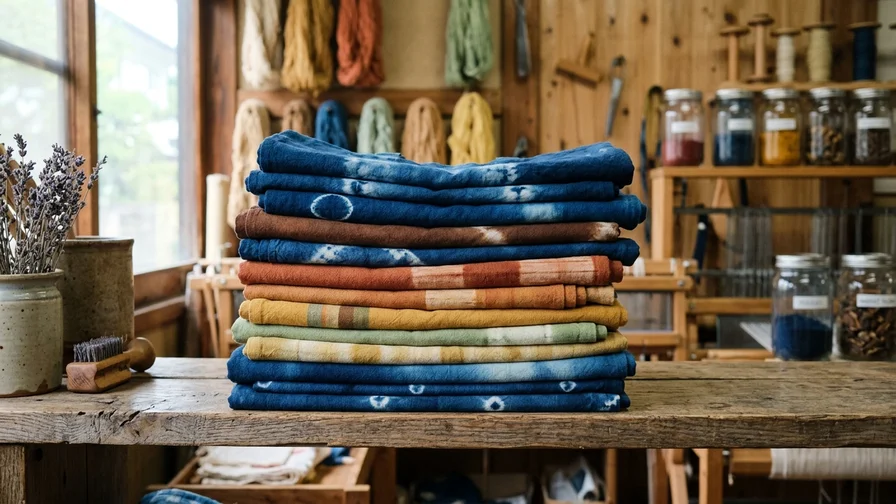
Reservations and Language
Most workshops are small operations, so booking in advance is the safe move. If you need guidance in English, be sure to ask when you book — not every place offers it. Having a few simple Korean phrases ready can help.
- “Yeomsaek cheheom yeyak-hago sipeoyo.” — I’d like to book a dyeing experience.
- “Yeong-eoro seolmyeong ganeung-haeyo?” — Is an explanation in English possible?
Transportation Guide
- Many workshops are hard to reach by public transit, so taking a taxi is the practical option.
- Foreign visitors can use Kakao Mobility’s dedicated app for foreigners, k.ride, which supports automatic payment with overseas-issued cards and even auto-translates your chat with the driver (over 100 languages) — as of June 2026. The main Kakao T app also supports registering overseas cards.
- If app payments feel cumbersome, you can also call a ride and pay directly in cash or with a T-money card when you get out.
- If you’re stuck on transit or directions, call the 1330 Korea Travel Helpline — a 24-hour multilingual (English, Japanese, Chinese, and more) tourism information service run by the Korea Tourism Organization; just dial 1330 on your phone to connect.
What to Prepare and Wear
- Dye can splash onto your clothes — most places provide an apron or work clothes, but wearing dark, comfortable clothing or something you don’t mind getting stained is recommended.
- You may be standing for long stretches, so comfortable shoes are a good idea.
- Indigo dyeing can leave a blue tint under your fingernails for a few days — be sure to wear the rubber gloves provided.
First few washes bleed — wash separately in cold water
Natural-dyed products may bleed during the first few washes. Always wash them separately from other laundry, on their own, in cold water with a mild detergent. Drying them in the shade out of direct sunlight will help them keep their distinctive color longer.