Andong Hahoe & Gyeongju Yangdong Villages (UNESCO 2010)
Contents
- What the 2010 Inscription Means: The Value of Living Clan Villages
- Andong Hahoe Village: The Pungsan Ryu Clan, Ryu Seong-ryong, and the River-Bend Village
- Gyeongju Yangdong Village: The Wolseong Son Clan, the Yeogang Yi Clan, and Yi Eon-jeok
- Comparing the Two Villages: Which Should You Visit?
- Recommended 2-Day Andong Itinerary (Multiple UNESCO Sites)
- Recommended 2-Day Gyeongju Itinerary (Including Yangdong Village)
- Practical Tips for International Travelers
- Frequently Asked Questions (FAQ)
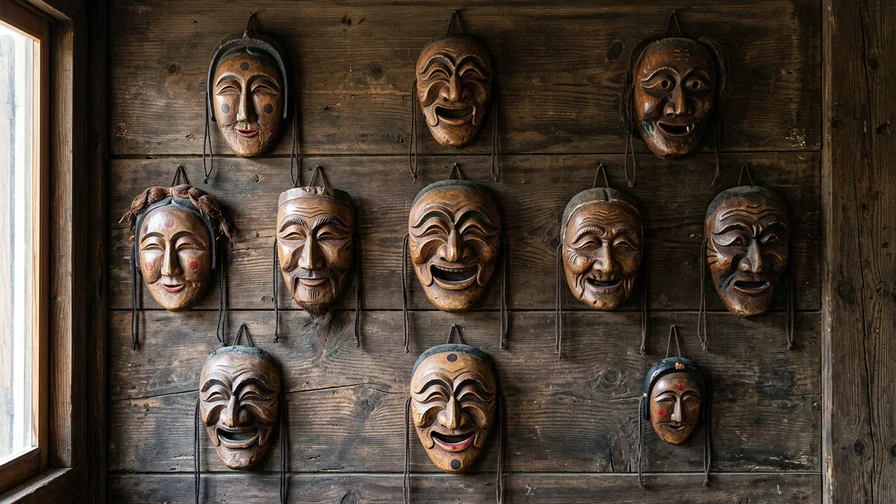
Andong Hahoe and Gyeongju Yangdong are not staged folk-village museums. These Hahoe and Yangdong folk villages are clan settlements where the social structure and Confucian traditions of the 14th–15th century Joseon dynasty are still alive, and where descendants have actually lived for hundreds of years. In 2010 they were inscribed on the UNESCO World Heritage List as the “Historic Villages of Korea: Hahoe and Yangdong.” At Andong Hahoe Village, the Hahoe Byeolsingut Talnori (mask dance drama) is performed free of charge six days a week, from March through December, with Mondays off.
- Key point 1: A living heritage site with full-time residents — respecting their privacy is a must.
- Key point 2: Andong Hahoe = flat land embraced by the Nakdong River, simple to navigate, with the Hahoe Byeolsingut Talnori performed six days a week (Mar–Dec).
- Key point 3: Gyeongju Yangdong = houses spread across hills and valleys, great for appreciating how the terrain shapes the layout, and easy to combine with Gyeongju’s downtown historic sites.
What the 2010 Inscription Means: The Value of Living Clan Villages
The core reason both villages became World Heritage sites is that they preserve the social structure and culture of the Joseon dynasty more completely than almost anywhere else. The official inscription name is “Historic Villages of Korea: Hahoe and Yangdong.”
- Clan villages: Hahoe = the Pungsan Ryu clan; Yangdong = the Wolseong Son clan and the Yeogang Yi clan.
- Spatial layout: A combination of Confucian propriety and pungsu (Korean geomancy).
- A visible social hierarchy: Head houses and aristocratic tiled-roof homes on the hills, thatched cottages on the flat land below.
- Intangible heritage preservation: Includes ancestral rites, rites of passage, documents, and artworks in their entirety.
- Character: “Living museums” that preserve both architecture and intellectual/spiritual culture.
Andong Hahoe Village: The Pungsan Ryu Clan, Ryu Seong-ryong, and the River-Bend Village
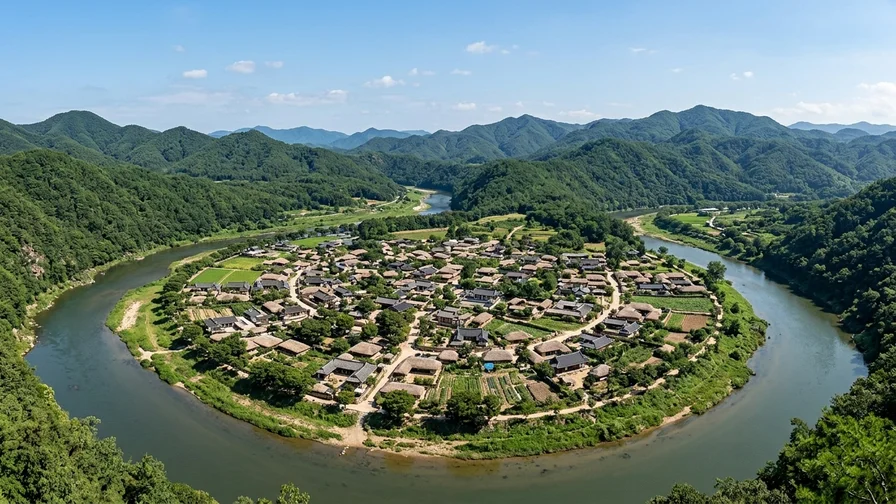
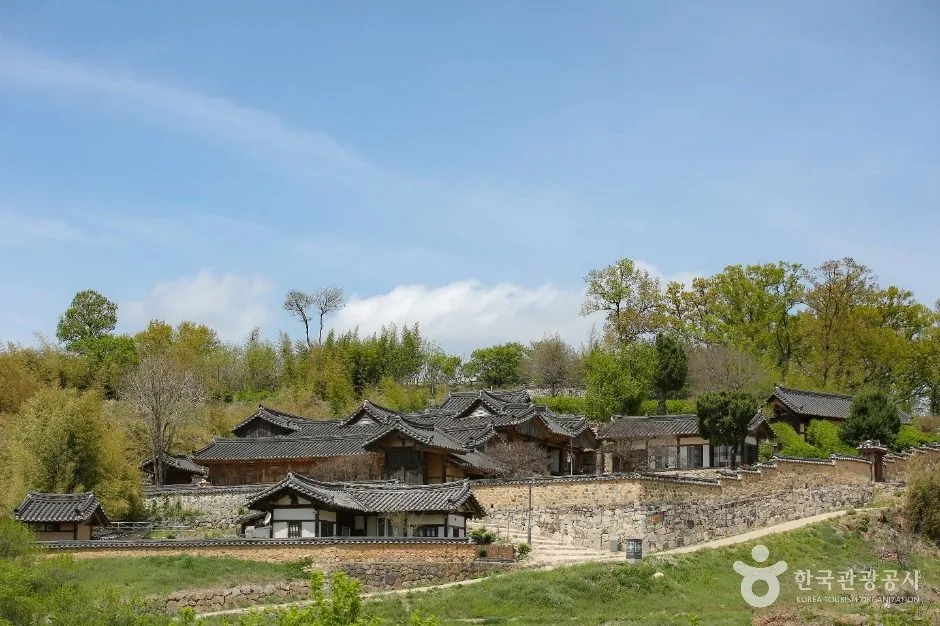
This is a single-clan village where the Pungsan Ryu family has lived for some 600 years. It is famous as the birthplace of Seoae Ryu Seong-ryong (1542–1607), who served as Chief State Councillor during the Japanese invasions of 1592. The name Hahoe (河回) means “where the water turns back,” referring to the way the Nakdong River wraps the whole village in an S-shape.
Admission, Transport, and a Suggested Route
Vehicles are not allowed inside. Park at the ticket-office parking lot (free), then take the free shuttle bus to the village entrance. The shuttle is free for anyone holding an entry ticket and runs frequently from 09:00–18:50 (Jun–Sep) and 09:00–18:30 (Oct–May) (as of June 2026).
| Category | Details |
|---|---|
| Address | 40 Hahoejongga-gil, Pungcheon-myeon, Andong-si, Gyeongsangbuk-do (Google Maps: Andong Hahoe Village) |
| Opening hours | Summer (Apr–Sep): from 09:00, last entry 17:30 / Winter (Oct–Mar): from 09:00, last entry 16:30 (as of June 2026) |
| Admission | Adults KRW 5,000 (about $4), teens KRW 2,500 (about $2), children KRW 1,500 (about $1.20). The public parking lot, the Hahoe World Mask Museum, and the shuttle bus are all free. |
| Website | hahoe.or.kr |
Getting There (as of June 2026)
- Train: From Seoul (Cheongnyangni or Seoul Station) to Andong Station takes about 2 hours on the KTX-Eum, with standard-class fares in the high KRW 20,000s (it was KRW 25,100 at the 2021 launch; check the exact fare for your travel date on korail.com, verified October 2026). Andong Station and the bus terminal sit right next to each other.
- Bus: From the stop in front of Andong Station, take Bus 210 (the number for Hahoe Village since the March 2022 route revision), which runs about 9 times a day and reaches the village ticket office in roughly 50 minutes; cash fare KRW 1,500 (free transfers within an hour with a transit card). Express Bus 2 also passes through Hahoe Village. Departure times can be checked on the Andong city bus information system.
- Taxi: About 30 minutes from Andong Station, fare around KRW 25,000–30,000 (about $19–$23). If you’re a foreign visitor who finds Kakao T hard to use, try the Travel Hotline (1330) or simply hail a cab directly.
Suggested Route (about 3 hours)
- Ticket office → board the shuttle bus → get off at the village entrance.
- Chunghyodang House: Ryu Seong-ryong’s head house, Treasure No. 414.
- Yangjindang House: The grand head house of the Pungsan Ryu clan and the village’s oldest dwelling, Treasure No. 306.
- Samsindang Divine Tree: A 600-year-old zelkova tree at the village center, a place to pray for well-being.
- Stroll along the sandy path beside the Nakdong River.
- Travel to Buyongdae Cliff by car or taxi (after touring the village — see the guidance below).
If you have to choose one must-see, it’s the contrast between Chunghyodang and Yangjindang. Facing each other across a single lane, these two head houses let you compare, even within the same family, the difference in formality between a residence to live in (Yangjindang) and a memorial house built by later generations (Chunghyodang).
The Hahoe Byeolsingut Talnori
This is one of the highlights of a Hahoe visit. It’s far more than a dance — it’s a folk drama that satirizes the aristocracy and ruling class while expressing the joys and sorrows of ordinary people. It is the flagship piece that was included when Korea’s mask dances were inscribed as UNESCO Intangible Cultural Heritage of Humanity.
- Venue: The Mask Dance Training Center at the entrance to Hahoe Village.
- Times (2026 official schedule): Mar–Dec, Tuesday–Sunday, 2:00–3:00 p.m. (no performances on Mondays); in Jan–Feb, Saturdays and Sundays only at 2:00 p.m.
- Cost: Free (just your village entry ticket is required).
- Duration: About 1 hour.
- Note (verified October 2026): While the performance hall was being renovated, shows were held in a temporary underground venue (first-come 200 people, no wheelchairs or strollers). The renovated Transmission Education Center hosted the 46th regular performance on October 17, 2026, so the work appears to be finished. Check notices on the official site for the current venue and wheelchair access before visiting.
Be seated about 20 minutes before the show: Front-row seats let you see the performers’ expressions and gestures vividly. Even if you don’t speak Korean, the movement and atmosphere are more than enough to enjoy it.
The View from Buyongdae and Hanok Stays
The best spot to take in the whole village is Buyongdae, a cliff across the river. From the top you can capture in one glance the way the Nakdong River loops around the village in an S-shape. If you had to pick the single must-see scene at Hahoe, this is it.
- Getting there: The official Andong tourism page still lists a ferry boat as the way across the river, but whether it is running now is not published. The temporary log bridge (seopdari) was set up in 2019 and 2020 and washed away both times, so there is no permanent bridge. Ask the village information line (054-852-3588) whether the ferry is running before you go, and use the land route below if it is not (verified October 2026).
- Overland route: Take the shuttle back to the ticket office, then about 10 minutes by car or taxi → free parking lot next to Hwacheon Seowon → about a 10-minute walk up through the pine forest path.
- Rest stop: At Buyong Cafe 📍 (72 Gwangdeoksolbat-gil, Pungcheon-myeon, Andong-si) by the entrance to Hwacheon Seowon, you can try sikhye (a sweet traditional Korean rice drink) and jujube tea.
- Hanok stay: Some old houses offer lodging, and you can spend a night in an actual lived-in home. Advance reservations via online lodging platforms or the official website are essential.
Gyeongju Yangdong Village: The Wolseong Son Clan, the Yeogang Yi Clan, and Yi Eon-jeok
Unlike Hahoe, Yangdong has its houses scattered across several ridges and valleys around one large central valley. It’s a village where two families — the Wolseong Son clan and the Yeogang Yi clan — have lived together for about 500 years. It is the birthplace of the Neo-Confucian scholar Hoejae Yi Eon-jeok (1491–1553). The entire village is designated National Folklore Cultural Heritage No. 189.
Admission, Transport, and a Suggested Route
Yangdong is larger than Hahoe and has significant changes in elevation, so comfortable shoes are a must. Touring the whole village can take half a day or more.
| Category | Details |
|---|---|
| Address | 134 Yangdongmaeul-gil, Gangdong-myeon, Gyeongju-si, Gyeongsangbuk-do (Google Maps: Gyeongju Yangdong Village) |
| Opening hours | Summer (Apr–Sep) 09:00–19:00 (ticket sales until 18:00), Winter (Oct–Mar) 09:00–18:00 (ticket sales until 17:00). The Yangdong Village Culture Center at the entrance is closed on Mondays (as of June 2026). |
| Admission | Adults KRW 4,000 (about $3), teens KRW 2,000 (about $1.50), children KRW 1,500 (about $1.20) |
| Website | yangdongvillage.or.kr |
Getting There (as of June 2026)
- Train: The KTX stops at Gyeongju Station (the former Singyeongju Station — renamed Gyeongju Station in December 2023). From the station, a 15–20-minute city bus ride brings you near the Gyeongju intercity bus terminal, where you can transfer to a Yangdong-bound bus.
- Bus: From the stop near the Gyeongju intercity bus terminal, take Bus 200–208, 212, or 217 toward Angang → get off at “Yangdong Village Entrance,” then walk 10–15 minutes to the village; about 40–50 minutes from downtown. Only Bus 203 goes all the way to the village (the “Yangdong Folk Village” stop), but its intervals are long, at about 100 minutes. Real-time arrival info is available on the Gyeongju city bus information system.
- Taxi: About 30–40 minutes from downtown Gyeongju, fare around KRW 25,000–35,000 (about $19–$27).
Suggested Route (about 2.5 hours)
The usual approach is to start from the lower areas and work your way up.
- Village entrance (ticket office) → admire the cluster of thatched cottages in the lower village.
- Mucheomdang House: Head house of the Yeogang Yi clan, Treasure No. 411.
- Hyangdan House: A house King Jungjong granted so that Yi Eon-jeok could care for his ailing mother; built in a “ㅁ” (square) layout, Treasure No. 412.
- Gwangajeong House: The former home of Son Jung-don, an early Joseon civil official, with an excellent hilltop view, Treasure No. 442.
- Seobaekdang House: The grand head house of the Wolseong Son clan and the village’s oldest dwelling.
The one must-see at Yangdong is the view of the Angang fields seen from the elevated wooden floor (numaru) of Gwangajeong. It’s the spot where you physically grasp the Joseon aristocratic concept of “borrowed scenery” (chagyeong), in which the house itself borrows the surrounding landscape.
Combining with Oksan Seowon (UNESCO 2019)
About 15 minutes by car, it’s well worth pairing your visit with Oksan Seowon. This Confucian academy was built to honor Yi Eon-jeok, who was from Yangdong, and was inscribed in 2019 as part of “Seowon, Korean Neo-Confucian Academies.”
Between Yangdong and Oksan Seowon: Bus 203 passes both Yangdong Village and Oksan Seowon, but its intervals are long, so a taxi is the most efficient option. You can ask the Yangdong Village tourist information center to call one. Seeing both together lets you connect the village (everyday life) with the academy (scholarship) in one understanding.
Comparing the Two Villages: Which Should You Visit?
If you can only choose one, use the table below to decide based on your travel style.
| Aspect | Andong Hahoe | Gyeongju Yangdong |
|---|---|---|
| Terrain and scenery | Flat land embraced by a river, easy to view as a whole (Buyongdae) | Spread across hills and valleys, with houses arranged according to the terrain |
| Village atmosphere | More tourists and more amenities, lively | Quiet, with a strong sense of being genuinely lived-in, peaceful |
| Key highlights | Hahoe Byeolsingut Talnori (performed six days a week, Mar–Dec), the view from Buyongdae | A variety of old-house architecture, a naturally evolved village layout |
| Recommended for | Travelers wanting a focused visit in a short time and who enjoy a performance | Those who prefer architecture and quiet walks, and want to combine it with Gyeongju’s historic sites |
Recommended 2-Day Andong Itinerary (Multiple UNESCO Sites)
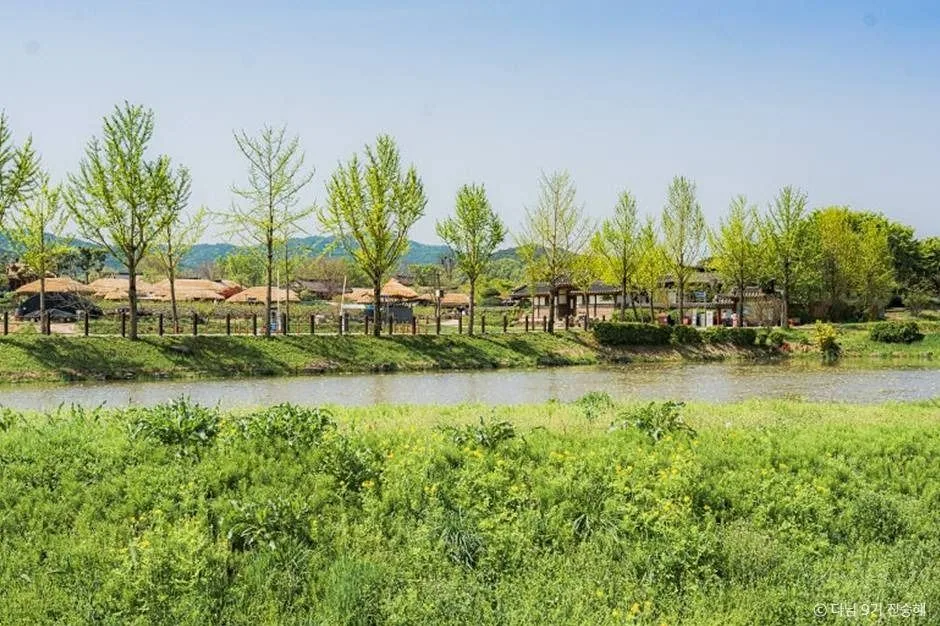
Beyond Hahoe Village, Andong is home to several UNESCO World Heritage sites.
- Day 1: Arrive in Andong → lunch (Andong jjimdak or salted mackerel) → tour Hahoe Village and watch the mask dance performance → visit Byeongsan Seowon (UNESCO 2019) (10 minutes by car from Hahoe Village; it’s also the terminus of Bus 210, which passes through Hahoe; free admission) → dinner and overnight stay.
- Day 2: In the morning, visit Bongjeongsa Temple (UNESCO 2018) (home to Korea’s oldest wooden building; free admission) → in the afternoon, visit Dosan Seowon (UNESCO 2019) → depart from Andong Station.
Recommended 2-Day Gyeongju Itinerary (Including Yangdong Village)
Gyeongju has so much to offer that the whole city is often called an open-air museum.
- Day 1: Arrive in Gyeongju → tour Bulguksa Temple (UNESCO 1995) and Seokguram Grotto (UNESCO 1995) → after dinner, enjoy the night view of Donggung Palace and Wolji Pond → overnight stay.
- Day 2: Visit Yangdong Village in the morning → visit Oksan Seowon (UNESCO 2019) → in the afternoon, tour downtown sites such as Daereungwon Tomb Complex and Cheomseongdae → depart from Gyeongju Station.
Practical Tips for International Travelers
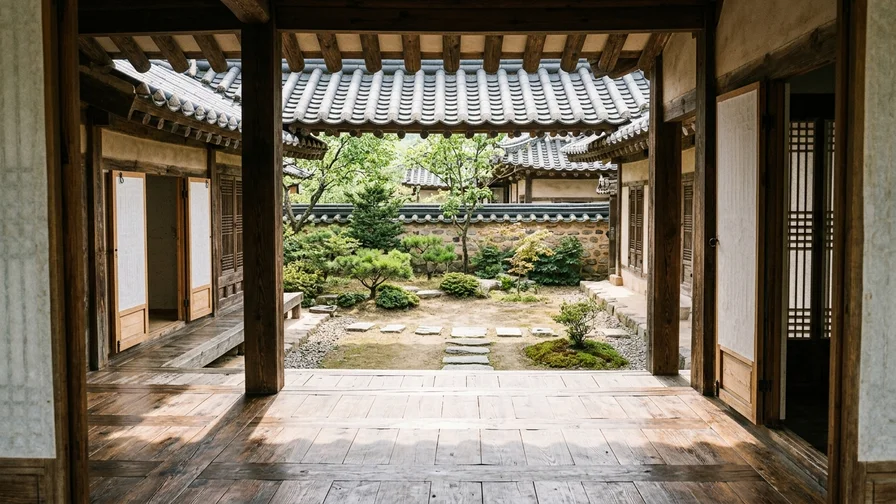
- Hanok stay: Both villages offer lodging where you can experience “ondol” underfloor heating. Confirm whether toilets/showers are shared when you book.
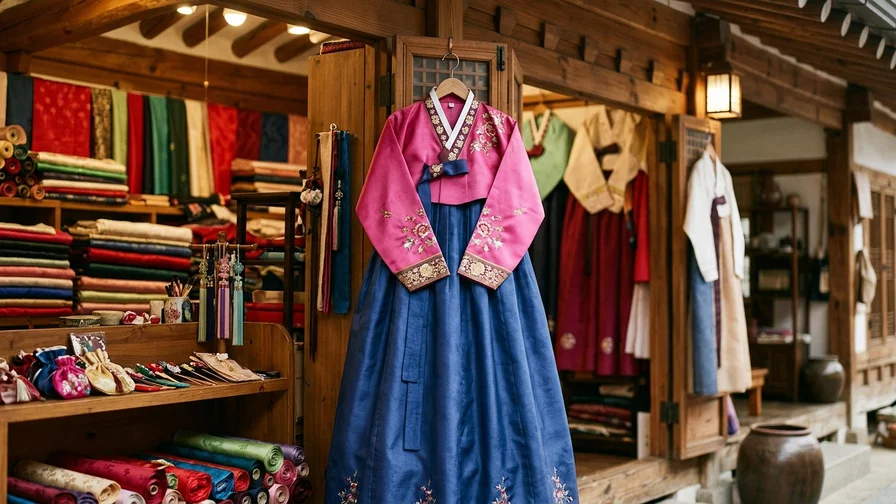
- 한복 experience: There are 한복 rental shops near the entrance to Hahoe Village and elsewhere, and touring in 한복 (traditional Korean dress) is also an option.
Where to Eat in Andong
Restaurants are clustered at Hahoe Market in front of the Hahoe Village ticket office. The signature dishes are Andong jjimdak (chicken braised with glass noodles and vegetables in a soy-based sauce) and Andong salted mackerel (mackerel salted and grilled — a local specialty rooted in the salt-curing method once used to transport fish without spoilage to inland Andong, far from the sea).
- Hahoe Restaurant 📍: A local-cuisine spot inside Hahoe Market, serving salted-mackerel set meals (grilled mackerel with rice and side dishes) and Andong jjimdak; may close early when ingredients sell out.
- Solbat Restaurant 📍: Inside Hahoe Market, serving Andong jjimdak and salted-mackerel sets; pajeon (savory pancake) and dongdongju (rice makgeolli) are also popular.
- Andong Salted-Mackerel Charcoal Garden (Main) 📍: 95 Gagok-ro, Pungcheon-myeon, Andong-si (on the way to Hahoe Village); charcoal-grilled salted mackerel; closed Mondays.
- Jogane Mackerel Set 📍: 47 Gwangseok 1-gil, Andong-si (near the Culture Street in downtown Andong); salted-mackerel set meals.
- Andong Salted-Mackerel Direct Restaurant 📍: 197 Seokju-ro, Andong-si (near Woryeonggyo Bridge downtown); specializing in salted mackerel; 11:00–20:00.
Where to Eat in Gyeongju
There are a few restaurants inside Yangdong Village too, but you have to pay the village admission to enter and use them. Gyeongju’s signature foods are ssambap (rice and side dishes wrapped in leafy greens) and Hwangnam-ppang (a pastry filled with red bean).
- Chowon Restaurant 📍: 148 Yangdongmaeul-gil, Gangdong-myeon, Gyeongju-si; local Korean home cooking inside the village.
- Uhyang Daok 📍: 7-4 Yangdongmaeul-angil, Gangdong-myeon, Gyeongju-si; the Uhyang set (a countryside spread centered on seasoned vegetable side dishes and doenjang-jjigae — a stew made with Korean fermented soybean paste).
- Odongnamu Restaurant 📍: 122-1 Yangdongmaeul-gil, Gangdong-myeon, Gyeongju-si; a spread featuring namul bibimbap (rice topped with assorted wild greens and mixed together) and jeyuk-bokkeum (spicy stir-fried pork).
Transport Cautions
- Kakao T: Korea’s leading taxi-hailing app. Kakao T accepts overseas-issued cards (Visa, Mastercard, American Express, JCB), but sign-up needs SMS verification and some overseas SIMs don’t receive the code (verified October 2026).
- 1330 Travel Hotline: Offers interpretation in English, Japanese, and Chinese to help call taxis and provide transport guidance.
- International Driving Permit (IDP): If renting a car, be sure to carry a valid IDP.
Frequently Asked Questions (FAQ)
- Q1: Do people still live in the villages?
- A: Yes — both villages are living communities where descendants have actually lived for hundreds of years. Please visit only the houses that are open, and respect the residents’ privacy. Refrain from talking loudly or peering into homes.
- Q2: When is the best season to visit?
- A: Spring (April–May) and autumn (September–October) are the most pleasant. Spring brings flowers, while autumn offers fall foliage and golden rice fields. Summer is hot and humid, and winter is cold but rewards you with snow-covered old-house scenery. If you want to see the Hahoe Byeolsingut Talnori, it’s safest to avoid January–February except on weekends.
- Q3: How long does it take to tour a village?
- A: Andong Hahoe takes about 3–4 hours including the mask dance performance, while Gyeongju Yangdong takes about 2–3 hours focusing on the main old houses. If you want to see everything in detail, plan for half a day or more.
- Q4: Are the villages accessible by wheelchair or stroller?
- A: Partially, but it’s not easy. Hahoe has many flat paths, but some are unpaved dirt trails, and the temporary mask dance venue used during the performance-hall renovation did not allow wheelchairs or strollers. The renovated Transmission Education Center hosted a regular performance in October 2026, so check the official site for current access (verified October 2026). Yangdong has many steep hilly paths, which make moving around quite difficult. For accurate information, contact each village’s management office before visiting.
- Q5: Is drone photography allowed?
- A: No. Both villages are cultural-heritage protection zones as well as residential areas, so flying a drone without prior permission is strictly prohibited.
- Q6: Is there good English signage?
- A: Yes — the major old houses and information centers have well-installed signs in English, Japanese, and Chinese. Having a translation app on hand helps for more detailed information or wayfinding.
Opening hours, performance schedules, and bus timetables are subject to change, so make a final check on the official websites of Hahoe Village and Yangdong Village before you go.
Some photos © Korea Tourism Organization (KOGL Type 1)
Related reads in this series
- 17 UNESCO World Heritage Sites in Korea
- Haeinsa Janggyeong Panjeon & Tripitaka Koreana (UNESCO 1995)
- Gyeongju UNESCO World Heritage (1995, 2000)
- Jongmyo Shrine (UNESCO 1995)
- Changdeokgung Palace & Secret Garden (UNESCO 1997)
- Namhansanseong Fortress (UNESCO 2014)
- Baekje Historic Areas (UNESCO 2015)
- Sansa, 7 Buddhist Mountain Temples in Korea (UNESCO 2018)
- Bangudae Petroglyphs (UNESCO 2025)